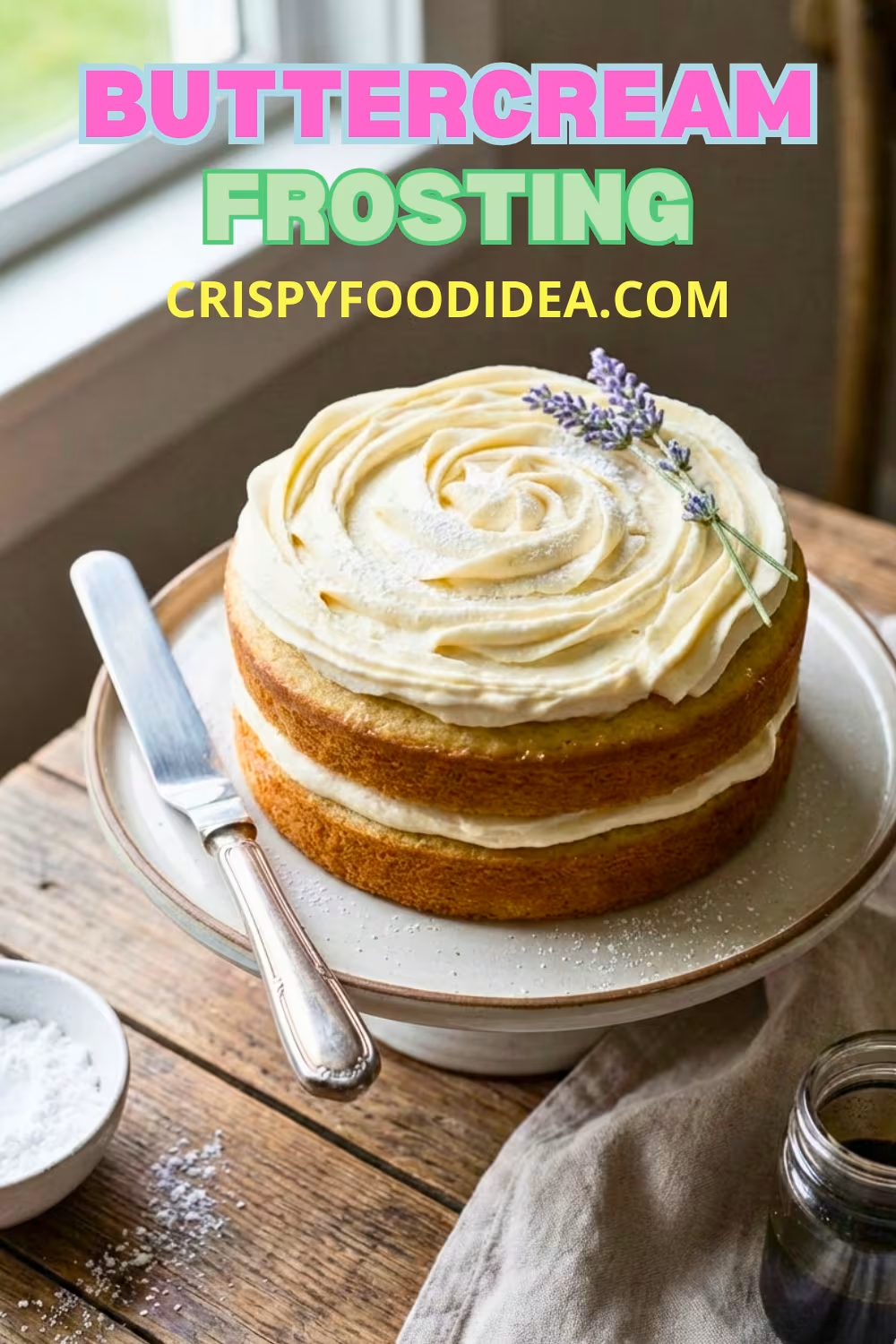
Buttercream Frosting Recipe – Smooth, Fluffy & Bakery-Style
We are all familiar with the word frosting because the taste, presentation, and presentation of any cake depend on the taste of this frosting. That’s exactly what I will discuss with you today about the buttercream frosting recipe that’s smooth, fluffy, pipeable, and not overly sweet. Whether frosting a birthday cake, decorating wedding cupcakes, filling a layer cake, or piping beautiful swirls for a celebration dessert, this classic vanilla buttercream frosting delivers reliable, bakery-style results at home.
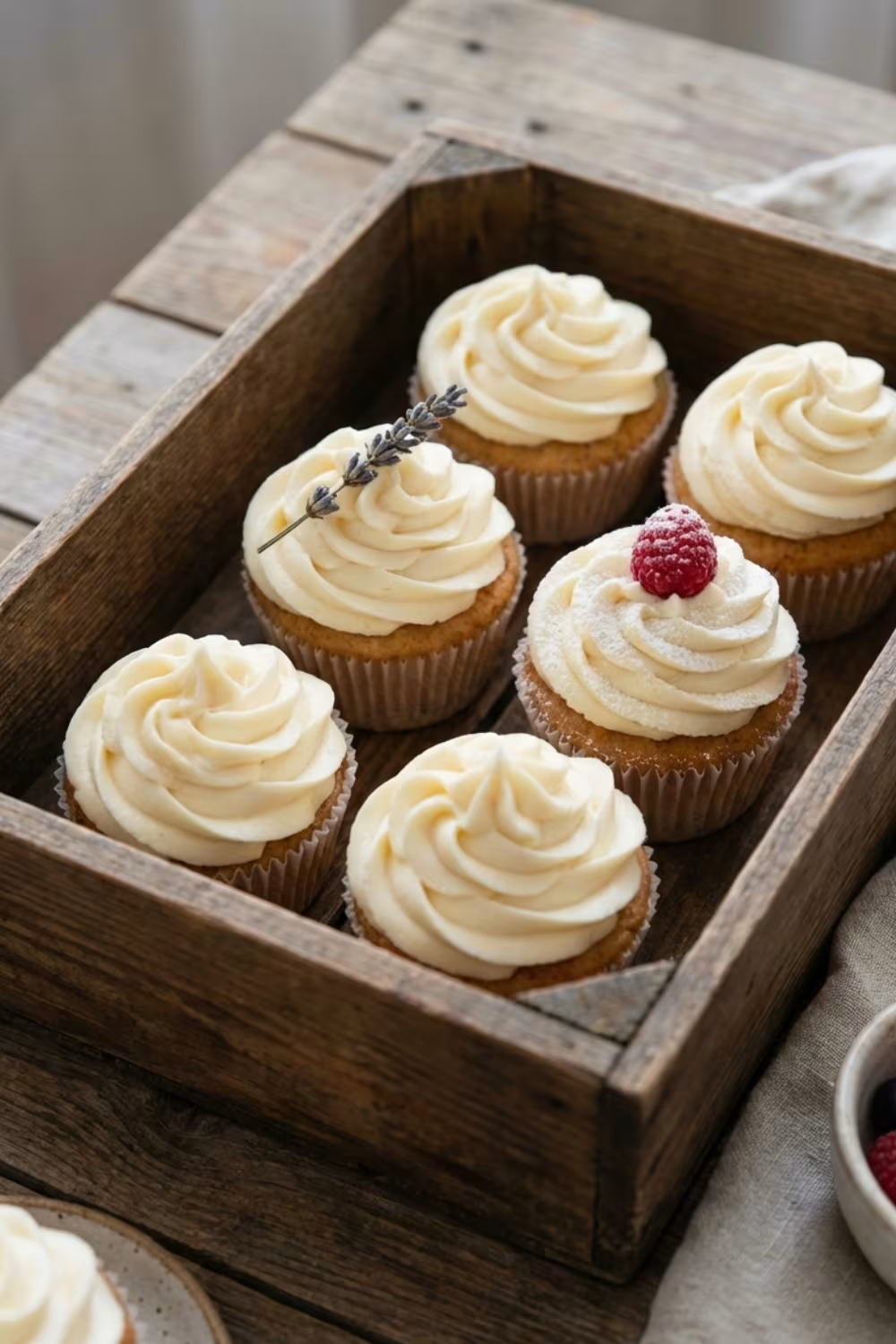
Buttercream is the most popular cake frosting recipe worldwide because it’s simple, versatile, and incredibly stable for decorating. With just a few pantry ingredients — butter, powdered sugar, heavy cream, and vanilla extract — you can create a creamy, smooth frosting that spreads effortlessly and holds its shape when piped. It’s ideal for cupcake frosting, wedding cake decorating, holiday desserts, and even professional-looking bakery cakes.
This frosting is also called cake icing. It takes less than 1 minute to make, Perfect for cake decorating & piping, Freezer-friendly & make-ahead baking solution, and my favorite. Unlike overly sugary versions you might find online, this buttercream frosting is balanced, smooth, and adaptable. It’s also perfect for modern home bakers using a stand mixer or hand mixer, and it performs beautifully in warm kitchens when prepared correctly. From beginner bakers to experienced cake decorators, this recipe helps you create professional bakery-style frosting without complicated techniques.
Suggested: Italian Timballo Recipe
Classic Vanilla Buttercream Frosting (Bakery-Style)
This classic buttercream frosting recipe is creamy, fluffy, stable, and easy to customize. With simple pantry ingredients and just 10 minutes of prep, you get bakery-style frosting perfect for cakes, cupcakes, and cookies. Whether you’re a beginner baker or decorating professionally, this reliable homemade buttercream delivers smooth texture, balanced sweetness, and excellent piping consistency every time.
Ingredients
- 1 cup (226g) unsalted butter, softened (room temperature)
- 3–4 cups powdered sugar (confectioners’ sugar), sifted
- 2–3 tbsp heavy cream or whole milk
- 2 tsp pure vanilla extract
- ¼ tsp salt
Instructions
Step 1: Beat the Butter
In a large bowl, beat softened butter on medium speed for 2–3 minutes until light and creamy.
(This step ensures fluffy, smooth frosting.)
Step 2: Add Sugar Gradually
Add powdered sugar 1 cup at a time, mixing on low speed to prevent mess.
Step 3: Add Flavor & Cream
Add vanilla extract, salt, and 2 tbsp heavy cream. Beat on medium-high for 2–3 minutes until fluffy.
Step 4: Adjust Consistency
- Too thick? Add 1 tsp cream at a time.
- Too thin? Add 2–3 tbsp powdered sugar.
Beat an additional 1–2 minutes for extra fluffiness.
Notes
- Butter must be room temperature, not melted.
- Sift powdered sugar for an ultra-smooth texture.
- Beat longer for lighter, whipped buttercream.
- For hot climates, use slightly less cream.
- Store frosting covered to prevent crusting.
Best Uses for Buttercream Frosting
- Birthday cake frosting
- Wedding cake decorating
- Cupcake piping swirls
- Sugar cookie decoration
- Layer cake filling
Nutrition Information:
Yield:
12Serving Size:
1Amount Per Serving: Calories: 154Total Fat: 17gSaturated Fat: 11gUnsaturated Fat: 6gCholesterol: 45mgSodium: 48mgCarbohydrates: 0gSugar: 0gProtein: 0g
Related: Brigadeiro – Brazilian Chocolate Truffles
What Is Buttercream Frosting?
Buttercream frosting is a smooth, creamy, and fluffy cake frosting made primarily from butter and powdered sugar, whipped together until light and airy. It is the most popular cake frosting recipe used to decorate birthday cakes, wedding cakes, cupcakes, layer cakes, and cookies.
At its core, buttercream is a simple emulsion — softened butter whipped with confectioners’ sugar, often enhanced with vanilla extract, heavy cream, or milk for a silky texture. The result? A stable, pipeable, bakery-style frosting that spreads easily and holds decorative shapes beautifully.
Buttercream vs Icing – What’s the Difference?
| Buttercream Frosting | Icing (Glaze Style) |
|---|---|
| Thick, creamy, and fluffy. Used for layering, piping, and decorating cakes. | Thin and pourable. Used for drizzling over cookies, donuts, or pastries. |
Types of Buttercream Frosting
- American Buttercream – Sweet, simple, and beginner-friendly.
- Swiss Meringue Buttercream – Silky and less sweet, ideal for wedding cakes.
- Italian Buttercream – Stable and smooth, often used by professional cake decorators.
- Cream Cheese Buttercream – Tangy and rich, perfect for carrot cake or red velvet.
Each version varies in sweetness, texture, and stability, which is why choosing the right buttercream frosting recipe depends on your cake type, climate, and decorating needs.
If you want an easy, reliable frosting for everyday cakes and cupcakes, classic vanilla buttercream frosting (American style) is your best starting point.
Related: Sourdough Focaccia Recipe
What You Really Need for Perfect Buttercream Frosting Recipe
🧈 1. Unsalted Butter (The Foundation of Real Buttercream Recipe)
Butter is the backbone of any classic American buttercream frosting. It creates structure, flavor, and that rich, creamy mouthfeel people expect in birthday cakes, wedding cakes, and cupcake frosting.
- Best choice: High-quality unsalted butter (room temperature)
- Why unsalted? Allows full control over sweetness and flavor balance
- Texture tip: Butter should be soft, not melted
🍬 2. Powdered Sugar (Sweetness & Structure)
Powdered sugar (also called confectioners’ sugar) provides sweetness and stability. It’s what transforms whipped butter into thick, pipeable cake frosting.
- Sift before mixing for ultra-smooth texture
- Add gradually to control thickness
- More sugar = thicker frosting
If your frosting feels too sweet, balancing with a pinch of salt or more butter helps create a more professional bakery-style buttercream.
🥛 3. Heavy Cream or Milk (Texture Control)
Heavy cream adjusts consistency and makes your buttercream frosting fluffy and spreadable. It’s the key to getting that perfect swirl on cupcakes and smooth finish on layer cakes.
- Heavy cream = richer, silkier frosting
- Milk = lighter option
- Add slowly to avoid thinning too much
🌼 4. Pure Vanilla Extract (Flavor Depth)
Vanilla extract elevates simple butter and sugar into a full-flavored vanilla buttercream frosting. Use pure extract instead of artificial flavoring for a cleaner, bakery-quality taste.
- 2 teaspoons is standard for balanced flavor
- Clear vanilla keeps frosting bright white
- Natural vanilla gives deeper flavor
🧂 5. Salt (The Flavor Balancer)
Just a pinch of salt reduces excessive sweetness and enhances depth. Professional bakers always include salt to create balanced not-too-sweet buttercream frosting.
Ingredient Substitutions (For Different Needs)
- Dairy-Free: Use plant-based butter + almond milk
- Low-Sugar Option: Reduce powdered sugar slightly and increase butter
- Chocolate Version: Add unsweetened cocoa powder
- Stability Boost: Add 1 tbsp cornstarch for hot climates
Choosing the right ingredients isn’t about trends — it’s about building a stable buttercream frosting that holds up for decorating, piping, stacking cakes, and even warm-weather events.
Related: Romanian Mici Recipe
Step-by-Step Instructions: How to Make the Best Buttercream Frosting Recipe
This classic vanilla buttercream frosting recipe is smooth, fluffy, stable for piping, and perfect for birthday cakes, wedding cakes, cupcakes, and cake decorating. Follow these simple steps carefully for bakery-style results every single time.
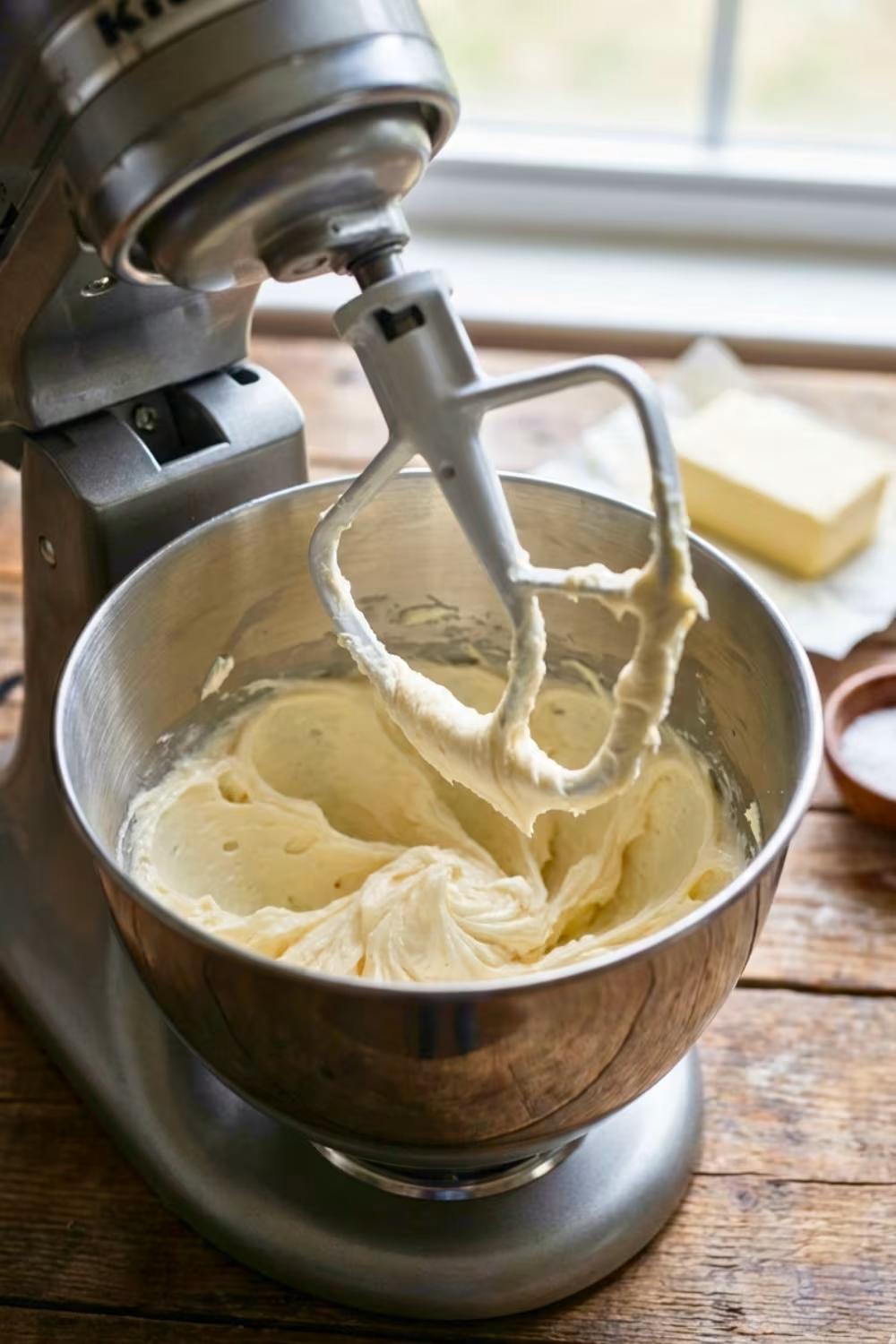
Step 1: Beat the Butter Until Light and Creamy
Start with room temperature unsalted butter — not melted, not cold. Using a stand mixer or hand mixer, beat the butter on medium speed for 2–3 minutes until it becomes pale, fluffy, and smooth.
This is the foundation of a smooth buttercream frosting. Properly whipped butter creates air pockets, which gives you that light, bakery-style frosting texture.
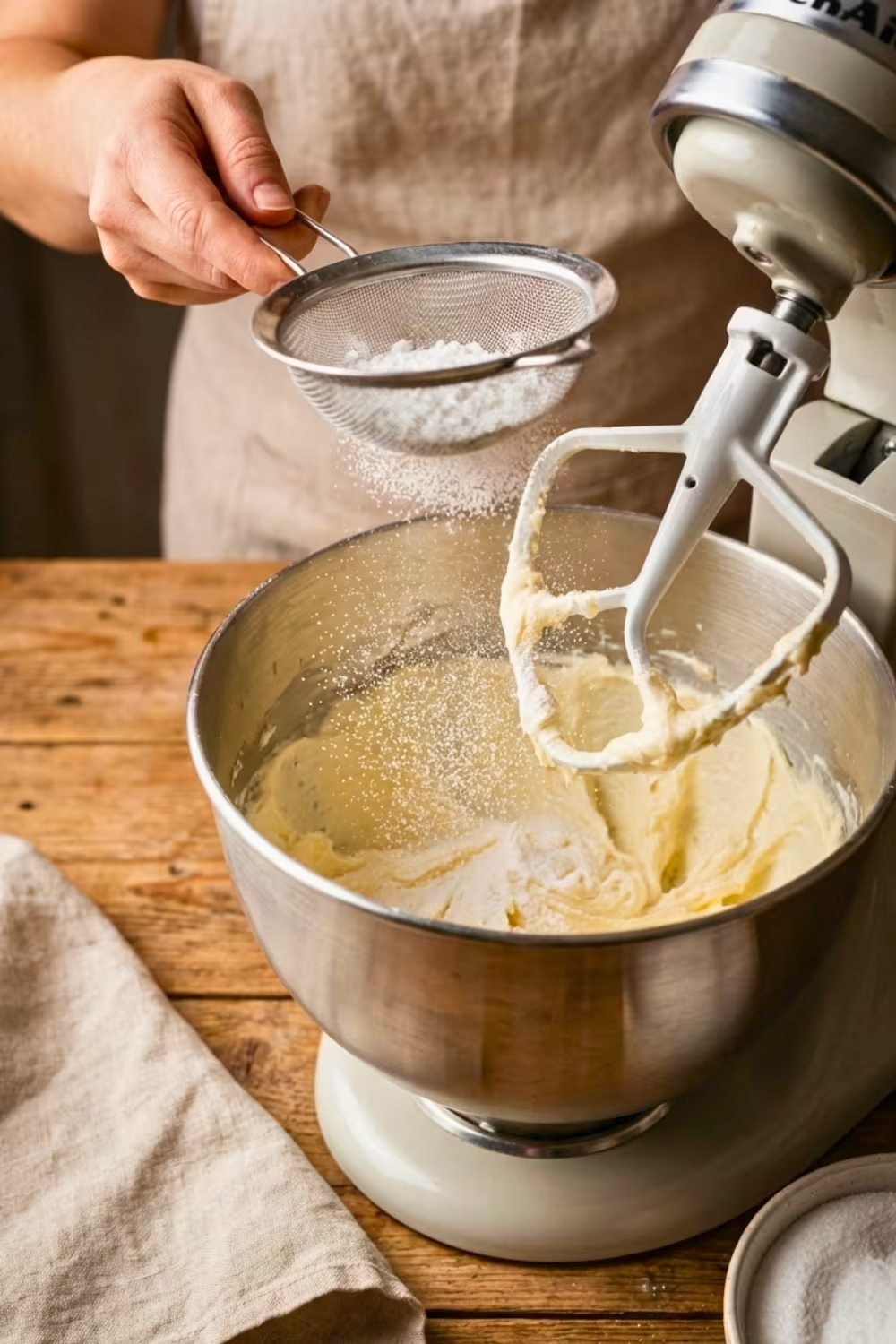
Step 2: Add Powdered Sugar Gradually
Add sifted powdered sugar (confectioners’ sugar) one cup at a time. Mix on low speed to prevent sugar clouds.
Gradual mixing ensures a lump-free cake frosting recipe and prevents gritty texture. If your frosting feels too thick at this stage, don’t worry — we’ll adjust consistency in the next step.
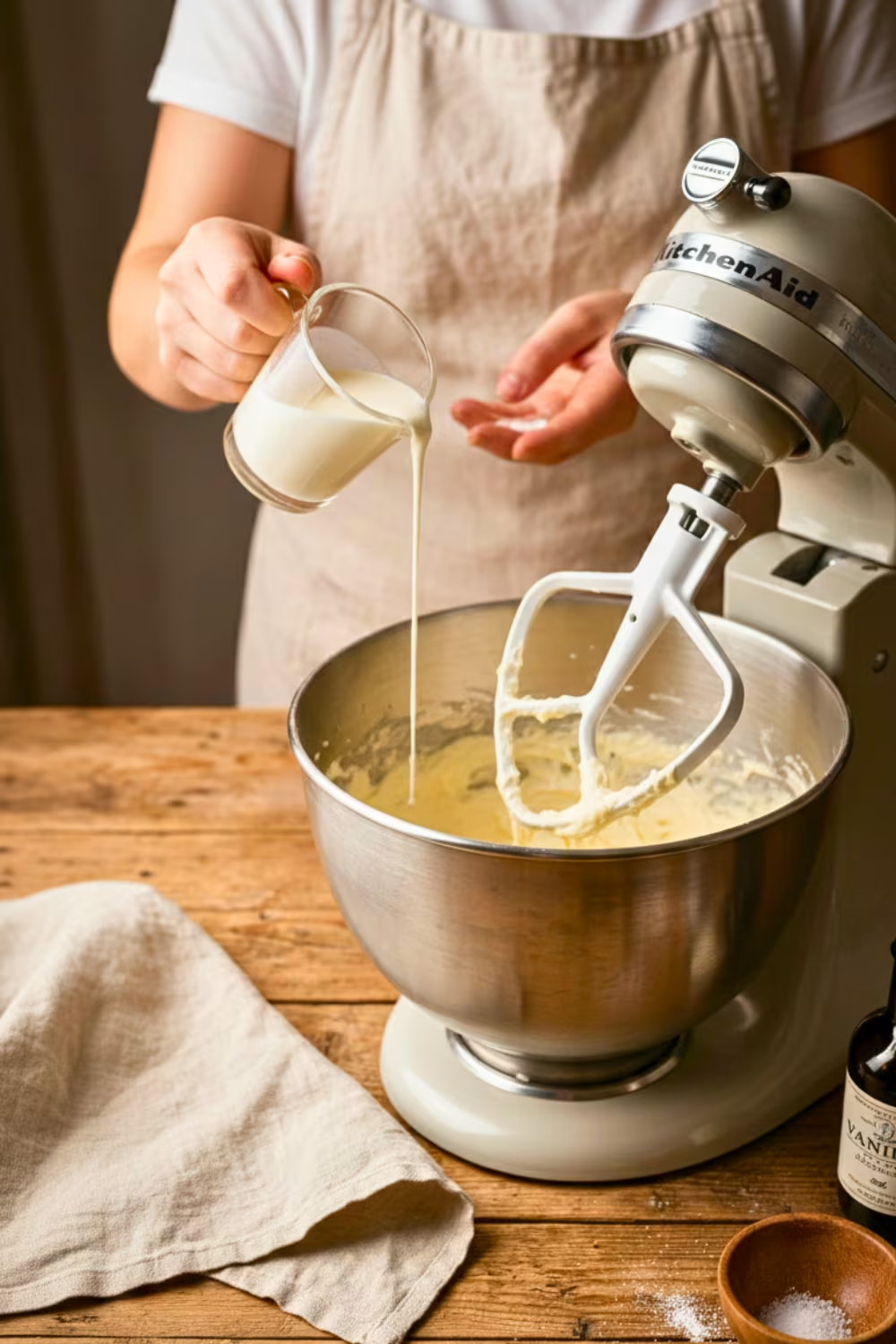
Step 3: Add Vanilla, Salt & Heavy Cream
Add pure vanilla extract, a pinch of salt, and 2 tablespoons of heavy cream or whole milk. Beat on medium-high for another 2–3 minutes.
This step transforms the mixture into a fluffy, pipeable buttercream frosting perfect for cupcakes and layer cakes. Heavy cream adds richness and helps stabilize the frosting for professional cake decorating.
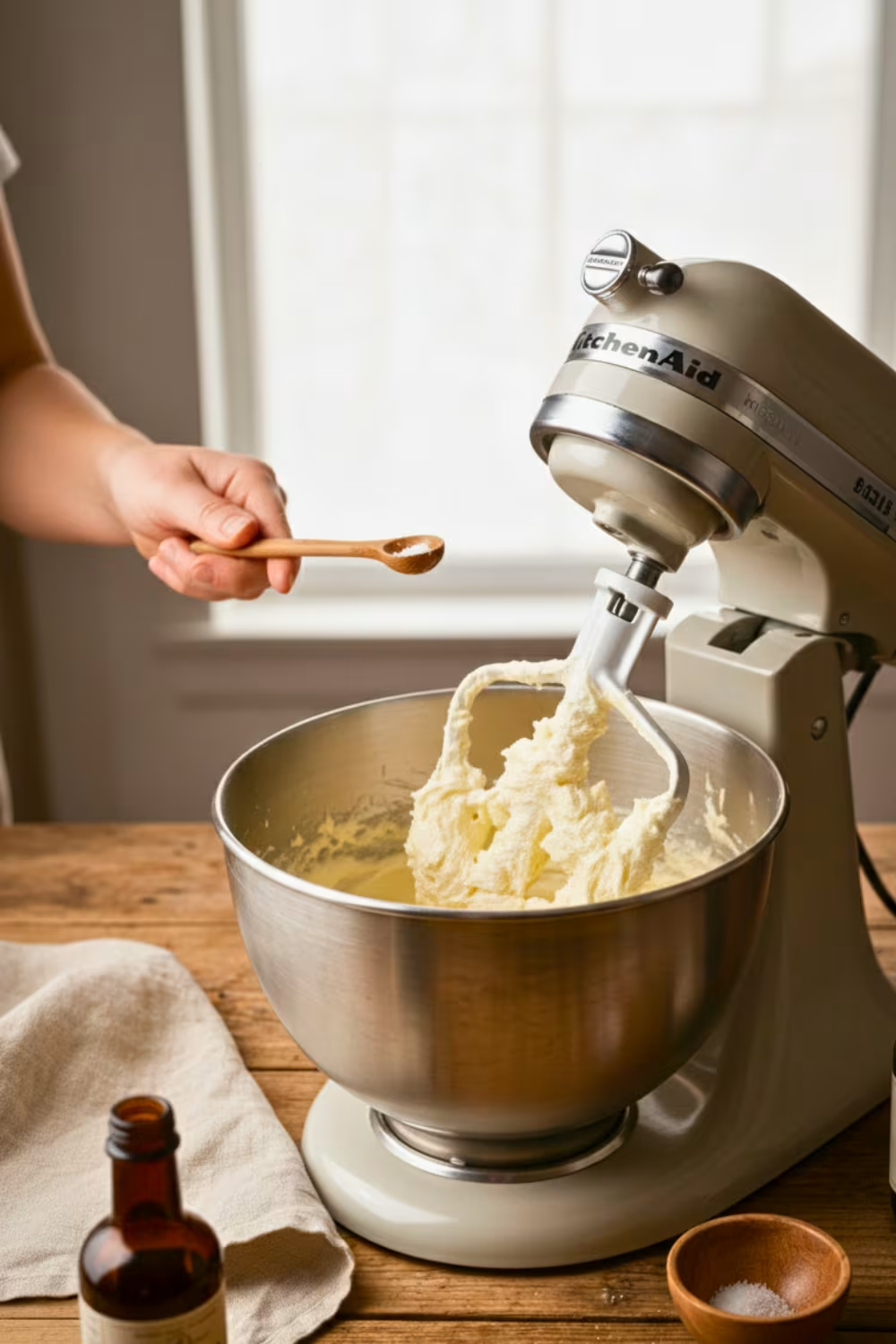
Step 4: Adjust the Consistency (Critical Step)
Now check your frosting texture:
- Too thick? Add 1 teaspoon of cream at a time.
- Too thin? Add 1–2 tablespoons powdered sugar.
- Too sweet? Add a tiny pinch of salt.
Beat for an additional 1–2 minutes to make it extra fluffy. This ensures your vanilla buttercream frosting spreads smoothly and holds its shape for cake piping, rosettes, and decorative swirls.
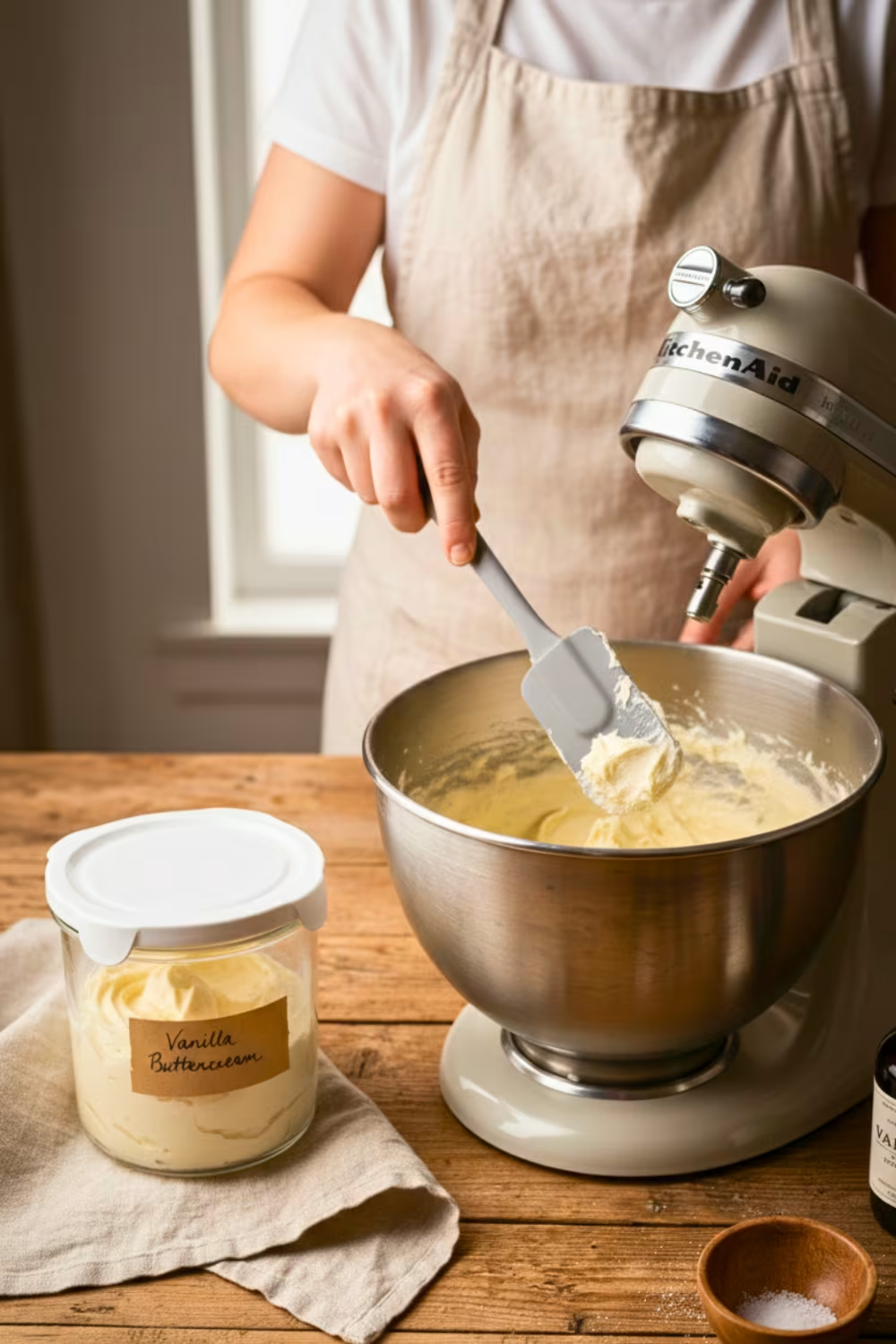
Step 5: Use or Store Properly
Use immediately for the smoothest results. If storing, cover tightly to prevent crusting. Before using chilled buttercream, let it sit at room temperature and re-whip briefly.
This method produces a stable buttercream frosting recipe ideal for birthday cakes, wedding cakes, cupcake frosting, and sugar cookie decorating.
How to Know Your Buttercream Is Perfect
- ✔ Smooth and creamy (no sugar grit)
- ✔ Holds peaks when lifted with a spoon
- ✔ Pipes cleanly without collapsing
- ✔ Spreads easily on cakes without tearing crumbs
If your frosting meets these signs, you’ve successfully made the best homemade buttercream frosting recipe.
Related: Shrini Danmarki Recipe
Buttercream Frosting Recipe Variations (Flavor Ideas That Actually Work)
Once you learned a classic buttercream frosting recipe, you can turn it into dozens of bakery-style flavors. Below you’ll find the most searched and high-performing frosting flavors people actually look for online.
🍫 Chocolate Buttercream Frosting
To make a rich chocolate buttercream frosting, add ½ cup unsweetened cocoa powder and 1–2 tablespoons extra heavy cream. For deeper flavor, use Dutch-processed cocoa. This variation is perfect for birthday cakes, chocolate cupcakes, and layer cakes.
🧀 Cream Cheese Buttercream
Replace ½ cup of butter with full-fat cream cheese for a tangy, smooth cream cheese buttercream frosting. Ideal for carrot cake, red velvet cake, and cinnamon rolls. This version is slightly less sweet and more stable for layered cakes.
🍓 Strawberry Buttercream Frosting
Add 2–3 tablespoons freeze-dried strawberry powder for natural color and bold flavor without thinning the frosting. This is the best method for stable strawberry buttercream frosting that pipes beautifully. Perfect for baby showers, spring cakes, and wedding cupcakes.
🥜 Peanut Butter Buttercream
Mix in ½ cup creamy peanut butter for a rich, nutty frosting. Reduce powdered sugar slightly to maintain balance. This variation pairs beautifully with chocolate cake and is popular for homemade bakery-style cupcakes.
☕ Coffee Buttercream (Mocha Style)
Dissolve 1–2 teaspoons instant espresso powder in cream before mixing. This creates a bold coffee buttercream frosting perfect for mocha cakes and chocolate desserts. A favorite among coffee lovers and dessert enthusiasts.
🌱 Vegan Buttercream Frosting
Use plant-based butter and dairy-free milk for a smooth vegan buttercream frosting recipe. Choose high-quality vegan butter for stability. This option works well for dairy-free cupcakes and allergy-friendly desserts.
How to Adjust Flavor & Sweetness
- Too sweet? Add a pinch of salt or use less powdered sugar.
- Too thick? Add 1 teaspoon heavy cream at a time.
- Too soft? Chill briefly and re-whip.
- Hot climate? Reduce liquid and use slightly cooler butter.
The best buttercream frosting isn’t just about flavor—it’s about balance, texture, and stability for your specific cake decorating needs.
How Much Buttercream Frosting Do You Need?
Frosting cupcakes, a birthday cake, a wedding cake, or a sheet cake, getting the right amount of buttercream frosting prevents waste and ensures smooth, professional cake decorating results.
Below is a practical, baker-tested guide to help you calculate exactly how much vanilla buttercream frosting you’ll need for cakes, cupcakes, and layer cakes. This guide works for American buttercream, chocolate buttercream, cream cheese frosting, and most homemade frosting recipes.
| Dessert Type | Frosting Needed (Light Coat) | Frosting Needed (Generous/Decorated) |
|---|---|---|
| 12 Cupcakes | 1½ cups | 2–2½ cups (tall swirls) |
| 24 Cupcakes | 3 cups | 4–5 cups |
| 8-inch 2-Layer Cake | 3 cups | 4–5 cups |
| 9-inch 2-Layer Cake | 3½ cups | 5 cups |
| Quarter Sheet Cake | 3–4 cups | 5 cups |
| Wedding Cake (3-Tier) | 10–12 cups | 12–15 cups (decorated) |
How to Decide the Right Amount
- For smooth, minimalist cakes: Stick with the light coat measurement.
- For tall bakery-style swirls: Increase frosting by 25–40%.
- For layered & filled cakes: Add 1 extra cup for filling between layers.
- For piping flowers or decorations: Always prepare extra frosting.
When in doubt, make slightly more. Buttercream frosting stores well and can be refrigerated or frozen for future baking projects.
Pro Tip for Cake Decorating
Professional bakers often prepare an extra ½ to 1 cup of homemade buttercream frosting to allow for texture adjustments, piping mistakes, or decorative borders. This ensures your birthday cake frosting or wedding cake buttercream looks polished and complete.
Best Uses for Buttercream Frosting (Where It Truly Shines)
This classic buttercream frosting recipe is one of the most versatile, stable, and beginner-friendly frostings for cakes, cupcakes, cookies, and professional cake decorating.
🎂 1. Birthday Cakes & Celebration Cakes
Buttercream is the best frosting for birthday cakes because it spreads easily, holds layers securely, and creates a smooth finish for decorating. It works beautifully on layer cakes, sheet cakes, smash cakes, and custom celebration cakes.
🧁 2. Cupcake Frosting & Bakery-Style Swirls
This buttercream frosting for cupcakes pipes beautifully using a piping bag and star tip. It holds its shape, making it ideal for tall swirls, rosettes, and decorative cupcake designs. Perfect for bakery-style cupcakes, party desserts, and holiday treats.
💍 3. Wedding Cakes & Special Event Cakes
When properly whipped and stabilized, buttercream becomes an excellent wedding cake frosting. It creates clean edges, smooth finishes, and a soft elegant look. Many professional bakers use buttercream for wedding cakes, anniversary cakes, and custom event desserts because it is more stable and easier to work with than whipped cream frosting.
🍪 4. Sugar Cookies & Cookie Sandwiches
Buttercream is ideal for sugar cookie frosting and sandwich cookies. It spreads easily and can be flavored or colored for themed desserts. Unlike royal icing, buttercream stays soft and creamy, making it perfect for holiday cookie decorating.
🍰 5. Layer Cake Filling & Dessert Frosting
This smooth buttercream frosting works perfectly as a filling between cake layers. It adds moisture, sweetness, and structure without becoming runny. It pairs especially well with chocolate cake, vanilla sponge, red velvet cake, and carrot cake.
If you want a reliable, easy frosting recipe that works for beginners and professionals alike, classic buttercream is the most practical and versatile choice.
Frequently Asked Questions About Buttercream Frosting Recipe
The best buttercream frosting for cakes depends on your goal. For beginners and everyday baking, American buttercream is the easiest and most reliable. It’s sweet, fluffy, and perfect for birthday cakes, cupcakes, and layer cakes. If you want something less sweet and more silky for wedding cakes or professional cake decorating, Swiss meringue buttercream is often preferred.
To reduce sweetness in a buttercream frosting recipe, add a small pinch of salt, a splash of lemon juice, or increase the butter ratio slightly. You can also switch to Swiss or Italian buttercream, which uses egg whites for a smoother and less sugary texture. This is ideal if you prefer bakery-style frosting that isn’t overly sweet.
For a standard 8-inch two-layer cake, you typically need about 3–4 cups of buttercream frosting. For 12 cupcakes with decorative swirls, plan on 2–2½ cups. Knowing the correct amount prevents waste and ensures smooth coverage for cake decorating and piping.
Yes, buttercream frosting can sit at room temperature for up to 1–2 days if stored in a cool environment. However, in warm climates, refrigeration is safer. Before using chilled frosting, let it soften and re-whip for the best smooth frosting texture.
Grainy buttercream usually happens when powdered sugar isn’t sifted or when the butter is too cold. To fix it, beat the frosting longer and ensure ingredients are at room temperature. Smooth, fluffy texture is key for professional-looking cupcake frosting and cake icing.
Frosting is thick, fluffy, and spreadable — like classic buttercream. Icing is thinner and glossier, often used for drizzling or glazing. For layered cakes, birthday cakes, and decorated cupcakes, buttercream frosting is the preferred choice because of its stability and pipeability.
If you like this article about the Buttercream Frosting Recipe, please share it with your friends on Facebook and Pinterest. Also, subscribe to my blog to get all the latest content first on your mobile.