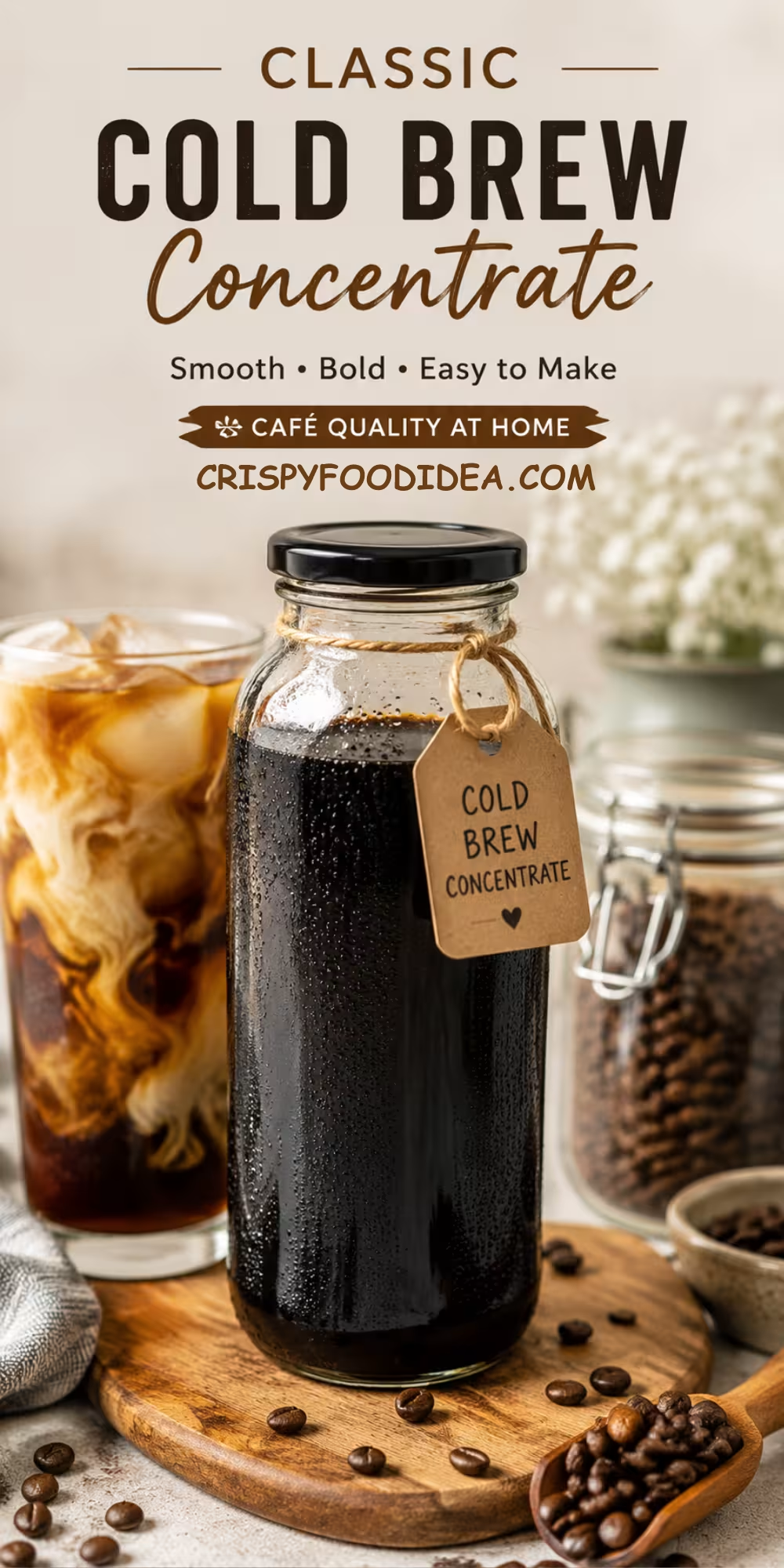
Best Classic Cold Brew Concentrate Recipe | Smooth, Strong & Easy Homemade Coffee
It is hard to find someone who doesn’t enjoy coffee. For most people, the first thing they crave upon waking up is starting the day by sipping a hot cup of tea or coffee. Moreover, coffee contains caffeine, which offers various health benefits. However, the notion that coffee can only be consumed hot is incorrect; iced coffee has become increasingly popular these days—and interestingly, it often costs more than hot coffee. So, today I am sharing my favorite recipe for a Classic Cold Brew Concentrate. While most people prefer getting this at a café, I can guarantee that if you make it at home using my method, it will turn out even better than what you get at a café.
After spending hundreds of dollars on bottled cold brew concentrate and experimenting with dozens of coffee-to-water ratios, different types of coffee beans, brewing times, and grind sizes, I finally found a method that consistently produces a smooth, strong, naturally sweet, and low-acid cold brew concentrate at home. According to the National Coffee Association, coffee freshness and proper storage have a significant impact on flavor and aroma. I now make this exact recipe every week because it delivers a high-quality, café-quality taste for a fraction of the cost of store-bought coffee concentrate.
Another reason I love this recipe is its incredible versatility. A batch of homemade cold brew concentrate keeps well in the fridge for several days and can be diluted with cold water, milk, oat milk, almond milk, or even sparkling water. Cold brewing extracts coffee differently than traditional hot brewing. Because the coffee grounds are slowly steeped in cold water, the resulting concentrate has a naturally sweet flavor and is noticeably less acidic and bitter. Many coffee lovers find it easy on the stomach, while still delivering the intense caffeine jolt expected from premium specialty coffees.
☕ Rich Coffee Flavor
Smooth, bold, naturally sweet coffee with low acidity and balanced bitterness.
💰 Budget Friendly
Make premium coffee concentrate at home for significantly less than bottled brands or daily café purchases.
🥛 Endless Uses
Perfect for iced coffee, iced lattes, cold foam, protein coffee, desserts, smoothies, and coffee cocktails.
🧊 Meal Prep Approved
Prepare one batch ahead of time and enjoy café-quality coffee throughout the week.
Related: Best Carajillo Recipe
Related: Golden Milk Recipe
Classic Cold Brew Concentrate (Smooth, Bold & Café-Quality)
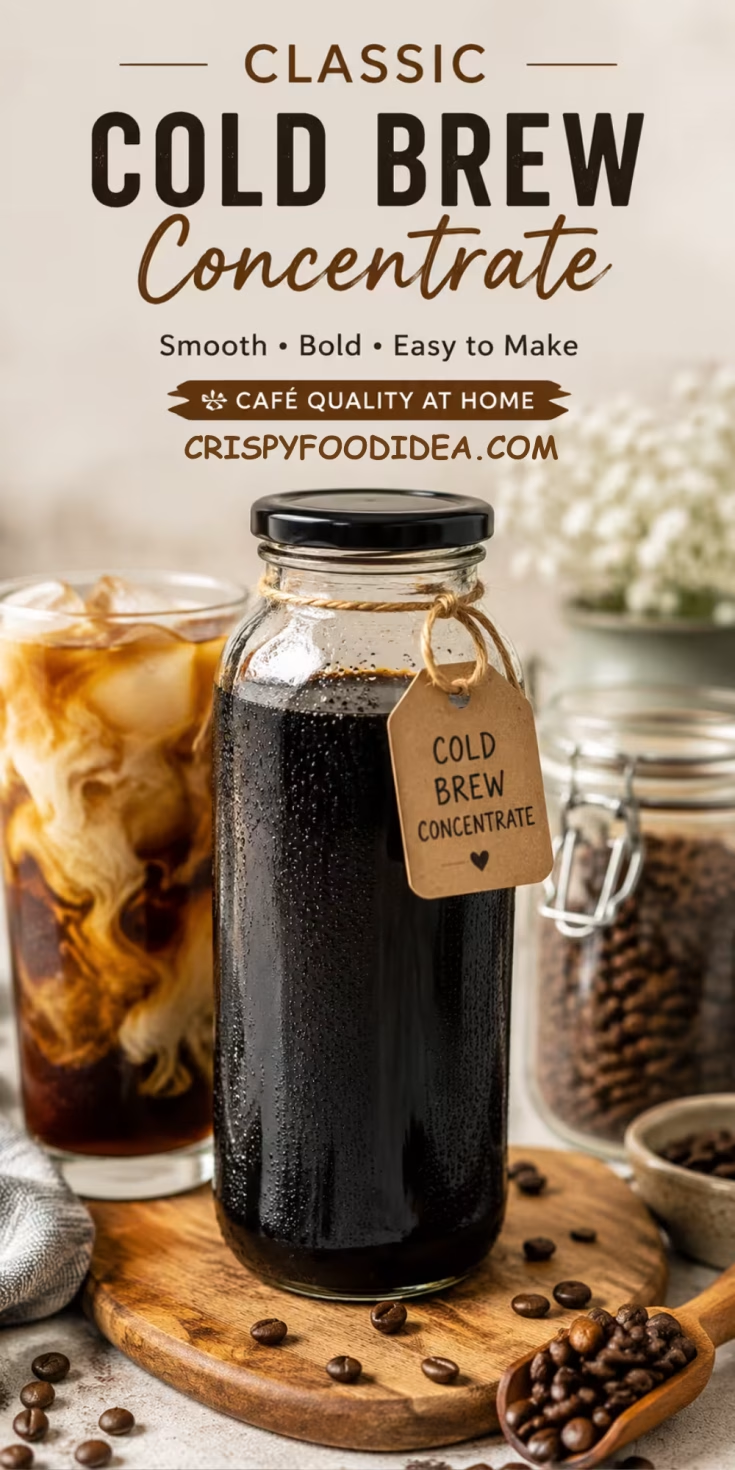
This Classic Cold Brew Concentrate is an easy, make-ahead coffee recipe that produces smooth, bold, and low-acidity coffee with minimal effort. Using only coarse-ground coffee and filtered water, you'll create a versatile concentrate perfect for iced coffees, creamy lattes, Americanos, protein drinks, and seasonal coffee creations. One batch keeps well in the refrigerator for up to two weeks, making it an economical and convenient alternative to store-bought cold brew.
Ingredients
Main Ingredients
- 2 cups (200–220g) freshly coarse-ground coffee beans
- 8 cups (1.9 liters) cold filtered water
Optional for Serving
- Ice cubes
- Cold water
- Whole milk
- Oat milk
- Almond milk
- Coconut milk
- Vanilla syrup
- Maple syrup
- Brown sugar syrup
- Cinnamon
- Cocoa powder
- Heavy cream
Instructions
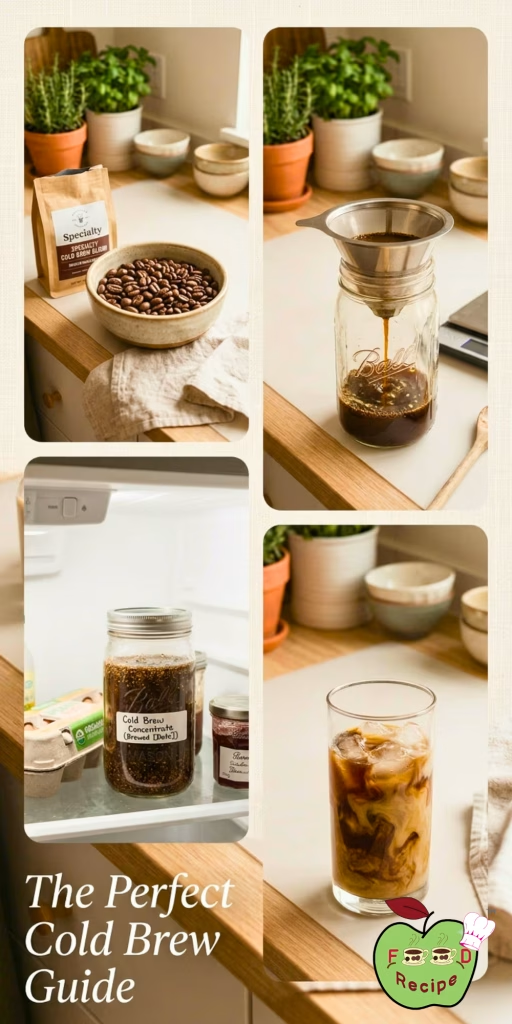
Step 1 – Grind the Coffee
Grind the coffee beans to a coarse consistency. The grounds should resemble coarse sea salt.
Pro Tip: Freshly ground beans provide the smoothest and most aromatic cold brew.
Step 2 – Combine Coffee and Water
Add the coffee grounds to a large Mason jar.
Slowly pour the filtered water over the grounds.
Stir gently until every coffee particle is fully saturated.
Step 3 – Steep
Cover the jar.
Allow it to steep:
- 16–18 hours at room temperature
OR
- 18–24 hours in the refrigerator.
Avoid shaking during brewing.
Step 4 – First Strain
Pour the mixture through a fine mesh strainer.
Discard the large coffee grounds.
Step 5 – Second Filter
Filter again using:
Cheesecloth or Paper coffee filter or Nut milk bag
This produces a crystal-clear concentrate.
Step 6 – Store
Transfer the concentrate into a clean glass bottle.
Seal tightly.
Refrigerate immediately.
Notes
- Use 100% Arabica beans for a smoother, naturally sweeter flavor.
- Keep the coffee-to-water ratio consistent by measuring with a kitchen scale.
- Filter the concentrate twice for a clean, sediment-free finish.
- Chill the concentrate for at least 1 hour before serving for the best flavor.
- Dilute just before drinking to preserve freshness and allow customization.
Nutrition Information:
Yield:
6Serving Size:
1Amount Per Serving: Calories: 1Total Fat: 0gUnsaturated Fat: 0gSodium: 15mgProtein: 0g
Suggested: Kratom vs Coffee
❤️ Why I Love This Classic Cold Brew Concentrate Recipe
I’ve tested countless cold brew concentrate recipes over the years, and this version has risen to the top of my weekly favorites. It consistently produces a smooth, thick, and low-acid coffee concentrate that’s easy to make into iced coffee, lattes, protein coffee, or cafe-style drinks—and it also saves money compared to buying bottled cold brew from the grocery store or coffee shop.
Perfectly Smooth Every Time
The carefully tested coffee-to-water ratio extracts maximum flavor while reducing bitterness and acidity. The result is a naturally sweet, bold, and silky homemade cold brew concentrate that tastes better than many store-bought brands.
Save Money Every Week
Making your own coffee concentrate at home costs only a fraction of buying premium bottled cold brew. One batch creates multiple servings, making it perfect for families, meal prep, and anyone looking to reduce their monthly coffee budget.
Barista-Quality Coffee in Minutes
Simply dilute the concentrate with water, milk, oat milk, almond milk, or cream to enjoy a refreshing iced coffee, creamy latte, or café-style drink in less than a minute.
Perfect for Endless Coffee Recipes
Use this versatile concentrate for vanilla cold brew, iced mocha, caramel latte, protein coffee, espresso-style drinks, coffee smoothies, desserts, cocktails, and even overnight oats.
Excellent for Meal Prep
Prepare one batch on the weekend and enjoy delicious homemade coffee all week. Properly stored in the refrigerator, this concentrate stays fresh for days, making busy mornings much easier.
Lower Acidity & Easier on the Stomach
The slow cold extraction process naturally reduces acidity compared to traditional hot brewing, creating a smoother coffee that’s gentle on sensitive stomachs while preserving rich coffee flavor.
Beginner Friendly
Whether you’re using a mason jar, French press, or dedicated cold brew maker, this easy step-by-step method delivers reliable results with minimal equipment and zero brewing experience.
Café Quality Without Expensive Equipment
No espresso machine or specialty brewer is required. A simple container, coarse ground coffee, and filtered water are all you need to create premium-quality cold brew at home.
My Personal Experience
One mistake I made early on was using finely ground coffee, which produced a bitter and cloudy brew. After switching to coarsely ground specialty coffee, extending the steeping time, and using filtered water, the difference was remarkable. This recipe is the result of repeated testing to achieve the ideal balance of bold coffee flavor, smoothness, and convenience. It’s now a permanent part of my weekly coffee routine because it consistently delivers coffee-shop quality while saving both time and money.
Related: 3 Restaurant-Quality Cold Brew
☕ What Is Cold Brew Concentrate?
Cold Brew Concentrate is a highly concentrated coffee made by slowly steeping coarse ground coffee beans in cold filtered water for approximately 12 to 24 hours. Unlike traditional hot brewing methods, cold brew uses cold-water extraction, which produces a naturally smoother, less acidic, and richer coffee concentrate with bold flavor and minimal bitterness.
Instead of drinking it directly, most people dilute cold brew concentrate with water, milk, oat milk, almond milk, coconut milk, or even sparkling water before serving. Because it’s concentrated, one batch can make multiple cups of delicious iced coffee, making it one of the most economical and meal-prep-friendly coffee recipes you can prepare at home.
✔ Why It’s Called a “Concentrate”
The word concentrate simply means the coffee contains a much higher coffee-to-water ratio than standard brewed coffee. Since the liquid is intentionally stronger, it acts as a base that can easily be customized depending on how strong you enjoy your coffee.
- ✓ Rich coffee flavor
- ✓ Higher caffeine concentration
- ✓ Smooth, low-acid taste
- ✓ Easily diluted to your preference
- ✓ Perfect for iced coffee, lattes, smoothies, and coffee cocktails
✔ Why Coffee Lovers Prefer Cold Brew Concentrate
During the slow brewing process, coffee grounds release flavorful compounds without extracting as many bitter oils and acidic compounds that are commonly produced during hot brewing. This creates a naturally sweeter flavor profile that’s easier on the stomach while preserving the rich aroma of premium coffee beans.
- ✓ Naturally sweeter taste
- ✓ Lower acidity
- ✓ Less bitterness
- ✓ Silky smooth finish
- ✓ Excellent for meal prep
My Experience
When I first started making homemade cold brew concentrate, I assumed it was simply stronger iced coffee. After experimenting with different brewing times, coffee bean origins, and coffee-to-water ratios, I realized that cold brew concentrate is a completely different brewing method. Using freshly ground coarse coffee and filtered water produced a noticeably smoother flavor with almost no harsh bitterness, and having a bottle ready in the refrigerator made my morning coffee routine much faster throughout the week.
Cold Brew Concentrate vs Regular Brewed Coffee
| Feature | Cold Brew Concentrate | Regular Coffee |
|---|---|---|
| Brewing Method | Cold Water Immersion | Hot Water Brewing |
| Brewing Time | 12–24 Hours | 3–8 Minutes |
| Coffee Strength | Highly Concentrated | Ready to Drink |
| Flavor | Smooth & Naturally Sweet | Bolder & More Bitter |
| Acidity | Low | Moderate to High |
| Serving Style | Diluted Before Drinking | Drink Immediately |
| Storage | Up to 2 Weeks (Refrigerated) | Best Fresh |
🥤 Popular Ways to Use Cold Brew Concentrate
- Classic Iced Coffee
- Iced Latte
- Vanilla Cold Brew
- Mocha Coffee
- Caramel Latte
- Protein Coffee
- Coffee Smoothies
- Coffee Cocktails
- Affogato
- Frozen Coffee Drinks
Tip
For the best homemade cold brew concentrate, always use freshly roasted coffee beans, a burr coffee grinder, and filtered water. Brewing with a coarse grind for about 16 to 18 hours typically creates the ideal balance of sweetness, strength, and smoothness. After brewing, store the concentrate in an airtight glass container in the refrigerator and dilute it just before serving for the freshest flavor.
Related: Protein Powder Recipes
☕ Cold Brew vs Iced Coffee: Which One Is Better?
Many coffee lovers think cold brew coffee and iced coffee are the same drink, but they are prepared using completely different brewing methods. Understanding the difference helps you choose the right coffee for your taste, caffeine needs, budget, and lifestyle.
If you’re making Classic Cold Brew Concentrate, knowing how it compares with traditional iced coffee will also help you brew smoother, less acidic, café-quality coffee at home while saving money on expensive coffee shop drinks.
Cold Brew is brewed slowly using cold water for 12–24 hours, producing a naturally smooth, less acidic, highly concentrated coffee with rich chocolate-like flavors.
Iced Coffee is simply hot brewed coffee poured over ice, creating a brighter, more acidic, lighter-bodied drink that’s ready within minutes.
| Feature | Classic Cold Brew Concentrate | Traditional Iced Coffee |
|---|---|---|
| Brewing Method | Cold Water Extraction | Hot Brewed Coffee |
| Brew Time | 12–24 Hours | 5–10 Minutes |
| Water Temperature | Cold or Room Temperature | Near Boiling |
| Coffee Grind | Coarse Ground Coffee | Medium Grind |
| Flavor | Smooth, Sweet, Rich | Bright, Bold, Slightly Bitter |
| Acidity | Low | Medium to High |
| Bitterness | Very Low | Higher |
| Caffeine | Usually Higher (Concentrate) | Moderate |
| Shelf Life | Up to 2 Weeks | 24 Hours |
| Meal Prep Friendly | ★★★★★ | ★★☆☆☆ |
| Cost Per Cup | Lower | Higher |
| Best For | Weekly Coffee Prep | Quick Daily Coffee |
❄️ What Makes Cold Brew Different?
Cold brew concentrate is made by steeping coarsely ground coffee beans in cold filtered water for several hours. Because there is no heat involved, fewer acidic compounds and bitter oils are extracted. The result is a naturally sweeter coffee with a silky body and smooth finish.
This concentrate can later be diluted with water, milk, oat milk, almond milk, or even sparkling water to create dozens of coffee drinks like iced lattes, Americanos, vanilla cold brew, or protein coffee.
🧊 What Is Iced Coffee?
Iced coffee begins as regular hot brewed coffee. After brewing, it is cooled and poured over ice. While it is much faster to prepare, the hot brewing process extracts more acidity and bitterness, giving iced coffee a brighter and sharper flavor profile.
Because the ice melts, iced coffee may also become diluted unless brewed stronger from the beginning.
🔬 Why Does Cold Brew Taste Smoother?
Heat extracts acids, tannins, and bitter compounds much faster than cold water. During slow cold extraction, desirable flavor compounds dissolve gradually while many harsh compounds remain in the coffee grounds.
That’s why cold brew often tastes naturally chocolatey, nutty, caramel-like, and less bitter—even without cream or sugar.
🏆 Which Coffee Is Right For You?
| If You Want… | Choose |
|---|---|
| Smooth, Low-Acid Coffee | ✅ Cold Brew Concentrate |
| Higher Caffeine | ✅ Cold Brew Concentrate |
| Weekly Meal Prep | ✅ Cold Brew Concentrate |
| Budget-Friendly Homemade Coffee | ✅ Cold Brew Concentrate |
| Quick Coffee in Minutes | ✅ Iced Coffee |
| Bright, Traditional Coffee Flavor | ✅ Iced Coffee |
| Coffee Shop Style Drinks | ✅ Cold Brew Concentrate |
| Better for Sensitive Stomachs | ✅ Cold Brew Concentrate |
Ingredients for the Best Classic Cold Brew Concentrate
Making an authentic Classic Cold Brew Concentrate requires only a few simple ingredients, but choosing the right coffee beans, filtered water, and coffee-to-water ratio makes a dramatic difference in flavor, aroma, smoothness, and caffeine strength. Unlike hot brewed coffee, cold brewing extracts coffee slowly, producing a naturally sweeter, less acidic, and smoother concentrate that’s perfect for iced coffee, lattes, americanos, protein coffee, meal prep drinks, and coffee cocktails.
☕ Coarsely Ground Coffee Beans
The most important ingredient is high-quality coarsely ground coffee beans. A coarse grind allows for slow extraction, reducing bitterness while producing a naturally sweet and full-bodied coffee concentrate.
- Use freshly roasted beans whenever possible.
- Medium roast creates balanced flavor.
- Dark roast offers bold chocolate notes.
- Light roast provides fruity acidity.
- Grind immediately before brewing for maximum freshness.
Recommended Coffee: 2 cups (approximately 170–180 g) coarse ground coffee.
💧 Filtered Cold Water
Coffee is over 98% water, making water quality just as important as the beans themselves. Filtered water removes unwanted minerals and chlorine that can negatively affect flavor.
- Use cold filtered water.
- Avoid distilled water.
- Avoid heavily chlorinated tap water.
- Room temperature water also works well.
Recommended Amount: 4 cups (950 ml) filtered water.
🧂 Optional Flavor Enhancers
Although traditional cold brew concentrate contains only coffee and water, these optional ingredients can create delicious flavored variations.
- Pure Vanilla Extract
- Cinnamon Stick
- Whole Cardamom Pods
- Cocoa Nibs
- Orange Peel
- Maple Syrup
- Honey
Add these after filtering if you prefer naturally flavored cold brew.
Always use a burr coffee grinder instead of a blade grinder. Burr grinders produce uniform coarse particles, resulting in even extraction and a noticeably smoother cold brew concentrate with less bitterness.
Best Coffee Beans for Cold Brew Concentrate
Choosing premium coffee beans significantly improves your homemade cold brew. Fresh whole beans retain more aromatic oils, giving your concentrate richer flavor and a smoother finish. If you’re investing in home coffee brewing equipment, pairing quality beans with a burr grinder is one of the best upgrades for consistently excellent results.
| Coffee Bean Type | Flavor Profile | Best For | Recommendation |
|---|---|---|---|
| Medium Roast | Balanced, Sweet, Chocolate | Everyday Cold Brew | ★★★★★ |
| Dark Roast | Bold, Rich, Low Acidity | Strong Coffee Lovers | ★★★★★ |
| Light Roast | Bright, Fruity | Specialty Coffee | ★★★★☆ |
| Single-Origin Beans | Complex Flavor Notes | Coffee Enthusiasts | ★★★★★ |
| Organic Arabica Beans | Smooth & Naturally Sweet | Premium Brewing | ★★★★★ |
Perfect Coffee-to-Water Ratio
The ideal cold brew concentrate ratio depends on how strong you want your final brew. For a classic concentrate suitable for iced coffee, cold brew lattes, or americanos, I recommend the following ratio:
| Coffee | Water | Strength | Best Use |
|---|---|---|---|
| 1 Cup | 4 Cups | Strong Concentrate | Latte, Americano |
| 2 Cups | 8 Cups | Batch Brewing | Weekly Meal Prep |
| 1 Cup | 5 Cups | Medium Concentrate | Iced Coffee |
Ingredient Substitutions
- Whole Coffee Beans → Pre-ground coarse coffee (fresh is still best).
- Filtered Water → Bottled spring water.
- Mason Jar → Large glass pitcher or French press.
- Coffee Filter → Cheesecloth, nut milk bag, or reusable mesh filter.
- Arabica Beans → Arabica-Robusta blend for a stronger caffeine kick.
Best Coffee Beans for Cold Brew Concentrate
Selecting the best coffee beans is the most crucial step in creating a smooth, rich, naturally sweet, and low-acidity cold brew concentrate. While almost any coffee bean can be used, factors such as the roast level, origin, freshness, and grind size significantly influence the final flavor. In my experience, freshly roasted medium or medium-dark Arabica beans, coarsely ground, produce the best balance of chocolate, caramel, and nutty notes without any bitterness. If you prefer fruity or floral flavors, light-roast specialty coffees also make for an excellent, refreshing cold brew.
For most home brewers, 100% Arabica medium roast beans offer the ideal combination of sweetness, low acidity, smooth body, and balanced caffeine. If you prefer bold, intense coffee, choose a medium-dark or dark roast.
| Coffee Origin | Flavor Notes | Acidity | Body | Best For |
|---|---|---|---|---|
| Colombian Arabica | Chocolate, Caramel, Nuts | Low | Medium | Everyday Cold Brew |
| Brazilian Coffee | Cocoa, Peanut, Brown Sugar | Very Low | Heavy | Cold Brew Concentrate |
| Sumatra | Earthy, Dark Chocolate | Low | Very Full | Strong Coffee Lovers |
| Ethiopian | Berry, Citrus, Floral | Medium | Light | Refreshing Summer Cold Brew |
| Guatemalan | Chocolate, Spice | Low | Balanced | Premium Homemade Cold Brew |
🌱 Light Roast
Light roast beans preserve the original characteristics of the coffee origin, producing bright, fruity, floral, and citrus flavors.
- Higher acidity
- Tea-like body
- Best for specialty coffee lovers
- Excellent with Ethiopian beans
🔥 Medium Roast Recommended
Medium roast offers the perfect balance between sweetness, body, and acidity, making it the best choice for most homemade cold brew concentrate recipes.
- Chocolate flavor
- Caramel sweetness
- Balanced caffeine
- Smooth finish
- Works with every brewing method
🌑 Medium-Dark Roast
Medium-dark roast creates a richer, fuller-bodied concentrate with lower acidity and bold cocoa notes.
- Rich body
- Low acidity
- Nutty flavor
- Perfect for iced lattes
⚫ Dark Roast
Dark roast produces smoky, bold coffee with intense flavor. It’s ideal if you enjoy café-style cold brew with milk or cream.
- Bold taste
- Lower acidity
- Heavy body
- Great for coffee concentrate
Arabica vs Robusta: Which Is Better?
| Feature | Arabica | Robusta |
|---|---|---|
| Flavor | Smooth & Sweet | Strong & Bitter |
| Caffeine | Moderate | Very High |
| Acidity | Balanced | Lower |
| Best Use | Cold Brew | Espresso Blends |
| Recommendation | ⭐⭐⭐⭐⭐ | ⭐⭐⭐ |
If you’re making classic cold brew concentrate, choose freshly roasted 100% Arabica beans. They deliver smoother flavor, natural sweetness, and a cleaner finish than most Robusta beans.
Barista Tips for Better Cold Brew
- Always use freshly roasted whole beans.
- Grind coffee immediately before brewing.
- Choose a coarse grind for cleaner extraction.
- Store beans in an airtight container away from sunlight.
- Avoid flavored coffee beans because they often become overpowering after an 18–24 hour steep.
- Use filtered water for a smoother, cleaner cup.
- Experiment with single-origin coffees to discover unique flavor profiles.
Coffee Grind Size Guide for the Best Classic Cold Brew Concentrate
When preparing a smooth, rich, and delicious classic cold brew concentrate, selecting the right coffee grind size is crucial. In my experiments, I found that switching from a medium grind to a coarse grind radically transformed the final flavor profile—reducing bitterness, enhancing sweetness, and producing a coffee with lower acidity and naturally chocolate-like notes.
If you’ve ever wondered why your homemade cold brew tastes watery, muddy, bitter, or overly strong, the grind size is usually the culprit. This guide explains exactly which grind works best, why it matters, and how to choose the perfect setting whether you’re using a burr grinder, blade grinder, pre-ground coffee, or whole coffee beans.
My Recommendation
- ✅ Best Grind: Extra Coarse
- ✅ Best Coffee: Freshly ground whole beans
- ✅ Best Grinder: Burr Grinder
- ✅ Brewing Time: 16–20 Hours
- ✅ Perfect Ratio: 1:4 Coffee-to-Water
- ✅ Produces: Smooth, Low-Acid Coffee Concentrate
| Grind Size | Texture | Best For | Cold Brew Rating |
|---|---|---|---|
| Extra Fine | Powder | Espresso | ❌ Avoid |
| Fine | Table Salt | Moka Pot | ❌ Too Bitter |
| Medium | Sand | Drip Coffee | ⭐⭐ |
| Medium-Coarse | Raw Sugar | French Press | ⭐⭐⭐⭐ |
| Extra Coarse | Peppercorn | Cold Brew Concentrate | ⭐⭐⭐⭐⭐ Best Choice |
Why Extra Coarse Grind Is Best
Cold brewing is a slow extraction method that takes between 16–20 hours. Since the coffee grounds remain immersed in water for a long period, a coarse grind prevents over-extraction while allowing the natural chocolate, caramel, and nutty flavors to develop gradually.
Using an extra coarse grind also produces a cleaner concentrate that’s easier to filter and less likely to contain fine sediment. The result is a smooth, café-style cold brew with balanced caffeine and naturally low acidity.
What Happens If You Use the Wrong Grind?
- ❌ Bitter taste
- ❌ Muddy texture
- ❌ Cloudy concentrate
- ❌ Over-extracted coffee
- ❌ Difficult filtration
- ❌ Weak flavor after dilution
- ❌ Wasted premium coffee beans
My Experience After Trying Different Grind Sizes
When I first started making homemade cold brew concentrate, I used regular supermarket pre-ground coffee because it was convenient. Although the coffee looked fine, the finished brew became cloudy and noticeably bitter after about 18 hours of steeping.
I repeated the recipe using freshly ground whole beans set to an extra coarse burr grinder setting. The improvement was immediately noticeable. The concentrate became cleaner, smoother, naturally sweeter, and much easier to filter. Since then, I always recommend grinding your own beans whenever possible for consistent café-quality results.
Burr Grinder vs Blade Grinder
| Feature | Burr | Blade |
|---|---|---|
| Consistency | ⭐⭐⭐⭐⭐ | ⭐⭐ |
| Flavor | Excellent | Average |
| Cold Brew | Recommended | Not Ideal |
| Uniform Extraction | Yes | No |
For anyone investing in premium coffee beans, a quality burr grinder provides a much more consistent grind size, resulting in better extraction, improved flavor, and less waste.
Can You Use Pre-Ground Coffee?
Yes, but choose coffee labeled specifically for French Press or Cold Brew. Standard drip coffee grounds are usually too fine and may produce a bitter concentrate with excess sediment.
Whenever possible, purchase whole beans and grind them immediately before brewing to preserve aroma, sweetness, and natural coffee oils.
Professional Brewing Tips
- ✔ Grind coffee immediately before brewing.
- ✔ Always use filtered water.
- ✔ Choose specialty-grade Arabica beans for smoother flavor.
- ✔ Store whole beans in an airtight coffee container.
- ✔ Avoid grinding too fine to reduce bitterness.
- ✔ Use a digital kitchen scale for consistent brewing ratios.
- ✔ Filter twice for crystal-clear concentrate.
- ✔ Brew in glass containers rather than plastic whenever possible.
Best Coffee to Water Ratio for Classic Cold Brew Concentrate
Knowing the best coffee-to-water ratio for cold brew concentrate is crucial, as it is the most important factor determining the flavor, caffeine strength, smoothness, and overall quality of your homemade cold brew. From my own experience, I can say that a 1:4 coffee-to-water ratio (by weight) produces a rich, café-quality cold brew concentrate that works perfectly for iced coffee, lattes, protein shakes, and coffee cocktails.
| Coffee : Water Ratio | Strength | Best For | Flavor Profile | Recommended? |
|---|---|---|---|---|
| 1 : 3 | Very Strong | Coffee Lovers, Espresso-style Drinks | Extremely Bold & High Caffeine | ⭐⭐⭐☆☆ |
| 1 : 4 | Perfect Concentrate | Most Recipes | Rich, Smooth, Balanced & Low Acid | ⭐⭐⭐⭐⭐ |
| 1 : 5 | Medium Strong | Daily Drinking | Balanced with Mild Sweetness | ⭐⭐⭐⭐☆ |
| 1 : 6 | Regular Cold Brew | Ready-to-Drink Coffee | Light & Refreshing | ⭐⭐⭐⭐☆ |
| 1 : 8 | Mild | Beginners | Very Smooth but Less Intense | ⭐⭐⭐☆☆ |
Why I Prefer the 1:4 Ratio
I tested several batches using premium medium-roast Arabica beans, freshly ground with a burr coffee grinder, and brewed each concentrate for 18 hours. While stronger ratios produced more caffeine, they also extracted additional bitter compounds that masked the coffee’s natural sweetness. On the other hand, weaker ratios lacked body and produced a thinner iced coffee after dilution.
The 1:4 ratio consistently delivered the best balance of smoothness, aroma, sweetness, and flexibility. It creates a concentrated coffee that can easily be diluted for multiple drinks without losing flavor, making it ideal for weekly meal prep and busy mornings.
☕ Strong Iced Coffee
Mix 1 part concentrate with 1 part cold filtered water.
🥛 Creamy Latte
Mix equal parts concentrate and milk, then pour over ice.
💪 Protein Coffee
Add concentrate directly into your favorite protein shake.
🍨 Dessert Coffee
Pour over vanilla ice cream for a quick homemade affogato.
Measure by Weight Instead of Volume
For consistent results, professional baristas recommend measuring coffee and water using a digital kitchen scale. Coffee beans vary in size and density, so measuring by weight ensures repeatable extraction every time.
Professional Brewing Formula
- ✔ 100g coarse ground coffee + 400g filtered water = Rich Concentrate
- ✔ 150g coffee + 600g water = Large Batch
- ✔ 250g coffee + 1 Liter water = Weekly Meal Prep
How Grind Size Affects the Ratio
Even the perfect coffee-to-water ratio can fail if the grind size is incorrect. Always use coarse coffee grounds for cold brew concentrate. Fine grounds extract too quickly, leading to bitterness, excessive sediment, and a muddy texture, while extra-coarse grounds may under-extract and taste weak.
✅ Coarse Grind
- Balanced extraction
- Smooth flavor
- Easy filtering
- Less bitterness
- Cleaner concentrate
❌ Fine Grind
- Over-extraction
- Bitter taste
- Cloudy coffee
- More sediment
- Difficult filtering
How to Make Classic Cold Brew Concentrate (Step-by-Step)
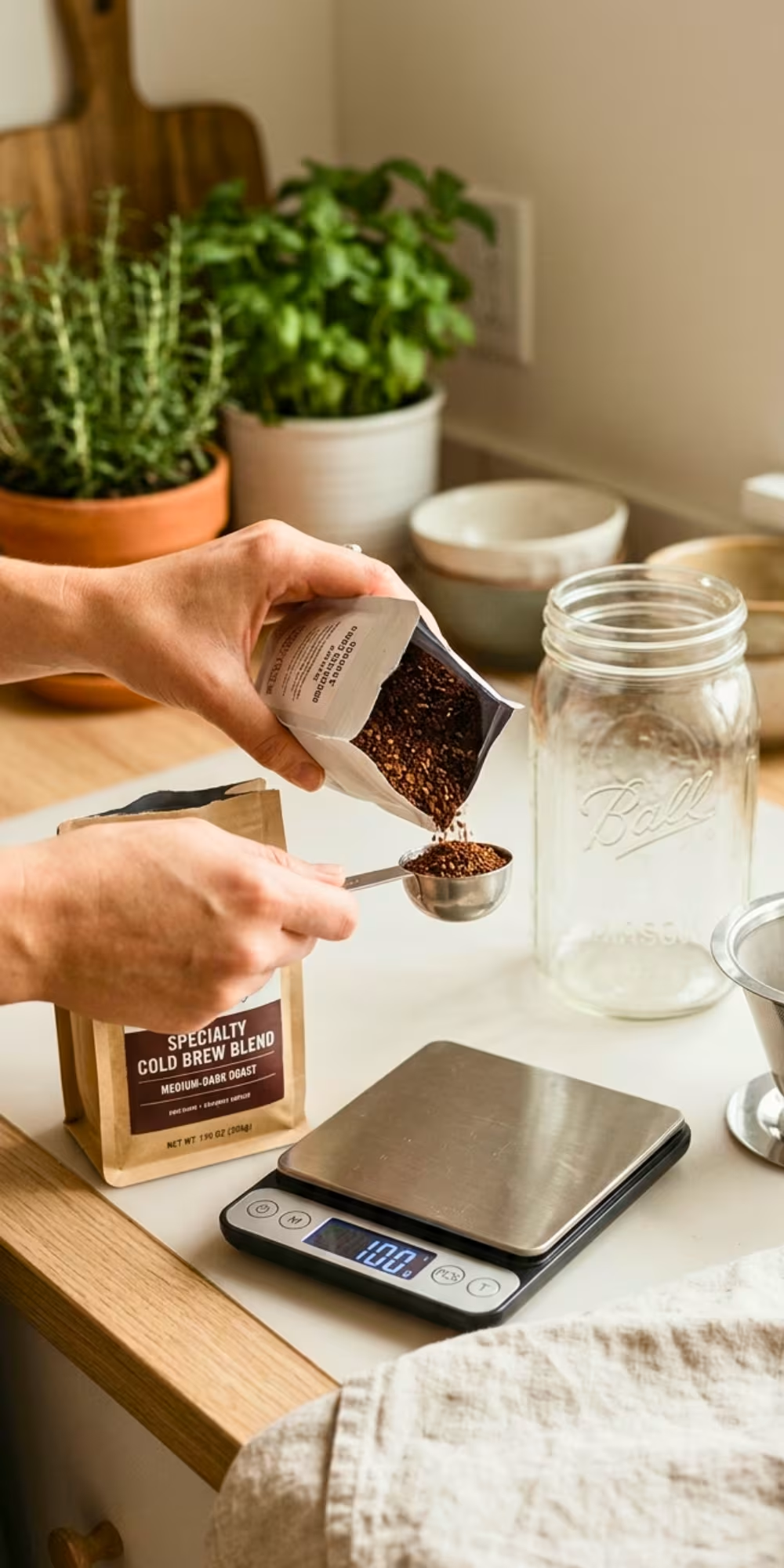
Measure the Coffee Beans
Start by measuring your coarsely ground coffee beans. For the best classic cold brew concentrate, use a 1:4 coffee-to-water ratio, which creates a rich concentrate that can later be diluted with water, milk, oat milk, almond milk, or cream.
Using freshly ground specialty Arabica coffee beans makes a noticeable difference in aroma, flavor, and sweetness. Medium-dark roast coffee creates a balanced, chocolatey flavor, while dark roast produces bold café-style concentrate.
Coarse coffee grounds prevent over-extraction, resulting in a smoother, naturally sweeter coffee with significantly less bitterness and acidity.
Use a digital kitchen scale instead of measuring cups for consistent results every single batch.
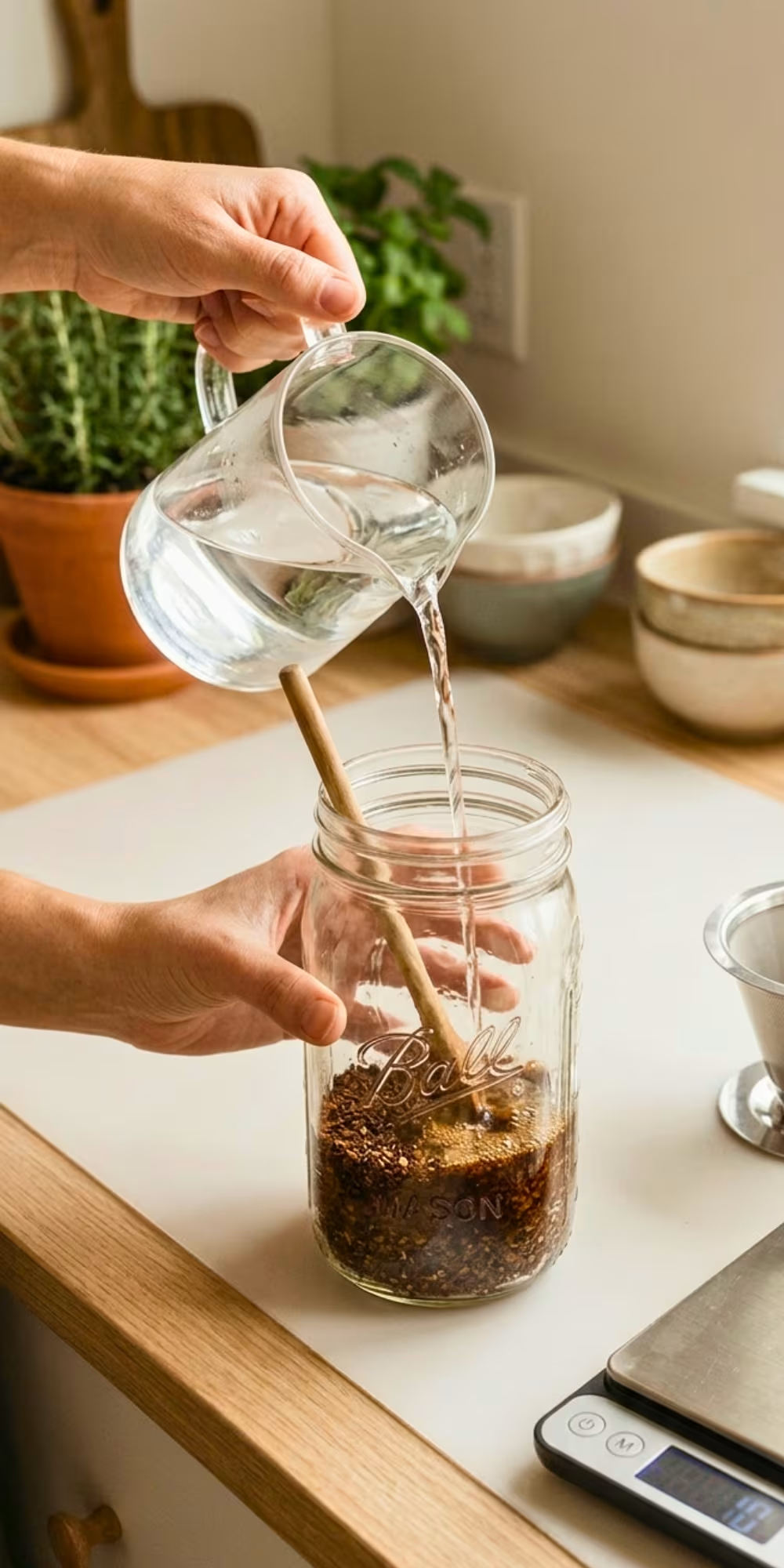
Pour Filtered Water Slowly
Transfer the coffee grounds into a large mason jar, French press, or dedicated cold brew coffee maker. Slowly pour cold filtered water over the grounds while gently stirring with a wooden spoon.
Filtered water removes unwanted minerals and chlorine that can negatively affect the taste of homemade coffee concentrate.
Never use hot water. Cold extraction produces the smooth flavor that makes cold brew different from iced coffee.
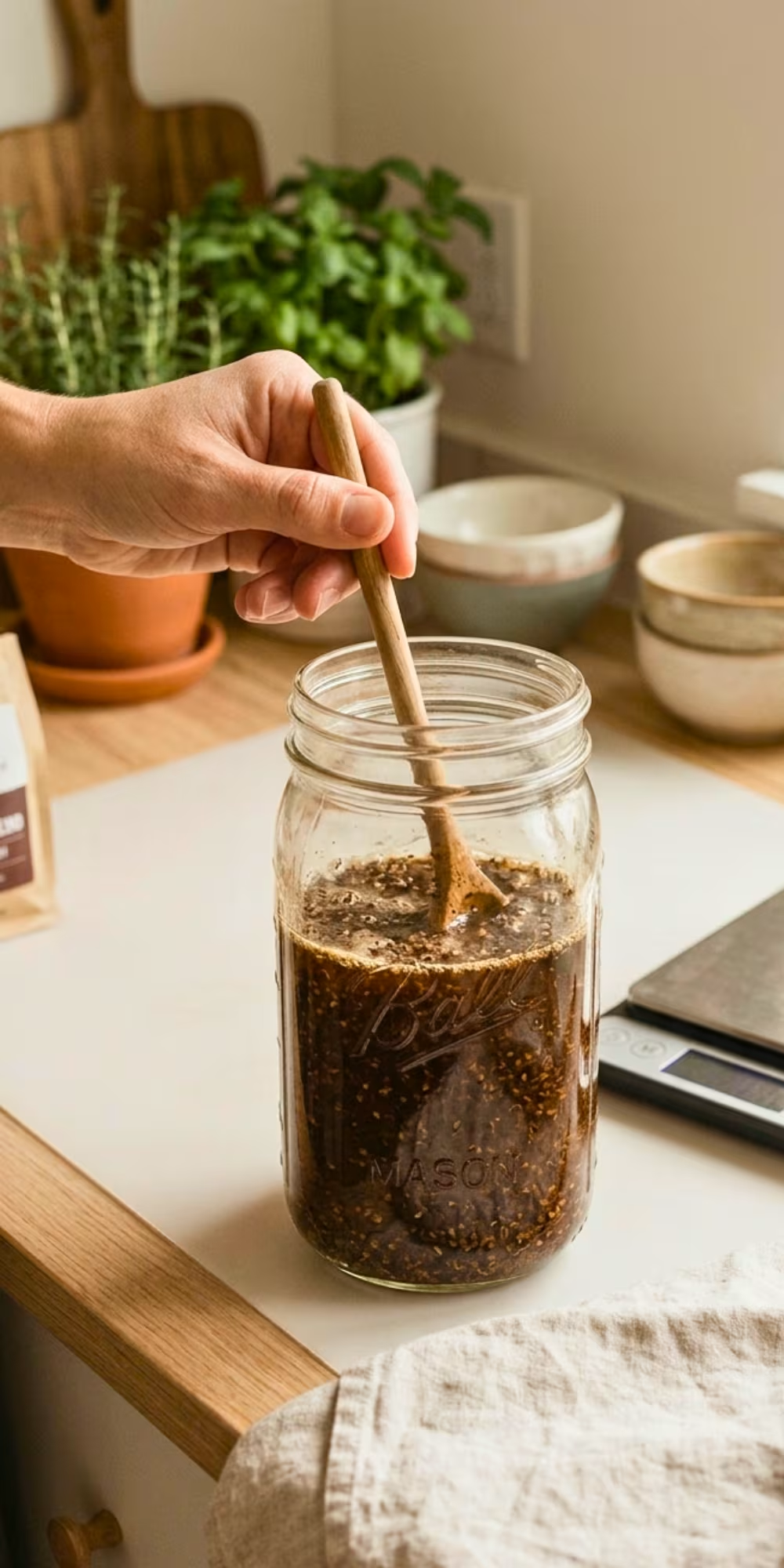
Mix Thoroughly
Stir the mixture for about one minute until every coffee ground is fully saturated. Dry coffee pockets reduce extraction and create weak, inconsistent flavors.
Proper saturation allows the coffee to release natural oils, chocolate notes, caramel sweetness, and subtle fruit flavors throughout the long brewing process.
Lightly stirring the mixture twice in the first 30 minutes produced a noticeably richer concentrate than leaving it untouched.
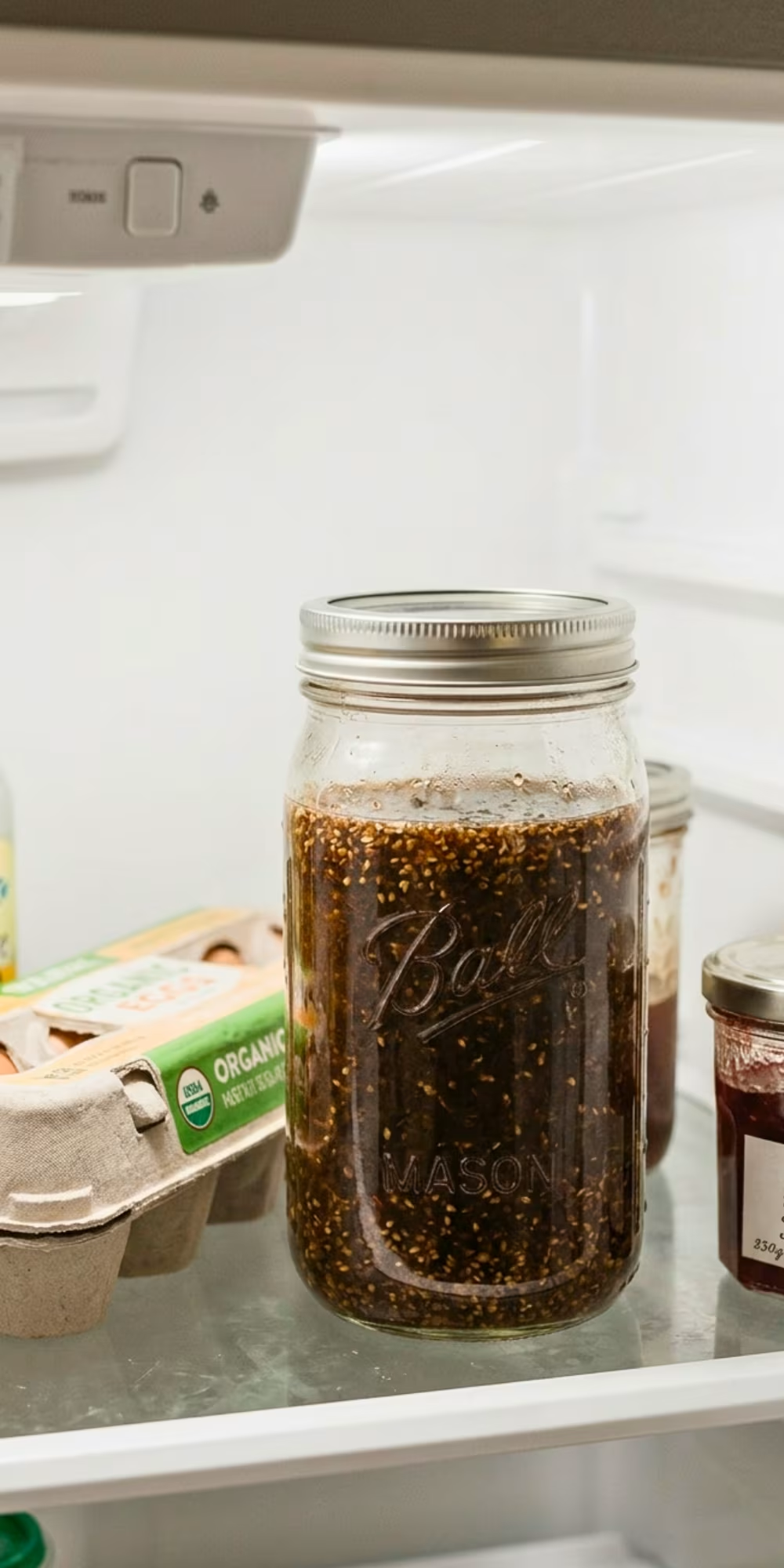
Steep for 18–24 Hours
Cover the container tightly and allow the coffee to steep for 18 to 24 hours. You can steep at room temperature or inside the refrigerator.
After extensive testing, 18 hours produced the smoothest balance of sweetness and strength, while 24 hours created a bolder concentrate with higher caffeine content.
- 12 Hours → Mild
- 16 Hours → Balanced
- 18 Hours → Recommended
- 24 Hours → Strong
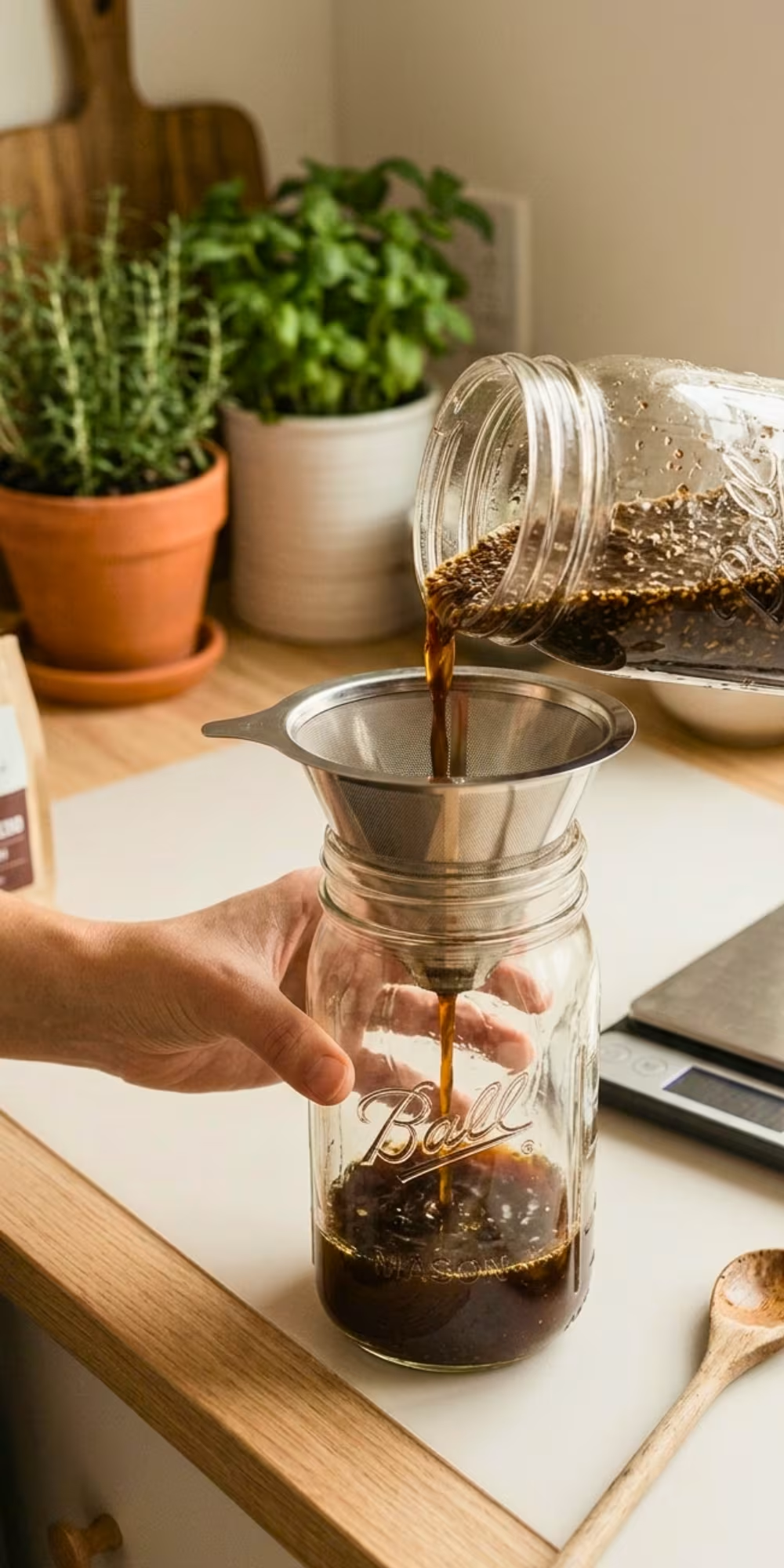
Filter the Coffee Concentrate
Slowly strain the coffee through a paper coffee filter, reusable mesh filter, cheesecloth, or nut milk bag into a clean glass container.
For crystal-clear cold brew concentrate, filter it twice. Double filtration removes tiny coffee particles that may cause bitterness during storage.
Paper filters create the cleanest tasting concentrate, while metal filters preserve more coffee oils for a richer mouthfeel.
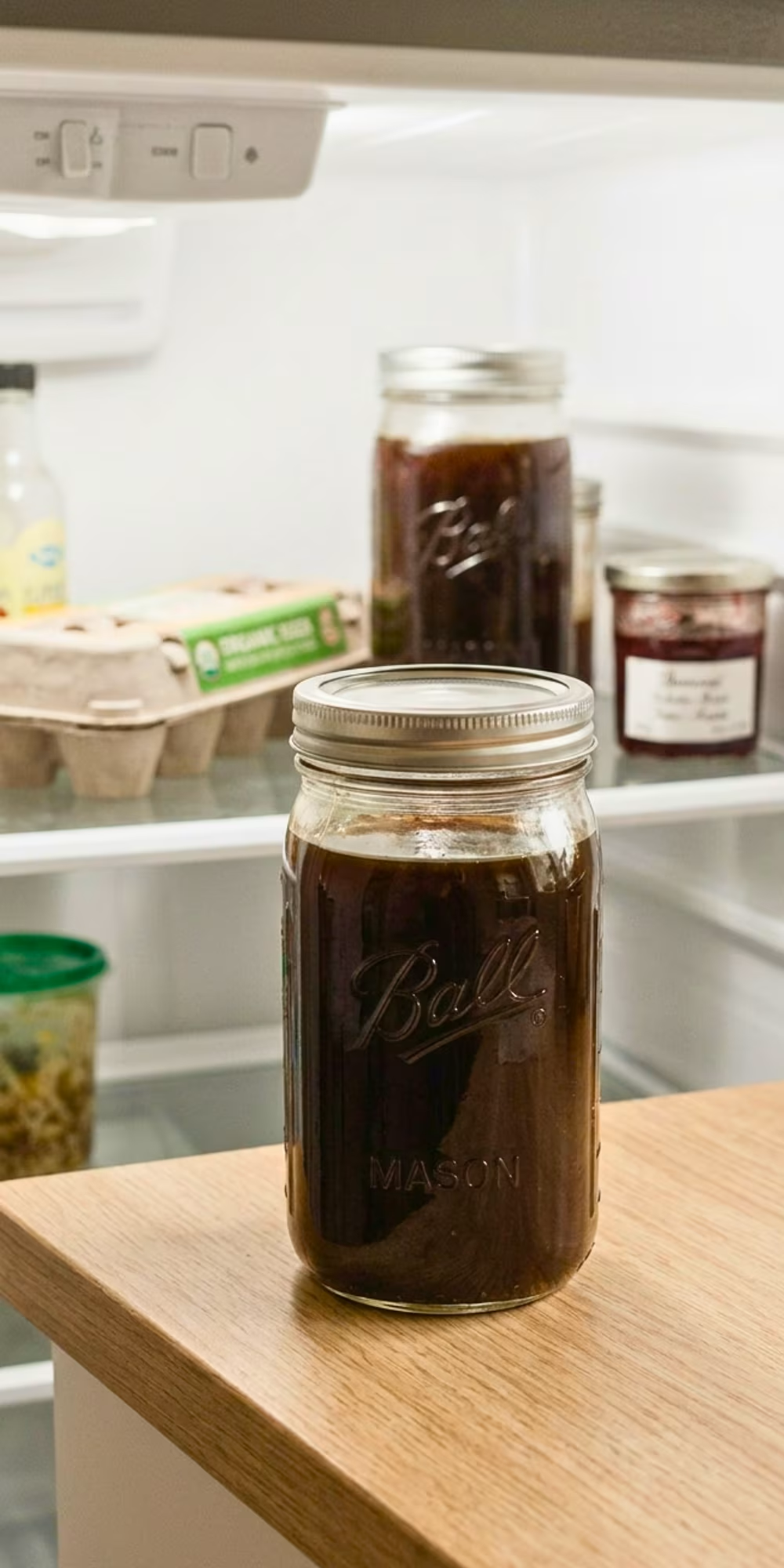
Store Properly
Pour the finished concentrate into airtight glass bottles or mason jars and refrigerate immediately.
Properly stored homemade cold brew concentrate stays fresh for up to 10–14 days. Keep the container tightly sealed to preserve freshness and aroma.
Avoid storing coffee concentrate in direct sunlight or plastic containers for long periods, as both can negatively affect flavor.
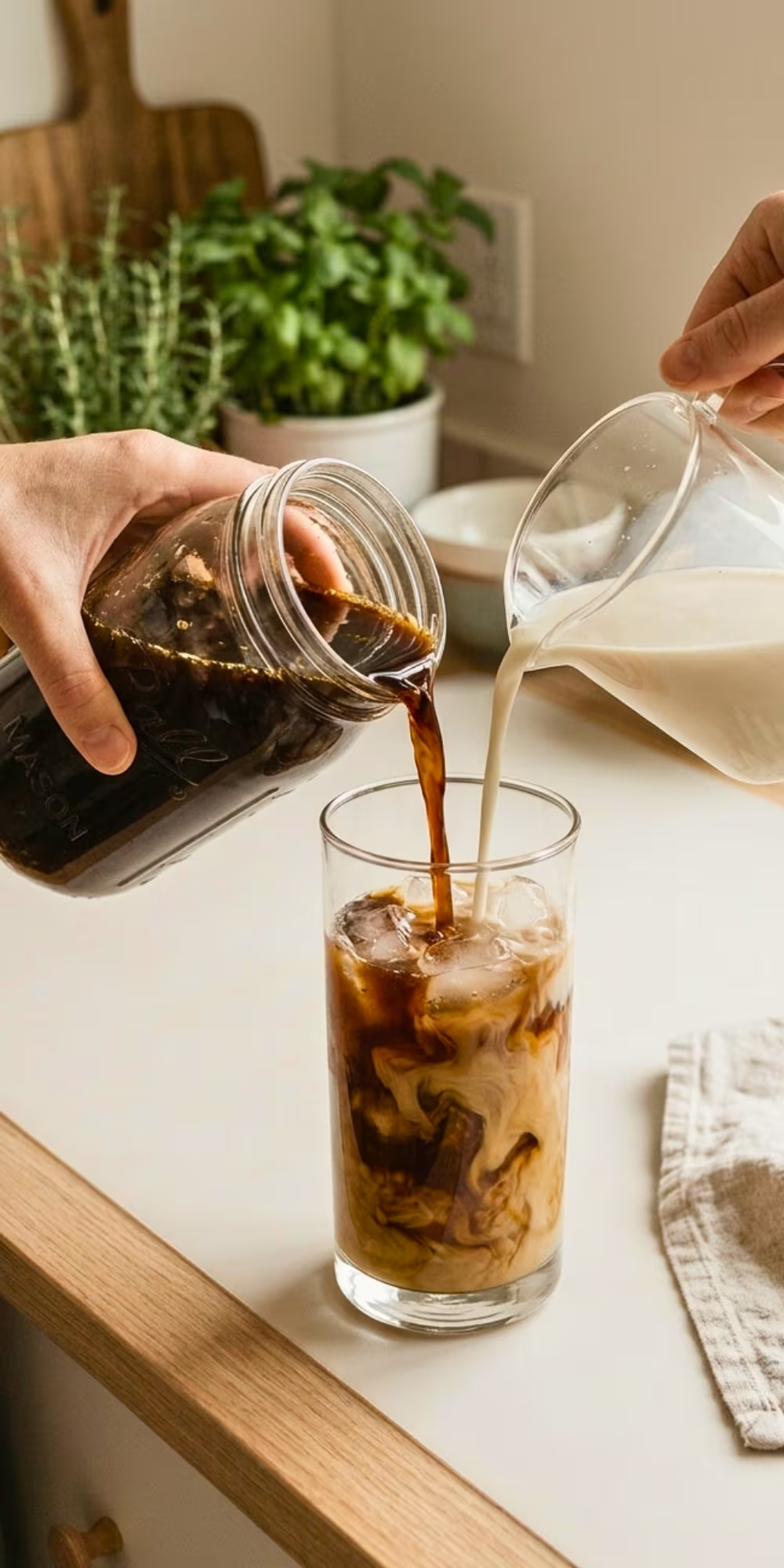
Dilute and Serve
Cold brew concentrate is intentionally brewed stronger than regular coffee. Before serving, dilute it using your preferred ratio.
| Drink | Recommended Ratio |
|---|---|
| Classic Cold Brew | 1 Part Concentrate : 1 Part Water |
| Iced Latte | 1 Part Concentrate : 2 Parts Milk |
| Strong Coffee | 2 Parts Concentrate : 1 Part Water |
| Protein Coffee | Blend with Protein Shake |
Enjoy your homemade cold brew concentrate over ice, with oat milk, almond milk, vanilla syrup, caramel syrup, pumpkin cream, protein powder, or sparkling water for endless café-style drinks at home.
7 Mistakes I Made While Making Classic Cold Brew Concentrate (So You Don’t Have To)
I tried Classic Cold Brew Concentrate dozens of times over several months, and I realized that small mistakes can completely change the flavor, caffeine strength, and smoothness of your coffee. These lessons helped me create a consistently rich, low-acid, coffee shop-quality concentrate at home while saving money every week.
If you’re learning how to make cold brew concentrate, avoid these common mistakes. They’ll help you brew a smoother, less bitter, more flavorful concentrate using the perfect coffee-to-water ratio, quality beans, and proper extraction techniques.
Using Fine Coffee Grounds Instead of Coarse Grounds
This was my biggest mistake when I first started making homemade cold brew concentrate. I assumed that finer coffee grounds would produce stronger coffee, but the opposite happened. Fine grounds over-extracted during the long steeping process, making the concentrate cloudy, bitter, and difficult to filter.
After switching to a coarse grind using a burr coffee grinder, the flavor became noticeably smoother, naturally sweeter, and much cleaner. Coarse grounds also made filtering significantly easier.
Buying Cheap Coffee Beans
I originally thought cold brew could hide the flavor of inexpensive coffee. It doesn’t.
Since cold brewing extracts coffee slowly over many hours, poor-quality beans become even more noticeable. Switching to freshly roasted Arabica beans immediately improved the aroma, sweetness, and chocolate-like notes.
Ignoring the Coffee-to-Water Ratio
I used to estimate the amount of coffee and water instead of measuring them accurately. Some batches tasted weak while others became almost impossible to drink without heavy dilution.
Using a simple digital kitchen scale completely changed the consistency of my cold brew. My favorite starting point is a 1:4 coffee concentrate ratio, which produces a versatile concentrate for iced coffee, lattes, and Americanos.
Brewing for Too Long
One weekend I forgot my cold brew in the refrigerator for nearly 30 hours. Instead of becoming stronger, it became harsh, woody, and overly bitter.
Through repeated testing, I found that 16–18 hours provides the ideal balance between flavor, sweetness, and caffeine concentration for most medium and dark roast coffees.
Filtering Only Once
My first batches always contained fine coffee particles. Those tiny sediments continued extracting inside the bottle, making the concentrate increasingly bitter over time.
Now I filter twice—first through a fine mesh strainer and then through a paper coffee filter. The difference in clarity, taste, and shelf life is remarkable.
Storing It Incorrectly
I once stored concentrate in a partially open plastic container. Within a few days, it absorbed refrigerator odors and lost its fresh coffee aroma.
Switching to an airtight glass bottle preserved the flavor significantly longer while reducing oxidation.
Adding Too Much Water Too Early
Early on, I diluted the entire batch immediately after brewing. While convenient, it shortened the shelf life and reduced flexibility when making different coffee drinks.
Keeping the coffee as a concentrate allows me to customize each serving depending on whether I’m making iced coffee, an iced latte, protein coffee, or a flavored cold brew.
📌 What I Learned After Repeated Testing
- Always use fresh coarse ground coffee for smoother extraction.
- Measure ingredients instead of guessing the coffee-to-water ratio.
- Choose quality Arabica coffee beans for richer flavor.
- Steep for approximately 16–18 hours.
- Double filter for crystal-clear coffee concentrate.
- Store in airtight glass bottles to preserve freshness.
- Dilute only when serving to maintain flavor and shelf life.
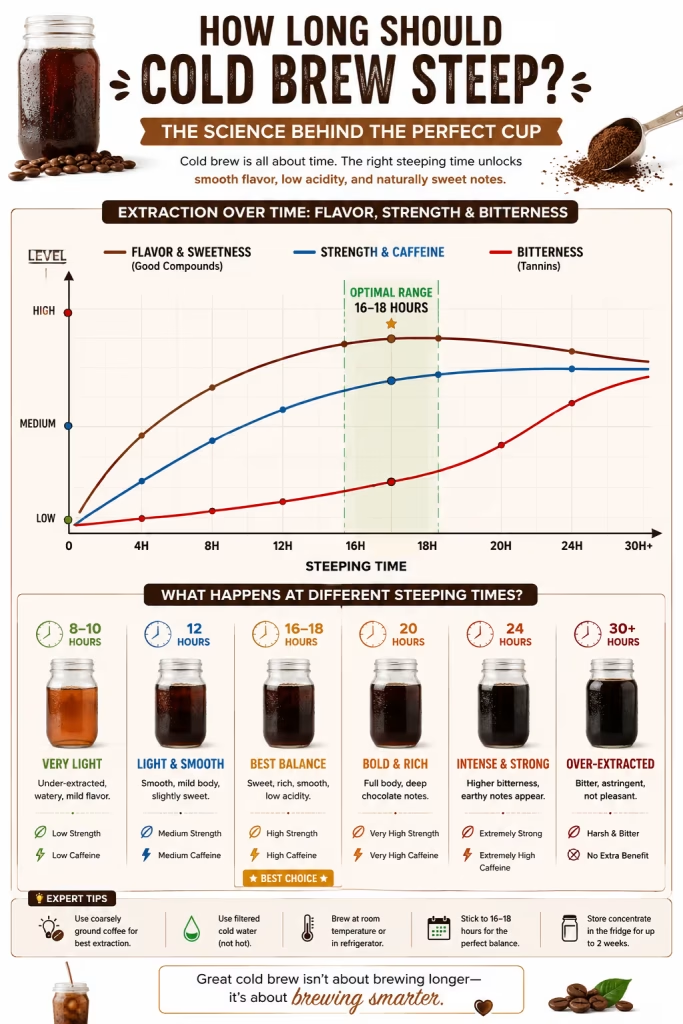
☕ How Long Should Cold Brew Steep? (The Best Brew Time for Smooth, Rich Concentrate)
Another most important factor in making the perfect classic cold brew concentrate is choosing the right steeping time. While many recipes simply recommend brewing overnight, the truth is that the ideal steeping time depends on your preferred coffee strength, roast level, grind size, and how you plan to serve your concentrate.
In my thought, 16–18 hours consistently creates the best balance of sweetness, chocolate notes, low acidity, and smooth flavor. Brewing for too little time produces weak, watery coffee, while over-extraction can introduce bitterness and earthy flavors that overpower the concentrate.
Cold Brew Steeping Time Comparison
| Steeping Time | Flavor Profile | Caffeine | Recommended? |
|---|---|---|---|
| 8–10 Hours | Very light, mild, slightly under-extracted | Low | ❌ Not recommended for concentrate |
| 12 Hours | Smooth but lighter body | Medium | ✔ Good for regular cold brew |
| 16 Hours | Balanced, naturally sweet, rich flavor | High | ⭐⭐⭐⭐⭐ Best Choice |
| 18 Hours | Deep chocolate notes, smooth finish | High | ⭐⭐⭐⭐⭐ Ideal for concentrate |
| 20 Hours | Bold, slightly heavier body | Very High | ✔ Great for dark roast lovers |
| 24 Hours | Very intense with mild bitterness | Extremely High | ⚠ Only if diluted well |
| 30+ Hours | Over-extracted, earthy, bitter | Minimal extra benefit | ❌ Avoid |
Why 16–18 Hours Produces the Best Cold Brew
Cold brewing relies on slow immersion extraction, allowing water to gently dissolve flavorful coffee compounds without pulling excessive bitterness from the grounds. During the first several hours, sugars, natural oils, and aromatic compounds are extracted. Between 16 and 18 hours, most desirable flavors have fully developed while acidity remains low.
- ✔ Rich chocolate flavor
- ✔ Naturally sweet finish
- ✔ Low acidity
- ✔ Smooth mouthfeel
- ✔ Excellent caffeine extraction
- ✔ Perfect for iced coffee, lattes, and coffee cocktails
Does Longer Steeping Mean More Caffeine?
Not necessarily. While caffeine extraction increases during the early stages of brewing, extending the steep time beyond about 18–20 hours adds very little additional caffeine. Instead, prolonged brewing mainly extracts woody tannins and bitter compounds that can make your coffee taste harsh.
Should You Brew at Room Temperature or in the Refrigerator?
| Method | Advantages | Best For |
|---|---|---|
| Room Temperature | Faster extraction, richer flavor | 16-hour brewing |
| Refrigerator | Cleaner flavor, slower extraction | 18–20 hour brewing |
Both methods produce excellent coffee. If your kitchen is very warm, refrigerating your brew provides more consistent extraction and helps maintain freshness.
Signs Your Cold Brew Is Perfectly Steeped
✓ Deep Coffee Aroma
Rich chocolate and caramel notes without burnt smells.
✓ Smooth Flavor
No sharp acidity or unpleasant bitterness.
✓ Dark Brown Color
The concentrate should appear rich, glossy, and nearly opaque.
✓ Balanced Body
Silky texture that dilutes beautifully with water or milk.
Common Steeping Mistakes to Avoid
- ❌ Using finely ground coffee instead of coarse grounds.
- ❌ Brewing for more than 24 hours expecting extra caffeine.
- ❌ Using unfiltered tap water with strong mineral flavors.
- ❌ Stirring repeatedly during steeping.
- ❌ Using low-quality or stale coffee beans.
- ❌ Forgetting to filter the concentrate thoroughly.
How To Filter Cold Brew Concentrate Properly (For a Smooth, Café-Quality Finish)
Filtering is one of the most important steps in making a classic cold brew concentrate. Even if you use the perfect coffee-to-water ratio, premium coarse ground coffee, and the ideal brewing time, a poor filtering method can leave your coffee gritty, cloudy, or overly bitter. I always prefer double filtering because it helps remove the fine coffee particles creates a smoother texture, cleaner flavor, lower bitterness, and a professional coffee shop appearance.
For the smoothest homemade cold brew concentrate, first strain through a fine mesh sieve, then filter again using a paper coffee filter. This simple two-step method removes nearly all coffee sediment without sacrificing flavor.
| Filtering Method | Best For | Clarity | Filtering Speed | Reusable | Expert Rating |
|---|---|---|---|---|---|
| Paper Coffee Filter | Ultra Smooth Concentrate | ★★★★★ | ★★★☆☆ | No | ⭐ 10/10 |
| Cheesecloth | Large Batch Brewing | ★★★★☆ | ★★★★☆ | Yes | ⭐ 9.5/10 |
| Nut Milk Bag | Home Brewers | ★★★★☆ | ★★★★★ | Yes | ⭐ 9.7/10 |
| French Press | Quick Filtering | ★★★☆☆ | ★★★★★ | Yes | ⭐ 8.8/10 |
| Fine Mesh Strainer | First Filtering | ★★★☆☆ | ★★★★★ | Yes | ⭐ 8.5/10 |
① Paper Coffee Filter (Best Overall)
A paper coffee filter produces the cleanest and smoothest cold brew coffee concentrate. It removes tiny coffee particles that often cause bitterness during storage.
- Produces crystal-clear concentrate
- Excellent for iced coffee and cold brew lattes
- Ideal for premium coffee beans
- Perfect for meal prep coffee
- Best choice for long-term refrigerator storage
② Cheesecloth
A cheesecloth works well for filtering large batches of homemade coffee concentrate. Fold it into multiple layers for better filtration and smoother results.
- Budget-friendly
- Reusable
- Great for gallon-size batches
- Easy to clean
- Eco-friendly option
③ Nut Milk Bag
Many specialty coffee enthusiasts prefer a reusable nut milk bag because it filters quickly while removing most coffee sediment.
- Very fast filtering
- Minimal coffee waste
- Reusable hundreds of times
- Easy to squeeze gently
- Excellent for cold brew concentrate
④ French Press
If you brewed your coffee in a French press, slowly press the plunger before pouring. Although convenient, this method leaves a small amount of sediment behind.
- Quick and simple
- No additional equipment
- Good everyday option
- Less clean than paper filters
⑤ Fine Mesh Strainer
Use a fine mesh sieve as the first filtering stage. It removes the large coffee grounds before performing a second filtration using a paper filter.
- Fast initial filtering
- Protects paper filters from clogging
- Ideal for double filtering
⭐ My Preferred Double-Filtering Method
- Allow the coffee grounds to settle for 5–10 minutes.
- Pour the concentrate through a fine mesh strainer.
- Filter again using a paper coffee filter.
- Transfer into a clean glass bottle or mason jar.
- Refrigerate immediately.
This method consistently produces a low-acid cold brew concentrate that tastes smoother, stores longer, and works beautifully for iced coffee, cold brew lattes, protein coffee, and coffee smoothies.
☕ Cold Brew Concentrate Dilution Guide (Perfect Coffee-to-Water Ratio Every Time)
| Drink Style | Cold Brew Concentrate | Dilution | Best For |
|---|---|---|---|
| Classic Black Cold Brew | 1 Cup | 1 Cup Cold Filtered Water | Balanced everyday coffee |
| Strong Coffee Lover | 1 Cup | ½ Cup Water | Bold flavor & higher caffeine |
| Light & Smooth Coffee | 1 Cup | 1½ Cups Water | Low acidity & easy drinking |
| Iced Latte | 1 Cup | 1 Cup Whole, Oat, Almond or Soy Milk | Creamy café-style coffee |
| Iced Americano | 1 Cup | 1 Cup Cold Water + Ice | Refreshing coffee |
| Protein Coffee | ½ Cup | Protein Shake + Ice | Pre/Post Workout |
| Vanilla Cold Brew | 1 Cup | ¾ Cup Milk + Vanilla Syrup | Homemade coffee shop drink |
| Sparkling Cold Brew | ½ Cup | 1 Cup Sparkling Water | Summer refreshment |
| Coffee Smoothie | ½ Cup | Banana + Milk + Ice | Breakfast smoothie |
| Coffee Cocktails | ½ Cup | Mixer of Choice | Weekend entertaining |
🥤 Best Ratio for Everyday Iced Coffee
For most people, a 1:1 dilution ratio creates the perfect balance between bold coffee flavor and smooth drinkability. This ratio closely resembles premium coffee shop cold brew while allowing the natural chocolate, caramel, and nutty notes of freshly roasted coffee beans to shine.
🥛 Best Ratio for Homemade Iced Latte
Mix equal parts cold brew concentrate and your favorite milk. Whole milk creates a rich, creamy texture, while oat milk offers a naturally sweet finish. Almond, soy, and coconut milk are excellent dairy-free alternatives for vegan coffee lovers.
💪 Best Ratio for Protein Coffee
Blend half a cup of cold brew concentrate with your favorite vanilla or chocolate protein shake. This creates a delicious high-protein coffee that delivers caffeine and protein in one convenient drink—ideal for busy mornings or post-workout recovery.
🧊 Best Ratio for Strong Coffee
If you enjoy bold coffee with maximum caffeine intensity, dilute one part concentrate with only half a part water. This preserves the rich body while keeping the flavor smooth instead of bitter.
🎯 How to Find Your Perfect Cold Brew Ratio
- ✔ Prefer café-style coffee? Start with 1:1.
- ✔ Want stronger caffeine? Try 2:1 concentrate to water.
- ✔ Prefer smoother coffee? Use 1:1.5.
- ✔ Making iced lattes? Replace water with milk.
- ✔ Always add ice after dilution for the best flavor.
- ✔ Taste first, then fine-tune future batches to match your favorite roast.
☕ Flavor Variations for Classic Cold Brew Concentrate
The biggest advantage of making Classic Cold Brew Concentrate at home is that you can easily customize it and serve it in many ways. With one batch of homemade coffee concentrate, you can prepare everything from a refreshing iced latte to a rich vanilla cold brew, a creamy pumpkin spice cold brew, or even a café-style protein coffee.
Experimenting with different flavors not only keeps your daily coffee routine exciting but also helps you avoid expensive coffee shop visits. Whether you enjoy bold black coffee, naturally sweet flavors, dairy-free beverages, keto-friendly coffee, or high-protein breakfast drinks, these variations make your homemade cold brew concentrate incredibly versatile.
☕ Classic Black Cold Brew
Dilute your cold brew concentrate with chilled filtered water for a smooth, naturally sweet, low-acid iced coffee. This is the purest way to enjoy specialty coffee beans while preserving their original tasting notes.
🥛 Vanilla Sweet Cream Cold Brew
Mix homemade vanilla syrup with heavy cream or half-and-half before pouring it over your cold brew concentrate. The result is a rich café-style drink with a silky texture and balanced sweetness.
🍯 Honey Cinnamon Cold Brew
Add raw honey, ground cinnamon, and a splash of oat milk for a naturally sweet, antioxidant-rich coffee that’s perfect during cooler months.
🍫 Mocha Cold Brew
Blend cocoa powder or dark chocolate syrup with cold brew concentrate and milk for an easy homemade mocha that rivals your favorite coffee shop.
🎃 Pumpkin Spice Cold Brew
Combine pumpkin puree, pumpkin pie spice, maple syrup, and your concentrate to create a seasonal favorite without paying premium café prices.
🥥 Coconut Cold Brew
Use coconut milk and toasted coconut flakes to create a tropical coffee that’s naturally dairy-free and wonderfully creamy.
🌰 Hazelnut Cold Brew
Hazelnut syrup adds nutty sweetness that pairs beautifully with medium or dark roast coffee beans.
🍁 Maple Brown Sugar Cold Brew
Pure maple syrup and brown sugar create a rich caramel-like flavor that’s perfect for autumn mornings.
🥛 Salted Caramel Cold Brew
A drizzle of caramel sauce with a pinch of sea salt creates an indulgent coffeehouse-inspired beverage.
💪 High Protein Cold Brew
Blend vanilla protein powder, almond milk, and cold brew concentrate for a satisfying breakfast drink or post-workout coffee packed with protein.
🥑 Keto Cold Brew
Use heavy cream, sugar-free vanilla syrup, and MCT oil for a low-carb coffee that fits ketogenic and diabetic-friendly lifestyles.
🌱 Vegan Cold Brew
Choose oat milk, almond milk, soy milk, or cashew milk with natural sweeteners like dates or maple syrup for a creamy plant-based coffee.
| Flavor Variation | Best Additions | Perfect For |
|---|---|---|
| Classic Black | Filtered Water | Everyday Coffee |
| Vanilla Sweet Cream | Vanilla Syrup + Cream | Coffee Shop Style |
| Honey Cinnamon | Honey + Cinnamon | Healthy Coffee Lovers |
| Mocha | Cocoa + Milk | Chocolate Lovers |
| Pumpkin Spice | Pumpkin Puree + Spice | Fall Season |
| Coconut | Coconut Milk | Dairy-Free Lifestyle |
| Hazelnut | Hazelnut Syrup | Nutty Coffee Fans |
| Maple Brown Sugar | Maple Syrup | Weekend Brunch |
| Salted Caramel | Caramel Sauce | Dessert Coffee |
| High Protein | Protein Powder | Fitness & Meal Prep |
| Keto | Heavy Cream + MCT Oil | Low Carb Diet |
| Vegan | Plant-Based Milk | Vegan Lifestyle |
☕ How to Serve Classic Cold Brew Concentrate (Best Ways to Enjoy It)
I keep saying that this Classic Cold Brew Concentrate is very versatile. Because it is brewed at a higher strength than regular cold brew coffee, you can customize every glass based on your taste preferences. Here I bring you my favorite serving ideas, you can choose your favorite from them or you can try them all.
🥛 1. Classic Iced Cold Brew Coffee
The easiest and most popular way to serve homemade cold brew concentrate is by mixing it with cold filtered water. This creates a smooth, refreshing coffee that highlights the natural chocolate, caramel, or fruity notes of your coffee beans.
- ½ cup Cold Brew Concentrate
- ½ cup Cold Filtered Water
- Ice Cubes
- Optional Lemon Twist
🥛 2. Coffee Shop Style Iced Latte
For a creamy and luxurious drink, replace water with your favorite milk. Whole milk creates a rich latte, while oat milk, almond milk, coconut milk, and soy milk offer delicious dairy-free alternatives.
- ½ cup Cold Brew Concentrate
- ½ cup Milk
- Ice
- Optional Vanilla Syrup
This version tastes remarkably similar to premium café drinks while costing only a fraction of the price.
💪 3. High Protein Cold Brew Shake
If you’re looking for a filling breakfast or post-workout drink, combine your coffee concentrate with a quality protein powder for a delicious energy boost.
- Cold Brew Concentrate
- Chocolate or Vanilla Protein Powder
- Greek Yogurt
- Banana
- Ice
- Almond Milk
This option is perfect for fitness enthusiasts, busy professionals, meal prep routines, and anyone wanting a balanced breakfast with sustained energy.
🍨 4. Cold Brew Affogato
Instead of pouring espresso over vanilla ice cream, use homemade cold brew concentrate for an incredibly smooth dessert with lower bitterness.
- 2 Scoops Vanilla Ice Cream
- ¼ Cup Cold Brew Concentrate
- Dark Chocolate Shavings
It’s one of my favorite weekend treats because the concentrate adds bold coffee flavor without overpowering the dessert.
🍫 5. Homemade Mocha Cold Brew
Chocolate and coffee are one of the best flavor combinations. Mix chocolate syrup into your concentrate before adding milk for a coffeehouse-style mocha.
- Cold Brew Concentrate
- Milk
- Chocolate Syrup
- Whipped Cream
- Cocoa Powder
🍂 6. Vanilla or Pumpkin Cream Cold Brew
Create your own seasonal coffee drinks by topping cold brew with homemade sweet cream. Vanilla, caramel, pumpkin spice, maple cinnamon, and brown sugar syrups all pair beautifully with the smooth concentrate.
These homemade versions taste similar to popular coffee shop favorites while giving you complete control over sweetness and ingredients.
🧋 7. Dairy-Free Vegan Cold Brew
Cold brew concentrate pairs exceptionally well with plant-based milk because its naturally smooth flavor balances nutty alternatives without becoming bitter.
- Oat Milk
- Almond Milk
- Coconut Milk
- Cashew Milk
- Soy Milk
For extra flavor, add cinnamon, vanilla extract, cocoa powder, or maple syrup.
🥤 8. Sparkling Cold Brew
For a refreshing afternoon beverage, dilute your concentrate with chilled sparkling water instead of still water. Garnish with an orange peel or lemon slice for a bright, café-inspired drink.
🍹 9. Coffee Cocktails (Adults Only)
Cold brew concentrate works wonderfully in classic coffee cocktails because its bold flavor stands up well to spirits without becoming bitter. Use it in drinks inspired by an Espresso Martini or a Carajillo for special occasions.
Always drink responsibly and only if you are of legal drinking age in your location.
🍰 10. Use It in Desserts
Don’t stop at beverages. Homemade coffee concentrate is also an excellent ingredient for desserts and baked treats.
- Tiramisu
- Chocolate Cake
- Brownies
- Coffee Buttercream
- Coffee Ice Cream
- Chocolate Mousse
- Coffee Cheesecake
- Coffee Overnight Oats
📊 Recommended Dilution Ratios
| Drink Style | Concentrate | Water / Milk |
|---|---|---|
| Classic Cold Brew | 1 Part | 1 Part Water |
| Strong Coffee | 2 Parts | 1 Part Water |
| Iced Latte | 1 Part | 1 Part Milk |
| Protein Shake | ½ Cup | Blend with Ingredients |
| Sparkling Coffee | 1 Part | 2 Parts Sparkling Water |
| Desserts | As Needed | Recipe Dependent |
☕ Best Foods to Pair with Cold Brew Concentrate
- Butter Croissants
- Blueberry Muffins
- Chocolate Chip Cookies
- Cinnamon Rolls
- Banana Bread
- Protein Pancakes
- Overnight Oats
- Breakfast Sandwiches
- Chocolate Brownies
- Coffee Cake
This Classic Cold Brew Concentrate Recipe gives you endless ways to enjoy café-quality coffee at home. Experiment with different dilution ratios, premium coffee beans, flavored syrups, and milk alternatives to discover your perfect cup.
🥶 Meal Prep & Storage Guide for Classic Cold Brew Concentrate
This Classic Cold Brew Concentrate is very meal prep-friendly. Instead of brewing coffee every morning, you can prepare a large batch once and enjoy smooth, rich coffee throughout the week. Proper storage also helps preserve the coffee’s natural aroma, caffeine strength, and smooth flavor while preventing oxidation.
Why Cold Brew Concentrate Is Perfect for Weekly Meal Prep
Unlike hot brewed coffee that loses its freshness within hours, cold brew concentrate stays fresh for days because it is brewed using cold extraction, resulting in lower oxidation and reduced acidity. Preparing one batch every weekend saves valuable time during busy mornings while ensuring consistently delicious coffee whenever you need it.
⏰ Save Time
No daily brewing required—simply dilute and serve in under one minute.
💰 Save Money
Homemade concentrate costs a fraction of café drinks and bottled cold brew.
🏋️ Meal Prep Friendly
Perfect for breakfast meal prep, overnight oats, smoothies, and protein coffee.
🌿 Better Flavor
Properly stored concentrate maintains its naturally smooth and less acidic taste.
Best Containers for Storing Cold Brew Concentrate
Choosing the right storage container plays a huge role in maintaining freshness and preventing unwanted flavors.
| Container | Recommended | Why It Works |
|---|---|---|
| Glass Mason Jar | ⭐⭐⭐⭐⭐ | Non-reactive, airtight, easy to clean, preserves flavor. |
| Glass Swing-Top Bottle | ⭐⭐⭐⭐⭐ | Excellent airtight seal for longer freshness. |
| Stainless Steel Bottle | ⭐⭐⭐⭐ | Great for travel and temperature stability. |
| BPA-Free Food Container | ⭐⭐⭐ | Acceptable for short-term storage. |
| Plastic Bottle | ⭐⭐ | May absorb coffee aroma over time. |
How Long Does Homemade Cold Brew Concentrate Last?
| Storage Method | Freshness | Best Quality |
|---|---|---|
| Refrigerator (40°F / 4°C) | 7–14 Days | Best within 7–10 Days |
| Freezer | Up to 3 Months | Excellent when frozen in portions |
| Room Temperature | Not Recommended | Discard after 2 hours |
For the freshest flavor, prepare only the amount you’ll consume within one week. Homemade coffee contains no preservatives, making refrigeration essential for food safety and quality.
Can You Freeze Cold Brew Concentrate?
Absolutely. Freezing is one of the easiest ways to extend the shelf life of homemade cold brew concentrate without sacrificing flavor.
- ✔ Pour concentrate into silicone ice cube trays.
- ✔ Transfer frozen cubes to freezer-safe bags.
- ✔ Label with the preparation date.
- ✔ Thaw overnight in the refrigerator when needed.
- ✔ Add frozen cubes directly to iced coffee for extra strength without dilution.
Signs Your Cold Brew Concentrate Has Gone Bad
Although cold brew lasts longer than traditional brewed coffee, it should still be discarded if you notice any of the following:
- ❌ Sour or fermented smell
- ❌ Mold growth
- ❌ Cloudy appearance with unusual particles
- ❌ Fizzy or carbonated texture
- ❌ Strange bitter aftertaste
- ❌ Leaking or swollen storage container
Weekly Coffee Meal Prep Plan
| Day | Serving Idea |
|---|---|
| Monday | Classic Iced Coffee |
| Tuesday | Vanilla Cold Brew Latte |
| Wednesday | Protein Coffee Shake |
| Thursday | Mocha Cold Brew |
| Friday | Salted Caramel Cold Brew |
| Saturday | Cold Brew Smoothie |
| Sunday | Coffee Overnight Oats |
Expert Storage Tips for the Best Flavor
- Use freshly filtered water during brewing.
- Store concentrate before diluting with water or milk.
- Always use clean utensils to avoid contamination.
- Keep containers tightly sealed after every use.
- Avoid storing near onions, garlic, or strongly scented foods.
- Write the brew date on each bottle for easy rotation.
- Refrigerate immediately after filtering.
- Use premium airtight glass bottles for the best aroma retention.