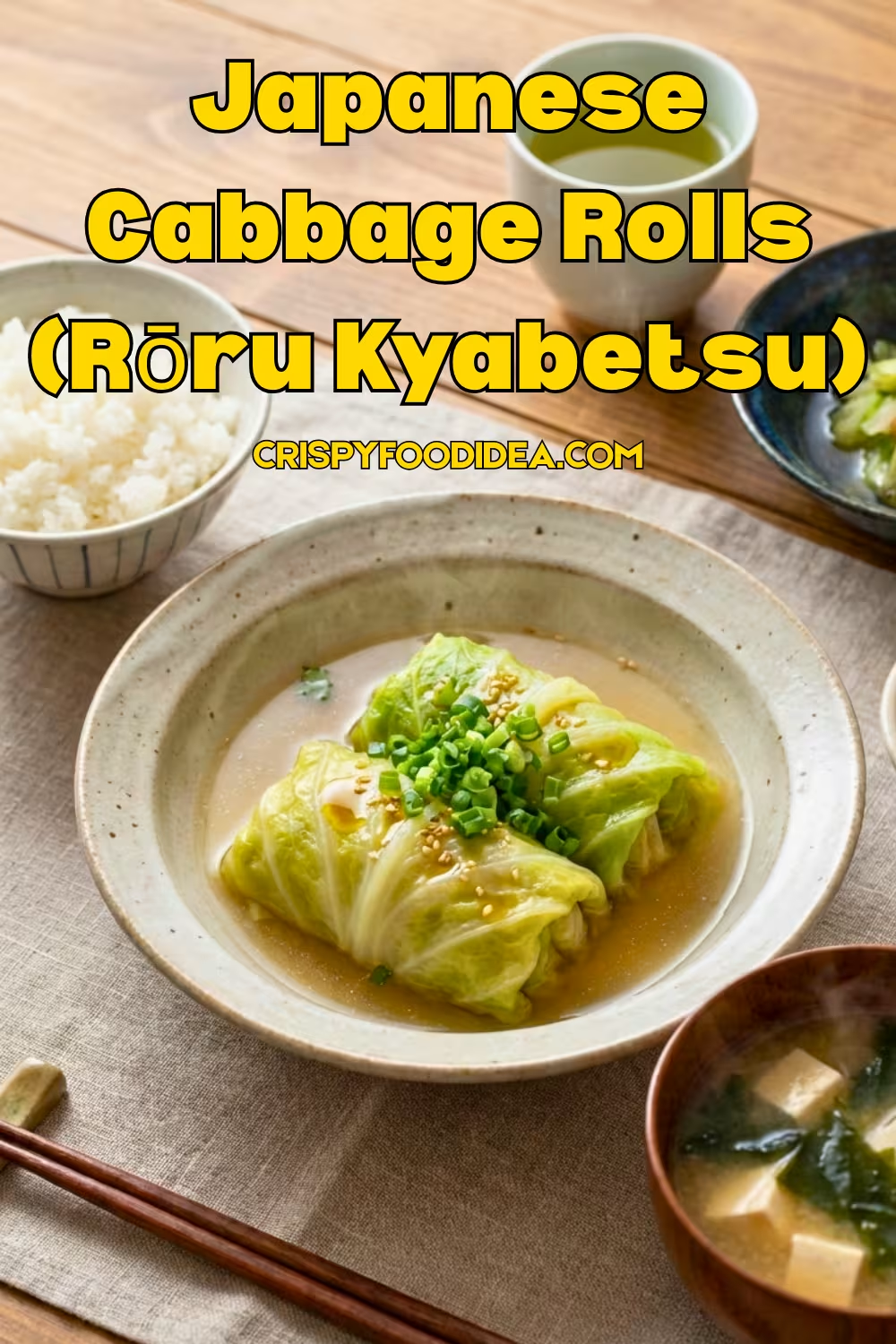
Japanese Cabbage Rolls (Rōru Kyabetsu) – Light & Comforting Japanese Home Cooking
We eat various types of rolls as appetizers, and we also know that rolls come in many varieties. The roll we commonly refer to as a ‘roll’ or ‘frankie’ is different from the roll we’ll be discussing today. Today, I’m bringing you a Japanese roll recipe, specifically the Japanese cabbage roll. Traditionally, it’s called Rōru Kyabetsu, and it’s truly comforting, healthy, and genuinely easy to make at home.
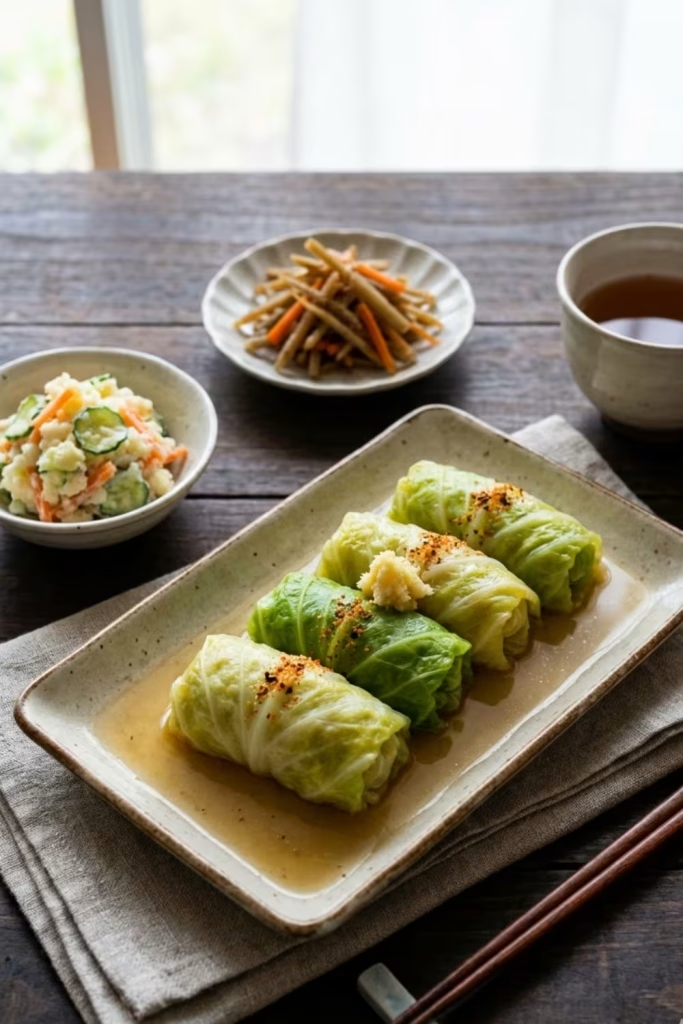
Unlike heavy Western-style cabbage rolls, Japanese cabbage rolls are soft, gently simmered, and served in a light broth, making them perfect for everyday dinners, meal prep, and clean eating. Japanese cabbage rolls are a staple of Japanese home cooking and are often described as one of the most soothing forms of Japanese comfort food.
Here, tender cabbage leaves are wrapped around a juicy meat filling and slowly cooked in a clear, umami-rich broth—no frying, no heavy sauces, and no complicated techniques. This authentic Japanese Cabbage Rolls (Rōru Kyabetsu) is light, broth-based & easy to digest, ideal for healthy Japanese dinners and Asian meal prep, and beginner-friendly with professional-level results. They’re calm, balanced, and deeply comforting—the kind of dish you come back to again and again.
Related: Cabbage Dumplings Recipe
Japanese Cabbage Rolls Recipe (Soft, Savory & Comforting)
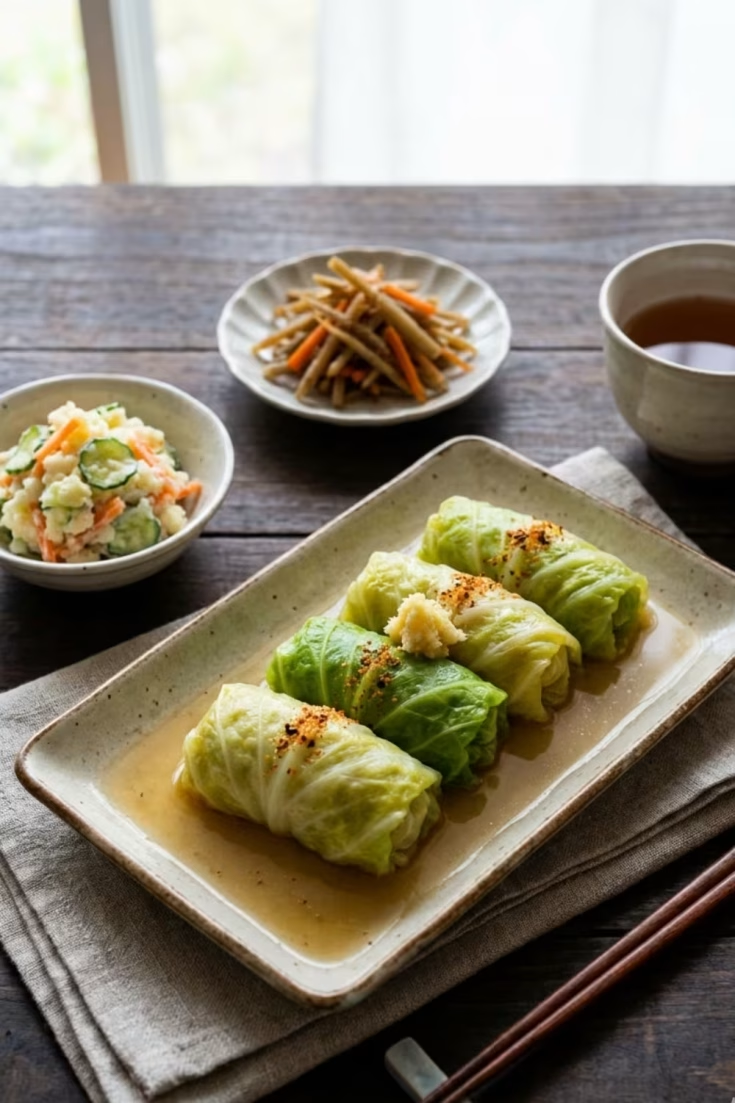
Japanese Cabbage Rolls (ロールキャベツ / Rōru Kyabetsu) are a classic Japanese comfort food made with tender cabbage leaves wrapped around a juicy meat filling and gently simmered in a light, flavorful broth. Unlike Western cabbage rolls, this version is lighter, softer, and delicately seasoned, making it perfect for weeknight dinners, meal prep, or healthy family meals.
Ingredients
For the Cabbage Rolls
- 8 large green cabbage leaves
- 250 g (½ lb) ground pork (or chicken)
- 1 small onion, finely chopped
- 1 egg
- ½ cup panko breadcrumbs
- 1 tbsp milk
- 1 tsp soy sauce
- ½ tsp salt
- ¼ tsp black pepper
For the Broth
- 3 cups chicken stock or dashi
- 1 tbsp soy sauce
- 1 tsp mirin
- ½ tsp sesame oil (optional)
Instructions
Step 1: Prepare the Cabbage
- Bring a large pot of water to a boil.
- Gently blanch cabbage leaves for 2–3 minutes until soft.
- Remove and cool slightly; trim thick stems for easy rolling.
Step 2: Make the Filling
- In a bowl, combine ground meat, onion, egg, panko, milk, soy sauce, salt, and pepper.
- Mix gently until just combined (do not overmix).
Step 3: Assemble the Rolls
- Place filling on the base of each cabbage leaf.
- Roll tightly, folding in the sides like a burrito.
- Secure with toothpicks if needed.
Step 4: Simmer
- Arrange rolls seam-side down in a deep pan.
- Pour in broth ingredients.
- Cover and simmer on low heat for 25–30 minutes until tender.
Notes
- Use low heat to prevent rolls from breaking.
- Pork gives the juiciest texture, but chicken is lighter.
- Let rolls rest 5 minutes before serving for the best flavor.
- Broth tastes better the next day—perfect for meal prep.
- Avoid boiling after rolling; a gentle simmer is key.
Variations
Vegetarian Japanese Cabbage Rolls
- Replace meat with tofu + mushrooms
- Use vegetable dashi
Low-Carb Version
- Skip breadcrumbs
- Add grated zucchini instead
Saucy Version
- Add 2 tbsp tomato paste for a Japanese-Western twist
Nutrition Information:
Yield:
4Serving Size:
1Amount Per Serving: Calories: 456Total Fat: 19gSaturated Fat: 6gUnsaturated Fat: 13gCholesterol: 110mgSodium: 1113mgCarbohydrates: 42gFiber: 5gSugar: 11gProtein: 29g
Related: Chicken Dhungar Recipe
Why Japanese Cabbage Rolls Are Different From Western Cabbage Rolls
At first glance, Japanese cabbage rolls and Western cabbage rolls may look similar—but once you taste them, the difference is immediately clear. Japanese cabbage rolls, known as Rōru Kyabetsu, are lighter, softer, and more balanced, making them a go-to dish in Japanese home cooking and healthy Asian dinner recipes.
While Western cabbage rolls are often baked or braised in heavy tomato-based sauces, Japanese cabbage rolls are gently simmered in a clean, savory broth such as dashi or light chicken stock. This method allows the natural sweetness of the cabbage and the umami of the filling to shine—without excess oil, sugar, or acidity.
Japanese Cabbage Rolls
- Simmered in light broth (dashi or consommé)
- Soft, tender texture
- Clean, umami-forward flavor
- Lower oil and lower acidity
- Ideal for healthy Japanese dinners and meal prep
Western Cabbage Rolls
- Baked or braised in tomato sauce
- Heavier, more robust texture
- Bold, acidic flavors
- Often higher in fat and sugar
- Best for occasional comfort meals
Another key difference is the intent behind the dish. In Japanese cuisine, cabbage rolls are designed for everyday eating—something comforting yet gentle enough to enjoy regularly. That’s why Japanese cabbage rolls are often recommended for people looking for healthy comfort food, low-oil Asian recipes, or balanced home-style meals.
If you want cabbage rolls that are easier to digest, lighter on the stomach, and aligned with modern healthy eating trends, Japanese cabbage rolls are the smarter choice— especially for families, meal prep, and weeknight dinners.
Suggested: Pozole Recipe
What Is Rōru Kyabetsu? (Japanese Cabbage Roll Explained)
Roru kyabetsu (ロールキャベツ), commonly known as Japanese cabbage rolls, is a favorite dish in Japanese home cooking. It consists of soft cabbage leaves wrapped around a filling of juicy meat and gently simmered in a light Japanese broth—usually dashi or clear consommé. Unlike Western cabbage rolls, this dish relies on softness, balance, and comfort rather than heavy sauces.
Simply put, roru kyabetsu is Japan’s answer to comfort food dinners. It’s warm, nutritious, easy to digest, and deeply satisfying, without being greasy or overly spicy. That’s why it’s often served as a healthy Japanese dinner, a family-style meal, or even a bento-friendly dish for everyday meals.
What makes Rōru Kyabetsu different?
- ✔ Simmered, not baked or fried
- ✔ Light broth instead of thick tomato sauce
- ✔ Soft texture and clean, delicate flavors
- ✔ Ideal for low-oil Asian meals and meal prep
In Japan, the dish became popular as a home-cooked recipe, influenced by Western influences, adapted to Japanese tastes. Over time, it became a staple of Japanese comfort food, especially during the colder months or when people want something light and nourishing.
From a nutritional and lifestyle perspective, Roru Kyabetsu fits perfectly with modern food trends. It is commonly associated with clean eating, home-cooked Japanese food, balanced Asian diets, and high-protein, low-fat dinners. This makes it especially popular with readers who are looking for sustainable, everyday recipes, not just special occasion dishes.
Rōru Kyabetsu is a light, comforting, and practical Japanese cabbage roll recipe that prioritizes flavor balance, nutrition, and simplicity
Suggested: Ugali Recipe
Ingredients Need To Make Cabbage Rolls
When making Japanese Cabbage Rolls (Rōru Kyabetsu), the ingredients may look simple — but each one plays an important role in flavor, texture, and authenticity. Unlike heavy Western cabbage rolls, this Japanese comfort food recipe focuses on clean flavors, light broth, and balanced seasoning. Below, you’ll understand not just what to use — but why you’re using it and how to substitute it smartly.
1️⃣ Cabbage (The Structure & Soft Wrapper)
Use green cabbage for the best results. It softens beautifully when blanched and holds the filling without tearing. This is the foundation of authentic Japanese cabbage rolls.
Substitution: Napa cabbage can work for a softer texture, but it’s more delicate. Savoy cabbage is another option for tender leaves.
2️⃣ Ground Pork (Juiciness & Traditional Flavor)
Ground pork is the most common choice in Rōru Kyabetsu. It provides natural fat, keeping the filling moist while simmering in broth.
This makes it ideal for those searching for authentic Japanese cabbage rolls recipe or traditional Japanese home cooking.
Substitution: • Ground chicken → lighter & lower-fat option • Ground turkey → high-protein alternative • Tofu + mushrooms → vegetarian Japanese cabbage rolls
3️⃣ Onion (Natural Sweetness & Moisture)
Finely chopped onion adds sweetness and prevents dryness. In healthy Japanese dinner recipes, aromatics are subtle — not overpowering.
Substitution: Shallots for milder flavor or grated zucchini for added moisture.
4️⃣ Egg (Binding & Structure)
Egg helps hold the filling together so your cabbage rolls don’t fall apart during simmering. It improves texture and protein content.
Substitution: 1 tbsp cornstarch + 1 tbsp water works as a binder if egg-free.
5️⃣ Panko Breadcrumbs (Soft, Airy Texture)
Japanese panko breadcrumbs keep the filling light and tender — one of the key differences between Japanese vs Western cabbage rolls.
Substitution: Regular breadcrumbs work, but panko creates the signature softness. For gluten-free cabbage rolls, use almond flour or gluten-free crumbs.
6️⃣ Dashi or Chicken Stock (The Heart of Japanese Flavor)
Traditional dashi broth gives that subtle umami depth found in Japanese comfort food recipes. If unavailable, use low-sodium chicken stock.
This broth-based cooking method makes this recipe lighter than tomato-heavy European cabbage rolls.
Substitution: Vegetable stock for vegetarian option. Add a small splash of soy sauce for umami boost.
7️⃣ Soy Sauce & Mirin (Balanced Seasoning)
Soy sauce adds saltiness and umami. Mirin adds subtle sweetness. Together, they create the classic Japanese flavor and perfect for healthy Japanese dinner ideas.
Substitution Logic: • Tamari for gluten-free option • Coconut aminos for soy-free diets
Step-by-Step Instructions – Japanese Cabbage Roll (Rōru Kyabetsu)
These Japanese Cabbage Rolls (also known as Rōru Kyabetsu) are gently simmered, not baked—making them lighter, softer, and more delicate than traditional Western cabbage rolls. Follow these easy step-by-step instructions for a foolproof, authentic Japanese comfort food dinner recipe perfect for meal prep, family dinners, and healthy Asian meals.
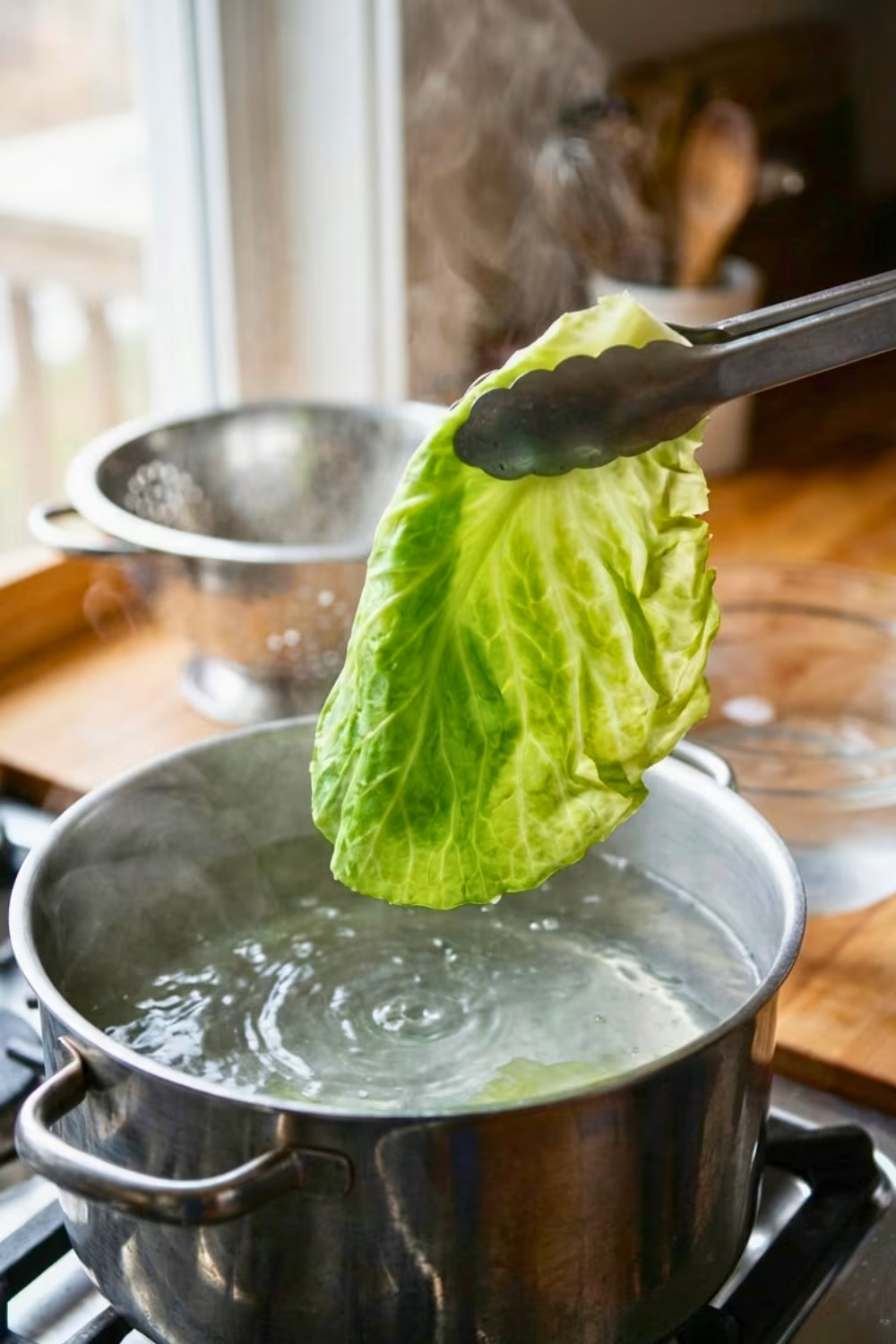
Step 1: Prepare & Blanch the Cabbage Leaves
Bring a large pot of water to a gentle boil. Carefully peel off 8 large cabbage leaves and blanch them for 2–3 minutes until soft and flexible. This makes rolling easier and prevents tearing.
Transfer to cold water, drain, and trim the thick stem portion for even rolling. Soft cabbage ensures your Japanese cabbage rolls recipe stays tender and restaurant-quality.
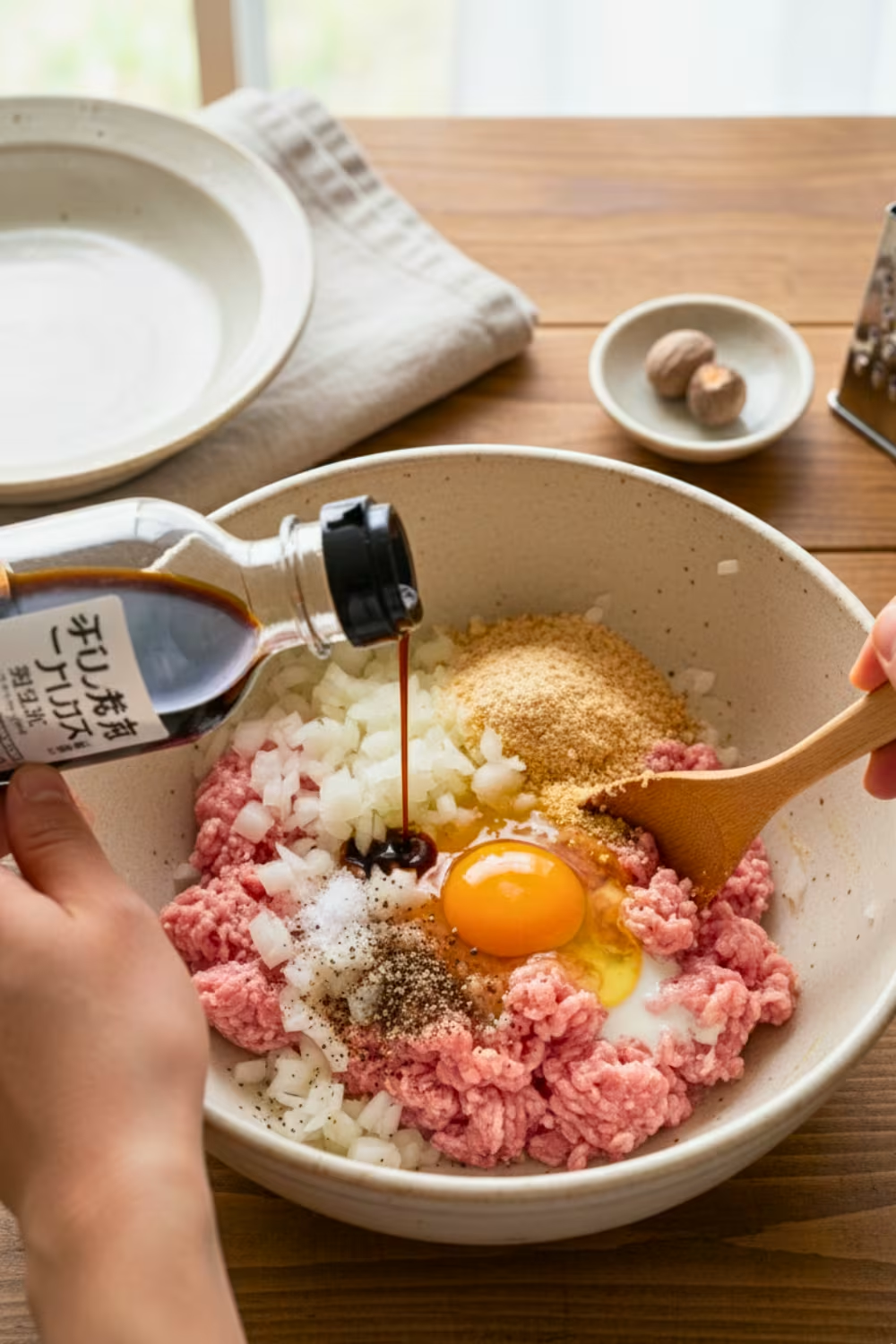
Step 2: Prepare the Flavorful Meat Filling
In a mixing bowl, combine ground pork (or chicken), finely chopped onion, egg, panko breadcrumbs, milk, soy sauce, salt, and black pepper.
Mix gently until just combined—do not overwork the mixture. This keeps the filling soft and juicy, which is key for authentic Asian cabbage rolls and healthy Japanese home cooking.
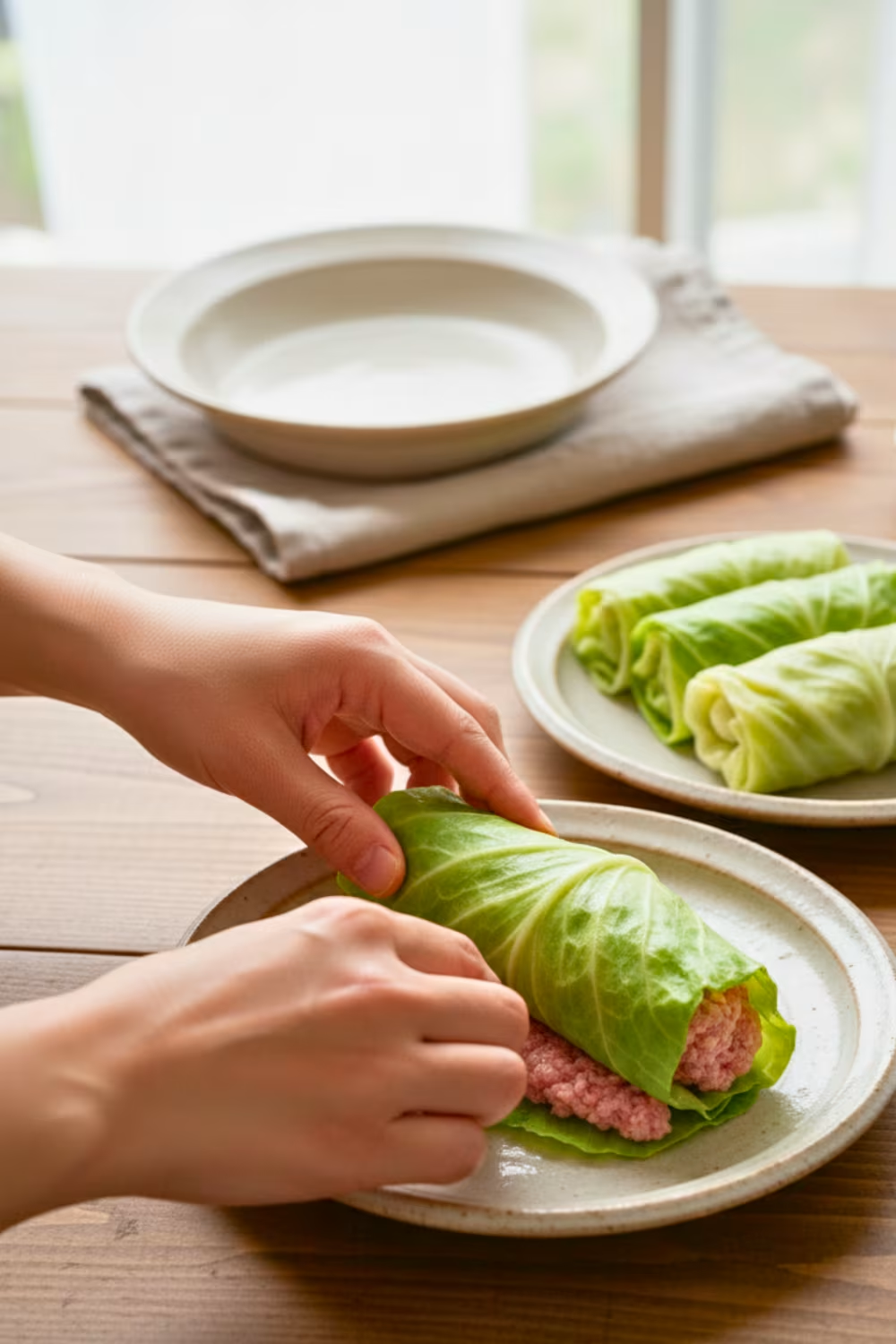
Step 3: Roll the Cabbage Like a Pro
Place 2–3 tablespoons of filling near the base of each cabbage leaf. Fold in the sides and roll tightly upward—similar to wrapping a burrito.
Keep the seam side down to prevent unrolling. This simple rolling technique ensures your Japanese cabbage rolls hold their shape while simmering.
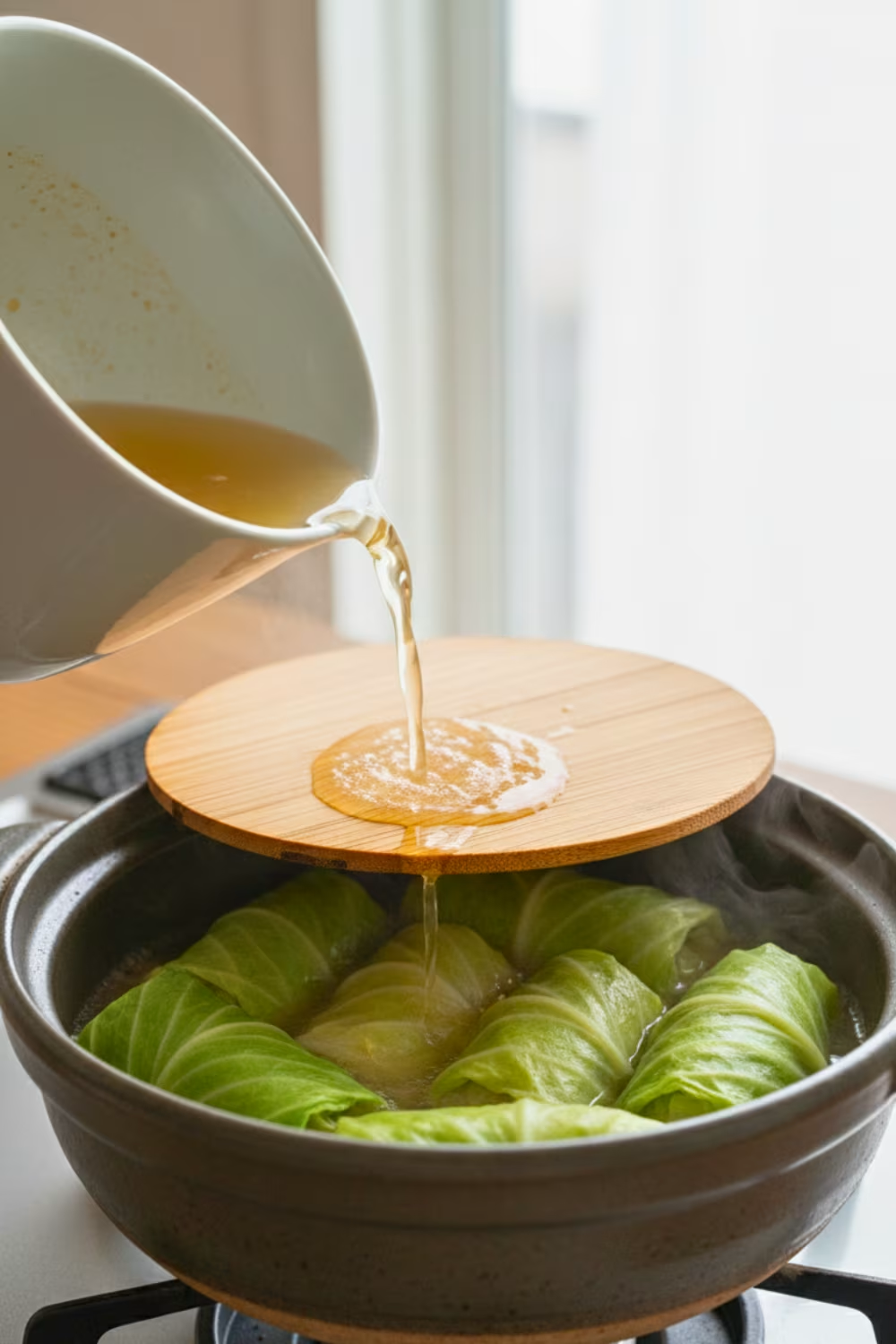
Step 4: Gentle Simmer in Light Japanese Broth
Arrange rolls seam-side down in a deep pan. Pour in chicken stock or dashi, soy sauce, mirin, and a few drops of sesame oil.
Cover and simmer on low heat for 25–30 minutes. Avoid boiling—gentle simmering keeps the texture delicate and enhances the clean flavors of this healthy Japanese dinner recipe.
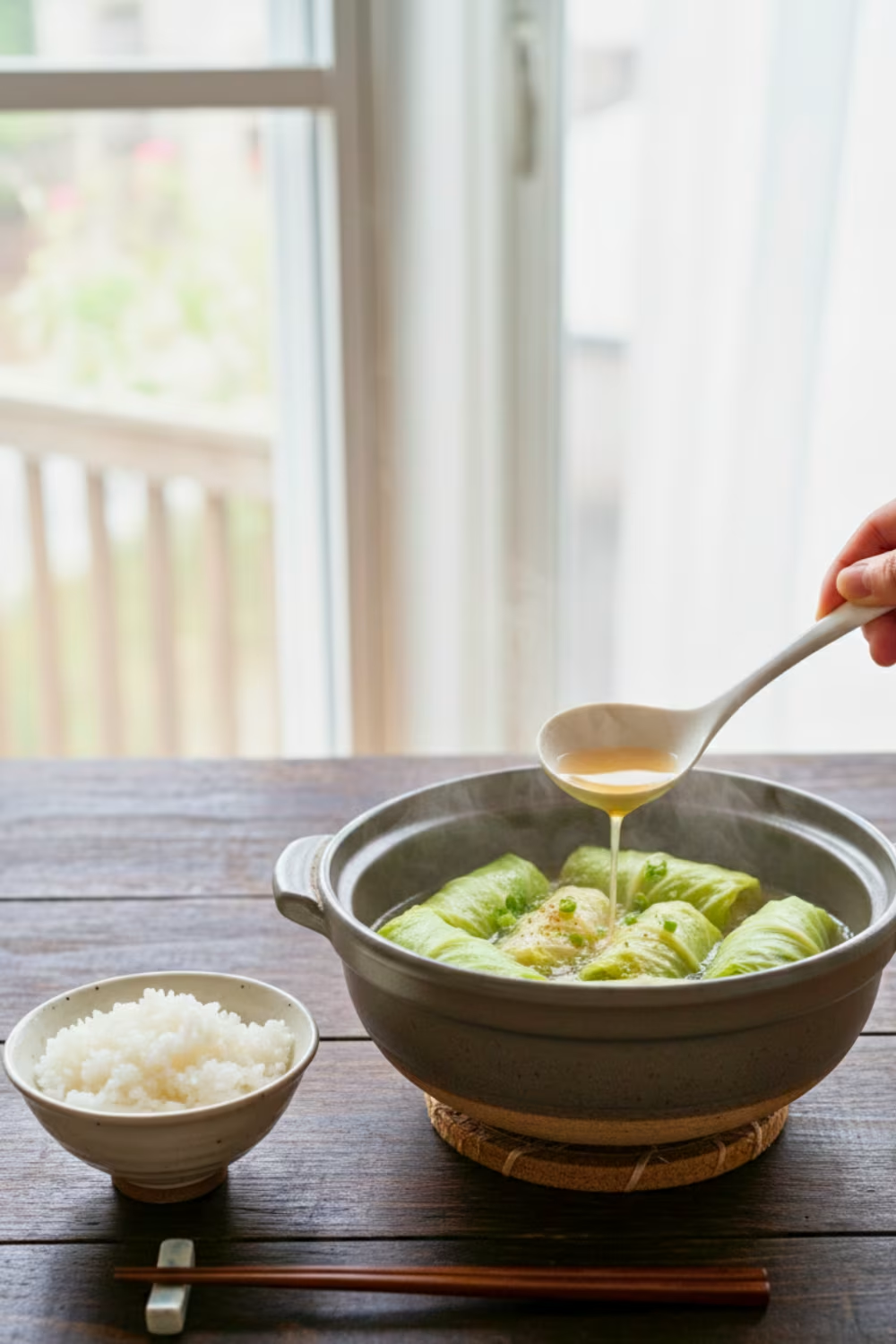
Step 5: Rest, Serve & Enjoy
Let the cabbage rolls rest for 5 minutes before serving. Spoon warm broth over the top for extra flavor.
Serve with steamed rice or miso soup for a complete Japanese comfort food meal. These rolls are ideal for meal prep, healthy family dinners, or cozy Asian-inspired recipes.
Japanese Cabbage Rolls Variations (Healthy, Low-Carb & Meal Prep Options)
One of the best things about Japanese Cabbage Rolls (Rōru Kyabetsu) is how flexible they are.
1️⃣ Healthy Chicken Japanese Cabbage Rolls
Swap ground pork for lean ground chicken to create a lighter, lower-fat version of Japanese cabbage rolls. This version is ideal for weight loss meal plans, low-calorie dinner recipes, and high-protein healthy Asian meals.
- ✔ Lower in saturated fat
- ✔ Great for clean eating
- ✔ Perfect for weekly meal prep
2️⃣ Vegetarian Japanese Cabbage Rolls (Plant-Based Option)
For a vegetarian Japanese comfort food option, replace the meat with a mix of tofu, mushrooms, and finely chopped vegetables. Use vegetable dashi for a fully plant-based meal.
- ✔ High-fiber Asian dinner
- ✔ Budget-friendly ingredients
- ✔ Ideal for meatless meal planning
3️⃣ Low-Carb & Keto-Friendly Cabbage Rolls
For low-carb Japanese recipes or keto-friendly Asian meals, simply skip the breadcrumbs and replace them with grated zucchini or almond flour. This keeps the texture soft while lowering carbs.
- ✔ Suitable for keto diets
- ✔ Reduced carbohydrate content
- ✔ Balanced macros for healthy living
4️⃣ Tomato-Style Japanese-Western Cabbage Rolls
For a slightly richer flavor, add tomato paste or light tomato sauce to the broth. This creates a Japanese-Western fusion version that’s popular in modern Japanese home cooking.
- ✔ Slightly tangy and savory
- ✔ Kid-friendly flavor profile
- ✔ Great for family dinners
5️⃣ High-Protein Meal Prep Version
Increase the protein by using a lean meat blend and adding extra egg or tofu. These high-protein Japanese cabbage rolls are ideal for fitness meal prep, healthy weekly dinners, and balanced macro meal planning.
- ✔ Supports muscle recovery
- ✔ Easy to freeze & reheat
- ✔ Ideal for structured meal plans
No matter which version you choose, these Japanese Cabbage Rolls remain comforting, balanced, and adaptable.
Serving Suggestions & Meal Pairings for Japanese Cabbage Rolls
Wondering what to serve with Japanese Cabbage Rolls (Rōru Kyabetsu)? The beauty of this Japanese comfort food recipe is that it pairs effortlessly with light, balanced sides to create a complete healthy Japanese dinner.
🍚 1. Steamed Japanese Rice (Traditional Pairing)
A bowl of fluffy Japanese short-grain rice is the most authentic pairing for Japanese cabbage rolls. The mild sweetness of rice balances the savory broth beautifully, making this combination ideal for a classic Japanese home cooking dinner. If you’re looking for a simple, budget-friendly, and family-approved option—this is it.
🍲 2. Miso Soup (Light & Balanced)
Add a bowl of miso soup for a complete Japanese meal set. The warm umami broth enhances the delicate flavor of Rōru Kyabetsu while keeping the meal light and digestible. This pairing is perfect if you’re aiming for a low-oil, healthy comfort food dinner.
🥒 3. Japanese Cucumber Salad (Refreshing Contrast)
A crisp Japanese cucumber salad adds freshness and texture contrast. The light vinegar dressing cuts through the savory filling, creating a restaurant-style balance. This is ideal for anyone building a high-protein, balanced Asian dinner plate.
🍱 4. Bento Box Style (Meal Prep Friendly)
Japanese cabbage rolls are perfect for meal prep and bento box lunches. Pair with rice, sautéed vegetables, and a small portion of pickles for a balanced high-protein Japanese meal prep recipe. This setup works especially well for busy professionals and families planning weekly dinners.
🥗 5. Light Green Salad (Modern Fusion Option)
If you prefer a lighter or low-carb option, serve with a simple green salad dressed in sesame vinaigrette.
How to Choose the Right Pairing
- For traditional Japanese meals: Add rice + miso soup.
- For healthy meal prep: Build a balanced bento box.
- For lighter dinners: Pair with salad or cucumber side.
- For family gatherings: Serve buffet-style with multiple small sides.
The goal isn’t just to cook Japanese Cabbage Rolls—it’s to create a balanced meal that fits your lifestyle, nutrition goals, and occasion.
Frequently Asked Questions – Japanese Cabbage Roll (Rōru Kyabetsu)
Suggested: Chicken Cobbler Recipe
If you like this article about the Japanese Cabbage Rolls Recipe, please share it with your friends on Facebook and Pinterest. Also, subscribe to my blog to get all the latest content first on your mobile.