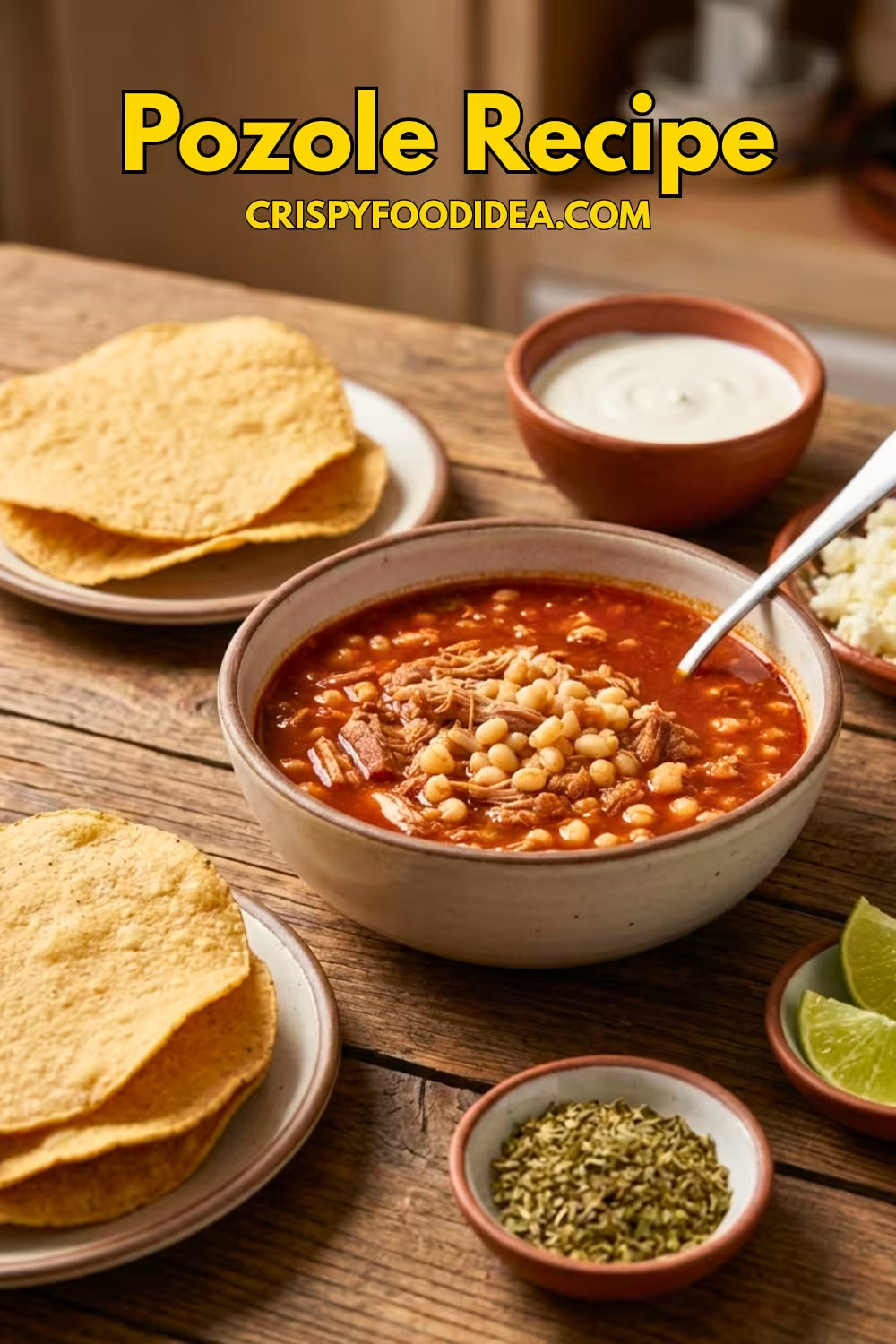
Pozole Recipe – Authentic Mexican Hominy Soup That’s Rich & Comforting
Today, I’ll be discussing a Mexican recipe with you that’s an extraordinary dish combining soup and stew, one you’ll never forget after trying it just once. My grandmother made this for me many years ago, and although she’s no longer with us, the memory of that amazing pozole recipe remains. It’s a traditional Mexican pozole that’s deeply flavorful and comforting. Built on tender meat, plump hominy, and a smooth dried-chile broth, this authentic pozole delivers bold flavor without being complicated. It’s hearty, nourishing, and perfect for family dinners, holidays, and meal prep.
Although this pozole recipe can be made in many ways, to make traditional Mexican pozole, it’s necessary to follow all the steps completely. I’ve prepared it here without any shortcuts, and I hope that if you follow the entire recipe, you too can easily make authentic Mexican pozole at home and delight your family. Furthermore, it’s naturally gluten-free, high in protein, and incredibly satisfying.
So, without further ado, let’s learn more about this pozole, made in the tradition of the Nahua people.
Related: Saland-e Nakhod Recipe
Pozole Recipe (Traditional Mexican Hominy Soup – Red Pozole)
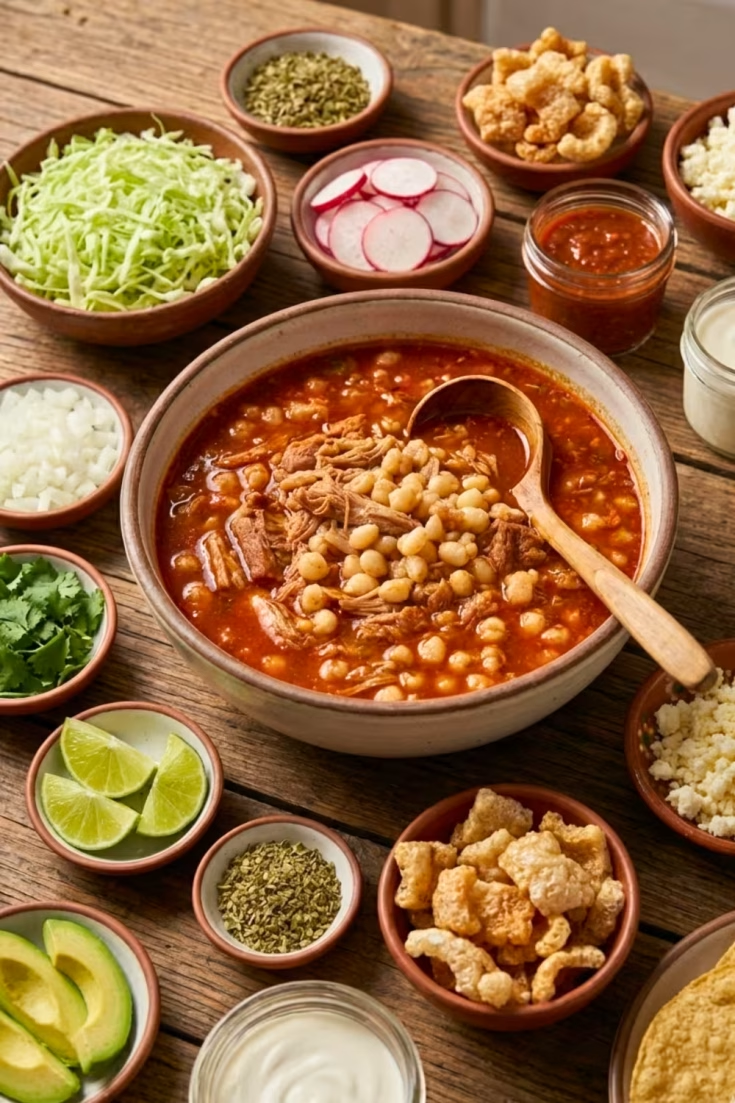
This traditional pozole recipe is hearty, nourishing, and packed with authentic Mexican flavors. With simple ingredients and customizable toppings, it’s perfect for family dinners, holidays, or make-ahead meals. For holidays, family gatherings, or weekend meals, this authentic pozole delivers bold flavor, nourishing ingredients, and a customizable bowl everyone loves.
Ingredients
For the Pozole Soup
- 2 lbs bone-in pork shoulder (or chicken thighs)
- 2 cans (15 oz each) hominy, drained and rinsed
- 8 cups water or chicken broth
- 1 medium onion, halved
- 4 cloves garlic
- 2 bay leaves
- Salt, to taste
For the Red Chile Sauce
- 3 dried guajillo chiles, seeded
- 2 dried ancho chiles, seeded
- 1 tsp cumin
- 1 tsp oregano
- ½ tsp smoked paprika
Traditional Toppings (Highly Recommended)
- Shredded cabbage or lettuce
- Radishes, sliced
- White onion, finely chopped
- Fresh cilantro
- Lime wedges
- Avocado slices
Instructions
- Step 1: Cook the Meat
In a large pot, add pork, water or broth, onion, garlic, bay leaves, and salt. Bring to a boil, then reduce heat and simmer for 75–90 minutes until meat is tender. Remove meat, shred, and set aside. - Step 2: Prepare Chile Sauce
Soak dried chiles in hot water for 15 minutes until softened. Blend chiles with cumin, oregano, paprika, and a little soaking liquid until smooth. - Step 3: Build the Pozole
Strain chile sauce into the broth. Add hominy and shredded meat. Simmer for 20–30 minutes, adjusting salt as needed. - Step 4: Serve
Ladle into bowls and let everyone customize with toppings.
Notes
- Straining the chile sauce ensures a smooth broth
- Bone-in meat adds deeper flavor
- Pozole tastes even better the next day
- Always serve with fresh toppings for contrast
Pozole Variations
- Chicken Pozole: Use chicken thighs or breasts
- Pozole Verde: Use tomatillos, cilantro, and green chiles
- Vegetarian Pozole: Use mushrooms and vegetable broth
- Instant Pot Pozole: Pressure cook meat for 35 minutes
Serving Suggestions
- Pair with warm corn tortillas or tostadas
- Serve with Mexican rice or refried beans
- Ideal for celebrations, holidays, and meal prep
Nutrition Information:
Yield:
6Serving Size:
1Amount Per Serving: Calories: 503Total Fat: 34gSaturated Fat: 12gUnsaturated Fat: 22gCholesterol: 142mgSodium: 1449mgCarbohydrates: 12gFiber: 2gSugar: 5gProtein: 39g
Suggested: Pico de Gallo Recipe
What Is Pozole?
Pozole is a traditional Mexican soup recipe made with tender meat, hominy (dried corn kernels treated with lime), and a deeply flavorful broth seasoned with dried chilies and spices. Known for its rich taste and comforting texture, this authentic pozole has been a staple of Mexican cuisine for centuries and is especially popular during family gatherings, celebrations, and holidays.
Essentially, a classic pozole recipe combines slow-cooked pork or chicken with hearty hominy to create a nourishing and protein-rich soup. The most common version, pozole rojo, gets its distinctive color and intense flavor from dried red chilies such as guajillo and ancho. There are also variations like pozole verde (made with tomatillos and herbs) and pozole blanco (a simpler, clear broth version), showcasing the versatility of this iconic Mexican hominy soup.
Today, pozole is appreciated not only for its flavor but also for its nutritional value. It is naturally gluten-free, filling, and often considered a high-protein comfort food.
Related: Creamy Corn Chowder Recipe
Traditional Pozole vs Shortcut Versions: What’s the Real Difference?
A slow-simmered traditional pozole and a faster shortcut pozole made with canned sauces or spice mixes. Both can work—but they deliver very different results in flavor, texture, and authenticity.
Traditional Pozole (Authentic Method)
- Uses dried chiles like guajillo and ancho for deep, natural flavor
- Meat is simmered slowly to create a rich, nourishing broth
- Hominy absorbs flavor over time, creating a hearty texture
- More time, but delivers true authentic Mexican pozole
- Ideal for holidays, family gatherings, and meal prep
Shortcut Pozole (Quick Method)
- Relies on canned enchilada sauce or chile paste
- Faster cooking time, often under 45 minutes
- Flavors can taste flatter or overly salty
- Convenient for busy weeknights
- Less depth compared to homemade pozole
Related: Cold Summer Soups
Step-by-Step Instructions to Make Mexican Pozole Recipe
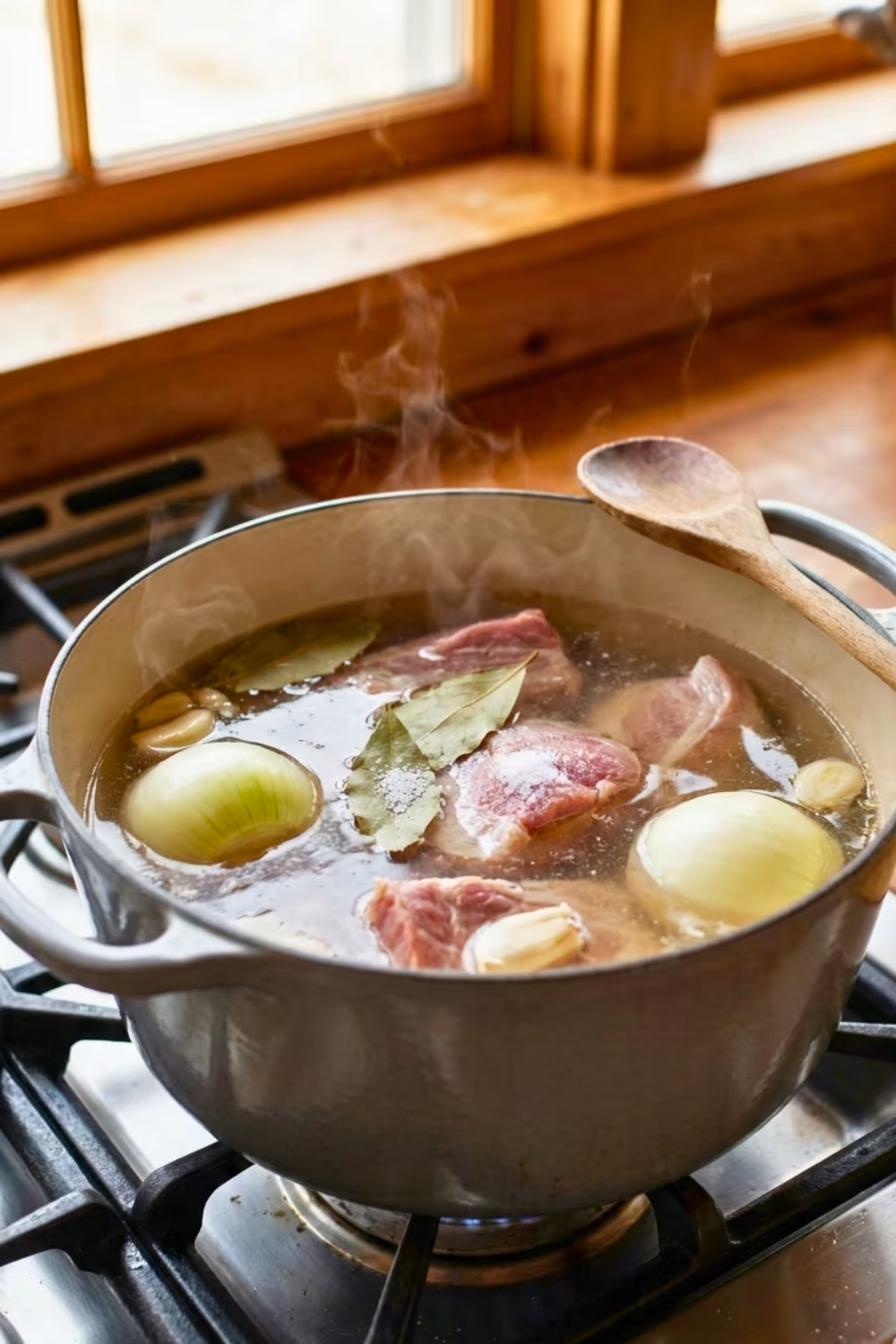
Step 1: Simmer the Meat for a Flavorful Broth
In a large heavy-bottom pot, add the pork (or chicken), onion halves, garlic cloves, bay leaves, salt, and water or broth. Bring to a boil, then reduce heat and gently simmer for 75–90 minutes, until the meat is tender and easy to shred. This slow simmer creates the base for a truly authentic pozole recipe.
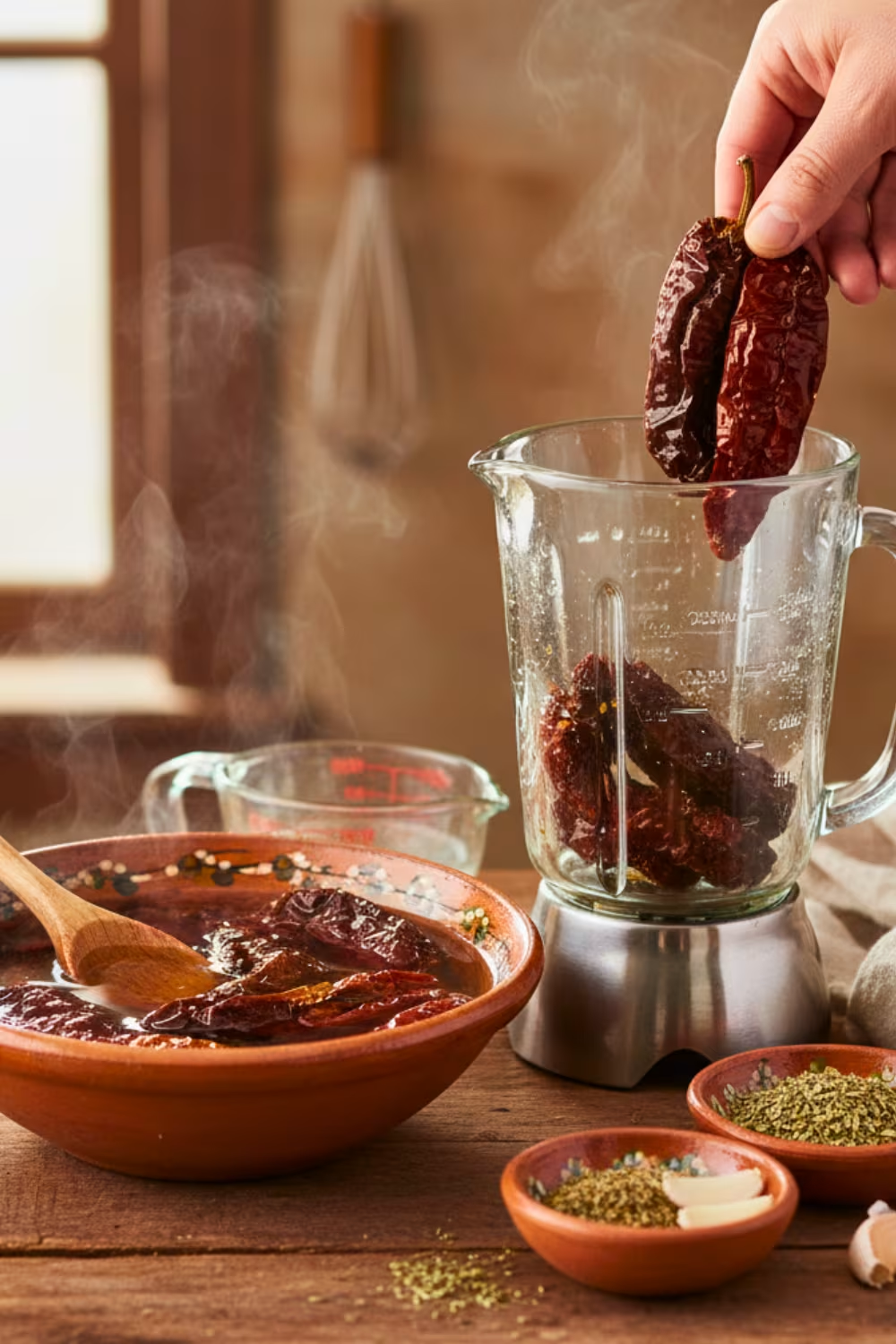
Step 2: Soften and Blend the Dried Chiles
While the meat cooks, soak dried guajillo and ancho chiles in hot water for 15 minutes until softened. Blend the chiles with cumin, oregano, and a bit of soaking liquid until completely smooth. This chile base defines the flavor of pozole rojo.
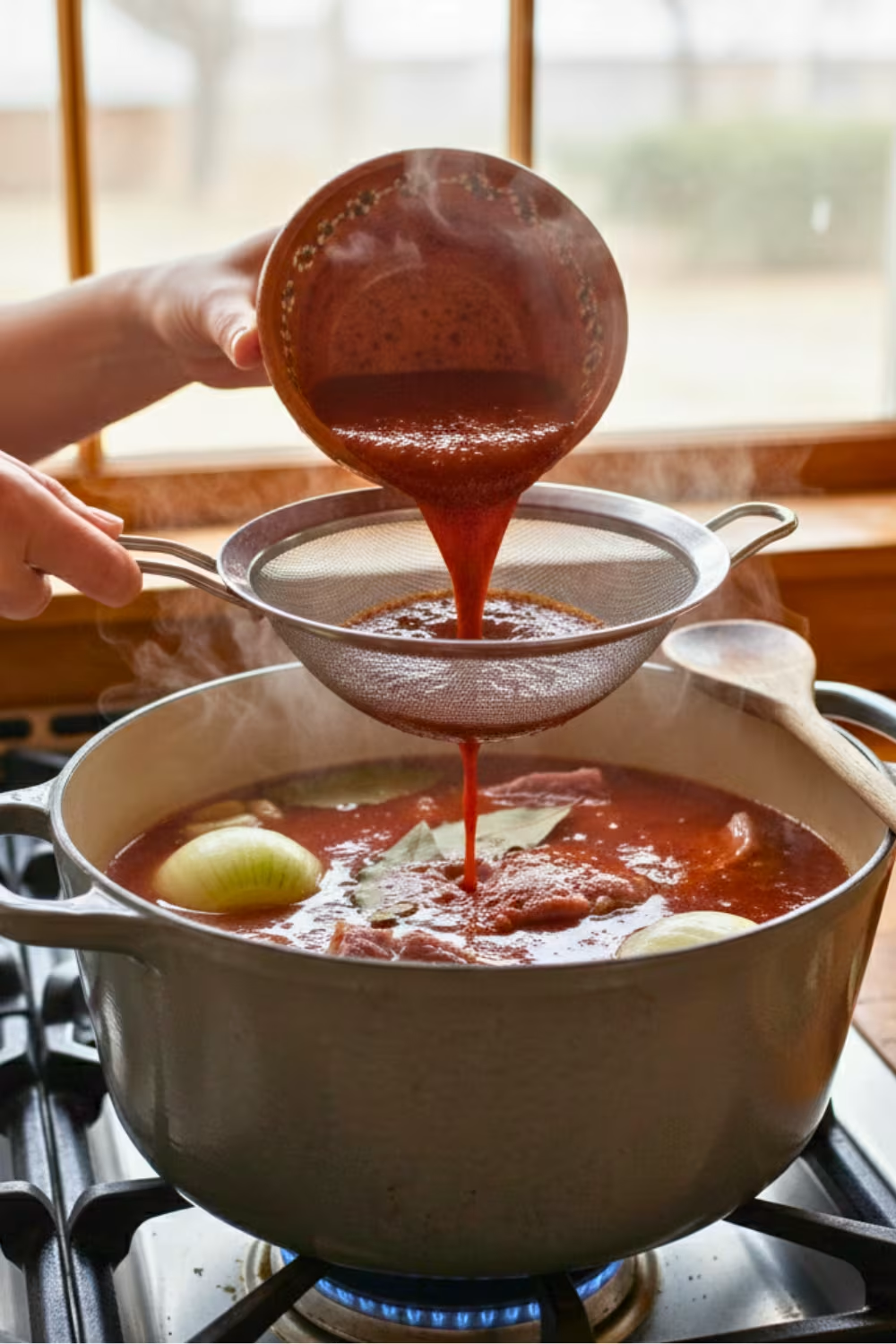
Step 3: Strain the Chile Sauce for a Smooth Pozole
Once blended, strain the chile sauce directly into the simmering broth. This step is essential for a silky texture and a restaurant-quality Mexican soup that feels refined, not gritty.
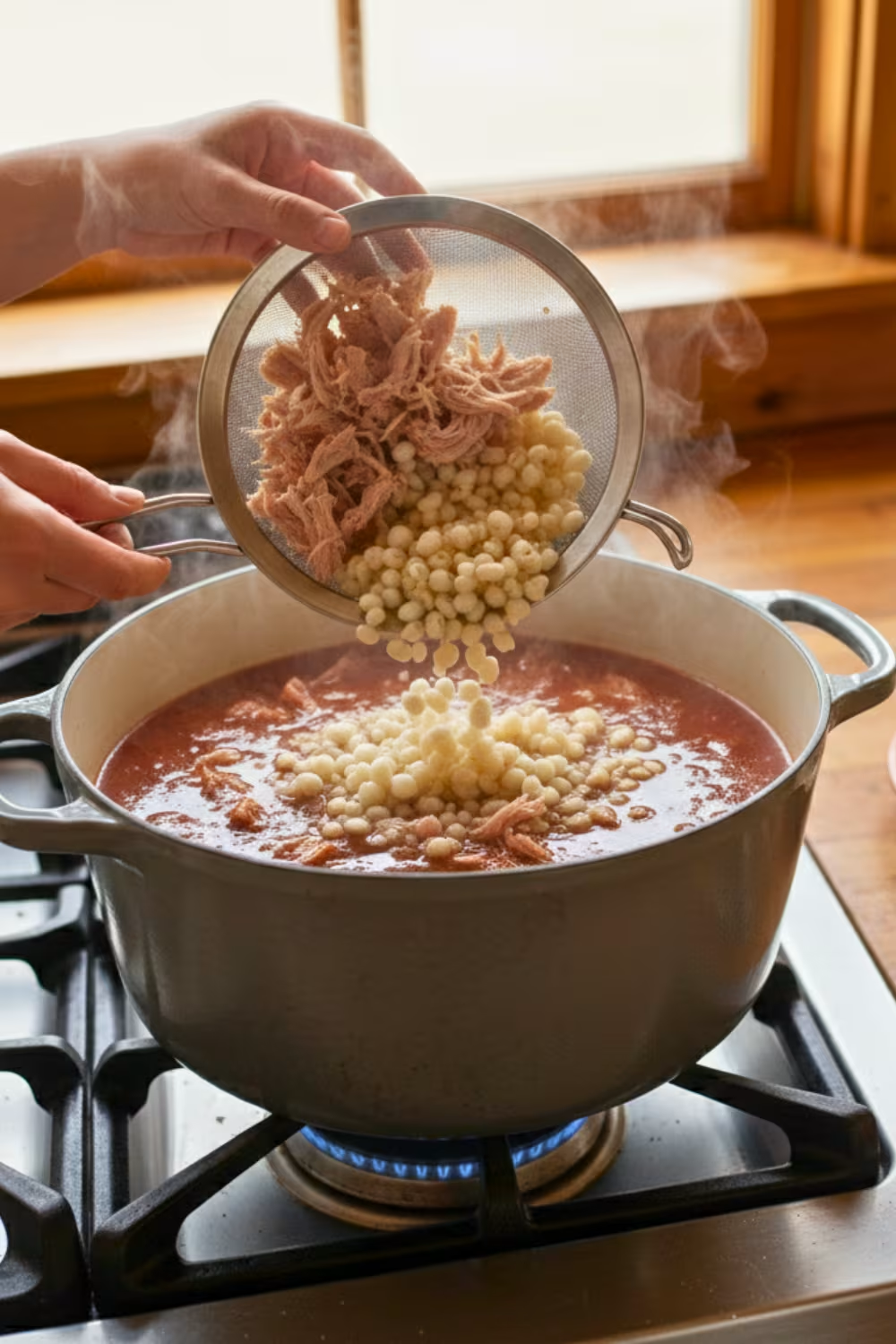
Step 4: Add Hominy and Shredded Meat
Remove the cooked meat, shred it, and return it to the pot along with drained hominy. Stir well and let the Mexican hominy soup simmer for 20–30 minutes so the flavors fully combine.

Step 5: Taste, Adjust & Finish Gently
Taste the pozole and adjust salt as needed. Keep the heat low and simmer uncovered until the broth is aromatic and deeply colored. This final simmer turns a good soup into the best pozole recipe you’ll ever make at home.
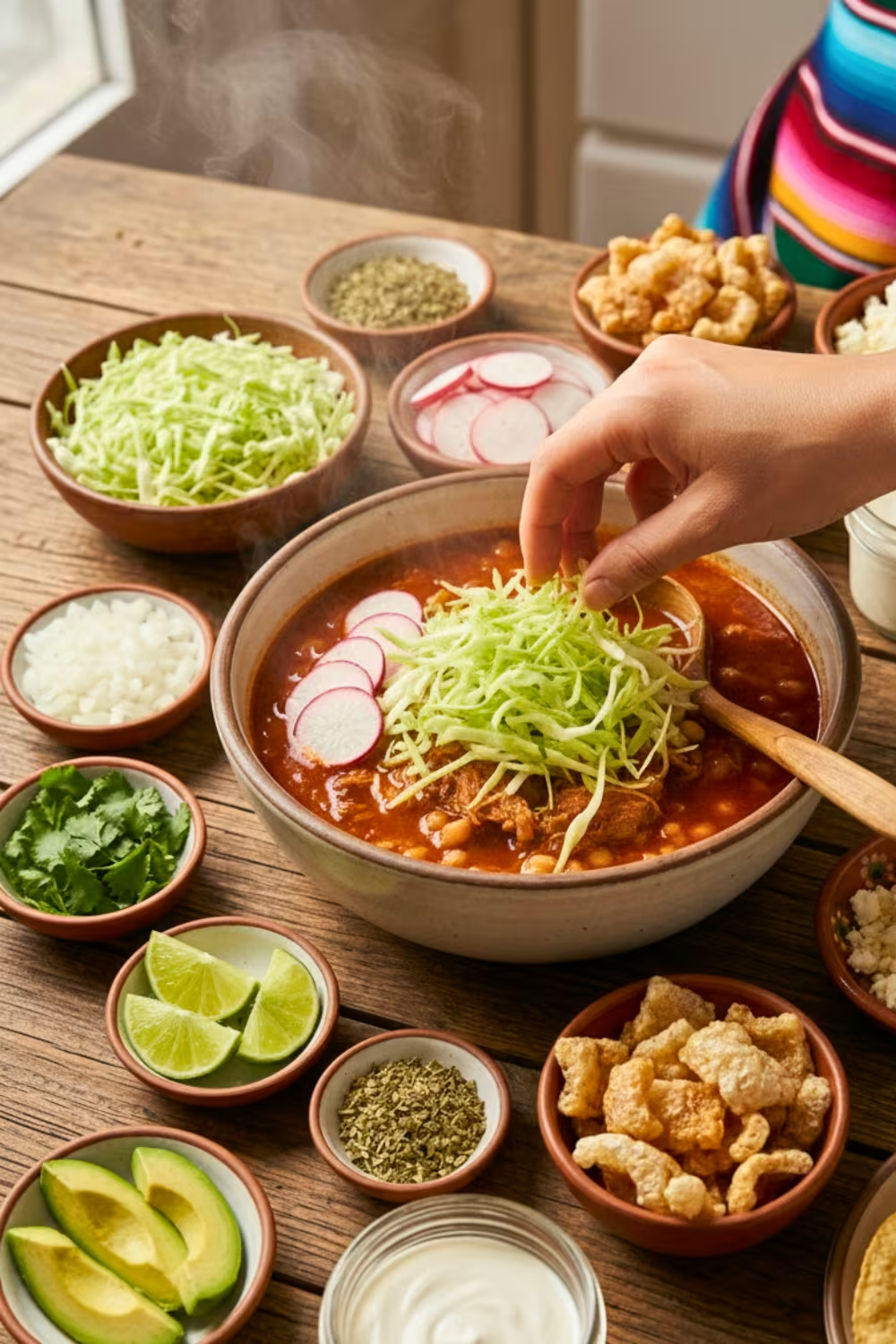
Step 6: Serve with Traditional Toppings
Ladle the hot pozole into bowls and let everyone customize with shredded cabbage, radishes, onion, cilantro, lime, and avocado. These fresh toppings are what make traditional Mexican pozole unforgettable.
Related: Brothy Tomato Rice Soup Recipe
Common Pozole Mistakes to Avoid (So Your Pozole Tastes Authentic)
Even though a pozole recipe uses simple ingredients, small mistakes can completely change the flavor and texture of this traditional Mexican soup. If you’ve ever wondered why your homemade pozole tastes flat, bitter, or “not like restaurant pozole,” these are the most common errors — and how to fix them.
1. Rushing the Broth
Pozole is a slow-simmered Mexican hominy soup. Cooking the meat too fast or at a rolling boil prevents flavors from developing. Low, steady simmering creates a rich, comforting high-protein soup that tastes deeply satisfying.
2. Skipping the Chile Straining Step
One of the biggest mistakes in a pozole rojo recipe is adding blended chile sauce directly to the pot. Unstrained chiles leave skins and seeds behind, creating a gritty, bitter broth instead of a smooth, restaurant-quality authentic pozole.
3. Underseasoning Early (or Overseasoning Late)
Pozole needs salt in stages. Adding too little early results in bland soup, while dumping salt at the end can overpower the hominy. Proper seasoning creates balance and turns a basic soup into a true comfort food recipe.
4. Using the Wrong Cut of Meat
Lean meat cooks faster but lacks depth. Traditional Mexican pozole relies on bone-in pork or chicken to build body and flavor naturally. This is what makes pozole such a filling and nourishing meal prep soup.
5. Overcooking the Hominy
Hominy should be tender but not bursting. Overcooked hominy turns mushy and ruins texture, which is especially noticeable in gluten-free soup recipes like pozole where texture matters.
6. Adding Fresh Toppings Too Early
Cabbage, radishes, lime, and cilantro are meant to be added at the table. Cooking them into the soup dulls their freshness and removes the contrast that makes traditional pozole so satisfying and customizable.
7. Expecting Pozole to Taste Perfect Immediately
Like many Mexican soup recipes, pozole tastes even better the next day. Resting allows flavors to deepen, making it ideal for make-ahead dinners, healthy comfort food, and high-value family meals.
Avoiding these mistakes ensures your pozole recipe turns out rich, balanced, and deeply flavorful.
Related: Ugali Recipe
Pozole Recipe Variations That I Love Most
One of the reasons the pozole recipe is so popular is its flexibility. This traditional Mexican pozole can be adapted for different diets, spice levels, and cooking methods—without losing its authentic flavor. Below are the pozole variations that actually work, tested for taste, texture, and consistency.
Pozole Rojo (Classic Red Pozole)
This is the most loved version of authentic pozole. Made with dried guajillo and ancho chiles, pozole rojo delivers deep, smoky flavor and a rich red broth. It’s the go-to option for holidays, family gatherings, and traditional Mexican comfort food.
Chicken Pozole
Chicken pozole is lighter but still deeply satisfying. Using chicken thighs or breasts makes this version bsolutely perfect for high protein soup recipes and healthy homemade dinners. It’s also faster to cook, making it perfect for busy weeknights.
Pozole Verde
Pozole verde swaps dried chiles for tomatillos, cilantro, and green chiles. For a green Mexican soup, this version is one of the best and lighter comfort food reiupes.
Vegetarian & Vegan Pozole
This vegetarian pozole uses mushrooms or jackfruit instead of meat, paired with vegetable broth and hominy.
Instant Pot Pozole
Instant Pot pozole delivers traditional flavor in a fraction of the time. In my favorite easy meal prep ideasm this is one of the best pressure cooker coups and also quick Mexican dinner recipes.
No matter which version you choose, the foundation stays the same: quality hominy, a well-seasoned broth, and fresh toppings.
Suggested:
CrockPot Chicken Tortilla Soup
Chicken Cobbler Recipe
Traditional Toppings & Serving Ideas for Pozole Rojo Recipe
Traditional pozole isn’t just a soup—it’s a customizable, interactive meal. These classic garnishes add crunch, freshness, acidity, and heat, transforming a simple bowl of Mexican hominy soup into a restaurant-quality experience at home.
Shredded Cabbage or Lettuce
Adds freshness and crunch. Finely shredded cabbage is the most traditional topping for pozole rojo and balances the rich broth perfectly.
Sliced Radishes
Crisp, peppery radishes add texture and brightness—an essential topping in authentic Mexican pozole.
Chopped White Onion
Raw white onion brings sharpness and contrast, enhancing the deep flavors of this traditional Mexican soup.
Fresh Cilantro
Herbaceous and aromatic, cilantro adds a fresh finish and is a must-have garnish for homemade pozole.
Lime Wedges
A squeeze of fresh lime juice brightens the entire bowl and helps balance the richness of this comfort food soup.
Dried Oregano
Mexican oregano, lightly crushed between your palms, adds an awesome aroma that upgrade any pozole recipe.
Avocado Slices (Optional)
Creamy avocado is not traditional everywhere, but it’s popular in modern healthy Mexican soup recipes.
Serving Ideas: Serve pozole hot with a toppings bar so everyone can customize their bowl. Pair it with warm corn tortillas, crispy tostadas, or baked tortilla chips.
For best results, add toppings just before eating. This keeps textures fresh and ensures your traditional pozole tastes vibrant, balanced, and restaurant-quality every time.
Suggested: Italian Timballo Recipe
Frequently Asked Questions About Pozole
A traditional pozole recipe is made with hominy (dried corn that’s been treated for tenderness), meat such as pork or chicken, dried chiles, garlic, onion, and warm spices simmered into a rich broth. This authentic Mexican pozole is finished with fresh toppings like cabbage, radishes, lime, and cilantro for balance and crunch.
Pozole rojo is the most widely known and traditional version, made with dried red chiles like guajillo and ancho. However, Mexico also has pozole verde (made with tomatillos and herbs) and pozole blanco, which has no chile sauce and relies on a clean, savory broth.
Pozole is usually mild to medium in heat. The dried chiles used in a classic Mexican hominy soup are more about flavor than spice. You can easily adjust the heat by adding chili flakes, hot sauce, or fresh chiles at the table.
Yes, pozole is one of the best make-ahead soup recipes. In fact, the flavors deepen overnight, making it perfect for meal prep, holidays, and family gatherings. Store the soup without toppings and add them fresh before serving.
Yes, a traditional pozole recipe is naturally gluten-free. Hominy, meat, chiles, and broth do not contain gluten, making this a great option for gluten-free dinner recipes and comforting meals without wheat.
Absolutely. Pozole freezes very well and is ideal for meal prep soup recipes. Freeze the soup without toppings in airtight containers for up to 3 months. Reheat gently on the stovetop and finish with fresh garnishes.
Pork shoulder is the most traditional choice because it becomes tender and flavorful during long simmering. Chicken thighs are a lighter option and still work beautifully in a homemade pozole recipe. Both options make a satisfying, high-protein soup.
Hominy gives pozole its signature texture and mild corn flavor. It absorbs the broth and chile sauce, making this Mexican soup recipe hearty, filling, and deeply comforting. Without hominy, it wouldn’t truly be pozole.
Related: Authentic Pernil Recipe
If you like this article about the Authentic Mexican Pozole Recipe, please share it with your friends on Facebook and Pinterest. Also, subscribe to my blog to receive all the latest content first on your mobile device.