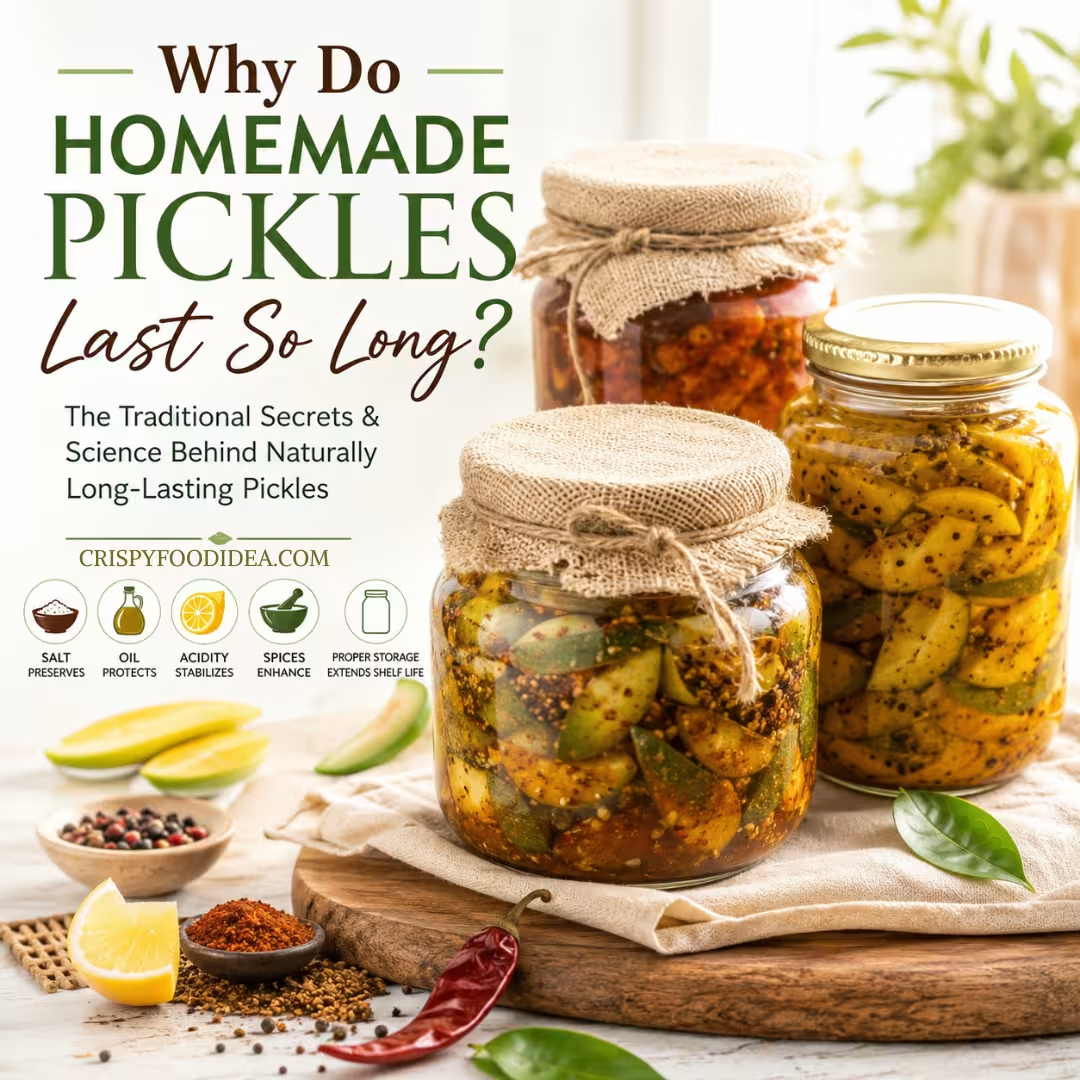
How Long Do Homemade Pickles Last? The Science Behind Their Long Shelf Life
Today, let us explore the fascinating science behind preserving homemade pickles and understand how traditional methods—combining salt, oil, spices, and acidic ingredients—keep them fresh for months. In fact, we will learn about the homemade pickles shelf life and also why homemade pickles last long. This guide to making mango, lemon, or mixed vegetable pickles explains why properly prepared homemade pickles stay fresh for much longer than many people realize.
8-10 Minutes
Homemade Pickle Lovers
Shelf Life, Storage & Food Safety
Beginner Friendly
For generations, families across India have prepared and stored homemade pickles that
remain flavorful for months. Long before modern refrigeration and packaged food systems
became common, traditional pickle makers developed practical ways to preserve seasonal
fruits, vegetables, and spices.
Many people today assume homemade foods spoil quickly because they do not contain
commercial preservatives. But traditional pickles tell a different story. So, why do homemade pickles last so long?
The answer is not one magical ingredient. Traditional pickle preservation works because
multiple natural preservation methods work together. Salt reduces available moisture, oil
limits oxygen exposure, acidic ingredients create an environment that slows microbial
growth, and spices contribute to the unique character and stability of the pickle.
Traditional pickle making is a great example of how generations of practical knowledge
connected with food science long before modern scientific terms existed. If you’re interested in learning more about the science behind safe home food preservation, the USDA Complete Guide to Home Canning provides detailed recommendations for preserving foods safely at home.
Related: Pickle Lemonade Recipe
Related: Low-Calorie Indian Meals
Homemade pickles can stay fresh for several months to even a few years when prepared using traditional preservation methods and stored correctly. If you’re interested in preserving more than just pickles, you may also enjoy our complete guide to beginner-friendly home canning recipes, where you’ll learn safe techniques for preserving fruits, vegetables, jams, sauces, and other pantry staples. Their long shelf life comes from the combined effect of salt, oil, natural acidity, spices, proper hygiene, and moisture control, all of which help slow spoilage and maintain quality naturally without relying heavily on artificial preservatives.
✔ Why Homemade Pickles Last Longer
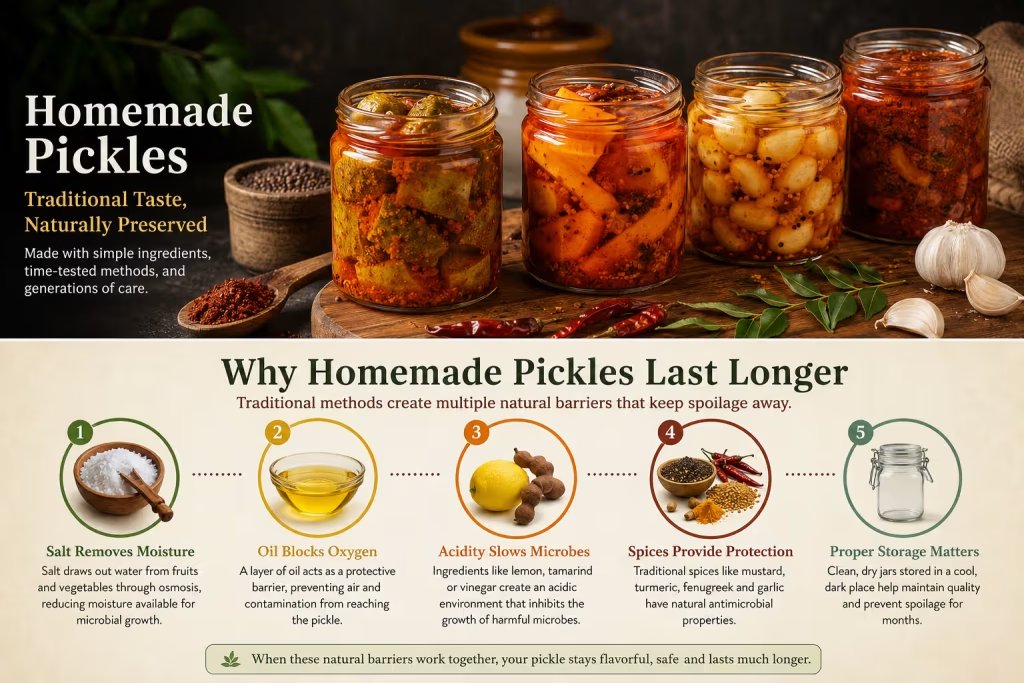
Homemade pickles last longer because traditional recipes combine several preservation techniques that make it difficult for spoilage microorganisms to grow.
- 🧂 Salt reduces available moisture and slows microbial growth.
- 🥄 Oil creates a protective barrier against oxygen and contamination.
- 🍋 Natural acidity from lemon, tamarind, or vinegar helps preserve freshness.
- 🌶 Traditional spices contribute to flavour while supporting long-standing preservation techniques.
- 🫙 Clean, dry jars and utensils greatly improve shelf life.
- 🌡 Proper storage in a cool, dry place helps maintain taste and quality.
Unlike fresh foods that contain high moisture and provide an ideal environment for microorganisms, properly prepared pickles create conditions where many spoilage organisms struggle to survive.
This layered preservation approach is sometimes compared to hurdle technology, where multiple small barriers work together to improve food stability.
The exact shelf life of homemade pickles depends on the ingredients, recipe, preparation method, storage conditions, and hygiene practices. This guide explains the traditional preservation techniques that have been used for generations while also highlighting the food science behind why they work.
My Thoughts: Why I Wanted to Share This Guide
An Editorial Note from CrispyFoodIdea
Over the past few years, I have published hundreds of recipes and cooking guides on ‘CrispyFoodIdea’. During this time, I have noticed something: many home cooks still believe that homemade food spoils much faster than store-bought products. Homemade pickles are perhaps one of the prime examples of this common misconception.
Traditional pickle recipes have been passed down through generations, long before modern refrigeration became part of everyday life. Families relied on practical preservation methods like salt, oil, natural acidity, carefully selected spices, and proper storage techniques to enjoy seasonal fruits and vegetables for months. Even today, these traditional methods continue to be valued because they combine culinary knowledge with simple food science.
Suggested: Pisyu Loon (Himalayan Salt)
Key Takeaways at a Glance
If you’re short on time, here are the most important things to know before exploring the detailed guide below.
Salt Controls Moisture
Salt draws excess moisture from fruits and vegetables, making it much harder for spoilage microorganisms to multiply.
Oil Adds Protection
A decent layer of oil limits oxygen exposure and helps protect homemade pickles from environmental contamination.
Natural Acidity Matters
Ingredients like lemon, tamarind, and vinegar create an acidic environment that naturally supports longer shelf life.
Traditional Spices Do More
Besides adding bold flavours, traditional spices have long been valued in preservation techniques used across generations.
Proper Storage Is Essential
Dry jars, clean utensils, and moisture-free handling are just as important as the ingredients themselves.
Multiple Factors Work Together
Homemade pickles last longer because several preservation methods work together instead of relying on one single ingredient.
What Causes Food to Spoil?
To understand why pickles last longer, it helps to understand why food spoils. Most food contains nutrients and moisture. These conditions allow microorganisms to grow.
Common causes of food spoilage include:
- Bacteria: Some bacteria can multiply quickly when food provides enough moisture and nutrients.
- Yeast: Yeast can cause fermentation, gas production, and changes in taste or texture.
- Mold: Mold growth often appears when food is exposed to air and moisture.
- Oxygen: Oxygen can contribute to oxidation, flavor changes, and quality deterioration.
- Moisture: Water is one of the most important factors that microorganisms need to grow.
Traditional pickle preparation focuses on controlling these factors.
Understanding What Causes Food to Spoil
Almost every food begins to spoil when microorganisms find the right conditions to grow. Traditional homemade pickles last much longer because they naturally reduce these conditions through careful preparation and storage.
| Cause of Spoilage | Why It Happens | How Homemade Pickles Help Reduce the Risk |
|---|---|---|
| 🦠 Bacteria | Bacteria multiply quickly in foods that contain plenty of moisture and nutrients. | Salt, acidity, and reduced water activity make it more difficult for many spoilage bacteria to grow. |
| 🍞 Yeast | Yeast can cause unwanted fermentation, gas formation, and changes in flavour. | Balanced salt levels, proper acidity, and correct storage help minimise unwanted yeast activity. |
| 🍄 Mold | Mold usually develops when food is exposed to oxygen and excess moisture. | A protective oil layer, dry utensils, and sealed containers help reduce mold growth. |
| 🌬 Oxygen | Air exposure contributes to oxidation, flavour loss, and surface spoilage. | Oil forms a natural barrier that helps limit oxygen exposure. |
| 💧 Moisture | Free moisture creates an ideal environment for microorganisms to multiply. | Salt removes excess moisture, while clean, dry jars and utensils help prevent additional water from entering the pickle. |
Another biggest reasons traditional homemade pickles remain fresh for months is that they don’t rely on just one preservation method. Instead, salt, oil, acidity, moisture control, and proper hygiene work together to create an environment that naturally slows spoilage. That’s why even small mistakes—such as using a wet spoon or storing pickles in a damp place—can significantly shorten their shelf life.
By reducing moisture, limiting oxygen exposure, and creating acidic or salty environments, pickles naturally become more resistant to spoilage.
Suggested: Salmon Meal Prep Recipes
The Science Behind Traditional Pickle Preservation
Homemade pickles can stay fresh for months isn’t because of a single “magic ingredient.” Instead, traditional recipes create several natural barriers that make it difficult for spoilage microorganisms to grow. Food scientists often describe this concept as using multiple preservation hurdles that work together to improve food stability.
Less Available Moisture
Microorganisms need water to survive and multiply. Salt helps draw moisture from fruits and vegetables, reducing the amount of water available for unwanted microbial growth.
Limited Oxygen Exposure
A protective layer of oil reduces direct contact with air, helping slow oxidation while also protecting the surface of the pickle during storage.
Balanced Acidity
Natural acidic ingredients such as lemon, tamarind, and vinegar help create conditions where many spoilage microorganisms struggle to grow.
Clean Preparation
Using dry jars, clean utensils, and proper kitchen hygiene minimizes contamination and helps preserve both flavour and quality.
💡 Think of It Like Building Multiple Safety Layers
Imagine protecting something valuable with several locks instead of just one. Traditional pickle recipes work in a similar way. Salt reduces moisture, oil limits oxygen, acidic ingredients change the environment, spices contribute to the recipe’s traditional preservation approach, and proper storage helps maintain these conditions. Each layer supports the others, making homemade pickles naturally more resistant to spoilage when prepared correctly.
Interesting Fact
Many preservation techniques used in traditional Indian kitchens were developed through generations of observation and experience. Modern food science now explains why these time-tested methods continue to work so effectively when combined with proper hygiene and storage practices.
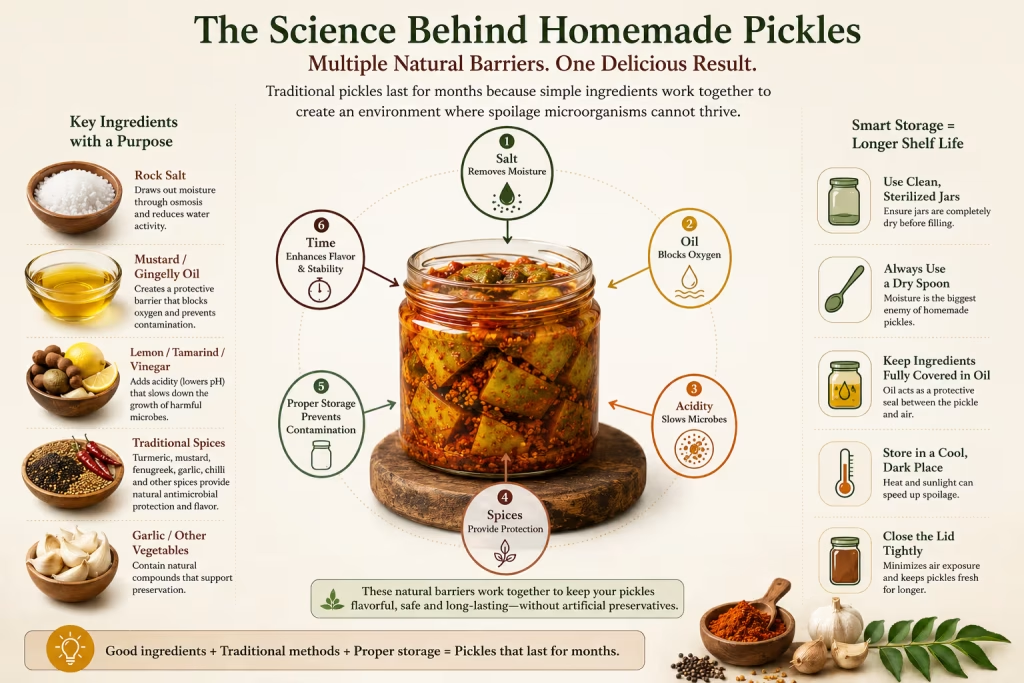
Traditional Indian pickles are preserved through a combination of techniques rather than a single method.
A typical homemade pickle may use:
- Salt
- Oil
- Lemon, tamarind, or vinegar
- Traditional spices
- Drying techniques
- Fermentation in some recipes
Each ingredient contributes differently.
This is why a well-prepared pickle can remain stable for extended periods without depending heavily on artificial preservatives.
Related: Instant Pot Dump Dinner Recipe
How Salt Helps Homemade Pickles Last Longer
Salt is one of the oldest food preservation ingredients used around the world. The role of salt in pickle preservation goes beyond adding flavor.
Salt and Osmosis
- When salt is added to fruits or vegetables, it draws moisture out through a process called osmosis.
- This reduces the amount of free water available inside the pickle.
- Microorganisms need available moisture to grow. When moisture decreases, their ability to multiply becomes limited.
- This concept is connected to water activity, which refers to the amount of water available for microbial growth.
- Lower water activity creates a less favorable environment for spoilage organisms.
Why Traditional Pickle Makers Use Rock Salt
Many traditional recipes use rock salt because it has been valued for its flavor and preservation role.
Salt helps:
- Reduce moisture
- Support texture
- Slow unwanted microbial activity
- Improve overall pickle balance
Salt is often the first protective layer in traditional pickle making.
Did You Know? Salt Does More Than Make Pickles Taste Better
One of the biggest misconceptions about homemade pickles is that salt is added only for flavour. In reality, salt is one of the oldest and most effective natural food preservation ingredients used around the world.
When salt draws moisture out of fruits and vegetables through osmosis, it reduces the amount of available water that many spoilage microorganisms need to grow. Food scientists refer to this as lowering water activity (aw), which plays an important role in determining how quickly food spoils.
This is why traditional pickle recipes usually call for a specific amount of salt rather than suggesting it “to taste.” Reducing the salt significantly may affect not only the flavour but also the balance of the preservation process and the overall shelf life of the pickle.
Related: Mediterranean Meal Prep Recipes
Why Oil Is More Than Just Flavor
Oil is often associated with taste and texture, but it also plays an important preservation role in homemade pickles. For generations, traditional Indian pickle recipes have relied on oil not only to enhance flavour but also to help protect the ingredients during long-term storage.
Creates a Protective Barrier
In many Indian pickles, oil creates a protective layer between the pickle and the surrounding air, helping reduce direct exposure to oxygen.
Reduces Oxygen Exposure
Limiting oxygen exposure helps reduce oxidation, quality changes, and unwanted surface growth that may affect the pickle over time.
Preserves Freshness Naturally
A layer of oil helps protect the ingredients and contributes to maintaining the pickle’s freshness, flavour, and overall quality during storage.
🌿 Traditional Oils Used in Indian Pickles
Traditional Indian pickles commonly use oils such as:
The choice of oil also influences the flavour profile of the final pickle, giving every regional recipe its own distinctive taste and character.
Tip From Me
When preparing oil-based homemade pickles, make sure the ingredients remain completely covered with oil whenever the recipe calls for it. This simple traditional practice helps reduce unnecessary air exposure and supports better long-term storage.
How Acidity Helps Preserve Pickles
Acidity is another important part of traditional food preservation. It helps create conditions that naturally slow the growth of many spoilage microorganisms, making homemade pickles more stable when prepared and stored correctly.
🍋 Common Natural Acidic Ingredients
Many traditional pickle recipes include ingredients that naturally increase acidity, such as:
- ✔ Lemon
- ✔ Tamarind
- ✔ Vinegar
🧪 Why Acidity Matters
Acidic environments can slow down the growth of many spoilage microorganisms. This makes it more difficult for unwanted microbes to multiply, helping homemade pickles remain fresh for a longer period.
The Secret Is Balance
The balance between salt, acidity, moisture, oil, and proper storage creates a stable preservation system. Rather than relying on a single ingredient, traditional pickle recipes combine several natural preservation methods that work together to maintain freshness, flavour, and overall quality.
The Role of Traditional Indian Spices
Indian pickles are famous for their bold spice combinations, but these ingredients are valued for much more than their rich flavour. For generations, traditional spices have played an important role in creating the unique taste, aroma, colour, and character that make homemade pickles so special.
Turmeric
Turmeric is widely used in pickle recipes and contributes colour, aroma, and traditional value.
Mustard Seeds
Mustard seeds are a common ingredient in many regional pickle preparations.
Fenugreek
Fenugreek adds a distinctive taste and supports the overall flavour balance.
Garlic
Garlic is frequently used in preserved foods and traditional recipes.
Chilli
Chilli provides heat and contributes to the unique identity of Indian pickles.
One of the things I enjoy most about traditional Indian pickle recipes is how every family has its own unique spice blend. While the ingredients may vary from region to region, the goal remains the same—creating a rich balance of flavour, aroma, colour, and tradition that makes homemade pickles truly memorable. Together, these spices give every jar its signature taste and complexity.
Does Fermentation Increase Pickle Shelf Life?
Not every pickle is fermented, but fermentation is another traditional preservation method that has been used for generations. Certain recipes naturally rely on beneficial microorganisms to preserve food while creating rich flavours and improving stability.
🔬 What Happens During Fermentation?
During fermentation, beneficial microorganisms convert naturally occurring sugars into organic acids. As acidity gradually increases, the environment becomes less favourable for many unwanted spoilage microorganisms.
Develop Deeper Flavours
Fermentation slowly creates richer, more complex flavours that many traditional pickle lovers appreciate.
Produce Natural Acidity
The fermentation process naturally increases acidity, which becomes an important part of traditional food preservation.
Discourage Spoilage
The acidic environment helps create conditions that discourage the growth of many unwanted microorganisms.
Good to Know
Not all homemade pickles depend on fermentation for preservation. Many traditional recipes achieve an excellent shelf life through the balanced combination of salt, oil, acidity, spices, moisture control, and proper storage. Fermentation is simply one of several time-tested preservation techniques.
Fermented foods have been part of human diets for centuries because fermentation naturally changes food chemistry while helping preserve food and develop distinctive flavours. This long-standing practice continues to play an important role in many traditional cuisines around the world.
Why Moisture Control Is the Hidden Secret
One of the biggest reasons homemade pickles last longer is careful moisture management. While ingredients like salt and oil often receive the most attention, controlling unwanted moisture is one of the most important yet overlooked parts of traditional pickle preservation. These food safety guidelines also explain how bacteria, moisture, temperature, and handling practices affect food safety and spoilage in home kitchens.
Why It Matters
Traditional pickle makers understand that unwanted water can significantly reduce shelf life. Even small amounts of moisture introduced through poor handling can create opportunities for microbial growth, affecting both the flavour and quality of homemade pickles.
✔ Best Practices for Better Shelf Life
Use Completely Dry Jars
Always ensure storage jars are thoroughly cleaned and completely dry before filling them with homemade pickles.
Use Dry Spoons
Only use clean, dry spoons when serving pickles to prevent introducing unwanted moisture into the jar.
Avoid Wet Hands
Handling pickles with wet hands can transfer moisture and increase the risk of contamination.
Dry Ingredients Properly
Fruits, vegetables, and spices should be properly dried whenever required before preparing traditional pickle recipes.
Keep Ingredients Covered
Maintain proper oil or brine coverage whenever the recipe requires it to help protect ingredients from direct exposure.
👨🍳 Kitchen Tip
A clean and dry environment is just as important as the recipe itself. Paying attention to simple habits—such as using dry utensils, storing pickles in moisture-free containers, and avoiding unnecessary exposure to water—can make a noticeable difference in maintaining the freshness and quality of homemade pickles over time.
Different Types of Pickles Have Different Shelf Lives
Not all homemade pickles preserve in exactly the same way. Their shelf life depends on several important factors, including the ingredients used, preparation method, salt ratio, oil coverage, storage conditions, and overall hygiene during preparation.
📌 What Determines a Pickle’s Shelf Life?
Ingredients
Preparation Method
Salt Ratio
Oil Coverage
Storage Conditions
Hygiene
Common Types of Homemade Pickles
Oil-Based Pickles
Common in Indian cuisine, these rely heavily on salt, oil, and spices for long-term preservation while developing rich flavours over time.
Fermented Pickles
These depend more on natural fermentation, where beneficial microorganisms produce acids that help preserve the ingredients naturally.
Vinegar-Based Pickles
Here, acidity plays a stronger preservation role, helping create an environment that slows the growth of many spoilage microorganisms.
Refrigerated Pickles
These are generally prepared for freshness rather than long-term storage and should be kept refrigerated to maintain their quality.
No matter which type of pickle you prepare, the recipe and the way it’s handled after preparation ultimately determine how long it stays fresh. Using clean, dry jars, maintaining proper oil or brine coverage, and storing pickles in a cool, dry place can make a significant difference in their overall shelf life.
Estimated Shelf Life of Different Homemade Pickles
Although no two homemade pickle recipes are exactly alike, traditional preparation methods and proper storage can significantly influence how long different varieties remain fresh. The estimates below are intended as general guidance and may vary depending on ingredients, salt concentration, oil coverage, acidity, hygiene, and storage conditions.
| 🥒 Pickle Type | 🧂 Main Preservation Method | 🕒 Estimated Shelf Life* | 🫙 Best Storage Method |
|---|---|---|---|
| Oil-Based Mango Pickle | Salt + Oil + Spices | 12–24 Months | Cool, dry place |
| Lemon Pickle | Salt + Natural Acidity | 12–24 Months | Glass jar away from sunlight |
| Mixed Vegetable Pickle | Salt + Oil | 6–12 Months | Cool, dry place |
| Garlic Pickle | Oil + Salt + Spices | 8–12 Months | Airtight glass jar |
| Fermented Pickles | Natural Fermentation | 4–12 Months | Cool environment or refrigerator |
| Vinegar-Based Pickles | Acidity | 6–12 Months | Cool pantry or refrigerator |
| Quick Refrigerated Pickles | Cold Storage | 2–8 Weeks | Refrigerator |
If you notice mold growth, unpleasant odours, unusual texture changes, excessive gas formation, leaking jars, or bulging lids, it’s safest to discard the pickle rather than taste it. Proper hygiene and storage remain the most important factors in preserving homemade pickles safely.
Homemade Pickles vs Store-Bought Pickles
Both homemade and commercially prepared pickles use preservation methods, but the overall preparation process, ingredient selection, and production approach can differ. Understanding these differences helps you choose the option that best fits your taste, cooking style, and storage preferences.
Homemade Pickles
- ✅ Usually prepared in smaller batches
- ✅ Traditional family recipes
- ✅ Direct ingredient control
- ✅ Often focused on traditional methods
Store-Bought Pickles
- ✅ Often produced at a larger scale
- ✅ Standardized production methods
- ✅ Different commercial formulations
- ✅ Designed for wider distribution
The most important factor is not simply whether a pickle is homemade or commercially prepared. Quality depends on the ingredients used, preparation methods, hygiene practices, and proper storage. When prepared correctly, both can offer excellent flavour and shelf stability, although traditional homemade pickles often provide greater flexibility in ingredient selection and recipe customization.
Why Kerala Homemade Pickles Are Special
Kerala has a rich and time-honoured tradition of homemade pickle making. The region’s tropical climate, abundant seasonal produce, and distinctive culinary heritage have shaped preservation methods that continue to be passed down through generations. These recipes are more than everyday condiments—they reflect the wisdom, creativity, and food culture of Kerala households.
Fresh Seasonal Produce
Traditional Kerala pickles are often prepared using freshly harvested seasonal fruits and vegetables, helping families preserve local produce long after the harvest season ends.
Bold Spice Blends
Carefully balanced spice combinations give Kerala pickles their distinctive aroma, vibrant colour, and unforgettable flavour while reflecting generations of regional cooking traditions.
Oil-Based Preservation
Many traditional Kerala pickle recipes rely on generous oil coverage, creating a protective barrier that helps preserve freshness and maintain quality over time.
Balanced Traditional Recipes
Every family recipe has its own unique balance of salt, spices, acidity, and oil—carefully developed through years of experience and refined across generations.
Traditional Kerala pickles are valued for much more than their bold flavours. They represent generations of practical food preservation knowledge, where simple ingredients and thoughtful preparation techniques were used to extend shelf life naturally. Many of these methods continue to inspire modern home cooks who appreciate authentic flavours and traditional kitchen practices.
Common Mistakes That Reduce Pickle Shelf Life
Even a well-made pickle can spoil if handled incorrectly. Fortunately, most storage problems are easy to avoid with a few simple habits. Here are the most common mistakes that can shorten the shelf life of homemade pickles.
Using Wet Spoons
Water introduces extra moisture into the pickle jar, creating conditions that may encourage spoilage over time.
Storing in Unclean Jars
Containers that are not properly cleaned and dried may introduce unwanted contamination before the pickle is even stored.
Leaving Jars Open
Frequent exposure to air increases the chance of contamination and may gradually affect the quality of the pickle.
Not Maintaining Oil Coverage
For oil-based pickles, exposed ingredients may lose their protective barrier and become more vulnerable to spoilage.
Keeping Pickles in Heat or Humidity
Warm and humid storage conditions can reduce the overall quality and shelf life of homemade pickles.
My Tip
From my experience researching traditional food preservation methods, the smallest habits often make the biggest difference. Using a dry spoon every time, keeping the lid tightly closed, and storing the jar in a cool, dry place are simple practices that can help preserve the flavour, texture, and overall quality of homemade pickles for much longer.
Signs That Homemade Pickles May Have Spoiled
Traditional preservation methods are highly effective, but no homemade pickle is completely immune to spoilage. Knowing what to look for can help you avoid consuming food that may no longer be safe.
Mold Growth
Visible mold on the surface or inside the jar is one of the clearest signs that the pickle has spoiled and should not be consumed.
Strange Smell
If the pickle develops an unpleasant or unusual odor that differs from its normal aroma, it may indicate spoilage.
Texture Changes
Unexpected sliminess, excessive softness, or other unusual texture changes may suggest that the pickle is no longer in good condition.
Bulging Containers
A swollen or bulging jar may indicate gas buildup caused by unwanted microbial activity and should be treated with caution.
Discoloration
Significant color changes that are not part of the normal aging process may be a warning sign that the pickle has deteriorated.
When in Doubt, Throw It Out
If a homemade pickle shows clear signs of mold, an unusual smell, abnormal texture, bulging containers, or suspicious discoloration, it is always safer not to consume it. Food safety should always take priority over avoiding waste.
Homemade Pickle Storage Cheat Sheet
Want your homemade pickles to stay fresh for as long as possible? Follow these simple storage habits to help preserve their flavour, texture, and quality while reducing the risk of spoilage.
| ✔ Best Practice | Why It Matters |
|---|---|
| 🫙 Store pickles in clean, completely dry glass jars. | Dry containers reduce unwanted moisture that may encourage spoilage. |
| 🥄 Always use a clean, dry spoon. | Wet or dirty utensils can introduce moisture and contaminants. |
| 🛢 Keep oil-based pickles fully covered with oil. | The oil acts as a protective barrier against air exposure. |
| 🌡 Store jars in a cool, dry place. | Stable temperatures help maintain freshness and flavour. |
| ☀ Avoid prolonged direct sunlight unless your recipe specifically recommends it. | Excess heat may affect texture, flavour, and overall quality. |
| 🚫 Never return leftover pickle from your plate back into the jar. | This helps prevent cross-contamination and unwanted bacterial growth. |
| 👀 Inspect the pickle regularly. | Checking for visible changes helps identify spoilage before consumption. |
Homemade Pickle Shelf Life FAQs
Can homemade pickles last without preservatives?
Yes. Traditional pickle methods rely on natural preservation techniques such as salt, oil, acidity, and proper storage.
Why does oil help preserve pickles?
Oil creates a barrier that reduces oxygen exposure and helps protect the pickle from environmental contamination.
What makes homemade pickles last longer?
A combination of salt, acidity, oil, spices, moisture control, and proper storage.
Can homemade pickles spoil?
Yes. Incorrect preparation, excess moisture, contamination, or poor storage can reduce shelf life.
What is the most important pickle preservation method?
There is no single factor. Traditional preservation works because multiple methods support each other.
How long do homemade mango pickles usually last?
Properly prepared homemade mango pickles can often last for a year or longer when made with sufficient salt, oil, and spices and stored in a clean, dry container. Their actual shelf life depends on the recipe, storage conditions, and how carefully the pickle is handled after opening.
Should homemade pickles always be refrigerated?
Not necessarily. Many traditional Indian oil-based pickles are stored at room temperature in a cool, dry place. However, refrigerated pickles or recipes with lower salt and oil content may benefit from refrigeration. Always follow the storage recommendations for the specific recipe.
Is it safe to store homemade pickles in plastic containers?
Glass jars are generally preferred because they are non-reactive, easy to clean, and help preserve flavour over time. Food-grade plastic containers may be suitable for some recipes, but they should be clean, dry, and designed for food storage.
Why does white mold sometimes appear on homemade pickles?
White mold can develop if excess moisture, contaminated utensils, insufficient oil coverage, or poor storage conditions allow unwanted microorganisms to grow. If visible mold appears, it’s generally safest to avoid consuming the affected pickle.
Can homemade pickles be frozen for longer storage?
Freezing is usually unnecessary for traditional oil-based pickles because they are already designed for long-term preservation. In some cases, freezing may affect texture or consistency, so it’s generally better to store pickles according to the recipe’s recommended method.
What is the best way to keep homemade pickles fresh after opening?
Always use a clean, dry spoon, keep the ingredients fully covered with oil or brine if required, close the jar tightly after each use, and store it in a cool, dry place. Avoid introducing water or moisture into the container, as this can shorten shelf life.
Can homemade pickles lose quality even if they haven’t spoiled?
Yes. Over time, homemade pickles may gradually lose some of their colour, texture, aroma, or flavour even when they remain safe to consume. Proper storage helps maintain their best quality for as long as possible.