What Is Pisyu Loon? The Traditional Himalayan Salt Blend Every Food Lover Should Know
Salt is one of the most essential ingredients in every kitchen. I absolutely love discovering and savoring authentic regional ingredients; Pisyu Loon is one such traditional Himalayan seasoning that is truly worth knowing about. This flavorful salt blend has been a part of everyday cooking in Uttarakhand for generations, yet many people outside the region have never heard of it.
Pisyu Loon is made by blending rock salt with fresh herbs, spices, and other locally sourced ingredients; it transforms even ordinary dishes into something truly delicious. I love sprinkling a little Pisyu Loon over cucumber slices, fresh fruit, yogurt, roasted potatoes, or hot parathas, which imparts a flavor and aroma that ordinary table salt simply cannot match.
Nowadays, interest in regional Indian cuisine is steadily growing. Consequently, many home cooks are now seeking traditional ingredients that tell stories of local culture and family culinary heritage. Pisyu Loon is one such unique and lesser-known culinary treasure. Beyond its exquisite taste, it reflects the ingenuity, traditions, and seasonal cooking practices of the Himalayan communities where it originated.
That is why today I will discuss Pisyu Loon in detail—covering how it is traditionally prepared, the ingredients involved, how it compares to other salts, delicious ways to use it, and even how you can make a simple version at home.
What Is Pisyu Loon?
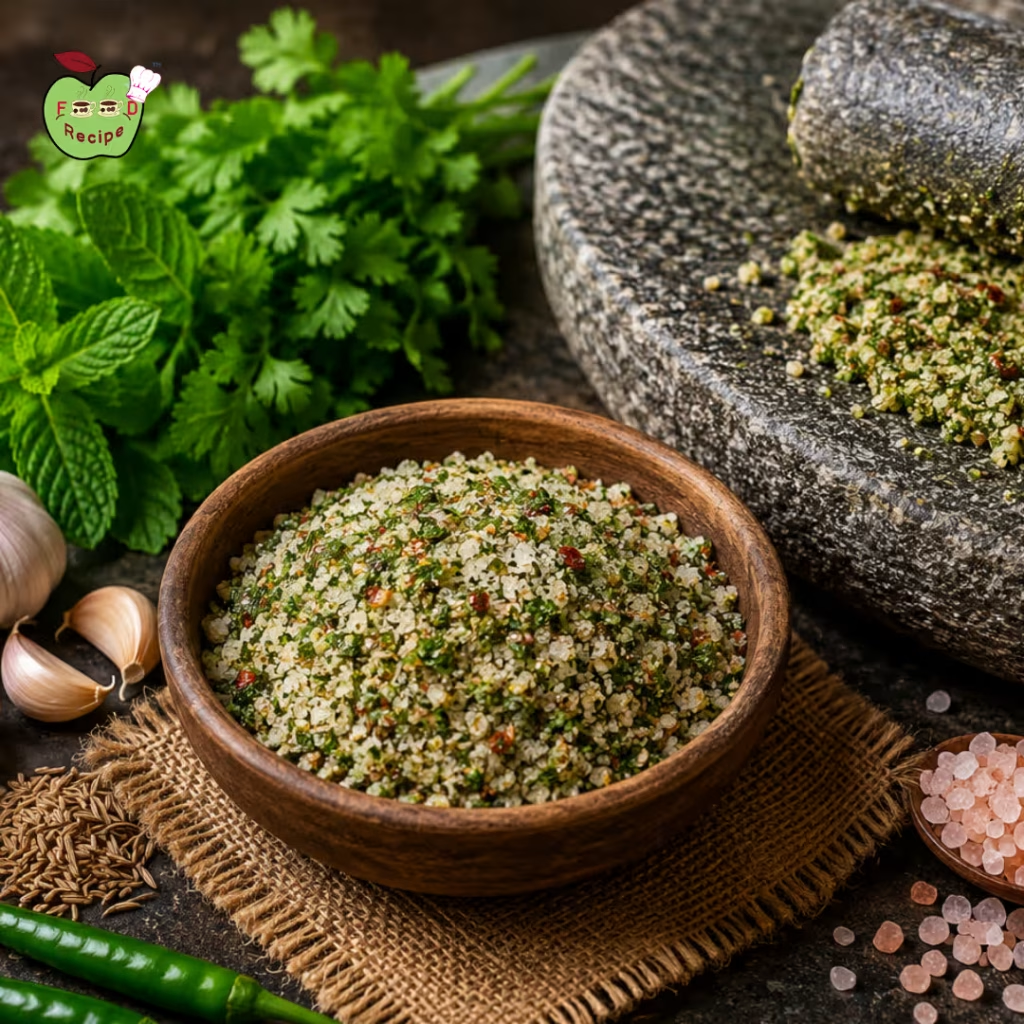
Pisyu Loon is a traditional Himalayan flavored rock salt blend from Uttarakhand, India. The name comes from the local Garhwali and Kumaoni languages, where “Pisyu” means ground or crushed and “Loon” means salt. It is traditionally prepared by hand-grinding rock salt with herbs such as mint and coriander, along with spices like cumin, garlic, ginger, and chilies. The result is a fragrant seasoning that is commonly served with fruits, vegetables, curd, parathas, and other everyday meals.
Related: Indian Snacks Recipes
📚 Table of Contents
−- What Is Pisyu Loon?
- The Origin & History of Pisyu Loon
- How Traditional Pisyu Loon Is Made
- Ingredients Used in Authentic Pisyu Loon
- What Does Pisyu Loon Taste Like?
- Pisyu Loon vs Kala Namak vs Table Salt vs Sea Salt
- Health & Nutrition: Is Pisyu Loon Healthy?
- 10 Delicious Ways to Use Pisyu Loon
- How to Store Pisyu Loon
- How to Choose Authentic Pisyu Loon
- Frequently Asked Questions
- Final Thoughts
Related: Traditional Indian Recipes
What Is Pisyu Loon?
Pisyu Loon is a traditional and delicious salt blend from Uttarakhand, a Himalayan state in North India. It’s totally different from the regular salt (table salt) that we use in our daily life. This Himalayan salt is made with fresh herbs, aromatic spices, and seasonal ingredients with rock salt (sendha namak). For this reason, it’s not only adding the saltines to any recipe or dish, but also increases the taste multiple times.
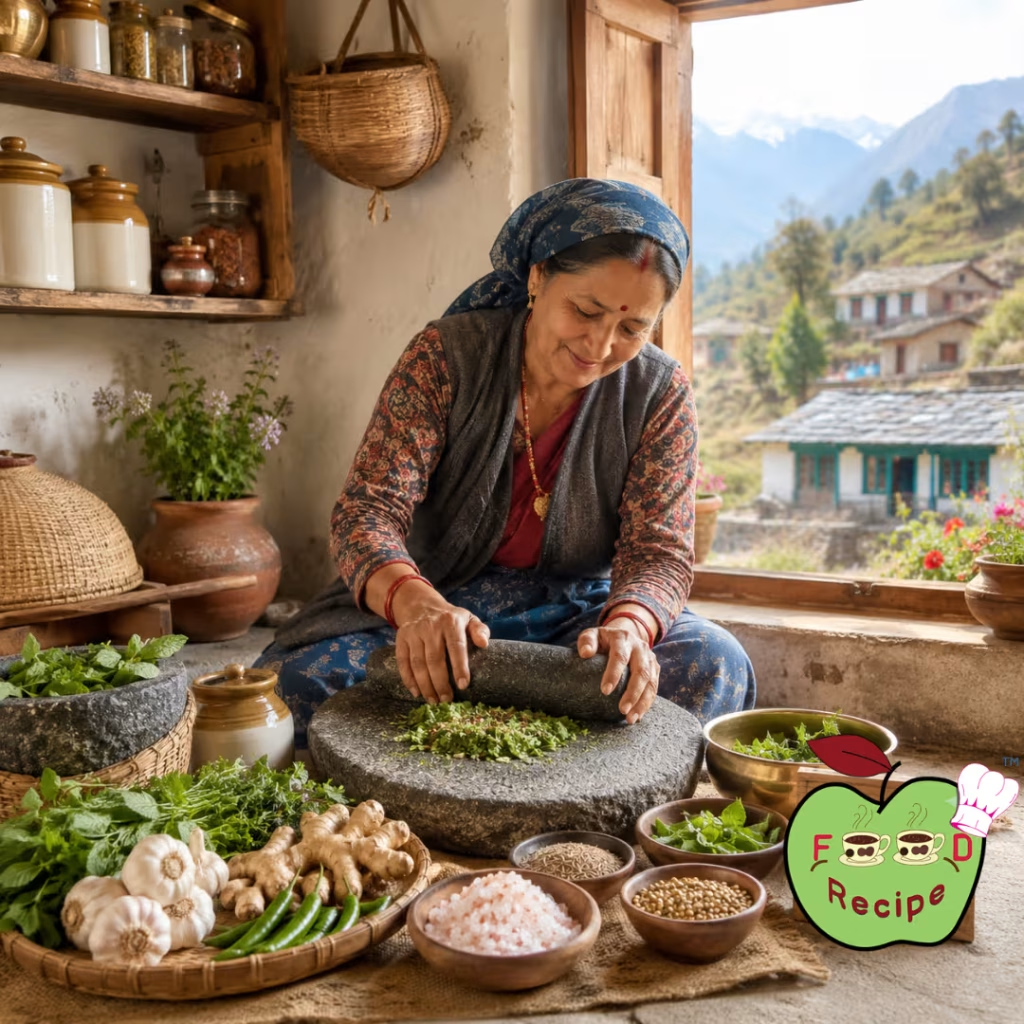
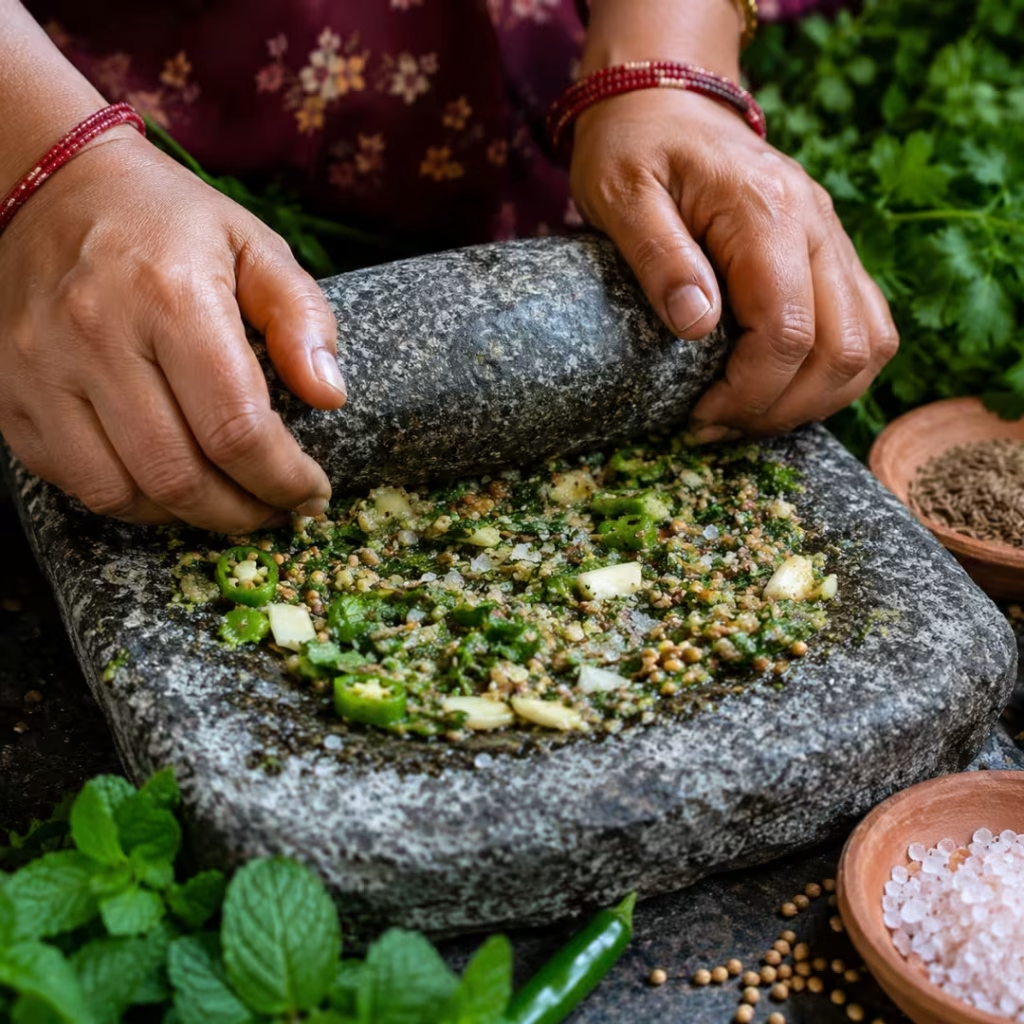
The name itself reflects its traditional preparation. In the local Garhwali and Kumaoni languages, Pisyu means ground or crushed, while Loon means salt. Traditionally, the ingredients are crushed together on a sil-batta (a flat stone grinding slab and roller), allowing the herbs and spices to release their natural oils and blend evenly with the rock salt. This slow grinding process creates a fresh, aromatic seasoning that has been enjoyed in Himalayan homes for generations.
Traditionally, Pisyu Loon is served as a simple side seasoning rather than being mixed into cooked dishes. Although it has long been a household staple in Uttarakhand, Pisyu Loon is now attracting attention from home cooks, chefs, and food enthusiasts who enjoy exploring regional Indian ingredients. Its fresh, herby taste offers an easy way to add depth and complexity to everyday meals without relying on artificial flavor enhancers.
Suggested: Healthy Side Dish Recipes
The Origin & History of Pisyu Loon
Every traditional food has a story, and Pisyu Loon is no exception. Deep in the Himalayan regions of Uttarakhand, where farming communities have depended on seasonal crops and locally available ingredients for centuries, people learned to create flavorful seasonings from simple pantry staples. Because fresh vegetables and herbs were available only during certain times of the year, households made the most of what nature provided. Rock salt was combined with aromatic herbs, garlic, ginger, cumin, coriander, mint, and locally grown chilies to produce a seasoning that could instantly brighten even the simplest meals.
Over time, this everyday kitchen practice evolved into what is now known as Pisyu Loon. Although the basic concept remains the same, every family developed its own recipe based on local ingredients, seasonal availability, and personal taste. This is why authentic Pisyu Loon doesn’t have one universal formula—its flavor reflects the traditions of the household that prepares it.
🏔 Himalayan Roots
Pisyu Loon originated in the mountain villages of Uttarakhand, where simple ingredients and traditional cooking methods shaped everyday meals.
👨👩👧 Family Tradition
Recipes are often passed down from one generation to the next, with every household adding its own blend of herbs and spices.
🌱 Seasonal Ingredients
Fresh herbs collected during different seasons influence the flavor, aroma, and appearance of every homemade batch.
🪨 Why the Stone Grinder Matters
Traditional Pisyu Loon is usually prepared using a sil-batta, a flat stone grinding slab with a rolling stone. Unlike modern electric grinders that generate heat, hand grinding gently crushes herbs and spices while helping release their natural oils. Many home cooks believe this slow process creates a fresher aroma and a richer flavor in the finished seasoning.
How Pisyu Loon Became Part of Everyday Himalayan Meals
Life in the mountains often meant preparing meals with ingredients that were fresh, local, and easy to preserve. Instead of relying on elaborate sauces or packaged seasonings, families enhanced everyday foods with flavorful homemade condiments like Pisyu Loon. It quickly became a favorite companion for sliced cucumbers, radishes, oranges, guavas, boiled potatoes, fresh curd, millet rotis, parathas, and seasonal vegetables. A small pinch added just before serving could completely transform the taste of a meal while requiring very little preparation. Even today, many households continue this tradition, preparing fresh batches whenever seasonal herbs are available.
Timeline of Pisyu Loon Tradition
- Traditional Himalayan Villages: Families begin grinding rock salt with herbs using stone grinders.
- Generational Recipes: Unique family versions develop across Garhwal and Kumaon.
- Everyday Mountain Cuisine: Pisyu Loon becomes a popular accompaniment for fruits, vegetables, curd, and flatbreads.
- Modern Revival: Interest in regional Indian cuisine introduces Pisyu Loon to home cooks across India and beyond.
In an age of ready-made spice mixes and processed seasonings, Pisyu Loon represents something increasingly valuable—food prepared with fresh ingredients, local knowledge, and generations of culinary experience. It reminds us that some of the most memorable flavors don’t come from complicated recipes but from simple ingredients thoughtfully combined.
Related: Quick Pickled Red Onion Recipe
How Traditional Pisyu Loon Is Made
From hand-picked herbs to stone-ground spices, this is how this delicious Himalayan spice is made. One of the reasons why Pichu Lun tastes so unique is that it’s not just mixed together—it’s carefully hand-ground. This traditional preparation method helps each ingredient blend evenly, creating a smooth texture and intense aroma that’s appreciated by many foodies. Commercial spice blends are often processed in large factories, but homemade Pichu Lun is usually prepared in small batches. This not only keeps the spice fresh, but also allows families to vary the ingredients based on their personal tastes and seasonal availability.
Choose the Rock Salt
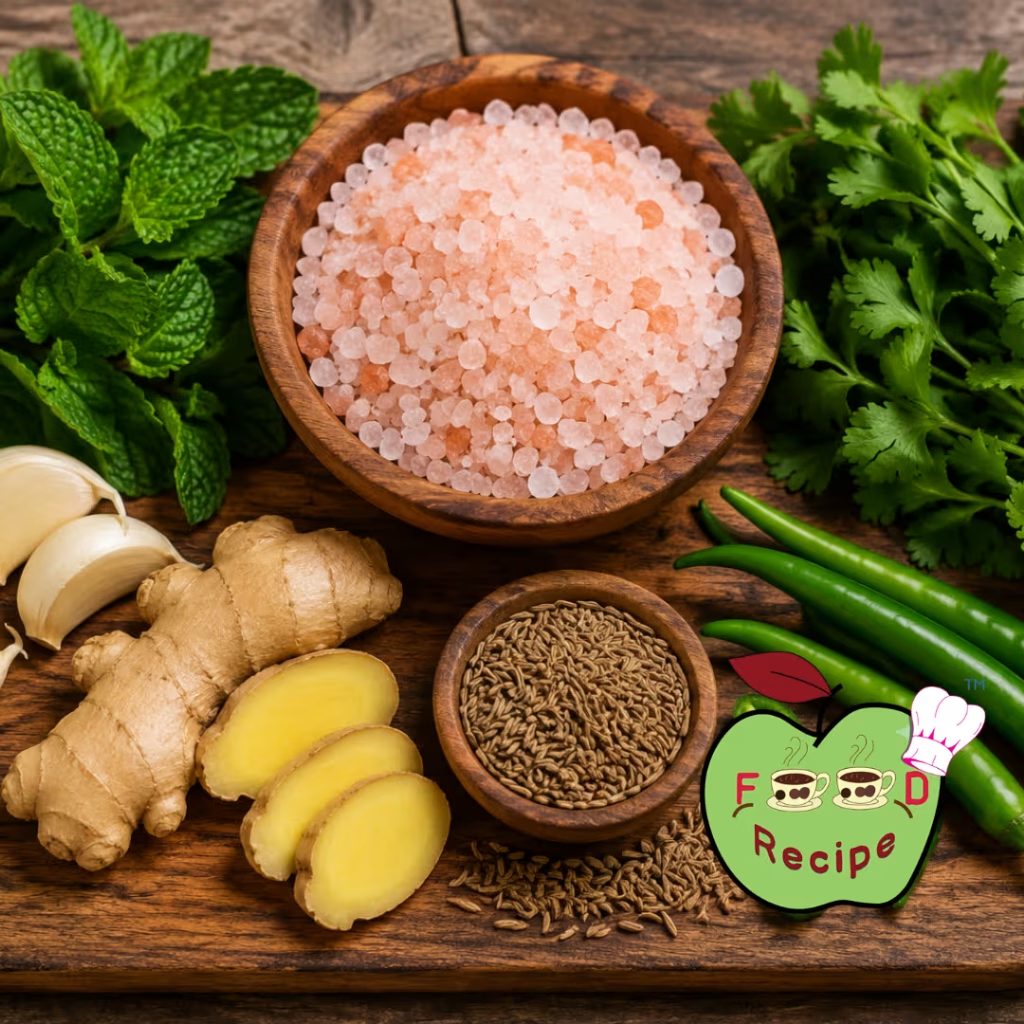
Natural Himalayan rock salt forms the base of the blend. Its mineral-rich taste provides a deeper flavor than ordinary refined table salt.
Gather Fresh Herbs
Fresh mint, coriander, green chilies, garlic, ginger, and seasonal herbs are washed and prepared before grinding.
Add Aromatic Spices
Ingredients such as cumin, coriander seeds, mustard seeds, turmeric, or other local spices are added to build layers of flavor.
Grind Everything Together
Using a traditional sil-batta, all ingredients are slowly crushed until they form a coarse, aromatic seasoning with evenly distributed flavors.
Use Fresh or Store
Some families enjoy Pisyu Loon immediately, while others prepare slightly larger batches and store them in airtight containers for later use.
Serve with Everyday Foods
A small sprinkle over fruits, salads, yogurt, roasted vegetables, or parathas instantly enhances both flavor and aroma.
Traditional vs Modern Preparation
Today, some home cooks prepare Pisyu Loon using electric grinders for convenience. While this method saves time, traditional stone grinding remains popular among those who enjoy authentic Himalayan cooking. Many believe the slower process produces a fresher aroma and a more balanced blend because the herbs and spices are gently crushed rather than rapidly processed.
Related: Homemade Tartar Sauce
Ingredients Used in Authentic Pisyu Loon
Fresh herbs, aromatic spices, and mineral-rich rock salt come together to create the bold flavor of this traditional Himalayan seasoning.
One of the most fascinating things about Pisyu Loon is that there isn’t a single “official” recipe. Instead, every household in Uttarakhand prepares its own version using ingredients that are fresh, locally available, and suited to personal taste. Some blends are bright and herbaceous, while others are spicy, earthy, or slightly tangy. This flexibility is part of what makes Pisyu Loon such a beloved part of Himalayan home cooking.
🧂 Himalayan Rock Salt
Rock salt forms the foundation of Pisyu Loon. It provides a clean, mineral-rich saltiness while allowing the fresh herbs and spices to shine.
Flavor: Clean • Mineral • Mild
🌿 Fresh Mint
Mint adds freshness and a naturally cooling aroma that pairs especially well with fruits, yogurt, and summer dishes.
Flavor: Fresh • Cooling • Aromatic
🥬 Fresh Coriander
Coriander leaves contribute a vibrant herbal flavor that balances the richness of garlic and spices.
Flavor: Bright • Herbal • Citrusy
🧄 Garlic
Fresh garlic gives Pisyu Loon its savory depth and unmistakable aroma, making the blend more flavorful with everyday foods.
Flavor: Bold • Savory • Rich
🫚 Fresh Ginger
Ginger introduces gentle warmth and a subtle spicy note that complements the herbal ingredients beautifully.
Flavor: Warm • Peppery • Fresh
🌾 Cumin Seeds
Ground cumin provides an earthy, nutty flavor that gives the seasoning extra complexity.
Flavor: Earthy • Smoky • Nutty
🌶 Green Chilies
Fresh green chilies add a pleasant kick of heat. The amount used varies depending on regional preferences and family recipes.
Flavor: Fresh • Spicy • Bright
🌼 Seasonal Herbs & Spices
Some families include mustard seeds, turmeric, local mountain herbs, or other seasonal ingredients to create their own signature version.
Flavor: Unique • Regional • Seasonal
Ingredient Guide at a Glance
| Ingredient | Main Role | Flavor Contribution |
|---|---|---|
| Himalayan Rock Salt | Base Ingredient | Mineral-rich saltiness |
| Mint | Fresh Herb | Cooling freshness |
| Coriander | Fresh Herb | Bright herbal notes |
| Garlic | Aromatic | Savory depth |
| Ginger | Aromatic | Warm spice |
| Cumin | Traditional Spice | Earthy richness |
| Green Chilies | Heat | Mild to medium spice |
🌱 Why Every Family Recipe Is Different
Unlike commercially manufactured seasonings, Pisyu Loon has traditionally been made in small household batches. Families often adjust the amount of herbs, garlic, chilies, or spices depending on the season, local harvest, and personal taste. That’s why authentic Pisyu Loon isn’t defined by one fixed recipe—it’s a reflection of local ingredients and family traditions.
Fresh Ingredients Make the Difference
Fresh herbs are one of the defining characteristics of traditional Pisyu Loon. When gently ground together with rock salt, garlic, ginger, and spices, they create an aromatic seasoning with layers of flavor that develop naturally. This balance of freshness, warmth, earthiness, and gentle heat is what makes Pisyu Loon far more complex than ordinary table salt.
If you decide to make Pisyu Loon at home, always use the freshest herbs available. Fresh mint, coriander, garlic, and ginger provide a brighter aroma and more vibrant flavor than dried alternatives, helping you achieve a seasoning that’s closer to the traditional homemade version.
Related: Best Pico de Gallo Recipe
What Does Pisyu Loon Taste Like? Flavor Profile & Food Science
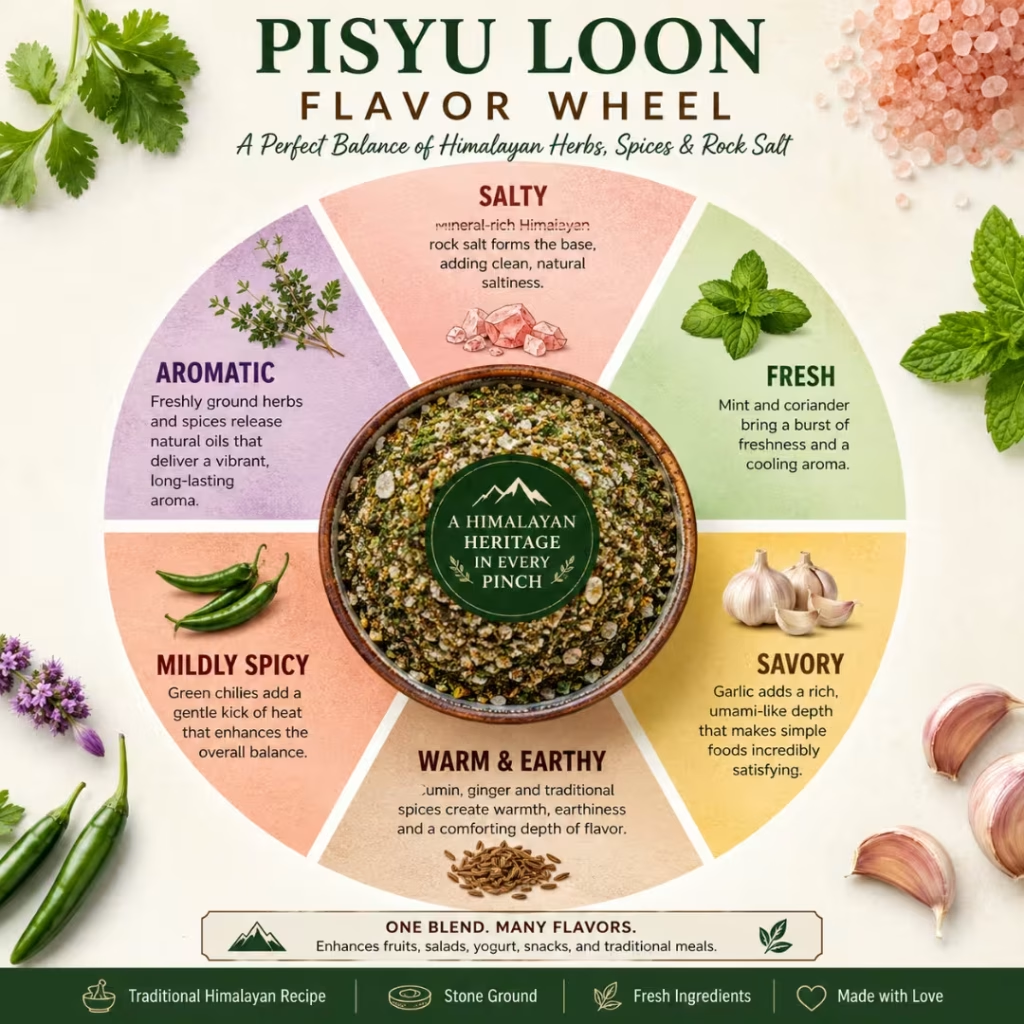
The first thing you’ll notice about Pisyu Loon isn’t just its saltiness—it’s the incredible aroma. As soon as the container is opened, fresh herbs, garlic, ginger, cumin, and natural rock salt create a fragrance that immediately tells you this is much more than ordinary seasoning. Every bite offers multiple layers of flavor. Instead of one dominant taste, Pisyu Loon delivers a balanced combination of herbal freshness, earthy spices, gentle heat, and mineral-rich saltiness that enhances food without overpowering it.
🧂 Salty
Natural Himalayan rock salt provides the clean, mineral-rich foundation that ties every ingredient together.
🌿 Fresh
Mint and coriander contribute a bright, refreshing flavor that pairs beautifully with fruits and vegetables.
🌾 Earthy
Ground cumin and traditional spices add warmth, depth, and a comforting earthy character.
🧄 Savory
Fresh garlic creates a rich, savory note that makes simple foods taste far more satisfying.
🌶 Mildly Spicy
Green chilies provide a gentle kick that complements the herbs instead of overwhelming them.
🌸 Aromatic
The combination of freshly ground herbs and spices produces an inviting aroma that develops with every sprinkle.
🧪 Food Science: Why Stone-Ground Pisyu Loon Tastes So Good
Grinding herbs and spices slowly on a traditional sil-batta gently crushes plant cells, allowing their natural aromatic oils to blend with the rock salt. Because the process generates very little heat, delicate herbal aromas are better preserved than they might be during prolonged high-speed grinding. The result is a seasoning with a fresher aroma and a more layered flavor profile. While modern grinders are convenient and can still produce excellent results, many home cooks appreciate the traditional method for its texture and sensory qualities.
How Pisyu Loon Enhances Food
Great seasonings don’t just make food salty—they help balance flavor. The herbal freshness can brighten rich dishes, garlic adds savory depth, cumin contributes warmth, and the mineral character of rock salt enhances natural sweetness in fruits and vegetables. Together, these ingredients create a seasoning that’s versatile enough for everything from cucumber slices and yogurt to roasted potatoes and flatbreads. Rather than covering up the taste of food, Pisyu Loon works by highlighting the ingredients already on your plate.
Flavor Profile at a Glance
| Flavor Note | Main Ingredient | What You’ll Notice |
|---|---|---|
| Salty | Himalayan Rock Salt | Clean mineral flavor |
| Fresh | Mint & Coriander | Cooling herbal aroma |
| Savory | Garlic | Rich umami-like depth |
| Warm | Ginger & Cumin | Gentle earthy spice |
| Mild Heat | Green Chilies | Balanced spiciness |
| Aromatic | Fresh Herbs | Long-lasting fragrance |
One small pinch can completely change the eating experience. Fresh fruit becomes brighter, roasted vegetables become more flavorful, yogurt tastes livelier, and even simple popcorn develops a surprisingly complex taste. That’s why many people use Pisyu Loon as a finishing seasoning rather than mixing it into food during cooking.
Does Every Pisyu Loon Taste the Same?
Not at all. Because traditional Pisyu Loon is prepared in small batches using fresh seasonal ingredients, every household develops its own signature flavor. One version may contain extra mint for a cooling finish, while another may include more garlic or chilies for a bolder taste. This natural variation is one of the reasons Pisyu Loon remains such a cherished part of Himalayan home cooking. Instead of aiming for complete uniformity, each batch reflects the local ingredients, family preferences, and traditions of the people who prepare it.
Suggested: Potato Latke Recipe
Pisyu Loon vs Kala Namak vs Table Salt vs Sea Salt
Here’s an easy-to-understand comparison to help you choose the right seasoning for every dish.
Although all of them contain salt, they bring distinct variations to the taste and culinary experience of a dish. There are significant differences in their ingredients, preparation methods, textures, aromas, and applications, making each one suitable for specific types of cooking.
Comparison at a Glance
| Feature | Pisyu Loon | Kala Namak | Himalayan Rock Salt | Table Salt | Sea Salt |
|---|---|---|---|---|---|
| Main Ingredient | Rock salt + herbs + spices | Black salt | Natural rock salt | Refined salt | Evaporated sea water |
| Flavor | Herbal, savory & mildly spicy | Sulfurous & tangy | Clean mineral taste | Pure salty | Mild briny flavor |
| Aroma | Fresh herbs & spices | Strong sulfur aroma | Very mild | Neutral | Light ocean-like aroma |
| Texture | Fine to coarse | Fine powder | Coarse crystals | Fine crystals | Fine or coarse |
| Best Uses | Fruits, salads, yogurt, snacks | Chaat, chutneys, vegan dishes | General seasoning | Everyday cooking | Finishing dishes |
| Traditional Heritage | Uttarakhand, India | South Asian cuisine | Himalayan region | Worldwide | Coastal regions |
🧂 Pisyu Loon
Perfect for anyone who enjoys bold herbal flavors. It acts as both a seasoning and a ready-made spice blend, making it ideal for fruits, vegetables, yogurt, roasted potatoes, and traditional Himalayan meals.
⚫ Kala Namak
Known for its distinctive sulfur-like aroma, Kala Namak is commonly used in chaats, fruit salads, raitas, and vegan recipes where an egg-like flavor is desired.
🪨 Himalayan Rock Salt
A natural mineral salt with a clean taste. It works well as an all-purpose seasoning but doesn’t contain the herbs or spices that make Pisyu Loon unique.
🥄 Table Salt
The most common household salt. It provides consistent saltiness but lacks the aromatic complexity found in traditional flavored salts.
🌊 Sea Salt
Often used as a finishing salt, sea salt offers a mild briny flavor and a pleasant crunch that complements grilled meats, seafood, and roasted vegetables.
🤔 Which Salt Is Best for Your Cooking?
- Choose Pisyu Loon if you want a flavorful finishing seasoning for fruits, salads, yogurt, vegetables, or snacks.
- Choose Kala Namak if you’re preparing chaat, fruit chaat, or vegan dishes that benefit from its distinctive aroma.
- Choose Himalayan Rock Salt for a simple mineral-rich seasoning without added herbs.
- Choose Table Salt for everyday baking and general cooking where a neutral salty flavor is preferred.
- Choose Sea Salt when you want a finishing touch with a light crunch and subtle briny taste.
Can You Substitute Pisyu Loon for Other Salts?
Yes—but keep in mind that Pisyu Loon is more than just salt. Because it already contains herbs and spices, using it as a direct substitute will also change the flavor of your dish. For example, replacing plain table salt with Pisyu Loon in a cucumber salad or bowl of yogurt can add fresh herbal notes and mild spice. However, if you’re baking bread or preparing desserts where only saltiness is desired, a plain salt is usually the better choice.
Related: Crispy Potato Quesadillas
Health & Nutrition: Is Pisyu Loon Healthy?
With the growing interest in traditional foods, many are wondering whether Pisyu Loon offers any nutritional advantages over ordinary salt. The best way to understand this is by analyzing its ingredients rather than simply labeling it as ‘healthy’ or ‘unhealthy.’ ‘Pisyu Loon’ combines natural rock salt with fresh herbs like mint and coriander, aromatics such as garlic and ginger, and traditional spices like cumin and chili. These ingredients impart a wonderful flavor and aroma, making the food delicious; however, since the mixture contains salt, it should be used in moderation. Like other salty seasonings, it is best consumed in limited quantities as part of a balanced diet. Despite containing herbs and spices, ‘Pisyu Loon’ is primarily a source of sodium and is not intended for use as a health supplement or medication. General guidance on sodium intake is available from the World Health Organization, which recommends limiting sodium consumption as part of a balanced diet.
Estimated Nutrition (Per 1 Teaspoon / Approx. 5g)
| Nutrient | Approximate Amount* |
|---|---|
| Calories | 0–5 kcal |
| Total Fat | 0 g |
| Protein | Less than 1 g |
| Carbohydrates | Less than 1 g |
| Sodium | Varies depending on recipe |
| Herbs & Spices | Small culinary amounts |
*Values are approximate because homemade and commercial Pisyu Loon recipes vary in their ingredients and proportions. Also, nutritional values for herbs, spices, and similar ingredients can be explored using the USDA FoodData Central database.
🌿 Rich in Flavor
Fresh herbs and spices add aroma and complexity, making everyday foods more enjoyable.
🧄 Made with Traditional Ingredients
Many recipes include fresh garlic, ginger, mint, coriander, cumin, and other familiar kitchen ingredients.
🍋 Encourages Flavor Variety
A small sprinkle can enhance fruits, salads, yogurt, vegetables, and snacks without requiring multiple seasonings.
⚖ Moderation Matters
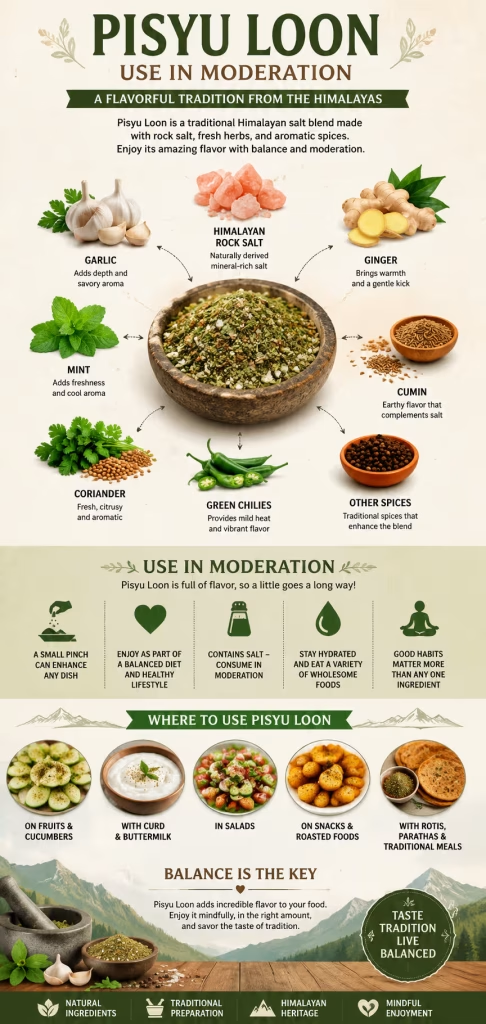
Like all salty seasonings, Pisyu Loon is best enjoyed in moderate amounts as part of a balanced eating pattern.
🥗 A Balanced Perspective
No single seasoning can make a diet healthy or unhealthy on its own. The overall quality of your meals, portion sizes, and eating habits have a much greater impact on long-term health than any one spice blend. Pisyu Loon is best appreciated for its flavor, culinary tradition, and ability to enhance simple foods.
Can Pisyu Loon Replace Regular Table Salt?
In some dishes, yes. Because Pisyu Loon already contains herbs and spices, it can serve as both a seasoning and a flavor enhancer. Many people enjoy using it on fruits, salads, roasted vegetables, yogurt, and snacks instead of adding plain salt and separate spices. However, for recipes such as baking or dishes where a neutral salty taste is important, ordinary table salt may still be the better choice.
Who Should Be Mindful of Sodium Intake?
Since Pisyu Loon contains salt, people who have been advised by a healthcare professional to limit sodium intake should read ingredient labels carefully and use any salty seasoning in moderation. If you have specific dietary needs or a medical condition, it’s always best to seek personalized advice from a qualified healthcare provider or registered dietitian before making significant dietary changes.
Instead of adding a large amount of Pisyu Loon during cooking, try using a light sprinkle just before serving. This finishing touch helps preserve the fresh herbal aroma while allowing you to enjoy its distinctive flavor with a smaller quantity.
Related: Good Potato Salad Recipes
10 Delicious Ways to Use Pisyu Loon in Everyday Cooking
From fresh fruits to roasted vegetables, discover easy and delicious ways to enjoy this traditional Himalayan seasoning every day.
One of the biggest reasons Pisyu Loon has remained popular in Himalayan households is its versatility. Unlike plain salt, it already contains herbs and spices, making it a ready-to-use seasoning that can instantly elevate simple everyday foods. Whether you’re preparing a quick afternoon snack or a family dinner, a light sprinkle of Pisyu Loon adds freshness, aroma, and depth without requiring extra spice mixes.
🥒 1. Sprinkle Over Fresh Cucumbers
One of the most traditional ways to enjoy Pisyu Loon is with freshly sliced cucumbers. The cool, crisp texture pairs beautifully with the herbal freshness and gentle spice of the seasoning, making it a refreshing snack, especially during warmer months.
Chef’s Tip: Add a squeeze of fresh lemon juice before serving for an even brighter flavor.
🍎 2. Enhance Fresh Fruits
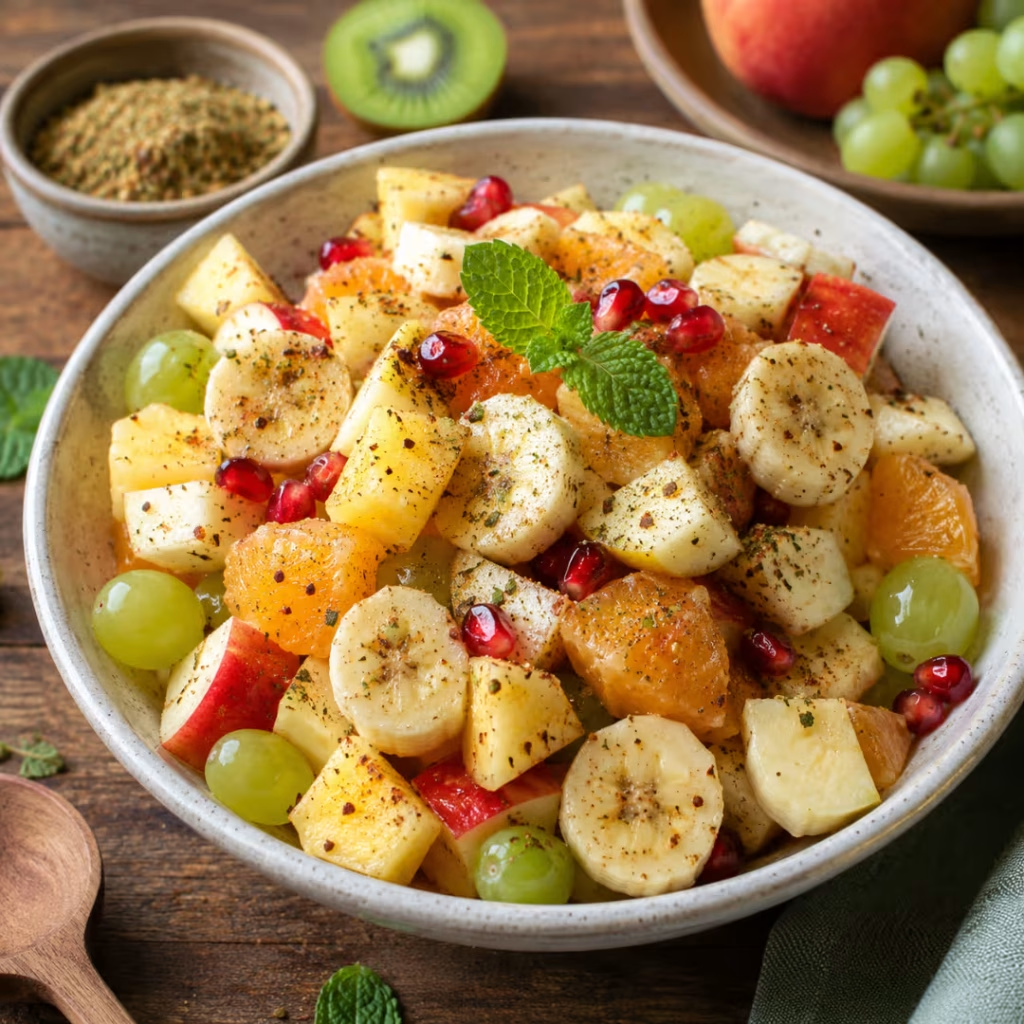
Try a light sprinkle over apples, guavas, oranges, pears, watermelon, or pineapple. The combination of sweet fruit and savory seasoning creates a delicious contrast that many Himalayan families have enjoyed for generations.
🥗 3. Upgrade Everyday Salads
Replace plain salt with Pisyu Loon in cucumber, tomato, onion, or mixed vegetable salads. The herbs and spices add layers of flavor without needing multiple seasonings.
🥣 4. Mix Into Yogurt or Curd
A small pinch stirred into plain yogurt creates a quick, flavorful side dish that pairs well with rice, parathas, grilled vegetables, or spicy curries.
🥔 5. Season Roasted or Boiled Potatoes
Warm potatoes absorb the herbal flavors beautifully. Sprinkle Pisyu Loon just before serving to preserve its fresh aroma.
🌽 6. Add Flavor to Grilled or Boiled Corn
Corn and Pisyu Loon are a delicious combination. Finish with a squeeze of lime and a little butter for an easy snack packed with flavor.
🍿 7. Season Fresh Popcorn
Swap ordinary salt for Pisyu Loon the next time you make popcorn. Its herbal aroma and gentle spice turn a simple movie snack into something far more interesting.
🥪 8. Finish Sandwiches & Wraps
A light sprinkle over vegetable sandwiches, grilled wraps, or paneer rolls adds freshness and complexity without overpowering the filling.
🥚 9. Sprinkle on Boiled Eggs
Pisyu Loon works wonderfully as a finishing seasoning for boiled eggs, omelets, or scrambled eggs, adding both aroma and flavor in one step.
🍛 10. Pair with Traditional Indian Meals
Serve Pisyu Loon alongside rotis, parathas, millet breads, dal, seasonal vegetables, or simple mountain-style meals. Even a small pinch can enhance the overall eating experience.
Best Foods to Pair with Pisyu Loon
| Food | Why It Works |
|---|---|
| Fresh Cucumbers | Crisp texture balances the herbal seasoning. |
| Fruit Salad | Sweet and savory flavors complement each other. |
| Plain Yogurt | Creates a refreshing and flavorful side dish. |
| Roasted Potatoes | Warm potatoes absorb the seasoning beautifully. |
| Popcorn | Adds extra aroma and complexity. |
| Grilled Corn | Pairs well with butter and fresh lime. |
| Parathas | Traditional accompaniment in Himalayan cuisine. |
| Boiled Eggs | Simple way to add flavor without extra sauces. |
Experiment and Make It Your Own
One of the joys of traditional spices is discovering your own preferred flavor combinations. You can try using ‘Pisyu Loon’ with avocado toast, roasted sweet potatoes, grilled mushrooms, chickpea salad, rice bowls, or even homemade chips. Start with a small amount to taste and adjust the quantity as needed. Since every batch of Pisyu Loon has its own unique characteristics, experimenting with it across various dishes is quite enjoyable—and it is a wonderful way to appreciate the creativity behind this traditional Himalayan spice.
Related: Summer Recipes
Easy Homemade Pisyu Loon (Inspired by Traditional Himalayan Flavors)
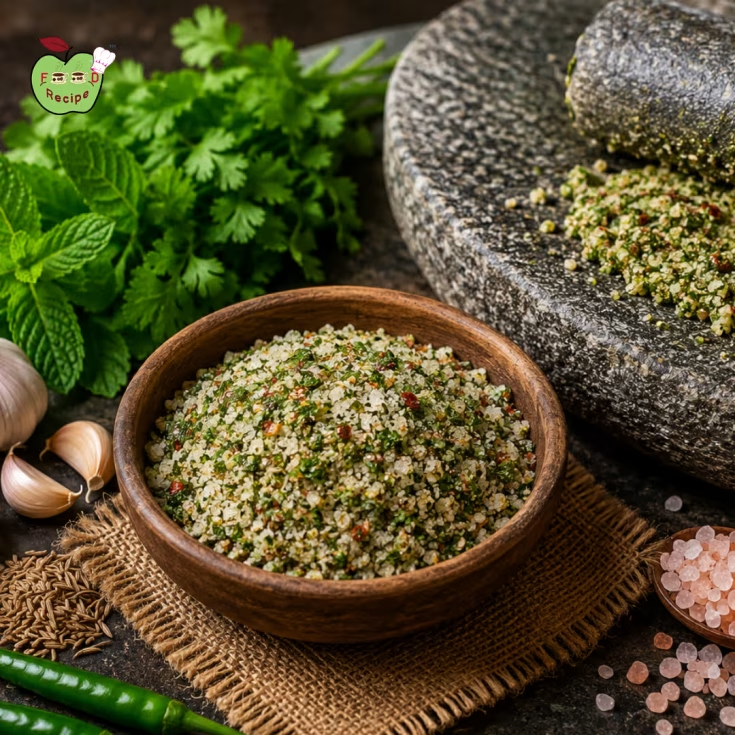
Bring the flavors of the Himalayas into your kitchen with this easy homemade Pisyu Loon recipe. Made with Himalayan rock salt, fresh herbs, garlic, ginger, and aromatic spices, this flavorful seasoning is perfect for sprinkling over fruits, salads, yogurt, roasted vegetables, popcorn, and traditional Indian meals. Every family has its own version, and this recipe is inspired by the traditional preparation methods used in Uttarakhand.
Ingredients
- ½ cup Himalayan rock salt (coarsely crushed)
- ¼ cup fresh mint leaves
- ¼ cup fresh coriander leaves
- 4 garlic cloves
- 1-inch piece fresh ginger
- 2 green chilies (adjust to taste)
- 1 teaspoon cumin seeds
- ½ teaspoon coriander seeds (optional)
- ½ teaspoon roasted cumin powder
- ¼ teaspoon turmeric (optional)
- ½ teaspoon freshly squeezed lemon juice (optional, for immediate use)
- ½ teaspoon dried mint (optional, if fresh mint is unavailable)
Instructions
- Wash the mint, coriander, ginger, and green chilies thoroughly. Pat them completely dry using a clean kitchen towel to remove excess moisture.
- Peel the garlic and ginger, then roughly chop all fresh ingredients into smaller pieces for easier grinding.
- Place the Himalayan rock salt on a traditional sil-batta or in a mortar and pestle. Crush it into coarse crystals if needed.
- Add the garlic, ginger, green chilies, cumin seeds, coriander seeds, mint, and coriander leaves.
- Grind everything together until the herbs release their aroma and the ingredients form a coarse, evenly mixed seasoning. Avoid turning it into a completely smooth paste.
- Mix in the roasted cumin powder and turmeric, if using. Taste and adjust the salt or chilies according to your preference.
- If serving immediately, you may add a few drops of fresh lemon juice for extra brightness.
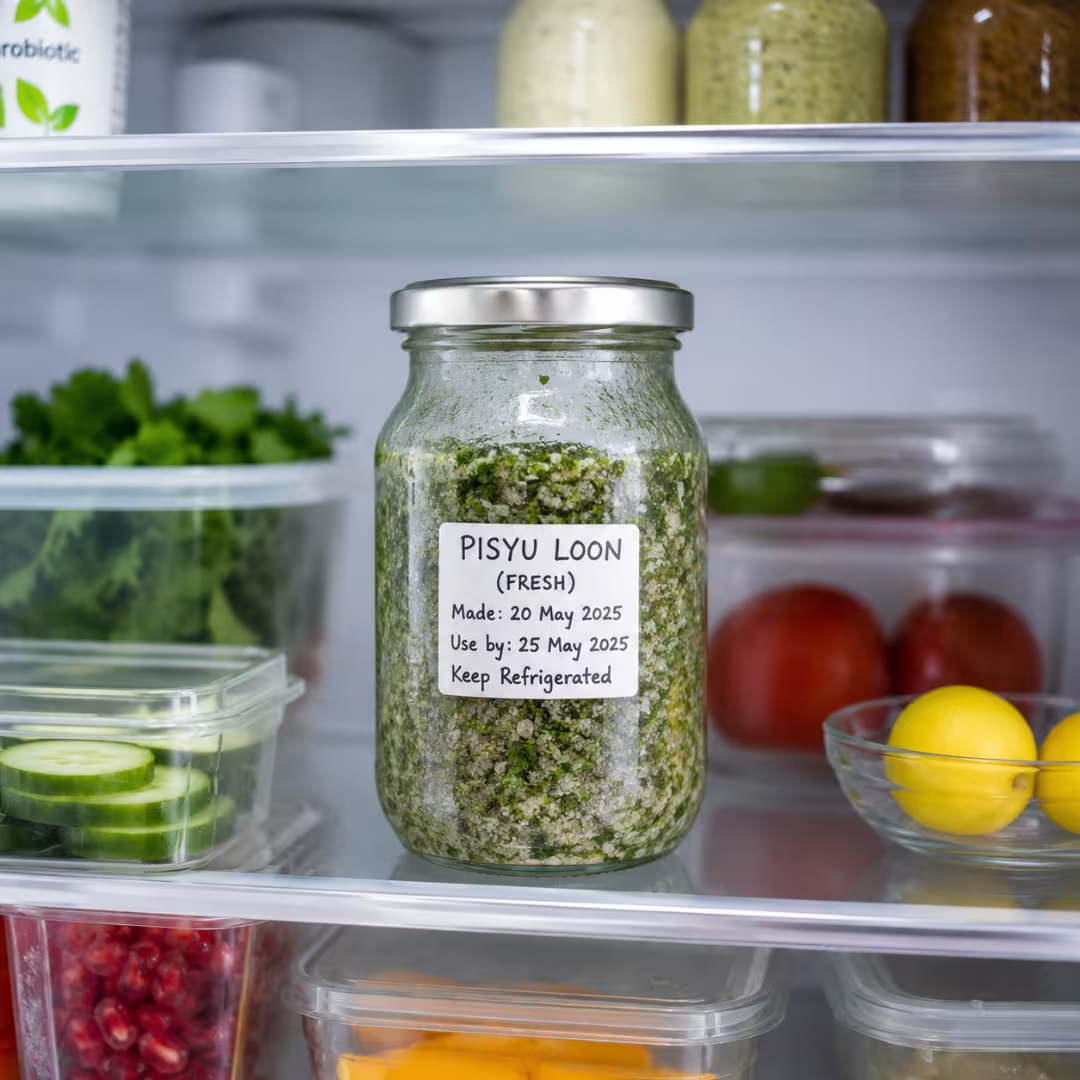
- Transfer the Pisyu Loon to a clean airtight jar. If fresh herbs were used, refrigerate and enjoy within 3–5 days. For a longer shelf life, prepare a version using thoroughly dried herbs.
Notes
- Use the freshest herbs available for the best aroma.
- Slightly coarse texture gives a more authentic feel.
- Add lemon juice only if serving immediately.
- Taste before adding extra salt.
- Store in a clean, dry container.
Because traditional Pisyu Loon recipes vary from family to family, this recipe is inspired by common ingredients used in Himalayan households. Feel free to adjust the herbs and spices to suit your taste or use ingredients that are locally available.
Nutrition Information:
Yield:
12Serving Size:
1Amount Per Serving: Calories: 12Total Fat: 0gSaturated Fat: 0gUnsaturated Fat: 0gCholesterol: 0mgSodium: 4006mgCarbohydrates: 2gFiber: 1gSugar: 0gProtein: 1g
Traditional Pisyu Loon recipes vary across households in Uttarakhand. The recipe above is inspired by common ingredients and preparation methods used in the region and is intended to help you all to recreate the spirit of this classic Himalayan seasoning at home.
Related: Vegetarian Dinner Recipes
How to Store Pisyu Loon for Maximum Freshness
🫙 Use an Airtight Container
Glass jars with tightly fitting lids are an excellent choice because they help protect the seasoning from air and moisture while preventing unwanted odors from affecting the flavor.
🌡 Store in a Cool Place
Keep the container away from direct sunlight, ovens, and other heat sources. Excessive heat can gradually reduce the aroma of herbs and spices.
💧 Keep Moisture Away
Always use a clean, dry spoon when serving Pisyu Loon. Introducing moisture can shorten its shelf life and affect its texture.
❄ Refrigerate Fresh Blends
If your recipe contains fresh mint, coriander, garlic, or ginger, refrigerate it promptly and use it within a few days for the best flavor.
Storage Guide at a Glance
| Type of Pisyu Loon | Where to Store | Best Used Within* |
|---|---|---|
| Fresh Herb Version | Refrigerator | 3–5 days |
| Partially Dried Version | Refrigerator or Cool Pantry | 2–4 weeks |
| Fully Dry Spice Blend | Cool, Dry Pantry | 2–3 months |
*Shelf life can vary depending on ingredient freshness, moisture content, hygiene during preparation, and storage conditions.
👨🍳 My Storage Tip
For the brightest flavor, prepare Pisyu Loon in small batches rather than making a large quantity all at once. Smaller batches are easier to finish while the herbs and spices are still at their most aromatic.
Signs Your Pisyu Loon Should Be Discarded
Like many homemade seasonings, Pisyu Loon is at its best when fresh. If you notice an unpleasant odor, visible mold, unusual discoloration, excessive moisture, or any signs of spoilage, it’s safest to discard the seasoning and prepare a fresh batch. Dry spice blends typically remain usable for longer than fresh versions, but their aroma and flavor will gradually fade over time.
Common Storage Mistakes to Avoid
- ❌ Leaving the lid open after use.
- ❌ Using a wet spoon.
- ❌ Storing near the stove or oven.
- ❌ Keeping fresh Pisyu Loon at room temperature for extended periods.
- ❌ Preparing more than you can realistically use while it’s still fresh.
- ❌ Exposing the seasoning to direct sunlight.
If you enjoy making homemade spice blends regularly, consider labeling each jar with the preparation date. This simple habit makes it easier to keep track of freshness and rotate older batches before opening new ones.
Can You Freeze Pisyu Loon?
If your Pisyu Loon contains fresh herbs, freezing small portions may help preserve it for longer. However, the texture of the herbs can change after thawing, so freezing is generally best for seasoning that will be mixed into cooked dishes rather than used as a fresh finishing sprinkle. For everyday use, preparing small fresh batches and refrigerating them is usually the simplest and most flavorful way I think.
Related: Kolkata Style Chicken Kathi Roll Recipe
How to Choose Authentic Pisyu Loon (Buying Guide)
As regional Indian foods continue to gain popularity, more specialty stores and online retailers are offering traditional Himalayan seasonings. While this gives home cooks more choices than ever before, it also makes it important to understand what separates a thoughtfully prepared Pisyu Loon from an ordinary flavored salt blend. A quality product should focus on authentic ingredients, balanced flavor, and clear labeling rather than artificial colors, unnecessary fillers, or excessive preservatives.
🧂 Natural Rock Salt
Look for products that clearly state Himalayan rock salt as the primary ingredient instead of heavily refined salt.
🌿 Simple Ingredient List
High-quality Pisyu Loon usually contains herbs and spices that are easy to recognize, such as mint, coriander, garlic, ginger, cumin, and chilies.
📋 Transparent Labeling
Choose brands that clearly list all ingredients, storage instructions, and manufacturing details so you know exactly what you’re buying.
🏔 Regional Inspiration
Many food enthusiasts enjoy products that celebrate the traditional flavors and culinary heritage of Uttarakhand.
⭐ Trusted Seller
Buying from a reputable producer or specialty food retailer can make it easier to understand ingredient quality and sourcing.
Authentic Pisyu Loon Buying Checklist
- ✔ Himalayan rock salt listed as the main ingredient.
- ✔ Fresh or naturally dried herbs and spices.
- ✔ Easy-to-read ingredient list.
- ✔ Clear storage instructions.
- ✔ No unnecessary artificial colors or flavors.
- ✔ Packaging that protects freshness.
- ✔ Produced by a trusted specialty food brand or artisan producer.
👨🍳 CrispyFoodIdea Buying Tip
Don’t judge Pisyu Loon by its color alone. Depending on the herbs used, one batch may appear greener, while another may have a lighter or darker shade. The ingredient quality, aroma, and freshness are far more important than achieving a perfectly uniform appearance.
Where Can You Buy Pisyu Loon?
Because Pisyu Loon is a regional specialty, it may not always be available in local supermarkets. Your best options are specialty food stores, regional grocery shops, artisan spice producers, and reputable online retailers that focus on traditional Indian ingredients. When shopping online, take a few moments to read the ingredient list, product description, storage recommendations, and customer reviews. This can help you choose a seasoning that matches your taste preferences while supporting producers who value traditional recipes and quality ingredients.
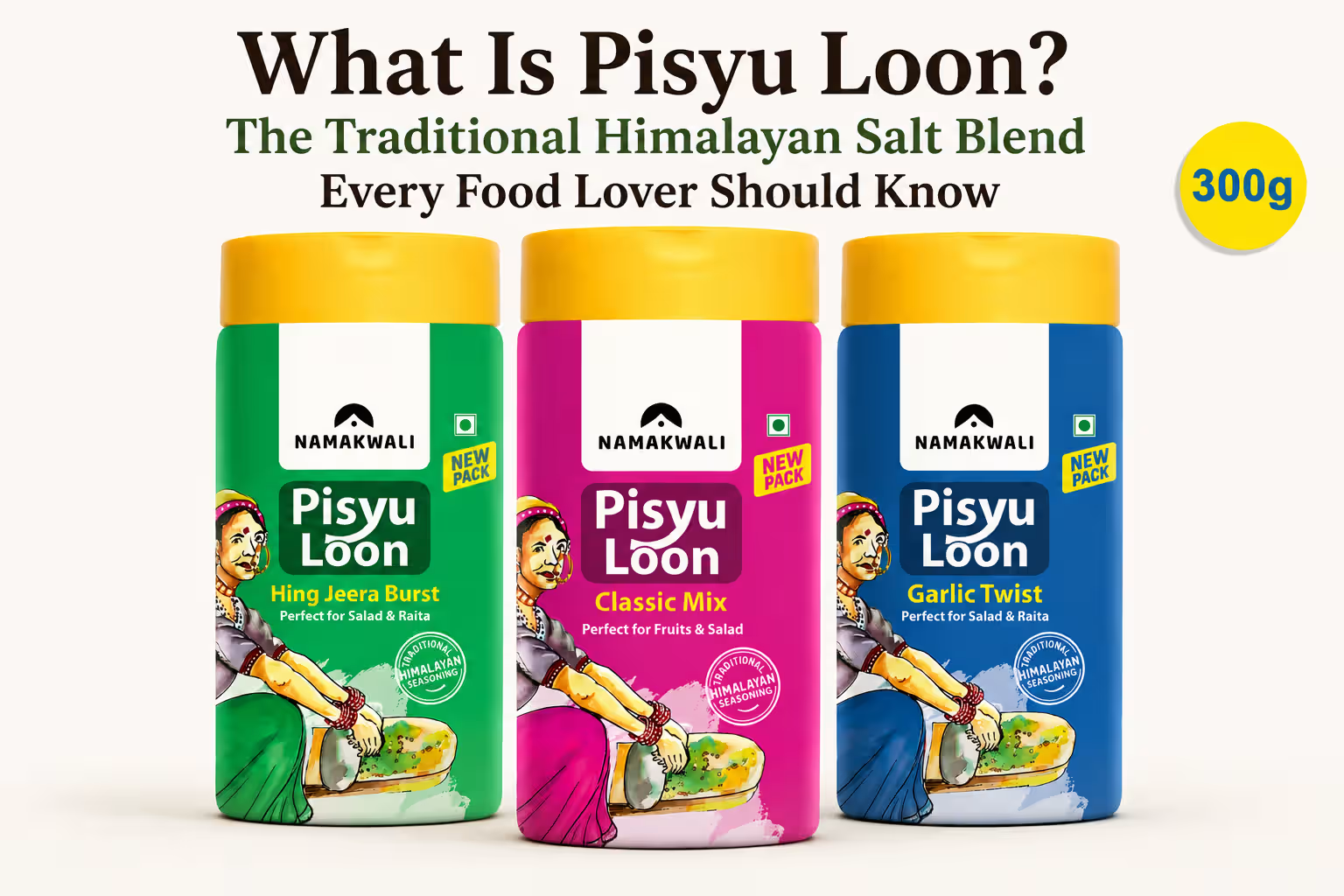
If you’re interested in exploring commercially prepared Pisyu Loon, look for producers that are transparent about their ingredients and preparation methods. Brands that highlight traditional Himalayan recipes and clearly explain what goes into their seasoning can make it easier to understand what you’re buying. One example is Namakwali, which offers traditional Himalayan seasoning blends inspired by regional culinary practices. Regardless of the brand you choose, reading the ingredient list and selecting products with simple, recognizable ingredients is always a good starting point.
Homemade or Store-Bought: Which Is Better?
Both options have their advantages. Homemade Pisyu Loon allows you to adjust the herbs, spices, and heat level exactly to your liking while enjoying the freshness of recently prepared ingredients. Store-bought versions, on the other hand, offer convenience and consistent flavor, making them a practical choice for busy kitchens. Many home cooks enjoy keeping both on hand—using homemade Pisyu Loon when fresh herbs are available and relying on a trusted packaged blend for everyday convenience.
Frequently Asked Questions About Pisyu Loon (Indian Salt Blend)
What does Pisyu Loon mean?
The name comes from the Garhwali and Kumaoni languages of Uttarakhand. “Pisyu” means ground or crushed, while “Loon” means salt. Together, the name refers to a traditional ground salt blend prepared with herbs and spices.
Is Pisyu Loon the same as Himalayan pink salt?
No. Himalayan pink salt is simply natural rock salt, whereas Pisyu Loon is a seasoned blend made by combining rock salt with herbs, garlic, ginger, chilies, cumin, and other ingredients. The added herbs and spices give Pisyu Loon a much more complex flavor.
Is Pisyu Loon spicy?
Most versions have only a mild to moderate level of heat. The spice level depends on how many green chilies or other spicy ingredients are included in the recipe. Homemade versions can easily be adjusted to suit personal taste.
Can I make Pisyu Loon at home?
Yes. Homemade Pisyu Loon can be prepared using Himalayan rock salt, fresh herbs, garlic, ginger, cumin, and other spices. Since traditional recipes vary across households, you can also customize the blend to match your own preferences.
What foods pair best with Pisyu Loon?
Pisyu Loon is commonly enjoyed with cucumber, guava, oranges, apples, watermelon, yogurt, buttermilk, roasted potatoes, popcorn, grilled corn, parathas, millet breads, salads, and a variety of traditional Himalayan dishes.
Does Pisyu Loon need to be refrigerated?
If it contains fresh herbs, garlic, or ginger, refrigeration is recommended and it is best enjoyed within a few days. Dry versions prepared with dried herbs generally keep much longer when stored in an airtight container in a cool, dry place.
Can I use Pisyu Loon instead of regular table salt?
For many savory dishes, yes. Pisyu Loon works well as a finishing seasoning because it adds both saltiness and herbal flavor. However, recipes such as baking often require plain salt rather than a flavored blend.
Is Pisyu Loon vegan and gluten-free?
Traditional Pisyu Loon is typically prepared using plant-based ingredients such as herbs, spices, and rock salt. However, if you’re purchasing a packaged version, it’s always a good idea to read the ingredient label to confirm it meets your dietary preferences and needs.
Why does homemade Pisyu Loon taste different from store-bought versions?
Homemade Pisyu Loon often uses fresh seasonal herbs, while commercial products may use dried ingredients to improve shelf life. Differences in ingredient ratios, grinding methods, and family recipes also contribute to variations in flavor.
Where can I buy authentic Pisyu Loon?
You may find Pisyu Loon at specialty Indian grocery stores, regional food retailers, artisan spice producers, or trusted online shops that focus on traditional Himalayan foods. Before purchasing, check the ingredient list and choose products with simple, recognizable ingredients.
Suggested: Butter Chicken Recipe
Conclusion
It is more to Pisyu Loon than just seasoning. This Himalayan Salt blend is a reflection of Uttarakhand’s culinary heritage, local ingredients, and traditional food practices. Its unique blend of rock salt, herbs, and spices creates a flavor experience that goes far beyond ordinary table salt.
As interest in traditional Himalayan foods continues to grow, more people are discovering regional ingredients that offer both authentic flavor and cultural significance. Pisyu Loon stands out as one such traditional seasoning, bringing the taste of Uttarakhand to modern kitchens.