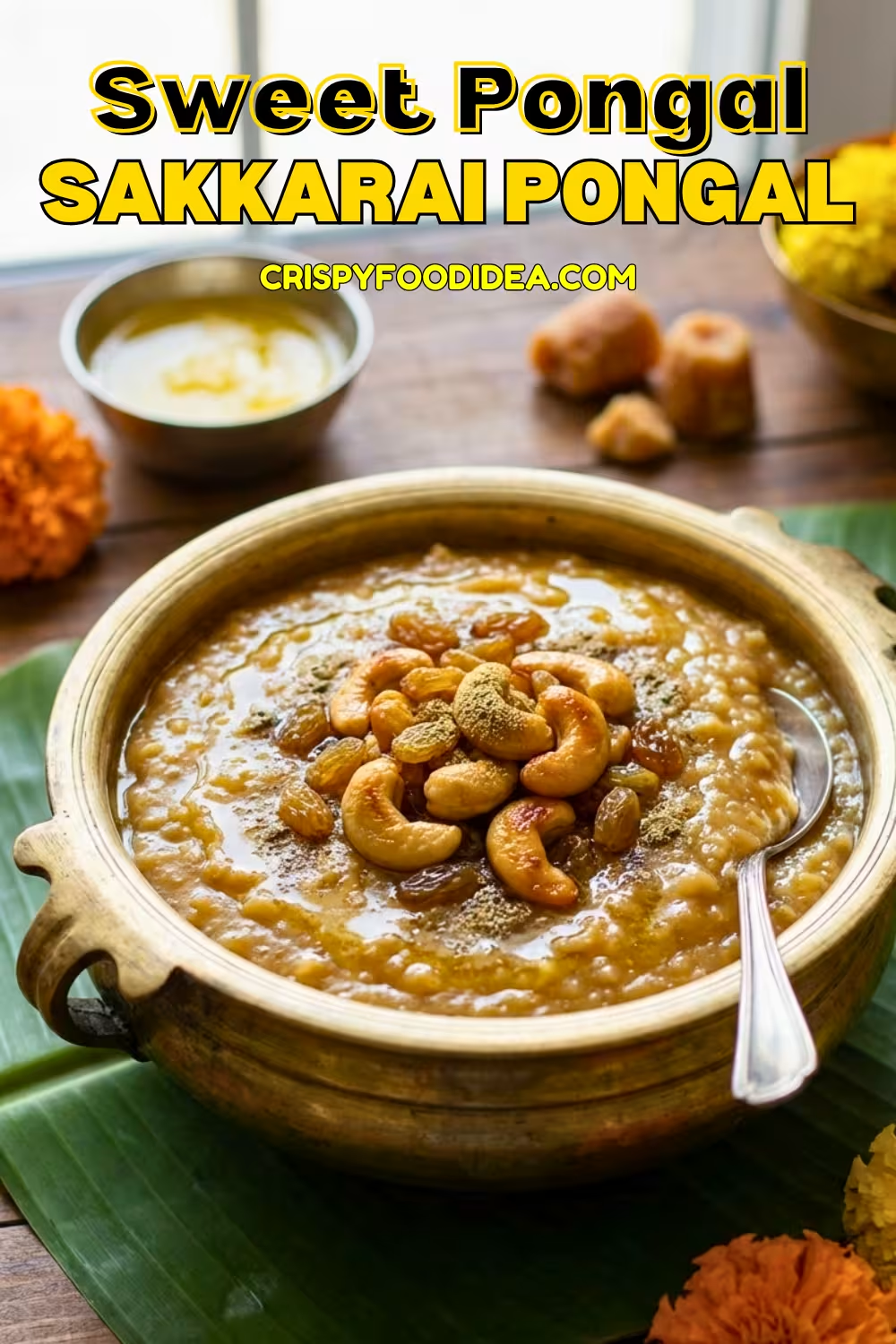
Sweet Pongal Recipe (Sakkarai Pongal) – Authentic South Indian Festival Sweet
Today, I will be discussing an extraordinary Indian festive sweet that is as easy to prepare as it is delicious. This jaggery-based dessert from South India is called Sweet Pongal. This sweet pongal recipe is also known as Sakkarai Pongal, a traditional South Indian festival sweet made with rice, moong dal, jaggery, and ghee — simple, soulful, and deeply rooted in culture. Traditionally prepared during the Pongal harvest festival, this dish is offered to the Sun God and served as temple prasadam across South India.
Unlike modern sweets loaded with refined sugar, Sweet Pongal is made using natural jaggery, protein-rich moong dal, and pure desi ghee, making it one of the healthiest Indian sweets when enjoyed mindfully. Its soft, melt-in-your-mouth texture and rich aroma of cardamom and ghee make it a timeless favourite across generations.
Suggested: Best Brigadeiro Recipe
Sweet Pongal Recipe (Sakkarai Pongal) – Traditional South Indian Festival Delight
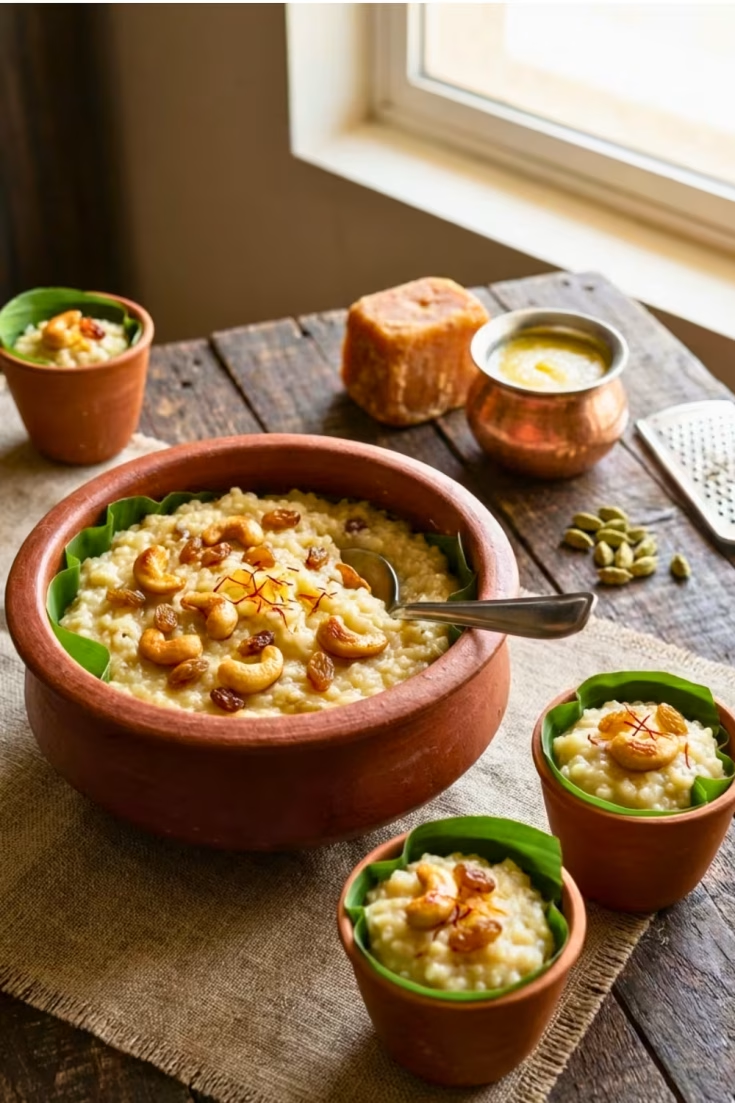
Sweet Pongal, also known as Sakkarai Pongal, is a classic South Indian dessert recipe made with rice, moong dal, jaggery, ghee, and aromatic spices. This easy Sweet Pongal recipe is ideal for Pongal festival cooking, temple prasadam, and healthy Indian dessert lovers searching for sugar-free sweets made with jaggery.
Ingredients
- ½ cup raw rice (sona masoori or ponni rice)
- ¼ cup split yellow moong dal (protein-rich lentils)
- ¾ cup jaggery (organic or powdered jaggery for healthy sweetness)
- 2½ cups water (adjust for desired consistency)
- 3 tbsp desi ghee (pure cow ghee for authentic aroma)
- 10–12 cashew nuts, halved
- 1 tbsp raisins
- ¼ tsp cardamom powder (freshly ground for best flavor)
- 1 small edible camphor (optional) – temple-style flavor
- A pinch of salt (balances sweetness beautifully)
Instructions
- Roast the Dal
Heat a pan on low flame and dry roast the moong dal until aromatic and lightly golden. Do not burn. - Cook Rice & Dal
Wash rice and roasted dal together. Pressure cook with 2½ cups water for 3–4 whistles until soft and mushy. - Prepare Jaggery Syrup
In a separate pan, melt jaggery with ¼ cup water. Strain to remove impurities. - Combine & Simmer
Add jaggery syrup to cooked rice-dal mixture. Cook on low flame for 5–7 minutes, stirring continuously. - Fry Dry Fruits
Heat ghee in a small pan. Fry cashews until golden, then add raisins until they puff up. - Finish with Flavor
Add fried nuts, cardamom powder, edible camphor (if using), remaining ghee, and a pinch of salt. Mix well. - Serve Hot
Sweet Pongal thickens as it cools—serve warm for best taste.
Notes
- Use dark jaggery for deeper color and richer taste.
- For temple-style sakkarai pongal, add edible camphor carefully—just a tiny pinch.
- Prefer homemade ghee for high aroma and better mouthfeel.
- Slightly overcook rice and dal for authentic creamy texture.
Nutrition Information:
Yield:
4Serving Size:
1Amount Per Serving: Calories: 572Total Fat: 14gSaturated Fat: 7gUnsaturated Fat: 7gCholesterol: 48mgSodium: 877mgCarbohydrates: 96gFiber: 3gSugar: 52gProtein: 15g
Related: Romanian Mici Recipe
What Is Sweet Pongal?
Sweet Pongal, also known as Sakkarai Pongal, is a traditional South Indian dessert recipe made using rice, moong dal, jaggery, ghee, and aromatic spices. It is one of the most important Indian festival sweets, especially prepared during the Pongal festival and Makar Sankranti as a symbol of gratitude, prosperity, and abundance.
Unlike modern desserts that rely on refined sugar, Sweet Pongal is a healthy Indian sweet made with jaggery, making it richer in minerals and naturally flavorful. The dish has a soft, melt-in-the-mouth texture, enhanced with generous amounts of pure desi ghee, fried cashews, raisins, and the warm aroma of cardamom.
Sweet Pongal is a delicious dish and a wonderful example of balanced cooking. It contains rice for carbohydrates, mung beans for protein, ghee for healthy fats, and jaggery for sweetness. This is why many people appreciate it as a gluten-free Indian dessert, a festive sweet without refined sugar, and a traditional South Indian recipe.
Nowadays, people don’t just make Sweet Pongal during festivals. They also seek it out as a homemade sweet treat, a comfort food, and even a healthy dessert snack when made with less ghee and jaggery. It’s truly delicious!
Related: Shirini Danmarki Recipe
Sweet Pongal Ingredients (With Purpose & Smart Substitutions)
Substitution: Broken rice works well. Brown rice can be used for a high-fiber version but needs more water and time.
Substitution: Pre-soaked moong dal speeds up cooking. Avoid toor dal, which alters taste and digestion.
Substitution: Palm jaggery or coconut jaggery work well. Refined sugar is not recommended for authentic taste.
Substitution: Cold-pressed coconut oil can be used for vegan Sweet Pongal, though flavor will differ.
Substitution: Almonds or chopped dates work well for variation.
Tip: Use only food-grade camphor and in very small quantity.
Related: Thanksgiving Dessert Recipes
Step-by-Step Sweet Pongal Recipe (Sakkarai Pongal – Authentic Method)
This traditional Sweet Pongal recipe follows the same method used in South Indian homes and temples. For preparing Pongal prasadam, a festive dessert for Makar Sankranti, or a healthy jaggery-based sweet without refined sugar, follow these steps for perfect soft, aromatic Sweet Pongal every time.
Step 1: Dry Roast Moong Dal for Aroma
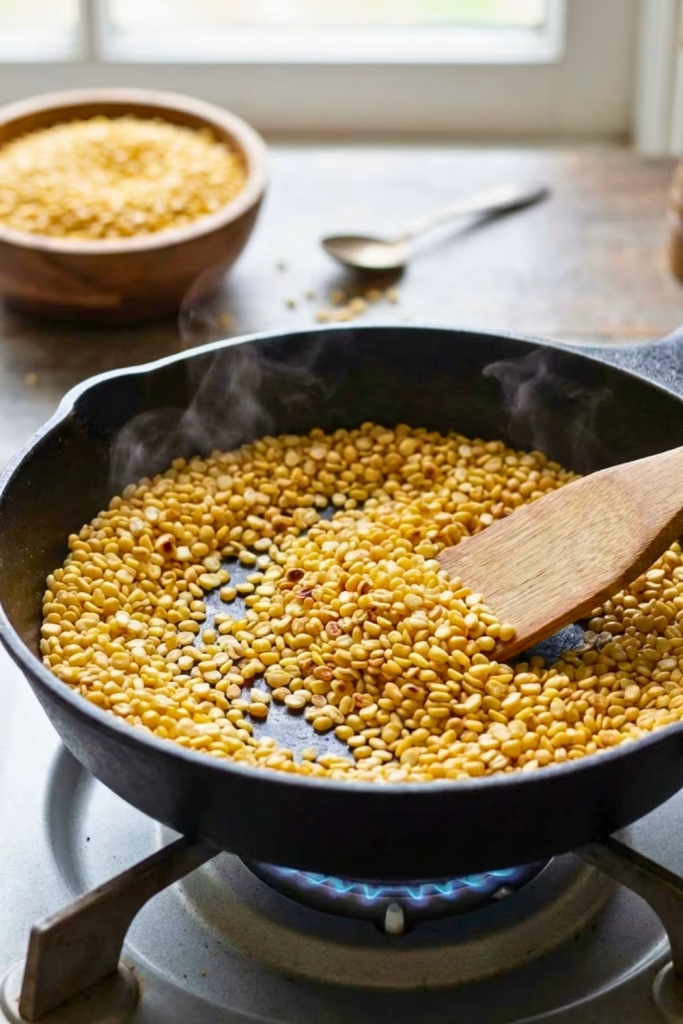
Heat a heavy-bottom pan or non-stick cookware on a low flame. Add split yellow moong dal and dry roast until it releases a nutty aroma and turns lightly golden.
Step 2: Wash and Pressure Cook Rice & Dal
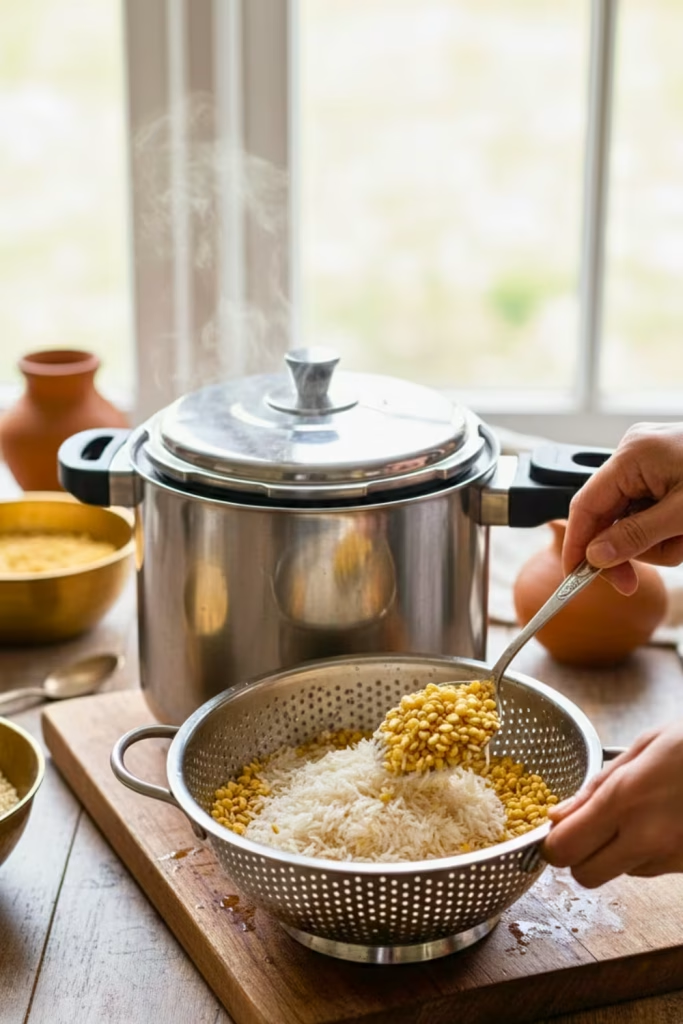
Wash raw rice (sona masoori or ponni rice) along with the roasted dal. Add to a pressure cooker with water and cook for 3–4 whistles until the mixture becomes very soft and mushy.
A soft texture is the key to temple-style Sweet Pongal. Overcooking is recommended here—it creates the creamy consistency people love.
Step 3: Prepare Jaggery Syrup (No Grit, No Bitterness)
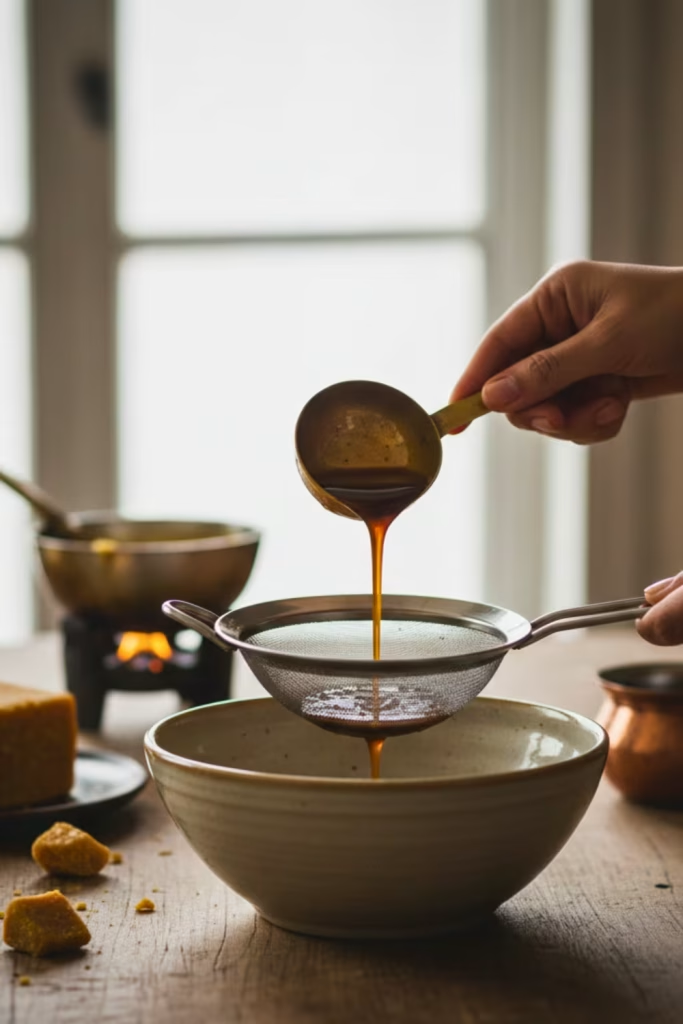
In a separate pan, melt organic jaggery with a little water over medium heat. Once fully dissolved, strain the syrup to remove impurities.
Using jaggery instead of refined sugar makes this a healthier Indian dessert, rich in minerals and suitable for clean-eating festival recipes.
Step 4: Combine & Simmer for Perfect Sweet Pongal Texture

Add the strained jaggery syrup to the cooked rice-dal mixture. Mix well and cook on low flame for 5–7 minutes, stirring continuously.
The pongal will thicken as it cooks and slightly loosen once rested. This stage defines whether your Sweet Pongal turns creamy or dry.
Step 5: Fry Cashews & Raisins in Pure Desi Ghee
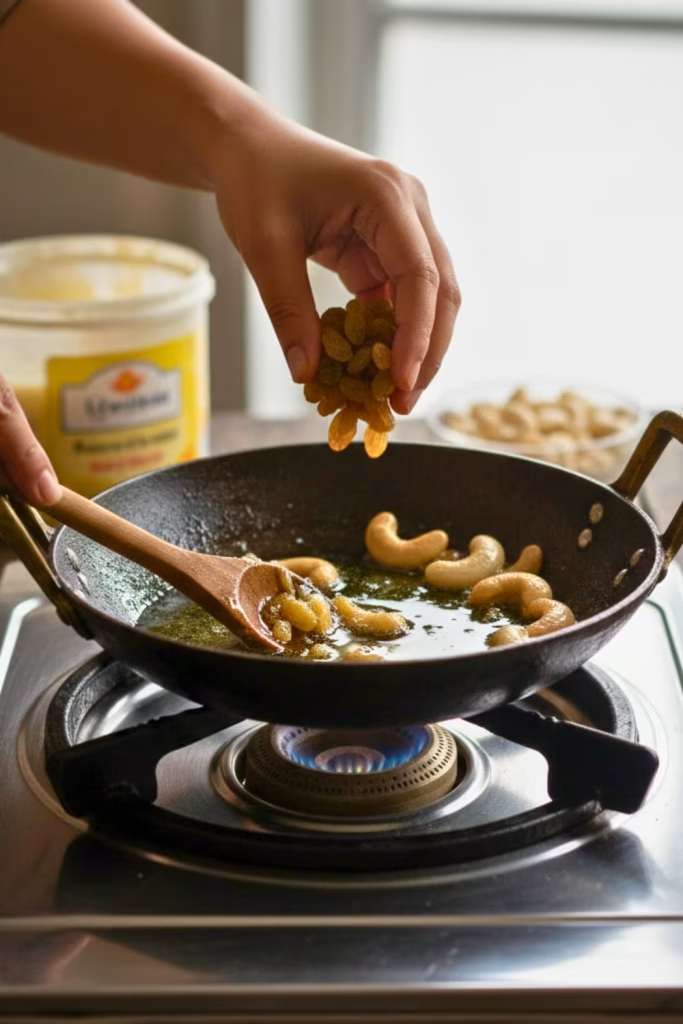
Heat pure cow ghee in a small pan. Fry cashews until golden, then add raisins and fry until they puff up.
Ghee not only enhances taste but also increases aroma, making this recipe ideal for festival cooking and temple prasadam preparation.
Step 6: Final Flavour Boost (Cardamom & Optional Camphor)
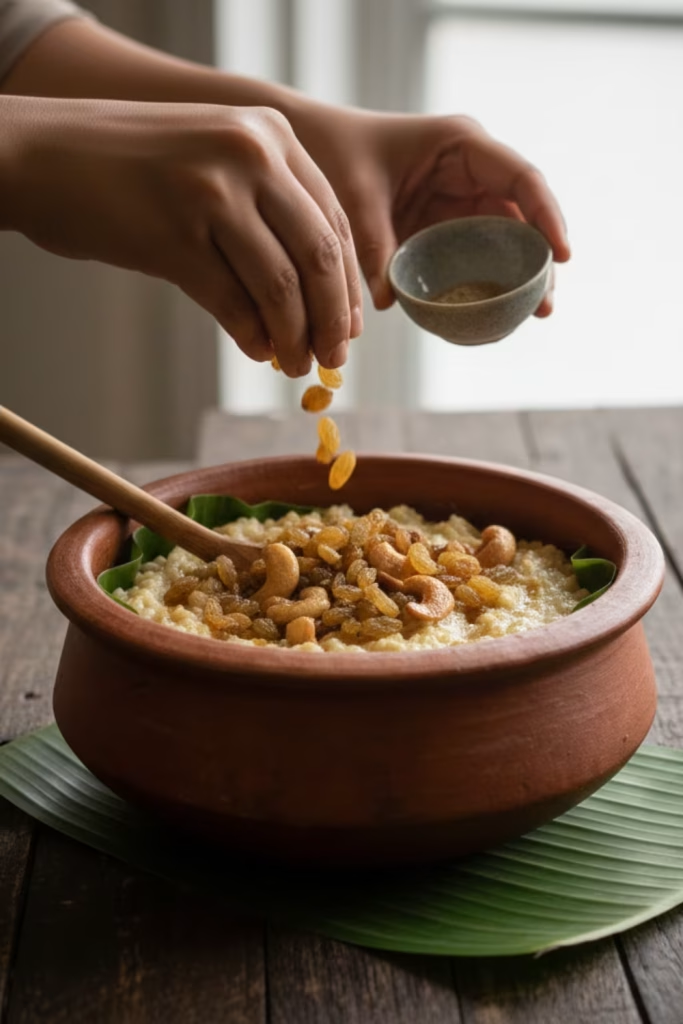
Add fried nuts, fresh cardamom powder, remaining ghee, a pinch of salt, and edible camphor (optional). Mix gently and turn off the heat.
The pinch of salt enhances sweetness, while cardamom gives the signature South Indian sweet aroma.
Serve Hot for Best Taste
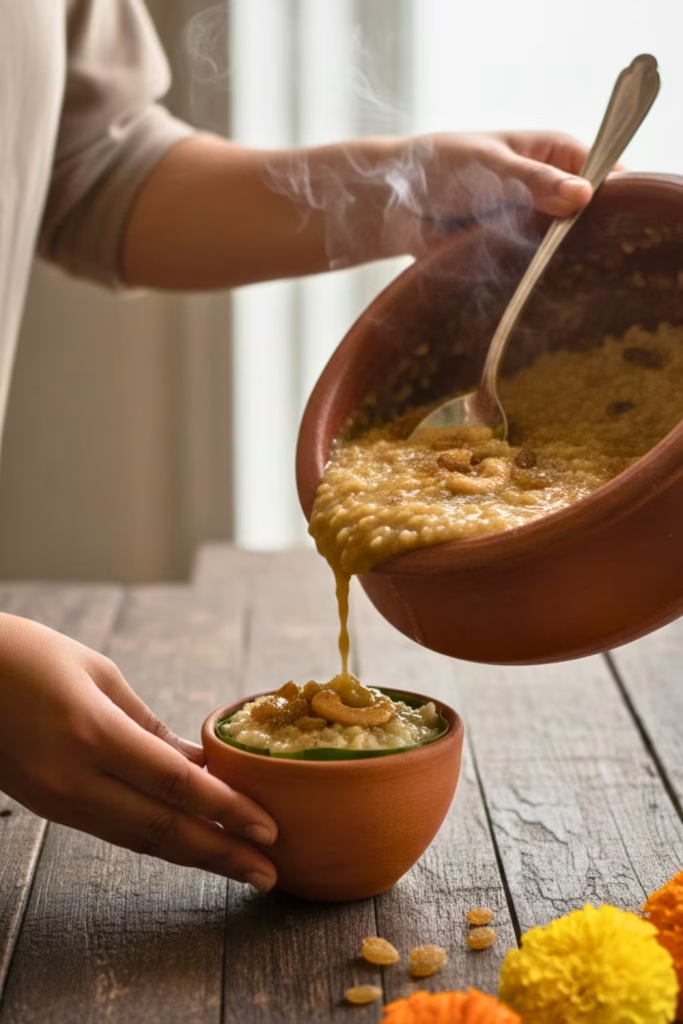
Sweet Pongal tastes best when served warm. It thickens as it cools, so add a spoonful of hot water or milk while reheating if needed.
This dish is ideal for Pongal festival meals, prasadam distribution, or as a comforting homemade dessert made with jaggery and ghee.
Related: Banana Bread Recipe
Sweet Pongal Texture Guide – Soft, Creamy & Temple-Style Explained
Soft & Creamy (Home-Style Sweet Pongal)
This is the most popular Sweet Pongal texture for families and beginners. It is smooth, moist, and spoonable, perfect for kids and elders.
- Higher water ratio (more moisture)
- Rice and moong dal cooked until fully mushy
- Moderate ghee for aroma without heaviness
Best for: breakfast sweets, healthy Indian desserts, everyday festival cooking.
Temple-Style Semi-Thick Sweet Pongal
This is the texture most people associate with authentic temple prasadam. It looks slightly thick but melts in the mouth when hot.
- Balanced water-to-rice ratio
- Dark jaggery for deeper color
- Generous use of pure cow ghee
Best for: Pongal festival offerings, religious functions, prasadam distribution.
Thick & Set (Overcooked or Cooled Pongal)
This texture happens when Sweet Pongal cools down or when water is insufficient. While still tasty, it loses its signature softness.
- Low water content
- Long cooking time after adding jaggery
- Not enough ghee or reheating without liquid
Fix: Add hot water or warm milk and reheat gently.
Related: Ugali Recipe
Variations of Sweet Pongal Recipe (Sakkarai Pongal)
1. Temple-Style Sweet Pongal (Prasadam Style)
This is the most iconic version served in South Indian temples and during Pongal festivals. Temple-style Sweet Pongal prasadam is darker in color, rich in aroma, and generously loaded with pure desi ghee, cashews, and edible camphor.
It uses dark jaggery blocks, slightly overcooked rice and moong dal, and a higher ghee ratio, making it soft, glossy, and deeply flavorful.
2. Healthy Sweet Pongal (Low Ghee & Jaggery)
This variation reduces ghee and jaggery without compromising taste. Ideal for everyday consumption, diabetics (in moderation), and calorie-conscious families.
Use powdered jaggery, minimal ghee, and portion control to turn Sweet Pongal into a balanced festive dessert rather than an occasional indulgence.
3. Millet Sweet Pongal (High-Fiber & Gluten-Free)
Millet Sweet Pongal is perfect for gluten-free Indian desserts and high-fiber festival foods. Replace rice with foxtail millet, little millet, or barnyard millet.
This version is perfect for weight-conscious eaters while still delivering the traditional jaggery-ghee aroma that makes Pongal special.
4. Vegan Sweet Pongal (Dairy-Free)
This vegan Sweet Pongal recipe replaces ghee with cold-pressed coconut oil or vegan butter. Ideal for plant-based diets while keeping the traditional jaggery flavor intact.
5. Instant Pot / Pressure Cooker Sweet Pongal
Perfect for modern kitchens, this version is optimized for Instant Pot Indian recipes and pressure cookers. It saves time while delivering consistent results, making it ideal for beginners.
6. Kids-Friendly Sweet Pongal (Mild & Creamy)
Designed for children and elders, this version skips edible camphor and reduces cardamom, making it soft, mildly sweet, and easy to digest.
Suggested:
Horchata Recipe
Saland-e Nakhod Recipe
How to Serve Sweet Pongal (Festival & Daily Use)
🎉 Festival & Temple-Style Serving
- Serve Sweet Pongal hot or warm during Pongal, Makar Sankranti, and religious poojas.
- Traditionally offered as prasadam in temples and homes.
- Garnish with extra desi ghee, roasted cashews, and raisins.
- Serve on a banana leaf for authentic South Indian presentation.
- Pairs beautifully with Ven Pongal as part of a festive meal.
🍽️ Daily Breakfast or Dessert
- Enjoy Sweet Pongal as a healthy Indian breakfast once in a while.
- Works well as a post-meal dessert instead of sugar-loaded sweets.
- Serve in small portions to keep calories balanced.
- Ideal for those looking for jaggery-based desserts.
👶👵 Kids & Elder-Friendly Serving
- Make it slightly softer and mushy for easy digestion.
- Reduce ghee for kids; increase slightly for elders if needed.
- A great alternative to store-bought sweets.
- Rich in iron and energy due to natural jaggery.
🌿 Modern & Health-Conscious Serving
- Serve with millet Pongal or mixed-grain meals.
- Use organic jaggery and homemade ghee for a clean-eating dessert.
- Popular choice for gluten-free Indian dessert lovers.
- Perfect for mindful eating and portion-controlled diets.
Related: Sourdough Focaccia Recipe
Frequently Asked Questions About Sweet Pongal Recipe (Sakkarai Pongal)
Sweet Pongal, also called Sakkarai Pongal, is a traditional South Indian dessert made with rice, moong dal, jaggery, and ghee. It is prepared during the Pongal and Makar Sankranti festivals to express gratitude to nature and the Sun God for a good harvest. Because it uses jaggery instead of refined sugar, Sweet Pongal is considered a healthier Indian festival sweet and is also offered as temple prasadam.
Yes, Sweet Pongal is one of the healthier traditional Indian dessert recipes when eaten in moderation. It uses jaggery, which is rich in iron and minerals, instead of white sugar. The combination of rice and moong dal provides sustained energy and plant-based protein, making it a better option than deep-fried sweets loaded with refined sugar and oil.
The best rice for Sweet Pongal is Sona Masoori or Ponni raw rice. These varieties cook soft and absorb jaggery syrup well, giving Sweet Pongal its signature creamy texture. Avoid basmati rice, as it changes the aroma and makes the dish less authentic.
Sweet Pongal thickens naturally as it cools because rice and jaggery continue to absorb moisture. To prevent hardness, always keep the consistency slightly loose while cooking. Adding a little hot water or warm milk while reheating helps restore the soft, temple-style texture.
Yes, you can make Sweet Pongal with reduced ghee or even without ghee for a lighter version. However, ghee plays a major role in flavor, aroma, and mouthfeel. For best taste and authentic South Indian flavor, using pure desi ghee is highly recommended.
Sweet Pongal is naturally gluten-free and 100% vegetarian. It contains no wheat, maida, or animal-based ingredients (except ghee, which is vegetarian). This makes it suitable for people following gluten-free and traditional vegetarian Indian diets.
Temple-style Sweet Pongal tastes unique because of generous use of ghee, high-quality jaggery, slow cooking, and a tiny pinch of edible camphor. Cooking in large brass or iron vessels also enhances the aroma and depth of flavor.
Yes, Sweet Pongal can be easily prepared in a pressure cooker or Instant Pot. Pressure cooking ensures rice and dal are perfectly soft and saves time. This method is ideal for beginners and busy households during festivals.
Sweet Pongal stays fresh for up to 24 hours at room temperature and up to 2 days in the refrigerator. Store it in an airtight container. While reheating, add a little hot water or milk and warm gently to maintain softness and flavor.
Sweet Pongal is a jaggery-based dessert made with rice, dal, ghee, and cardamom. Even Pongal is a savory dish prepared with rice, dal, black pepper, cumin, and ghee. Both are traditional South Indian comfort foods but serve completely different purposes.
Related: Homemade Tartar Sauce
If you like this article about the Sweet Pongal Recipe, please share it with your friends on Facebook and Pinterest. Also, subscribe to my blog to receive all the latest content first on your mobile device.