
Adai (South Indian Lentil Pancakes)
When I wake up late in the morning because of a late night sleep, I come up with a few quick breakfast recipes. One of them is this South Indian Adai recipe. Adai, also known as South Indian lentil pancakes, is a traditional Tamil-style dish made with rice, a combination of lentils, dried red chilies, and aromatic ingredients such as cumin and curry leaves. It is satisfying, flavorful, and a wonderful way to bring simple pantry staples together.
Although it is traditionally called dosa, to me it is all in one. You just have to soak the rice and lentils overnight before going to bed. The rest is very easy. Unlike many traditional dosa preparations, adai usually does not require overnight fermentation, making it a practical choice when you want a homemade South Indian breakfast without waiting for fermented batter.
Adai (South Indian Lentil Pancakes)
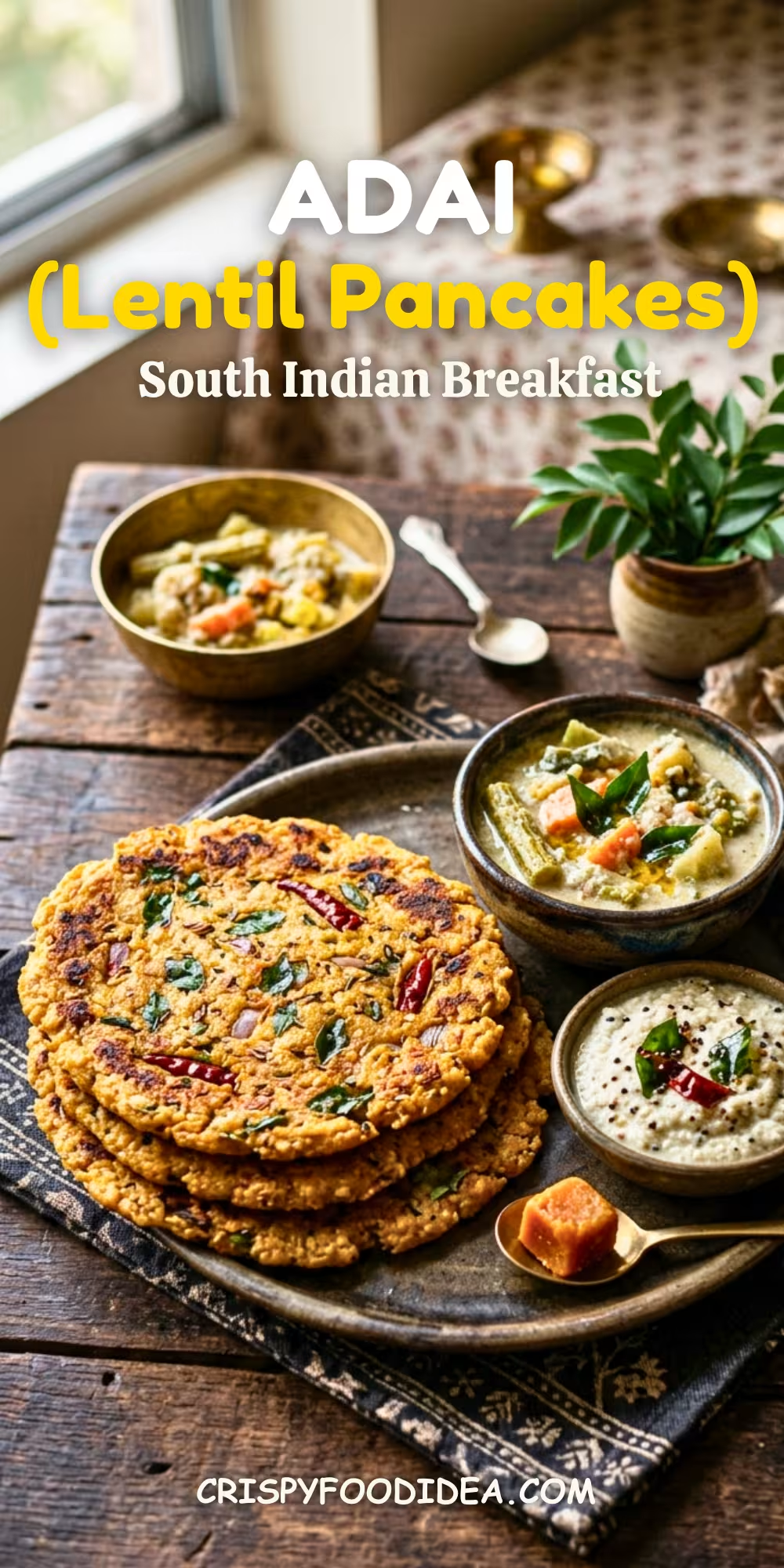
Adai is a nutritious and delicious South Indian pancake made from a thick batter of various lentils, rice, spices and fresh vegetables. It does not need to be fermented overnight like traditional dosa and is wonderfully crispy on the outside and soft and delicious on the inside.
Ingredients
For the Batter:
- Raw Rice (Sona Masoori or Idli Rice): ½ cup
- Boiled Rice (Idli Rice): ½ cup (or use 1 cup raw rice in total)
- Toor Dal (Pigeon Peas): ¼ cup
- Chana Dal (Split Bengal Gram): ¼ cup
- Urad Dal (Split Skinless Black Gram): 2 tbsp
- Moong Dal (Split Yellow Gram): 2 tbsp
For Grinding & Flavoring:
- Dry Red Chillies: 4–5 (adjust to heat preference)
- Fennel Seeds (Saunf): 1 tsp
- Cumin Seeds (Jeera): ½ tsp
- Asafoetida (Hing): ¼ tsp
- Fresh Ginger: 1-inch piece
- Curry Leaves: 1-2 sprigs
- Fresh Coconut (Grated): 3 tbsp (optional, for extra rich flavor)
- Salt: To taste
- Water: As needed for grinding
For Tempering & Finishes (Optional Mix-ins):
- Small Onions / Shallots: ½ cup (finely chopped)
- Fresh Coriander Leaves: 2 tbsp (finely chopped)
- Ghee or Sesame (Til) Oil: For cooking
Instructions
Step 1: Wash & Soak
- Rinse the rice and all the lentils (toor dal, chana dal, urad dal, moong dal) together under cool water 3–4 times until the water runs clear.
- Soak the washed rice and lentil mixture in plenty of water along with the dry red chillies for 3 to 4 hours.
Step 2: Grind the Batter
- Drain the soaked rice, lentils, and red chillies. Transfer them to a high-speed blender or wet grinder.
- Add the ginger, fennel seeds, cumin seeds, asafoetida, curry leaves, grated coconut, and salt.
- Pour in a little water at a time and grind to a coarsely textured batter (it should feel slightly grainy, like fine semolina, rather than smooth).
- The batter should have a thick pouring consistency (thicker than regular dosa batter).
Step 3: Mix-ins & Resting
- Pour the batter into a mixing bowl.
- Stir in the finely chopped shallots/onions and fresh coriander leaves if using.
- (Optional) Let the batter rest for 15–20 minutes to let the flavors meld together.
Step 4: Cook the Adai
- Heat a cast-iron tawa or non-stick griddle over medium heat. Grease lightly with a few drops of sesame oil or ghee.
- Pour a ladleful of batter into the center of the hot tawa. Spread it gently in a circular motion outward to form a slightly thick pancake.
- Make a small hole in the center of the Adai using the back of your ladle and drizzle a few drops of ghee or sesame oil in the center and along the edges.
- Cover and cook on medium heat for 2 to 3 minutes until the bottom turns golden-brown and crispy.
- Flip and cook the other side for another 1 to 2 minutes until fully cooked through and golden spots appear.
Step 5: Serve Hot
- Transfer to a plate and serve hot with a dollop of fresh butter, Avial (vegetable stew in coconut gravy), Jaggery (Gud), or Coconut Chutney.
Notes
- Fermentation Optional: While Adai can be cooked immediately after grinding, letting the batter sit for 2–3 hours enhances digestion and flavor.
- Greens Boost (Drumstick Leaves): Stir in a handful of washed drumstick leaves (Murungai Keerai) into the batter before cooking for a traditional, iron-rich variation.
- Crispiness Secret: Chana dal gives crunch, while urad dal adds softness. Adjusting chana dal slightly higher makes the Adai crispier.
What Is Adai?
Adai is a traditional South Indian savory pancake made with rice, various pulses, and aromatic spices. Popular in Tamil cuisine, this nutritious dish is known for its light crunch, satisfying texture, and savory flavor that comes from ingredients like dried red chilies, cumin, ginger, and fresh curry leaves. Often known as Adai dosa or South Indian lentil pancake, it is a delicious choice for breakfast, brunch, or a simple home-cooked meal.
While many traditional dosa recipes use a fermented rice-and-lentil mixture, a typical adai recipe uses a thick batter of soaked rice and various pulses. This mixture can usually be cooked without fermenting for a long time, making adai a convenient option when you want a filling and savory meal without having to wait overnight for the mixture to ferment.
What’s special about adai? The combination of rice, various pulses and aromatic spices gives this pancake its unique taste. Its batter is usually thicker and thicker than the usual dosa batter, which creates a more robust pancake, with a crispy outside and a soft and fully cooked inside.
What Goes Into Traditional Adai?
The exact ingredients vary between households, but a classic Tamil-style adai commonly includes rice, chana dal (split Bengal gram), toor dal (split pigeon peas), and sometimes urad dal or moong dal. Dried red chilies provide heat, while cumin seeds, asafoetida, ginger, onions, and curry leaves add depth and aroma.
Rice for Structure
Rice contributes body and helps create a lightly crisp exterior. The type and quantity of rice affect the final texture of the pancake.
Mixed Lentils for Flavor
Different dals contribute earthy, nutty flavors and plant-based protein. Their proportions influence how hearty and tender the adai becomes.
Spices and Curry Leaves
Red chilies, cumin, ginger, and curry leaves bring fragrance and savory character to this traditional South Indian breakfast.
How Is Adai Different From Dosa?
Although adai and dosa are both popular South Indian dishes cooked on a hot griddle, their batter, texture, and preparation can differ considerably. Here is a quick comparison.
| Feature | Adai | Dosa |
|---|---|---|
| Main ingredients | Rice and a mixture of lentils | Typically rice and urad dal |
| Batter texture | Usually coarse and moderately thick | Usually smoother and more fluid |
| Fermentation | Often prepared without extended fermentation | Traditional recipes commonly use fermented batter |
| Final texture | Hearty, with crisp edges and a substantial center | Can be thin and crisp or soft, depending on the variety |
| Common accompaniments | Coconut chutney, avial, or jaggery | Coconut chutney, tomato chutney, or sambar |
These are general differences rather than strict rules. Both dishes have many regional and household variations, and the finished texture depends on the recipe and cooking technique.
How Is Adai Traditionally Served?
Freshly cooked adai tastes great served hot with coconut chutney, onion chutney, tomato chutney or South Indian tiffin sambar. Some traditional serving methods also include a vegetable-based pad avial or a little jaggery with adai to create a contrast between sweet and salty flavours. For the best texture, serve the pancakes immediately after cooking, while the edges are still crispy.
Why I Only Prefer This Adai Recipe
When I want a satisfying South Indian breakfast, adai is one of the recipes that I love. This South Indian lentil pancake combines rice, protein-rich dal, fragrant curry leaves and warm spices into a nutritious dish. What makes this adai recipe special is its balance of taste and texture and an easy cooking method, which works wonderfully for home-cooked meals.
A Crispy Outside and Hearty Center
I like a pancake that is lightly crispy on the edges and soft and cooked through in the middle. Using the right amount of batter and letting the pancake cook without moving it before flipping creates that delicious contrast in texture.
The Flavor of Mixed Lentils
Chana dal, toor dal and other lentils each add their own unique flavor to the traditional adai recipe. Their earthy and nutty flavors blend beautifully with cumin, dried red chilies, ginger and fresh curry leaves.
A Practical No-Fermentation Method
Unlike many traditional dosa making methods, this quick adai preparation does not require overnight fermentation. After soaking and grinding the rice and lentils, the mixture can be cooked once it reaches the right consistency.
A Satisfying Vegetarian Meal
Lentils provide vegetable protein and dietary fiber, making adai a nutritious vegetarian breakfast or light meal. Its nutritional value depends on the mix of lentils, the amount of rice, the type of serving, and the amount of oil used.
Easy to Customize
I like the flexibility of adai. Depending on the recipe, you can add finely chopped onions, coriander leaves, spinach, or extra chilies. Small changes let you adjust the flavor while keeping the pancake’s distinctive lentil-based character.
Delicious with Classic Accompaniments
Fresh coconut chutney, sweet and sour tomato chutney, onion chutney and South Indian tiffin sambar are excellent options for serving. My suggestion is to serve the adai hot, when its edges are at their most crispy.
Adai Recipe Ingredients & Substitutions
This mixed dal adai recipe uses familiar pantry ingredients and flexible substitutions, making it easy to adapt the traditional South Indian lentil pancake to your taste. For the best texture, measure the rice and lentils before soaking and add water gradually while grinding the batter.
Essential Adai Ingredients
The following quantities make approximately 6 medium adai pancakes. Use them as a starting point and adjust the water to achieve a thick, spreadable batter.
1. Raw Rice
½ cup (about 90–100 g)Regular raw rice or idli rice can work well.
Substitute: Brown rice can be used, but it may need longer soaking and can produce a firmer texture.
2. Chana Dal
¼ cup (about 45–50 g)Chana dal, or split Bengal gram, adds a nutty flavor and substantial texture to this traditional lentil pancake recipe.
Substitute: Split yellow peas can work, although the flavor and final texture will differ.
3. Toor Dal
¼ cup (about 45–50 g)Toor dal, also called split pigeon peas, contributes an earthy, savory flavor and helps give mixed dal adai its characteristic hearty bite.
Substitute: Use additional chana dal or split moong dal, understanding that the flavor will change.
4. Urad Dal or Moong Dal
2 tbsp (about 20–25 g)Add urad dal for a fuller batter or split moong dal for a milder flavor. These are alternative choices for this version of the recipe, rather than a requirement to use both.
Substitution: Keep the overall dry ingredient ratio similar when changing the lentil blend.
5. Dried Red Chilies
2–4, to tasteDried red chilies bring the characteristic warmth and color to adai batter. Adjust the number according to the variety of chili and your preferred spice level.
Substitute: Use a little red chili powder if needed, adding it gradually to avoid overpowering the batter.
6. Onion and Curry Leaves
½ small onion + 8–10 leavesFinely chopped onion adds sweetness and bite, while fresh curry leaves provide a fragrant, savory aroma associated with South Indian cooking.
Substitute: Use finely chopped scallions if curry leaves are unavailable, recognizing that the flavor will differ.
7. Cumin, Ginger and Asafoetida
½ tsp cumin + 1 tsp gingerCumin adds a warm, earthy note. Fresh grated ginger gives brightness, and a small pinch of asafoetida adds savory depth.
Gluten-free note: Check the asafoetida label because some commercial blends contain wheat flour.
8. Salt, Water and Oil
Salt to taste + water as neededSalt balances the flavors, water helps grind the soaked ingredients into a spreadable batter, and oil helps the adai cook evenly and develop crisp edges.
Use a neutral cooking oil or sesame oil. Add water little by little rather than pouring it all in at once.
Adai Ingredient Substitutions at a Glance
You can customize this South Indian adai recipe with ingredients available in your kitchen. Make one substitution at a time so you can better judge its effect on flavor and texture.
| Original ingredient | Possible substitute | What to expect |
|---|---|---|
| Raw rice | Idli rice or brown rice | Brown rice may need more soaking and produce a firmer bite. |
| Chana dal | Split yellow peas | A slightly different flavor and texture. |
| Toor dal | Split moong dal or more chana dal | A change in flavor and overall batter texture. |
| Urad dal | Split moong dal | A milder flavor; the result may be less cohesive. |
| Dried red chilies | Red chili powder | Convenient heat; add gradually. |
| Fresh curry leaves | Scallions | A fresh onion-like note rather than the classic curry-leaf aroma. |
| Neutral cooking oil | Sesame oil | A more pronounced, traditional-style flavor. |
How to Make Adai (South Indian Lentil Pancakes)
The adai recipe is really simple. Making adai at home is easier than you think! These delicious South Indian dal pancakes are made with rice, chana dal, toor dal, aromatic spices and fresh curry leaves, making for a nutritious breakfast with a crispy edge and satisfying crust. Follow these step-by-step instructions to make the adai batter, cook each pancake evenly and serve piping hot homemade adai with your favorite chutney.
Rinse the Rice and Lentils
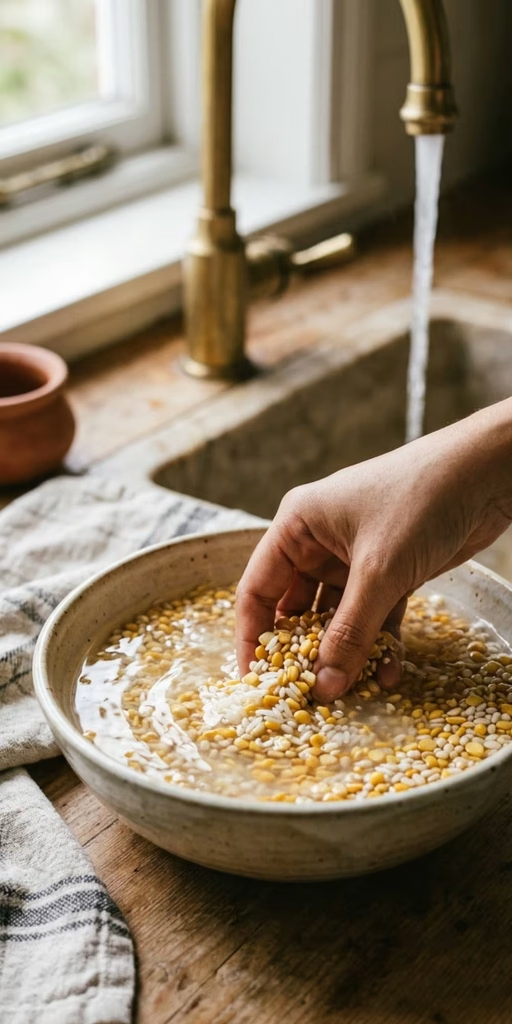
Place the rice, chana dal, toor dal, urad dal, and moong dal in a large bowl. Rinse them thoroughly with fresh water, gently swirling the mixture to remove surface dust. Drain and repeat until the water looks clearer.
Using a combination of lentils gives traditional-style adai its characteristic savory flavor and substantial texture.
Cooking tip: Keep the rice and lentils in a spacious bowl so they have room to soak evenly.
Soak the Rice and Dal
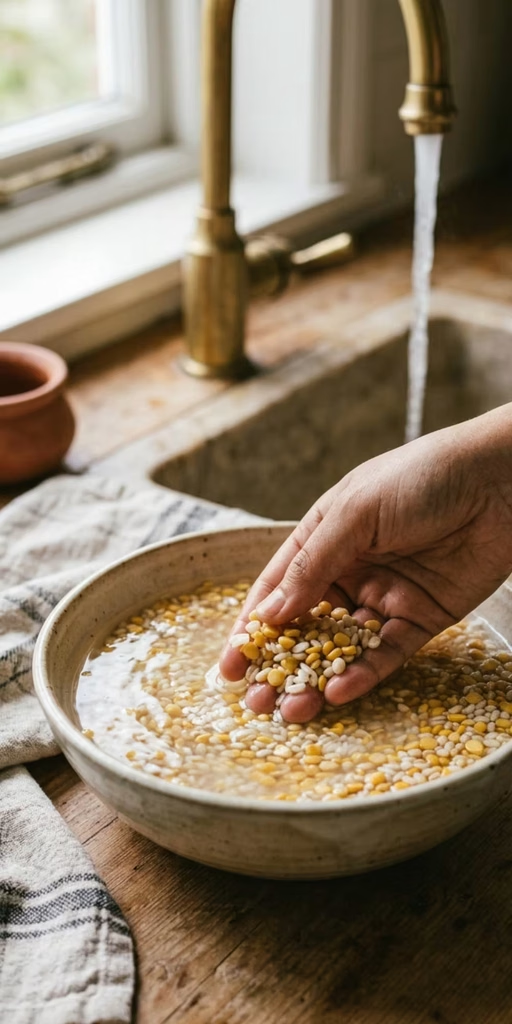
Cover the rinsed ingredients with enough fresh water and soak for approximately 2–3 hours as a starting point. Soaking softens the grains and lentils, making them easier to grind into adai batter. Drain the soaking water before grinding.
The exact soaking time can vary with the lentil varieties, ingredient age, and room temperature.
Do not grind the ingredients while they are still surrounded by excess soaking water. Drain them first.
Grind the Adai Batter
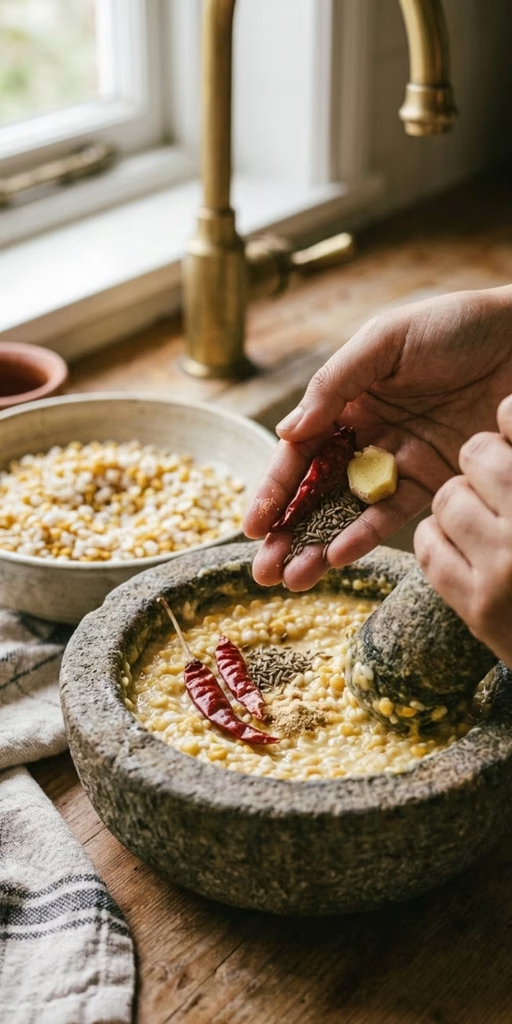
Transfer the drained rice and lentils to a blender or wet grinder. Add the dried red chilies, cumin seeds, ginger, and asafoetida. Add water gradually while grinding, stopping to scrape down the sides when necessary.
For a traditional-style mixed dal adai, aim for a slightly coarse, thick but spreadable batter rather than a completely smooth, watery consistency. Small grainy particles help give the pancake its characteristic texture.
Add water a little at a time. Batter that is too thin can spread excessively and become difficult to flip.
Add Onion and Curry Leaves
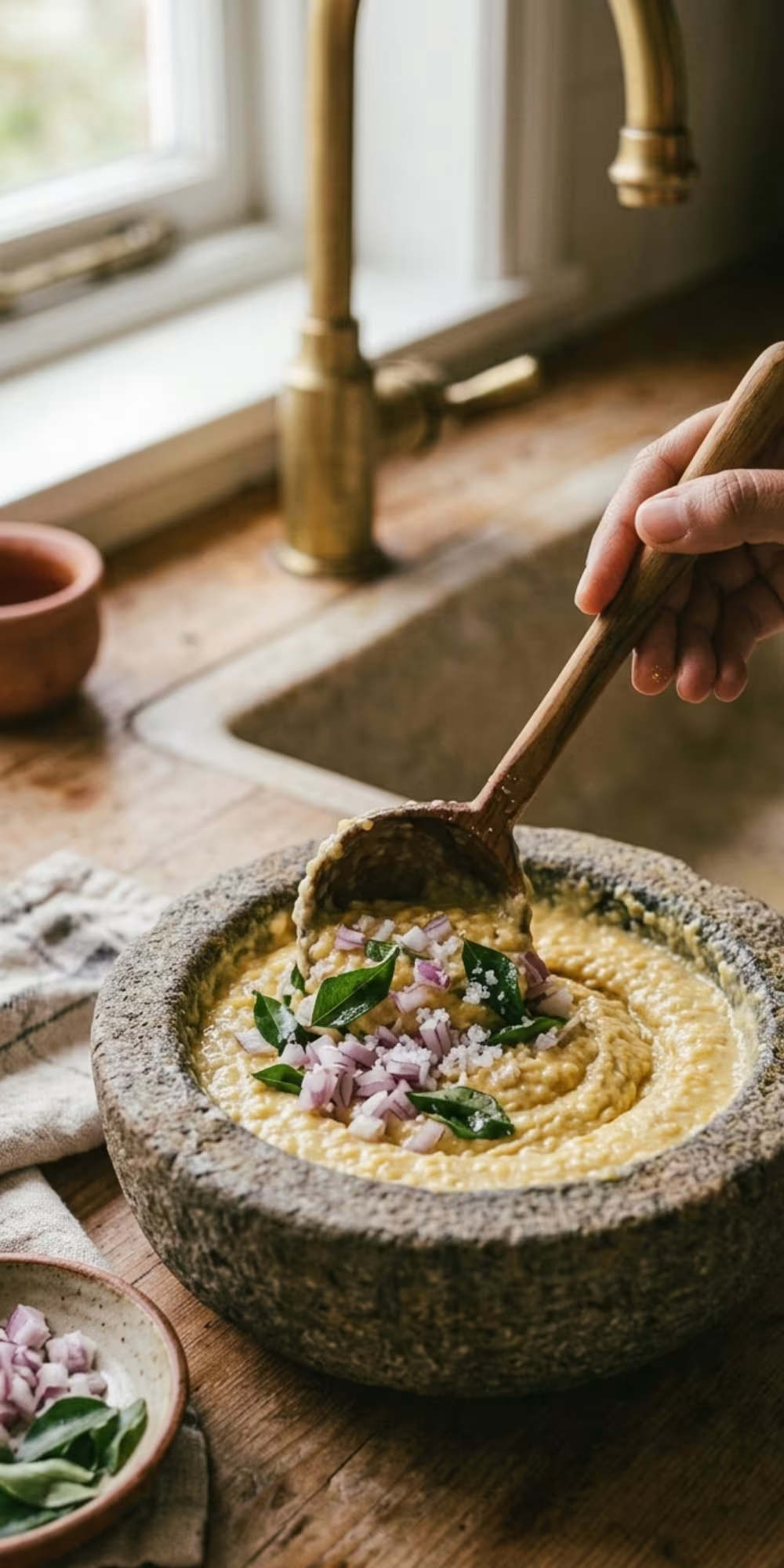
Transfer the ground batter to a mixing bowl. Stir in finely chopped onion, fresh curry leaves, and salt. If you enjoy extra heat, you can adjust the red chilies to suit your taste.
Onion adds sweetness and moisture, while curry leaves contribute an aromatic note that works beautifully with the lentils.
Chop the onion and curry leaves finely so they distribute evenly and do not make the pancake difficult to turn.
Preheat the Tawa or Skillet
Heat a cast-iron tawa, dosa pan, or heavy skillet over medium heat. Lightly grease the cooking surface. Let the pan heat evenly before spreading the first adai.
A properly heated pan helps the batter set and makes the pancake easier to release. If the pan is excessively hot, the outside may cook before the center has a chance to finish.
If a small test pancake sticks or browns too quickly, adjust the heat and lightly re-grease the pan before cooking the next one.
Spread the Batter into a Pancake
Pour a portion of adai batter onto the center of the pan. Gently spread it into a moderately thick round using the back of a ladle. Unlike a very thin dosa, adai is often left slightly thicker to preserve its hearty lentil texture.
If desired, make a small hole in the center. This traditional technique creates another area for heat and oil to reach the pancake, helping it cook more evenly.
Do not spread the batter too thin if you want a tender center with crisp edges.
Cook Until the Edges Turn Crisp
Drizzle a little oil around the edges and, if desired, a small amount over the surface. Cook over medium heat until the underside is set, the edges begin to look crisp, and the pancake releases easily from the pan.
The time depends on the thickness of your adai, the moisture in the batter, and your stove. Use the visible cooking cues rather than relying on a fixed number of minutes.
If the bottom is coloring too quickly while the top is still very wet, lower the heat slightly.
Flip and Cook the Other Side
Carefully slide a spatula underneath the adai and flip it once the first side is firm enough to hold together. Cook the second side until it is cooked through and has developed the texture you prefer.
The center should not remain raw or pasty. If the pancake is thick, give it additional time over moderate heat rather than increasing the heat aggressively.
If the adai breaks while flipping, let it cook longer before trying again. Very wet batter may also need a small adjustment in consistency.
Serve the Adai While Hot
Transfer the cooked adai to a serving plate. Repeat with the remaining batter, lightly greasing the pan between pancakes as needed. Serve immediately for the best contrast between crisp edges and a hearty center.
Pair your homemade South Indian lentil pancakes with coconut chutney, tomato chutney, onion chutney, or tiffin sambar for a satisfying vegetarian breakfast or meal.
Avoid stacking freshly cooked pancakes for too long if you want to preserve their crisp edges.
Quick Tips for Better Adai Every Time
For crispier adai: Use a properly preheated pan, keep the batter thick enough to hold its shape, and let the first side set before flipping.
For a softer center: Avoid spreading the pancake excessively thin, and cook it through over moderate heat.
For easier cooking: Adjust water gradually and test one small pancake before cooking the entire batch.
Adai vs. Dosa: What’s the Difference?
At first glance, adai and dosa may look like similar South Indian pancakes, but there are notable differences in their ingredients, preparation method, texture, and taste. Adai is a nutritious pancake of lentils and rice that is traditionally made with a mixture of different pulses, while a regular dosa is usually made with a mixture of fermented rice and urad lentils.
Most traditional adai recipes do not require fermentation. Adai is usually cooked immediately after soaking the rice and lentils and beating the mixture. On the other hand, a traditional fermented dosa mixture requires extra time to develop its characteristic sweet-sour taste and light texture.
| Feature | Adai (Lentil Pancake) | Traditional Plain Dosa |
|---|---|---|
| Main ingredients | Rice, mixed lentils, chilies, and spices | Rice, urad dal, and often fenugreek |
| Fermentation | Generally not required | Typically required |
| Batter texture | Usually coarser and thicker | Generally smoother and more pourable |
| Pancake texture | Hearty, with crisp edges and a substantial center | Can be thin and crisp or soft, depending on style |
| Flavor | Earthy, savory, and often spicy | Mildly tangy with a fermented flavor |
| Protein | Often contains more lentils relative to rice | Typically contains a larger proportion of rice |
| Preparation time | Soaking and grinding, then cooking | Soaking, grinding, fermenting, then cooking |
| Common accompaniments | Avial, coconut chutney, or jaggery | Coconut chutney, tomato chutney, or sambar |
Why Choose Adai?
If you want to enjoy a satisfying and delicious breakfast with a nutty flavor, South Indian adai is a great choice. Its mixed lentil batter provides vegetable protein and fiber, and curry leaves, cumin seeds, and dried red chilies add a lot of flavor.
This is especially convenient when you want to make homemade lentil pancakes without waiting for the batter to ferment.
Why Choose Dosa?
If you prefer a lighter-feeling, thinner pancake with delicate crispness and a pleasantly tangy flavor, traditional South Indian dosa might be your favorite.
Its fermented batter can create a distinctive texture that pairs beautifully with coconut chutney and warm sambar.
Cooking Tip: For crispy adai, grind the soaked rice and lentils to a slightly coarse consistency, spread the batter on a properly heated tawa, and cook until the edges turn golden. Unlike a paper-thin dosa, adai is often spread a little thicker, so make sure the center cooks through before serving.
So, Is Adai Healthier Than Dosa?
Both adai and dosa can fit into a balanced diet. Because many adai recipes use a generous proportion of mixed lentils, they may provide more protein and fiber per serving than some traditional rice-heavy dosa recipes. However, the exact nutrition depends on the ingredient ratios, portion sizes, and amount of cooking oil used.
If you’re looking for a hearty vegetarian breakfast with lentils, try this adai recipe. Prefer a classic fermented South Indian crepe? Explore our crispy dosa recipes for another delicious breakfast idea.
What to Serve with Adai (South Indian Lentil Pancakes)
These delicious South Indian lentil pancakes are delicious with coconut chutney, tomato chutney, onion chutney and hot tiffin sambar. You can also serve adai with avial, fresh vegetables or a little jaggery for a traditional sweet-salty taste.
Serve adai hot, straight from the tawa, with a flavorful chutney. If you are preparing a complete South Indian breakfast or dinner, add a bowl of sambar or a vegetable side dish for a more substantial meal.
6 Delicious Side Dishes to Serve with Adai
Choose a creamy, spicy, tangy, or comforting accompaniment.
Coconut Chutney
Fresh coconut chutney is a classic accompaniment for adai. Its creamy texture and mild coconut flavor balance the earthy lentils and the heat of dried red chilies. Add ginger, green chilies, or curry leaves to suit your taste.
Get the coconut chutney recipe → Classic pairingTomato Chutney
Tomato chutney brings a tangy, savory contrast to crispy adai. Cook tomatoes with onions, chilies, and a few spices for a flavorful dip that works especially well with a hearty lentil pancake.
Try homemade tomato chutney → Tangy & savoryTiffin Sambar
Pair adai with warm South Indian tiffin sambar when you want a more filling breakfast or dinner. The spiced lentil broth, soft vegetables, and tamarind tang make a comforting contrast to the crisp edges of freshly cooked adai.
Make South Indian tiffin sambar → Hearty mealOnion Chutney
Onion chutney is a great option if you enjoy bold, slightly sweet, and spicy flavors. Sautéed onions and chilies create a rich-tasting condiment that complements the savory taste of mixed lentils and rice.
Discover homemade onion chutney → Bold flavorAvial or Vegetable Curry
For a more complete meal, serve adai with avial or a lightly spiced vegetable curry. A vegetable side adds variety, color, and different textures while complementing the robust flavor of the lentil pancake.
Vegetable-rich optionJaggery
For a sweet-and-savory pairing, try a small piece of jaggery alongside your adai. This simple accompaniment offers a sweet contrast to the spicy, earthy pancake and is enjoyed in some traditional serving styles.
Sweet contrastHow to Build a Complete South Indian Adai Meal
How to Keep Adai Crispy When Serving
For the best texture, serve the adai immediately after cooking. If you are making multiple pancakes, place them in a single layer on a rack in a low oven, rather than stacking them. Stacking them can trap steam and cause the edges to soften. Serve the chutney and sambar separately, so that each pancake maintains its own texture until you are ready to eat.
Easy Adai Recipe Variations to Try at Home
My cooking tip: Make one batch of your usual adai batter and divide it into smaller portions before adding different ingredients. This makes it easy to experiment with flavors without preparing several separate batters.
Onion Adai with Curry Leaves
Onion adai is a flavorful twist on the classic Tamil-style lentil pancake. Finely chopped onions add sweetness, while fresh curry leaves bring a fragrant, savory aroma to every bite.
Spinach Adai
For a colorful variation, add finely chopped spinach to your mixed dal adai. The greens complement the earthy flavor of the lentils and make this a lovely option for a savory vegetarian breakfast.
Vegetable Adai
Vegetable adai is a simple way to add more variety to homemade South Indian lentil pancakes. Finely grated carrots, chopped bell peppers, and fresh coriander offer color, texture, and freshness.
Spicy Red Chili Adai
If you enjoy bold flavors, try a spicy adai recipe with dried red chilies, fresh ginger, cumin, and a pinch of asafoetida. The result is a savory lentil pancake with a warming kick.
Extra-Crispy Adai
Prefer crispy South Indian pancakes? You can adjust your usual crispy adai recipe to produce a thinner, crunchier exterior while keeping the center cooked through.
Brown Rice Adai
Brown rice can replace some or all of the regular rice in a lentil pancake recipe, giving the batter a different flavor and texture. This is a useful variation for cooks who enjoy experimenting with different whole-grain ingredients.
Moong Dal Adai
For a variation on the traditional mixed-lentil pancake, experiment with yellow moong dal. Its milder flavor pairs well with cumin, ginger, green chilies, and fresh coriander.
Ginger and Cumin Adai
Fresh ginger and cumin seeds bring an aromatic, savory flavor to homemade adai. This variation works particularly well when you want a flavorful pancake without adding vegetables.
Herb and Coriander Adai
Fresh coriander leaves add a bright, herbal note to a traditional rice-and-lentil pancake. Combine them with curry leaves and a little green chili for a fresh-tasting breakfast variation.
How to Customize Your Adai Without Ruining the Texture
- Start with the right batter: Keep your rice-and-lentil mixture slightly coarse and thick enough to spread on a hot tawa.
- Add ingredients gradually: Begin with small amounts of onion, spinach, herbs, or grated vegetables.
- Adjust moisture carefully: Watery vegetables can make adai soft or difficult to flip. Reduce added water when necessary.
- Control the heat: Cook over medium to medium-low heat if the exterior browns before the center is done.
- Serve immediately: Freshly cooked adai usually has the best contrast between crisp edges and a hearty center.
Is Adai Healthy? Nutrition, Benefits & Tips
Yes, adai can be a nutritious and satisfying South Indian breakfast. Made with rice and a mixture of lentils such as chana dal, toor dal, urad dal, or moong dal, this savory lentil pancake provides plant-based protein, dietary fiber, and carbohydrates. Its nutritional value depends on the ingredients, portion size, and amount of oil used for cooking.
Unlike pancakes made primarily with refined flour, traditional adai combines several pulses with rice. This mix makes it a useful option for people looking for a filling, savory breakfast or a simple plant-based meal.
6 Potential Health Benefits of Adai
The benefits of adai mainly come from its lentils, whole-food ingredients, and preparation method. Here is how this traditional South Indian dish can contribute to a balanced diet.
1. Provides Plant-Based Protein
Lentils provide plant protein, which helps the body maintain and repair tissues. Mixed lentil adhai can be a beneficial source of protein for vegetarian and vegan diets, although the amount per serving depends on the recipe.
2. Supplies Dietary Fiber
Lentils contain dietary fiber, which aids in normal digestion and bowel movements. The amount of fiber in your adai depends on the ratio of pulses, rice, and vegetables you add.
3. Provides Energy
Rice and lentils provide carbohydrates that the body uses for energy. For this reason, adai is a viable choice for breakfast or lunch when you want a filling meal instead of a light snack.
4. Contributes Important Nutrients
Lentils provide nutrients such as folate, iron, potassium, and magnesium. The amount varies depending on the variety, quantity, and cooking method of the pulse.
5. Can Help Make Meals Satisfying
The combination of protein, fiber, and carbohydrates can make a meal satisfying. Adding vegetables or a suitable protein-rich side dish to adai makes it more balanced.
6. Fits a Plant-Based Eating Pattern
Traditional adai can be made without eggs or dairy. When the ingredients and accompaniments are plant-based, it serves as a versatile option for vegetarian and vegan cooking.
Is Adai High in Protein?
Adai contains protein because lentils are one of its main ingredients. However, it is not automatically a high-protein dish: the actual amount depends on the amount of lentils used, the ratio of rice to lentils, the size of each pancake, and the number of servings.
If you are looking for a high-protein vegetarian breakfast, use a generous proportion of lentils in your tested recipe and consider serving adai with a complementary protein source, such as plain yogurt if you eat dairy.
Is Adai Good for Weight Management?
Adai can be included in a weight management diet plan, as long as you ensure that your portion size and overall energy intake are in line with your needs. The protein and fiber in lentils can increase satiety, while rice provides carbohydrates for energy.
For a light meal, cook adai in moderate oil, serve in moderation, and add vegetables or a vegetable-based side dish. Remember, weight loss is not just about eating healthy; overall diet and physical activity are also important.
Is Adai Gluten-Free and Vegan?
- Gluten-free: Rice and plain lentils are naturally gluten-free. Check packaged ingredients and prevent cross-contact during preparation if you need to avoid gluten.
- Vegan: Adai made with rice, lentils, spices, herbs, and plant-based cooking oil is vegan. Check any chutney or other accompaniment separately.
- Vegetarian: The traditional plant-based version is vegetarian, provided no animal-derived ingredients are added.
How to Make Adai Part of a Balanced Meal
Enjoying adai with a variety of foods can help create a more balanced meal. Choose accompaniments based on your appetite, dietary needs, and preferences.
Does Cooking Method Affect Adai Nutrition?
Yes. The ingredients determine most of its nutritional value, but the amount of oil used in the pan affects the total calories and fat. By preheating the pan properly and measuring the oil rather than pouring it haphazardly, you can still make a delicious and crunchy adai.
Soaking and cooking the lentils and rice properly also helps in achieving the desired texture. If you are new to making this dish, follow the recipe’s instructions for soaking, buttering and cooking without changing too many things at once.
Make-Ahead, Storage, and Reheating Guide on Adai Recipe
Can You Make Adai Batter Ahead of Time?
Yes! Making the adai batter in advance makes busy mornings easier. Unlike many traditional dosa recipes, the simple adai method doesn’t require a long fermentation. You can soak the rice and lentils, mix it with the spices, and cook the pancakes when you’re ready.
For the best texture, keep the batter slightly grainy rather than completely smooth. If it thickens after being refrigerated, give it a good stir before making adai the next time you make it, and add a little water if needed.
Prepare the Ingredients in Advance
If you prefer a freshly made batter, measure out the rice, chana dal, toor dal and other lentils in advance. Keep the dry ingredients in a clean, dry and airtight container until ready to cook.
- Measure the rice and lentils according to your recipe.
- Keep dried chilies and dry seasonings ready separately.
- Rinse and soak the ingredients when you are ready to proceed.
- Grind the soaked ingredients and cook the adai without unnecessary delay.
How to Store Adai Batter in the Fridge
Transfer freshly prepared adai batter to a clean, food-safe, covered container and refrigerate it promptly at 40°F (4°C) or below. Do not leave soaked rice, lentils, or prepared batter sitting at room temperature for extended periods.
- Use a clean, airtight container with enough room for stirring.
- Label the container with the date and preparation time.
- For this recipe, aim to use refrigerated batter within 1–2 days.
- Stir before cooking and adjust the consistency with a little water if necessary.
How to Store Cooked Adai
Leftover adai can be saved for another meal, although refrigeration will soften its crispy edges. Cool the pancakes promptly and place them in the refrigerator within two hours of cooking, or within one hour when the ambient temperature exceeds 90°F (32°C).
- Arrange the pancakes in a clean, shallow container.
- Separate layers with food-safe parchment if they stick together.
- Cover and refrigerate at 40°F (4°C) or below.
- Use refrigerated cooked leftovers within 3–4 days.
Can You Freeze Adai?
Freezing fully cooked adai is a convenient option when you want to prepare extra portions. The texture may change slightly after thawing, but reheating in a skillet can help restore some crispness.
- Cool the cooked pancakes promptly before packing.
- Separate individual pancakes with food-safe parchment.
- Store in a labeled, freezer-safe airtight container or bag.
- Thaw in the refrigerator and reheat thoroughly before serving.
For the best texture, freeze only a small test batch first if you have not tried freezing your particular adai recipe.
How to Reheat Adai Without Making It Soggy
The best way to reheat adai is in a skillet or on a tawa. This method warms the lentil pancake while allowing excess surface moisture to evaporate, helping restore its lightly crisp exterior. A microwave is convenient, but it usually produces a softer result.
Reheat on a Tawa or Skillet
Heat a pan on medium to low heat. Place the refrigerated adai in the pan and heat both sides, flipping as needed. Add a few drops of oil if desired. Check to see if the inside is well heated before serving.
Use an Oven or Air Fryer
Arrange the pancakes in a single layer and heat in a preheated oven or air fryer. Start with short intervals and check frequently, as thin pancakes can dry out quickly. Reheat leftovers thoroughly, rather than waiting until they are just browned.
Use a Microwave for Convenience
Place the aditya on a microwave-safe plate and cover gently. Heat slowly, flipping if necessary. The pancake may become soft rather than crispy, so if you want a firmer exterior, place it in a hot pan for a short time.
| Reheating method | Expected texture | Best use |
|---|---|---|
| Skillet or tawa | Lightly crisp outside | Best overall texture |
| Oven or air fryer | Dryer, firmer surface | Several pancakes at once |
| Microwave | Soft and tender | Quick reheating |
Food-safety target: reheat leftovers to an internal temperature of 165°F (74°C). Use a food thermometer when practical, particularly for thicker pancakes. Avoid repeatedly cooling and reheating the same batch.
How Long Does Adai Last in the Fridge?
Storage time depends on whether you’re keeping dry ingredients, uncooked batter, or fully cooked lentil pancakes. These are conservative practical guidelines for this recipe, not a guarantee that food will remain safe for the full period under every condition.
| Food | Storage guidance | Important tip |
|---|---|---|
| Dry rice and lentils | Keep dry in a sealed pantry container | Protect from moisture and pests. |
| Prepared adai batter | Aim to use within 1–2 days refrigerated | Keep at or below 40°F (4°C). |
| Cooked adai | 3–4 days refrigerated | Cool promptly and store covered. |
| Frozen cooked adai | Best quality is generally within 1–2 months | Keep continuously frozen; thaw safely in the refrigerator. |
For general leftover-safety guidance, see the USDA FSIS guide to leftovers and food safety . Follow more conservative guidance whenever required by the ingredients, preparation method, or your local food-safety authority.
Common Adai Recipe Problems and How to Fix Them
The first day you make this adai, you will notice some minor mistakes, like the adai breaking while flipping, sticking to the pan, or becoming soft instead of crunchy. But don’t worry, because these are very common. I have faced these problems myself and now I know how to solve them. I am teaching you the same. But after that, I don’t want to hear any more excuses for not making this amazing South Indian adai.
Why Is My Adai Breaking When I Flip It?
If your South Indian lentil pancake breaks when you flip it, it could be that the batter is too thin, the pancake is too thin, or the bottom hasn’t cooked long enough to set.
How to fix it: Add a little finely ground lentil mixture if the batter is excessively thin. Spread a moderately thick pancake and wait until the edges look set and the underside releases before flipping with a wide spatula.
Why Is My Adai Not Crispy?
Adai can become soft due to excess water, thick batter, insufficient cooking time, or the pan not being hot enough. Excess moisture prevents the edges from crisping.
How to fix it: Use a moderately hot tawa, spread the batter evenly, and cook until the base turns golden. Drizzle a little oil around the edges and allow moisture to evaporate before turning the pancake.
Why Does Adai Stick to the Pan?
Adai may stick to a dosa tawa or skillet if the surface is poorly seasoned, the pan is too cool, or the pancake is flipped before the underside has developed a firm crust.
How to fix it: Preheat the pan, lightly grease it, and spread the batter only when the surface is ready. Let the adai cook undisturbed until it releases naturally. Avoid excessive heat that burns the surface.
Why Is the Center of My Adai Undercooked?
A dark, crisp exterior with a doughy center usually means the heat is too high, the pancake is too thick, or the cooking time is too short for the batter’s consistency.
How to fix it: Reduce the heat to medium or medium-low and cook for longer. Spread the batter evenly, and check that the center is cooked through before removing the adai from the pan.
Why Is My Adai Too Hard or Dry?
Hard lentil pancakes can develop when the batter is too thick, the adai is spread too thin and cooked for too long, or the pan is excessively hot.
How to fix it: Adjust the batter with water a little at a time until it is easy to spread. Use moderate heat and remove each pancake once it is cooked to your preferred texture.
Why Is My Adai Batter Too Runny?
Adding too much water during grinding can make adai batter difficult to shape. Very runny batter may spread too far and produce pancakes that are fragile or soft.
How to fix it: Add water gradually while grinding rather than pouring it all in at once. If the batter is already too thin, mix in a little finely ground lentil mixture and reassess the consistency.
Why Is My Adai Batter Too Thick?
Batter that is difficult to spread may contain too little water or may have absorbed moisture during soaking and grinding. Thick batter can lead to uneven cooking.
How to fix it: Stir in water one tablespoon at a time until the batter spreads with a spoon but still holds its shape. Avoid making it watery in an attempt to achieve a thinner pancake.
Why Does My Adai Brown Too Quickly?
If your adai turns dark before the inside cooks, the cooking surface may be excessively hot. Unevenly spread batter can also create patches that brown at different rates.
How to fix it: Lower the heat, let the pan temperature stabilize, and spread the next pancake evenly. Adjust the cooking time so the center cooks thoroughly without burning the outside.
Why Does My Adai Taste Too Grainy?
Adai traditionally has a more textured batter than many smooth dosas. However, very large pieces of uncooked lentils can make the texture unpleasant or uneven.
How to fix it: Soak the rice and lentils for the duration specified in your recipe, then grind until the mixture is coarse but evenly broken down. Add water gradually to help the ingredients grind evenly.
Why Does My Adai Taste Bland?
A bland adai may need better seasoning. Dried red chilies, cumin, ginger, curry leaves, onion, and salt all contribute to the savory flavor of this South Indian breakfast.
How to fix it: Taste a small amount of batter before cooking, when safe to do so without swallowing raw batter, and adjust the seasoning. Alternatively, cook a small test pancake and refine the spices before making the remaining batch.
Frequently Asked Questions About Adai Recipe
Does adai batter need fermentation?
No. Traditional adai batter generally does not require fermentation. Soak rice and mixed lentils, grind them into a slightly coarse batter, season, and cook directly on a hot tawa or skillet. This makes adai a convenient South Indian breakfast when you do not want to wait overnight for fermented batter.
Which lentils are used to make adai?
Chana dal, toor dal, and urad dal are commonly used. Some recipes also include moong dal. Rice is usually combined with the lentils to balance the flavor and texture. Adjust the ratio to suit your preference for crispy edges or a softer center.
How do you make crispy adai?
Soak and drain the rice and lentils, grind them to a coarse consistency, and add water gradually. Spread the batter on a properly preheated tawa, drizzle a little oil around the edges, and cook until the underside turns golden and releases easily. Flip and cook the other side until the center is fully cooked.
What is the difference between adai and dosa?
Adai usually contains rice and several types of lentils, producing a hearty, savory pancake. Many dosa recipes use fermented rice-and-urad-dal batter and create a thinner crepe. Adai is generally prepared without extended fermentation, although recipes vary.
Is adai healthy and high in protein?
Lentils contribute plant-based protein, fiber, and other nutrients, while rice provides carbohydrates. The final calories, protein, and fat depend on the ingredient ratios, serving size, and cooking oil. Use the nutrition calculation for your actual recipe to provide accurate values.
Is adai vegan and gluten-free?
Adai made with rice, lentils, spices, and plant-based oil is generally vegan. It can also be gluten-free when all ingredients are suitable and cross-contact is prevented. Check packaged asafoetida and spice blends for wheat or other gluten-containing ingredients.
Can I prepare adai batter ahead of time?
Yes. Store freshly prepared batter in a clean, covered container in a refrigerator at 40°F (4°C) or below. Use it promptly, ideally within one to two days for best quality. Stir before cooking, adjust the water if needed, and discard batter that shows signs of spoilage.
What can I serve with South Indian adai?
Serve hot adai with coconut chutney, tomato chutney, onion chutney, or tiffin sambar. Vegetable avial and jaggery are also popular accompaniments in some serving traditions. Freshly cooked adai offers the best contrast between its crisp edges and hearty center.
Why does my adai break when I flip it?
The batter may be too watery, the pan may not be hot enough, or the first side may need more cooking time. Allow the underside to set and turn golden before flipping gently with a flat spatula. Try making the next pancake slightly thicker if needed.
Can I make adai without rice?
Yes. A rice-free version can be made mainly with mixed lentils, but the texture will differ from traditional adai. You may need to adjust the water and cooking technique. Rice-free adai is not automatically low-carb, so consider the actual ingredients and serving size.
Can I freeze adai batter?
You can test freezing adai batter in airtight, freezer-safe portions. Thaw it in the refrigerator, stir well, and adjust the consistency before cooking. Freezing may change the texture, so cook a small test pancake before using the entire batch.
If you like this article about the South Indian Adai Recipe, please share this with your friends on Facebook and Pinterest. Also, subscribe to my blog to get all the latest content first on your mobile.