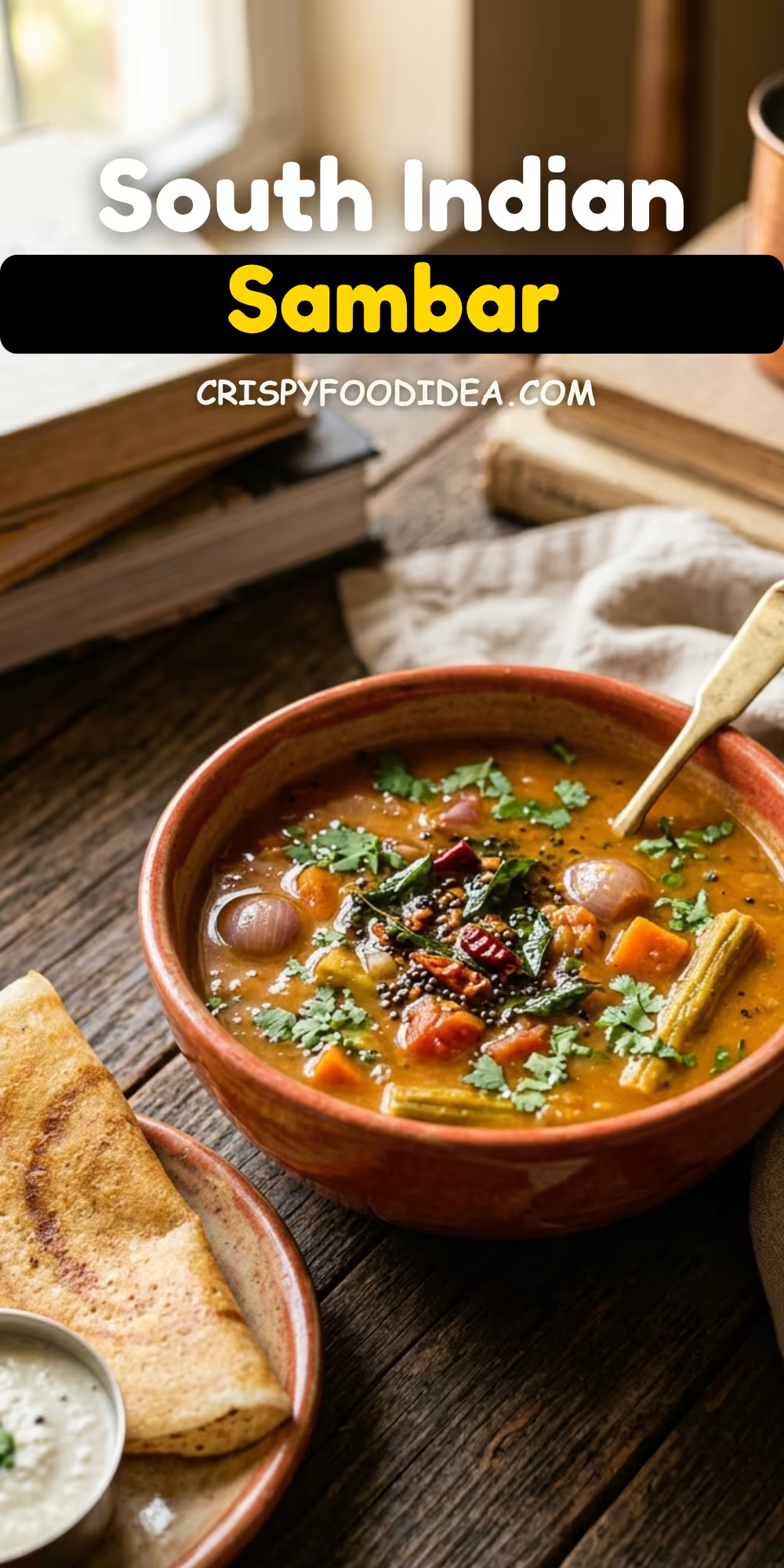
Authentic South Indian Hotel-Style Tiffin Sambar Recipe
Sambar is my favorite, and I have never met an Indian person who does not like it. Whenever I go to a restaurant, since this sambar is complimentary with any South Indian dish, I take at least 2-3 bowls and enjoy it with pleasure. Although I found this sambar recipe difficult at first, now that I have made it myself, I don’t think anything is easier.
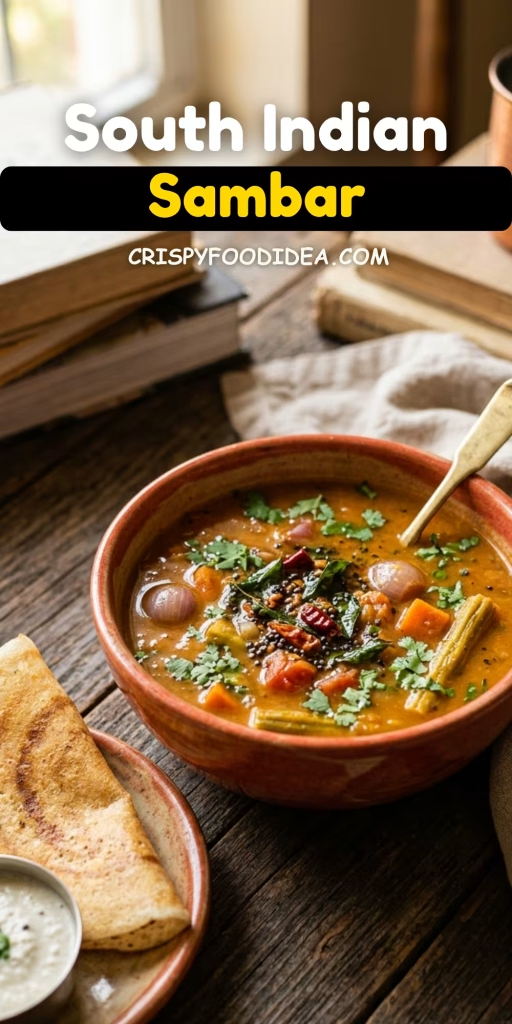
Believe me, not only as a side dish with dosa or idli, I also enjoy it with rice if I can because it’s such a favorite of mine. There is something special about a bowl of warm, aromatic South Indian hotel-style tiffin sambar served alongside soft idli, crispy dosa, or freshly fried medu vada. It is comforting, flavorful, gently tangy, and packed with the unmistakable aroma of curry leaves and traditional South Indian spices.
But I know you must have tried and made this sambar at home like me at some point or another but the taste was not at all like the restaurant one. But after trying several times, I have come to know and understand how to make hotel-style sambar for idli and dosa. That is what I am sharing with you today. Its real secret lies in balancing perfectly cooked lentils, tamarind, aromatic spices, and a flavorful tempering.
I understand that you can’t wait, so ready to make your own South Indian hotel-style sambar? Follow the recipe below for the ingredient quantities, step-by-step method, and practical tips for serving a delicious bowl of tiffin sambar at home.
Related: South Indian Coconut Chutney Recipe
Authentic South Indian Sambar (Dal) Recipe
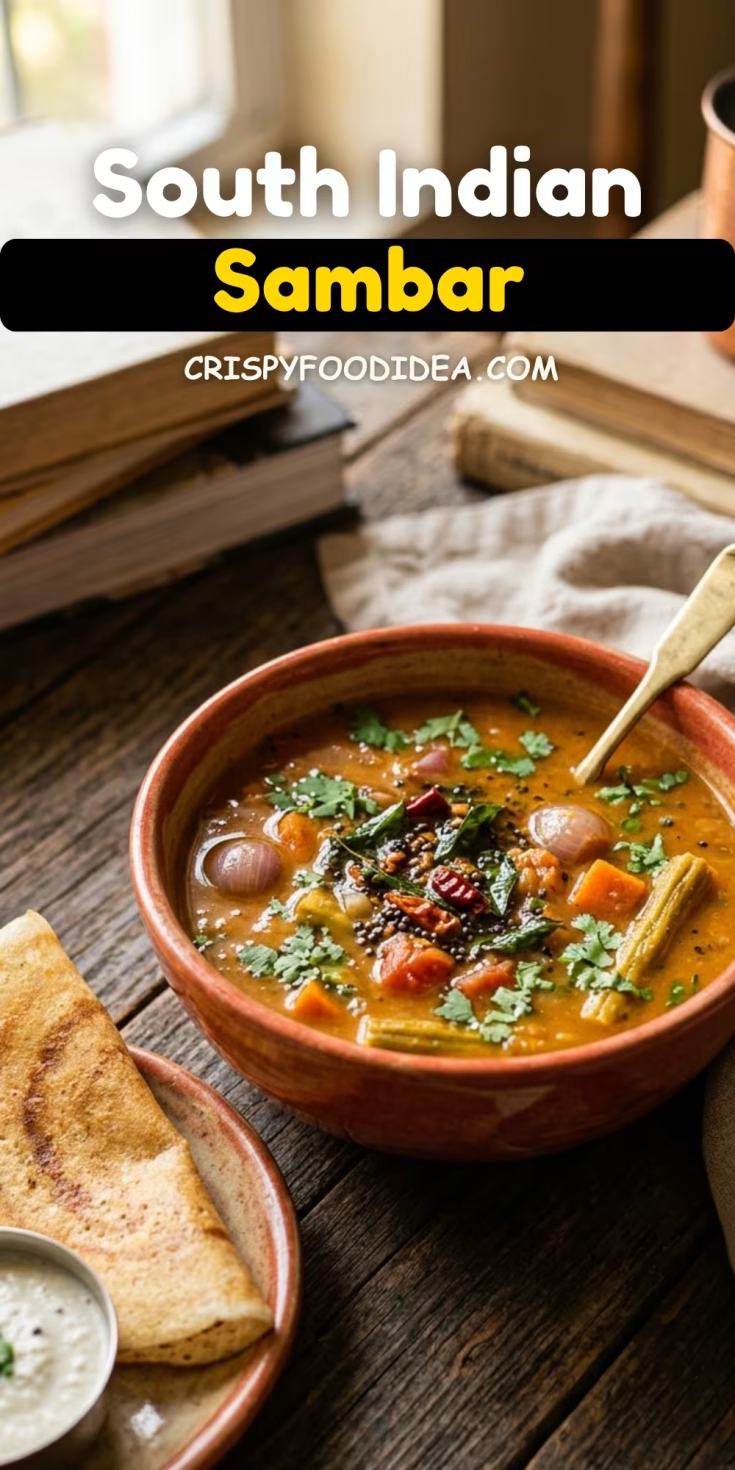
A fragrant and easy-to-pour South Indian curry made with cooked lentils, sour tamarind, small onions, and freshly roasted aromatic spices. Specially designed to be eaten with crunchy dosa, this recipe balances the sour, salty, and slightly sweet flavours without overpowering the vegetables, and is a favourite of mine.
Ingredients
For the Dal Base:
- 1/2 cup Toor Dal (Pigeon Peas)
- 1/4 cup Yellow Moong Dal (gives a smooth texture ideal for dosas)
- 2.5 cups Water
- 1/4 tsp Turmeric powder
- A pinch of Hing (Asafoetida)
For the Fresh Sambar Spice Powder:
- 1 tbsp Oil or Ghee
- 1 tbsp Chana Dal
- 1 tbsp Coriander Seeds
- 1/2 tsp Cumin Seeds
- 1/4 tsp Fenugreek Seeds (Methi)
- 3 to 4 Dried Kashmiri Red Chilies
- 2 tbsp Freshly Grated Coconut (optional, for thickness)
For the Curry & Vegetables:
- 12–15 Shallots / Sambar Onions (peeled)
- 1 medium Tomato (chopped)
- 1 small Carrot (diced)
- 1 Drumstick (cut into 2-inch pieces) or 1 small Potato (cubed)
- Small lemon-sized ball of Tamarind (soaked in 1/2 cup warm water, extracted for juice)
- 1/2 tsp Jaggery (optional, balances sourness)
- Salt to taste
- For the Tempering (Tadka):
- 1 tbsp Oil or Coconut Oil
- 1 tsp Mustard Seeds
- 1/2 tsp Cumin Seeds
- 1 sprig Curry Leaves
- 2 Dried Red Chilies
- A pinch of Hing
- Fresh coriander leaves for garnish
Instructions
- Cook the lentils in a pressure cooker: Wash the tur dal and moong dal together. Cook in a pressure cooker with turmeric, asafoetida and 2.5 cups of water for 4-5 whistles until completely soft. Mix well with a whisk or a spoon and keep aside.
- Fry and grind the spices: Heat 1 teaspoon of oil in a pan. Fry the chickpeas, coriander, cumin, fenugreek and red chillies on a low flame until fragrant. Add the grated coconut (if using) and switch off the flame. Cool and grind to a smooth paste with a few tablespoons of water.
- Boil the vegetables: Heat 1 tablespoon of oil in a cooking vessel. Add the small onion and fry for 2 minutes until lightly translucent. Add the tomatoes, carrots and sajan stalks/potatoes. Pour 1.5 cups of water along with salt and cook until the vegetables are soft.
- Mix and boil: Pour tamarind water and boil for 5 minutes until the raw tamarind smell goes away. Add freshly ground sambar masala and crushed dal. Mix well, adjust the consistency with more water if needed (keep it a bit thin/pourable for dosa). Add jaggery and cook on low flame for 5-7 minutes.
- Boil: Heat oil/ghee in a small pan. Add mustard seeds; when they splutter, add cumin seeds, dried red chillies, curry leaves and asafoetida. Pour this hot broth over the boiling sambar immediately and cover with a lid to retain the aroma.
- Serve: Garnish with finely chopped coriander leaves. Serve hot, spread over the crispy, golden dosa.
Nutrition Information:
Yield:
4Serving Size:
1Amount Per Serving: Calories: 253Total Fat: 14gSaturated Fat: 8gUnsaturated Fat: 6gCholesterol: 38mgSodium: 169mgCarbohydrates: 24gFiber: 12gSugar: 9gProtein: 12g
Related: South Indian Tomato Chutney Recipe
What Makes Hotel-Style Tiffin Sambar Recipe Special?
South Indian hotel-style tiffin sambar is a delicious and aromatic dal-based curry, traditionally served with idli, dosa, medu vada and pongal. What makes restaurant-style tiffin sambar special is its soft and well-cooked dal, the balanced sourness of tamarind, the aromatic sambar spices and its light and easy-to-pour consistency, which blends beautifully into soft idli and pairs wonderfully with crunchy dosa.
Soft, Creamy Dal
Well-cooked arahar dal makes a smooth and comforting base. In some cases, moong dal can also be added to make it even softer.
Fresh, Aromatic Spices
Sambar masala, coriander seeds, cumin, dried red chilies, mustard seeds, curry leaves, and hing build the distinctive South Indian aroma.
Balanced Tangy Flavor
Tamarind, tomatoes, and carefully balanced seasoning create a pleasant tanginess without overpowering the lentils or roasted spices.
Perfect Tiffin Consistency
Unlike many other thick rice sambars, tiffin sambar is usually thin and easy to pour, making it ideal for dipping.
The Secret to Authentic Hotel-Style Flavor
The key is to cook the lentils until they are soft, to blend the flavors of the spices without burning them, to simmer the tamarind with the other ingredients, and to adjust the amount of water gradually. Finally, add mustard seeds, curry leaves, and asafoetida to create a wonderful melding of flavors. The exact spices, vegetables, and final ingredients used may vary from region to region and restaurant to restaurant, so taste and adjust as needed during cooking.
Related: Onion Chutney Recipe
How to Make Hotel-Style Tiffin Sambar Step by Step
Follow these steps to make homemade tiffin sambar with a rich dal base and a balanced blend of salty, spicy and sour flavors. The recipe also explains when to add tamarind, ways to prevent overcooking the spices, and how to adjust its consistency before serving.
Rinse and Prepare the Lentils
First wash the urad dal and moong dal under running water until the water runs clear. Transfer the dal to a pressure cooker along with water and a little turmeric.
Cook in a pressure cooker according to your machine’s instructions until the dal is very soft and can be mashed easily. Let the pressure release safely before opening the cooker.
Roast the Spices for Fresh Sambar Masala
- If your recipe calls for freshly ground sambar masala, heat a dry pan over low to medium heat. Add the coriander, gram dal, cumin seeds, fenugreek seeds and dried red chillies as per your recipe.
- Keep stirring continuously until the ingredients release their aroma and the gram dal turns light golden in colour. Remove from the pan immediately and allow to cool before masala.
- Grind the cooled spices to a fine or slightly coarse powder, adjusting the consistency of the sambar to your liking.
Sauté the Shallots, Tomatoes and Vegetables
- Heat a little oil in a deep saucepan. Fry the small onion or shallot until soft. Add the tomatoes and any vegetables you like, such as carrots or celery stalks.
- Stir in the turmeric and a little salt. Cook until the tomatoes soften and the vegetables start to soften.
- Traditional tiffin sambar can vary from restaurant to restaurant, so keep your vegetable selection consistent with the flavor you want to create.
Add Tamarind and Develop the Tangy Base
- Stir the tamarind broth you have prepared into the boiling vegetables. If you are using thick tamarind, dissolve it in water first and stir slowly, so that you can control its sourness.
- Let the mixture cook on low heat until the raw tamarind smell subsides and the vegetables are almost soft. If the liquid reduces too quickly, add a little water.
- This step helps the tamarind flavor to blend with the tomatoes and other aromatic spices before adding the cooked lentils.
Mash the Dal and Combine the Sambar
- Blend the cooked dal until smooth, adding a little hot water if necessary. For a smoother texture, mash the dal well before adding it to the vegetable and tamarind mixture.
- Pour the dal into a saucepan. Add the remaining water required to bring the masala and liquid of your freshly made sambar to a boil.
- Mix well so that the dal, spices, and vegetable broth combine to form a cohesive base.
Simmer Until the Flavors Come Together
- Bring the sambar to a boil over low heat, stirring occasionally to prevent the lentils from sticking to the bottom of the pan. Continue cooking until the vegetables are soft and the spices are well combined with the broth.
- Taste the mixture and adjust the amount of salt, water, and spices as needed. If the tamarind is too strong, adding a pinch of jaggery will help balance the taste without making the sambar too sweet.
Prepare the Mustard Seed and Curry Leaf Tempering
- Heat oil or ghee in a small frying pan. Add the mustard seeds and let it splutter. Reduce the heat, then add the curry leaves and asafoetida, being careful as the leaves may fall apart.
- When the aroma is released, pour the splutter into the simmering sambar. Stir gently to mix the mustard seeds, curry leaves, and aromatic oil well.
- This final stage of simmering is what gives the sambar its distinctive aroma in South Indian restaurants.
Adjust the Consistency and Serve Hot
- Taste the finished sambar one last time. If it is too thick, add a little hot water and boil it for a while. If it is too thin, let it thicken slowly while stirring.
- Sprinkle chopped coriander leaves on top if desired. Serve hot with soft idlis, crumbly dosa, medu vada or ven pongal with coconut chutney or any South Indian side dish of your choice.
- For the best texture, remember that sambar often thickens when left to stand for a while, as the cooked lentils continue to absorb water.
Common Sambar Problems and How to Fix Them
Why is my tiffin sambar too thick?
The cooked lentils absorb liquid as the sambar rests. Stir in a little hot water, simmer briefly and adjust the salt and seasoning if needed.
Why does my sambar taste too sour?
The tamarind may be too concentrated or the quantity may be excessive. Add a little more cooked dal and water, then rebalance the seasoning. A small pinch of jaggery is optional.
How can I make sambar smoother?
Cook the dal until completely soft, mash or whisk it well and allow the finished mixture to simmer gently. Check that the spice mixture is ground appropriately for your recipe.
Why does homemade sambar lack restaurant-style aroma?
Check the freshness of the spices, avoid burning the roasted masala and finish with a fragrant tempering. Adjust the balance of tamarind, salt and spices after tasting rather than adding more of everything.
What to Serve With Tiffin Sambar
As I have mentioned many times before in this article, this delicious and slightly sour dal broth goes wonderfully with soft idlis, crunchy dosas, fluffy medu vadas and satisfying veen pongal. Pair it with a fresh coconut chutney or a spicy tomato chutney to create a delicious South Indian breakfast platter at home. The best pairings balance the soft texture, crunchy edge and bright, fresh taste with the warm spices of sambar.
1. Idli and Sambar: A Classic South Indian Combination
Soft, steamed idlis are one of the most popular dishes to serve with sambar in hotel tiffins. Their mild taste brings out the aromatic dal, tamarind and sambar spices. Regular idlis are good for breakfast, while mini idlis are perfect for soaking up the sambar with every bite. Serve the idlis hot and pour the sambar over them just before eating.
2. Crispy Dosa With Restaurant-Style Sambar
The crunchy, golden dosa pairs beautifully with the South Indian tiffin sambar. The contrast of the crispy dosa and the hot, savory dal broth makes this combination a satisfying breakfast or brunch dish. Serve the sambar in a separate bowl for dipping and add this crunchy dosa recipe to your breakfast menu. Serving it with chutney adds another layer of flavor.
3. Medu Vada and Sambar
Medu vadas give the dish a crunchy exterior and a soft, fluffy interior. Dip each vada into the hot tiffin sambar or pour sambar over the vadas, for a comforting South Indian tiffin-style serving. The salty taste of the dal pairs well with the mild sourness of the sambar and the crunch of the fresh curry leaves.
4. Ven Pongal With Warm Tiffin Sambar
Made with rice, moong dal, chillies, cumin seeds and ghee, Ven Pongal is a satisfying and filling South Indian breakfast. Its creaminess creates a nice contrast with the sweet and sour spicy sambar. Serve a small bowl of sambar alongside the Pongal and adjust the amount of spices in each dish so that the flavors complement each other, without overpowering one another.
5. Upma With South Indian Sambar
Another great pairing of soft vegetables with tiffin sambar is the Upama. This light semolina dish takes on the flavour of the sambar without competing with its spices. Serve the two together for a simple breakfast or light meal, or if you prefer a more varied South Indian breakfast, you can serve it with a little coconut chutney.
Easy South Indian Breakfast Combinations
You do not need to prepare an elaborate spread to enjoy homemade tiffin sambar. Choose one main dish and one complementary side based on the time you have and the texture you enjoy.
Tips for Serving Tiffin Sambar Like a South Indian Restaurant
Serve the tiffin sambar hot. The consistency should be thin enough to pour over idlis, but thick enough to gently spread on dosa and vada. Stir it before serving, taste for the right balance of salty and sour flavors, and add fresh coriander leaves as per your recipe. Keep the chutneys in separate bowls so that everyone can choose their favorite combination. For a traditional breakfast experience, serve extra sambar on the side.
Frequently Asked Questions About South Indian Sambar Recipe
1. What is South Indian hotel-style tiffin sambar?
South Indian hotel-style tiffin sambar is a flavorful lentil-based stew traditionally served with idli, dosa, medu vada and pongal. It typically combines cooked dal, tamarind, tomatoes, aromatic spices and a mustard seed and curry leaf tempering.
Compared with many versions of sambar served with rice, tiffin sambar is often lighter and more pourable, making it ideal for soaking soft idlis or dipping crispy dosa.
2. What makes hotel-style sambar taste different from homemade sambar?
The characteristic restaurant-style flavor comes from balancing the sweetness of onions and tomatoes, the tanginess of tamarind, the warmth of roasted spices and the earthy flavor of cooked lentils. Fresh curry leaves, mustard seeds and hing add another layer of aroma.
For a more authentic hotel-style sambar recipe, cook the dal until soft, simmer the spices long enough for their flavors to blend, and adjust the salt, acidity and water before serving.
3. Which dal is best for South Indian tiffin sambar?
Toor dal (split pigeon peas) is a traditional choice for South Indian sambar. It provides a creamy texture and a mild, earthy flavor. Some recipes combine toor dal with a smaller amount of moong dal to create a softer texture.
Cook the lentils until completely tender and mash them well before mixing them into the sambar. The best dal combination depends on the regional style and the consistency you prefer.
4. How do I make tiffin sambar thick, smooth and pourable?
For smooth idli and dosa sambar, cook the dal until soft and mash it thoroughly. Add water gradually while simmering so the lentils, spices and tamarind broth combine evenly.
If the sambar becomes too thick, stir in a little hot water and simmer briefly. If it is too thin, let it simmer uncovered until some excess liquid evaporates. Remember that sambar thickens as it cools.
5. Can I make hotel-style tiffin sambar without freshly ground masala?
Yes. You can prepare easy hotel-style sambar using a good-quality ready-made sambar powder. Add it according to the product instructions and your taste, since spice blends vary in heat, salt and intensity.
Freshly roasted and ground spices can provide a more distinctive aroma, but packaged sambar powder is a convenient option for everyday cooking. Avoid adding too much at once; taste and adjust after the sambar has simmered.
6. How do I make sambar less sour or tangy?
If your sambar tastes too sour, first check whether you have added too much tamarind. Add a little hot water and, if needed, more cooked dal to soften the acidity. Simmer and taste again.
A small amount of cooked onion or tomato can also help balance the flavor. Some regional recipes use a little jaggery, but it is optional. Avoid adding large amounts of sugar to cover up excessive tamarind.
7. Why does my sambar taste bland even after adding spices?
Bland sambar may need better seasoning, more thorough simmering or a more aromatic tempering rather than simply more spice powder. Check the salt first, then assess the balance of tamarind, coriander, cumin and other spices in your recipe.
A fresh tempering of mustard seeds, curry leaves and hing can brighten the aroma. Add any extra seasoning gradually and allow the sambar to simmer before tasting again.
8. Can I make tiffin sambar in a pressure cooker or Instant Pot?
Yes. A pressure cooker or Instant Pot can cook the dal until tender and reduce hands-on cooking time. Cook the onions, tomatoes, spices and tamarind according to your chosen recipe, then combine them with the cooked lentils and adjust the water.
Cooking times vary with the appliance, dal quantity and soaking time. Follow your appliance’s instructions, use the correct liquid quantity and never exceed its fill limits.
9. Can I make South Indian tiffin sambar without onion or garlic?
Yes. You can make onion-free and garlic-free tiffin sambar by omitting those ingredients and adjusting the seasoning to taste. Tomatoes, tamarind, coriander, cumin, curry leaves and other spices can still create a flavorful sambar.
If you use hing, check its ingredients if you need a strictly onion-free or garlic-free preparation, because some commercial hing products contain added ingredients.
10. Is hotel-style tiffin sambar vegan?
Traditional ingredient combinations can be vegan when prepared with lentils, vegetables, tamarind, spices and plant-based oil. However, some recipes use ghee for tempering or finishing.
To make a vegan tiffin sambar recipe, use vegetable oil instead of ghee and check the ingredients of packaged sambar powder and other prepared seasonings.
11. What vegetables can I add to tiffin sambar?
Shallots or small onions and tomatoes are common choices. Depending on the regional recipe, you can also use carrot, pumpkin, drumstick or other suitable vegetables.
Choose vegetables that cook well together and cut them into similar-sized pieces. Avoid overcrowding the pot if you want a lighter, pourable sambar for idli and dosa.
12. What should I serve with hotel-style tiffin sambar?
Serve hot South Indian tiffin sambar with soft idli, mini idli, crispy dosa, masala dosa, medu vada or ven pongal. It also pairs well with coconut chutney, tomato chutney and onion chutney.
For a classic breakfast combination, serve a bowl of sambar alongside idli or dosa and a freshly prepared chutney.
13. How should I store and reheat leftover sambar?
Cool leftover sambar promptly and transfer it to a clean, covered container in the refrigerator within two hours, or within one hour when the ambient temperature is above 90°F (32°C). Refrigerate at 40°F (4°C) or below and generally use leftovers within three to four days.
Reheat thoroughly to 165°F (74°C), stirring to distribute the heat evenly. Add a little water if refrigeration has made the sambar too thick. Discard leftovers that have been held unsafely rather than relying on smell alone.
14. Can I prepare tiffin sambar ahead of time?
Yes. You can prepare the cooked dal and spice base ahead of time, refrigerate them promptly and combine them when needed. You can also prepare the complete sambar in advance and reheat it thoroughly before serving.
Since the sambar may thicken during storage, adjust the consistency with a little water while reheating. Fresh coriander or a freshly prepared tempering can refresh the aroma just before serving.
15. What is the difference between tiffin sambar and rice sambar?
Tiffin sambar is generally prepared as a lighter, pourable accompaniment for idli, dosa, vada and other breakfast dishes. Rice sambar is often thicker or more vegetable-forward, depending on the regional style.
These are broad distinctions rather than strict rules: ingredients, consistency and spice blends vary between South Indian households, restaurants and regions.
If you like this article about the South Indian Sambar Recipe, please share this with your friends on Facebook and Pinterest. Also, subscribe to my blog to get all the latest content first on your mobile.