Easy South Indian Tomato Chutney for Dosa
There is a lot of difference between regular homemade tomato chutney and this South Indian tomato chutney. And because of this difference and uniqueness, it is served with other Indian dishes like idli, dosa, vada, utthapam. So don’t think that this South Indian tomato chutney recipe is very difficult. Believe me, it is very easy to make, and I have made it many times and am sharing my experience with you so that you can also make it easily like me.
Let me tell you that South Indian Tomato Chutney for Dosa is sweet and sour, aromatic, slightly spicy, and full of traditional South Indian flavours. Made with ripe tomatoes, onions, garlic, dried red chillies, roasted chana dal, urad dal, and a little tamarind, this tomato chutney recipe for dosa brings a satisfying balance of sourness, mild spiciness, and delicious richness.
You can also call it tomato chutney, onion tomato chutney, or thakkali chutney, and another great thing about this chutney or South Indian condiment is that it is very versatile and you can customize it to your liking.
You can make this homemade tomato chutney for idli and dosa with everyday ingredients and serve it as part of a comforting breakfast or a traditional South Indian tiffin platter. Follow the steps below for a flavorful chutney with balanced tanginess, aromatic tempering, and a texture that pairs beautifully with dosa.
*Use plant-based oil and verify that all ingredients meet your dietary requirements.
Related: South Indian Coconut Chutney Recipe
South Indian Tomato Chutney Recipe
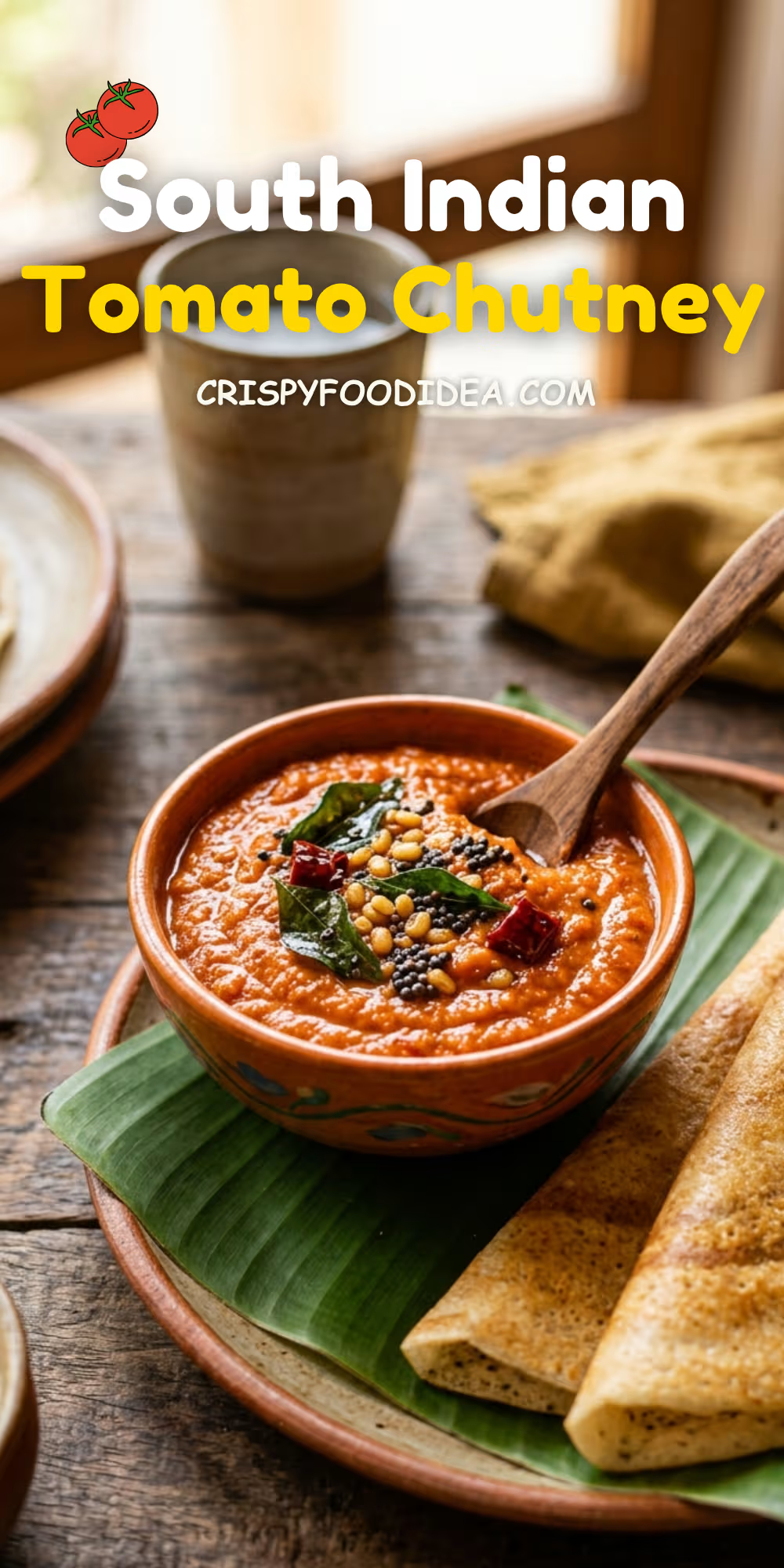
A vibrant, sweet-sour and tangy South Indian tomato chutney, infused with mustard seeds and curry leaves, is what I made today. Perfectly balanced with the mild aroma of garlic and roasted lentils, this instant chutney is simply amazing with crunchy dosa, idli and uttapam. This is one of my favorite chutney recipes.
Ingredients
For Sautéing & Blending:
- Vegetable Oil: 1 tbsp
- Chana Dal (Bengal Gram): 1 tbsp
- Urad Dal (Split Husked Black Gram): 1 tbsp
- Dry Red Chillies: 3-4 (adjust to taste preference)
- Garlic Cloves: 3-4, roughly chopped
- Onion: 1 medium, chopped
- Ripe Tomatoes: 3 large, chopped
- Tamarind: Small marble-sized piece
- Salt: To taste
For Tempering (Tadka):
- Oil: 1 tsp
- Mustard Seeds: ½ tsp
- Urad Dal: ½ tsp
- Curry Leaves: 8-10 leaves
- Asafoetida (Hing): A tiny pinch
Instructions
- Fry the lentils and spices: Heat 1 tbsp oil in a pan on medium heat. Add the chickpeas, 1 tbsp bily dal and dried red chillies. Fry until the lentils are light golden brown and fragrant.
- Fry the onions and garlic: Add the garlic cloves and chopped onion. Cook until the onion is translucent (2-3 minutes).
- Cook the tomatoes: Add the chopped tomatoes, tamarind and salt. Cook on medium heat until the tomatoes are completely soft, mushy and release their juices (6-8 minutes). Turn off the heat and let the mixture cool to room temperature.
- Blend: Pour the cooled tomato-onion mixture into a blender jar. Make a smooth paste without adding water (you can add a little water if needed). Pour into a serving bowl.
- Fry (tadka): Heat 1 tsp oil in a small pan. Add mustard seeds and let it boil. Add half a teaspoon of bee dal, curry leaves and a pinch of asafoetida. Fry for a few seconds, until the curry leaves become crispy.
- Final step: Before serving, pour the hot broth directly over the blended chutney and mix gently.
Notes
Serve fresh alongside hot, crispy dosas, fluffy idlis, or vada. Store leftover chutney in an airtight container in the refrigerator for up to 3 days.
Related: Onion Chutney Recipe
What Makes This South Indian Tomato Chutney Special?
Quite simply, this South Indian tomato chutney for dosa is made by simmering ripe tomatoes, fragrant garlic, roasted lentils, dried red chillies and fragrant curry leaves. The result is a sweet-sour, salty and slightly spicy chutney that goes wonderfully with crunchy dosa, soft idli, uttapam and other popular South Indian breakfast dishes.
Fresh, Tangy Tomato Flavor
Ripe tomatoes give the chutney a bright, sweet-sour flavor and attractive red color. Cooking the tomatoes until soft reduces their raw sourness, and the onions, garlic, and spices combine to create a balanced tomato chutney for dosa.
Aromatic South Indian Tempering
Mustard seeds, curry leaves, and lightly golden urad dal provide the signature aroma of a classic South Indian chutney. Adding tempering at the end gives every spoonful a fragrant, savory finish that complements hot dosas and idlis.
Rich Flavor Without Coconut
In this method, roasted chickpeas and betel nuts give the dish a dense and slightly nutty flavor without relying on coconut. They help create a satisfying texture while allowing the tomatoes, chilies, garlic, and tamarind to be the main attraction.
Perfect for Dosa and Idli
This versatile tomato chutney goes great with crunchy dosas, soft idlis, fluffy uttapams and savory bada. Serve it with coconut chutney and tiffin sambar to create a more complete South Indian breakfast thali at home.
Easy for Everyday Cooking
Made using common kitchen ingredients and a simple stovetop method, this homemade tomato chutney is perfect for breakfast or afternoon snack. Adjust the amount of chili, consistency, and spiciness to your family’s liking.
Easy to Customize
Want a milder chutney? Reduce the amount of dried red chilies. Want it thicker? Add water gradually while blending. For a more intense sour taste, carefully adjust the amount of tamarind by tasting. These small changes will help you make the chutney your own while still retaining its South Indian character.
Related: South Indian Sambar Recipe
Ingredients for South Indian Tomato Chutney
The real secret to the most delicious South Indian tomato chutney for dosa is to balance the right amount of ripe tomatoes, aromatic garlic, roasted lentils, dried red chilies, and a fragrant mustard seed tempering. Only then will you get the perfect tangy, savory, mildly spicy flavor from this tomato chutney recipe that is perfect as an accompaniment to crispy dosa, idli, uttapam, and other South Indian breakfast favorites.
Main Ingredients for Tomato Chutney
Measure the ingredients before cooking for an easier, more consistent homemade tomato chutney.
For the Tomato Chutney
Ripe Tomatoes
4 medium (about 500 g)Onion
1 medium, choppedGarlic Cloves
3 clovesChana Dal
1 tablespoonUrad Dal
1 teaspoon for the chutneyDried Red Chilies
2–3, adjusted to tasteTamarind
1 teaspoon pulp, or to tasteSalt
About ½ teaspoon, to tasteCooking Oil
1 tablespoonIngredients for the South Indian Tempering
A simple tadka, or tempering, adds the signature aroma that makes tomato chutney taste wonderful alongside dosa and idli.
Mustard Seeds
½ teaspoonFresh Curry Leaves
8–10 leavesUrad Dal for Tempering
1 teaspoonAsafoetida (Optional)
1 small pinchTomatoes and tamarind both contribute acidity. If your tomatoes are very sour, reduce the tamarind and taste before adding more. The goal is a balanced, tangy tomato chutney—not an overwhelmingly sour one.
Abhijit’s Ingredient Tips
- For vibrant color: Use ripe red tomatoes and choose dried red chilies suited to your preferred heat level.
- For a thicker chutney: Add water gradually during blending instead of pouring in a large amount at once.
- For deeper flavor: Roast the lentils until lightly golden, but avoid burning them.
- For a coconut-free recipe: This ingredient list contains no coconut, making it a useful alternative to coconut chutney.
- For a smoother finish: Cook the tomatoes until completely soft before blending the mixture.
Ready to make homemade tomato chutney?
Once your ingredients are measured, the next step is to roast the lentils,
sauté the aromatics, cook the tomatoes, blend everything, and finish with
a fragrant mustard seed and curry-leaf tempering.
How to Make Tomato Chutney for Dosa
1. Prepare the ingredients
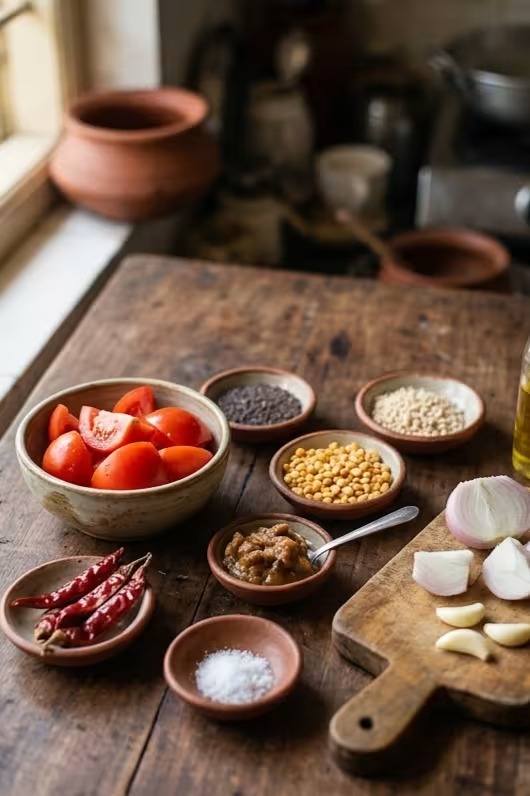
Wash and chop 4 medium-sized ripe tomatoes (about 500 grams). Peel and roughly chop 1 medium-sized onion and 3 cloves of garlic. Measure out 1 tablespoon of chickpeas, 1 teaspoon of beuli dal, 2-3 dried red chilies, 1 teaspoon of tamarind paste, and about ½ teaspoon of salt.
Separately prepare the ingredients for the stew: ½ teaspoon of mustard seeds, 1 teaspoon of beuli dal, 8-10 curry leaves, and 1 tablespoon of oil, or use the amount mentioned in your final recipe card.
2. Fry the lentils and dried red chillies
Heat a little oil in a pan over medium-low heat. Fry the chickpeas and betel leaves, stirring constantly, until the lentils turn light golden brown and release a nutty aroma. Finally, add the dried red chillies and fry briefly until fragrant.
Remove the fried ingredients to a plate. These lentils add depth to this South Indian tomato chutney recipe without coconut and help give it a rich texture.
3. Fry the onion and garlic
In the same pan, add the remaining cooking oil if necessary. Add the chopped onion and fry for a few minutes until soft. Add the garlic and cook for a few minutes until fragrant.
Cooking the onion and garlic before adding the tomatoes reduces their raw smell and makes a delicious base for this tomato chutney for dosa and idli.
4. Cook until the tomatoes are soft
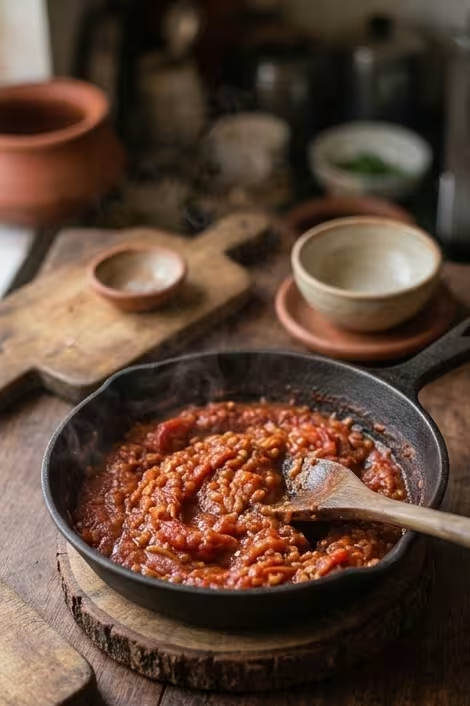
Add the chopped tomatoes, fried lentils, dried chillies, and tamarind paste to the pan. Season well with salt. Cook over medium heat, stirring occasionally, until the tomatoes release their juices and become completely soft.
Depending on the tomatoes and the pan, this may take around 7-10 minutes. The mixture will look thick and pulpy, and there will be no hard tomato pieces in it.
5. Cool the tomato chutney and blend it
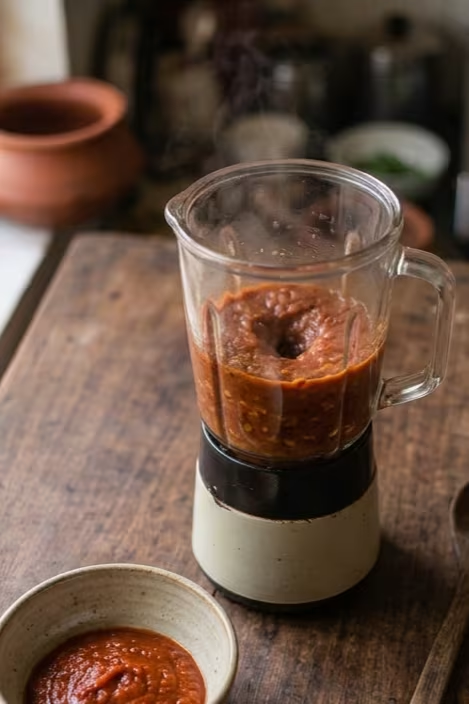
Turn off the heat and let the cooked mixture cool to the touch. Transfer it to a mixer grinder or blender and blend it until it is smooth or slightly grainy, as per your preference.
Add water only if needed to help the blades rotate. For a thick chutney that will stick well to the dosa, start with very little water and gradually adjust the amount of water.
6. Make mustard seed and curry leaf tempering
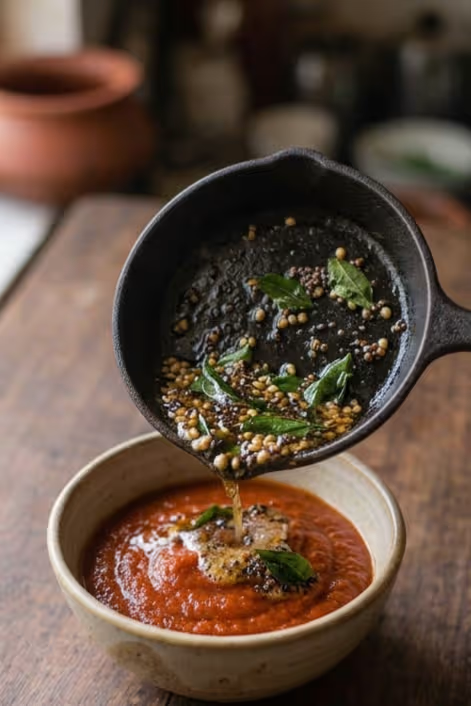
Heat oil for frying in a small pan. Add mustard seeds and let it splutter. Fry with betel leaves till light golden. Carefully add curry leaves and fry for a while.
Pour this fragrant gravy over the blended tomato chutney and mix gently. This final step adds the aroma, texture, and familiar taste associated with traditional South Indian chutneys to the dosa.
7. Taste, add salt as required, and serve
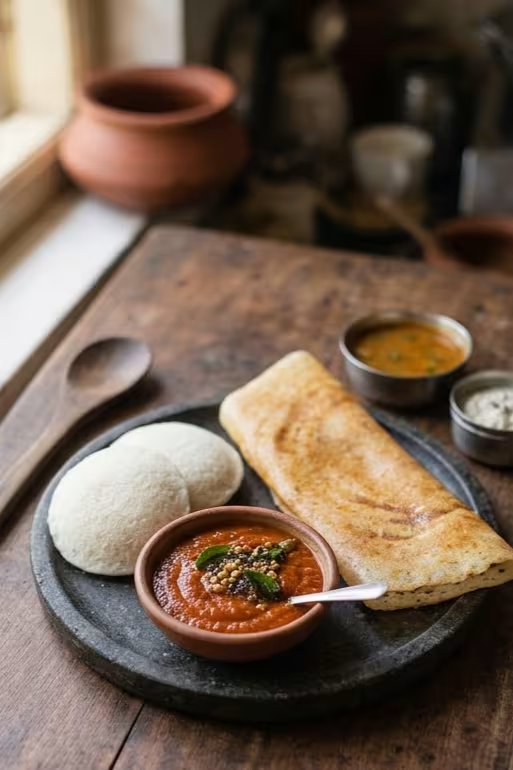
Taste the chutney after boiling. Adjust salt and consistency as required. If it tastes too sour, first check if it needs to be cooked for a while; if it is too thick, add a little water and blend.
Serve your homemade tomato chutney with hot dosa, idli, uttapam or medu vada. It also goes well as part of a South Indian breakfast platter with sambar and coconut chutney.
My Tips for the Best Tomato Chutney
Although I don’t remember exactly, I have made this tomato chutney at least 100 times. So from my experience, I am telling you that there are a few small tips which if you follow, you will be able to make the perfect South Indian tomato chutney the first time.
Choose Ripe, Flavorful Tomatoes
Use ripe, firm tomatoes for natural bright color and balanced acidity. Too much sour tomatoes can make the chutney overly strong. If your tomatoes are particularly strong in flavor, add less tamarind at first and adjust the amount of salt and spices after cooking.
Roast the Lentils Slowly
Roast the chana dal and urad dal on medium-low heat until they are lightly golden and fragrant. This step adds a delicious roasted flavor and makes the South Indian tomato chutney thicker and richer. Keep stirring continuously to prevent the dal from burning.
Cook the Tomatoes Until Soft
Cook the onion, garlic and tomatoes until the tomatoes are soft and jammy and most of the excess moisture has been reduced. Proper cooking reduces the raw taste of the tomatoes and helps in making a delicious tomato chutney recipe for dosa.
Balance Tanginess and Spice
Add dried red chillies to your liking for spiciness and if the tomatoes are already sour, use a little tamarind. Taste the cooked mixture before blending and make small changes as needed. A good chutney should not taste too sour, but rather slightly sour, salty and pleasantly spicy.
Blend to Your Preferred Consistency
Allow the cooked ingredients to cool to the touch before blending. Add the water gradually rather than all at once. For crunchy dosa, a thick, spoonable chutney is often ideal, as it sticks to each bite without running off the plate.
Never Skip the South Indian Tempering
Heat the oil, add the mustard seeds and scatter them. Add the urad dal and cook until lightly golden, then add the curry leaves and any optional asafoetida. Pour the aromatics over the blended chutney for the signature aroma of South Indian tomato chutney.
Fix Watery or Overly Thick Chutney
If your tomato chutney is too thin, reduce the heat for a while to evaporate the excess moisture. If it is too thick, blend it by adding water little by little. Adjust the consistency gradually, so that the chutney remains thick and tasty and is easy to serve with dosa, idli or uttapam.
Store Leftovers Safely
Store the remaining tomato chutney in a clean, airtight container and refrigerate immediately. Use a clean spoon each time you serve. Heat only the amount you need and discard the chutney if it has been stored for too long or shows signs of spoiling.
My Favorite Variations You Can Try
I mentioned at the beginning that this South Indian tomato chutney is very easy to customize. With a few simple ingredient changes, you can make your chutney extra spicy, wonderfully tangy, mildly sweet, or full of roasted onion and garlic flavor. Here I am sharing with you some of my favorite variations that I have tried myself. Hope you too will love eating them with dosa, idli, or uttapam.
Spicy South Indian Kara Tomato Chutney
If you like spicy flavors, you can try a spicy kara chutney made with ripe tomatoes, dried red chilies, garlic and aromatic mustard seeds. This tangy tomato chutney goes especially well with plain dosa, crunchy dosa and soft idli.
Flavor tip: Add chilies gradually and remove their seeds if you prefer a milder heat.
Onion Tomato Chutney for Dosa
For those who prefer a deeper, more savory flavor, onion-tomato chutney is a popular option. Fry the chopped onion until soft, then add tomatoes, garlic, and spices. The cooked onion balances the natural acidity of the tomatoes and gives this homemade chutney a fuller flavor.
Flavor tip: Cook the onions until translucent and lightly golden before adding the tomatoes.
Tomato Chutney Without Onion and Garlic
For a simpler tomato chutney without onion and garlic, cook ripe tomatoes with dried red chilies, roasted chana dal, salt, and a little tamarind if needed. Blend everything smoothly and finish with mustard seeds and curry leaves. This version keeps the tomato flavor at the center.
Flavor tip: Roast the chilies carefully to release their aroma without burning them.
Tomato Coconut Chutney
For a softer, creamier variation, blend cooked tomatoes with fresh grated coconut. Coconut adds richness and tempers the sharp acidity of the tomatoes, creating a delicious tomato coconut chutney for dosa, idli, and South Indian breakfast platters.
Flavor tip: Add coconut gradually so you can control the thickness and balance of flavors.
Tangy Tomato Chutney Without Tamarind
You can make tomato chutney without tamarind when your tomatoes are already pleasantly tart. Cook them until completely soft, blend with the aromatics, and adjust the seasoning. This variation has a straightforward tomato-forward flavor without an extra souring ingredient.
Flavor tip: Taste the cooked tomatoes first; add tamarind only if you need more tang.
Garlic Tomato Chutney
Garlic tomato chutney is a flavorful option for anyone who loves a strong, savory aroma. Sauté extra garlic gently with the onion, then add the tomatoes and chilies. Blend the mixture and finish with a classic South Indian tempering for a chutney that complements plain dosa and savory snacks.
Flavor tip: Cook garlic over medium-low heat to avoid a bitter, burnt taste.
Restaurant-Style Tomato Chutney
For a restaurant-style tomato chutney, focus on well-cooked tomatoes, properly roasted lentils, balanced seasoning, and a smooth but not watery consistency. A fresh tempering of mustard seeds, urad dal, and curry leaves adds the familiar aroma associated with a South Indian tiffin meal.
Flavor tip: Add water a little at a time while blending to keep the chutney thick enough for dosa.
Thick Tomato Chutney with Roasted Lentils
If you prefer a thicker tomato chutney for dipping, use roasted chana dal or urad dal in your recipe. These lentils contribute body and a pleasant roasted flavor. This variation works well when you want the chutney to cling to a crispy dosa rather than run across the plate.
Flavor tip: Let the lentils cool slightly before blending, and add liquid only as needed.
Which Tomato Chutney Variation Should You Try First?
Choose spicy kara tomato chutney for extra heat, onion tomato chutney for a deeper savory taste, or tomato coconut chutney for a creamier texture. Whichever version you choose, serve it fresh with hot dosa, idli, or uttapam for a delicious South Indian breakfast.
Recipe note: These are variations on the main recipe, so ingredient quantities, cooking time, and texture may differ. Adjust the seasoning to suit your taste.
What to Serve With Tomato Chutney
You don’t have to tell me or explain to me what to serve this South Indian Tomato Chutney with. But even then, I have given it briefly, so that it is easy for you to understand. But not only with idli, dosa or utthapam, there are many other amazing recipes that may be new to you. They are my favorites. Try these delicious tomato chutney pairing ideas for a satisfying breakfast, lunch, or evening snack.
1. South Indian Breakfast and Tiffin Ideas
These comforting dishes let the bold flavor of tomato chutney stand out without relying on the most obvious pairings.
1. Paniyaram (Kuzhi Paniyaram)
Soft on the inside and slightly crunchy on the outside, Paniyaram is made with a mixture of fermented rice and pulses. Serve the savory version hot with tomato chutney for a delicious breakfast or afternoon snack. The chutney adds a bright, tangy flavor contrast to the mild flavor mix.
Breakfast favorite2. Adai (South Indian Lentil Pancakes)
Adai is a nutritious and delicious South Indian pancake made from a thick batter of various lentils, rice, spices and fresh vegetables. It does not need to be fermented overnight like traditional dosa and is wonderfully crispy on the outside and soft and delicious on the inside.
Hearty and savory3. Pesarattu (Green Gram Dosa)
Pesarattu is a traditional Andhra-style pancake made from green moong dal. Its subtle lentil flavor pairs perfectly with the notes of tomato, garlic, and chili found in the accompanying chutney. To make your breakfast even more aromatic and enjoyable, you can add a little ginger to the pancake batter.
Andhra-inspired4. Ragi Roti
Ragi roti is a rustic flatbread made with finger millet flour and spices. Its savory flavor pairs nicely with tomato chutney, particularly when the chutney is thick enough to spread or scoop. Serve with sautéed vegetables for a simple, filling meal.
Millet-based option5. Akki Roti
This Karnataka-style rice flour flatbread often includes onion, green chili, coriander, and cumin. Tomato chutney brings acidity and a gentle heat that complements the toasted edges of akki roti. It is an excellent alternative to a standard breakfast pancake.
Karnataka classic6. Ven Pongal
Ven pongal combines rice, moong dal, black pepper, cumin, and ghee for a soft, comforting dish. A spoonful of tangy tomato chutney balances its creamy texture and savory richness. For a fuller South Indian breakfast, serve it alongside sambar.
Comfort food2. Rice Dishes and Everyday Meals
Tomato chutney can also brighten a simple lunch or dinner, especially when served with lightly seasoned grains.
7. Curd Rice
Cooling curd rice is a natural contrast to spicy tomato chutney. The creamy yogurt and rice soften the chutney’s acidity, creating a balanced meal. Add a small serving of chutney on the side rather than mixing in too much at once.
Cool and tangy8. Lemon Rice
Lemon rice is seasoned with mustard seeds, curry leaves, turmeric, and lemon juice. Pair it with a modest serving of tomato chutney when you enjoy bold flavors. If both taste too tangy together, reduce the lemon in the rice or choose a milder chutney portion.
Bright flavors9. Coconut Rice
Mild coconut rice makes a pleasant contrast to a spicy, tomato-based condiment. The gentle coconut aroma rounds out the chutney’s sharpness. Serve with a vegetable stir-fry or roasted peanuts for extra texture.
Mild and aromatic10. Ghee Rice
Fragrant ghee rice is simple enough to let tomato chutney shine. Its buttery aroma complements the roasted lentils and spices in the chutney. Add a bowl of dal or a lightly cooked vegetable side to make a more complete meal.
Simple rice pairing3. Savory Snacks and Light Bites
For tea-time snacks and casual entertaining, use tomato chutney as a flavorful dip or spread.
11. Masala Vazhakkai (Raw Banana Fry)
Crisp, spice-coated raw banana slices provide a starchy, savory bite that pairs well with tomato chutney. Serve the chutney as a dipping sauce and adjust the chili level in the banana fry to keep the combination balanced.
Crispy snack12. Vegetable Cutlets
Golden vegetable cutlets made with potato, peas, carrots, or beans become more exciting with a spoonful of spicy tomato chutney. Use it as an alternative to ketchup for a homemade Indian-style snack or party platter.
Party snack13. Steamed Kozhukattai
Savory rice-flour kozhukattai can be served with tomato chutney for a simple South Indian snack. Choose a savory filling or plain version rather than a sweet filling, so the tangy condiment complements the dish.
Steamed and savory14. Sundal
South Indian sundal is made with legumes such as chickpeas or black-eyed peas, usually seasoned with mustard seeds, curry leaves, and coconut. A small portion of tomato chutney adds extra acidity and spice to this protein-rich snack.
Legume-based snack4. More Creative Ways to Enjoy Tomato Chutney
These options are useful when you have leftover chutney or want to experiment beyond a traditional tiffin platter.
15. Savory Besan Chilla
Chickpea-flour chilla is a thin, savory pancake that cooks quickly on a skillet. Spread tomato chutney over it or serve the chutney on the side. Add finely chopped spinach, onion, or grated vegetables to the batter for a more substantial meal.
Quick meal16. Stuffed Vegetable Paratha
A potato, cauliflower, or paneer paratha can be served with tomato chutney when you want a tangy alternative to yogurt or pickle. Use a moderate amount of chutney so the filling’s flavor remains noticeable.
Indian flatbread17. Savory Millet Upma
Vegetable millet upma has a soft, fluffy texture and a mild flavor that works with spicy tomato chutney. Serve a small bowl of chutney alongside the upma for a practical breakfast or light lunch.
Millet meal18. Grilled Paneer Sandwich
Spread a thin layer of thick tomato chutney inside a paneer and vegetable sandwich before grilling. It adds a savory, tangy kick and can replace a conventional sandwich spread. Keep the chutney thick to avoid making the bread soggy.
Fusion ideaIf your tomato chutney is very spicy, serve it with a mild dish such as curd rice, coconut rice, or ven pongal. If the chutney is mild and tangy, try it with adai, akki roti, or savory cutlets. Thick chutney works best as a sandwich spread, while a slightly looser consistency is convenient for dipping and spooning over rice dishes.
Storage, Reheating and Food Safety
Homemade South Indian tomato chutney is a delicious accompaniment for dosa, idli, and uttapam, and it can be prepared in advance. To preserve the fresh flavor of the tomatoes, the aromatic tempering of curry leaves, and the smooth texture, store any leftover chutney promptly; use clean utensils, and when serving, reheat only the amount you need.
How to Store Tomato Chutney in the Refrigerator
Allow the steam to escape from the chutney completely, then transfer it to a clean, shallow, airtight container and place it in the refrigerator promptly. Do not leave it sitting on the kitchen counter until it reaches room temperature.
How to Reheat Tomato Chutney
Place the desired portion of food in a small saucepan and heat over low to medium heat, stirring regularly. If the food becomes too thick, add a teaspoon of water. When reheating leftovers, use a food thermometer to ensure the food reaches a temperature of 165°F (74°C).
How Long Does Tomato Chutney Last?
As a precautionary guideline, properly stored cooked food—kept in the refrigerator—should be consumed within 3 to 4 days. This is a general recommendation for leftovers; it does not guarantee the shelf life of every specific recipe for tomato chutney.
Keep Every Serving Fresh
Always use a clean, dry spoon, and do not return any chutney from a serving dish back into its original storage container. If the chutney has been kept outside of the safe temperature range, discard it—even if it looks or smells perfectly normal.
Step-by-Step: Refrigerating Homemade Tomato Chutney
- Prepare a clean container. Choose a food-safe container with a tight-fitting lid.
- Divide larger batches. Transfer the chutney into shallow containers to help it cool quickly and evenly.
- Refrigerate promptly. Place the chutney in the refrigerator within the recommended food-safety time limit. Do not wait for it to become completely cold on the counter.
- Label the container. Write the preparation date on it so you can track how long the chutney has been stored.
- Serve hygienically. Take out only what you need for your dosa breakfast and keep the remaining chutney refrigerated.
How to Reheat Tomato Chutney Without Losing Its Flavor
Refrigerated tomato chutney may become thicker as the roasted lentils absorb moisture. Gentle reheating with a little water can restore a spoonable consistency without making the chutney watery.
- Stovetop method: Place the required portion in a saucepan, stir frequently and heat evenly to 165°F (74°C).
- Microwave method: Transfer the chutney to a microwave-safe bowl, cover loosely with a suitable lid, stir during heating and check the temperature in several places.
- Adjust the texture: Add small amounts of water if needed. Avoid adding extra tempering oil merely to compensate for a thick texture.
- Serve immediately: Pair the reheated chutney with freshly prepared dosa, idli or uttapam.
Tomato Chutney Storage Guide
| Storage method | Practical guidance |
|---|---|
| Room temperature | Refrigerate within 2 hours, or within 1 hour above 90°F (32°C). |
| Refrigerator | Keep at or below 40°F (4°C); use properly handled cooked leftovers within 3 to 4 days. |
| Freezer | Freeze promptly in suitable airtight portions if you need longer storage. Texture and flavor may change after thawing; the ideal storage period for this particular chutney has not been established here. |
| After reheating | Reheat to 165°F (74°C). Refrigerate any remaining portion promptly and do not repeatedly warm the entire batch. |
These are general food-safety recommendations for cooked leftovers. Ingredient acidity, handling, refrigerator temperature and contamination can affect how well a particular batch keeps.
Discard the chutney if it has been left outside safe temperature limits, shows mold or unexpected changes, or you are unsure whether it was handled safely. Do not taste food to determine whether it is safe. Normal appearance and smell do not guarantee that harmful bacteria are absent.
Frequently Asked Questions About South Indian Tomato Chutney
1. What makes South Indian tomato chutney perfect for dosa?
South Indian tomato chutney combines ripe tomatoes, onion, garlic, dried red chilies, roasted lentils, and aromatic tempering for a tangy, savory, and mildly spicy flavor. The roasted chana dal and urad dal help create a fuller texture, while mustard seeds and curry leaves add a traditional South Indian aroma. Serve it with crispy dosa, soft idli, uttapam, or medu vada for a delicious homemade breakfast.
2. Can I make tomato chutney for dosa without coconut?
Yes! This South Indian tomato chutney recipe does not require coconut. Cooked tomatoes, onion, garlic, and roasted lentils provide flavor and body without coconut. It is a great option when you want a tangy, spicy chutney to serve with dosa or idli. Blend the cooked ingredients with a little water at a time until you reach your preferred consistency.
3. How do I make tomato chutney less sour?
To make tomato chutney less sour, start with ripe tomatoes and cook them until they soften completely. If the chutney still tastes too tangy, add a little more cooked onion or a small amount of roasted chana dal to balance the flavor. If you used tamarind, reduce it the next time. Taste before adding extra salt or other ingredients, and adjust gradually rather than adding too much at once.
4. How can I make spicy South Indian tomato chutney?
For a spicier tomato chutney, increase the number of dried red chilies according to your heat preference. You can also use a hotter variety of chili, but add it gradually because heat levels vary. Sauté the chilies with the other ingredients so their flavor develops before blending. For a milder chutney, remove some chili seeds or use fewer chilies. The goal is to balance heat with the natural sweetness and acidity of the tomatoes.
5. Why is my tomato chutney watery, and how can I thicken it?
Tomato chutney can become watery when the tomatoes release excess moisture or too much water is added during blending. To thicken it, simmer the blended chutney uncovered for a few minutes, stirring frequently, until some moisture evaporates. Roasted chana dal can also help give the chutney more body when incorporated into the recipe. Next time, add water gradually and cook the tomatoes until they are soft and their excess liquid has reduced.
6. Can I make onion tomato chutney without garlic?
Absolutely. You can prepare onion tomato chutney without garlic by omitting it and following the remaining cooking steps. Onion, ripe tomatoes, dried red chilies, and roasted lentils still create a flavorful South Indian chutney for dosa and idli. Adjust the seasoning to taste, and use clean utensils to avoid introducing unwanted ingredients.
7. What gives restaurant-style tomato chutney its red color?
Ripe red tomatoes and dried red chilies contribute most of the color in homemade tomato chutney. The chili variety, tomato ripeness, and ingredient proportions all affect the final shade. Cook the ingredients until soft and blend them thoroughly for a smooth, even appearance. Avoid burning the chilies, since burnt spices can make the chutney taste bitter. You do not need artificial coloring to make an appetizing red chutney.
8. How long does homemade tomato chutney last in the refrigerator?
Transfer leftover tomato chutney to a clean, airtight container and refrigerate it promptly at 40°F (4°C) or below. For cooked leftovers, general food-safety guidance recommends using them within 3 to 4 days, provided they were handled and refrigerated safely. Use a clean spoon each time, and discard chutney that has been left at room temperature for more than 2 hours, or more than 1 hour when temperatures exceed 90°F (32°C). Do not rely on smell alone to determine whether food is safe.
9. Can I prepare South Indian tomato chutney ahead of time?
Yes. You can prepare tomato chutney ahead of time for a quick breakfast or meal-prep routine. Allow it to stop steaming heavily, transfer it to a shallow, clean container, and refrigerate it promptly rather than leaving it out to cool for an extended period. Prepare only the quantity you can store and use safely. Stir the chutney before serving and adjust its consistency if necessary.
10. What is the difference between tomato chutney and coconut chutney?
Tomato chutney generally has a tangy, savory flavor from cooked tomatoes, chilies, and aromatics. Coconut chutney is typically creamier and milder, with coconut providing its characteristic richness. Both are popular South Indian accompaniments for dosa and idli. You can serve them together to offer contrasting flavors on the same breakfast plate.
11. What can I serve with South Indian tomato chutney besides dosa?
Tomato chutney pairs well with idli, uttapam, medu vada, pesarattu, and other savory Indian breakfast dishes. It can also accompany savory snacks or a South Indian tiffin platter with sambar and coconut chutney. Its tangy, spicy flavor complements foods that are relatively mild, crisp, or soft in texture.
12. Can I freeze homemade tomato chutney?
You can freeze tomato chutney in a freezer-safe, airtight container, leaving a little room for expansion. Divide it into meal-sized portions so you only thaw what you need. Thaw it in the refrigerator and reheat it thoroughly before serving. The texture and aroma of the tempering may change after freezing, so test a small batch first if you want to preserve the original consistency.
If you like this article about the South Indian Tomato Chutney Recipe, please share this with your friends on Facebook and Pinterest. Also, subscribe to my blog to get all the latest content first on your mobile.