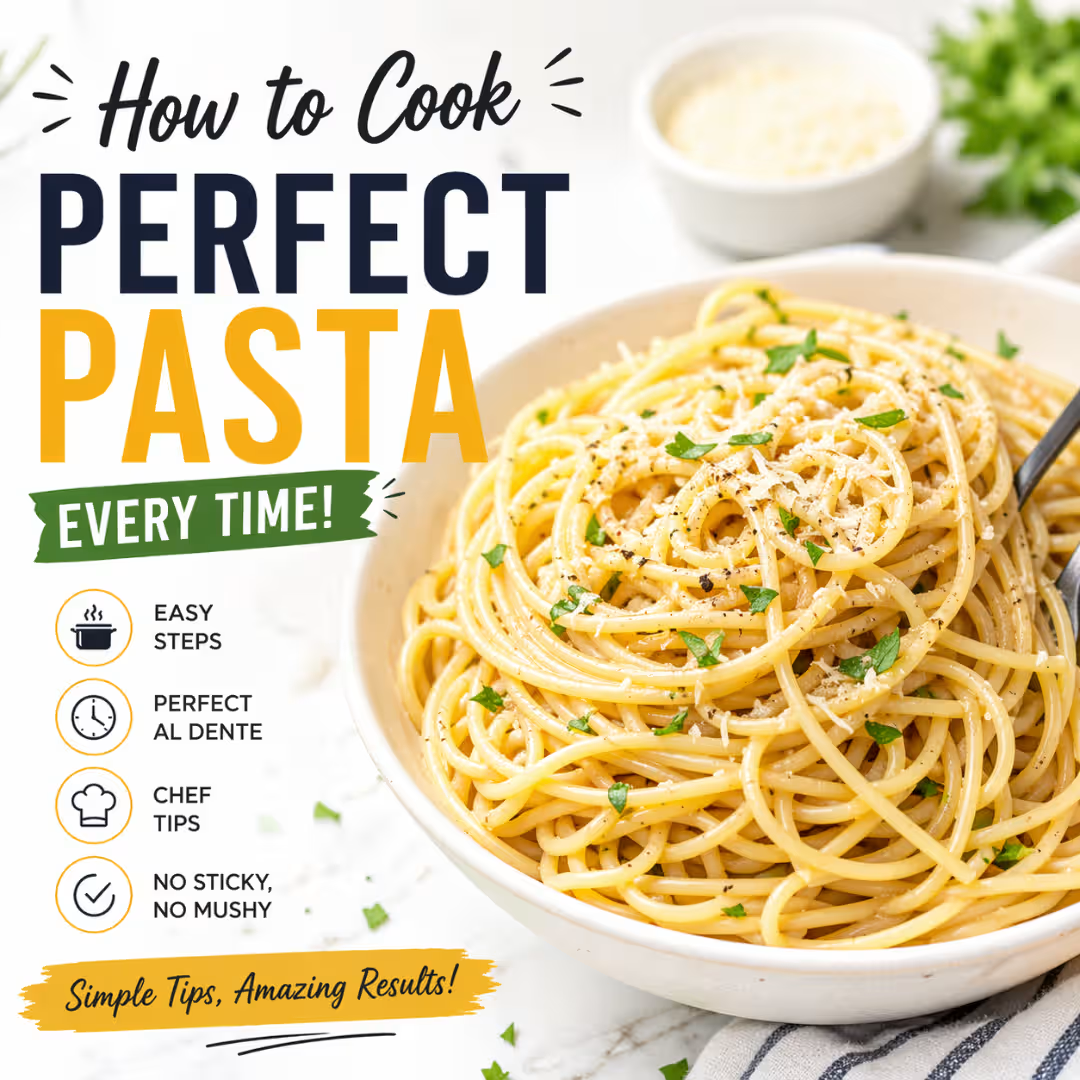
How to Cook Perfect Pasta Every Time (Step-by-Step Guide + Pro Tips for Restaurant Quality)
Perfect Pasta Recipe Guide: Secrets Chefs Don’t Tell You
Nowadays, almost everyone prepares pasta at home and enjoys it with their family; however, there are many who prefer to steer clear of this hassle, simply because they do not know how to cook pasta properly. So, if you have ever found yourself thinking, “Have I ended up with sticky, mushy, or bland pasta?”—rest assured, you are not alone. I am going to teach you how to cook pasta perfectly. In reality, most people assume that cooking pasta is a simple task—but the truth is, one small mistake can ruin the texture and flavor completely. The difference between average, homemade pasta and restaurant-quality pasta ultimately boils down to technique, timing, and a few insider chef secrets.
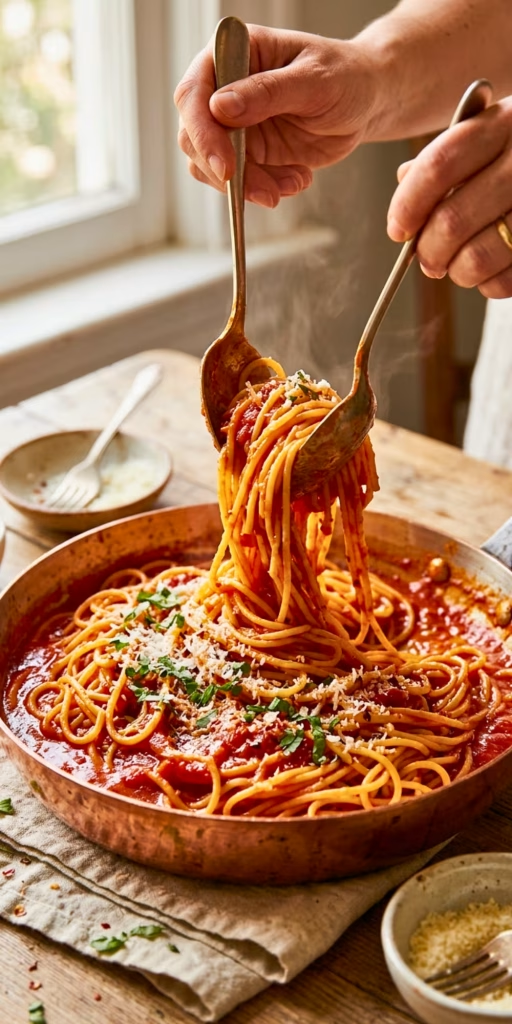
In this guide, you’ll learn how to cook perfect pasta every time. By the end, you’ll get perfect al dente pasta that tastes as if it came straight from an Italian kitchen. So, let’s start.
Related: Italian Timballo Recipe
- 👉 What is Perfect Pasta (Al Dente Explained + Texture Guide)
- 🛒 Essential Tools & Ingredients (Best Cookware for Pasta + Kitchen Tools Guide)
- 🧂 Golden Rules of Cooking Pasta (How to Boil Pasta Correctly Without Mistakes)
- 👨🍳 Step-by-Step Guide: How to Cook Pasta Perfectly Every Time
- ⏱️ Pasta Cooking Time Chart (Spaghetti, Penne, Fusilli & More)
- ❌ Common Pasta Cooking Mistakes (Why Your Pasta Turns Sticky or Mushy)
- 🧪 Pro Chef Secrets (Restaurant-Style Pasta Cooking Tips)
- 🍲 How to Cook Different Types of Pasta (Dry, Fresh, Whole Wheat, Gluten-Free)
- 🥗 Healthy Pasta Cooking Tips (Low Calorie & Meal Prep Pasta Ideas)
- 🧊 How to Store & Reheat Pasta Properly (Meal Prep & Leftover Tips)
- 🍽️ Delicious Serving Ideas for Perfect Pasta)
- ❓ FAQs – Pasta Cooking Questions People Also Ask
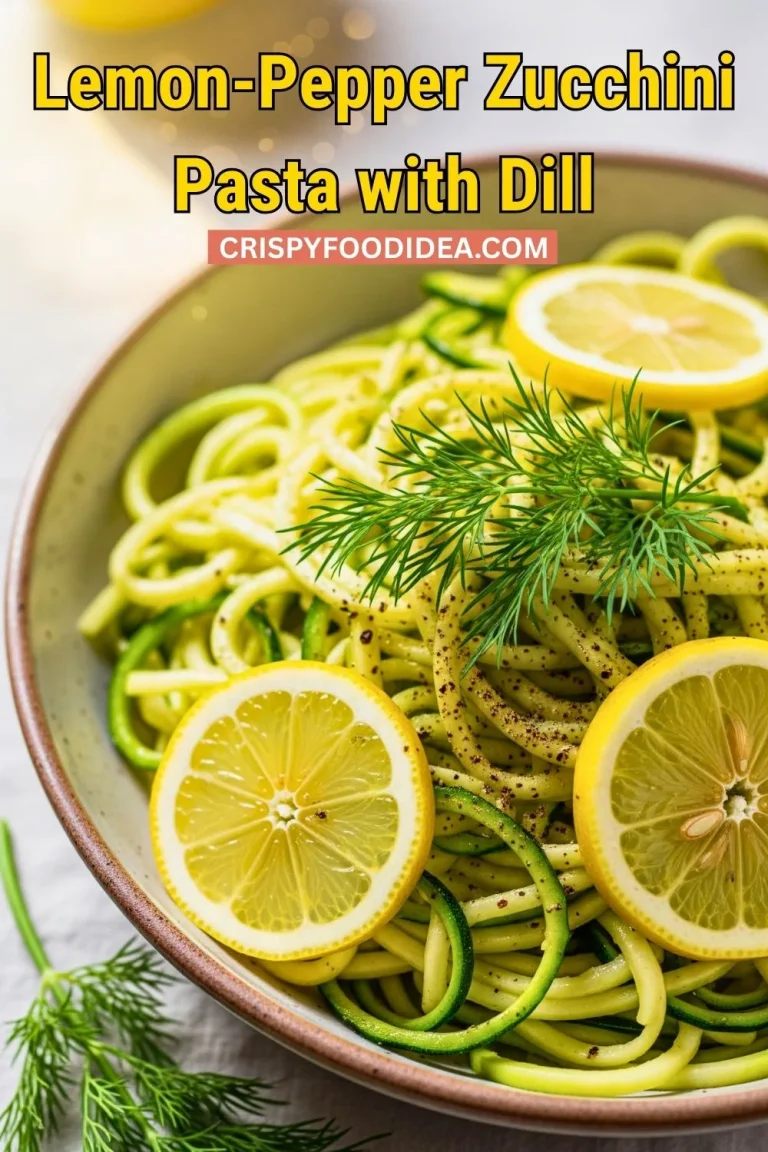
Related: Lemon-Pepper Zucchini Pasta
🍝 What Is “Perfect Pasta”? (Ultimate Guide to Al Dente Texture)
👉 Perfect pasta = firm, non-sticky, flavorful, and perfectly cooked to “al dente” (slightly firm to bite).
🧠 What Does “Al Dente” Really Mean?
Al dente is an Italian cooking term that means “to the tooth.” It describes pasta that is:
- ✔ Slightly firm when you bite into it
- ✔ Not soft, soggy, or mushy
- ✔ Holds its shape and texture
- ✔ Perfectly absorbs sauce without falling apart
Cooking pasta al dente is considered the best way to cook pasta because it improves flavor, texture, and even digestion. For making spaghetti, penne, fusilli, or gluten-free pasta, knowing this technique is the key to restaurant-quality pasta at home.
✅ Perfect Pasta
- Al dente texture
- Non-sticky surface
- Absorbs sauce well
- Balanced flavor
❌ Overcooked Pasta
- Mushy and soft
- Sticky and clumpy
- Loses shape
- Tastes bland
💡 Why Perfect Pasta Matters (Taste + Health + Cooking Performance)
Learning how to cook pasta perfectly isn’t just about taste—it also impacts:
- 🔥 Flavor absorption: Properly cooked pasta binds better with sauces
- 💪 Health benefits: Al dente pasta has a lower glycemic index
- 🍳 Cooking efficiency: Works better with different sauces and recipes
- 💰 Kitchen optimization: Reduces waste and improves meal prep results
Once you understand what perfect pasta really means, the rest becomes easy. In the next section, you’ll learn the exact tools, techniques, and chef secrets to achieve it every single time.
Related: Budget-friendly Pasta Dinners
Essential Tools & Ingredients for Cooking Perfect Pasta Every Time
If you want perfect pasta every time, you don’t need a fancy kitchen—but using the right pasta cooking tools and ingredients can seriously upgrade your results. I tried these best cookware for pasta, essential kitchen tools, and high-performance ingredients that help you achieve restaurant-quality pasta at home.
🍲 Large Pasta Pot (Must-Have)
A large stainless steel pot is the foundation of cooking pasta properly. It allows enough room for pasta to move freely, preventing sticking and uneven cooking.
- ✔ Best size: 5–7 liters
- ✔ Ideal for boiling pasta evenly
- ✔ Works on gas & induction cooktops
🥄 Wooden Spoon / Tongs
Stirring pasta right after adding it to boiling water is crucial. A wooden spoon or silicone tongs prevents clumping and sticking.
- ✔ Heat-resistant & safe
- ✔ Helps maintain pasta texture
- ✔ Essential for beginners
🧺 Colander (Strainer)
A durable colander helps you drain pasta quickly without losing texture. Choose one with stable handles for safe handling.
- ✔ Fast draining
- ✔ Prevents overcooking
- ✔ Easy to clean
🔥 Optional Upgrades
🍝 Pasta Pot with Strainer
A pasta pot with built-in strainer makes cooking easier and safer. Perfect for beginners and busy kitchens.
⏱️ Digital Kitchen Timer
Timing is everything. A digital timer ensures your pasta is perfectly cooked—not overcooked or mushy.
🔥 Induction Cookware
Modern induction-friendly cookware provides faster heating and better control—ideal for precise pasta cooking.
🥗 Essential Ingredients for Perfect Pasta
🍝 Pasta (Choose Quality)
Use high-quality durum wheat pasta for the best texture. Options include spaghetti, penne, fusilli, and gluten-free varieties.
💧 Water
Use plenty of water (4–5 liters per 500g pasta) to prevent sticking and ensure even cooking.
🧂 Salt
Salt your water generously—it should taste like the sea. This is the secret to flavorful pasta.
Investing in the best kitchen tools for pasta cooking not only improves your results but also saves time and effort.
Suggested: Tuna Pasta Salad Recipe
🧂 The Golden Rules of Cooking Pasta (Chef-Approved Guide)
These expert pasta cooking tips are what separate average home cooking from restaurant-quality pasta.
Follow these golden rules of pasta cooking to get perfectly cooked, non-sticky, flavorful pasta every single time.
🍲 1. Use Plenty of Water (Prevents Sticky Pasta)
You need to know how to boil pasta correctly. Always use a large pot with enough water — ideally 4–5 liters per 500g pasta. This ensures pasta has space to move freely and cook evenly.
👉 More water = better texture.
🧂 2. Salt Your Water Like the Sea
Add 1–1.5 tablespoons of salt per liter once the water reaches a rolling boil. This enhances flavor from the inside out.
✔️ Enough to make the water taste slightly salty like seawater.
🚫 3. Never Add Oil to Pasta Water
Adding oil is a common pasta cooking mistake. It creates a coating on the pasta, preventing sauce from sticking properly.
🥄 4. Stir Early (Stop Pasta from Clumping)
Stir your pasta immediately after adding it to boiling water. This prevents sticking and ensures even cooking.
✔️ Stir in the first 1–2 minutes.
⏱️ 5. Cook Pasta Al Dente (Perfect Texture)
Always cook pasta until al dente — tender but slightly firm in the center.
✔️ Test 1–2 minutes before package instructions.
💧 6. Reserve Pasta Water (Chef Secret)
Before draining, save ½ cup pasta water. It contains starch that helps create a silky, restaurant-style sauce.
🚿 7. Never Rinse Pasta (Unless Needed)
Rinsing removes starch that helps sauce stick. Only rinse when making cold pasta salad.
✔️ No for hot dishes, yes for salads.
Tip for Perfect Pasta Every Time
Use high-quality cookware like stainless steel pasta pots or non-stick induction cookware for better heat control.
Related: White Sauce Pasta Recipe
👨🍳 Step-by-Step: How to Cook Perfect Pasta Every Time
This ultimate step-by-step guide is designed to help beginners and home cooks achieve restaurant-quality pasta (al dente texture) every single time.
🥘 Step 1: Boil Water Properly (Foundation of Perfect Pasta)
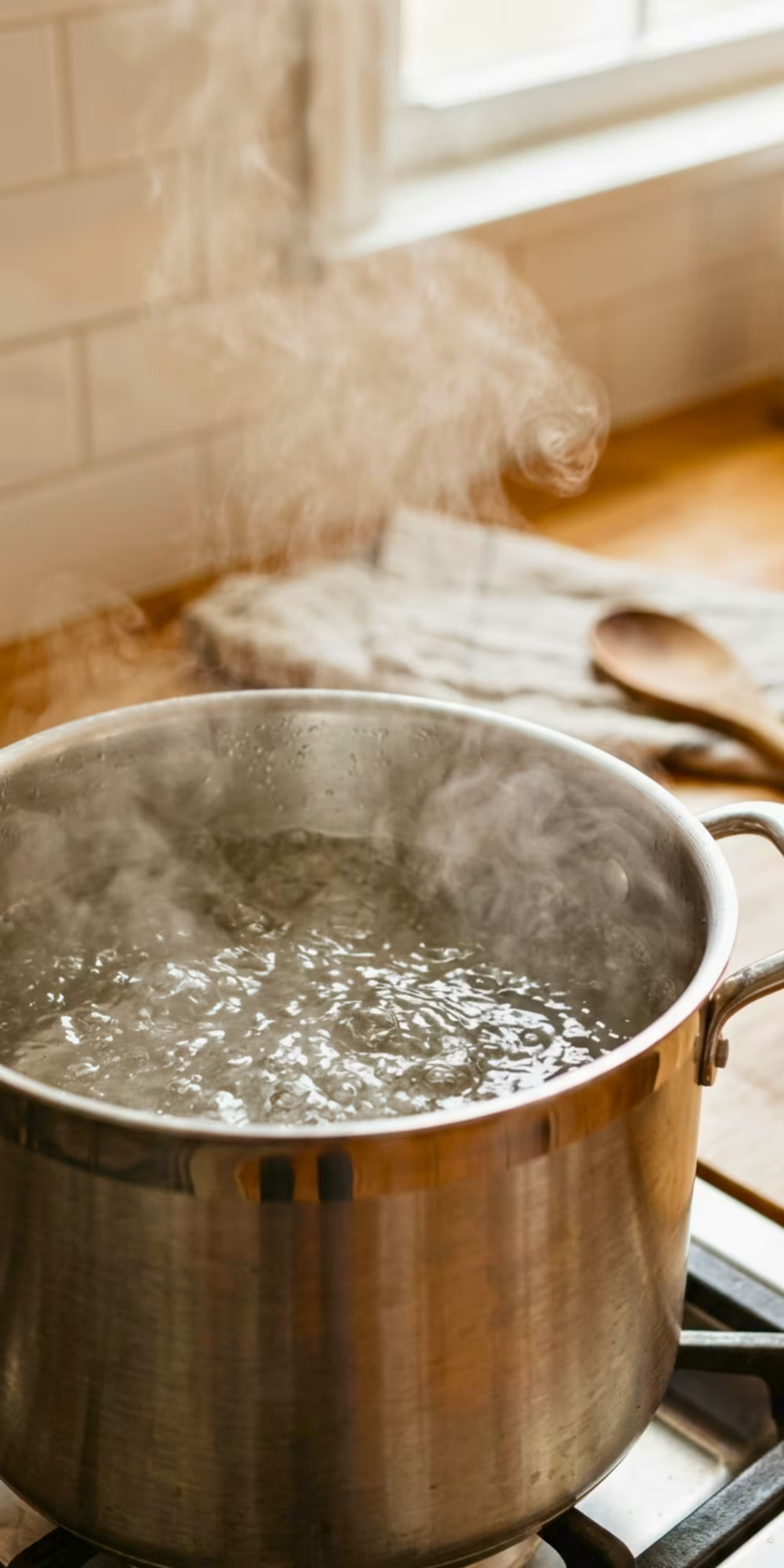
Start with a large pot of water — this is one of the most important pasta cooking tips. Use about 4–5 liters of water per 500g pasta to prevent sticking and ensure even cooking.
👉 Using the best cookware for pasta like stainless steel pots improves heat distribution and cooking results.
🧂 Step 2: Add Salt Like a Pro (Flavor Booster)
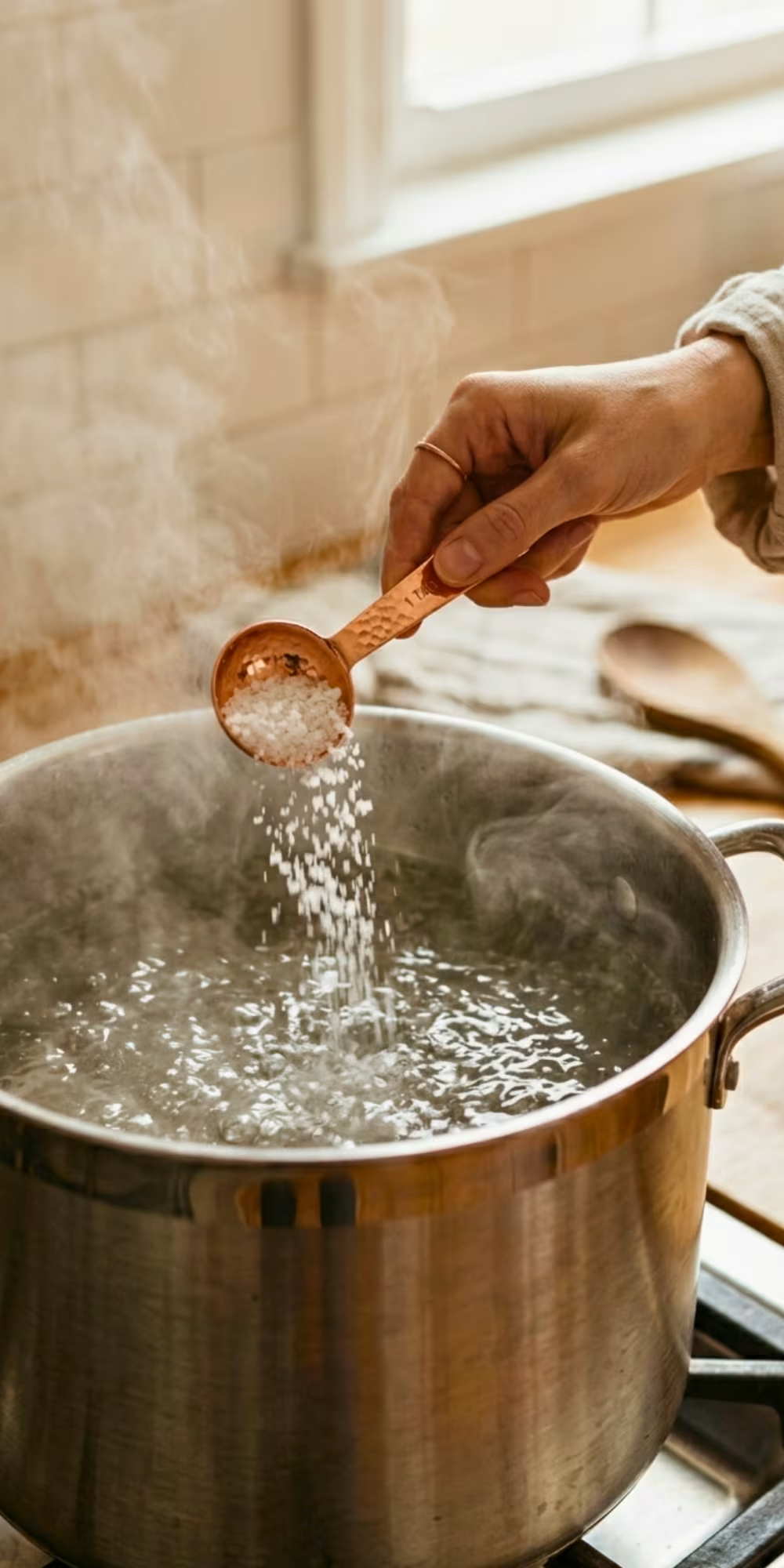
Once your water reaches a rolling boil, add 1–1.5 tablespoons of salt. This step is crucial because properly salted water enhances the flavor of your pasta from within.
🍝 Step 3: Add Pasta & Stir Immediately
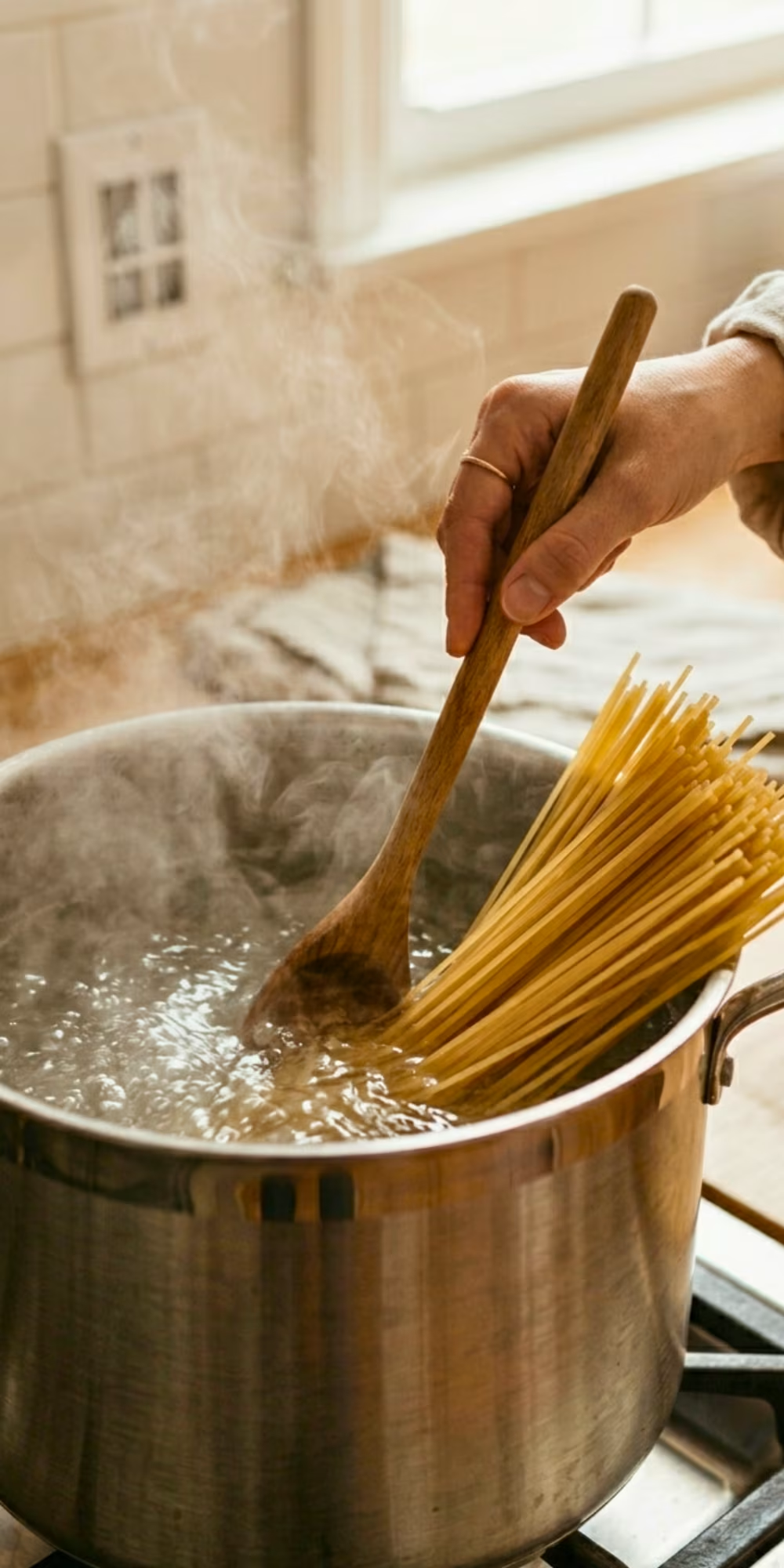
Add your pasta to the boiling water and stir immediately. This prevents pasta from clumping or sticking together — one of the most common beginner mistakes.
🚫 Avoid adding oil — it’s a myth and prevents sauce from sticking.
⏱️ Step 4: Cook Until Al Dente (Perfect Texture)
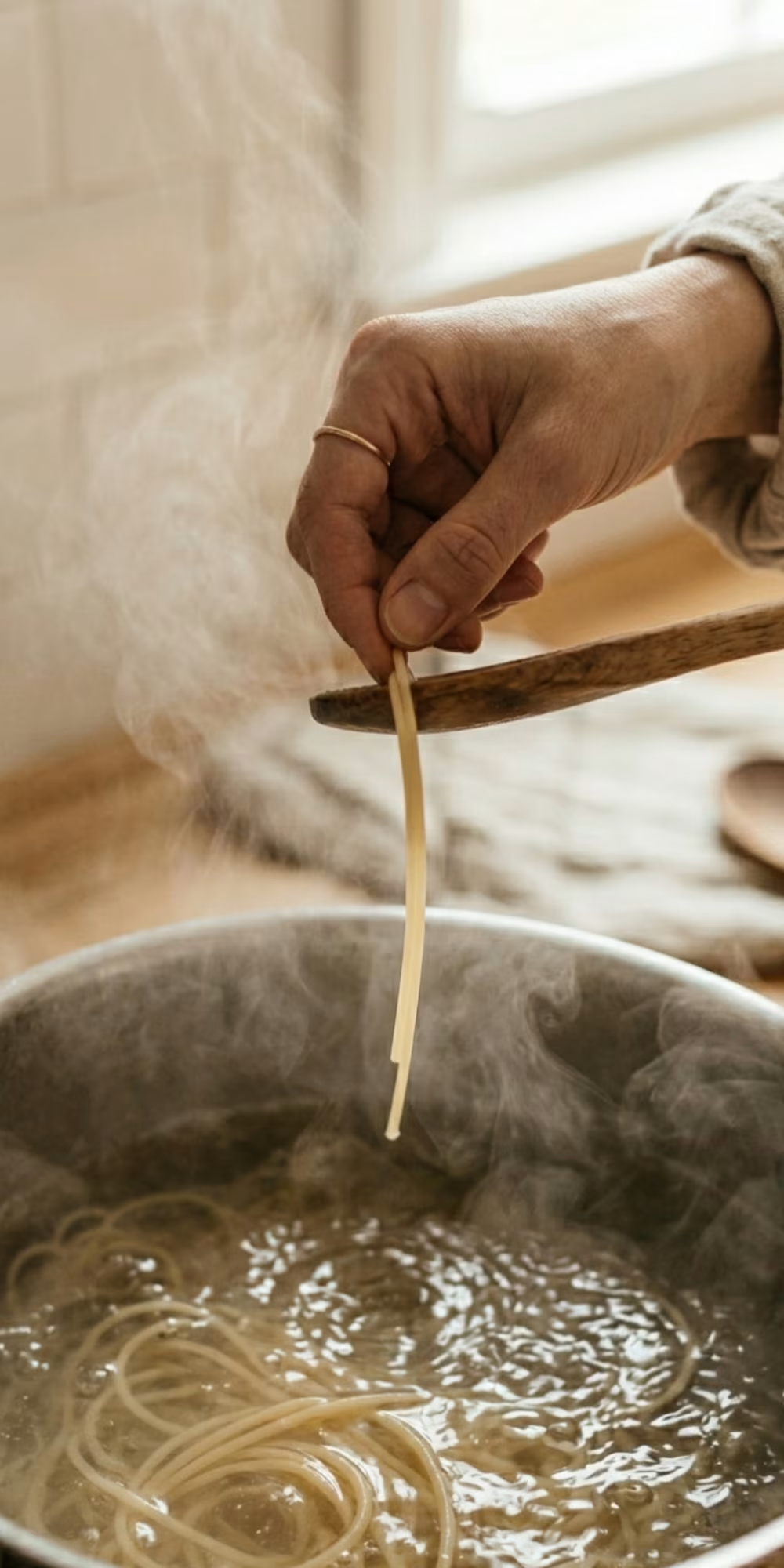
Cook pasta according to package instructions, but start checking 1–2 minutes early. Perfect pasta should be firm to the bite (al dente).
💧 Step 5: Reserve Pasta Water (Chef Secret)
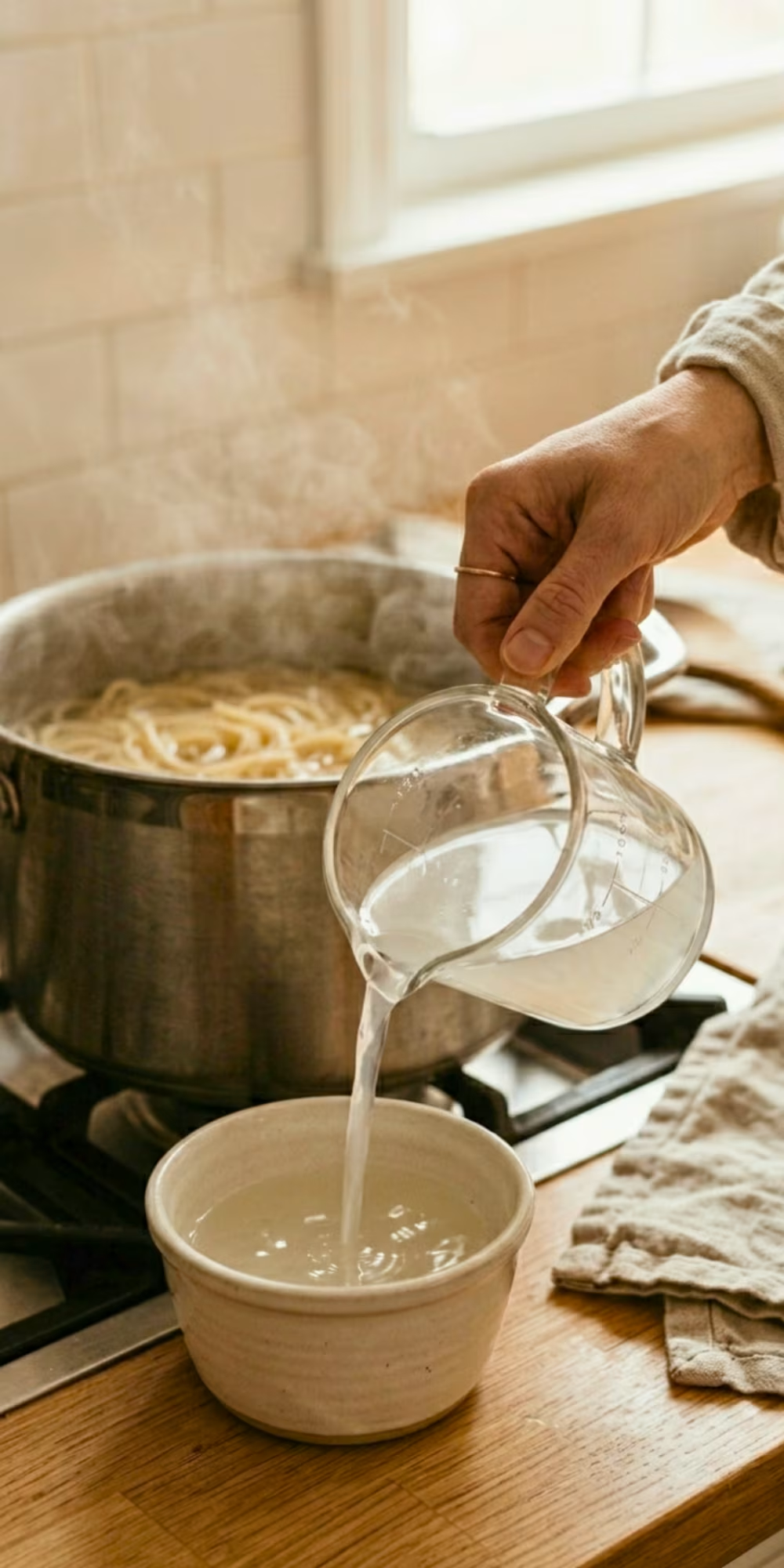
Before draining, save about ½ cup of pasta water. This starchy liquid helps create a silky, restaurant-style sauce.
🚿 Step 6: Drain Pasta (Do NOT Rinse!)
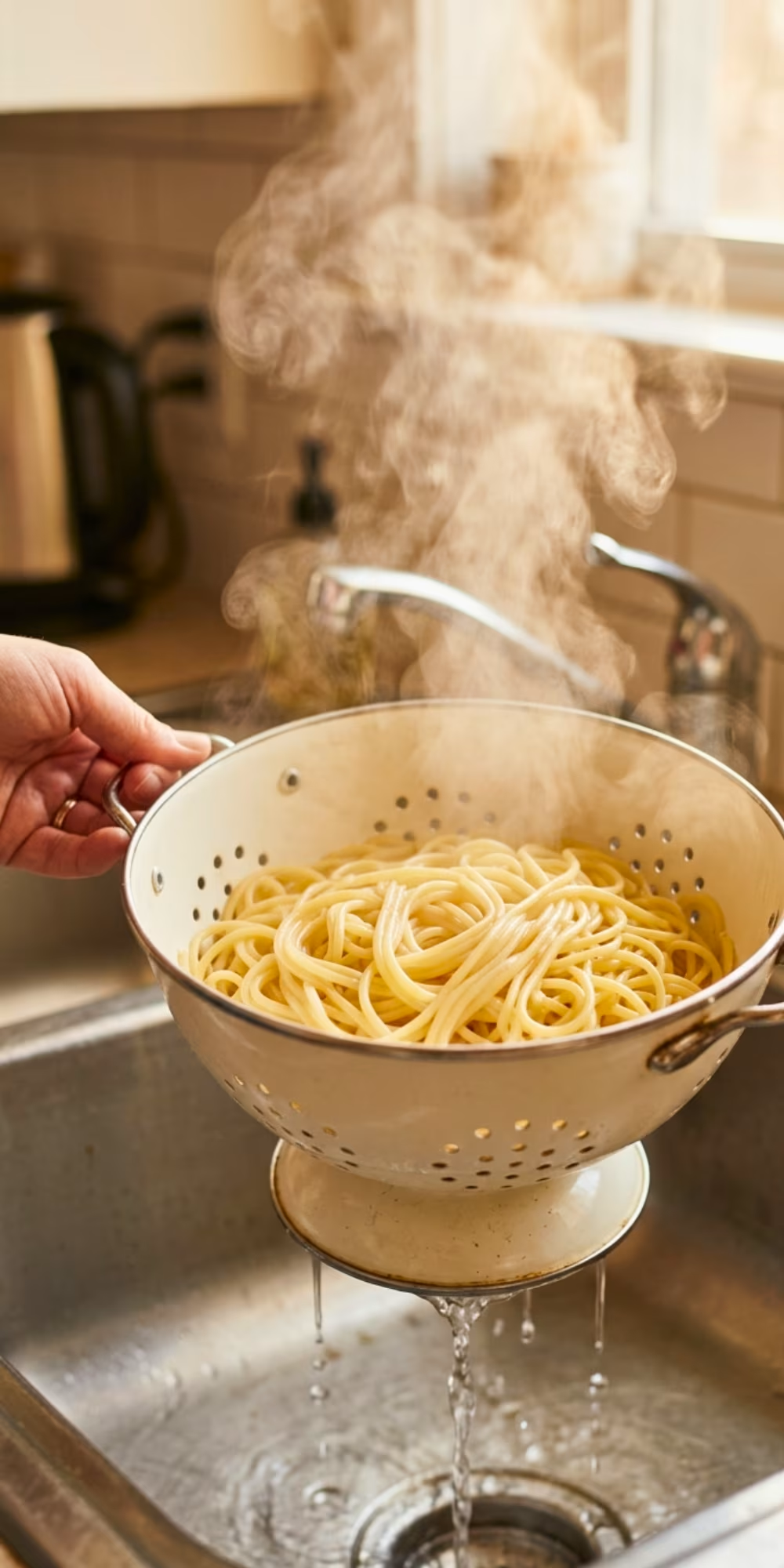
Drain pasta using a colander, but never rinse it. Rinsing removes starch, which is essential for helping sauce stick properly.
👉 Exception: rinse only if making cold pasta salad.
🔥 Bonus Step: Finish Pasta in Sauce (Restaurant Trick)
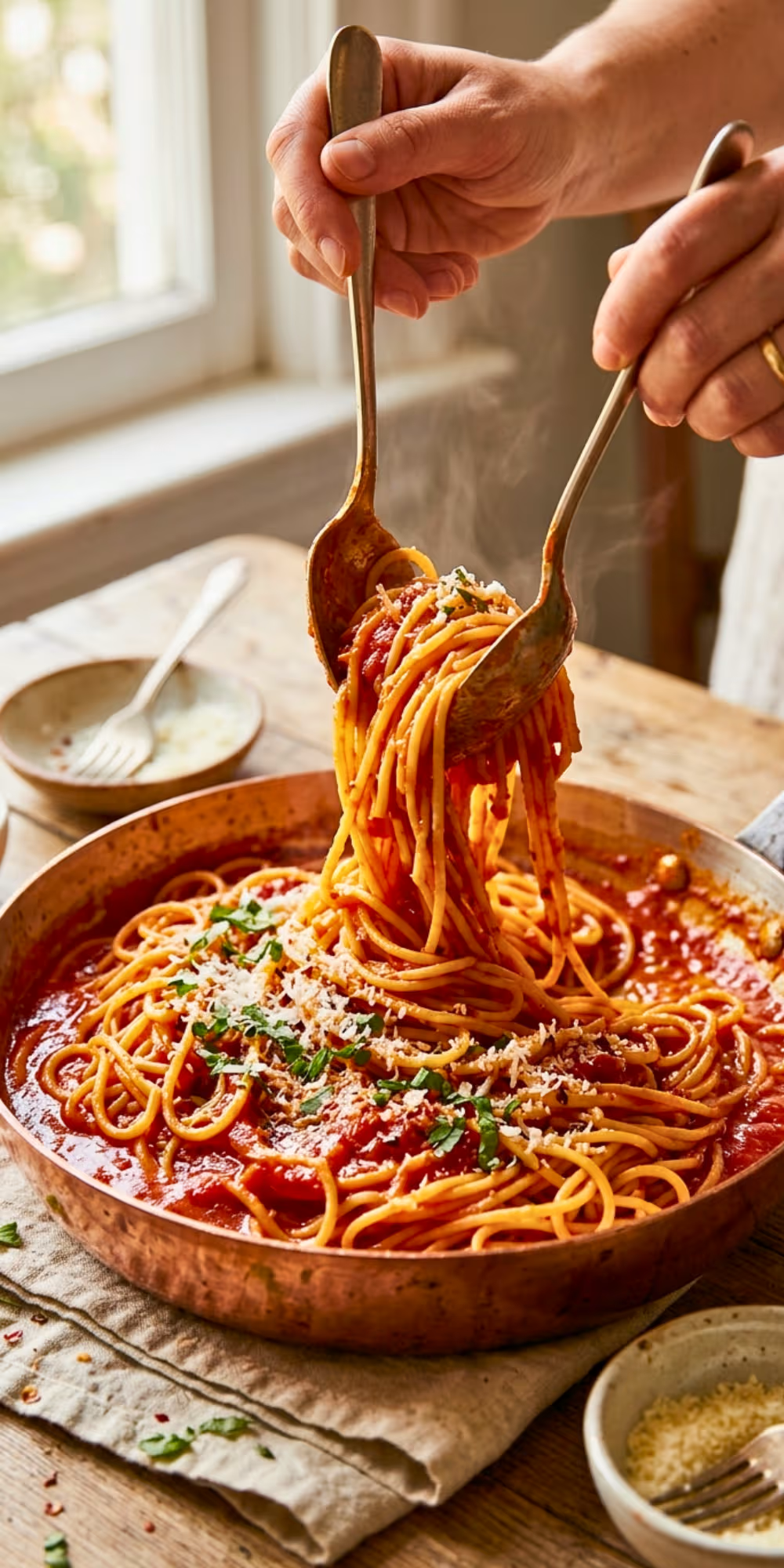
For the best results, toss pasta directly into your sauce and cook for 1–2 minutes. Add reserved pasta water to create a glossy, flavorful coating.
🚀 This is the secret behind restaurant-quality pasta at home.
Suggested: High Protein Low Calorie Recipes
⏱️ Pasta Cooking Time Chart (Cook Perfect Pasta Every Time)
If you are asking me how to make pasta not sticky? This easy pasta cooking time chart helps you get al dente pasta texture every time—no guesswork, no sticky mess.
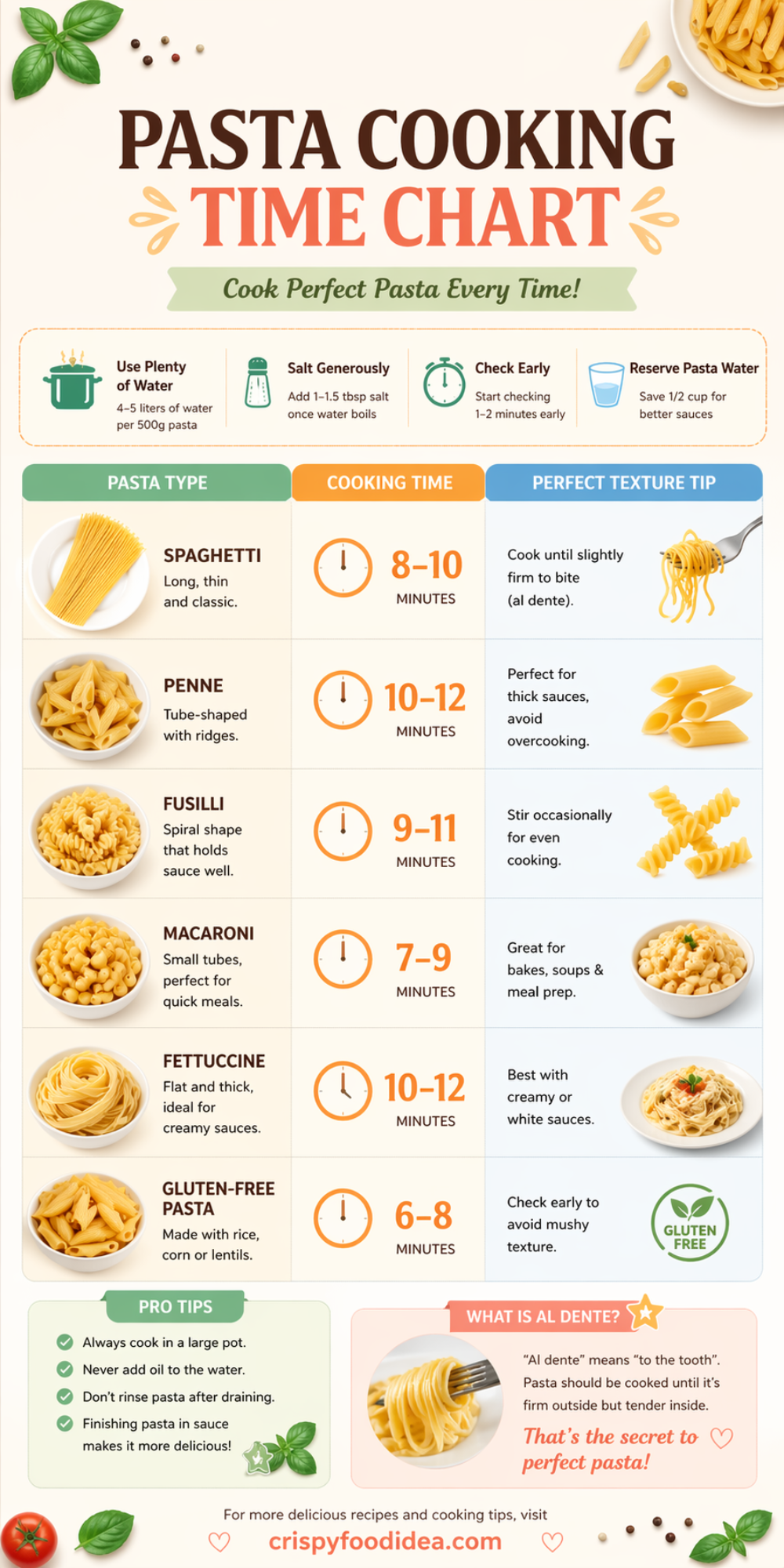
💡 Pro Tips for Perfect Pasta Cooking Time
- Always cook pasta in heavily salted boiling water for best flavor.
- Follow package timing, but start checking 1–2 minutes early for perfect al dente pasta.
- Use a large pot to avoid sticky or clumpy pasta.
- Reserve pasta water to enhance sauce texture and flavor.
Related: Slow Cooker Garlic Butter Chicken Recipe
Common Pasta Cooking Mistakes (And How to Fix Them Like a Pro)
These are the most common pasta cooking mistakes beginners and even home cooks make. Fix these today and you’ll instantly upgrade your cooking to restaurant-quality pasta.
1. Adding Oil to Pasta Water ❌
One of the biggest myths in how to cook pasta perfectly is adding oil to boiling water. It doesn’t prevent sticking—it actually makes your pasta slippery so sauce won’t stick.
💡 Fix: Skip the oil. Instead, stir pasta properly and use enough water.
2. Not Using Enough Water 🚫
Cooking pasta in too little water causes it to clump together and cook unevenly. This is a major reason behind sticky pasta problems.
💡 Fix: Use at least 4–5 liters of water per 500g pasta.
3. Not Salting the Water Properly 🧂
If your pasta tastes bland, this is why. Salt is essential because it flavors pasta from the inside.
💡 Fix: If you are worried about how much salt to add to pasta water? Here is the answer: Add 1 tablespoon salt per liter of water. It should taste like the sea.
4. Overcooking Pasta (Goodbye Al Dente) ⏱️
Overcooked pasta becomes soft, mushy, and loses its texture. It also spikes glycemic index—bad for healthy pasta recipes.
💡 Fix: Cook until al dente—slightly firm when bitten.
5. Rinsing Pasta After Cooking 🚿
Rinsing removes natural starch that helps sauce stick. This is a critical mistake in Italian pasta cooking techniques.
💡 Fix: Never rinse unless making cold pasta salad.
6. Not Saving Pasta Water 💧
Pasta water is rich in starch and acts as a natural thickener for sauces. Skipping this step means missing out on restaurant-style pasta.
💡 Fix: Save at least ½ cup pasta water before draining.
🔥 Stop Making These Mistakes Today
Fix these simple pasta cooking mistakes and you’ll instantly upgrade your meals to restaurant-quality perfection. Keep reading for pro chef secrets & pasta hacks that most people never learn!
Related: Simple Chicken Salad Recipe
PRO CHEF SECRETS: Cook Pasta Like a Restaurant Chef (Game-Changer Tips)
Do you want to know why restaurant pasta tastes ten times better than homemade pasta? The reason lies not merely in the ingredients, but rather in the cooking techniques. These professional secrets of pasta preparation are employed in renowned kitchens across the globe; by utilizing them, you too can effortlessly elevate the quality of your everyday home cooking to restaurant-level standards in an instant.
🔥 1. Finish Pasta in the Sauce
This is the #1 secret chefs never skip. Instead of mixing later, cook pasta for the last 1–2 minutes directly in the sauce. This helps the pasta absorb flavor deeply and creates a rich, restaurant-style texture.
💧 2. Use Pasta Water (Liquid Gold)
Reserved pasta water contains starch that thickens sauces naturally. Add 2–3 tablespoons to create a silky, glossy pasta sauce without cream.
⏱️ 3. Undercook Slightly (Al Dente Mastery)
Always cook pasta 1 minute less than package instructions. It finishes cooking in the sauce — giving you perfect al dente pasta every time.
🔥 4. High Heat Tossing Technique
Toss pasta on medium-high heat for 30–60 seconds. This emulsifies sauce and gives that restaurant-style glossy coating.
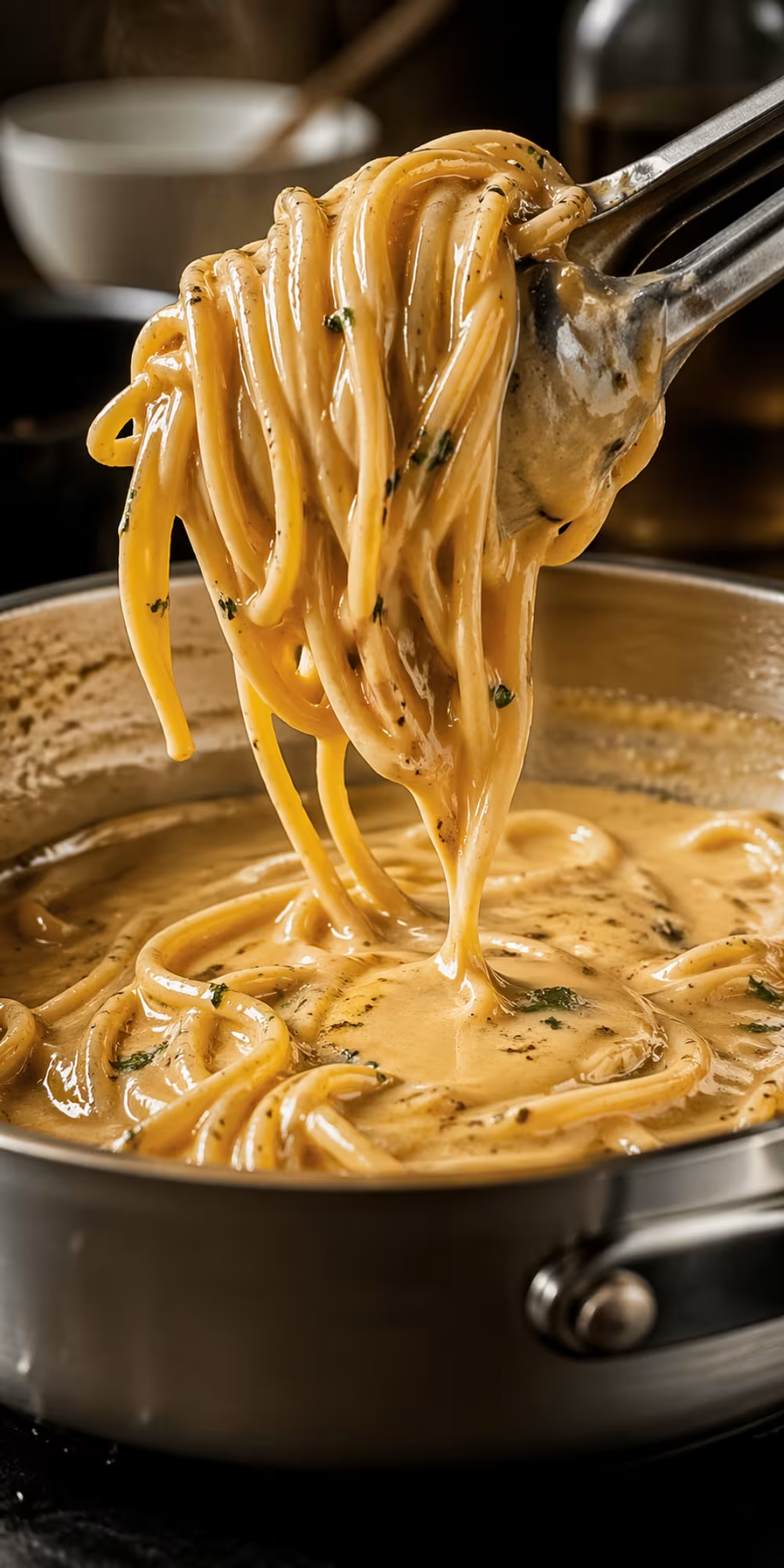
💡 Advanced Chef-Level Pasta Tips
- Use stainless steel cookware for better heat distribution
- Salt water properly — enhances flavor from inside
- Never rinse pasta — keeps starch for sauce binding
- Use quality pasta brands — affects texture & protein structure
- Control water ratio — prevents sticky pasta
📈 Why These Pasta Cooking Techniques Matter
These professional pasta cooking techniques help you achieve:
✔ Perfect al dente pasta texture
✔ Non-sticky, evenly cooked pasta
✔ Better sauce absorption and flavor
✔ Restaurant-quality pasta at home
✔ Healthier cooking with controlled ingredients
⭐ Keep these 4 techniques and your pasta will taste better than most restaurants. So, by now I have taught you everything I know; therefore, from today onwards, please do not ask me anymore: “Why is my pasta sticky after cooking?” You now know the solution.
Related: Best Basil Dressings
🍲 How to Cook Different Types of Pasta (Complete Guide for Perfect Results Every Time)
Not all types of pasta are cooked in the same way—and this is precisely where most people go wrong. Whether it is dry pasta, fresh pasta, whole wheat pasta, or gluten-free pasta, achieving that perfect “al dente” texture requires slight variations in cooking technique for each specific type. Therefore, here I will teach you exactly how to cook each variety of pasta to perfection; this will be accompanied by expert tips, precise cooking times, and guidelines on common mistakes to avoid.
🍝 How to Cook Dry Pasta Perfectly
Dry pasta is the most common type found in kitchens. To cook dry pasta perfectly:
- Use plenty of water (4–5 liters per 500g)
- Add 1–1.5 tablespoons of salt to boiling water
- Cook according to package instructions (usually 8–12 minutes)
- Stir in the first 1–2 minutes to prevent sticking
Pro Tip: Always taste 1 minute before the suggested time to achieve perfect al dente pasta.
🍜 How to Cook Fresh Pasta (Quick & Easy)
Fresh pasta cooks much faster than dry pasta because it contains more moisture.
- Bring salted water to a gentle boil
- Add fresh pasta carefully
- Cook for only 2–4 minutes
- Remove as soon as it floats
Important: Overcooking fresh pasta makes it soft and mushy very quickly.
🌾 How to Cook Whole Wheat Pasta (Healthy Option)
Whole wheat pasta is a healthier alternative, packed with fiber and nutrients. I also love whole-grain pasta. Whole-grain pasta offers more fiber and nutrients.
- Use extra water to prevent sticking
- Cook slightly longer (10–14 minutes)
- Stir occasionally for even cooking
Tip: Add olive oil AFTER cooking—not during boiling—to enhance flavor.
🌱 How to Cook Gluten-Free Pasta Without Mushiness
Gluten-free pasta can be tricky—it tends to break or become mushy if overcooked.
- Use a large pot with plenty of water
- Cook for a shorter time (6–10 minutes)
- Stir gently to avoid breaking
- Drain immediately once done
Pro Tip: Rinse lightly only if the pasta is overly starchy.
⚡ How to Cook Instant Pasta (Quick Meal Prep)
Instant pasta is perfect for quick meals but still requires the right technique.
- Boil water and add pasta with seasoning
- Cook for 3–5 minutes
- Stir continuously to avoid clumps
Tip: Add vegetables or protein to boost nutrition and flavor.
No matter what pasta you’re cooking, always finish it in the sauce with a splash of reserved pasta water. This creates a silky, restaurant-style coating and enhances flavor dramatically.
Related: Vegetarian Meal Prep Recipes
🥗 Healthy Pasta Cooking Tips (Low-Calorie, High-Protein & Weight-Loss Friendly)
I just love to enjoy pasta without guilt. With a few smart tweaks, you can turn your favorite pasta into a healthy, high-protein, low-calorie meal that supports weight loss, muscle gain, and balanced nutrition. These expert tips are designed to help you cook perfect pasta that’s both delicious and diet-friendly. And following the carrier, your biggest question—”how to cook pasta al dente perfectly”—has now been fully resolved right here.
🥦 Choose Healthier Pasta Options
Swap regular pasta for whole wheat pasta, chickpea pasta, lentil pasta, or gluten-free pasta. These options are higher in fiber, protein, and essential nutrients, helping you stay full longer.
🍗 Add Lean Protein for Balance
Boost your meal with high-protein foods like grilled chicken, tofu, eggs, shrimp, or beans. This turns pasta into a high-protein meal prep recipe perfect for fitness and weight loss.
🥗 Load Up on Vegetables
Add nutrient-rich veggies like broccoli, spinach, zucchini, mushrooms, and bell peppers. This increases fiber, vitamins, and volume while keeping calories low.
🫒 Use Healthy Sauces
Skip heavy cream sauces and go for olive oil-based, tomato-based, or yogurt-based sauces. These are lighter and heart-healthy while still packed with flavor.
⚖️ Control Portion Size
Stick to 1–1.5 cups cooked pasta per serving. Pair it with protein and veggies to create a balanced, low-calorie pasta meal without overeating.
💧 Don’t Overcook Pasta
Cook pasta al dente to maintain a lower glycemic index. This helps control blood sugar and keeps you full longer.
Combine whole grain pasta + lean protein + vegetables to create the perfect healthy pasta meal under 400 calories—ideal for weight loss and meal prep!
Suggested: 20 Minutes Lazy Dinner Recipes
🧊 How To Store & Reheat Pasta (Keep It Fresh, Non-Sticky & Delicious)
You need to know how to properly store cooked pasta and reheating pasta without drying it out. This is because, when it comes to meal prep, these expert tips will help keep your pasta fresh, delicious, and perfectly textured.
🥡 How To Store Cooked Pasta (Step-by-Step)
- ✔️ Let pasta cool slightly before storing (prevents condensation & sogginess)
- ✔️ Toss with a little olive oil to prevent sticking
- ✔️ Use an airtight container for maximum freshness
- ✔️ Refrigerate within 2 hours of cooking
For best meal prep pasta storage, store pasta and sauce separately to maintain texture and flavor.
- Refrigerator: 3–4 days
- Freezer: Up to 2 months
❄️ Can You Freeze Cooked Pasta?
Yes! Freezing is a great option for long-term pasta storage. It’s perfect for batch cooking and saving time during busy weeks.
- ✔️ Use freezer-safe bags or containers
- ✔️ Remove excess air to avoid freezer burn
- ✔️ Portion into small servings for easy reheating
👉 Best for: meal prep pasta recipes, casseroles, and sauced pasta dishes.
🔥 How To Reheat Pasta Without Drying It Out
The biggest mistake people make is reheating pasta the wrong way. Follow these best pasta reheating methods to keep it soft and flavorful:
- ✔️ Add a splash of water, milk, or sauce before reheating
- ✔️ Cover to trap moisture
- ✔️ Heat gently (avoid high heat)
🍳 Stovetop Method (Best for Flavor)
Reheat pasta in a pan with sauce and a little water. Stir on medium heat for even warming.
📡 Microwave Method (Quick Option)
Place pasta in a microwave-safe bowl, add liquid, cover, and heat in short intervals.
🔥 Oven Method (Best for Large Portions)
Cover with foil and bake at 180°C (350°F) until heated through.
❌ Common Pasta Storage & Reheating Mistakes
- 🚫 Storing hot pasta directly (creates moisture & sogginess)
- 🚫 Not using airtight containers
- 🚫 Reheating without adding moisture
- 🚫 Overheating (leads to rubbery texture)
Related: Creamy Veg Pasta Recipes
🍽️ Delicious Serving Ideas for Perfect Pasta
Now that you know how to cook perfect pasta every time, let’s turn it into something unforgettable. These easy pasta serving ideas are designed to help you create restaurant-quality meals at home. For more italian recipe, I suggest visiting La Cucina Italiana.
🍅 Classic Tomato Sauce Pasta
Toss your pasta with a rich homemade tomato sauce, olive oil, garlic, and fresh basil. This is one of the best pasta recipes for beginners.
- Perfect for weeknight meals
- Budget-friendly & family-friendly
- Great for meal prep
🧀 Creamy Alfredo Pasta
Upgrade your dish with a creamy Alfredo sauce made with butter, cream, and parmesan.
- Rich, awesome flavor
- Perfect for special dinners
- Add chicken or shrimp for protein
🥗 Healthy Veggie Pasta Bowl
Mix pasta with sautéed vegetables like broccoli, zucchini, and bell peppers.
- High fiber & nutritious
- Perfect for clean eating
- Great for fitness meal plans
🥩 Protein-Packed Pasta
Add grilled chicken, tofu, or shrimp to your pasta.
- Ideal for gym diets
- Boosts satiety
- Perfect for lunch prep
🥑 Pesto Pasta Delight
Toss pasta with fresh basil pesto, olive oil, and nuts.
- Fresh & aromatic
- Ready in under 15 minutes
- Perfect summer dish
🧊 Cold Pasta Salad
Turn your pasta into a refreshing pasta salad with veggies, dressing, and herbs.
- Perfect for gatherings
- Easy to store & transport
- Highly customizable
Suggested: Seafood Dinners
Quick Perfect Pasta Recipe (Restaurant-Style in 15 Minutes)
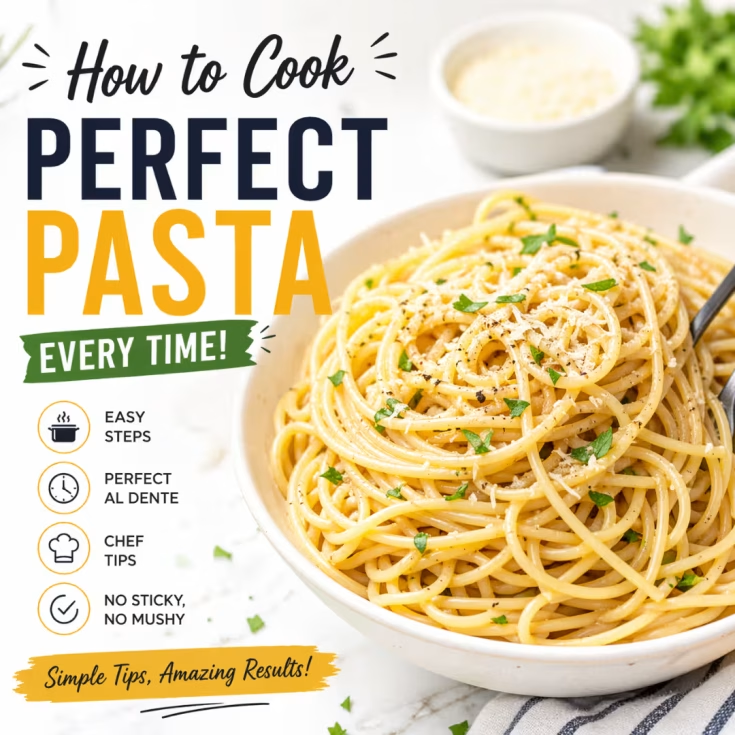
Struggling with sticky or overcooked pasta? This ultimate guide shows you how to cook perfect pasta every time with simple steps, expert tips, and common mistakes to avoid. Learn the exact water ratio, salt measurement, and cooking time to get perfectly al dente pasta just like a pro chef.
Ingredients
- 200g pasta (spaghetti or penne)
- 2 tbsp butter or olive oil
- 3 cloves garlic (minced)
- ½ tsp chili flakes (optional)
- Salt (as needed)
- ½ cup reserved pasta water
- Grated cheese (optional)
Related: Late Night Snacks Recipes
Frequently Asked Questions About Cooking Perfect Pasta
For perfectly seasoned pasta, add about 1 tablespoon of salt per liter of water. This is one of the most important pasta cooking tips used by chefs. Properly salted water enhances flavor from the inside, making your pasta taste like restaurant-quality food without needing extra sauces or additives.
Sticky pasta usually happens when you use too little water, skip stirring, or overcook it. To fix this, always cook pasta in a large pot with plenty of water, stir immediately after adding, and avoid overcooking. These simple pasta cooking techniques prevent clumping and improve texture.
No, adding oil to pasta water is a common myth. It actually prevents sauce from sticking to the pasta later. Instead, focus on using enough water and stirring properly. This method is recommended in professional cooking guides and improves sauce absorption.
The best way is to taste it. Perfect pasta should be al dente, meaning slightly firm when you bite it. Avoid relying only on cooking time charts—testing texture ensures better results and helps you avoid mushy pasta.
Yes, pasta is great for meal prep recipes. Cook it slightly under al dente, store it in an airtight container, and add a little olive oil to prevent sticking. When reheating, add water or sauce to keep it moist and fresh.
The best cookware for pasta includes a large stainless steel pot, which ensures even heat distribution and prevents sticking. High-quality cookware improves cooking efficiency and is a great investment for anyone serious about home cooking.
Use at least 4–5 liters of water per 500g pasta. This prevents overcrowding, reduces stickiness, and ensures even cooking. This is a key step in most professional pasta cooking methods.
No, rinsing pasta removes starch that helps sauce stick better. The only exception is when making cold pasta salad recipes. For hot dishes, always skip rinsing to maintain flavor and texture.
Use whole wheat or gluten-free pasta, add vegetables, and control portion sizes. You can also use healthy pasta cooking methods like reducing salt and avoiding heavy cream sauces. This helps create balanced, nutritious meals.
Pasta water contains starch that helps create a silky, restaurant-style sauce. Add a small amount to your sauce while mixing pasta to improve texture and flavor. This simple trick is widely used in professional kitchens.
If you like this article about how to cook pasta perfectly, please share it with your friends on Facebook and Pinterest. Also, subscribe to my blog to get all the latest content first on your mobile.