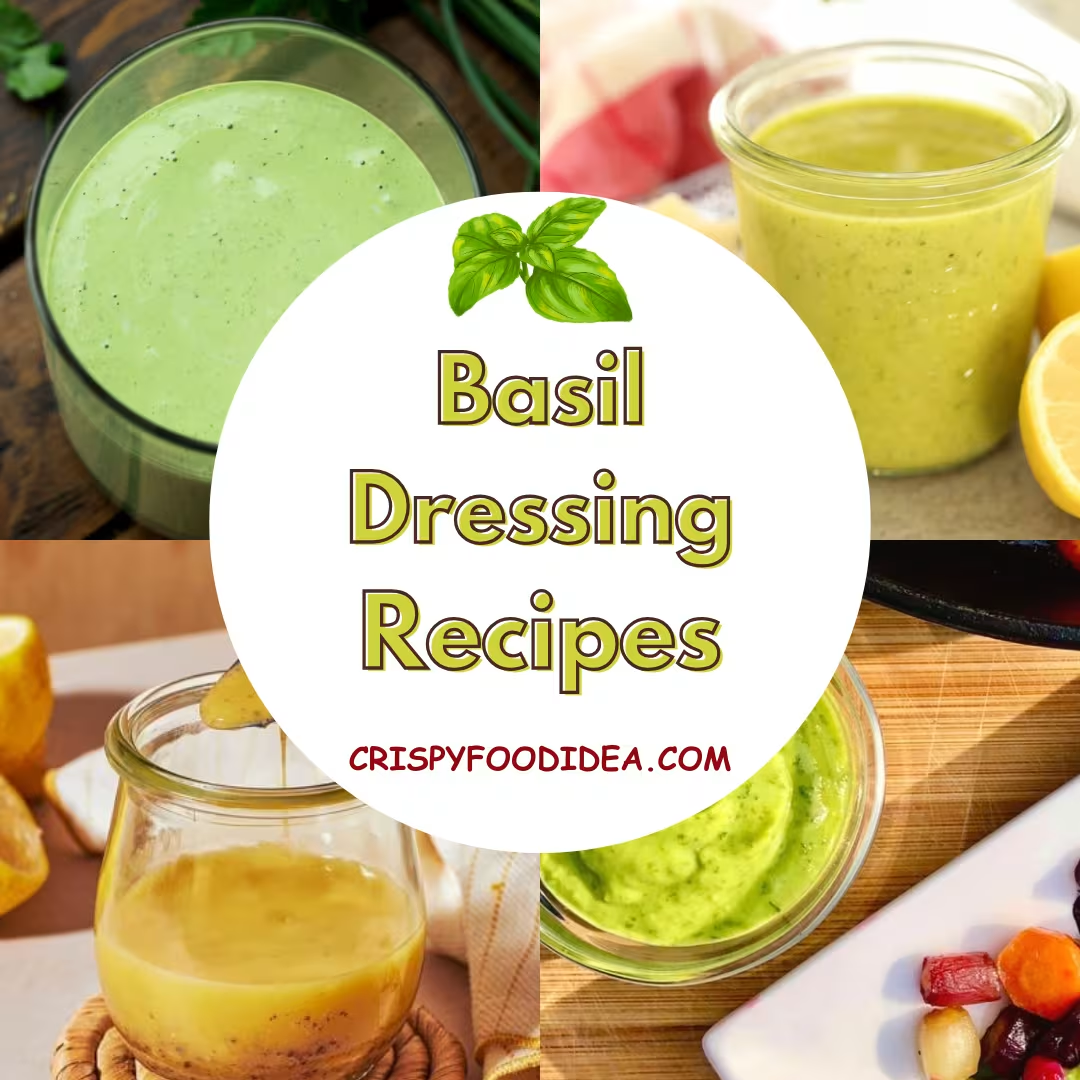
15 Best Basil Dressings That Make Any Salad Taste Better
The use of basil is as limited as it can be. I know it is used in most dishes, but its uses and benefits in the medical field are endless. I myself use basil dressing frequently in various dishes such as salads, vegetables, pasta, chicken, and grain bowls. That is why I know which ones can be the best basil dressings, and today I will share them with you.
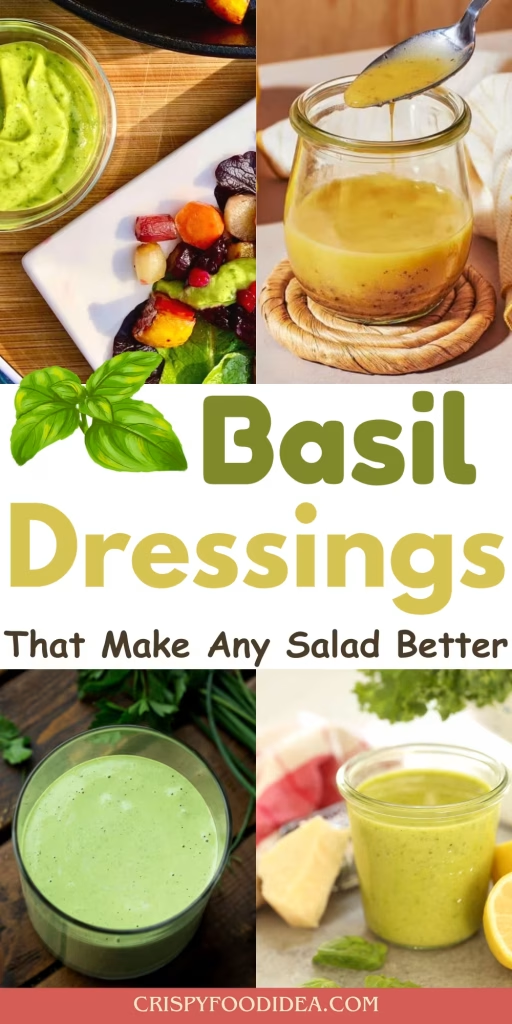
For example, Lemon Basil Vinaigrette is my favorite, but for those who like a little creaminess, Greek Yogurt Basil Dressing can be the best, just like Balsamic Basil Dressing is for caprice, Avocado Basil Dressing is for completely vegan options, Garlic Basil Vinaigrette is perfect for almost all chicken recipes, and finally, Basil Pesto Dressing is for pasta, you can’t ignore these ingredients even if you want to.
Honestly, fresh basil can completely change a simple salad—but the right basil dressing is what brings everything together. I encourage you to try each of the easy homemade basil dressing recipes given here according to my preferences and finally decide for yourself which one you like and on what basis, and let me know in the comments, which will encourage me.
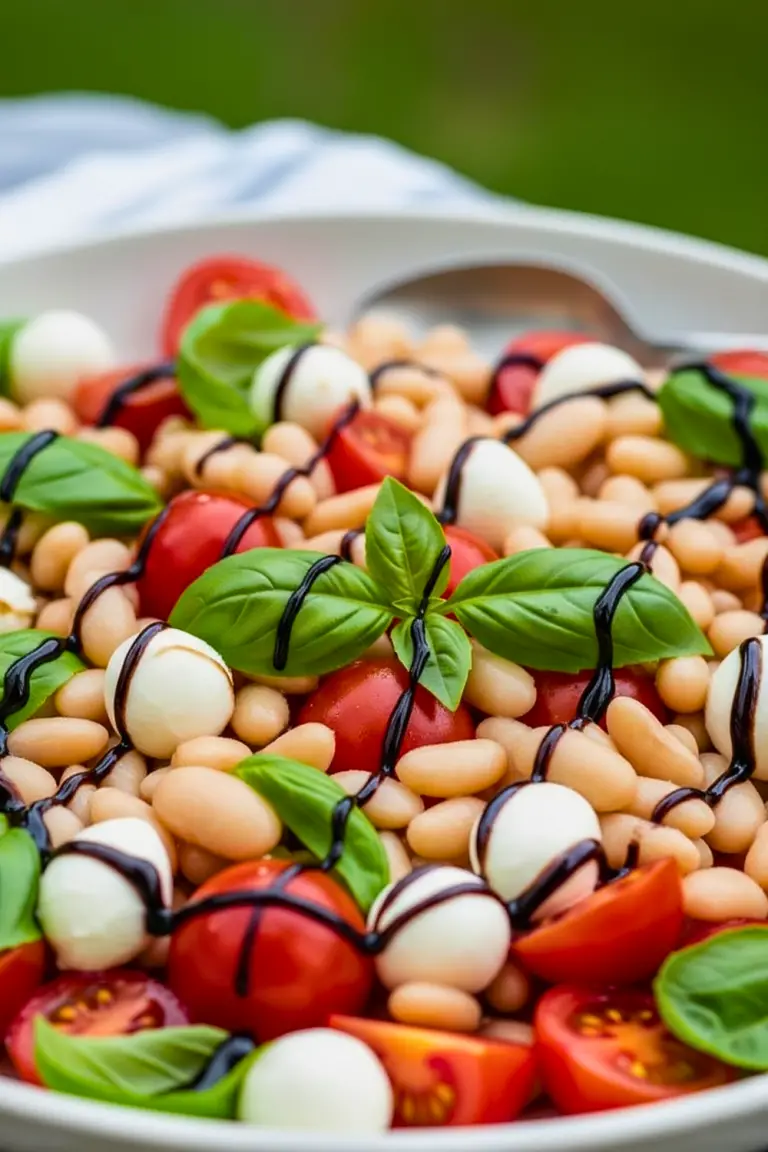
Related: White Bean Caprese Salad
15 Best Basil Dressing Recipes for Salads & More
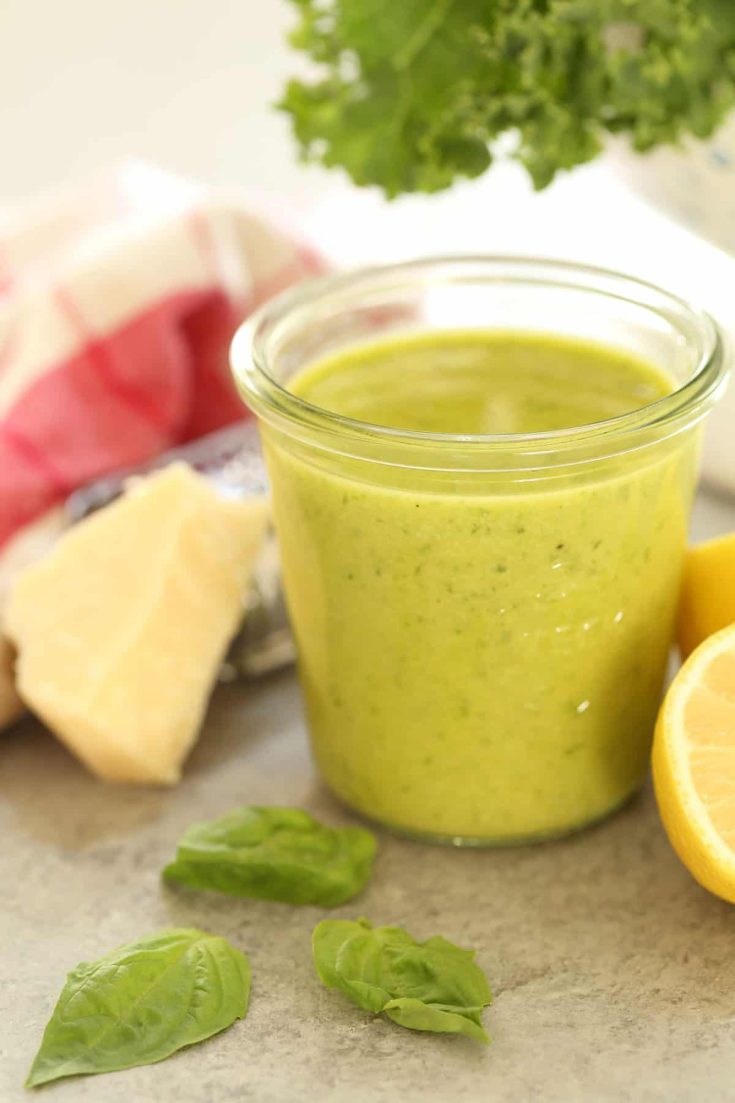
Lemon Basil Vinaigrette
If you are looking for a basil dressing to keep in the fridge, I highly recommend starting with this bright and refreshing lemon-basil vinaigrette. I love this combination of aromatic fresh basil, zesty lemon juice, extra virgin olive oil, garlic, and a touch of Dijon mustard because it offers a fresh flavor without feeling heavy. The lemon balances out richer ingredients, while the basil adds a sweet, herbal note that pairs beautifully with greens, tomatoes, cucumbers, quinoa bowls, grilled chicken, fish, and roasted vegetables. I also like using it as a quick marinade for chicken or shrimp. For the smoothest homemade basil dressing, blend the basil, lemon juice, and seasonings together first, then slowly add the olive oil. If you are looking for an easy, healthy salad dressing for meal prep, this is my top pick to start with.
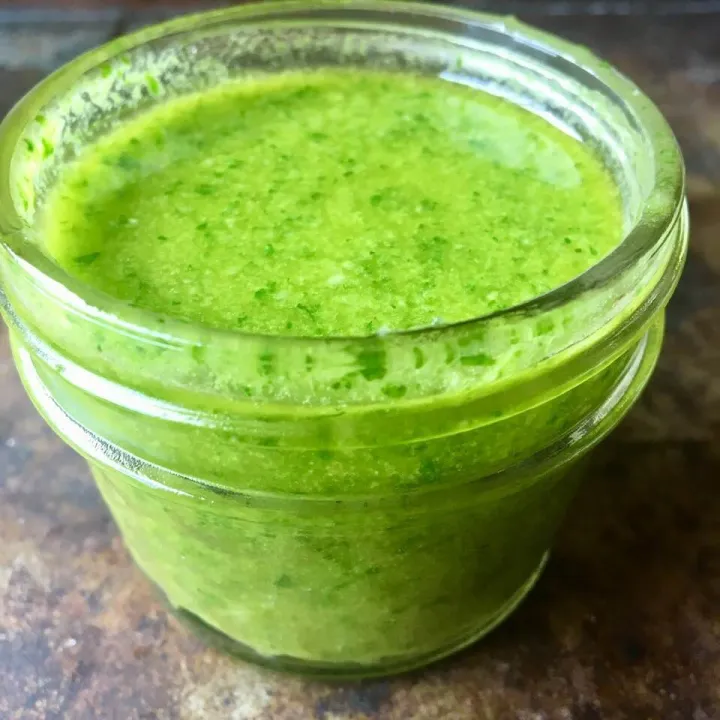
Garlic Basil Vinaigrette
This Garlic Basil Vinaigrette is for those days when you want a homemade salad dressing that has a lot of delicious flavor. Fresh basil and garlic make a wonderfully delicious combination, especially when balanced with lemon juice and a good quality olive oil. I love this dressing on a simple green salad, but it also goes great with grilled chicken, roasted potatoes, zucchini, green beans, and a Mediterranean-style grain bowl. The key is to not let the garlic completely overpower the basil. Start with a small amount and add more as you taste. For a smoother texture, blend everything until the basil is finely chopped, then taste and adjust the seasoning and salt as needed. This garlic basil dressing is naturally versatile and can be used as a marinade, sandwich spread, or drizzled over roasted vegetables. It's an easy way to make everyday healthy meals a lot more appealing.
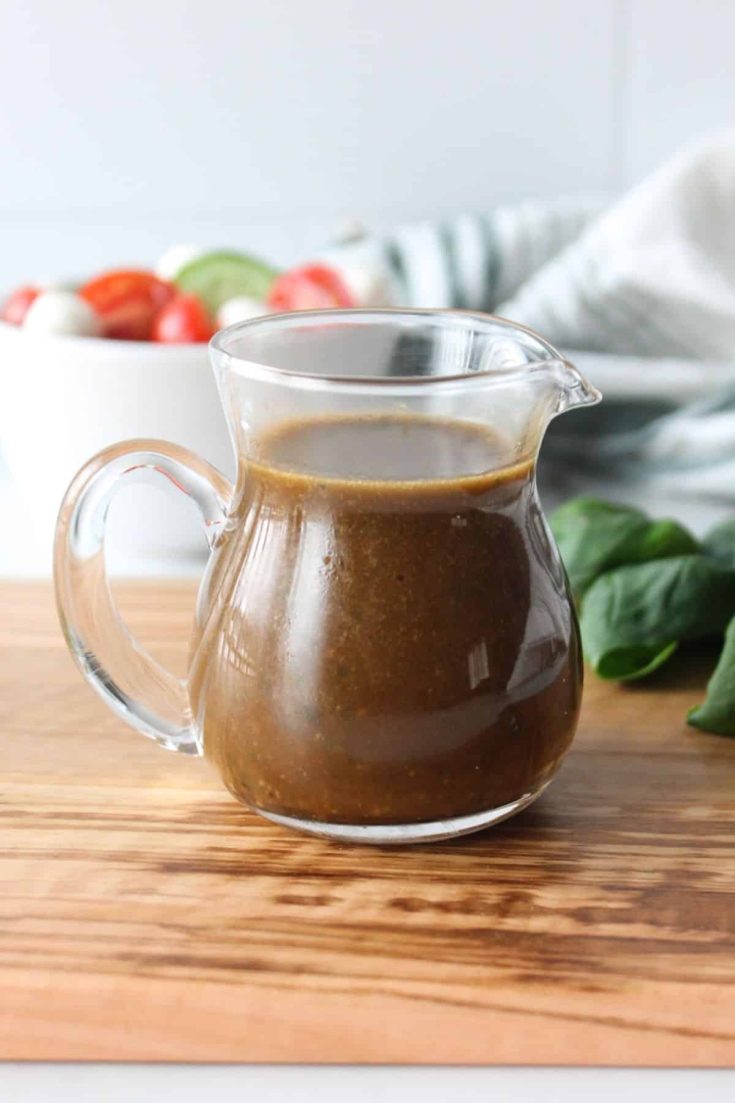
Basil Balsamic Vinaigrette (5-Minute Dressing!)
This balsamic basil dressing is one of my favorite choices when I want something slightly sweet, tangy, and deeply flavorful. Fresh basil, balsamic vinegar, olive oil, garlic, and a touch of sweetness create a dressing that pairs especially well with tomatoes and fresh mozzarella. If you love Caprese salad, this basil balsamic vinaigrette is an easy way to bring those familiar flavors together in every bite. I also like drizzling it over grilled vegetables, strawberries, roasted chicken, pasta salad, or a Mediterranean grain bowl. For the best texture, blend or whisk the basil and vinegar first before gradually incorporating the olive oil. If your balsamic vinegar is particularly strong, balance it with a small amount of honey. This versatile basil salad dressing is especially useful for summer lunches, entertaining, meal prep, and quick healthy dinners.
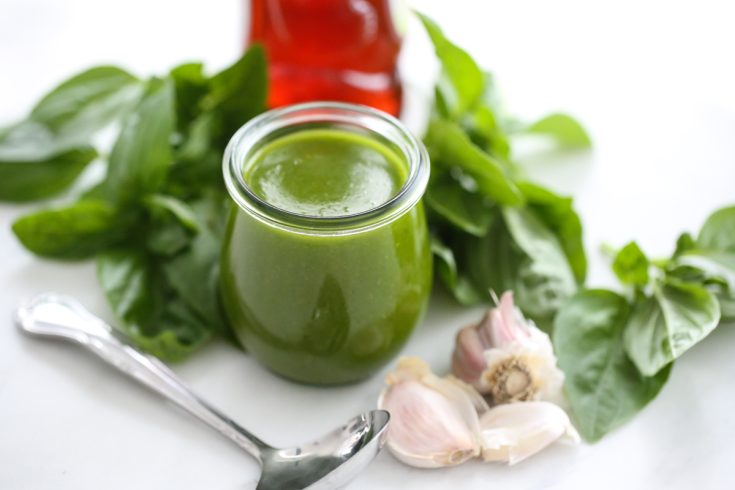
Honey Basil Vinaigrette
When a salad needs a little sweetness, I use this Honey Basil Dressing. The fresh basil leaves add a fragrant, herbal flavor, while the honey cuts the acidity of the lemon juice or vinegar and makes the dressing wonderfully balanced. I especially like this sweet basil vinaigrette with spinach, arugula, strawberries, peaches, apples, goat cheese, walnuts, and grilled chicken. It's also delicious on roasted carrots or sweet potatoes when you want a quick boost of flavor. To make it, whisk together the honey, lemon juice, Dijon mustard, salt, and pepper, then gradually add the olive oil. This helps create a smooth, homemade dressing rather than a thin mixture. If you're planning on making a healthy meal, set the dressing aside until just before serving so the tender greens stay crisp. This is an easy homemade salad dressing that can turn a bowl of plain vegetables into a more satisfying lunch.
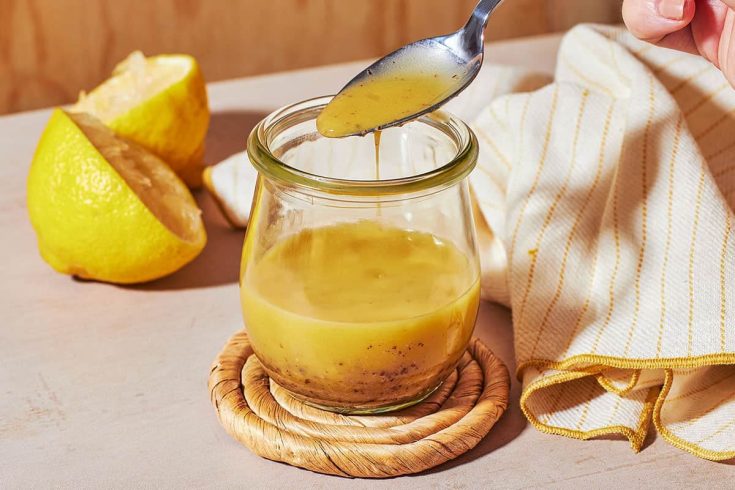
Dijon Vinaigrette
When I want a dressing that tastes fresh but has enough tartness and firmness for a heavy salad, this Dijon Basil Vinaigrette is my go-to. Fresh basil, Dijon mustard, lemon juice or vinegar, olive oil, garlic, salt, and pepper make a balanced basil vinaigrette that pairs beautifully with greens, chickpeas, quinoa, roasted vegetables, chicken, and grain bowls. The Dijon also helps combine the oil and acidic ingredients to create a smooth emulsion, giving the dressing a more cohesive texture. I recommend whisking the mustard, basil, and acid together first, then whisking in the olive oil slowly. If it tastes too strong, add a little honey. If it seems too thick, add a little more lemon juice. This is a great healthy homemade dressing for meal prep, as its robust flavor pairs well with simple proteins and vegetables without a complicated recipe.
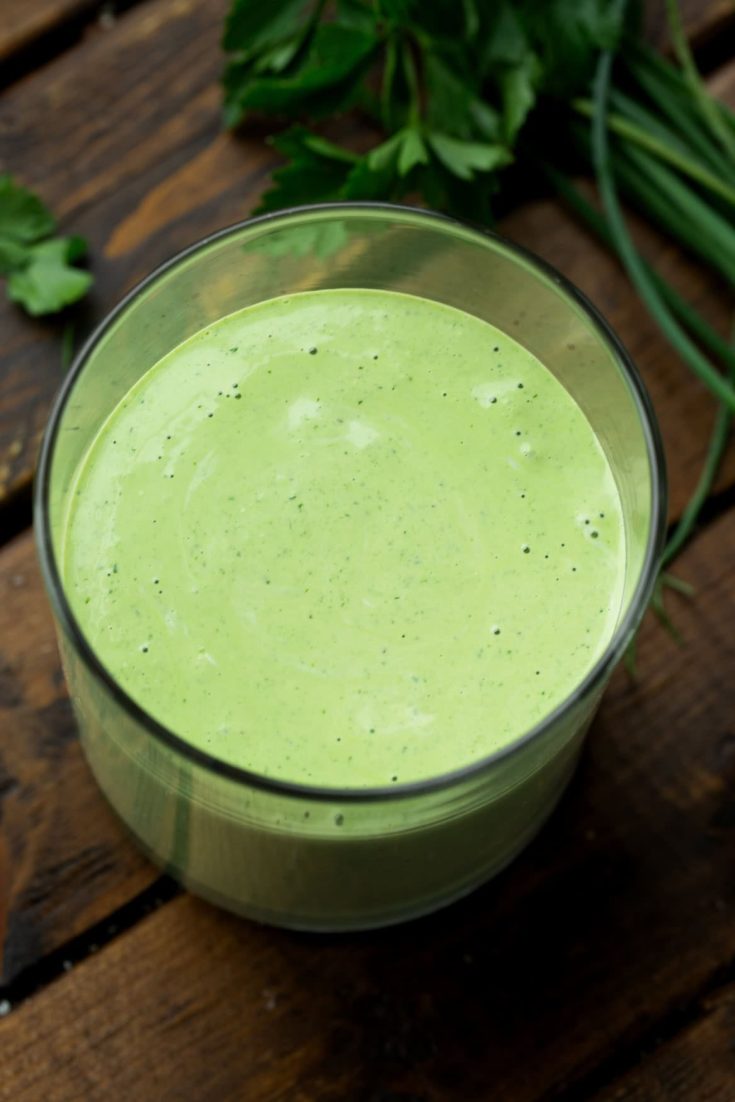
Creamy Basil Dressing Recipe
If you love creamy salad dressings but don’t want something too heavy, try this Greek Yogurt Basil Dressing. I mix thick Greek yogurt with fresh basil, lemon juice, garlic, olive oil, salt, and pepper to create a cool, sweet-sour, and herb-filled dressing. The yogurt gives this creamy basil dressing a thick texture and adds protein, making it a great option for healthy lunches, vegetable bowls, wraps, and meal-prep salads. I especially like to serve it with cucumbers, tomatoes, grilled chicken, roasted potatoes, and crunchy lettuce. If the dressing is too thick, thin it out with a little water or additional lemon juice until it’s to your desired consistency. You can also use it as a dip for raw vegetables.
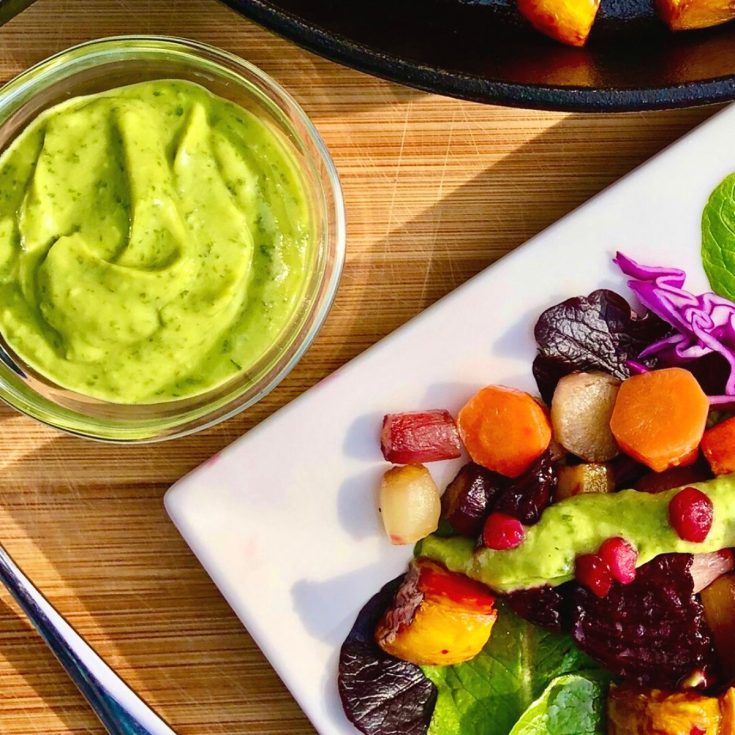
Avocado Basil Dressing
This avocado basil dressing is creamy, green, refreshing, and a complete departure from traditional oil-based vinaigrettes. The ripe avocado gives the dressing a thick consistency, while the fresh basil and lemon juice add brightness. I like to add garlic, pepper, and a little water to it, which creates a smooth texture and is perfect for salads and bowls. This creamy basil dressing goes especially well with tomatoes, cucumbers, corn, beans, quinoa, grilled chicken, shrimp, and roasted vegetables. It’s a great option if you want a naturally creamy vegan basil dressing without dairy. Since avocado can turn black over time, I like to make this dressing just before serving and cover it well. If you’re making a healthy meal-prep bowl, drizzle it over veggies and protein just before serving. This results in a creamy, refreshing, and satisfying experience.
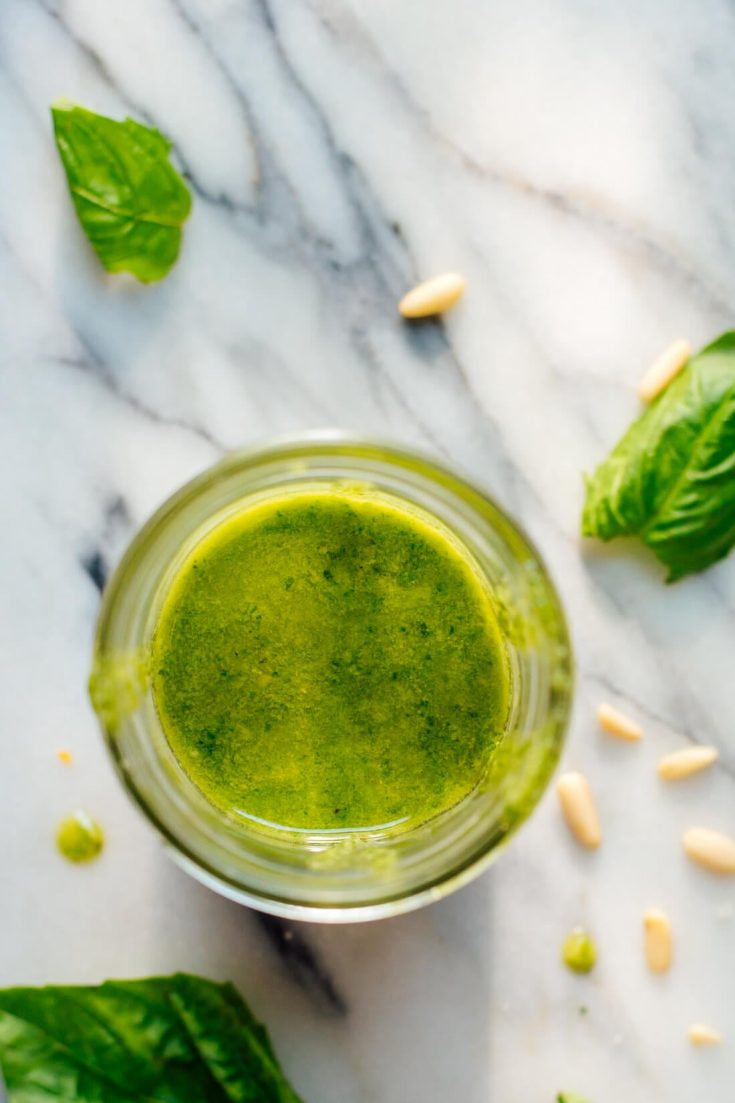
Basil Pesto Salad Dressing
If you already love pesto, you’ll want to turn it into a pourable basil pesto dressing. I make this version with fresh basil, garlic, olive oil, Parmesan or another suitable cheese, lemon juice, and just enough water to thin it out. Unlike thick pesto sauces, this basil pesto dressing is made to be easily poured over salads, pasta, grilled vegetables, chicken, fish, and grain bowls. I especially love it with tomatoes, mozzarella, pasta salad, green beans, and roasted vegetables. If you want a vegan option, you can use nutritional yeast or a suitable dairy-free substitute for Parmesan. Start with a small amount of water and keep adding more water until you get the right consistency for your dish. This is a smart way to turn leftover pesto into a versatile homemade salad dressing without having to leave it sitting unused in the fridge.
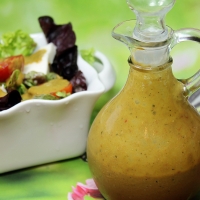
Spicy Basil Vinaigrette Recipe
When salad dressings get boring, this Spicy Chili Basil Dressing will change your mind. Fresh basil, chili, lemon juice, garlic, olive oil, and a touch of sweetness combine to create a bright, tangy, and herbaceous dressing with an Asian-inspired flavor. I love using it on cucumber salad, coleslaw, rice bowls, noodles, grilled chicken, shrimp, tofu, and roasted vegetables. The fresh basil keeps the spiciness from becoming too intense, and the lemon adds the necessary tartness to balance the oil. You can adjust the amount of spiciness to your liking, making this Spicy Basil Vinaigrette easy to customize. For a quick, healthy lunch, drizzle it over a bowl of greens, lean protein, and vegetables. Plus, it's a fun alternative to traditional vinaigrette when you want a homemade dressing with a strong flavor, with fresh herbs, lemon, and a little salt.
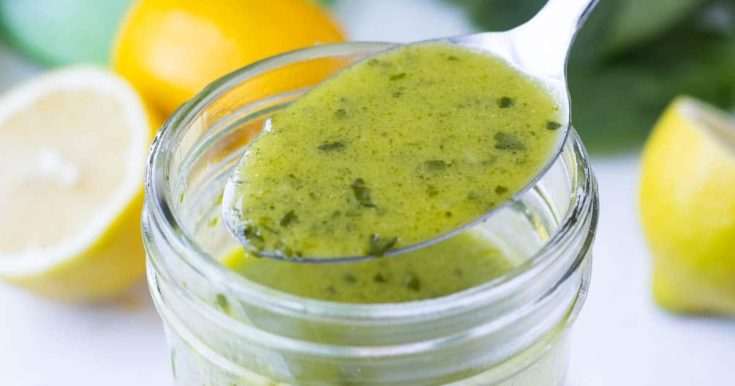
Lemon Basil Vinaigrette Dressing
When I want something fresh enough for a salad but versatile enough for a full meal, this lemon, herb, and basil dressing is my go-to. Fresh basil provides the main flavor, and the lemon juice, parsley, garlic, olive oil, salt, and pepper combine to create a bright homemade herb dressing. Depending on what you have on hand, you can also add other mild herbs, making this a great fresh basil dressing to use before the herbs dry out. I like to serve it with leafy greens, cucumbers, tomatoes, quinoa, chickpeas, grilled chicken, fish, asparagus, and roasted potatoes. The lemon keeps the dressing vibrant, and the herbs make even simple vegetables taste so much more interesting. If you're making healthy meals for the week, make it in a small jar and refrigerate it, then shake well before serving. This versatile lemon-basil vinaigrette is especially suitable for Mediterranean-style lunches and simple weeknight dinners.
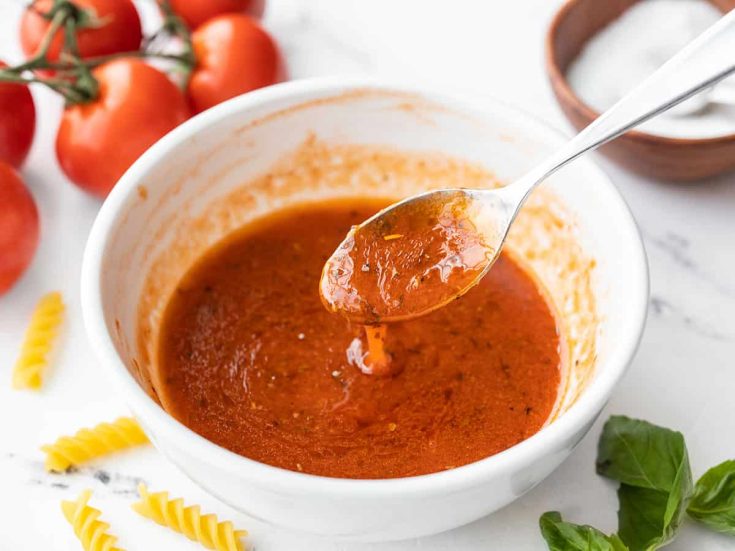
Tomato Basil Vinaigrette
Tomatoes and basil are a classic combination, so it makes perfect sense to turn them into a homemade dressing. This tomato basil dressing combines ripe tomatoes, fresh basil, olive oil, garlic, lemon juice or vinegar, salt, and pepper to create a bright and flavorful sauce. I love using summer tomatoes when they are juicy and flavorful, as their natural sweet flavor gives the dressing a distinct character. Try it with green salads, caprese-inspired bowls, pasta salads, grilled chicken, fish, roasted vegetables, or crispy bread. For a smoother tomato basil vinaigrette, blend everything until silky; for more texture, pulse briefly and place small pieces of tomato and basil in the blender. It's also a delicious way to add Mediterranean flavor to a simple lunch without relying on store-bought dressings. If you love fresh tomato recipes, this basil dressing deserves a spot on your summer meal list.
Basil Parmesan Salad Dressing
This Parmesan Basil Dressing is thick, flavorful, and perfect for when you want something a little heavier than a light vinaigrette. Fresh basil, finely grated Parmesan, lemon juice, garlic, olive oil, Dijon mustard, salt, and pepper make a creamy basil Parmesan dressing that doesn't require a lot of cream. I love it with crunchy green salads, pasta salads, roasted broccoli, potatoes, grilled chicken, and Mediterranean-style grain bowls. The Parmesan adds umami flavor, and the lemon keeps the dressing from being too heavy. For a smoother texture, blend the basil and liquid ingredients first, then add the Parmesan and pulse briefly. You can thin it out with a little water, depending on how you plan to use it. This is a great homemade salad dressing for busy weeknights when you want to make veggies and lean protein taste great without having to make any complicated sauces.
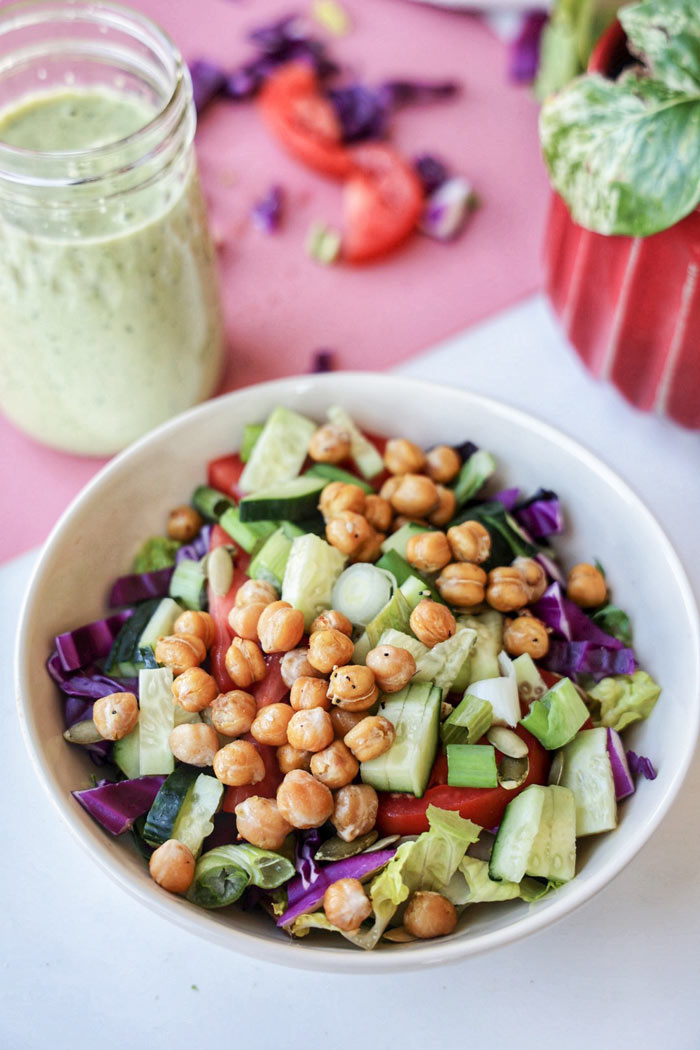
Tahini Basil Dressing
If you want a creamy vegan basil dressing with a completely different flavor, try this Tahini Basil version. The nutty tahini pairs wonderfully with fresh basil, lemon juice, garlic, and a little water. I love this combination with roasted vegetables, chickpea salads, grain bowls, quinoa, cucumbers, spinach, tofu, and falafel-like dishes. The tahini adds a rich flavor to the dressing, the lemon brightens it, and the basil keeps it fresh without being too heavy. When mixing tahini with lemon juice, its consistency may be thick at first; in that case, add cold water little by little and keep whisking until it is smooth and pourable. This vegan basil tahini dressing is especially useful for plant-based meal prep, as it adds flavor and creaminess to common vegetables, beans, and grains. Store it in an airtight container and shake or shake before serving. This is one of my favorite dairy-free alternatives to creamy salad dressings.
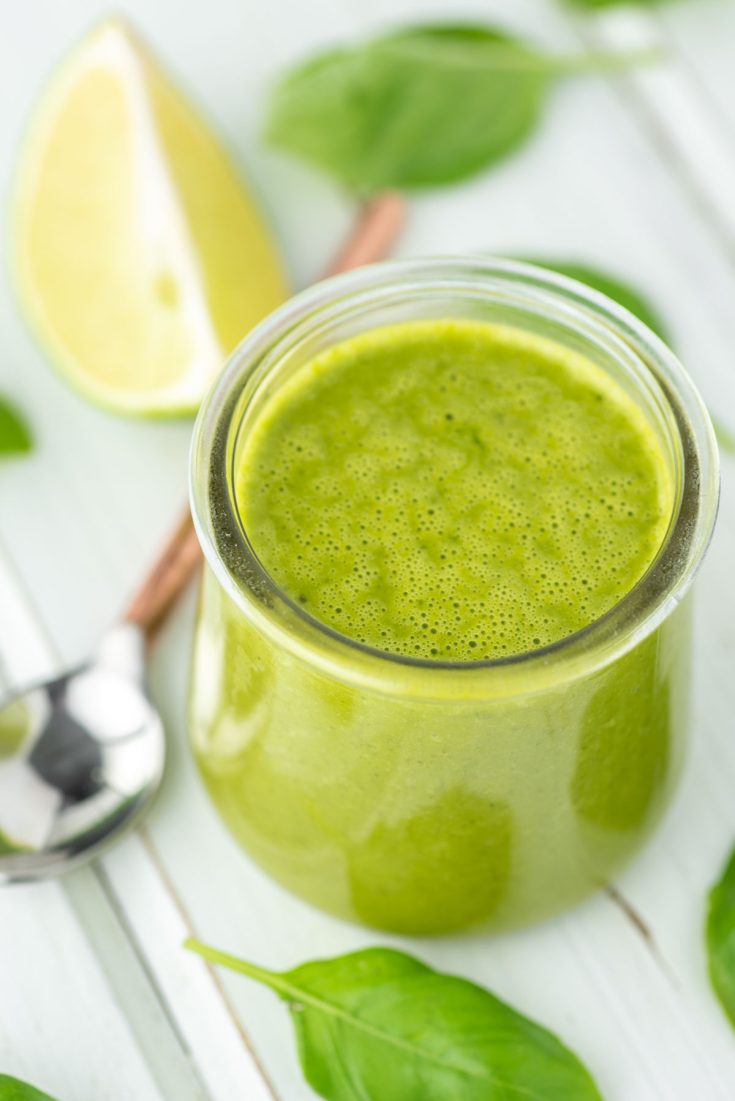
Basil Lime Vinaigrette
This basil lime dressing is bright, lemony, and perfect for when you want something a little fresher than a traditional vinaigrette. Fresh basil and lemon juice create the main flavor combination, while olive oil, garlic, salt, pepper, and a touch of sweetness round it all out. I especially like this lime basil salad dressing with avocado, cucumber, corn, tomatoes, black beans, grilled chicken, shrimp, fish, and rice bowls. It also works great in slow and summer salads, where a little tartness helps balance out creamy or heavy ingredients. Start with less lemon juice than you think you need, then taste and adjust as needed, as lemon juice can be quite tart. For a healthy meal prep, store the dressing separately and drizzle it over your bowl just before serving. If you love the taste of fresh lemon, this homemade basil dressing is an easy way to give simple vegetables and lean protein a whole new look.
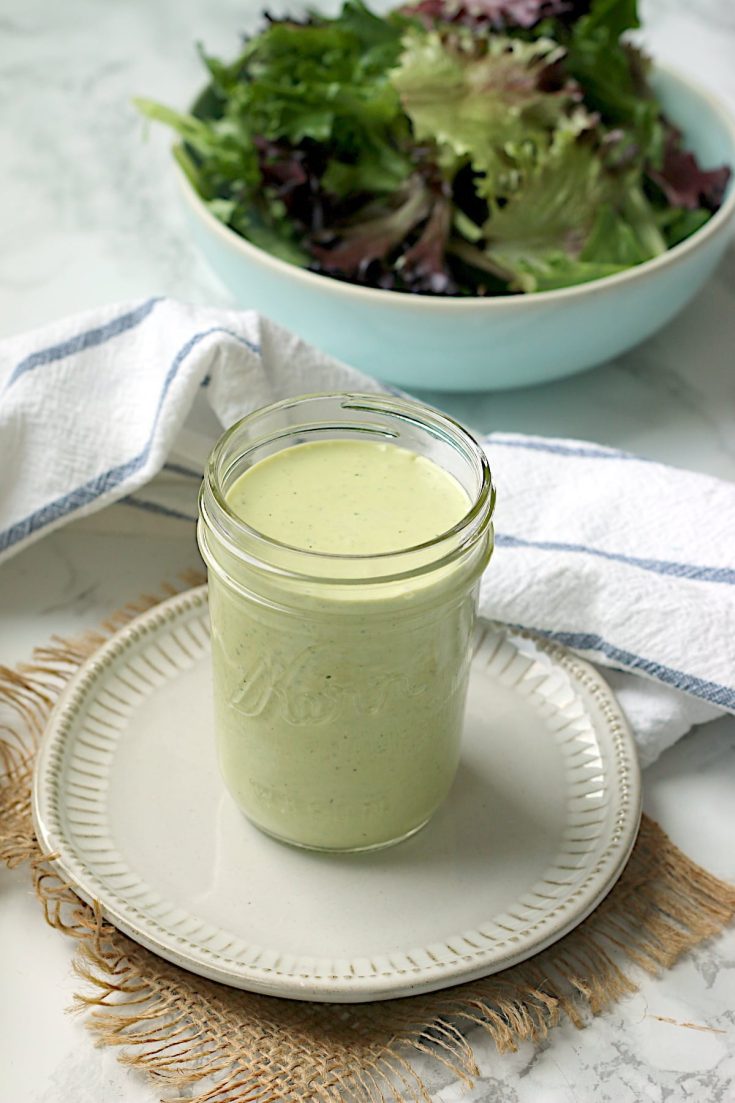
Basil Pesto Yogurt Dressing
This basil pesto yogurt dressing combines two of my favorite things that are quick to make at home: fresh basil pesto and creamy Greek yogurt. The result is a thick, sweet-sour, herb-flavored dressing that can easily be turned into a high-protein meal-prep dressing. Simply mix the basil pesto with Greek yogurt, lemon juice, pepper, and a little water until you reach your desired consistency. I use it on green salads, chicken bowls, roasted vegetables, potatoes, wraps, pasta salads, and crunchy cucumbers. You can make it thick for dipping or thin for spreading. It’s especially great for busy lunches, as it adds a lot of flavor to lean protein, vegetables, and whole grains in just a small amount. If you want a dairy-free version, use your favorite unsweetened plant-based yogurt.
Related: Pesto Pasta with Corn and Green Beans
Why I Tested & Chose These 15 Basil Dressings
Not every basil dressing is worth making again. Some versions taste wonderfully fresh straight from the blender but become bitter after sitting, while others are too oily, too acidic, too sweet, or simply don’t complement the food they’re served with. That’s why I wanted this collection to be more useful than a basic list of basil dressing recipes.
1I wanted more than one basic vinaigrette
This fresh basil dressing is great; a light basil vinaigrette goes great with leafy greens, while a creamy basil dressing might be better with roasted vegetables or chicken. A pesto basil dressing can turn pasta into a quick meal, while a balsamic basil dressing goes great with tomatoes and fresh mozzarella cheese.
2I tested different flavor profiles
I’ve tried all the major flavor combinations that go well with fresh basil: lemon and basil, garlic and basil, balsamic and basil, honey and basil, Dijon and basil, tomato and basil, lime and basil, chili and basil; as well as creamy yogurt, avocado, tahini, and pesto-based versions.
3Texture mattered as much as flavor
A good salad dressing should coat food without making it greasy or heavy. During testing, I paid attention to whether each homemade dressing was light and pourable, thick and creamy, silky and emulsified, or better suited as a dip or drizzle. This helped me match each basil dressing with the foods it actually complements best.
4I looked at how the dressing behaved
Fresh herbs can behave differently depending on how they are chopped, blended and combined with oil and acidic ingredients. I therefore looked beyond the first taste and considered emulsion, separation, freshness, color, aroma and consistency before choosing the final recipes.
5Each dressing needed a real purpose
I didn’t want 15 recipes that were basically the same dressing with one ingredient swapped. Each version has a specific job. Some are best for salads, some for pasta salad and grain bowls, some for grilled chicken or fish, and others work especially well with roasted vegetables, sandwiches or meal-prep lunches.
6I considered everyday ingredients
A recipe isn’t particularly helpful if you need a long shopping list for it. I prioritized practical ingredients such as fresh basil, olive oil, lemon juice, vinegar, garlic, Dijon mustard, Greek yogurt, avocado and simple seasonings. Where possible, I also included useful substitutions for different dietary needs and pantry situations.
7Healthy options needed to taste good
I also included options for peoples looking for a healthy salad dressing, lighter homemade dressing, vegan dressing, dairy-free dressing or meal-prep-friendly option. But I didn’t choose a recipe simply because it sounded healthy. Flavor, texture and how well it works with real food still come first.
8Meal prep was part of the test
A dressing can taste excellent immediately and still be inconvenient for weekly meal prep. I considered which versions are practical for make-ahead lunches, salads, grain bowls and quick dinners, and which ones are better prepared shortly before serving.
What I Looked For in Every Basil Dressing
- Fresh basil flavor without overpowering the dish
- Balanced acidity from lemon juice or vinegar
- Good oil-to-acid balance
- Smooth texture and practical consistency
- Emulsion stability where appropriate
- Useful ingredient substitutions
- Versatility beyond a single salad
- Meal-prep practicality
- Compatibility with vegetables and proteins
- Flavor after resting, not just immediately after mixing
Related: How to Cook Pasta Perfectly Every Time
What Makes a Great Basil Dressing?
A great basil dressing is more than basil blended with oil. After testing different combinations of fresh basil, olive oil, lemon juice, vinegar, garlic, mustard, herbs and creamy ingredients, I found that the best homemade basil dressings have one thing in common: balance. You want fresh basil flavor without bitterness, enough acidity to brighten the dressing, enough fat to create a smooth mouthfeel, and just enough seasoning to make the whole mixture taste vibrant.
The 5 Building Blocks of a Great Basil Dressing
1. Fresh Basil
Fresh basil is the star of the dressing, so its quality matters. Look for bright, fragrant leaves without dark spots, wilting or a slimy texture. Fresh basil gives a much more aromatic and vibrant result than simply relying on dried basil.
2. The Right Amount of Acid
Lemon juice, red wine vinegar, white wine vinegar, champagne vinegar and balsamic vinegar can all work, but each creates a different personality. Lemon gives a clean, bright finish, while balsamic adds sweetness and depth. The acid should wake up the dressing—not make your mouth pucker.
3. A Flavorful Fat
Extra-virgin olive oil is a natural choice for many basil vinaigrettes because it adds body and carries the aromatic flavors of the herbs. However, the oil should support the basil rather than overpower it. For a lighter or creamy basil dressing, part of the oil can be replaced with yogurt, avocado or another suitable creamy ingredient.
4. Balanced Seasoning
Salt does more than make a dressing salty—it helps the basil, acid and other ingredients taste more integrated. Freshly ground black pepper, garlic, shallot, honey or a small amount of another sweetener can add additional layers of flavor. Add strong ingredients gradually so they don’t overpower the basil.
5. A Stable Emulsion
Oil and water-based ingredients naturally want to separate. Whisking or blending them together creates an emulsion, while ingredients such as Dijon mustard can help the mixture stay together longer. Adding oil gradually while whisking is a simple technique for a smoother homemade vinaigrette.
6. The Right Texture
A good basil dressing should be thin enough to drizzle but substantial enough to cling lightly to lettuce, vegetables, pasta or grain bowls. A creamy basil dressing can be thicker, while a classic basil vinaigrette should generally pour easily from a jar or bottle.
How to Balance Basil Dressing Like a Pro
I don’t recommend following a single oil-to-acid ratio blindly for every basil dressing. Different acids, oils and additional ingredients behave differently. Instead, use a starting formula and then taste and adjust.
| If Your Dressing Tastes… | Try Adding… | Why It Helps |
|---|---|---|
| Too acidic | A little more oil or creamy ingredient | Softens the sharp acidity |
| Too oily | A little lemon juice or vinegar | Adds brightness and contrast |
| Too bitter | Check basil quality, then add a small amount of sweetness or acid | Helps rebalance harsh flavors |
| Too sweet | Acid and a small amount of salt | Restores balance |
| Too salty | More unsalted dressing ingredients | Dilutes the salt concentration |
| Too thick | A little water, lemon juice or vinegar | Loosens the consistency |
| Too thin | A little Dijon, yogurt, avocado or another suitable emulsifying ingredient | Adds body and can improve stability |
Why Emulsification Matters in Basil Vinaigrette
The biggest difference between an average homemade dressing and a really good basil vinaigrette is how well the ingredients come together. Oil and acidic ingredients do not naturally stay mixed, which is why an undisturbed vinaigrette can separate into layers.
Whisking, shaking or blending breaks the oil into smaller droplets throughout the water-based portion of the dressing. Ingredients such as Dijon mustard can also help stabilize the mixture. This gives you a smoother dressing that coats salad leaves more evenly instead of leaving most of the oil at the bottom of the bowl.
My Favorite Trick for a Better Basil Vinaigrette
I usually combine the acid, Dijon mustard, garlic, salt and other seasonings first. Then I slowly whisk in the oil instead of dumping everything into the bowl at once. Once the base tastes balanced, I add the fresh basil and blend or finely chop it according to the texture I want.
This gives me much more control over the flavor and consistency than simply blending every ingredient together and hoping the proportions work.
What Should a Great Basil Dressing Taste Like?
Fresh Basil vs. Dried Basil
For a fresh basil salad dressing, I strongly prefer fresh basil. It gives the dressing its characteristic green, aromatic and slightly sweet-herbal flavor. Dried basil can still be useful in cooked sauces or when fresh herbs aren’t available, but it doesn’t provide exactly the same fresh character in a raw vinaigrette.
How to Choose the Best Basil Dressing for Your Meal
The best basil dressing isn’t necessarily the richest or most complicated one. It depends on what you’re serving. A bright lemon basil vinaigrette works beautifully with delicate greens and vegetables, while a creamy basil dressing can stand up to roasted vegetables, grain bowls and hearty salads.
For Caprese salad, tomato salad and Mediterranean dishes, try a basil-balsamic combination. For chicken or grilled vegetables, garlic basil vinaigrette is a flavorful choice. For pasta and pasta salad, basil pesto dressing provides a richer option. If you’re preparing healthy lunches ahead of time, a lemon basil vinaigrette or Dijon basil dressing can be especially versatile.
What Makes a Basil Dressing Healthy?
A homemade basil dressing can make it easier to control ingredients such as oil, added sugar and sodium compared with relying entirely on a packaged dressing. But “healthy” depends on the complete recipe and serving size, so I don’t treat every basil dressing as automatically low-calorie or low-fat.
My Test for a Truly Great Basil Dressing
Before I call a basil dressing a keeper, I look for six things: fresh basil flavor, balanced acidity, pleasant texture, enough seasoning, good coating ability and versatility. Most importantly, it should make the food taste better rather than simply taste like dressing.
Related: Easy Chickpea Salad
Best Basil Dressing Comparison Chart
This quick comparison makes it easy to find the best basil vinaigrette or creamy basil dressing for salads, pasta, chicken, vegetables, grain bowls, Caprese salads and healthy meal prep.
Compare All 15 Basil Dressing Recipes
Compare flavor, texture, dietary options, meal-prep suitability and the best foods to pair with each fresh basil dressing before deciding which recipe to make.
| Basil Dressing | Flavor Profile | Texture | Best For | Dietary Fit | Meal Prep | My Rating |
|---|---|---|---|---|---|---|
|
01
Lemon Basil Vinaigrette
Best Overall |
Bright, fresh, citrusy and herb-forward | Light & silky | Green salads Grain bowls Chicken | Vegan Dairy-free | ✓ Excellent | ★★★★★ |
|
02
Garlic Basil Vinaigrette
Best Savory |
Garlicky, herbaceous and savory | Light & pourable | Chicken Vegetables Potatoes | Vegan Low-carb | ✓ Excellent | ★★★★★ |
|
03
Balsamic Basil Dressing
Best for Caprese |
Sweet-tangy, fruity and deeply herbaceous | Silky & medium-bodied | Caprese Tomato salad Mozzarella | Vegetarian Vegan* | ✓ Good | ★★★★★ |
|
04
Honey Basil Dressing
Best Sweet-Tangy |
Fresh, lightly sweet and tangy | Light & glossy | Fruit salads Summer salads Chicken | Vegetarian | ✓ Good | ★★★★☆ |
|
05
Dijon Basil Vinaigrette
Best for Green Salads |
Bright, tangy, peppery and balanced | Smooth & emulsified | Green salads Grain bowls Meal prep | Vegan* Dairy-free | ✓ Excellent | ★★★★★ |
|
06
Creamy Greek Yogurt Basil Dressing
Best Creamy |
Creamy, tangy, fresh and mildly savory | Thick & creamy | Vegetables Wraps Healthy lunches | Vegetarian Protein-rich* | ✓ Good | ★★★★★ |
|
07
Avocado Basil Dressing
Best Vegan Creamy |
Creamy, fresh, rich and herbaceous | Thick & velvety | Grain bowls Tacos Vegetable bowls | Vegan Dairy-free | ◐ Shorter freshness | ★★★★☆ |
|
08
Basil Pesto Dressing
Best for Pasta |
Rich, garlicky, nutty and intensely basil-forward | Thick & spoonable | Pasta Pasta salad Sandwiches | Vegetarian* | ✓ Good | ★★★★★ |
|
09
Spicy Chili Basil Dressing
Best Spicy |
Herbaceous, spicy, savory and slightly tangy | Light & glossy | Asian salads Noodles Tofu | Vegan Dairy-free | ✓ Excellent | ★★★★☆ |
|
10
Lemon Herb Basil Dressing
Best Herb Blend |
Fresh, citrusy, green and aromatic | Light & silky | Green salads Roasted vegetables Fish | Vegan Dairy-free | ✓ Excellent | ★★★★☆ |
|
11
Tomato Basil Dressing
Best Mediterranean |
Fresh, tangy, juicy and savory | Medium & spoonable | Tomato salads Grain bowls Mediterranean meals | Vegan Dairy-free | ✓ Good | ★★★★☆ |
|
12
Parmesan Basil Dressing
Best Rich & Savory |
Cheesy, savory, garlicky and herbaceous | Creamy & rich | Chicken salads Pasta Roasted vegetables | Vegetarian | ✓ Good | ★★★★☆ |
|
13
Tahini Basil Dressing
Best Vegan Creamy |
Nutty, creamy, earthy and herbaceous | Thick & creamy | Grain bowls Chickpeas Roasted vegetables | Vegan Dairy-free | ✓ Excellent | ★★★★☆ |
|
14
Basil Lime Dressing
Best Zesty |
Sharp, citrusy, fresh and herbaceous | Light & pourable | Avocado salads Shrimp Chicken bowls | Vegan Dairy-free | ✓ Excellent | ★★★★☆ |
|
15
Basil Pesto Yogurt Dressing
Best Creamy Meal Prep |
Creamy, tangy, garlicky and basil-rich | Thick & smooth | Meal prep Chicken bowls Wraps | Vegetarian Protein-rich* | ✓ Excellent | ★★★★★ |
Which Basil Dressing Is Best for You?
The best basil salad dressing depends on what you are serving and the flavor you want. Use this quick guide when choosing between a classic basil vinaigrette, creamy basil dressing, pesto dressing or a fresh lemon-based dressing.
- For a simple green salad: choose Lemon Basil Vinaigrette or Dijon Basil Vinaigrette.
- For Caprese salad: choose Balsamic Basil Dressing for a classic tomato-and-basil pairing.
- For pasta: choose Basil Pesto Dressing for a richer, more concentrated flavor.
- For chicken: try Garlic Basil Vinaigrette or Basil Lime Dressing.
- For roasted vegetables: choose Tahini Basil Dressing or Lemon Herb Basil Dressing.
- For vegan meals: try Avocado Basil Dressing, Tahini Basil Dressing or Lemon Basil Vinaigrette.
- For healthy meal prep: choose Dijon Basil Vinaigrette, Lemon Basil Vinaigrette or Basil Pesto Yogurt Dressing.
- For a creamy salad dressing: choose Greek Yogurt Basil Dressing or Basil Pesto Yogurt Dressing.
Basil Dressing Pairing Guide
🥗 For Salads
Fresh basil vinaigrette works especially well with leafy greens, tomatoes, cucumber, mozzarella, beans, chickpeas, quinoa and Mediterranean-inspired salads.
🍗 For Chicken
Garlic basil dressing, lemon basil vinaigrette and basil lime dressing add bright acidity and fresh herb flavor to grilled or roasted chicken.
🐟 For Fish & Seafood
Choose a light lemon basil dressing or basil lime vinaigrette when you want a fresh, citrus-forward sauce for fish, shrimp or seafood.
🍝 For Pasta
Basil pesto dressing and Parmesan basil dressing are richer choices for pasta salads, cold pasta dishes and quick weeknight meals.
🥦 For Vegetables
Try creamy tahini basil dressing, lemon herb basil dressing or garlic basil vinaigrette over roasted vegetables and grain bowls.
🥙 For Meal Prep
A homemade basil dressing can make meal-prep salads, grain bowls, chickpea bowls and healthy lunches more flavorful without requiring a complicated sauce.
Best Basil Dressings for Healthy Meal Prep
Light & Fresh
Choose Lemon Basil Vinaigrette when you want a bright, oil-based homemade salad dressing that works across several meals.
Creamy & Filling
Greek yogurt basil dressing is a creamy option for vegetable bowls, wraps and salads when you prefer a thicker dressing.
Vegan & Dairy-Free
Avocado basil dressing and tahini basil dressing are useful dairy-free options for plant-based salads and meal-prep bowls.
Related: 15 Minute Dinner Recipes
How to Make Basil Dressing From Scratch
Making a fresh basil dressing at home is surprisingly easy. With fresh basil, good olive oil, a bright acidic ingredient, and a few simple seasonings, you can make a vibrant homemade basil dressing in about 5 minutes. The real trick is getting the balance right so the dressing tastes fresh and herby instead of overly oily, sharp, bitter, or flat.
I like to think of homemade basil dressing as a simple flavor formula rather than a strict recipe. Once you understand what each ingredient contributes, you can easily turn it into a basil vinaigrette, lemon basil dressing, creamy basil dressing, vegan salad dressing, or basil pesto-style dressing depending on what you are serving.
What You Need to Make Basil Dressing
You don’t need a long ingredient list for a flavorful fresh basil salad dressing. The goal is to let the basil remain the star while using the other ingredients to create balance, texture, and depth.
| Ingredient | What It Does | My Best Tip |
|---|---|---|
| Fresh basil leaves | Provides the main herbal, aromatic flavor. | Choose bright, fresh leaves without dark or wilted spots. |
| Extra-virgin olive oil | Adds richness and carries the basil’s aroma. | Use an olive oil whose flavor you enjoy on its own. |
| Fresh lemon juice | Adds acidity and keeps the dressing tasting bright. | Add gradually and taste as you go. |
| Dijon mustard | Adds savory sharpness and helps the oil and acidic ingredients combine. | Start with a small amount so it doesn’t overpower the basil. |
| Garlic | Adds savory depth and a gentle bite. | Use a small clove for a balanced dressing. |
| Salt | Brings the basil and other flavors into focus. | Season gradually rather than adding a lot at once. |
| Black pepper | Adds mild heat and complexity. | Freshly ground pepper works especially well here. |
My Basic Basil Dressing Formula
For a balanced homemade basil vinaigrette, start with a simple oil-to-acid ratio and then adjust it to your taste. I prefer building the acidic base first and adding the oil gradually rather than dumping everything into a bowl at once.
How to Make Basil Dressing Step by Step
This method works whether you want a light basil vinaigrette for salad or a thicker homemade basil dressing for vegetables, chicken, pasta, grain bowls, and meal prep.
Wash and Dry the Basil
Gently wash the fresh basil leaves and dry them thoroughly. Excess water can dilute the dressing and make it harder to control the final texture. I prefer using a salad spinner followed by a quick air-dry on a clean kitchen towel.
Build the Acidic Base
Add the lemon juice or vinegar, Dijon mustard, garlic, salt, and black pepper to a blender, mini food processor, or mixing bowl. Combining these ingredients first makes it easier to taste and correct the seasoning before adding the oil.
Add the Fresh Basil
Add the basil leaves and pulse or blend until they are finely chopped. For a rustic dressing, stop while tiny basil pieces remain visible. For a smoother basil vinaigrette, continue blending until the mixture is more uniform.
Slowly Add the Olive Oil
With the blender or processor running at a low-to-medium speed, slowly drizzle in the olive oil. Adding it gradually helps create a smoother, more cohesive dressing instead of a mixture that immediately separates.
Blend Until Just Combined
Blend only until the dressing reaches the texture you want. Avoid unnecessarily aggressive or prolonged blending, especially if you are using extra-virgin olive oil, because the finished dressing can become less pleasant if overworked.
Taste and Adjust
This is the step I never skip. Taste the basil dressing before serving. Add a little more lemon juice if it tastes flat, olive oil if it is too sharp, salt if the flavors seem muted, or a tiny amount of honey or maple syrup if the acidity needs balancing.
How to Get the Perfect Basil Dressing Texture
The best texture depends on how you plan to use the dressing. A thin basil vinaigrette is ideal for leafy greens, while a thicker basil dressing works better as a dip, sandwich spread, pasta sauce, or vegetable dressing.
Why Does Basil Vinaigrette Separate?
Oil and acidic ingredients naturally want to separate. A good vinaigrette temporarily brings them together by dispersing tiny droplets of oil throughout the acidic mixture. Ingredients such as Dijon mustard can help stabilize that mixture, while whisking, shaking, or blending provides the mechanical action needed to create a more cohesive dressing.
Don’t worry if a homemade basil dressing separates slightly after sitting in the refrigerator. Natural separation is common with oil-based dressings. A quick shake or whisk usually brings the ingredients back together.
How to Keep Basil Dressing Bright Green
Fresh basil is delicate, so the finished dressing can gradually lose its vivid green appearance as the basil is exposed to air. For the freshest color and flavor, start with fresh basil and avoid unnecessary handling or prolonged processing.
- Use fresh, vibrant basil leaves.
- Remove badly bruised or discolored leaves.
- Dry the basil thoroughly before blending.
- Don’t blend the dressing longer than necessary.
- Store it in a clean, airtight container.
- Keep the dressing refrigerated when not using it.
- For the brightest appearance, make smaller batches more frequently.
How to Fix Basil Dressing That Tastes Wrong
The easiest way to improve a homemade salad dressing is to identify what is missing rather than adding random ingredients.
Related: Creamy Vegetarian Pasta Recipes
Fresh Basil vs Dried Basil for Dressing: Which Is Better?
I prefer fresh basil for most cold salad dressings because it gives a brighter herbal aroma and a fresher finish. Dried basil can still work when fresh basil isn’t available, but it needs a slightly different approach.
Fresh Basil vs Dried Basil for Salad Dressing
Fresh and dried basil are not simply interchangeable versions of the same ingredient. Drying removes water and changes the herb’s aroma, flavor profile and texture. Fresh basil brings a sweet, green, aromatic character that works particularly well in uncooked foods, while dried basil is more convenient, shelf-stable and better suited to recipes where the herb has time to hydrate and release its flavor.
For a fresh basil dressing, I want the basil to taste vibrant and noticeable without becoming grassy or bitter. For a dried basil dressing, I use less at first, allow the herb to hydrate in the acidic ingredients, and taste again before adding more.
🌿 Fresh Basil
Fresh basil is my first choice when the dressing is served cold and basil is one of the main ingredients.
- Bright, sweet and aromatic flavor
- Fresh green appearance
- Excellent for basil vinaigrette
- Ideal for summer salads and Caprese
- Great with lemon, olive oil and garlic
- Best when used soon after preparation
🌱 Dried Basil
Dried basil is useful when you want a pantry-friendly homemade dressing without buying a fresh bunch of basil.
- Longer pantry life
- Easy to measure and keep on hand
- More concentrated and less fresh-tasting
- Works well in simple vinaigrettes
- Useful for quick weekday meal prep
- Does not provide the same fresh green appearance
Fresh Basil vs Dried Basil: Quick Comparison
| Feature | Fresh Basil | Dried Basil |
|---|---|---|
| Flavor | Bright, fresh, sweet and aromatic | More concentrated, earthy and muted |
| Aroma | Strong and fresh | Less vibrant |
| Color | Green and visually fresh | Darker and less vibrant |
| Texture | Soft and leafy | Dry and crumbly until hydrated |
| Best for | Cold dressings, pesto, Caprese and fresh salads | Quick pantry vinaigrettes and meal-prep recipes |
| Storage | Perishable | Pantry-friendly |
| Convenience | Requires washing and preparation | Ready to measure |
| My choice for basil dressing | ★★★★★ | ★★★☆☆ |
Why I Prefer Fresh Basil for Most Dressings
When I tested basil as the main ingredient in a salad dressing, fresh leaves consistently gave the dressing a more lively aroma and a cleaner herbal finish. That difference matters most when the dressing is used raw, because there are no long cooking times or strongly flavored ingredients to hide the basil.
Fresh basil is especially useful in lemon basil vinaigrette, basil salad dressing, Caprese dressing, tomato salads, cucumber salads, pasta salads and Mediterranean-style bowls.
- You want a bright homemade basil vinaigrette.
- Basil is the main flavor of the dressing.
- You’re serving the dressing immediately.
- You’re making a Caprese or tomato-basil salad.
- You want a vibrant green appearance.
- You’re making pesto-style or herb-forward dressing.
When Dried Basil Is the Better Choice
Dried basil isn’t a bad substitute; it is simply a different ingredient. I find it most useful when I need a quick homemade salad dressing from ingredients already in the pantry.
Because dried basil has a different flavor and texture, don’t expect a dried-basil vinaigrette to taste exactly like one made with fresh leaves. Instead, treat it as its own dressing style.
- Fresh basil isn’t available.
- You want a pantry-friendly dressing.
- You’re preparing a quick weekday lunch.
- You don’t want to buy a whole bunch of fresh herbs.
- The dressing contains several other strong flavors.
- You prefer a subtle, less leafy basil flavor.
Can You Use Dried Basil Instead of Fresh Basil in Dressing?
Yes, but I wouldn’t make a straight one-for-one substitution. A useful starting point is the traditional 3:1 fresh-to-dried herb ratio: about 3 parts fresh basil for 1 part dried basil by volume.
This is a starting point rather than a rigid rule. Basil varieties, drying methods and storage age can all affect flavor intensity. For a salad dressing, I recommend adding the dried basil gradually and tasting before increasing the amount.
How to Make Dried Basil Work Better in Dressing
One mistake I see with dried herb dressings is adding everything together and immediately serving it. Dried basil benefits from a little time to rehydrate and release its flavor.
- Combine the dried basil with the acidic ingredients first. Lemon juice or vinegar helps distribute the herb through the dressing.
- Let it stand briefly. Give the dried basil a few minutes to soften before adding the oil.
- Add the oil gradually. Whisk or shake well to create a more evenly blended vinaigrette.
- Taste before adding more basil. The flavor can become more noticeable as the dressing rests.
- Balance with salt and acidity. Dried basil usually benefits from enough lemon juice or vinegar to keep the dressing from tasting flat.
Which Basil Is Best for Basil Vinaigrette?
For a classic fresh basil vinaigrette, sweet basil or Genovese basil is an excellent choice. Its familiar aroma works especially well with extra virgin olive oil, lemon juice, garlic, Dijon mustard, tomatoes and balsamic vinegar.
You can also experiment with other basil varieties, but remember that the flavor profile can change. The goal is not simply to add basil; it is to create a dressing in which the basil, acid, oil and seasoning taste balanced.
Fresh Basil vs Dried Basil for Different Dressings
| Type of Dressing | My Pick | Why |
|---|---|---|
| Lemon basil vinaigrette | Fresh basil | Fresh basil complements bright citrus particularly well. |
| Caprese salad dressing | Fresh basil | Tomato, mozzarella and basil benefit from a fresh herbal aroma. |
| Basil pesto dressing | Fresh basil | Basil is the primary flavor and benefits from freshness. |
| Quick pantry vinaigrette | Dried basil | Convenient when fresh herbs aren’t available. |
| Meal-prep dressing | Fresh or dried | Choose based on freshness, storage needs and desired flavor. |
| Creamy basil dressing | Fresh basil | Fresh basil cuts through creamy ingredients with a brighter flavor. |
| Garlic basil vinaigrette | Fresh basil | Fresh basil balances the strong garlic and acidic components. |
Does Fresh Basil Make a Healthier Dressing?
Not necessarily. The biggest nutritional difference in a basil dressing usually comes from the dressing’s main ingredients and portion size rather than whether the basil is fresh or dried.
If you’re making a healthy salad dressing, pay more attention to the amount and type of oil, added sugar, salt, creamy ingredients and serving size. Fresh basil can make a lower-calorie dressing taste more flavorful without requiring a large amount of basil, while dried basil is useful when you want a convenient pantry ingredient.
Fresh Basil for Meal Prep: One Important Consideration
If you’re preparing basil dressing for several days of meal prep, fresh basil requires more attention because it is delicate and perishable. Fresh basil can also darken or lose quality when exposed to unfavorable storage conditions. Research on basil storage shows that basil is particularly sensitive to cold temperatures, with chilling injury affecting appearance and aroma.
That doesn’t mean you should avoid fresh basil. It simply means I prefer to make fresh basil dressing in smaller batches when I want the brightest flavor, while dried basil can be convenient for a pantry-based dressing intended for quick weekday meals.
My Simple Basil Dressing Formula
If you don’t have a specific recipe, start with this flexible formula and adjust it to your taste:
For a fresh basil salad dressing, increase the fresh basil and use a bright acid such as lemon juice. For a dried basil vinaigrette, start conservatively with the dried herb and give it time to hydrate before deciding whether you need more.
Suggested: Low-Sodium Cooking Tips
Basil Dressing Ingredient Substitutions
Missing an ingredient for homemade basil dressing? You usually don’t need to abandon the recipe. I’ve found that the best substitutions depend on what the original ingredient contributes—acidity, richness, sweetness, creaminess, emulsification, or fresh herbal flavor. Use this guide to choose a substitution without losing the balance of your basil vinaigrette or salad dressing.
Can I Substitute Dried Basil for Fresh Basil?
Yes, but dried basil will not give you the same bright color, fresh aroma, or delicate flavor as fresh basil. For the best basil salad dressing, I recommend fresh leaves whenever possible.
For a fresher alternative:
- Fresh parsley
- Arugula
- Fresh oregano
- Fresh tarragon
- Spinach plus a smaller amount of dried basil
Olive Oil Substitutes for Basil Dressing
Extra-virgin olive oil gives a classic basil vinaigrette its fruity, peppery character, but you can substitute another oil when you want a milder flavor.
My preference: avocado oil when I want the basil and lemon to stand out without the stronger flavor of extra-virgin olive oil.
What Can I Substitute for Lemon Juice?
Lemon juice supplies acidity and brightness, so the best substitute should provide a similar sharp, fresh flavor.
- White wine vinegar: clean and delicate
- Champagne vinegar: mild and elegant
- Red wine vinegar: sharper and more savory
- Apple cider vinegar: slightly fruity
Start with less vinegar than the recipe calls for and adjust after tasting because vinegar can taste sharper than fresh lemon juice.
Vinegar Substitutions for Basil Vinaigrette
If your recipe calls for vinegar, you can usually switch between several varieties, but each one changes the final flavor profile.
For a Mediterranean-style basil dressing, balsamic vinegar pairs particularly well with tomatoes, mozzarella and fresh basil.
Can I Make Basil Dressing Without Dijon Mustard?
Absolutely. Dijon mustard adds tang and helps bring the oil and acidic ingredients together, but it isn’t essential.
If you leave Dijon out completely, whisk or shake the dressing thoroughly before serving because a simple oil-and-acid vinaigrette naturally separates over time.
Honey Substitutes for Basil Dressing
Honey balances acidic ingredients and can soften the sharpness of lemon juice or vinegar. If you’re making a vegan basil dressing, this is one of the easiest ingredients to replace.
Maple syrup gives the dressing a slightly deeper flavor, while agave tends to be more neutral.
Greek Yogurt Substitutes
Greek yogurt creates a thick, creamy basil dressing with a pleasant tang. It is especially useful when you want a lighter alternative to a mayonnaise-heavy dressing.
- Use plant yogurt for a vegan basil dressing.
- Use silken tofu for a protein-rich creamy texture.
- Use avocado for a richer, naturally creamy dressing.
Fresh Garlic Substitutions
Fresh garlic gives basil dressing a strong savory backbone, but you can adjust it according to your taste and the ingredients you’re serving it with.
For a delicate lemon basil vinaigrette, use less garlic so it doesn’t overpower the fresh basil.
Parmesan Cheese Substitutes
Parmesan adds saltiness, umami and richness to creamy or pesto-style basil dressings. If you need a dairy-free version, you have several options.
Nutritional yeast is particularly useful when you want a vegan basil dressing with a savory, cheesy-style flavor.
Tahini Substitutes
Tahini adds body, richness and a nutty flavor to basil dressing. It works especially well in creamy vegan salad dressings.
For a nut-free basil dressing, sunflower seed butter is one of the most practical alternatives.
Best Basil Dressing Substitutions for Different Diets
Basil Dressing Substitution Chart
| Original Ingredient | Best Substitute | What Changes? | Best For |
|---|---|---|---|
| Fresh basil | Parsley, arugula or oregano | Herbal flavor and color | Fresh herb dressings |
| Extra-virgin olive oil | Avocado oil | Milder flavor | Light basil vinaigrette |
| Lemon juice | White wine vinegar | Sharper acidity | Basil vinaigrette |
| Dijon mustard | Greek yogurt or tahini | Texture and flavor | Creamy dressing |
| Honey | Maple syrup or agave | Sweetness and aroma | Vegan dressing |
| Greek yogurt | Plant yogurt or silken tofu | Creaminess | Dairy-free dressing |
| Parmesan | Nutritional yeast | Umami and saltiness | Vegan pesto dressing |
| Tahini | Sunflower seed butter | Nutty richness | Nut-free dressing |
Don’t replace several ingredients at once unless you have to. If you’re changing the acid, oil and creamy ingredient together, the finished basil dressing can become difficult to balance. I recommend changing one ingredient at a time, then tasting the dressing with the actual salad or food you’re planning to serve.
That’s important because a dressing that tastes slightly too acidic straight from the bowl may taste perfectly balanced once it coats lettuce, tomatoes, cucumbers, pasta or roasted vegetables.
Which Substitution Should You Choose?
- For the closest classic flavor: keep fresh basil and use avocado oil or light olive oil.
- For a brighter dressing: use fresh lemon juice or champagne vinegar.
- For a creamy basil dressing: choose Greek yogurt, avocado or tahini.
- For a vegan basil dressing: replace honey with maple syrup or agave.
- For a dairy-free dressing: use plant-based yogurt, avocado or silken tofu.
- For a low-carb option: skip added sweeteners and emphasize lemon, vinegar, basil and Dijon.
- For meal prep: choose a simple basil vinaigrette and shake it well before serving.
Related: Mediterranean Swordfish With Tomatoes
How Long Does Homemade Basil Dressing Last?
Homemade basil dressing usually tastes best when it is fresh, but its storage life depends heavily on the ingredients. A simple oil-and-acid basil vinaigrette can behave differently from a creamy Greek yogurt, avocado, pesto, cheese, or mayonnaise-based dressing. I recommend storing homemade basil dressing in a clean, airtight container in the refrigerator and using the shortest practical storage window for versions containing more perishable ingredients.
For the best quality, use a fresh basil vinaigrette within a few days and keep it refrigerated at 40°F (4°C) or below. Creamy or dairy-based basil dressings, as well as versions containing other highly perishable ingredients, generally need more conservative storage. Always follow the ingredient with the shortest safe storage life and discard a dressing if you have food-safety concerns.
How Long Can You Keep Homemade Basil Dressing in the Refrigerator?
The biggest mistake is assuming that every homemade basil dressing lasts the same amount of time. It doesn’t. A basic basil vinaigrette made with olive oil, lemon juice or vinegar, fresh basil, mustard and seasonings has a different storage profile from a creamy basil dressing made with Greek yogurt, mayonnaise, cheese or avocado.
For homemade dressings, I prefer to make a small batch that I can finish while the basil still tastes fresh and aromatic. If you’re preparing dressing for meal prep, salads, pasta, chicken or roasted vegetables, portioning it into a clean airtight jar also helps reduce repeated exposure to air and contamination from utensils.
Homemade Basil Dressing Storage Chart
| Basil Dressing Type | Best Storage Approach | What to Watch For |
|---|---|---|
|
Classic Basil Vinaigrette Basil + olive oil + lemon/vinegar |
Refrigerate in an airtight container and use promptly for best flavor and color. | Separation, fading basil aroma, oxidation and off flavors. |
| Lemon Basil Dressing | Keep refrigerated in a clean, sealed container. | Dull color, weakened basil flavor or unpleasant odor. |
| Balsamic Basil Dressing | Refrigerate and protect from air and repeated contamination. | Flavor changes and separation. |
| Greek Yogurt Basil Dressing | Keep continuously refrigerated and use more quickly than a simple oil-and-acid vinaigrette. | Sour/off smell, mold, unusual texture or other spoilage signs. |
| Avocado Basil Dressing | Refrigerate in a tightly sealed container and make a small batch. | Browning, oxidation, texture changes and off odors. |
| Basil Pesto Dressing | Refrigerate promptly in a clean airtight container and follow the storage guidance appropriate for its ingredients. | Mold, off odor, unusual appearance or prolonged storage. |
What Temperature Should Basil Dressing Be Stored At?
Keep homemade basil dressing in a refrigerator maintained at 40°F (4°C) or below. A refrigerator thermometer is a simple way to verify the actual temperature instead of relying only on the appliance’s dial setting. The FDA recommends keeping refrigerators at 40°F or below for safe food storage.
Why Does the Shelf Life Change With Different Basil Dressing Recipes?
The ingredients matter more than the word basil. Fresh herbs, dairy, eggs, cheese, avocado and other perishable ingredients can change both the quality and food-safety considerations of a homemade salad dressing.
🌿 Fresh Basil
Fresh basil gives dressing its bright aroma and color, but the leaves can gradually oxidize after blending. A dressing may remain usable while losing some of the fresh basil character you wanted.
🍋 Lemon Juice or Vinegar
Acid contributes brightness and flavor, but it should not be treated as a guarantee that a homemade dressing is shelf-stable. Keep the finished dressing refrigerated.
🥛 Greek Yogurt or Dairy
Creamy basil dressings containing yogurt, sour cream, cheese or other dairy ingredients are more perishable than a simple oil-and-acid vinaigrette.
🥑 Avocado
Avocado-based basil dressing can change color and texture relatively quickly. For the freshest result, make smaller batches and keep them tightly covered.
Can Homemade Basil Dressing Sit Out at Room Temperature?
Don’t leave homemade basil dressing sitting on the counter for extended periods. If the dressing contains perishable ingredients, the risk is greater. The FDA advises refrigerating perishable foods within two hours, or within one hour when the surrounding temperature is above 90°F (32°C).
How Do You Know if Basil Dressing Has Gone Bad?
Don’t judge homemade basil dressing by color alone. Basil can naturally darken or lose its bright green appearance as it oxidizes, and vinaigrettes can naturally separate. Those changes don’t automatically mean the dressing is spoiled.
However, if you’re unsure about the safety of a refrigerated food, don’t taste it just to test whether it is still good. The FDA notes that food can sometimes look and smell normal even when it is unsafe, so storage history and temperature matter too.
Discard the dressing if you notice:
- Visible mold or fungal growth
- An unusual or clearly unpleasant odor
- Unexpected bubbling or fermentation
- A leaking, swollen or damaged storage container
- A significant change that cannot be explained by normal separation
- Uncertainty about whether it was kept safely refrigerated
Quick Basil Dressing Storage Checklist
Best Quality
- Use fresh basil.
- Make smaller batches.
- Keep tightly covered.
- Refrigerate promptly.
For Meal Prep
- Store dressing separately.
- Use clean individual containers.
- Add to salad shortly before eating.
- Keep refrigerated.
What to Serve With Basil Dressing
Basil dressing is one of those homemade sauces that can transform a simple meal without much extra work. I love using it beyond a basic green salad—try it with pasta, grilled chicken, roasted vegetables, seafood, grain bowls, tomatoes, mozzarella, beans, sandwiches and more. The best pairing depends on whether your basil dressing is bright and lemony, creamy, balsamic, pesto-style, spicy or herb-forward.
Basil Dressing for Green Salads
This is the easiest place to start. Fresh basil vinaigrette adds acidity, herbal freshness and richness to leafy greens without making them heavy.
- Mixed greens
- Romaine lettuce
- Arugula
- Baby spinach
- Cucumber and tomato salad
Tomatoes & Caprese Salad
Tomatoes, fresh mozzarella and basil are a natural match. A basil dressing adds another layer of acidity and herb flavor to a classic Caprese combination.
- Fresh tomatoes
- Cherry tomatoes
- Fresh mozzarella
- Burrata
- Avocado
Basil Dressing for Pasta
Toss basil dressing with warm or chilled pasta for a quick pasta salad, summer pasta or easy weeknight meal. Add vegetables and a protein to make it more filling.
- Fusilli or rotini
- Bow-tie pasta
- Cherry tomatoes
- Corn and green beans
- Parmesan or mozzarella
Basil Dressing for Chicken
Bright basil vinaigrette cuts through the richness of grilled or roasted chicken and makes a simple chicken breast taste much more interesting.
- Grilled chicken breast
- Chicken thighs
- Chicken salad
- Chicken grain bowls
- Chicken pasta salad
Basil Dressing for Fish & Seafood
Lemony basil dressings work especially well with mild fish and seafood because their acidity and fresh herb flavor keep the dish bright.
- Salmon
- White fish
- Shrimp
- Grilled fish
- Seafood grain bowls
Roasted & Grilled Vegetables
Don’t reserve basil dressing for raw salads. Drizzle it over roasted or grilled vegetables just before serving for a fresh contrast to their caramelized edges.
- Zucchini
- Asparagus
- Bell peppers
- Eggplant
- Green beans
- Broccoli
Potatoes & Grain Bowls
Basil vinaigrette is excellent with starchy ingredients because the acidity helps balance their richness. Try it with warm potatoes, quinoa, farro or rice.
- Roasted potatoes
- Quinoa bowls
- Brown rice bowls
- Farro
- Couscous
Beans, Chickpeas & Lentils
Basil dressing gives beans and legumes a bright, fresh finish. This is an especially easy way to build a vegetarian lunch with plenty of texture.
- Chickpea salad
- White beans
- Lentil salad
- Three-bean salad
- Bean and tomato bowls
Avocado & Creamy Ingredients
Creamy ingredients benefit from the acidity and freshness of basil vinaigrette. This combination works particularly well in satisfying lunch salads and bowls.
- Avocado
- Greek yogurt
- Burrata
- Fresh mozzarella
- Goat cheese
Fruit & Summer Salads
A slightly sweet basil dressing can be surprisingly good with fresh summer fruit. Use a light hand so the dressing complements rather than masks the fruit.
- Peaches
- Strawberries
- Watermelon
- Grapes
- Melon
Sandwiches, Wraps & Toast
Use a thicker basil dressing as a flavorful spread or drizzle. It can turn an ordinary sandwich or wrap into a much more flavorful lunch.
- Chicken wraps
- Turkey sandwiches
- Vegetable wraps
- Caprese sandwiches
- Avocado toast
Eggs & Breakfast Bowls
A small drizzle of basil dressing can add brightness to savory breakfasts and brunch dishes without requiring another complicated sauce.
- Scrambled eggs
- Omelettes
- Frittatas
- Breakfast grain bowls
- Egg and avocado toast
Which Basil Dressing Should You Use?
Choose your main ingredient first, then match the dressing.
| What You’re Serving | Best Basil Dressing | Why It Works | Flavor Direction |
|---|---|---|---|
| Green salad | Lemon basil vinaigrette | Brightens leafy greens without overpowering them. | Fresh & tangy |
| Caprese salad | Balsamic basil dressing | Complements tomato, mozzarella and fresh basil. | Sweet & tangy |
| Pasta salad | Basil pesto dressing | Clings well to pasta and adds concentrated basil flavor. | Rich & herby |
| Grilled chicken | Garlic basil vinaigrette | Acidity balances savory grilled chicken. | Garlicky & bright |
| Fish or shrimp | Lemon basil dressing | Fresh citrus and basil complement delicate seafood. | Citrusy & fresh |
| Roasted vegetables | Dijon basil vinaigrette | Acid and mustard contrast with caramelized vegetables. | Tangy & savory |
| Chickpea or bean salad | Lemon herb basil dressing | Adds freshness to hearty legumes. | Herby & zesty |
| Quinoa or grain bowl | Balsamic or Dijon basil dressing | Provides enough acidity to balance grains and roasted vegetables. | Bold & savory |
| Fruit salad | Honey basil dressing | A little sweetness allows basil to complement fresh fruit. | Sweet & refreshing |
| Sandwich or wrap | Creamy basil dressing | Works like a flavorful spread while adding moisture. | Creamy & herby |
How I Choose the Right Basil Dressing
When I’m deciding which homemade basil dressing to use, I don’t just look at the recipe. I think about three things: the richness of the food, its texture, and how much acidity it needs. That simple approach makes it much easier to choose between a light vinaigrette and a creamy basil dressing.
- Rich or creamy food? Choose a bright lemon, lime or vinegar-based basil dressing.
- Delicate food? Use a lighter basil vinaigrette so the herb doesn’t dominate.
- Plain grains or beans? Choose a stronger Dijon, balsamic or garlic basil dressing.
- Pasta? Try pesto basil or a creamy basil dressing.
- Sweet fruit? Use a lightly sweetened honey basil dressing.
- Meal prep? Choose a dressing that stays flavorful after refrigeration and can be shaken or whisked before serving.
Basil Dressing for Healthy Meal Prep
Homemade basil dressing is especially useful for meal prep because you can prepare one dressing and use it across several lunches. Instead of making five completely different meals, build a simple base of vegetables, whole grains or legumes and lean protein, then change the flavor with your dressing.
For a higher-protein lunch, pair basil dressing with chicken, chickpeas, white beans, Greek yogurt-based dressing or another protein-rich ingredient. For a lighter meal, use plenty of vegetables and a modest amount of dressing to control the overall calorie density.
7 Mistakes That Can Ruin Basil Dressing
A homemade basil dressing can go from fresh and vibrant to bitter, watery, overly acidic, or completely separated surprisingly quickly. Having tried various basil dressing recipes, I know that minor mistakes can lead to major issues—problems you wouldn’t even notice unless you were aware of them.
Using Wilted, Old or Bruised Basil
The quality of the basil matters more than most people expect. Fresh, aromatic basil gives a homemade basil dressing its bright herbal flavor, while wilted, damaged, or heavily bruised leaves can produce a duller color and less fresh-tasting vinaigrette.
Using Too Much Olive Oil
Extra virgin olive oil gives basil dressing body and richness, but too much oil can mute the basil and make a salad dressing taste heavy. This is particularly noticeable when you’re making a healthy basil dressing or a lower-calorie dressing for meal prep.
Adding the Oil Too Quickly
This is one of the most common reasons a homemade basil vinaigrette separates. Oil and an acidic liquid such as lemon juice or vinegar naturally resist staying mixed. A suitable emulsifier and controlled mixing can help create a smoother, more cohesive dressing.
Over-Blending the Basil
More blending isn’t always better. When making fresh basil dressing, excessive processing can change the texture and may make the basil flavor less fresh. If you’re using a blender or food processor, blend only until the dressing reaches the texture you want.
Getting the Acid, Salt and Sweetness Out of Balance
A basil dressing isn’t just basil and oil. Lemon juice, vinegar, salt, mustard, honey, maple syrup, garlic and other ingredients all affect the final flavor. Too much acid can make the dressing harsh, while too little can leave a rich olive-oil dressing tasting flat.
Not Tasting the Dressing Before Serving
This sounds obvious, but it’s one of the easiest homemade salad dressing mistakes to make. Basil, lemon, vinegar, olive oil and garlic can vary considerably in intensity, so the finished dressing should always be tasted before it goes onto the salad.
Storing Basil Dressing the Wrong Way
Homemade basil dressing is more delicate than many bottled dressings. Fresh herbs, garlic, dairy, avocado and other ingredients can change how long a dressing keeps and how its texture behaves during refrigeration.
🌿 How to Fix Common Basil Dressing Problems
If your basil dressing didn’t turn out exactly as expected, don’t throw it away immediately. Use this quick troubleshooting guide to identify the most likely problem.
| Problem | Likely Cause | What to Try |
|---|---|---|
| Basil dressing separates | Oil and acidic ingredients have separated. | Shake, whisk, or briefly blend again. For future batches, add oil gradually and consider an appropriate emulsifier. |
| Basil dressing tastes too acidic | Too much lemon juice or vinegar. | Add a little oil and adjust the seasoning gradually. |
| Basil dressing tastes too oily | Too much oil relative to the other ingredients. | Add a small amount of acid or another recipe-compatible balancing ingredient. |
| Basil dressing tastes bitter | Very strong basil, excessive processing, garlic, or oil flavor may be contributing. | Taste before adding more ingredients; rebalance gradually with acid, salt, or sweetness where appropriate. |
| Basil dressing turns dark | Fresh basil can darken as it is cut, bruised, processed, and exposed to air. | Use fresh basil, minimize unnecessary processing, and store the dressing covered. |
| Dressing tastes flat | Not enough salt or acidity. | Add a small amount of salt or lemon/vinegar, mix, and taste again. |
| Dressing is too thick | Too much puree, yogurt, avocado, pesto, or chilled oil. | Thin gradually with a compatible liquid or allow chilled oil-based dressing to warm slightly before mixing. |
🥗 Making Basil Dressing Healthier for Everyday Meals
If you’re making basil dressing for healthy meal prep, work lunches, grain bowls, or lighter salads, focus on flavor density rather than simply removing ingredients. Fresh basil, lemon juice, vinegar, garlic, mustard and herbs can help build a flavorful dressing while allowing you to control the amount of added oil, sugar and salt.
- For a lower-calorie dressing: reduce some of the oil and use additional flavorful ingredients that suit the recipe.
- For a creamy healthy dressing: Greek yogurt can create body while adding protein.
- For a vegan basil dressing: use avocado, tahini, or another plant-based ingredient when appropriate.
- For low-carb meals: focus on basil, olive oil, lemon, vinegar, herbs and seasonings rather than sugary additions.
- For meal prep: store the dressing separately and dress your salad shortly before eating.
My Favorite 3 Basil Dressings
Lemon Basil Vinaigrette
Bright, fresh, tangy, and incredibly versatile.
Greek Yogurt Basil Dressing
Creamy, herby, and ideal for salads, vegetables, and healthy lunches.
Basil Pesto Dressing
Rich basil flavor that works beautifully with pasta, chicken, and vegetables.
Lemon Basil Vinaigrette
My go-to fresh basil salad dressing when I want something bright and versatile.
If I had to choose only one from these 15 basil dressing recipes, this would be it. The combination of fresh basil, lemon, extra virgin olive oil, and simple seasonings gives this homemade basil vinaigrette a clean, vibrant flavor without making the salad feel heavy.
Why I Prefer It
This is the best basil dressing for salad when you want a dressing that works across multiple meals. It is light enough for leafy greens but flavorful enough for tomatoes, quinoa, pasta salad, grilled vegetables, chicken, or fish. It also makes a practical homemade salad dressing for meal prep.
Best pairing: Caprese salad, green salad, chickpea salad, quinoa bowls, grilled chicken, roasted vegetables, and fresh mozzarella.
Creamy Greek Yogurt Basil Dressing
My favorite creamy basil dressing for vegetables, bowls, wraps, and healthy lunches.
When I want something thicker and more satisfying than a classic vinaigrette, I reach for this creamy basil dressing. Greek yogurt gives it a smooth texture and tangy flavor while fresh basil keeps it bright instead of overly rich.
Why It Is Great for Healthy Meal Prep
A creamy dressing can make a simple bowl of vegetables, chicken, beans, or grains much more satisfying. This version fits naturally into healthy meal prep, quick lunches, and high-protein salad ideas because Greek yogurt provides a creamy base without relying entirely on oil.
Best pairing: crunchy vegetables, chicken salad, cucumber salad, grain bowls, roasted vegetables, wraps, sandwiches, and meal-prep salads.
Basil Pesto Dressing
Rich, intensely herby, and the dressing I choose when basil needs to be the star.
Basil pesto dressing is the richest of my three favorites. Instead of treating basil as a background herb, this version puts its fresh, aromatic flavor front and center. It is especially useful when you want one dressing that can move between pasta, salads, grilled vegetables, chicken, sandwiches, and grain bowls.
Why It Works Beyond Salad
Unlike a light basil vinaigrette, pesto-based dressing can double as a quick sauce. Toss it with warm or chilled pasta, spoon it over grilled vegetables, add it to a chicken bowl, or thin it slightly and use it as a homemade pesto salad dressing.
Best pairing: pasta salad, pesto pasta, tomatoes, mozzarella, grilled chicken, zucchini, green beans, roasted vegetables, sandwiches, and grain bowls.
Which Basil Dressing Should You Make?
| If you want… | My pick | Why |
|---|---|---|
| Best overall basil dressing | Lemon Basil Vinaigrette | Bright, fresh and extremely versatile. |
| Best basil dressing for salad | Lemon Basil Vinaigrette | Light enough for greens and flavorful enough for vegetables. |
| Best creamy basil dressing | Greek Yogurt Basil Dressing | Thick, tangy and satisfying. |
| Best basil dressing for healthy meal prep | Greek Yogurt Basil Dressing | Pairs well with protein, vegetables and grain bowls. |
| Best basil dressing for pasta | Basil Pesto Dressing | Rich enough to coat pasta and vegetables. |
| Best basil dressing for grilled chicken | Lemon Basil Vinaigrette | The acidity helps balance savory grilled foods. |
| Most intensely basil-forward | Basil Pesto Dressing | Concentrated basil flavor with a rich texture. |
| Best creamy option | Greek Yogurt Basil Dressing | Fresh basil + tangy yogurt creates a smooth dressing. |
Frequently Asked Questions About Basil Dressings
What is basil dressing made of? +
A basic basil dressing is usually made with fresh basil, extra virgin olive oil, lemon juice or vinegar, salt, and black pepper. Depending on the recipe, you can also add Dijon mustard, garlic, honey, Parmesan, Greek yogurt, avocado, tahini, or basil pesto.
The simplest formula is fresh basil + acid + oil + seasoning. From there, you can make a light basil vinaigrette, creamy basil salad dressing, vegan basil dressing, lemon basil dressing, or rich basil pesto dressing.
What does basil dressing taste like? +
Basil dressing tastes fresh, herbal, slightly sweet, aromatic, and savory, with the final flavor depending on the acid and other ingredients you use. Lemon gives it a bright, fresh flavor, balsamic vinegar makes it sweeter and deeper, while garlic and Dijon add savory complexity.
For a lighter salad, I prefer a lemon basil vinaigrette. For pasta, chicken, roasted vegetables, or grain bowls, a more concentrated basil pesto dressing works especially well.
Is basil dressing the same as basil vinaigrette? +
Not always. Basil vinaigrette generally refers to a lighter dressing made with an acidic ingredient such as lemon juice or vinegar combined with oil and basil. The broader term basil dressing can also include creamy versions made with Greek yogurt, avocado, tahini, mayonnaise, or pesto.
In other words, a basil vinaigrette can be a type of basil dressing, but not every basil dressing is a vinaigrette.
Can I use fresh basil for homemade salad dressing? +
Yes. Fresh basil is one of the best choices for homemade basil salad dressing because it gives the dressing a brighter aroma, fresher flavor, and more vibrant color than dried basil.
Wash the basil gently and dry it thoroughly before blending or chopping. Excess moisture can affect texture, while bruised or aging leaves can darken more quickly. For the freshest flavor, I prefer making basil dressing with basil that is bright green and free from wilted or damaged leaves.
Can I make basil dressing without olive oil? +
Yes. You can make an oil-free basil dressing using ingredients such as Greek yogurt, avocado, tahini, or a small amount of water or vegetable broth, depending on the recipe.
Keep in mind that oil contributes richness and helps carry the aroma of fresh basil. If you remove it, you may need additional acid, seasoning, or a creamy ingredient to keep the dressing flavorful and balanced.
What is the best basil dressing for salad? +
For a simple green salad, my favorite choice is a lemon basil vinaigrette. The fresh basil adds herbal flavor while lemon juice provides enough acidity to brighten lettuce, cucumber, tomatoes, avocado, and other fresh vegetables.
For heartier salads, try a creamy basil dressing, balsamic basil dressing, or basil pesto dressing. The best choice ultimately depends on the ingredients in your salad and whether you want a light, creamy, tangy, sweet, or savory finish.
What salad goes well with basil dressing? +
Basil dressing pairs beautifully with green salads, Caprese salad, tomato salad, cucumber salad, pasta salad, chickpea salad, white bean salad, grain bowls, and Mediterranean salads.
Fresh basil dressing is especially good with tomatoes, mozzarella, avocado, cucumber, beans, corn, roasted vegetables, quinoa, pasta, and leafy greens. A stronger basil pesto dressing can also be used as a sauce for pasta and grain bowls.
What is the best basil dressing for chicken? +
For chicken, I recommend a garlic basil vinaigrette, lemon basil dressing, or basil pesto dressing. Lemon and basil keep grilled or roasted chicken tasting fresh, while garlic adds savory depth.
A creamy basil dressing is another good option for chicken bowls, wraps, sandwiches, and healthy meal-prep lunches.
What is the best basil dressing for pasta? +
Basil pesto dressing is one of the best choices for pasta because its concentrated basil, olive oil, garlic, and Parmesan flavors cling well to pasta. A lemon basil vinaigrette is a lighter option for cold pasta salads.
For a creamy pasta salad, try basil pesto yogurt dressing or creamy Greek yogurt basil dressing. Add vegetables such as tomatoes, corn, green beans, spinach, or roasted peppers for a more complete meal.
Why does my basil dressing turn brown? +
Fresh basil can darken because of oxidation, bruising, excessive handling, heat, or prolonged exposure to air. Over-processing the leaves can also make the color less vibrant.
For a greener basil dressing, start with fresh basil, handle the leaves gently, dry them well, avoid unnecessary heat, and use the dressing relatively soon after preparing it. The appearance may change over time even when the dressing still tastes good.
Why does my basil vinaigrette separate? +
A basil vinaigrette naturally contains ingredients that do not permanently stay mixed, especially oil and an acidic liquid such as lemon juice or vinegar. The dressing can separate more quickly when the oil is added too fast or there is not enough emulsifying ingredient.
Dijon mustard, Greek yogurt, tahini, avocado, or pesto can help create a thicker and more stable dressing. If your vinaigrette separates, simply whisk or shake it again immediately before serving.
How do I make basil dressing creamy? +
To make a creamy basil dressing, blend fresh basil with Greek yogurt, avocado, tahini, mayonnaise, or another creamy base. Greek yogurt is particularly useful when you want a tangy dressing with a lighter texture.
For a dairy-free or vegan creamy basil dressing, avocado or tahini can provide body without using dairy. Adjust the consistency with lemon juice or a small amount of water until the dressing is easy to pour.
Is basil dressing healthy? +
Homemade basil dressing can be part of a balanced diet because you control the ingredients, portion size, amount of oil, sweetness, and sodium. Fresh basil also adds flavor without requiring large amounts of sugar or salt.
For a lighter dressing, reduce the amount of oil and use ingredients such as lemon juice, fresh herbs, Greek yogurt, or avocado to maintain flavor and texture. Always check the full nutrition information for the specific recipe because calories and macronutrients vary considerably between dressings.
Is basil dressing good for meal prep? +
Yes. A homemade basil vinaigrette can be very convenient for meal-prep salads, healthy lunches, grain bowls, chicken bowls, pasta salads, and vegetable dishes.
For the best texture, store the dressing separately from the salad and shake or whisk it before serving. Creamy, avocado-based, pesto-based, and fresh-herb dressings can have different storage characteristics, so follow the storage instructions for the individual recipe.
How long does homemade basil dressing last in the refrigerator? +
The storage life depends on the ingredients. A simple oil-and-acid basil vinaigrette and a creamy dressing containing dairy, avocado, fresh garlic, or other perishable ingredients should not be treated as having the same shelf life.
As a general kitchen practice, keep homemade basil dressing refrigerated in a clean, airtight container and use it while it is fresh and within the recipe’s specific storage recommendation. Discard any dressing that develops an unusual odor, mold, or other clear signs of spoilage.
Can I freeze basil dressing? +
Some basil-based sauces and dressings can be frozen, but the texture may change after thawing. Dressings containing fresh herbs, dairy, avocado, or emulsified ingredients can separate or become less creamy.
If you want to prepare basil dressing ahead, I generally prefer making a smaller fresh batch and refrigerating it rather than freezing a delicate dressing. Always test the texture after thawing before serving it to guests.
Can I use dried basil instead of fresh basil in basil dressing? +
You can, but fresh basil is usually the better choice for basil dressing. Dried basil has a more concentrated, earthy flavor and lacks the bright aroma and fresh green character of fresh basil.
If fresh basil is unavailable, dried basil can work in a pinch. Start with a small amount, allow the dressing to rest briefly, then taste and adjust the seasoning.
How can I make basil dressing lower in calories? +
The easiest way to make a low-calorie basil dressing is to reduce the amount of oil while increasing flavor with lemon juice, vinegar, fresh basil, garlic, herbs, mustard, or spices.
For a creamy low-calorie option, Greek yogurt can replace part of the oil or another higher-calorie ingredient. Keep in mind that the total calories depend on the complete recipe and serving size.
Is basil dressing vegan and gluten-free? +
Many basil dressings can be both vegan and gluten-free when made with fresh basil, olive oil, lemon juice or vinegar, vegetables, herbs, and suitable seasonings.
However, creamy or pesto-style recipes may contain dairy such as Parmesan or yogurt. Always check packaged ingredients such as mustard, mayonnaise, broth, or prepared pesto if you need a strictly vegan or gluten-free dressing.
What can I do if my basil dressing tastes too acidic? +
If your basil dressing tastes too acidic, add a little more olive oil, creamy ingredient, or water and taste again. A small amount of honey or another sweet ingredient can also soften sharp acidity when appropriate for the recipe.
Add adjustments gradually rather than changing the recipe all at once. The goal is to balance the acidity with richness, sweetness, salt, and the fresh herbal flavor of basil.
What can I serve with basil dressing besides salad? +
Basil dressing is much more versatile than a salad topping. Try it with grilled chicken, salmon, shrimp, roasted vegetables, potatoes, green beans, pasta, quinoa, rice bowls, sandwiches, wraps, tofu, and grain bowls.
A bright lemon basil dressing is especially good with seafood and vegetables, while a richer basil pesto dressing works well with pasta, chicken, sandwiches, and hearty grain bowls.
15 Best Basil Dressing Recipes for Salads & More
Ingredients
- Lemon Basil Vinaigrette
- Garlic Basil Vinaigrette
- Basil Balsamic Vinaigrette
- Honey Basil Vinaigrette
- Dijon Vinaigrette
- Creamy Basil Dressing Recipe
- Avocado Basil Dressing
- Basil Pesto Salad Dressing
- Spicy Basil Vinaigrette Recipe
- Lemon Basil Vinaigrette Dressing
- Tomato Basil Vinaigrette
- Basil Parmesan Salad Dressing
- Tahini Basil Dressing
- Basil Lime Vinaigrette
- Basil Pesto Yogurt Dressing
Instructions
- Pick any of your favorite basil dressings from the list above.
- Add it to your choosen salad as a dressing.
- Enjoy.