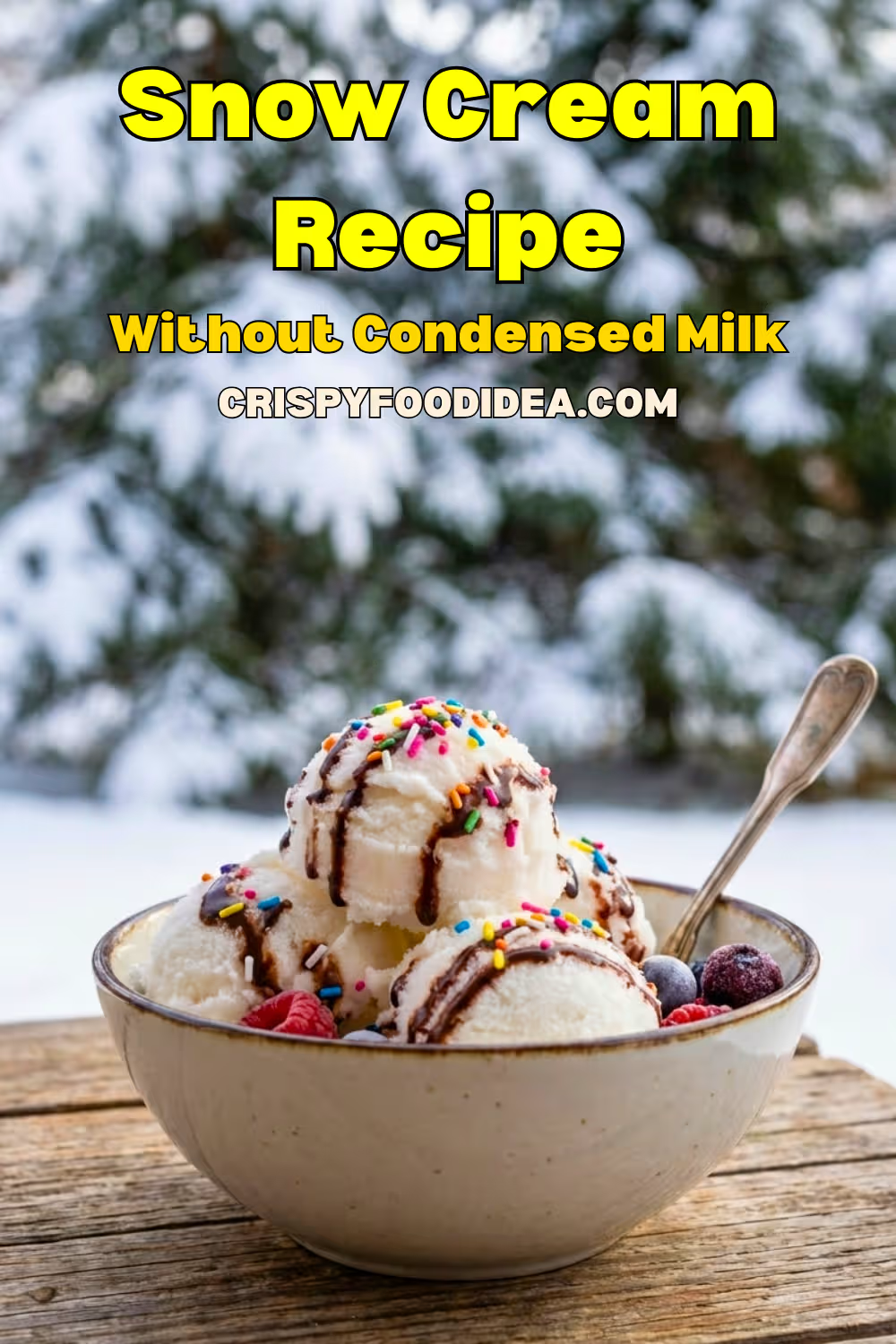
Snow Cream Recipe Without Condensed Milk (Old-Fashioned, Safe & Creamy)
I know you’ve tried many different snow cream recipes, but I can assure you that today I’m going to share with you the best snow cream recipe without condensed milk – a recipe you’ll never forget. This is a classic homemade snow cream made with fresh snow, milk, sugar, and vanilla — no condensed milk, no eggs, no cooking, and no ice cream machine required.
Snow cream (also called snow ice cream) is a nostalgic winter dessert recipe that families have made for generations during snow days. Unlike many modern versions, this recipe focuses on simple ingredients, safe preparation, and a creamy, soft-serve texture — all while keeping costs low and flavors clean. So, let’s learn how to make the best snow cream recipe, which is made completely without condensed milk.
Related: Best Brigadeiro Recipe
Snow Cream Recipe (Without Condensed Milk)
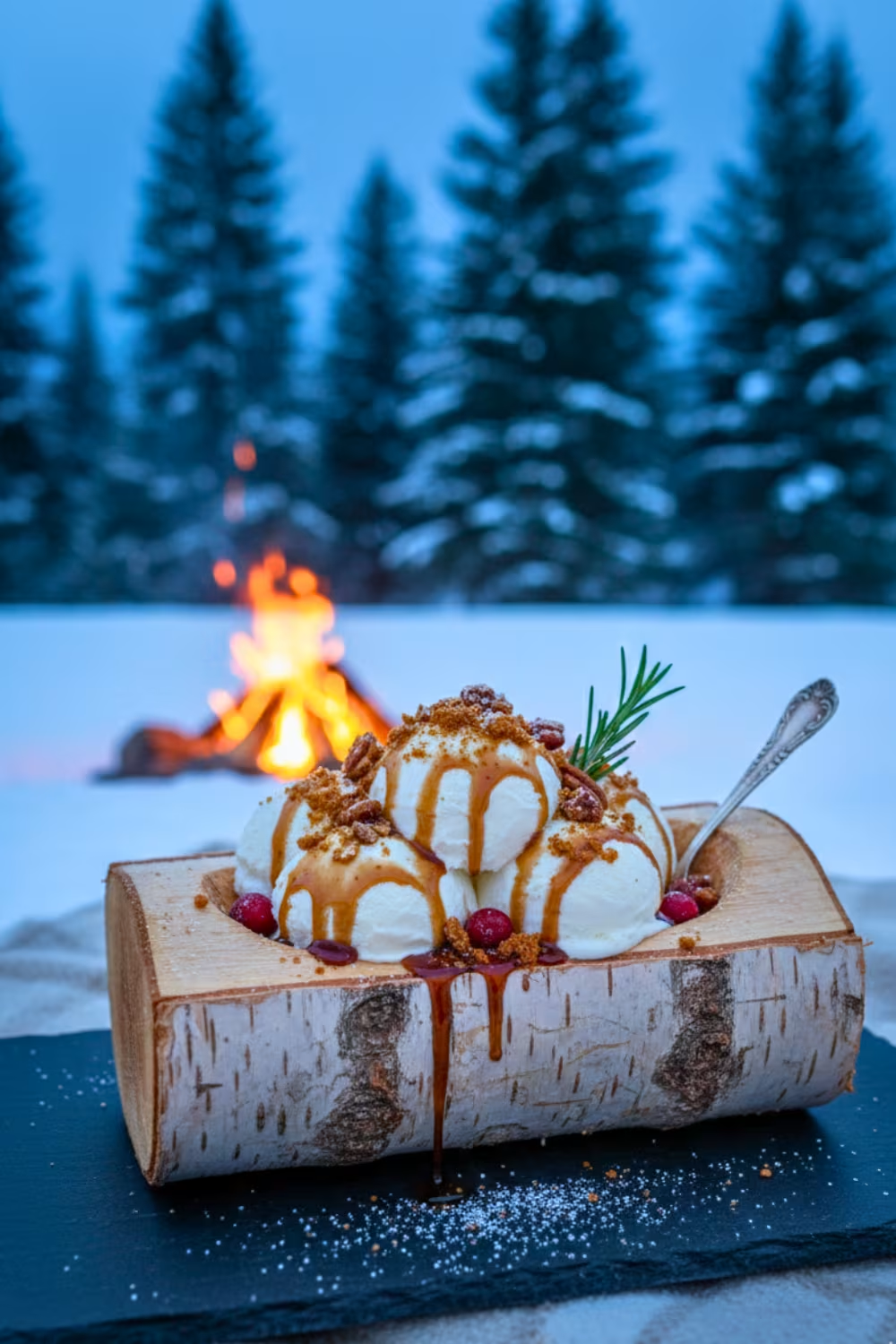
Fresh, old-fashioned snow cream made with simple pantry ingredients — no condensed milk, no eggs, no cooking required.
This classic snow ice cream recipe is creamy, lightly sweet, and incredibly nostalgic. Perfect for kids, budget-friendly, and ready in minutes, it’s one of the best no-cook winter desserts you can make at home.
Ingredients
- 4–5 cups fresh, clean snow (loosely packed)
- ¾ cup whole milk (or almond milk / oat milk)
- ⅓ cup granulated sugar (adjust to taste)
- 1 tsp pure vanilla extract
- Pinch of salt (optional, enhances flavor)
Optional Flavor Variations
- 2 tbsp cocoa powder (for chocolate snow cream)
- 2 tbsp strawberry syrup
- 1 tbsp maple syrup or honey (natural sweetener option)
Instructions
- Collect the Snow
Gather fresh, clean snow from an uncontaminated area. Use the top layer only. - Mix the Base
In a chilled bowl, whisk milk, sugar, vanilla extract, and salt until sugar dissolves completely. - Add Snow Gradually
Add snow one cup at a time, gently folding until the mixture reaches a soft ice-cream consistency. - Serve Immediately
Scoop into bowls and enjoy right away for the best texture and flavor.
Notes
- Always use freshly fallen snow for safety and texture
- Chill your bowl beforehand to prevent melting
- Add snow slowly to avoid a watery consistency
- Serve immediately — snow cream melts fast
- For extra richness, replace half the milk with cream
Nutrition Information:
Yield:
3Serving Size:
1Amount Per Serving: Calories: 231Total Fat: 3gSaturated Fat: 1gUnsaturated Fat: 2gCholesterol: 6mgSodium: 27mgCarbohydrates: 46gFiber: 2gSugar: 40gProtein: 4g
Related: Romanian Mici Recipe
❄️ What Is Snow Cream?
Snow cream is a classic winter dessert made by mixing fresh, clean snow with simple pantry ingredients like milk, sugar, and vanilla to create a soft, creamy treat similar to ice cream. Also known as snow ice cream, this nostalgic recipe has been enjoyed for generations during snowfall, especially in homes looking for a quick, no-cook dessert.
Unlike traditional ice cream, snow cream requires no ice cream machine, no eggs, and no condensed milk. It’s made in minutes and eaten immediately, making it one of the easiest homemade winter desserts you can prepare with kids or family on a snow day.
From a food safety and quality standpoint, snow cream is always made using freshly fallen snow collected from a clean area and combined with flavored liquid just before serving. The result is a light, fluffy texture that melts quickly — similar to soft-serve ice cream — and delivers instant gratification.
In short, snow cream is more than just a recipe. It’s a seasonal experience, a kid-friendly activity, and one of the most searched easy homemade dessert ideas during winter months. That’s why learning how to make snow cream without condensed milk is becoming increasingly popular among health-conscious and budget-focused households.
Related: Shrini Danmarki Recipe
❄️ Snow Safety: How to Collect Snow Properly for Snow Cream
Before you make snow cream without condensed milk, let’s talk about the most important step — snow safety. This isn’t just a cooking tip; it’s a food safety decision. Using clean, fresh snow ensures your homemade snow ice cream is safe, tasty, and family-friendly.
Snow cream is safe only when made with freshly fallen, clean snow collected from an uncontaminated area.
🌨️ When Is Snow Safe to Eat?
The best snow for a snow cream recipe without condensed milk is:
- Freshly fallen (within a few hours)
- Bright white in color
- Collected during active snowfall
- Free from dirt, debris, and pollution
Fresh snow has the lowest exposure to airborne contaminants, making it the safest option for homemade snow desserts and no-cook winter recipes.
📍 Where to Collect Snow (Best Locations)
- Your backyard or private garden
- Clean decks, patios, or outdoor tables
- Wide open areas away from traffic
Always collect snow from the top layer only. The bottom layers can contain dirt, pollen, or chemical residue.
🚫 Where You Should NEVER Collect Snow
- Roads, sidewalks, or driveways
- Near parked cars or highways
- Roofs, gutters, or drains
- Snow that looks gray, yellow, or slushy
Snow near roads can contain vehicle emissions, heavy metals, and de-icing chemicals, which makes it unsafe for eating — especially for kids.
🧊 How to Collect Snow for Snow Cream (Step-by-Step)
- Place a clean bowl outside during snowfall
- Let snow accumulate naturally
- Bring it inside immediately
- Use it right away for best taste and safety
⚠️ When to Avoid Making Snow Cream
- After snow has stopped for several hours
- After heavy pollution alerts
- When snow has started melting
Suggested: Thanksgiving Dessert Recipes
Ingredients Need To Make This Snow Cream Recipe (With Smart Substitutions)
This snow cream recipe without condensed milk uses simple, affordable ingredients that most homes already have. Each ingredient plays a specific role in texture, sweetness, and safety—so below you’ll find not only what to use, but why it works and what to substitute if needed.
❄️ Fresh, Clean Snow (The Star Ingredient)
Snow is what gives this homemade snow cream its light, fluffy, soft-serve texture. Always use freshly fallen, clean snow collected from an uncontaminated area.
- Use only the top layer of snow
- Avoid roadside, rooftops, or colored snow
- Best texture comes from powdery snowfall
🥛 Milk (Creaminess Without Condensed Milk)
Milk replaces condensed milk in this recipe, making it lighter, more affordable, and easier to digest. It creates the creamy mouthfeel without overpowering sweetness.
Best options:
- Whole milk – richest texture, classic taste
- 2% milk – balanced and lighter
- Almond milk – dairy-free snow cream
- Oat milk – naturally creamy vegan option
🍬 Sweetener (Adjustable & Budget-Friendly)
Unlike condensed milk, this recipe lets you fully control sweetness—perfect for kids, diabetics (with swaps), or anyone looking for a lower sugar winter dessert.
- Granulated sugar – classic snow cream flavor
- Honey – natural sweetness, smooth finish
- Maple syrup – rich, caramel-like taste
- Monk fruit / stevia – sugar-free snow cream option
🌼 Vanilla Extract (Flavor Enhancer)
Vanilla extract turns plain snow into a nostalgic, old-fashioned dessert. Use pure vanilla extract for the best aroma and authentic flavor.
- Pure vanilla = deeper flavor
- Vanilla essence works in a pinch
- Optional: almond extract for variation
🧂 Pinch of Salt (Optional but Powerful)
A tiny pinch of salt balances sweetness and enhances flavor—especially important when using plant-based milk.
Pro Tip: Chill your milk and mixing bowl before starting. Cold ingredients help prevent melting and give your snow cream without condensed milk a thicker, creamier consistency.
Related: Banana Bread Recipe
Step-by-Step Snow Cream Recipe (Without Condensed Milk)
This snow cream recipe without condensed milk is the easiest and most reliable way to make homemade snow ice cream using fresh snow, milk, sugar, and vanilla. No cooking, no eggs, no ice cream machine — just a quick no-bake winter dessert that tastes creamy, light, and nostalgic.
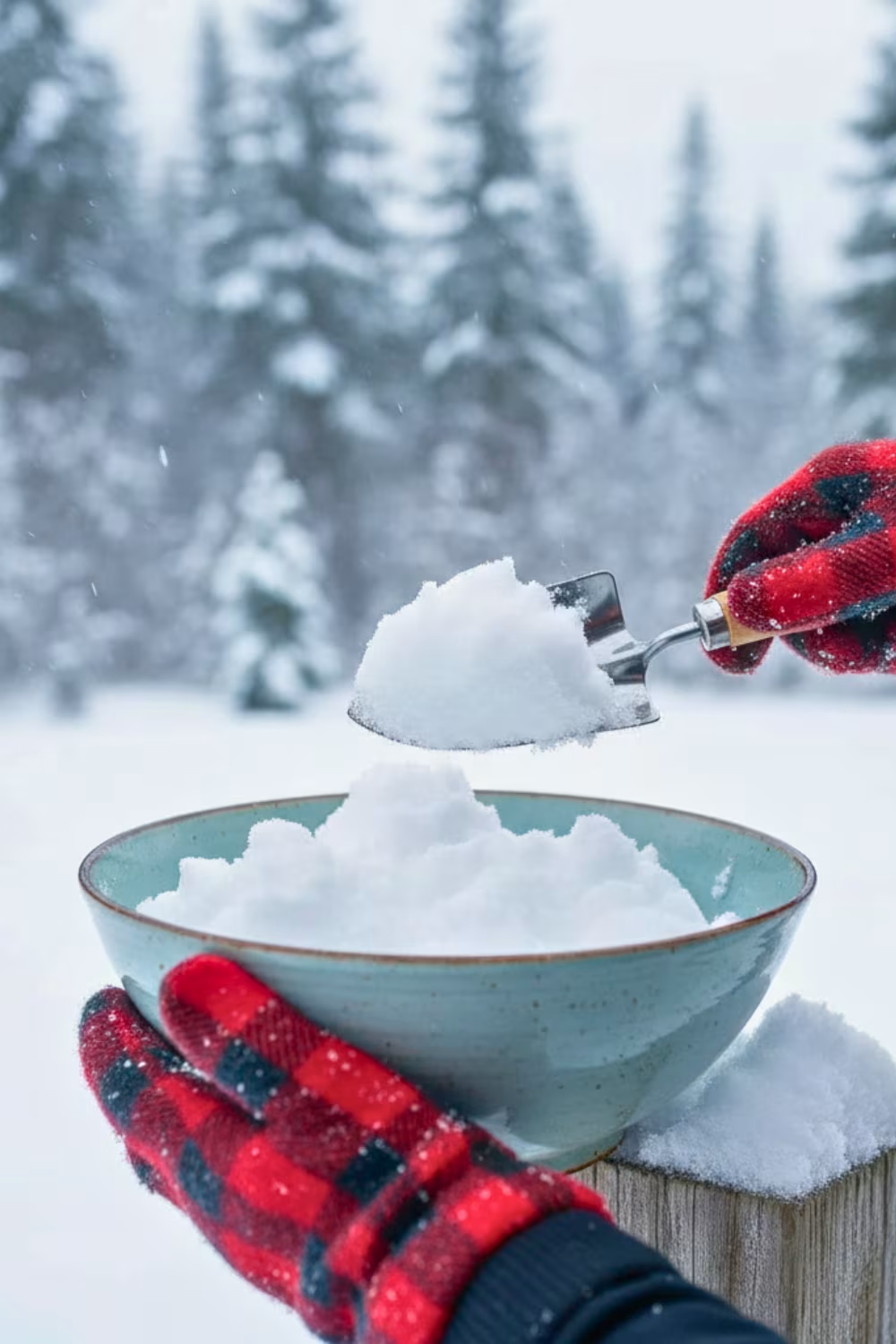
Collect Fresh, Clean Snow
Head outside and collect freshly fallen, clean snow from the top layer only. Avoid snow near roads, rooftops, or trees. This step is crucial for both food safety and achieving the right snow cream texture.
For best results, gather the snow in a chilled bowl and bring it inside immediately so it stays fluffy and dry.
Prepare the Snow Cream Base
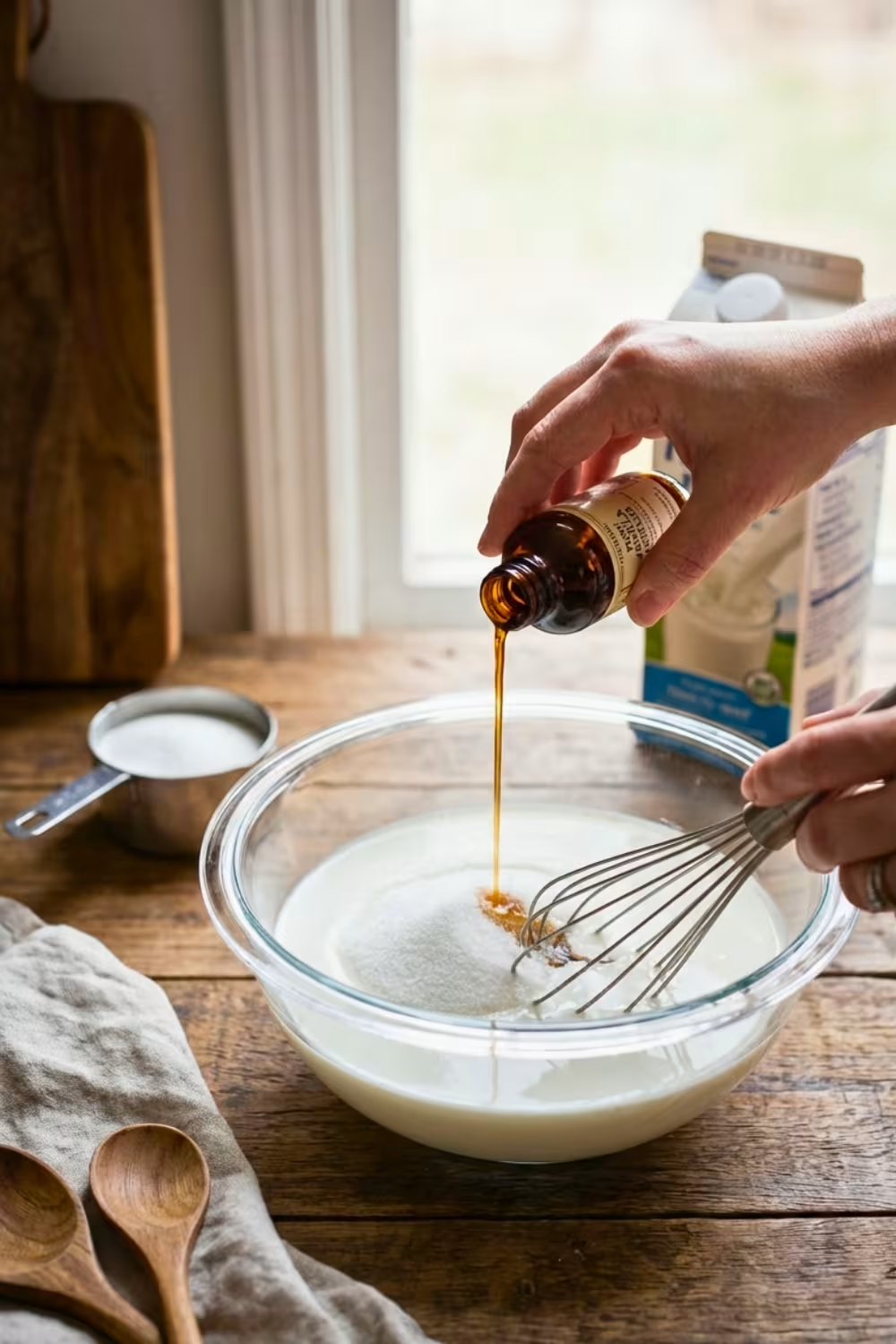
In a separate bowl, whisk together whole milk, granulated sugar, and pure vanilla extract until the sugar fully dissolves.
This simple base replaces sweetened condensed milk, giving you better control over sweetness, calories, and overall flavor — a big reason this old-fashioned snow cream recipe is so popular.
Add Snow Gradually
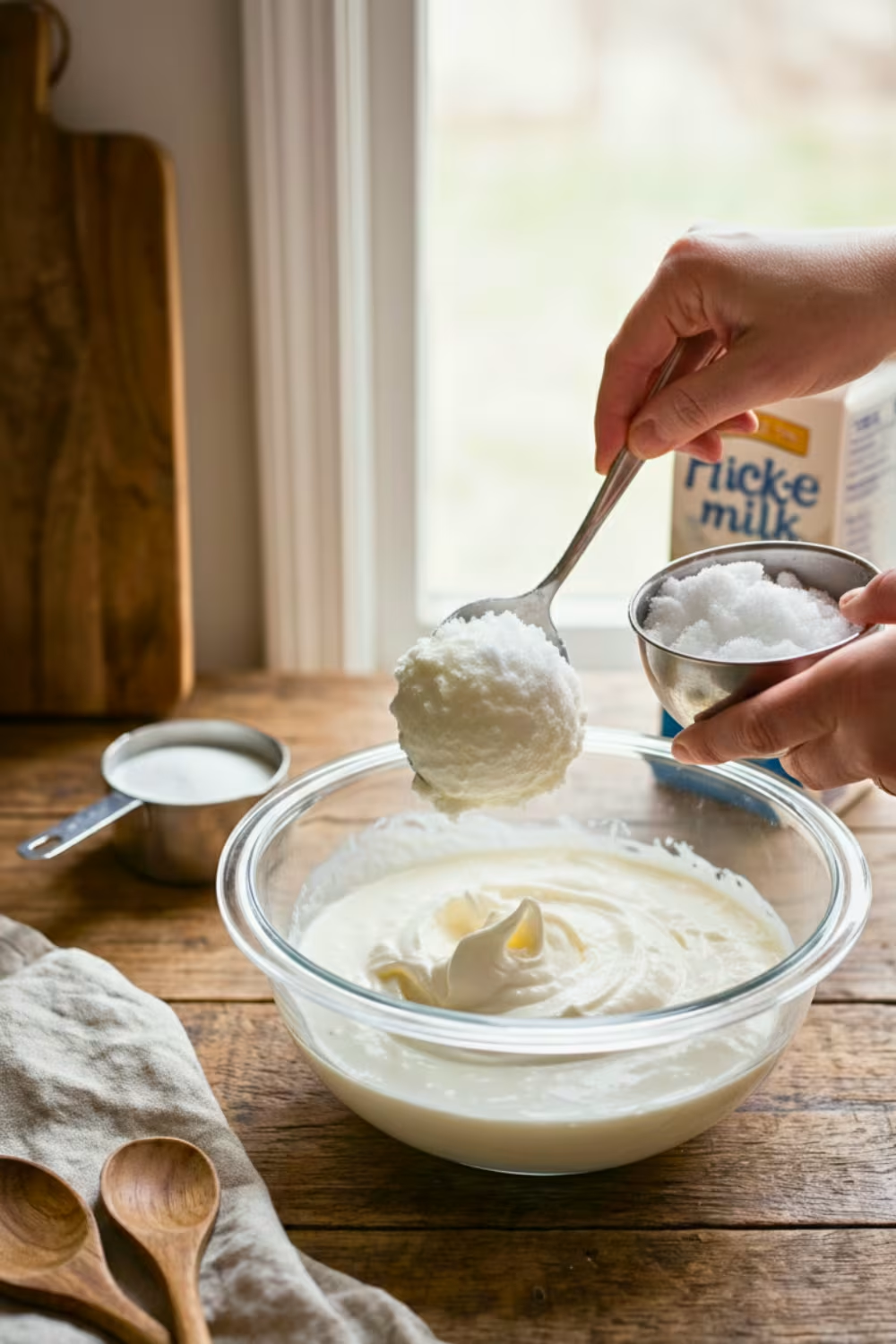
Add the fresh snow to the milk mixture one cup at a time, gently folding with a spoon. This slow method helps create a soft, creamy consistency similar to soft-serve ice cream.
Stop adding snow once the mixture looks thick and scoopable. Overmixing or adding too much liquid can make the snow cream watery.
Serve Immediately & Enjoy
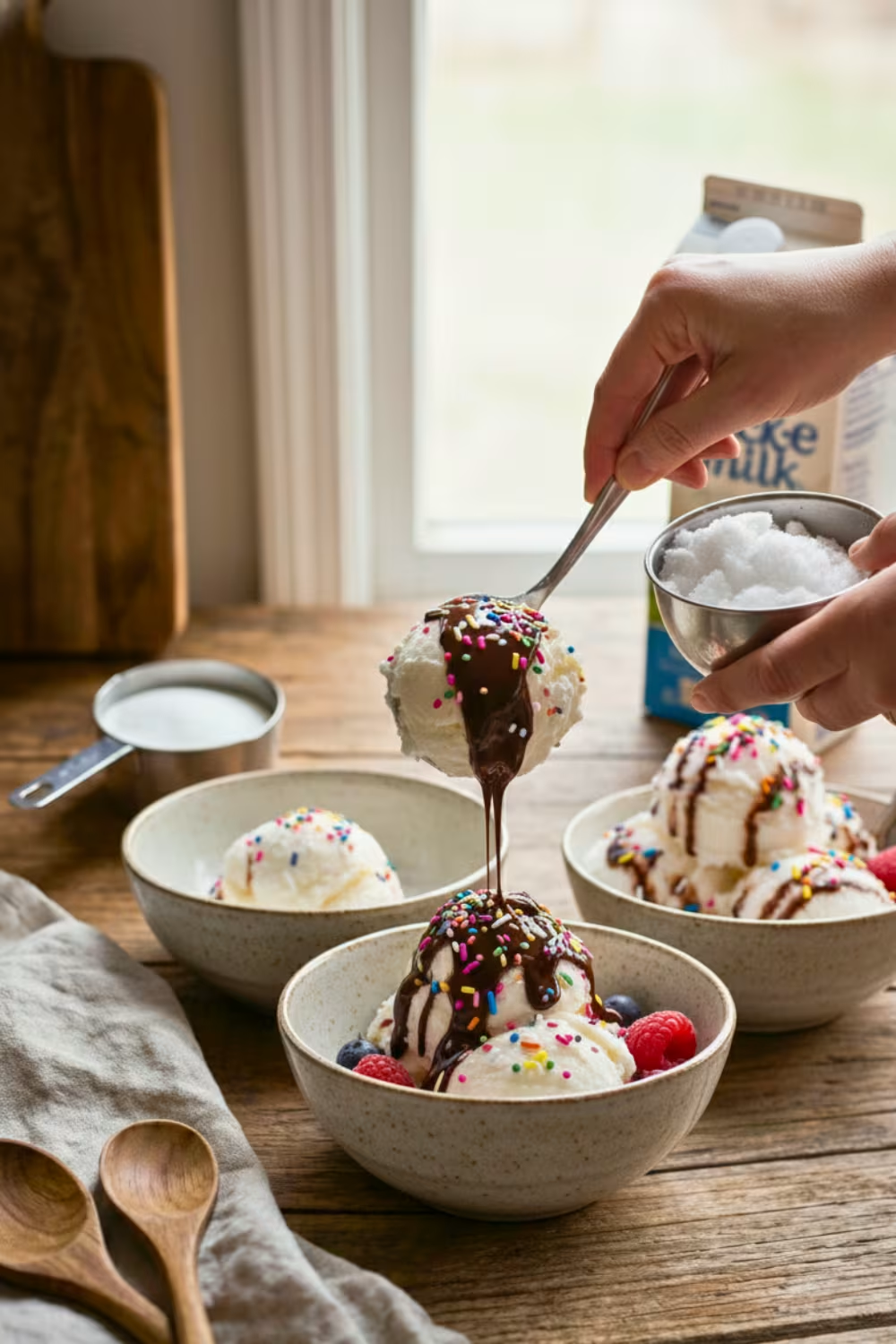
Scoop the homemade snow cream into bowls and serve immediately. Snow cream is meant to be eaten fresh and does not store well.
Enjoy it plain or add chocolate syrup, sprinkles, or fruit for a fun, kid-friendly winter dessert that’s perfect for snow days.
Texture Control: How to Get Creamy Snow Cream (Not Icy or Watery)
1. Master the Snow-to-Milk Ratio (Most Important Factor)
The #1 reason homemade snow cream fails is adding too much liquid too fast. For the best snow cream texture, always start with:
- 4–5 cups fresh snow (loosely packed)
- ¾ cup milk (added gradually, not all at once)
This ratio keeps the snow cream thick and creamy without condensed milk, heavy cream, or an ice cream machine. Adding liquid slowly allows the snow crystals to hold air, which creates that classic old-fashioned snow cream texture.
2. Always Add Snow to Liquid — Not the Other Way Around
This is a small step that makes a huge difference. Always whisk your milk, sugar, and vanilla first, then gently fold in snow one cup at a time.
3. Use Very Cold Bowls for Professional-Level Creaminess
Temperature control is an underrated secret. If your mixing bowl is warm, the snow melts instantly—leading to watery snow cream. For the creamiest no-cook winter dessert:
- Place your bowl in the freezer for 10–15 minutes
- Work quickly once snow is added
- Serve immediately
4. Don’t Overmix (This Destroys Texture Fast)
Overmixing breaks down snow crystals and turns your dessert into flavored milk. The moment your snow cream looks creamy and scoopable—stop mixing.
5. Milk Choice Matters More Than You Think
- Whole milk: Creamiest and most balanced
- Almond or oat milk: Lighter but still smooth
- Low-fat milk: Less creamy, melts faster
If you want maximum creaminess without condensed milk, replace 2–3 tablespoons of milk with cream. This boosts richness while keeping the recipe simple and budget-friendly.
6. Serve Immediately for Best Results
Snow cream is not meant to sit. The longer it rests, the more it melts. For the best homemade snow ice cream experience, scoop and serve right away.
When done right, this method delivers a creamy snow cream without condensed milk that rivals store-bought ice cream—without cooking, machines, or expensive ingredients.
Flavor Variations for Snow Cream (Without Condensed Milk)
Classic Vanilla Snow Cream
This is the most loved version of homemade snow cream. Increase the vanilla extract slightly and use whole milk for a smooth, nostalgic old-fashioned snow ice cream flavor. Perfect for kids, snow days, and first-time makers. This is my favorite snow ice cream recipe.
Chocolate Snow Cream (No Eggs)
Add unsweetened cocoa powder or chocolate syrup to create a rich chocolate snow cream recipe.
Strawberry Snow Cream
Mix in strawberry syrup or crushed fresh strawberries for a fruity, and awesome strawberry snow ice cream.
Vegan Snow Cream (Dairy-Free)
Replace dairy milk with almond milk, oat milk, or coconut milk to create a vegan snow cream recipe. Sweeten with maple syrup or coconut sugar.
Maple & Honey Snow Cream
Swap refined sugar for pure maple syrup or raw honey to make a naturally sweetened snow cream.
Funfetti Snow Cream (Party Style)
Fold in colorful sprinkles right before serving for a playful, party-ready snow ice cream dessert.
Snow Cream vs Regular Ice Cream: What’s the Real Difference?
| Feature | Snow Cream (Without Condensed Milk) | Regular Ice Cream |
|---|---|---|
| Ingredients | Fresh clean snow, milk, sugar, vanilla (simple pantry ingredients) | Cream, milk, eggs, sugar, stabilizers, emulsifiers (especially store-bought) |
| Cooking Required | No-cook dessert recipe — ready in minutes | Often requires cooking, churning, or freezing time |
| Texture | Light, fluffy, soft-serve style | Dense, creamy, rich |
| Calories | Lower calorie dessert (when made with milk and controlled sugar) | Higher calorie, higher fat dessert |
| Sugar Control | Fully customizable — ideal for low sugar diets | Predefined sugar levels, especially in packaged brands |
| Cost | Very low cost, budget-friendly winter dessert | More expensive, especially premium ice cream brands |
| Kid-Friendly | Yes — fun, interactive, safe when made correctly | Yes, but often higher in sugar and additives |
| Best Use Case | Snow days, quick treats, family activities, no-bake desserts | Parties, long-term storage, classic desserts |
Which One Should You Choose?
- Choose snow cream without condensed milk if you want a quick, low-cost, no-cook winter dessert with full control over sugar and ingredients.
- Choose regular ice cream if you prefer a richer texture, longer storage, or need a dessert for large gatherings.
- For families, kids, and health-conscious readers, snow cream is often the smarter, lighter choice.
❄When to Make Snow Cream (Best Time, Season & Occasions)
🌨️ During Fresh Snowfall
The best time to prepare homemade snow cream is immediately after a fresh snowfall. Newly fallen, fluffy snow creates the creamiest texture and is ideal for a snow ice cream recipe without eggs or condensed milk.
🏠 Snow Days at Home
Snow cream is perfect for snow days when schools are closed and families are indoors. It’s a fun, kid-friendly winter dessert that requires no cooking, no ice cream maker, and minimal ingredients.
🎉 Winter Parties & Gatherings
Hosting a winter get-together? Snow cream makes a memorable seasonal dessert idea. Serve it fresh as a novelty treat that sparks nostalgia and conversation—especially popular at holiday parties.
👶 Kids’ Activities & Learning Moments
Making snow cream is a hands-on way to teach kids about measurements, seasons, and food safety. Since this is a snow cream without condensed milk, parents have better control over sugar and ingredients.
⚡ Last-Minute Dessert Emergencies
No dessert at home? When it’s snowing, this becomes a quick no-bake dessert solution. Ready in under 5 minutes, it’s cheaper and faster than store-bought ice cream.
🕰️ Serve Immediately After Mixing
Snow cream should always be made right before serving. This timing guarantees the best texture and flavor, making it superior to frozen or stored desserts.
Frequently Asked Questions About Snow Cream Recipe (Without Condensed Milk)
Snow cream is a traditional homemade winter dessert made using fresh, clean snow, milk, sugar, and vanilla. Unlike regular ice cream, snow cream does not require cooking, eggs, an ice cream maker, or heavy cream. This snow cream recipe without condensed milk is lighter, quicker, and more budget-friendly while still delivering a creamy, nostalgic texture.
Yes, snow cream is safe when made correctly. Always use freshly fallen, clean snow collected from an uncontaminated area. Avoid snow near roads, rooftops, trees, or polluted zones. For best results, use only the top layer of snow. Food safety is one of the most important factors when making homemade snow ice cream.
Absolutely. This recipe is specifically designed as a snow cream recipe without condensed milk. Instead, it uses regular milk and sugar, allowing you to control sweetness, reduce cost, and customize flavors. Many people actually prefer this version because it tastes fresher and less heavy than condensed milk-based recipes.
No, traditional snow cream does not contain eggs. This makes it a safe, eggless ice cream alternative that’s perfect for kids, families, and anyone avoiding raw eggs. It’s one of the easiest no-cook winter dessert recipes you can make at home.
Whole milk gives the creamiest texture, but you can also use almond milk, oat milk, soy milk, or coconut milk. Plant-based options are great for making vegan snow cream. For a richer mouthfeel, you can replace part of the milk with cream, though it’s completely optional.
Watery snow cream usually happens when too much liquid is added at once or when the snow is not cold enough. Always add snow gradually and mix gently. The key to perfect texture in any homemade snow cream recipe is balancing snow-to-liquid ratios and serving immediately.
Snow cream is best eaten immediately. Freezing it will cause ice crystals and ruin the creamy texture. Because it’s made from snow, this dessert is meant to be enjoyed fresh, making it a fun and spontaneous snow day dessert idea.
Yes. You can replace sugar with honey, maple syrup, monk fruit, or stevia. This makes it suitable for those looking for a lower-sugar dessert. Since there’s no condensed milk, it’s already easier to control calories and sweetness compared to traditional ice cream recipes.
Yes, snow cream is extremely kid-friendly. It’s eggless, no-cook, and fun to make together. Kids love watching snow turn into ice cream, making this one of the best family-friendly winter dessert recipes.
The best time is during active snowfall or immediately after. Fresh snow ensures the cleanest flavor and best texture. Snow cream is ideal for snow days, winter holidays, school breaks, and cozy evenings at home.
If you like this article about the Snow Cream Recipe Without Condensed Milk, please share it with your friends on Facebook and Pinterest. Also, subscribe to my blog to receive all the latest content first on your mobile device.