Best One-Pot Pork Ragù You’ll Ever Make – Slow-Braised Italian Recipe
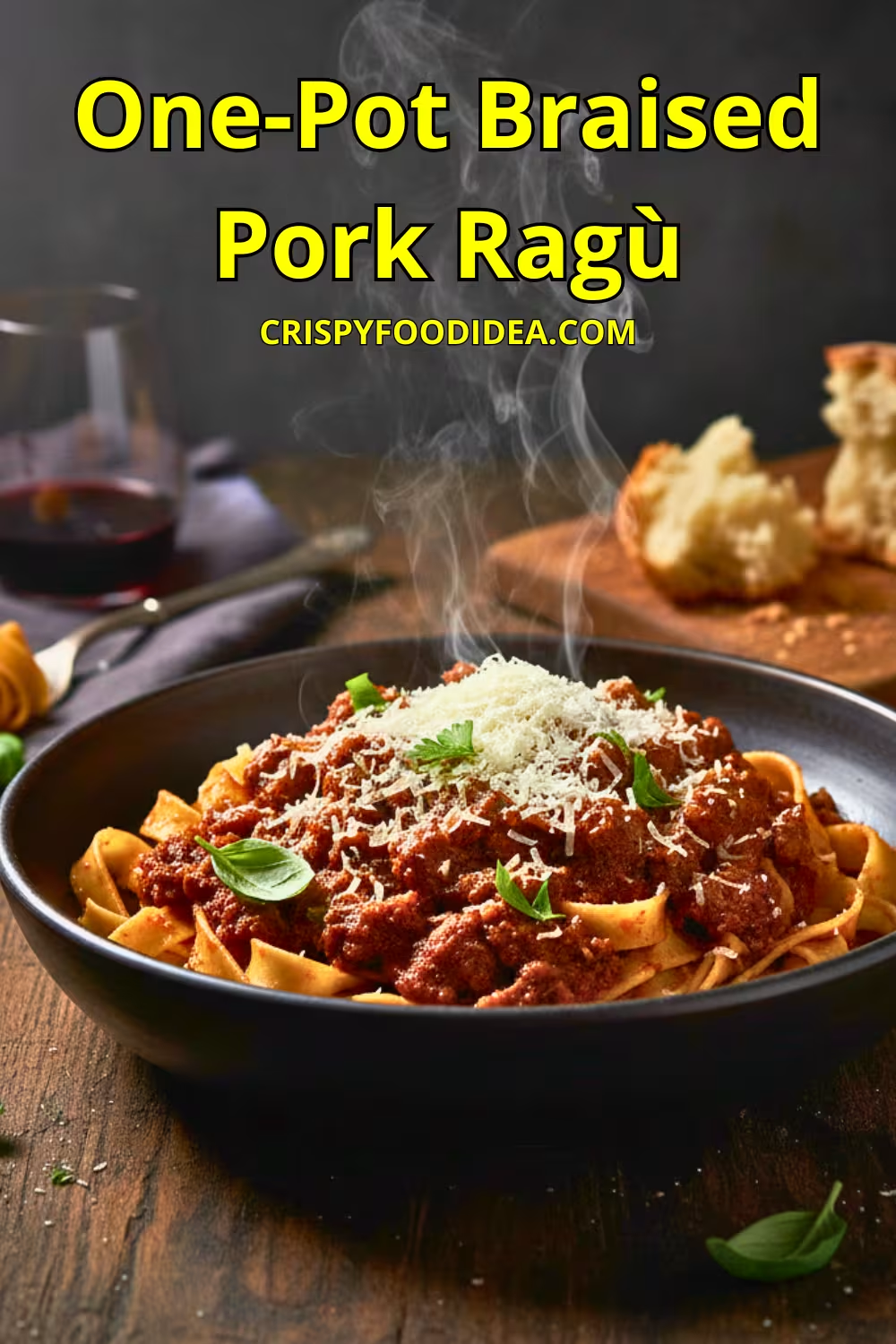
I can guarantee you’ll absolutely love this pasta recipe: a rich, slow-braised pork shoulder simmered in tomatoes and aromatics until it melts into a silky, savory sauce, called One-Pot Braised Pork Ragù. I often make this at home as a make-ahead meal prep and an easy weeknight dinner, but it’s still my best option for a Sunday family meal.
Not only that, it’s a very versatile recipe that easily pairs with pappardelle, polenta, gnocchi, or lasagna. So, without wasting any more time, learn more about this recipe and try making it tonight to surprise your family or impress your loved one.
Related: Chicken Cobbler Recipe
One-Pot Braised Pork Ragù (Restaurant-Style Italian Comfort Food)
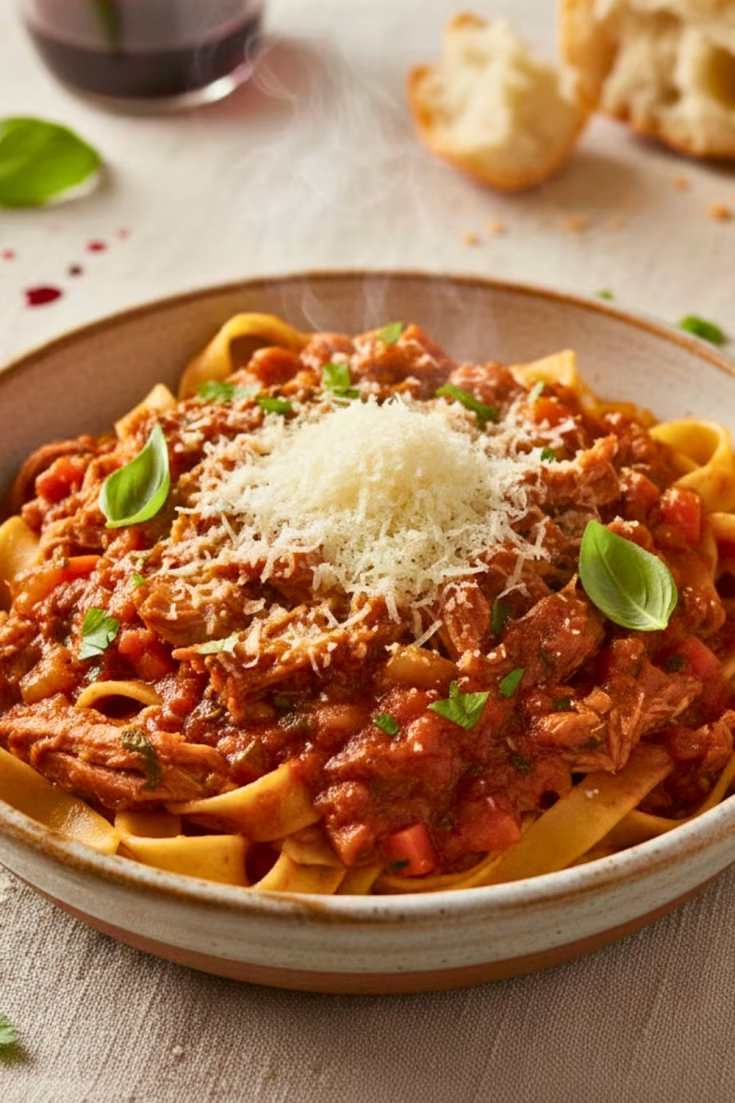
A rich, melt-in-your-mouth Italian pork ragù simmered slowly in one pot until perfectly tender. This hearty pork dinner recipe is a top-searched comfort meal perfect for pasta, gnocchi, lasagna, or polenta. It’s budget-friendly, meal-prep friendly, and packed with deep flavors—ideal for weeknights, holidays, and Sunday slow cooking.
Ingredients
For the Pork Ragù
- 2–2.5 lbs (1–1.2 kg) pork shoulder / pork butt, cut into large chunks
- 2 tbsp olive oil (extra-virgin)
- 1 large onion, finely chopped
- 3 cloves garlic, minced
- 2 medium carrots, diced
- 2 stalks celery, diced
- 1 tbsp tomato paste
- 1 cup dry red wine (optional but recommended)
- 1 can (28 oz) crushed tomatoes
- 1 cup chicken broth or vegetable broth
- 1 tsp dried oregano
- 1 tsp dried thyme
- 1–2 bay leaves
- Salt & pepper to taste
- ½ tsp crushed red pepper flakes (optional for heat)
For Serving
- Freshly grated Parmesan cheese
- Cooked pappardelle, tagliatelle, penne, rigatoni, or gnocchi
- Fresh basil or parsley
Instructions
Step 1: Season & Sear the Pork
- Pat pork dry and season generously with salt and pepper.
- Heat olive oil in a heavy pot or Dutch oven over medium-high heat.
- Sear pork chunks until browned on all sides (about 8–10 minutes).
- Transfer pork to a plate.
Step 2: Build the Flavor Base
- In the same pot, sauté onions, carrots, and celery until soft.
- Add garlic and cook until fragrant (30 seconds).
- Stir in tomato paste and cook for 1 minute to deepen flavor.
Step 3: Deglaze & Simmer
- Pour in red wine and scrape up browned bits (this adds richness).
- Add crushed tomatoes, broth, oregano, thyme, and bay leaves.
Step 4: Braise Until Tender
- Return pork to the pot.
- Cover and simmer on low for 2–3 hours, or until pork is fall-apart tender.
Step 5: Shred & Finish
- Remove pork, shred with forks, and return to the sauce.
- Simmer uncovered for 10 more minutes to thicken.
- Taste and adjust seasoning.
Step 6: Serve
- Toss with hot pasta or spoon over polenta.
- Garnish with Parmesan and herbs.
Notes
- Use pork shoulder—its fat content creates a luxurious, restaurant-style ragù.
- Low & slow braising = intense flavor and melt-in-mouth texture.
- Make ahead: Ragù tastes better the next day as flavors develop.
- Add depth: A splash of balsamic vinegar or Worcestershire sauce enhances umami.
- For creamy texture: Stir in a splash of heavy cream at the end.
- Budget-friendly tip: Use bone-in pork shoulder for extra flavor at a lower price.
Nutrition Information:
Yield:
1Serving Size:
1Amount Per Serving: Calories: 652Total Fat: 31gSaturated Fat: 4gUnsaturated Fat: 26gSodium: 1127mgCarbohydrates: 48gFiber: 12gSugar: 20gProtein: 7g
Related: Italian Timballo Recipe
🍖What Is Pork Ragù?
In plain words, pork ragù is a slow-cooked, deeply flavored Italian meat sauce where tender, braised pork shoulder (or pork butt) breaks down into a rich, tomato-forward sauce that clings to pasta, polenta, or gnocchi.
Ragù vs Bolognese
| Ragù | Bolognese |
|---|---|
| Ragù (pronounced rah-goo) is the Italian umbrella term for a meat-based sauce. | Bolognese is a famous ragù from Bologna; pork ragù uses pork as the central protein, emphasizing pork for deeper umami and richness. |
Why pork works so well:
Pork shoulder contains the perfect blend of connective tissue and fat. When cooked slowly, the collagen melts into gelatin, which gives the sauce thickness, a wonderful mouthfeel, and that desirable, sticky texture that makes pasta taste amazing even without cream. In other words, pork shoulder means flavor, tenderness, and affordability—making it a great solution for budget-friendly meals and easy weeknight dinners.
Suggested: Crispy Puerto Rican Roast Recipe
Step-by-Step Instructions (One-Pot Braised Pork Ragù)
1. Season & Pat the Pork (Prep for great sear)
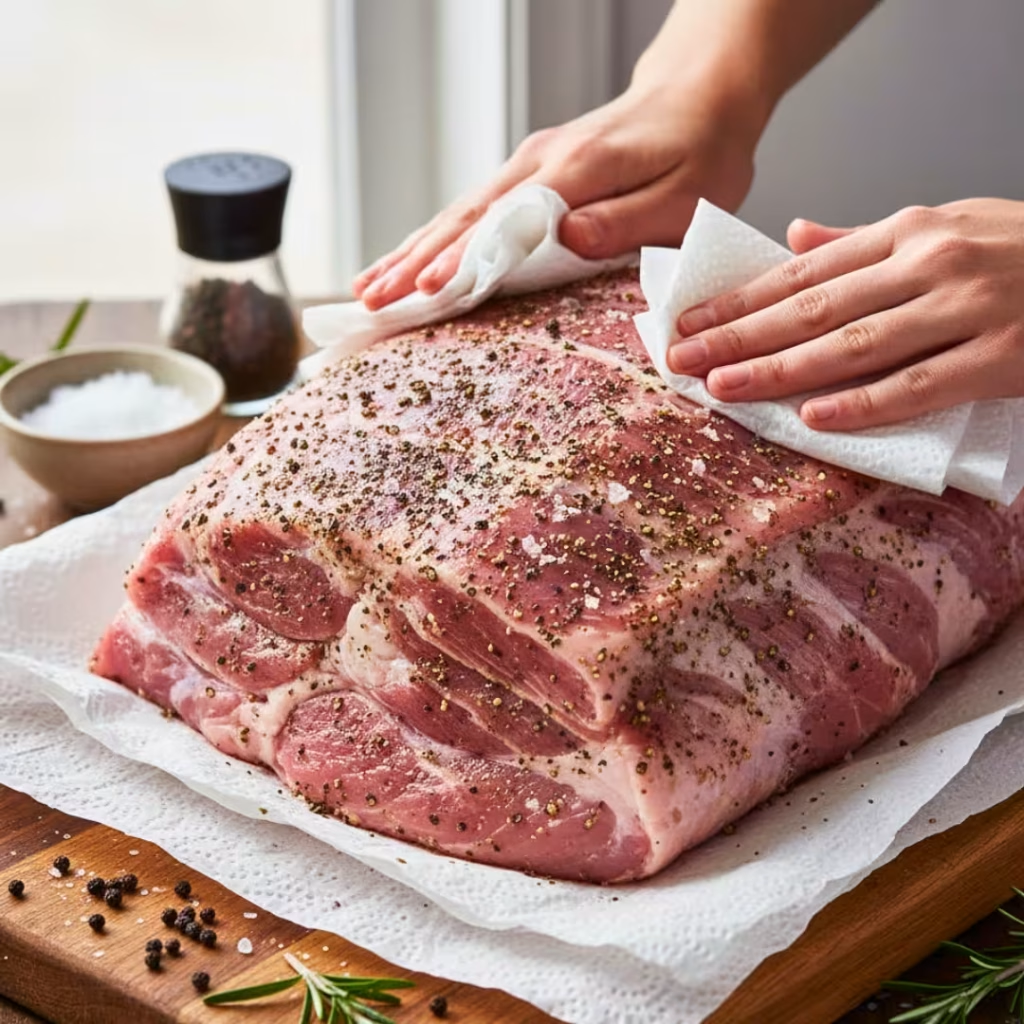
Pat the pork shoulder dry with paper towels — dryness = better browning. Generously season all sides with salt and freshly cracked black pepper. Good seasoning at this stage builds the backbone of flavor for the entire sauce.
2. Sear in One Pot until Deeply Golden
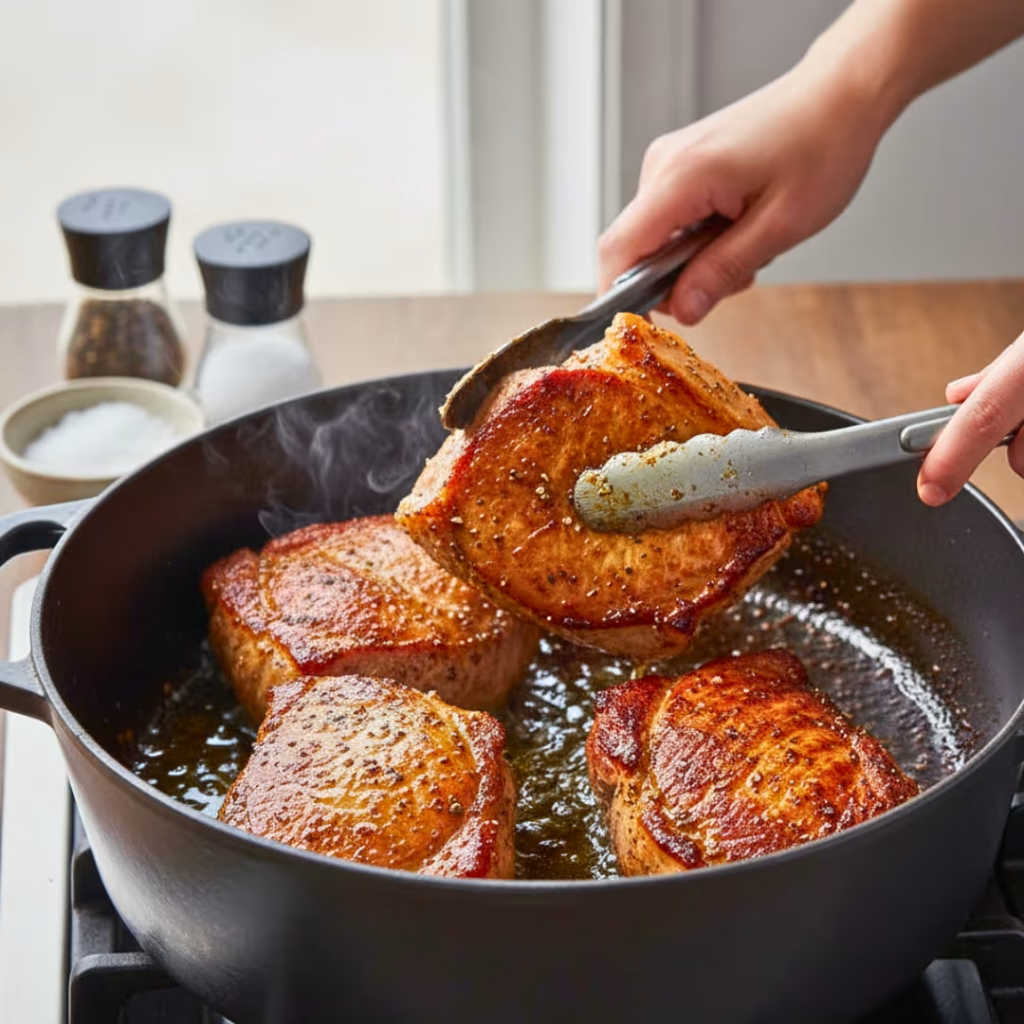
Heat 2 tbsp olive oil in a heavy Dutch oven over medium-high heat. Sear pork in batches so pieces aren’t crowded — you want a deep golden crust. Don’t rush this: the fond (browned bits) is pure flavor for deglazing.
If the pot smokes, lower heat — aim for steady browning, not burning.
3. Sauté the Mirepoix & Aromatics
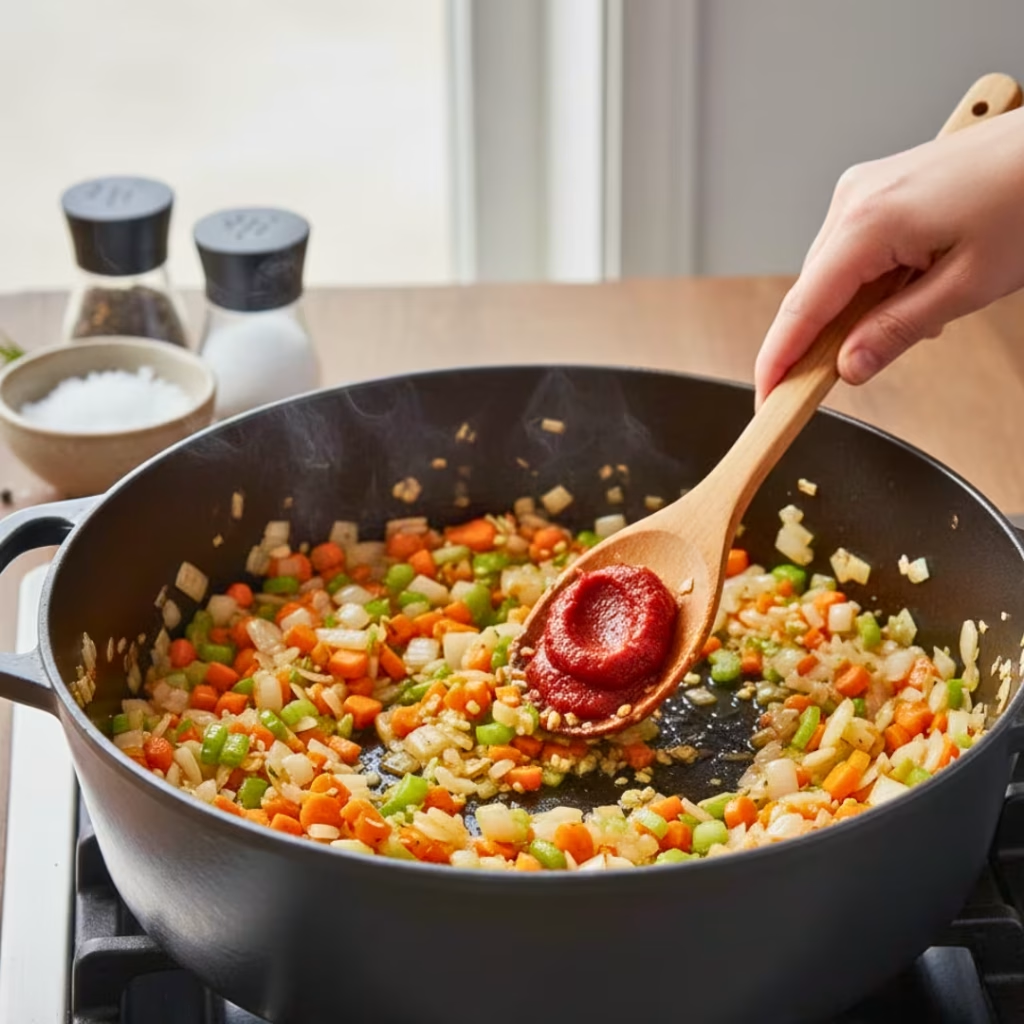
In the same pot, add the diced onions, carrots, and celery (mirepoix). Sauté until soft and slightly caramelized, about 6–8 minutes. Add minced garlic and cook 30–45 seconds until fragrant. Stir in tomato paste and cook 1–2 minutes — this deepens the tomato flavor and removes raw paste bitterness.
4. Deglaze with Wine & Add Tomatoes
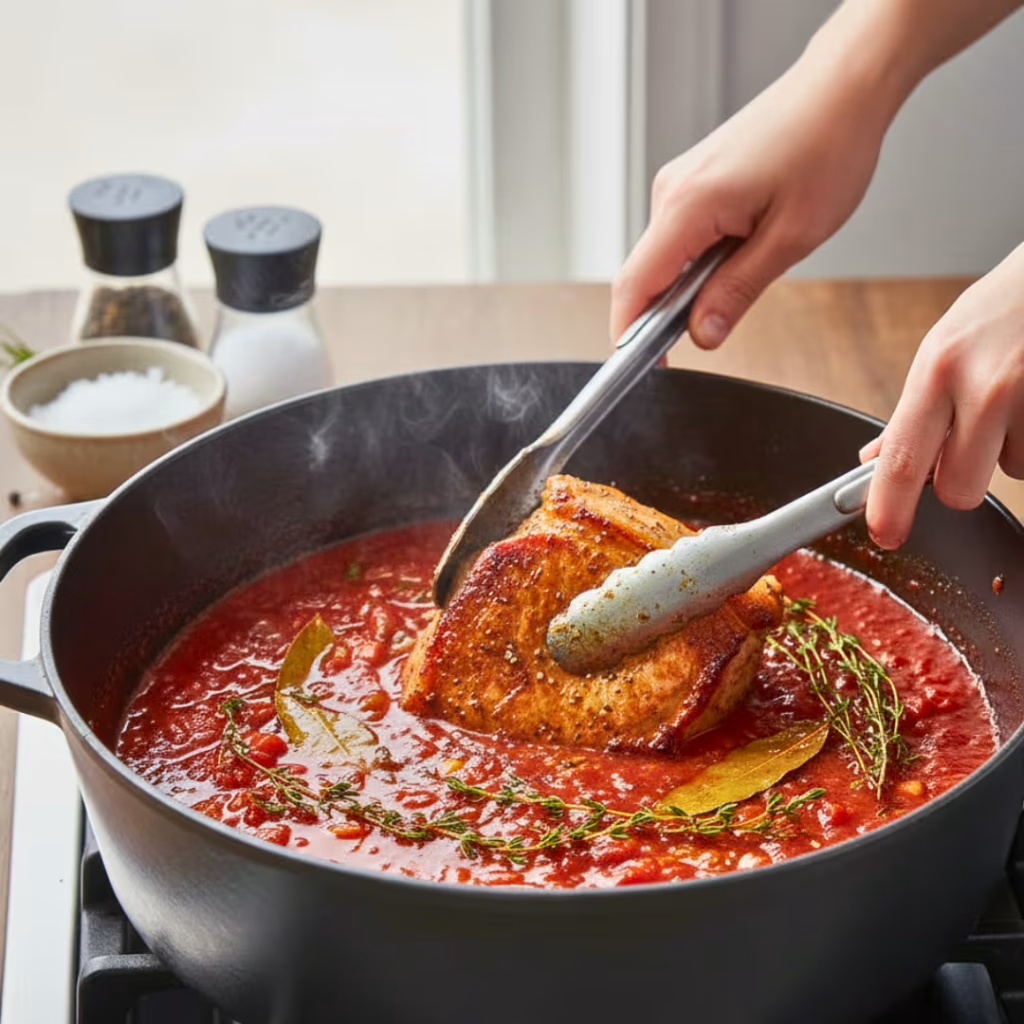
Pour in 1 cup dry red wine (or extra broth if skipping alcohol) and scrape the bottom to release browned bits. Let the wine reduce by half — that concentrates flavor. Add the crushed tomatoes, chicken (or vegetable) broth, dried oregano, thyme, and bay leaves. Nestle the seared pork back into the sauce.
Use wine for acidity and complexity; use broth for milder flavor or if cooking for kids.
5. Low & Slow Braise — The Magic Happens Here
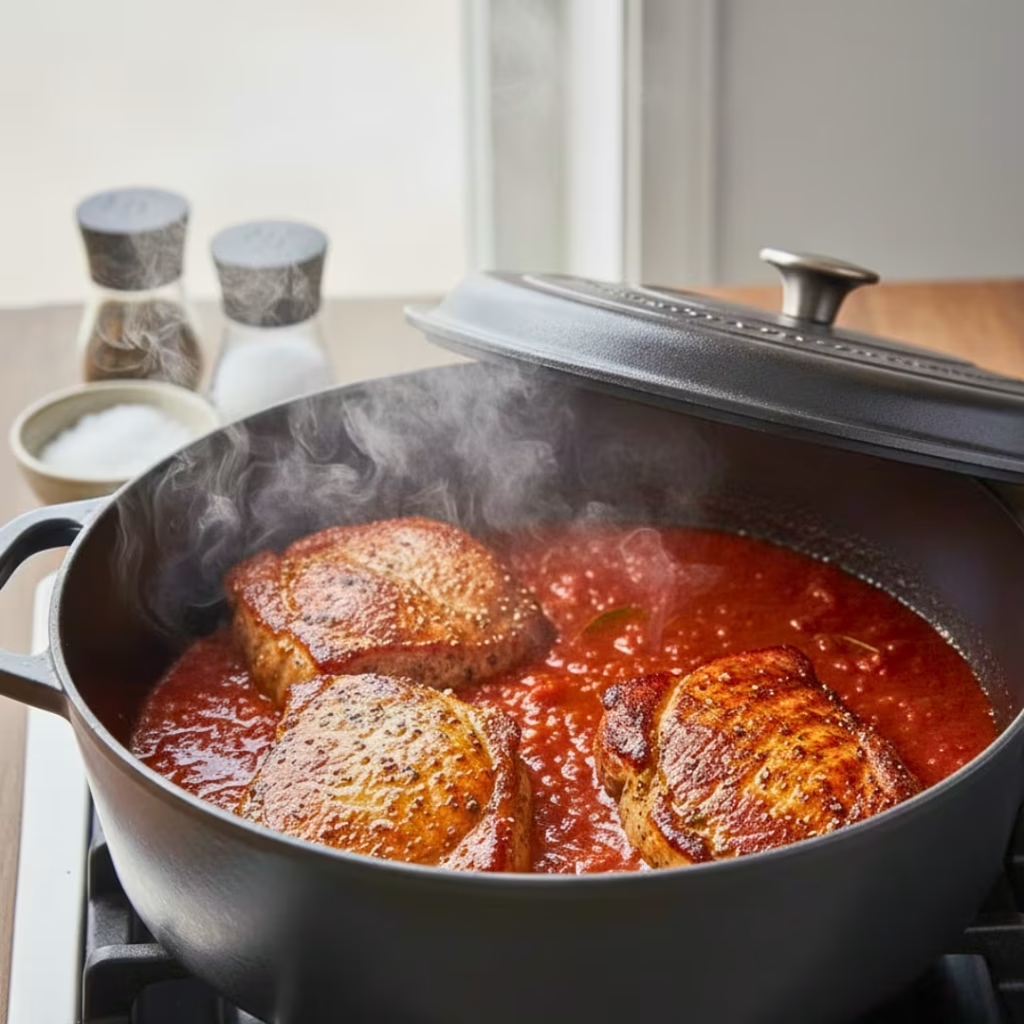
Bring to a gentle simmer, then reduce the heat to low. Cover and braise for 2–3 hours, or until the pork falls apart with a fork. This slow-cooked phase transforms the pork shoulder into a tender, shreddable ragù with concentrated flavors — the hallmark of authentic slow-cooked Italian sauces.
6. Shred the Pork & Reduce the Sauce
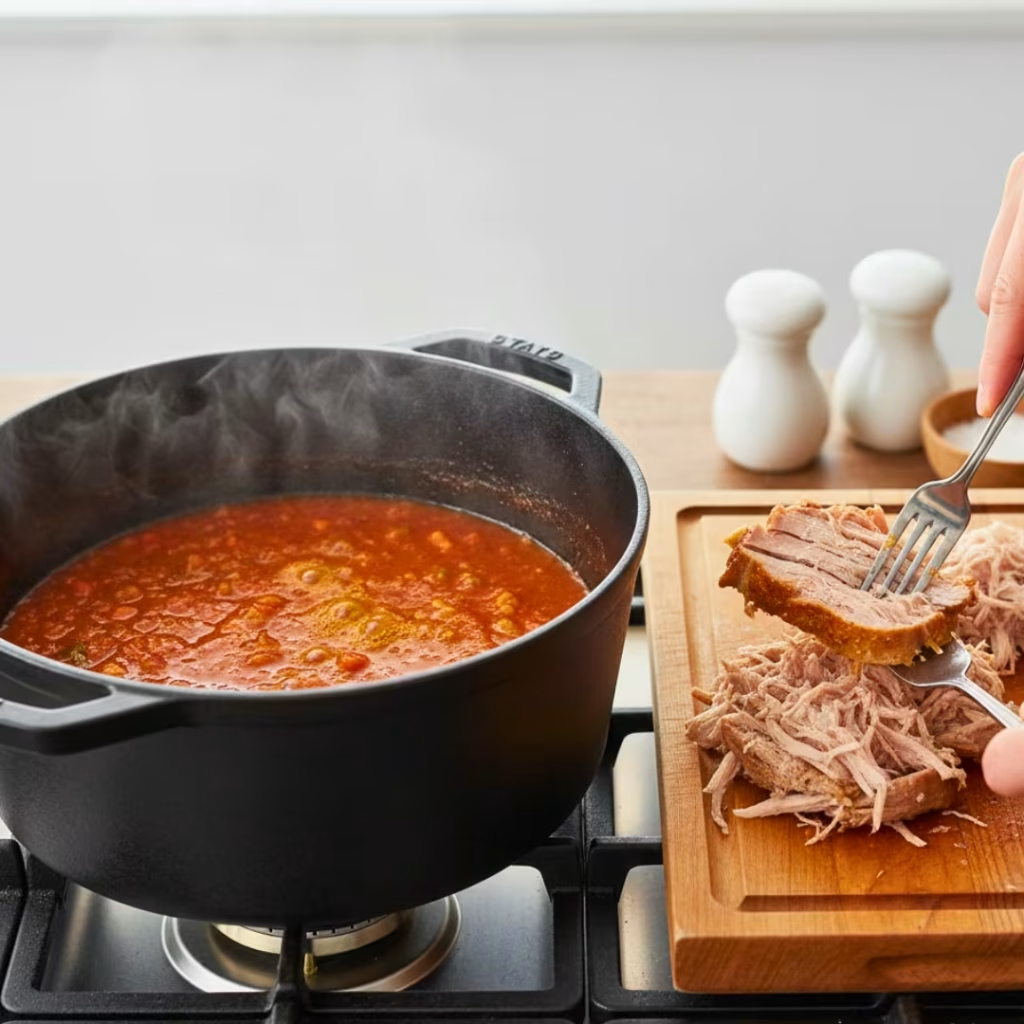
Remove pork pieces, shred with two forks, then return shredded pork to the pot. Simmer uncovered 10–20 minutes to thicken the ragù to your preferred consistency. Taste and adjust salt, pepper, and a pinch of sugar or a splash of balsamic if the tomatoes taste too acidic.
Stir in a splash of heavy cream or a knob of butter for silky texture, or add grated Parmesan at serving for umami boost.
7. Serve (Pasta, Polenta, or Lasagna)
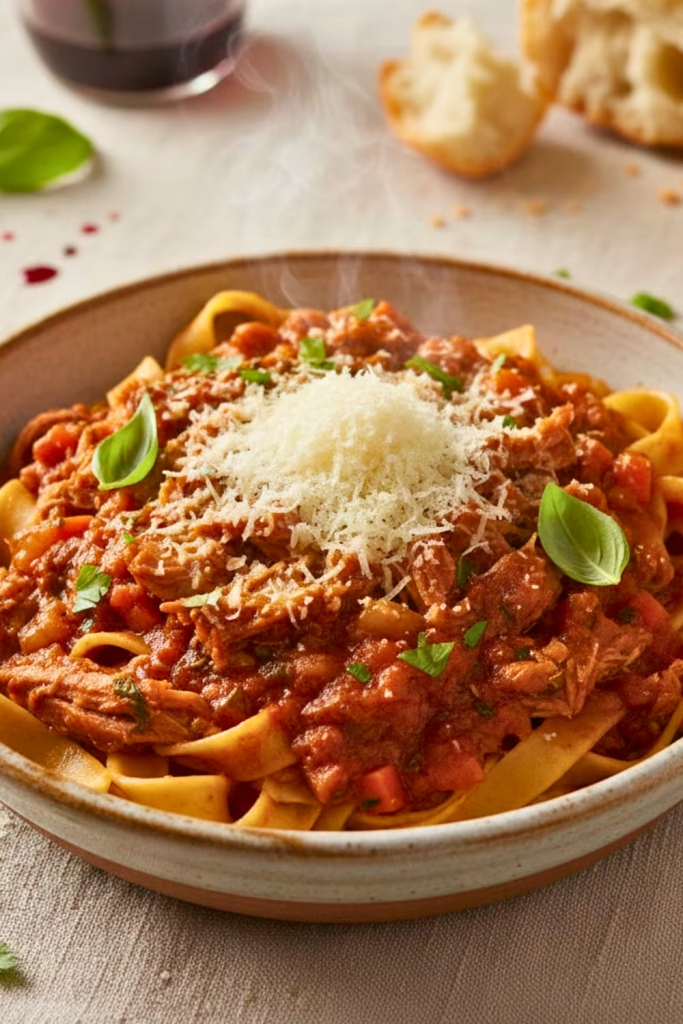
Toss hot pappardelle or tagliatelle with the ragù, or spoon the sauce over creamy polenta. Garnish with fresh basil or parsley and plenty of grated Parmesan. This ragù doubles as an incredible lasagna layer or a hearty sandwich filling.
Quick fixes:
- If sauce is too acidic: stir in ½ tsp sugar, 1 tsp butter, or a splash of heavy cream.
- If sauce is too thin: remove lid and simmer 10–20 minutes or whisk a small spoon of cornstarch with cold water and stir in.
- If pork is dry: you likely overcooked — reserve a little braising liquid to moisten shredded meat.
Suggested: Copycat Wendy’s Chili Recipe
Best Pasta Pairings & Serving Ideas for One-Pot Braised Pork Ragù
This is where ragù’s true purpose is fulfilled—realistic, delicious combinations and truly exceptional presentation ideas.
For a rich, slow-braised pork ragù: pappardelle, tagliatelle, rigatoni and gnocchi are top choices. Serve with shaved Parmesan, a squeeze of lemon for brightness, and rustic garlic bread. For low-carb swaps, try zucchini noodles or cauliflower polenta. Pair with medium-bodied red wine or a crisp Italian white — see details below.
Pappardelle & Tagliatelle — The Classic Match
Wide, flat noodles hold thick ragù beautifully. If you want restaurant-style comfort — this is it. Toss hot pasta directly with shredded pork and a splash of pasta water to make a silky coating.
Rigatoni & Penne — Hearty, Fork-Friendly Shapes
Tubular pastas trap meaty sauce in their ridges and hollows — great for family dinners and weeknights. Rigatoni + pork ragù = crowd pleaser.
Gnocchi & Potato Dumplings — Comfort Overload
Soft gnocchi soaks up ragù for a pillowy, luxurious bite. Spoon sauce over warm gnocchi and finish with plenty of Parmigiano-Reggiano.
Polenta & Mashed Potatoes — Rustic, Gluten-Free Options
Spoon over creamy polenta or buttery mashed potatoes for a rustic bowl. Perfect for winter dinners and readers searching for gluten-free or low-gluten pairings.
Low-Carb Swaps — Zoodles & Cauliflower Mash
Want keto or low-carb? Serve ragù over sautéed zucchini noodles (zoodles) or a cauliflower polenta mash. Keeps protein high and carbs low.
Leftovers & Meal-Prep Ideas
Use leftover ragù for lasagna layers, stuffed peppers, or a protein-packed baked pasta. Freezer-friendly containers keep dinner easy all week.
Serving Ideas
- Weeknight Comfort: Rigatoni + ragù + grated Parmesan + quick arugula salad.
- Sunday Feast: Pappardelle + ragù + garlic roast veg + warm focaccia + Chianti.
- Low-Carb Dinner: Zoodles + ragù + shaved pecorino + lemon zest for brightness.
- Family Meal Prep: Batch ragù (freeze in portions) + boiled penne + steam veg on the side.
- Holiday Table: Stuffed lasagna rolls with ragù, béchamel and extra Parmigiano.
Wine Pairings & Sides
Try Chianti, Sangiovese, Barbera or a fruit-forward Montepulciano. If you prefer white, choose a crisp, herbal white like Vermentino or a lightly oaked Chardonnay.
Related: Salisbury Steak Recipe With Mushroom Gravy Recipe
Variations: Make the Ragù Yours
1. Spicy Calabrian Pork Ragù
Add Calabrian chili paste or crushed Calabrian chilies and a pinch of smoked paprika.
- Swap: 1–2 tbsp Calabrian chili paste (or 1 tsp chili flakes)
- Try with: pappardelle or rigatoni — wide noodles cling to the spicy bits.
Instant Pot shortcut
Brown on Sauté, add liquids, seal and pressure-cook 45 minutes, then shred and reduce 10 minutes on Sauté mode.
2. Keto / Low-Carb Pork Ragù
Skip the pasta and serve your ragù over cauliflower mash or zoodles.
- Swap: Use extra olive oil, reduce tomatoes slightly (lower sugar), and finish with butter for mouthfeel.
- Try with: cauliflower mash or roasted vegetables.
Quick nutrition tip
Portion control and lean cuts (trim visible fat) reduce calories; add greens to increase fiber.
3. Instant Pot Pork Ragù
Short on time but want deep flavor? Pressure-cook the pork to tenderness in under an hour.
- Method: Sear → sauté veggies → deglaze → pressure cook 45–55 minutes → shred → reduce.
4. Pork + Beef Ragù — Classic, Hearty Fusion
Combine shredded braised pork with lean ground beef for an enhanced Bolognese-style ragù.
- Ratio: 60% pork shoulder (shredded) + 40% ground beef (browned)
Serving idea
Use a splash of cream or a knob of butter at the end for silky mouthfeel—serves well over fresh tagliatelle.
5. “Ragù” — Plant-Based / Dairy-Free (Vegetarian Swap)
Not everyone eats pork—this hearty vegetable-and-mushroom ragù mimics the umami and richness.
- Swap: Portobello + king oyster mushrooms, cooked down with lentils (or textured soy), tomato paste, miso for umami.
How to build umami
Miso paste, soy sauce, and roasted mushrooms create savory depth—finish with a drizzle of good olive oil.
6. Holiday / Festive Pork Ragù
For gatherings, add slow-roasted bone-in pork, porcini powder, and finish with a few spoonfuls of reduced wine or aged balsamic.
- Enhancements: bone-in pork for flavor, dried porcini rehydrated in wine, finish with gremolata for brightness.
Plating idea
Serve in family-style bowls with shaved pecorino and warm, crusty bread for mopping up every last drop.
Common Questions — Quick Answers & Pro Tips on One-Pot Braised Pork Ragù
Yes — pork ragù is ideal for make-ahead meals. Flavors improve after resting 12–24 hours, making this recipe perfect for meal prep, batch cooking, and high-protein family dinners.
- Refrigerator: Store in an airtight container for 4–5 days.
- Freezer: Freeze up to 3 months in portioned containers or freezer bags (label with date).
- Reheating: Thaw in fridge overnight and reheat gently on the stovetop with a splash of broth or in the microwave.
Use pork shoulder (sometimes called pork butt); it has the perfect balance of meat and fat. The connective tissue melts during low-and-slow braising, creating a silky, restaurant-style sauce rich in collagen and umami.
If you want extra flavor and don’t mind the cost, use a bone-in shoulder — roast bones add depth to the sauce. For a leaner option, trim visible fat but keep some for richness.
Yes — wine adds acidity and complexity but isn’t required. Substitute with equal parts chicken broth + 1 tbsp balsamic vinegar or beef broth + a splash of red wine vinegar. For alcohol-free cooking, use low-sodium broth and finish with a teaspoon of tomato paste for depth.
Too acidic? Add a pinch of sugar or a tablespoon of grated carrot, or swirl in 1–2 tbsp of heavy cream to balance acidity. Taste as you go.
Too thin? Simmer uncovered until reduced, or whisk a small amount of cornstarch with cold water and stir in slowly. Alternatively, remove some sauce, blend cooked vegetables, and return for natural thickening.
Instant Pot: Sear on Sauté, deglaze, then pressure cook on high for 45–50 minutes with a 10–15 minute natural release. Finish uncovered to reduce and thicken.
Slow Cooker: Sear pork separately, transfer to slow cooker, add sauce, and cook on low for 6–8 hours or high for 4–5 hours. Shred and reduce if needed.
Wide, flat pastas like pappardelle and tagliatelle are classic matches — they hug the thick, shred-and-tomato texture. Short shapes with ridges (rigatoni, penne rigate) also work well if you prefer fork-and-spoon servings.
Pork ragù can be part of a balanced meal. Pork shoulder provides protein and collagen; tomatoes add vitamin C and lycopene. To reduce calories, trim excess fat and serve with whole-grain pasta, spiralized zucchini, or cauliflower mash for a lower-carb option.
Key techniques: properly brown the meat to develop fond, cook tomato paste until it darkens, deglaze with wine (or broth + vinegar), and simmer low-and-slow so collagen breaks down. Finish with a touch of balsamic or a small knob of butter for gloss and roundness.
Spicy: Add Calabrian chili paste, extra red pepper flakes, or chopped spicy sausage.
Low-carb / Keto: Swap pasta for zucchini noodles, cauliflower mash, or serve over roasted vegetables.
Cool slightly and portion into shallow airtight containers for quicker cooling. When reheating, add a splash of broth and gently simmer to bring sauce back to life — avoid high heat that can dry out the pork.
For microwaving: cover and heat in short intervals, stirring between, until just steaming.
Tough pork usually means it needs more time. Braising breaks down collagen — if meat resists shredding, continue to simmer covered for another 30–60 minutes and test again. Ensure the liquid is simmering gently (not boiling) so connective tissue dissolves evenly.
If you like this article about the One-Pot Braised Pork Ragù Recipe, please share it with your friends on Facebook and Pinterest. Also, subscribe to my blog to get all the latest content first on your mobile.