25 Delicious Low-Sodium Dinners You Won’t Believe Are Healthy (and Easy!)
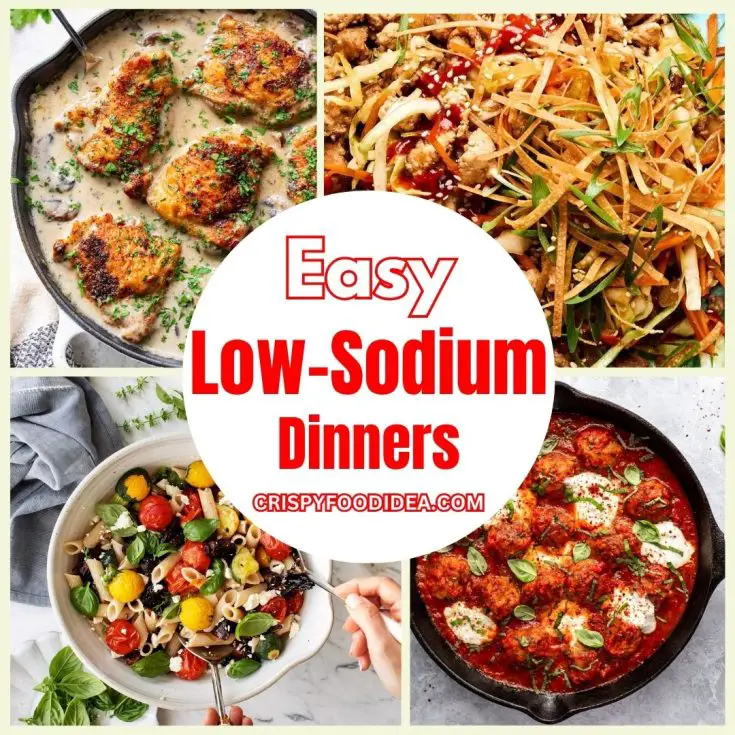
Eating well doesn’t have to mean sacrificing taste — especially when it comes to low-sodium foods. I tried these 25 delicious low-sodium dinner recipes to understand that less salt doesn’t mean less flavor. They also work to reduce your risk of high blood pressure and heart disease.
So, I am giving you the best low-sodium dinner ideas that are not only heart-healthy and nutrient-packed but also easy to make on a busy weeknight. If you recall the article I wrote about the DASH diet, you will gain an even better understanding of this piece—in which I have sought to address simple yet crucial matters—such as high blood pressure and reducing sodium for heart health—in a truly delicious manner.
As we know, most traditional dinner recipes contain significant amounts of “hidden sodium”—derived from processed sauces, canned ingredients, restaurant-style seasonings, and packaged foods. For precisely this reason, I have placed a primary emphasis here on fresh ingredients, lean proteins, healthy fats, aromatic herbs, garlic, lemon, Mediterranean-style flavors, and natural spices—elements that help create highly satisfying meals without the excess sodium.
For those who want to eat healthy without compromising on flavor and are new to the low-salt lifestyle, these recipes are perfect for starting from scratch. Say goodbye to boring boiled chicken and hello to delicious garlic herb thighs, creamy lentil curry, and spicy shrimp tacos — all without the added sodium.
Related: 200 Calorie Meals
- What Is a Low-Sodium Diet?
- Tips to Make Low-Sodium Dinners That Don’t Suck
- 25 Best Low Sodium Dinner Recipes
- How To Make Low Sodium Food Taste Better Without Salt
- Best Salt-Free Seasonings
- Hidden High Sodium Foods You Should Avoid
- Best Low Sodium Ingredients, Herbs & Salt-Free Seasonings
- How Much Sodium Should You Eat Per Day?
- DASH Diet Dinner Guide: How To Build Flavorful Low-Sodium Meals
- Meal Prep Tips for Low-Sodium Diets
- Frequently Asked Questions About Low Sodium Dinners
Related: High Protein Low Calorie Recipes
🌿 What Is a Low-Sodium Diet?
A low-sodium diet focuses on reducing your daily intake of sodium, commonly known as salt, to promote heart health and reduce the risk of high blood pressure, stroke, and kidney disease. According to the FDA, a food product is considered low in sodium if it contains less than 140mg of sodium per serving.
💡 Why it matters: The average American consumes more than 3,400 mg of sodium per day—well above the recommended limit of 2,300 mg. Excessive sodium intake is linked to serious health risks, especially for people with hypertension or heart disease.
🔍 Who Should Follow a Low-Sodium Diet?
- Individuals with high blood pressure (hypertension)
- People with chronic kidney disease
- Those diagnosed with heart failure or cardiovascular risk
- Anyone looking to reduce water retention and bloating
Following a low-sodium lifestyle doesn’t mean giving up on flavor. With the right ingredients and cooking methods, you can enjoy delicious low-salt dinners that are both satisfying and healthy.
For more in-depth guidance on salt intake and sodium recommendations, check out the official advice from the American Heart Association.
Suggested: Crispy Parmesan Eggs
🔥 Tips to Make Low-Sodium Dinners That Don’t Suck
Creating delicious low-sodium dinners doesn’t mean sacrificing flavor. If you’re on a heart-healthy low-salt diet or just trying to eat cleaner, these smart tricks will help you make easy low-sodium meals that are bursting with taste.
1. Use Fresh Herbs and Spices Instead of Salt
Flavor your meals with bold herbs like rosemary, thyme, oregano, basil, cilantro, and dill. Add spices such as smoked paprika, cumin, curry, and turmeric for a savory punch in low-sodium dinner recipes.
2. Add Brightness with Citrus & Vinegar
Acidity from lemon juice, lime, apple cider vinegar, or balsamic vinegar can enhance flavor and balance your dish without the need for added sodium.
3. Cook from Scratch & Skip Processed Foods
Pre-packaged sauces, soups, and frozen meals are often packed with hidden sodium. When you cook from scratch, you control every ingredient and keep sodium levels low.
4. Use Salt-Free Seasoning Blends
Try blends like Mrs. Dash or make your own using garlic powder, onion powder, crushed red pepper, and herbs. These blends are a great hack for low-salt weeknight dinners.
5. Enhance Umami with Natural Ingredients
Add depth with low-sodium tomato paste, sautéed mushrooms, roasted garlic, or nutritional yeast to boost umami in vegetarian low-sodium meals.
Suggested: Slow Cooker Garlic Butter Chicken Recipe
25 Delicious Low-Sodium Dinners You Won’t Believe Are Healthy
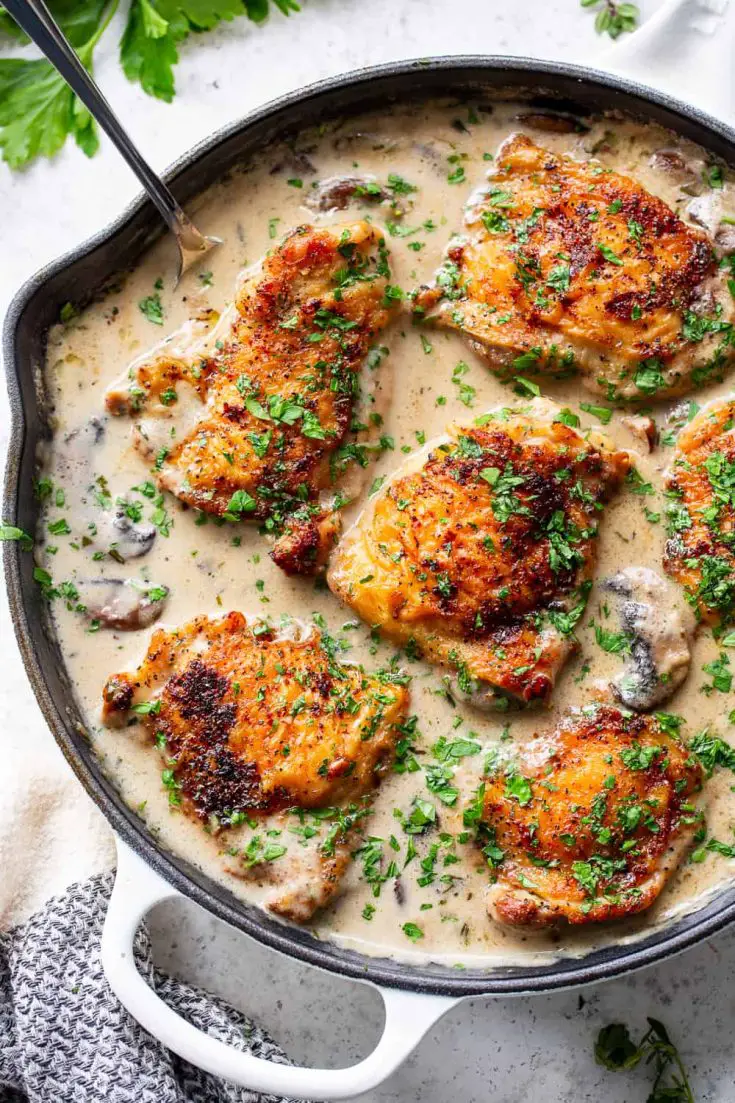
Creamy Garlic Herb Chicken {Paleo, Whole30, Keto}
These juicy chicken thighs are marinated in a blend of garlic, rosemary, and lemon juice, then baked to perfection. This heart-healthy recipe is low in sodium but rich in flavor, making it an ideal choice for those monitoring their salt intake. Serve with steamed vegetables or a side salad for a complete meal.
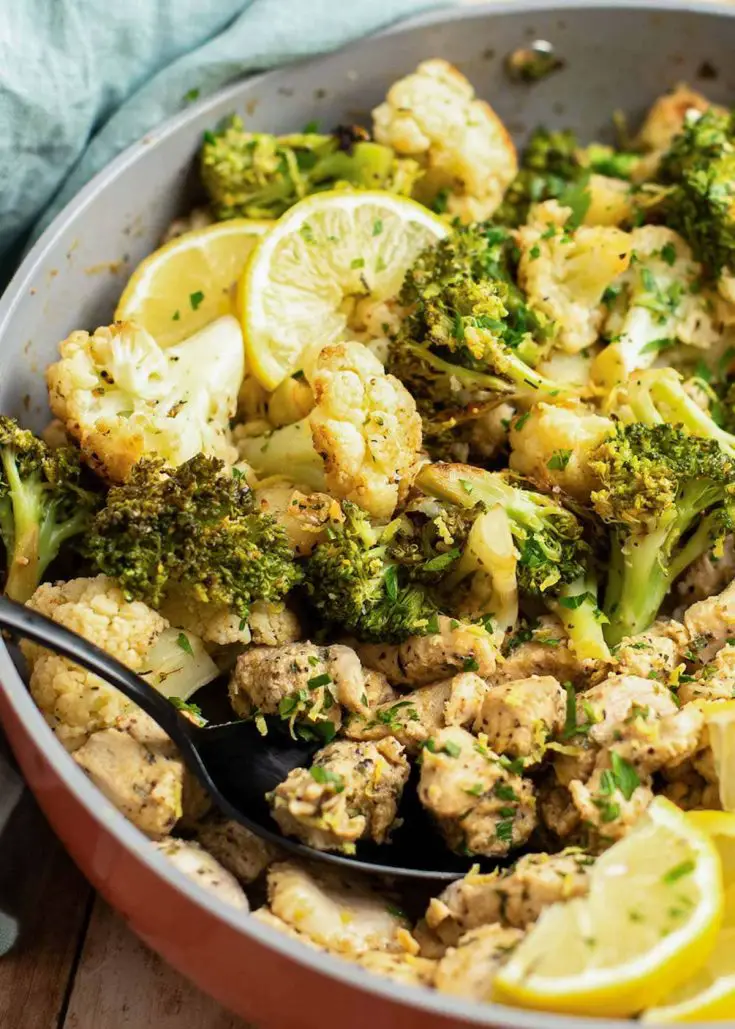
Lemon Pepper Chicken and Veggies
A zesty lemon pepper marinade infuses boneless chicken breasts with bright flavors. Paired with a medley of roasted vegetables like zucchini, bell peppers, and carrots, this dish is both nutritious and satisfying. It's a perfect low-sodium dinner option for busy weeknights.
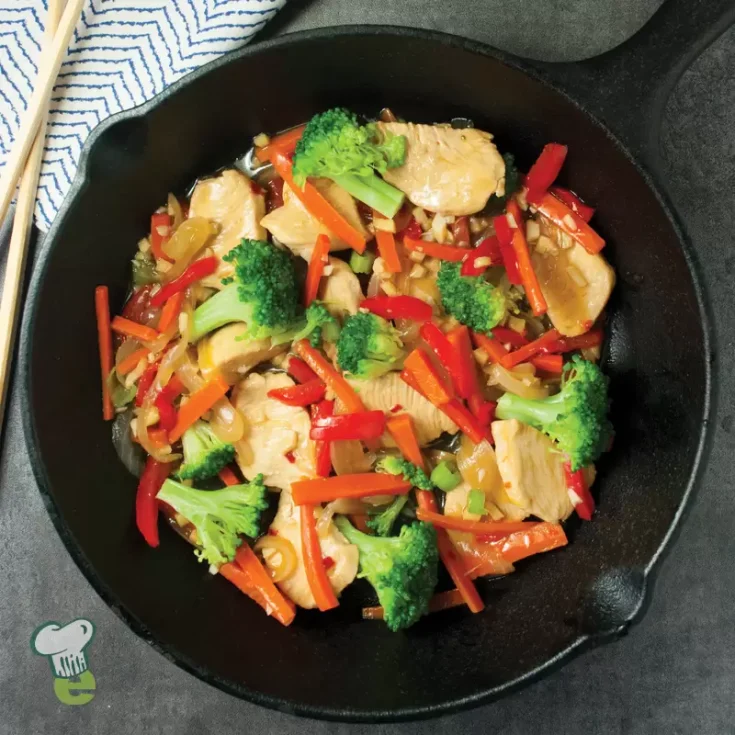
Heart Healthy Chicken Stir-Fry
This quick and easy stir-fry features tender chicken strips sautéed with colorful vegetables in a low-sodium soy sauce. Served over brown rice, it's a balanced meal that's both heart-healthy and delicious. Ideal for those seeking low-salt dinner ideas.
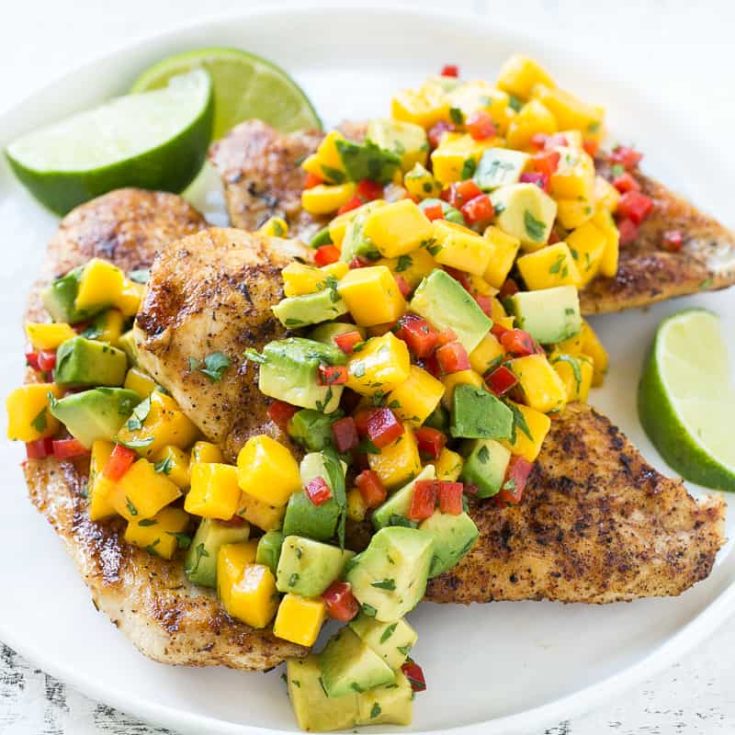
Grilled Chicken with Mango Avocado Salsa Recipe
Grilled chicken breasts are topped with a fresh mango salsa, combining sweet and savory flavors. This low-sodium recipe is perfect for summer dinners and provides a healthy alternative to high-salt meals. Pair with quinoa or a green salad for added nutrition.
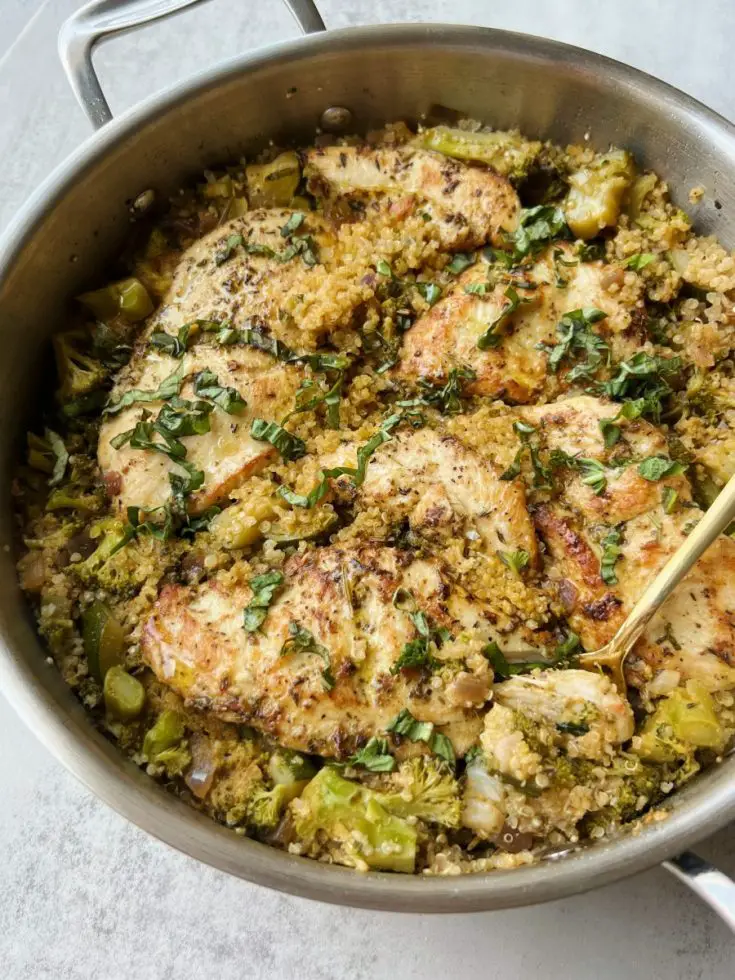
One-pan Chicken and Quinoa
A wholesome one-pan meal featuring chicken, quinoa, and assorted vegetables. Seasoned with herbs and spices, this dish is low in sodium and high in protein and fiber. It's an excellent choice for a healthy, low-salt dinner.
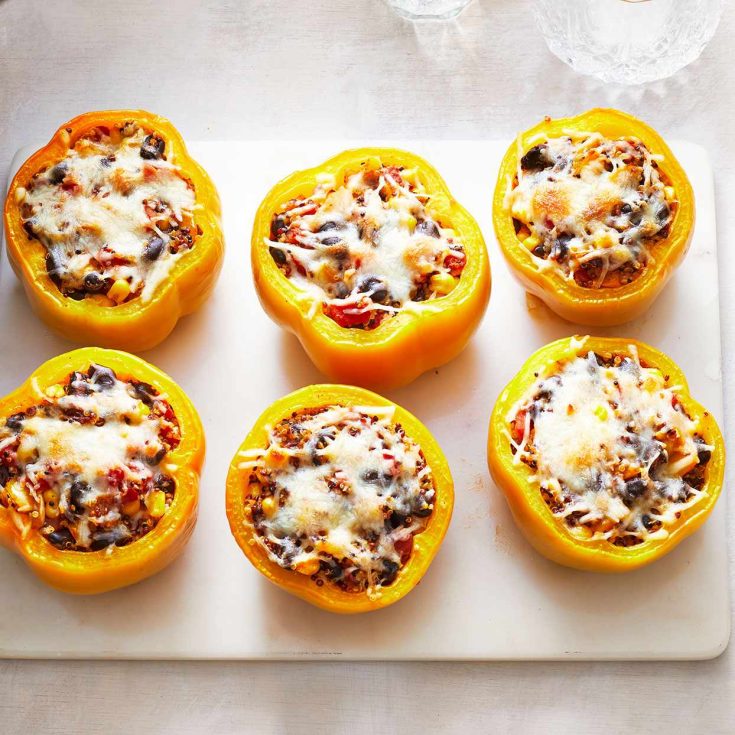
Quinoa-Stuffed Peppers
Bell peppers are filled with a hearty mixture of black beans, quinoa, and vegetables, then baked until tender. This plant-based, low-sodium recipe is both filling and nutritious, making it a great option for meatless dinners.
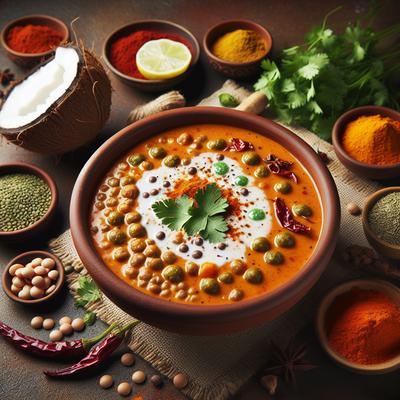
Low Sodium Vegan Coconut Lentil Curry
A rich and creamy curry made with red lentils and coconut milk, seasoned with turmeric, ginger, and garlic. This low-sodium vegetarian dish is flavorful and satisfying, perfect for those seeking heart-healthy meals.
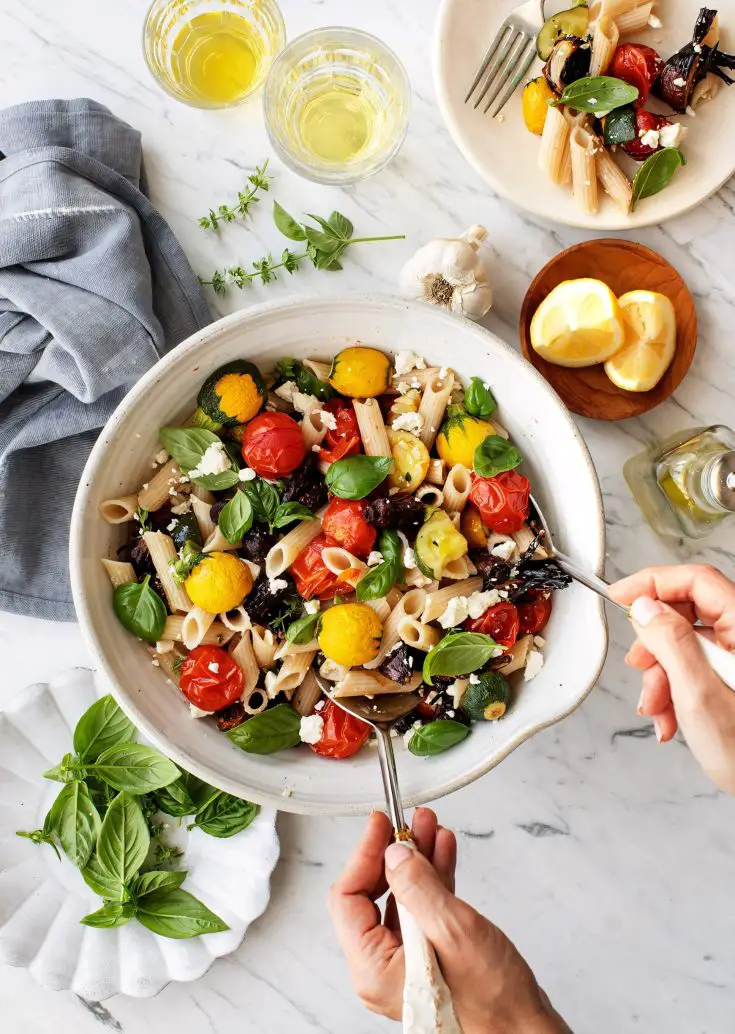
Roasted Vegetable Pasta
Whole-grain pasta is combined with roasted vegetables and a homemade low-sodium tomato sauce, then baked until bubbly. This comforting dish is ideal for a healthy, low-salt dinner.
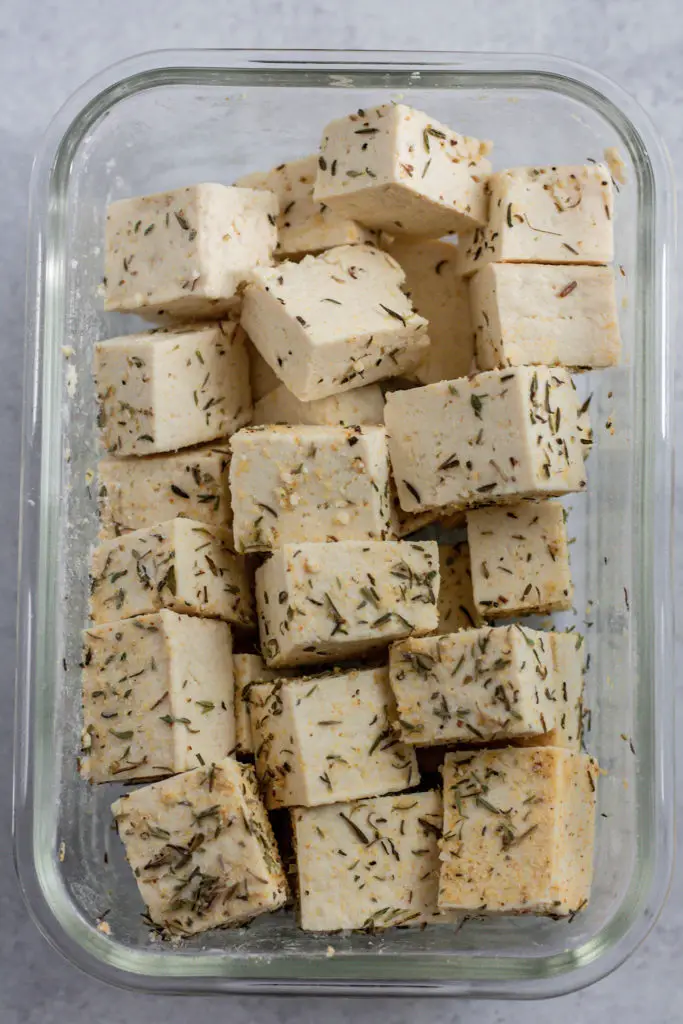
Tofu Broccoli Stir Fry with Garlic Ginger Sauce
Crispy tofu and tender broccoli florets are tossed in a ginger-infused sauce, creating a flavorful and low-sodium stir-fry. Serve over brown rice or quinoa for a complete vegetarian meal.
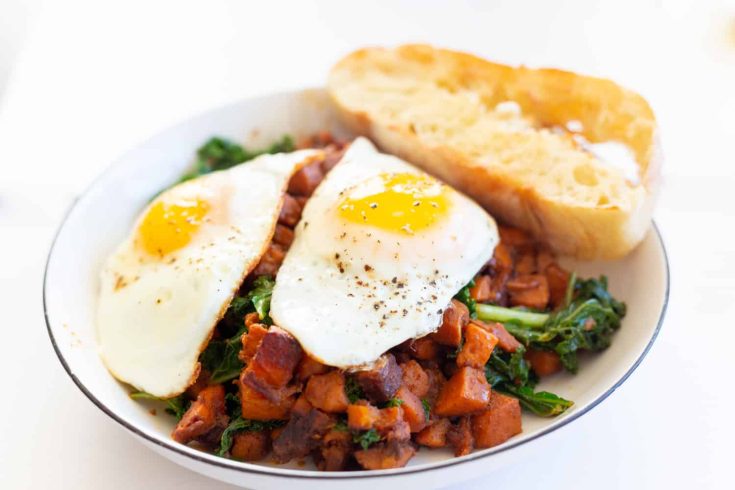
Healthy Sweet Potato Kale Hash Recipe with a Sunny-Side-Up Egg
A nutritious hash made with sweet potatoes, kale, and onions, topped with a poached or fried egg. This low-sodium vegetarian recipe is perfect for breakfast-for-dinner nights.
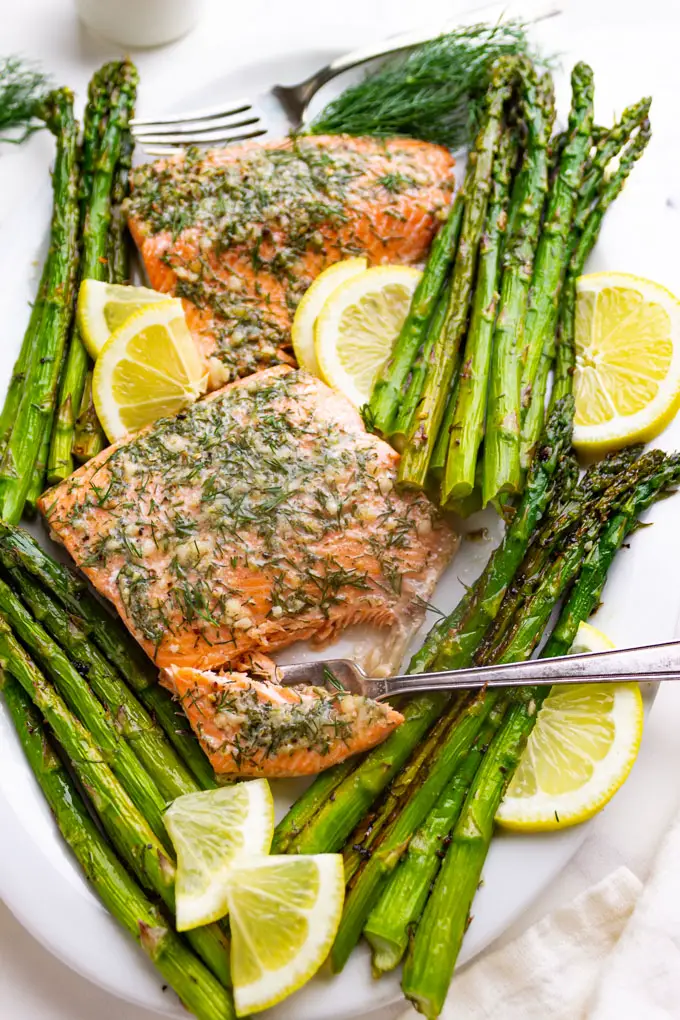
Lemon Dill Salmon with Asparagus (One Pan)
Baked salmon fillets are seasoned with lemon and dill, then served alongside steamed asparagus. This heart-healthy, low-sodium meal is rich in omega-3 fatty acids and perfect for a light dinner.
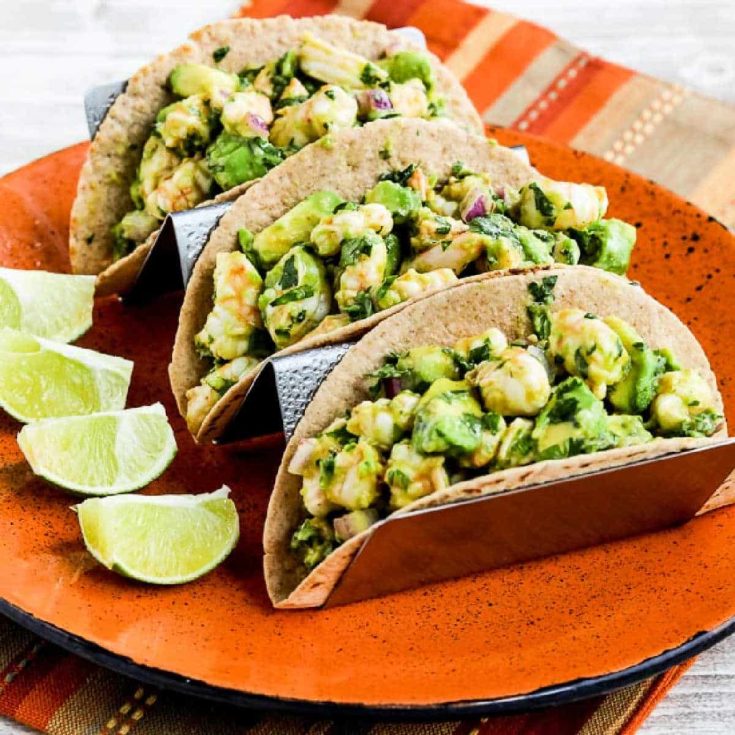
Shrimp Avocado Tacos
Grilled shrimp and creamy avocado slices are nestled in corn tortillas, topped with a tangy slaw. These low-sodium tacos are bursting with flavor and make for a quick, healthy dinner.
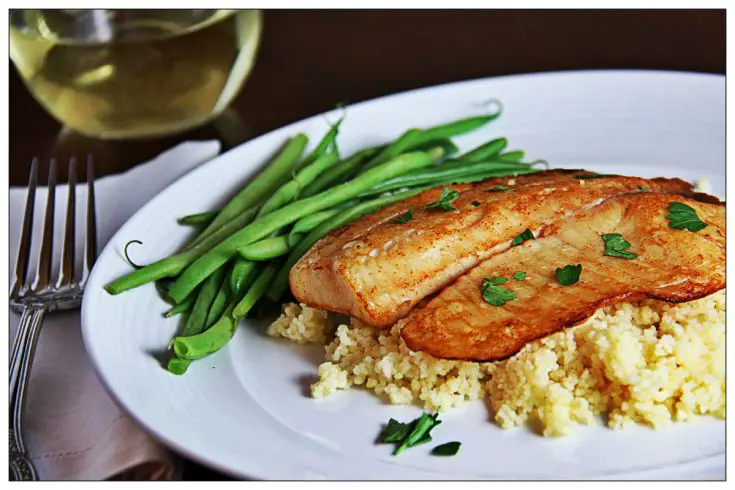
Garlic Lime Tilapia with Couscous
Tilapia fillets are marinated in a garlic-lime mixture, then pan-seared and served over fluffy couscous. This low-salt seafood recipe is both easy to prepare and delicious.
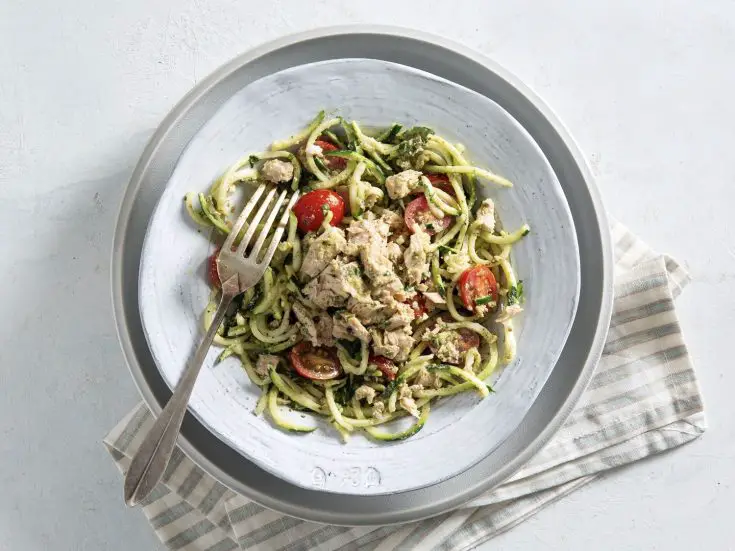
Pesto Tuna with Zoodles
Zucchini noodles are tossed with canned tuna and a homemade low-sodium pesto, creating a light and refreshing meal. It's a great low-carb, heart-healthy dinner option.
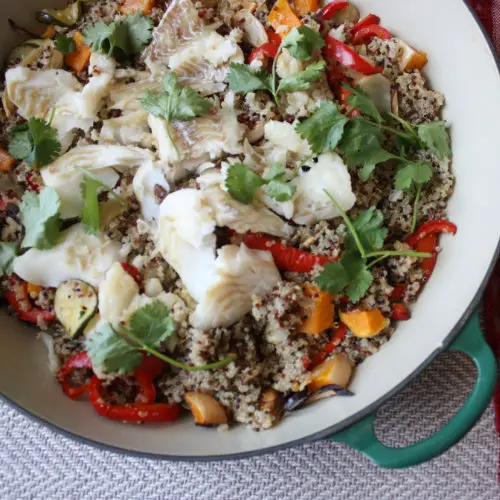
Quinoa with Roasted Veg and Cod with wilted spinach, & long stemmed broccoli
Baked cod fillets are seasoned with a blend of spices, then served over quinoa and sautéed spinach. This low-sodium seafood dish is flavorful and packed with nutrients.
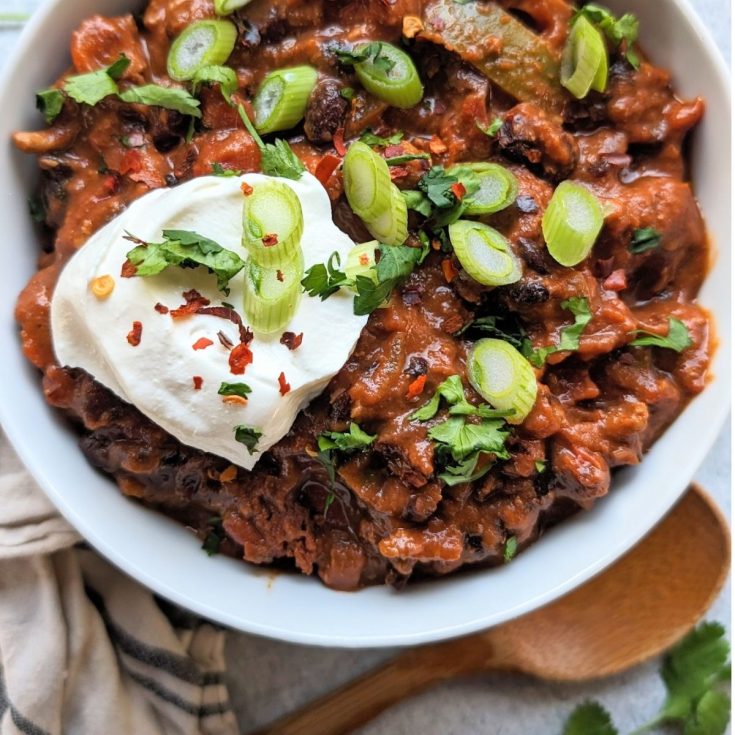
Low Sodium Turkey Chili Recipe
A hearty chili made with lean ground turkey, beans, and a medley of spices. This low-sodium recipe is perfect for a cozy dinner and can be made in a slow cooker for convenience.
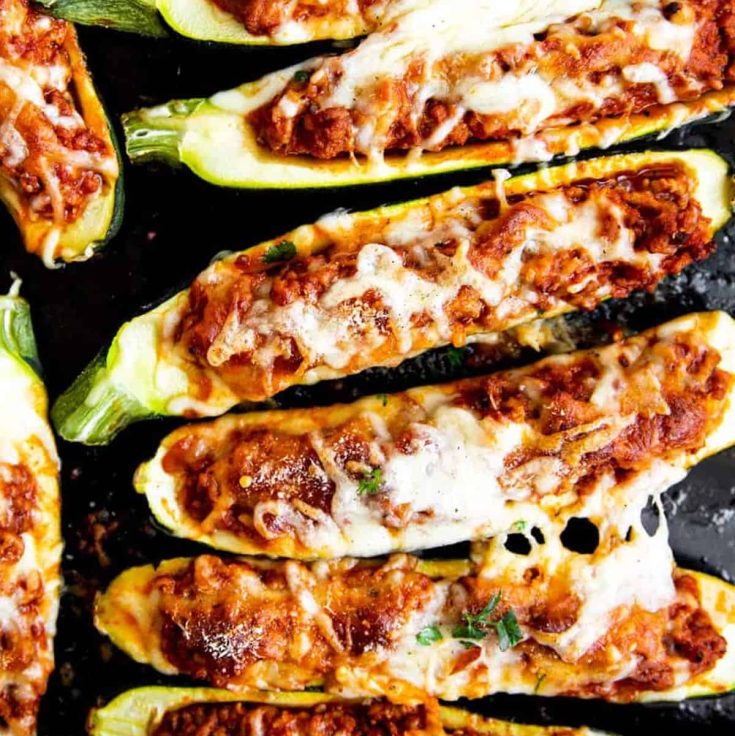
Easy Ground Beef Zucchini Boats Recipe
Zucchini halves are filled with a savory mixture of lean ground beef, tomatoes, and herbs, and then baked until tender. This low-salt recipe is both satisfying and nutritious.
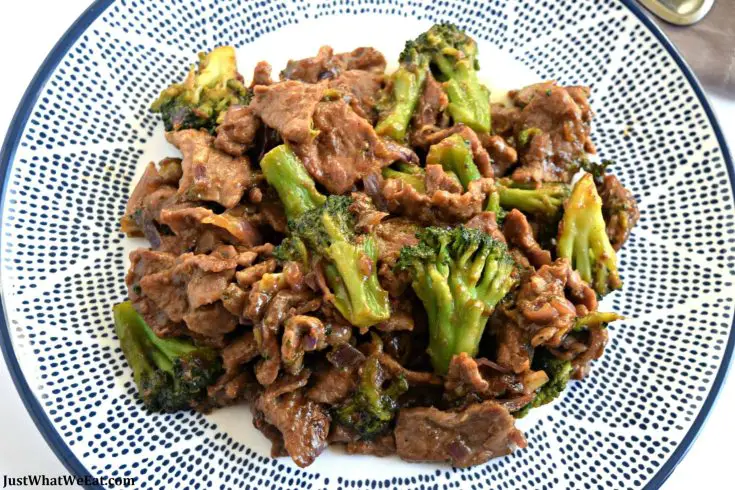
Beef and Broccoli – Gluten Free, Dairy Free, & Soy Free
A healthier take on the classic dish, using a homemade low-sodium sauce in place of traditional soy sauce. Tender beef and crisp broccoli make this a flavorful, heart-healthy meal.
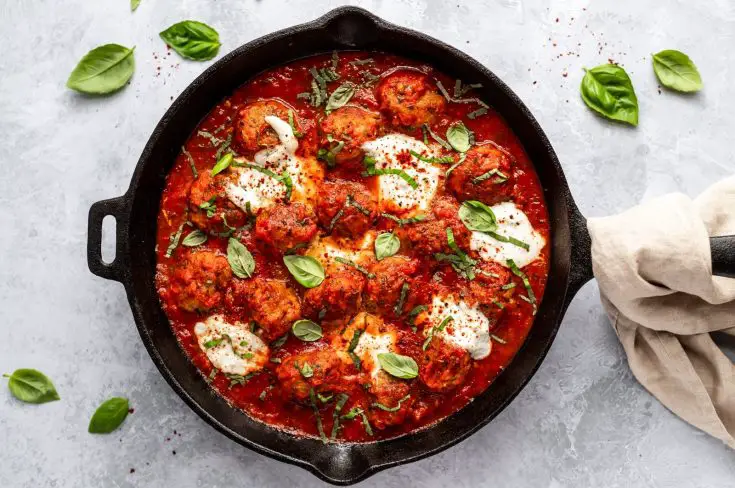
Healthy Turkey Meatballs in Tomato Sauce
Lean turkey meatballs are simmered in a homemade tomato basil sauce, served over whole-grain pasta or zucchini noodles. This low-sodium recipe is perfect for a comforting dinner.
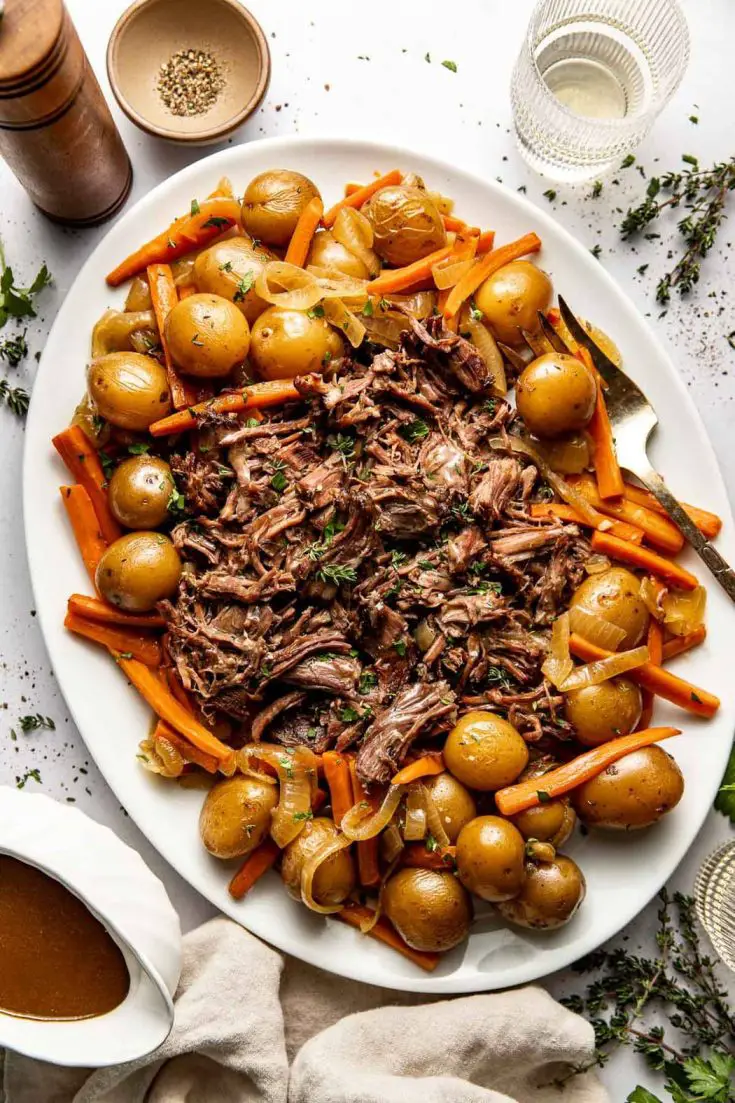
Crockpot Pot Roast Recipe
A tender pot roast cooked slowly with carrots, potatoes, and onions in a low-sodium broth. This classic comfort food is made healthier for those watching their salt intake.
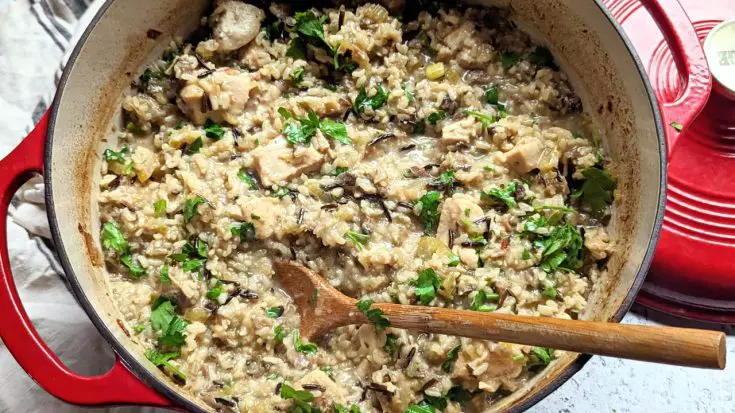
Low Sodium Chicken Casserole with Rice Recipe
A creamy casserole combining chicken, brown rice, and vegetables, baked to perfection. This one-pot meal is low in sodium and high in comfort.
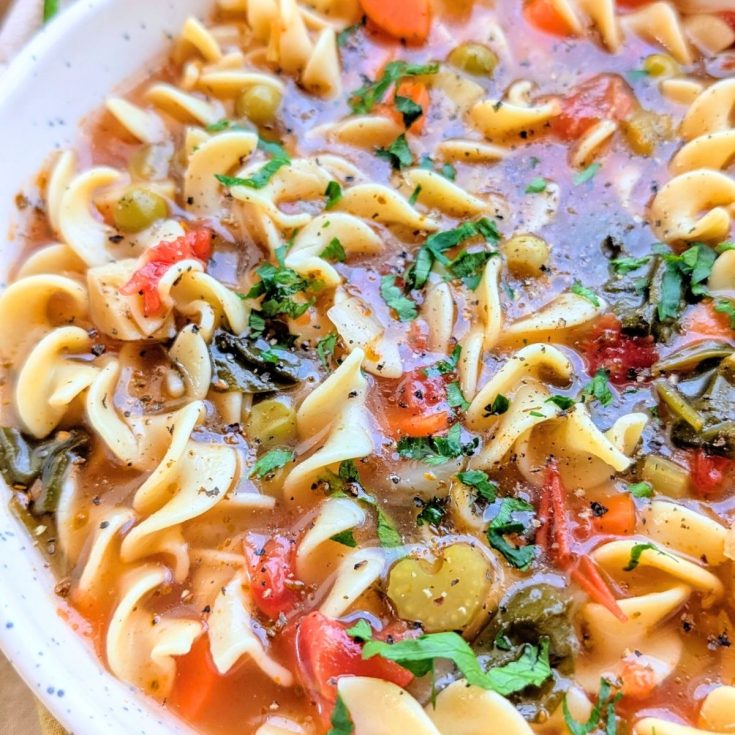
Low Sodium Vegetable Soup Recipe
A hearty soup filled with a variety of vegetables and herbs, simmered in a no-salt-added broth. Perfect for a light, low-sodium dinner.
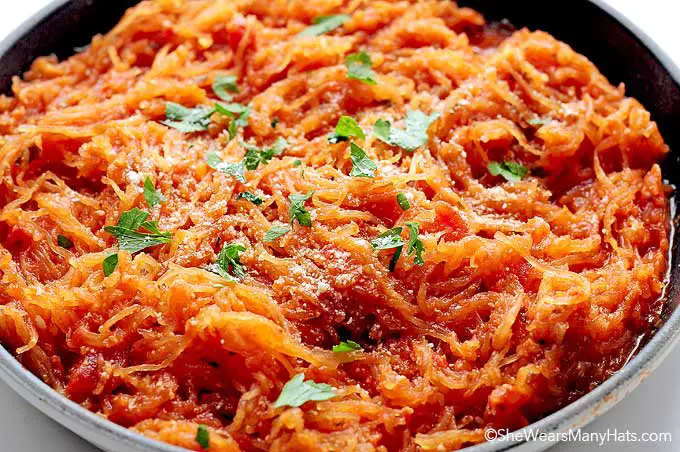
Marinara Spaghetti Squash Recipe
Roasted spaghetti squash strands are topped with a homemade low-sodium marinara sauce, offering a healthy alternative to traditional pasta dishes.
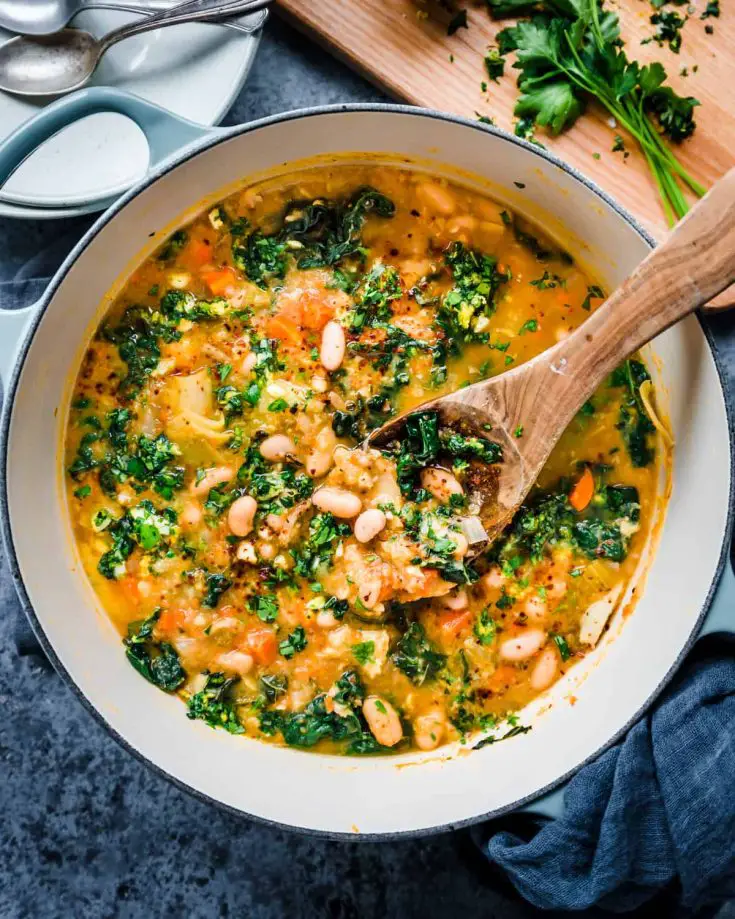
Creamy White Bean Soup with Kale
A nourishing stew made with white beans, kale, and aromatic herbs, simmered to perfection. This one-pot meal is both heart-healthy and satisfying.
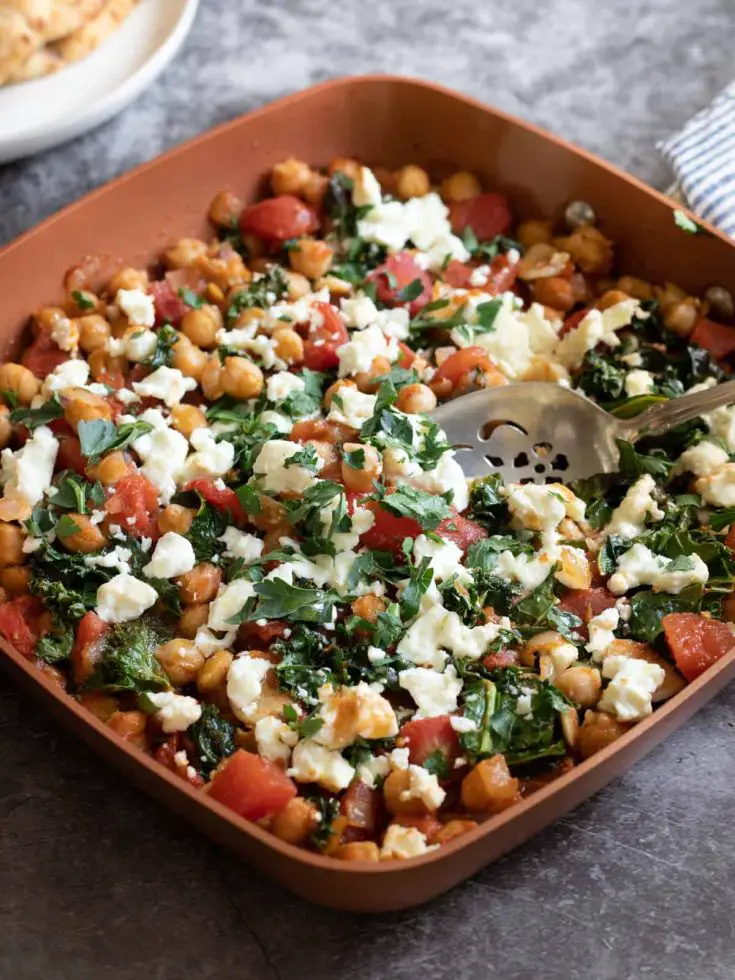
Mediterranean Chickpea Skillet
Chickpeas, tomatoes, and spinach are sautéed with Mediterranean spices in a single skillet. This low-sodium, plant-based meal is quick, easy, and full of flavor.
Related: Easy Tilapia Recipes
How To Make Low Sodium Food Taste Better
Eating a low sodium diet does not mean your meals have to taste bland or boring. With the right ingredients, cooking techniques, herbs, spices, and healthy flavor boosters, you can create flavor-packed low sodium dinners that are delicious, satisfying, and heart healthy.
1. Use Acid To Boost Flavor Naturally
Fresh lemon juice, lime juice, balsamic vinegar, apple cider vinegar, and tomatoes naturally brighten flavors and make food taste more vibrant without adding sodium. Acid balances dishes and enhances savory flavors in low sodium dinner recipes, grilled chicken, seafood, salads, and roasted vegetables.
2. Add Garlic, Onion & Aromatics
Garlic, onions, shallots, ginger, scallions, and roasted garlic create rich depth of flavor naturally. Aromatics are essential for making heart healthy meals taste satisfying while reducing dependence on salty sauces and processed seasonings.
3. Use Fresh Herbs & Salt-Free Seasonings
Herbs and spices are the secret to creating delicious low sodium meals. Try basil, oregano, rosemary, thyme, cilantro, parsley, smoked paprika, cumin, turmeric, black pepper, chili flakes, and Italian seasoning blends for bold flavor without extra sodium.
4. Roast & Caramelize Ingredients
Roasting vegetables, chicken, salmon, and potatoes develops natural sweetness and umami flavor. High-heat cooking creates caramelization, helping healthy low sodium recipes taste richer and more satisfying naturally.
5. Add Healthy Fats For Better Taste
Olive oil, avocado, nuts, tahini, and natural nut butters improve texture and mouthfeel in low sodium dinners. Healthy fats also help herbs and spices coat ingredients evenly, making dishes more flavorful and satisfying.
6. Build Umami Flavor Naturally
Mushrooms, tomatoes, nutritional yeast, roasted vegetables, and unsalted broths provide natural umami flavor that replaces the savory depth normally created by salt. This is one of the best strategies for DASH diet recipes and kidney-friendly meals.
💡 Expert Flavor Tip
One of the easiest ways to make low sodium food taste better is layering flavors throughout the cooking process instead of adding everything at the end. Start with aromatics like garlic and onions, add herbs and spices while cooking, then finish with fresh lemon juice or herbs before serving for maximum flavor.
Best Ingredients For Flavorful Low Sodium Cooking
- Fresh garlic & onions
- Lemon juice & citrus zest
- Fresh herbs like basil, cilantro & parsley
- Smoked paprika & cumin
- Olive oil & avocado
- Roasted vegetables
- Unsalted broth & homemade sauces
- Black pepper & chili flakes
By combining these ingredients with smart cooking techniques, you can prepare easy low sodium dinner recipes that are packed with flavor, support heart health, help reduce blood pressure, and fit perfectly into a healthy lifestyle.
Related: Healthy Avocado Recipes
Best Salt-Free Seasonings To Make Low Sodium Food Taste Amazing
One of the biggest challenges of following a low sodium diet is keeping meals flavorful without relying on excess salt. The good news? You can build incredible flavor using herbs, spices, citrus, aromatics, and healthy seasonings that naturally enhance taste while supporting heart health, blood pressure management, weight loss, and the DASH diet.
These salt-free seasoning ideas are perfect for low sodium dinner recipes, healthy meal prep, kidney-friendly meals, Mediterranean diet recipes, diabetic-friendly dinners, and anti-inflammatory cooking.
Garlic Powder
Garlic powder adds bold savory flavor without sodium, making it one of the best seasonings for low sodium chicken recipes, roasted vegetables, soups, seafood, and healthy dinners. It creates deep umami flavor and helps replace salty packaged seasoning mixes. I always keep this stocked in my kitchen.
Fresh Herbs
Fresh basil, parsley, cilantro, dill, thyme, oregano, and rosemary naturally brighten meals and make healthy recipes taste restaurant-quality. Herbs are essential for Mediterranean diet meals, heart healthy recipes, and low sodium meal prep.
Lemon Juice & Citrus Zest
Lemon juice, lime juice, and citrus zest add brightness and acidity that mimic the flavor-enhancing effect of salt. They work beautifully in fish recipes, grilled chicken, salads, rice bowls, and healthy pasta dishes.
Smoked Paprika
Smoked paprika delivers smoky, rich flavor without adding sodium. It’s perfect for air fryer recipes, roasted potatoes, grilled vegetables, lean proteins, and low calorie dinners.
Onion Powder
Onion powder creates sweet and savory depth in healthy recipes while keeping sodium low. It pairs perfectly with garlic powder in homemade salt-free seasoning blends.
Italian Seasoning
A mix of oregano, basil, thyme, and rosemary can transform bland meals into flavorful Italian-inspired dishes. Use it in healthy casseroles, pasta recipes, soups, and baked chicken dinners.
Black Pepper & Chili Flakes
Adding gentle heat boosts flavor naturally and helps reduce the need for excess sodium. Black pepper and red pepper flakes are excellent for healthy stir-fries, shrimp recipes, and low sodium tacos.
Mushroom Powder
Mushroom powder is rich in natural umami flavor and works as a powerful salt substitute for soups, gravies, roasted vegetables, and high protein meals.
Suggested: Fast Food Trends
Foods Surprisingly High In Sodium
Many foods that seem healthy can actually contain shocking amounts of hidden sodium. If you’re following a low sodium diet, DASH diet, heart-healthy eating plan, or trying to lower blood pressure naturally, knowing which foods are secretly high in sodium is extremely important.
Canned Soups
Even “healthy” canned soups can contain over 700–1,200mg sodium per serving. Choose low sodium soup or homemade soups using fresh herbs and vegetables.
Deli Meats
Turkey, ham, salami, and roast beef are often packed with sodium preservatives. Fresh grilled chicken or homemade shredded turkey are better alternatives for heart healthy meals.
Cheese
Processed cheese, parmesan, and cheddar can quickly increase daily sodium intake. Try using mozzarella, Swiss cheese, or reduced sodium cheese in moderation.
Bread & Tortillas
Bread may not taste salty, but multiple slices can contain significant sodium. Whole grain low sodium bread is a smarter option for healthy dinner recipes.
Salad Dressings
Store-bought salad dressings often hide large amounts of sodium and sugar. Homemade olive oil lemon dressing is a healthier low sodium alternative.
Frozen Meals
Many frozen dinners and pizzas contain over a full day’s worth of sodium. Homemade freezer meals are better for blood pressure friendly dinners.
Pasta Sauce
Jarred tomato sauces are one of the most overlooked sodium sources. Use no-salt-added tomatoes, garlic, basil, and olive oil for a healthier sauce.
Pickles & Fermented Foods
Pickles, olives, kimchi, and sauerkraut are naturally high in sodium because of brining. Eat these in smaller portions on a low sodium meal plan.
💡 My Suggestion For Reducing Sodium Naturally
Instead of relying on salt, boost flavor with garlic, lemon juice, smoked paprika, herbs, black pepper, cumin, ginger, onion powder, and healthy fats like olive oil. These ingredients help create flavorful low sodium dinners without sacrificing taste.
Best Low Sodium Pantry Staples For Healthy & Flavorful Meals
Building a healthy low sodium pantry is one of the easiest ways to create delicious heart-healthy dinners without sacrificing flavor. These healthy ingredients add flavor, texture, nutrition, and richness naturally — without relying on processed high-sodium foods.
No Salt Added Canned Beans
Black beans, chickpeas, kidney beans, and cannellini beans are excellent low sodium pantry essentials packed with plant-based protein, fiber, and nutrients. I loke to choose “no salt added” versions for healthier low sodium dinners and meal prep recipes.
No Salt Added Tomatoes
Canned diced tomatoes, tomato sauce, and tomato paste without added sodium are perfect for soups, pasta sauces, casseroles, and healthy Mediterranean recipes.
Whole Grains & Brown Rice
Brown rice, quinoa, oats, couscous, and farro are naturally low sodium grains loaded with fiber and nutrients. These healthy pantry staples support heart health and balanced low sodium meal plans.
Extra Virgin Olive Oil
Olive oil adds richness and flavor without sodium. It’s a key ingredient in Mediterranean diet recipes, anti-inflammatory meals, and healthy low sodium cooking.
Garlic, Onion & Aromatics
Fresh garlic, onions, shallots, and ginger naturally boost flavor and depth, helping reduce the need for added salt in healthy dinner recipes.
Salt-Free Herbs & Spices
Smoked paprika, cumin, oregano, thyme, basil, turmeric, chili powder, rosemary, and black pepper help create bold flavors without sodium-heavy seasoning blends.
Lemon Juice & Vinegars
Acidic ingredients like lemon juice, apple cider vinegar, and balsamic vinegar brighten dishes naturally and enhance flavor without relying on excess salt.
Unsalted Nuts & Seeds
Almonds, walnuts, chia seeds, flaxseeds, and pumpkin seeds provide healthy fats, crunch, and protein for low sodium snacks, salads, and dinner bowls.
Low Sodium Broth & Stocks
Choose reduced sodium or unsalted chicken broth, vegetable broth, and bone broth for soups, sauces, and healthy one-pot meals.
How Much Sodium Per Dinner Is Healthy?
I think understanding how much sodium you should consume at dinner is one of the most important steps for maintaining healthy blood pressure, improving heart health, supporting weight loss goals, and reducing the risk of chronic diseases linked to a high-sodium diet. While sodium is an essential mineral for fluid balance and nerve function, consuming too much can increase the risk of hypertension, heart disease, kidney issues, and water retention.
Ideal Sodium Per Dinner
Most health experts recommend limiting sodium intake to 1,500–2,300mg per day. For a balanced low-sodium meal plan, aim for approximately:
- 300–500mg sodium per healthy dinner
- Under 400mg for heart-healthy or DASH diet meals
- Under 300mg for strict low-sodium or kidney-friendly diets
Choosing dinners with lower sodium levels helps reduce bloating, supports cardiovascular health, and makes healthy eating easier long term.
Why Too Much Sodium Is Harmful
Many processed foods, canned soups, frozen dinners, sauces, restaurant meals, and fast foods contain hidden sodium. Eating excessive sodium regularly may contribute to:
- High blood pressure (hypertension)
- Heart disease and stroke risk
- Kidney strain and water retention
- Bloating and puffiness
- Weight gain from excess fluid retention
Switching to fresh ingredients, homemade sauces, herbs, garlic, lemon juice, and natural seasonings can dramatically reduce sodium intake without sacrificing flavor.
How To Make Low-Sodium Dinners Taste Better
One of the biggest myths about low-sodium recipes is that they taste bland. In reality, you can create flavorful healthy dinners using:
- Fresh herbs like basil, cilantro, parsley, and thyme
- Lemon juice and citrus zest
- Garlic, onions, ginger, and roasted vegetables
- Smoked paprika, cumin, chili flakes, and black pepper
- Healthy fats like olive oil and avocado
These ingredients naturally boost flavor while keeping your meals low sodium, heart healthy, and family friendly.
DASH Diet Dinner Guide: How To Build Flavorful Low-Sodium Meals
What Is The DASH Diet?
The DASH diet (Dietary Approaches to Stop Hypertension) is one of the most recommended eating plans for lowering high blood pressure naturally. It focuses on low sodium meals, vegetables, fruits, lean proteins, whole grains, and healthy fats while reducing processed foods, added salt, and sugary ingredients.
Benefits Of DASH Diet Dinners
- Supports healthy blood pressure levels
- Helps reduce sodium intake naturally
- Promotes heart health and circulation
- May support healthy weight loss goals
- Encourages anti-inflammatory eating habits
- Perfect for kidney-friendly meal planning
How To Make Low-Sodium Food Taste Better
One of the biggest myths about low sodium dinner recipes is that they taste bland. The secret is using natural flavor boosters like:
Best Foods For DASH Diet Dinners
- Fresh vegetables and leafy greens
- Skinless chicken breast and turkey
- Salmon, cod, shrimp, and tuna
- Brown rice, quinoa, and oats
- Beans and lentils
- Greek yogurt and low-fat dairy
- Avocados, nuts, and olive oil
Expert Tips For Building A Healthy DASH Diet Dinner
1. Use Fresh Ingredients
Fresh vegetables, herbs, and lean proteins naturally contain less sodium than processed foods.
2. Avoid Hidden Sodium
Watch out for canned soups, bottled sauces, frozen dinners, deli meats, and packaged seasoning mixes.
3. Add Flavor Naturally
Use garlic, citrus, vinegar, herbs, chili flakes, and spices instead of extra salt.
4. Prioritize Protein + Fiber
Combining lean protein with fiber-rich vegetables helps keep you full and satisfied longer.
Sample DASH Diet Dinner Plate
Lean Protein
Grilled chicken, salmon, shrimp, turkey, tofu
Vegetables
Broccoli, spinach, asparagus, zucchini, kale
Whole Grains
Brown rice, quinoa, couscous, oats
Healthy Fats
Avocado, olive oil, almonds, walnuts
🧑🍳 Meal Prep Tips for Low-Sodium Diets
Make your healthy eating routine effortless with these expert low-sodium meal prep strategies that save time and protect your heart.
1. Batch Cook Sodium-Friendly Staples
Cook large portions of low-sodium whole grains like quinoa, brown rice, or couscous. These can be used throughout the week in stir-fries, salads, and bowls.
2. Freeze Low-Salt Meal Portions
Freeze portions of homemade low-sodium dinners like soups, chili, and casseroles in BPA-free containers. They’re great for busy nights and reduce sodium compared to takeout.
3. Build a Low-Sodium Pantry
Stock up on low-salt cooking essentials like no-salt-added canned beans, sodium-free spices, unsalted broths, and fresh produce. This makes it easier to cook flavorful meals at home.
4. Use Salt-Free Seasonings & Herbs
Enhance flavor with herb blends, citrus, garlic, and vinegars instead of salt. Experiment with flavor combinations that satisfy your palate without spiking your sodium intake.
5. Portion Control for Sodium Management
Even healthy meals can become high in sodium if portioned too large. Stick to balanced meal portions with lean protein, whole grains, and fresh vegetables to stay within your sodium goals.
Want more science-backed sodium guidelines? Check out the CDC’s official sodium recommendations.
Suggested: Lemon Pepper Chicken Breasts
Frequently Asked Questions About Low Sodium Dinner Recipes
The best low sodium dinner recipes for heart health include grilled chicken, baked salmon, vegetable stir-fries, quinoa bowls, roasted vegetables, lentil soups, and Mediterranean-inspired meals. These healthy low sodium dinners are packed with potassium-rich vegetables, lean protein, fiber, and healthy fats that support healthy blood pressure and cardiovascular wellness while reducing excess sodium intake.
You can make low sodium meals taste amazing by using garlic, onions, lemon juice, fresh herbs, smoked paprika, black pepper, chili flakes, cumin, oregano, basil, rosemary, and healthy fats like olive oil. Acidic ingredients such as vinegar and citrus naturally boost flavor and help create delicious low sodium dinners without relying on processed sauces or table salt.
A low sodium dinner typically contains less than 500mg of sodium per serving. Many healthy low sodium recipes focus on fresh ingredients, lean meats, vegetables, whole grains, and homemade sauces instead of packaged or processed foods that are often loaded with hidden sodium.
Yes! Low sodium dinner recipes can support healthy weight loss because they often contain whole foods, lean protein, fiber-rich vegetables, and fewer processed ingredients. Reducing sodium may also help decrease water retention and bloating while encouraging healthier eating habits overall.
Avoid highly processed foods like canned soups, frozen dinners, fast food, deli meats, salty snacks, packaged sauces, instant noodles, processed cheese, and restaurant meals. These foods are often extremely high in sodium and may negatively affect blood pressure, kidney health, and heart health.
Yes, plain eggs are naturally low in sodium and are an excellent source of high-quality protein. They work well in healthy low sodium breakfasts, lunches, and dinners when paired with fresh vegetables and salt-free seasonings.
Absolutely. Plain pasta is naturally low in sodium, especially when paired with homemade tomato sauces, olive oil, garlic, herbs, spinach, mushrooms, grilled chicken, or roasted vegetables. Avoid store-bought sauces with excessive sodium and choose fresh ingredients whenever possible.
Some of the best salt-free seasonings for low sodium cooking include garlic powder, onion powder, smoked paprika, Italian seasoning, turmeric, cumin, oregano, thyme, rosemary, black pepper, cayenne pepper, parsley, basil, and lemon zest. These ingredients add bold flavor without increasing sodium levels.
Yes, low sodium meals are highly recommended for people with hypertension or high blood pressure. Reducing sodium intake may help lower blood pressure and improve overall cardiovascular health when combined with a balanced diet rich in fruits, vegetables, lean proteins, and healthy fats.
Easy low sodium dinner ideas include sheet pan chicken and vegetables, grilled salmon bowls, turkey lettuce wraps, quinoa salads, vegetable stir fry, air fryer chicken recipes, low sodium soups, and one-pan Mediterranean meals. These recipes are quick, healthy, family-friendly, and perfect for meal prep.
Related: Awesome Lobster Recipes
25 Delicious Low-Sodium Dinners You Won’t Believe Are Healthy
Ingredients
- Creamy Garlic Herb Chicken {Paleo, Whole30, Keto}
- Lemon Pepper Chicken and Veggies
- Heart Healthy Chicken Stir-Fry
- Grilled Chicken with Mango Avocado Salsa Recipe
- One-pan Chicken and Quinoa
- Quinoa-Stuffed Peppers
- Low Sodium Vegan Coconut Lentil Curry
- Roasted Vegetable Pasta
- Tofu Broccoli Stir Fry with Garlic Ginger Sauce
- Healthy Sweet Potato Kale Hash Recipe with a Sunny-Side-Up Egg
- Lemon Dill Salmon with Asparagus (One Pan)
- Shrimp Avocado Tacos
- Garlic Lime Tilapia with Couscous
- Pesto Tuna with Zoodles
- Quinoa with Roasted Veg and Cod with wilted spinach, & long stemmed broccoli
- Low Sodium Turkey Chili Recipe
- Easy Ground Beef Zucchini Boats Recipe
- Beef and Broccoli – Gluten Free, Dairy Free, & Soy Free
- Healthy Turkey Meatballs in Tomato Sauce
- Healthy Turkey Meatballs in Tomato Sauce
- Low Sodium Chicken Casserole with Rice Recipe
- Low Sodium Vegetable Soup Recipe
- Marinara Spaghetti Squash Recipe
- Creamy White Bean Soup with Kale
- Mediterranean Chickpea Skillet
Instructions
- Choose any one of the recipes above.
- Prepare as per instruction to maintain your low-sodium lifestyle.
- Enjoy it to balance your DASH diet.
If you like this article about Low-Sodium Dinner Recipes, please share it with your friends on Facebook and Pinterest. Also, subscribe to my blog to get all the latest content first on your mobile.