15 Low Calorie Japanese Recipes (Healthy Japanese Meals Under 300 Calories)
I am not sure what you may have heard about Japanese cuisine—that is, Japanese recipes—but I can certainly say this much: it ranks among the healthiest culinary traditions I know. You may have also heard that people in Japan tend to live longer than those in other countries, and one of the primary reasons for this is their healthy diet. Consequently, I have tried my hand at numerous Japanese recipes and have curated a selection of the best low calorie japanese recipes options for you—dishes that are delicious, satisfying, and perfectly suited for a healthy lifestyle.
As we know, Japanese cuisine is widely renowned for its fresh ingredients, balanced nutrition, lean proteins, and portion-controlled meals, making it one of the healthiest diets in the world. Japanese cooking primarily focuses on nutrient-dense foods—such as tofu, seaweed, salmon, edamame, daikon radish, mushrooms, cabbage, and miso—which provide valuable vitamins, minerals, fiber, and protein while keeping calorie counts relatively low. Furthermore, many classic Japanese dishes rely on cooking methods such as grilling, steaming, simmering, and broth-based preparation, rather than utilizing heavy creams, excessive oils, or processed ingredients.
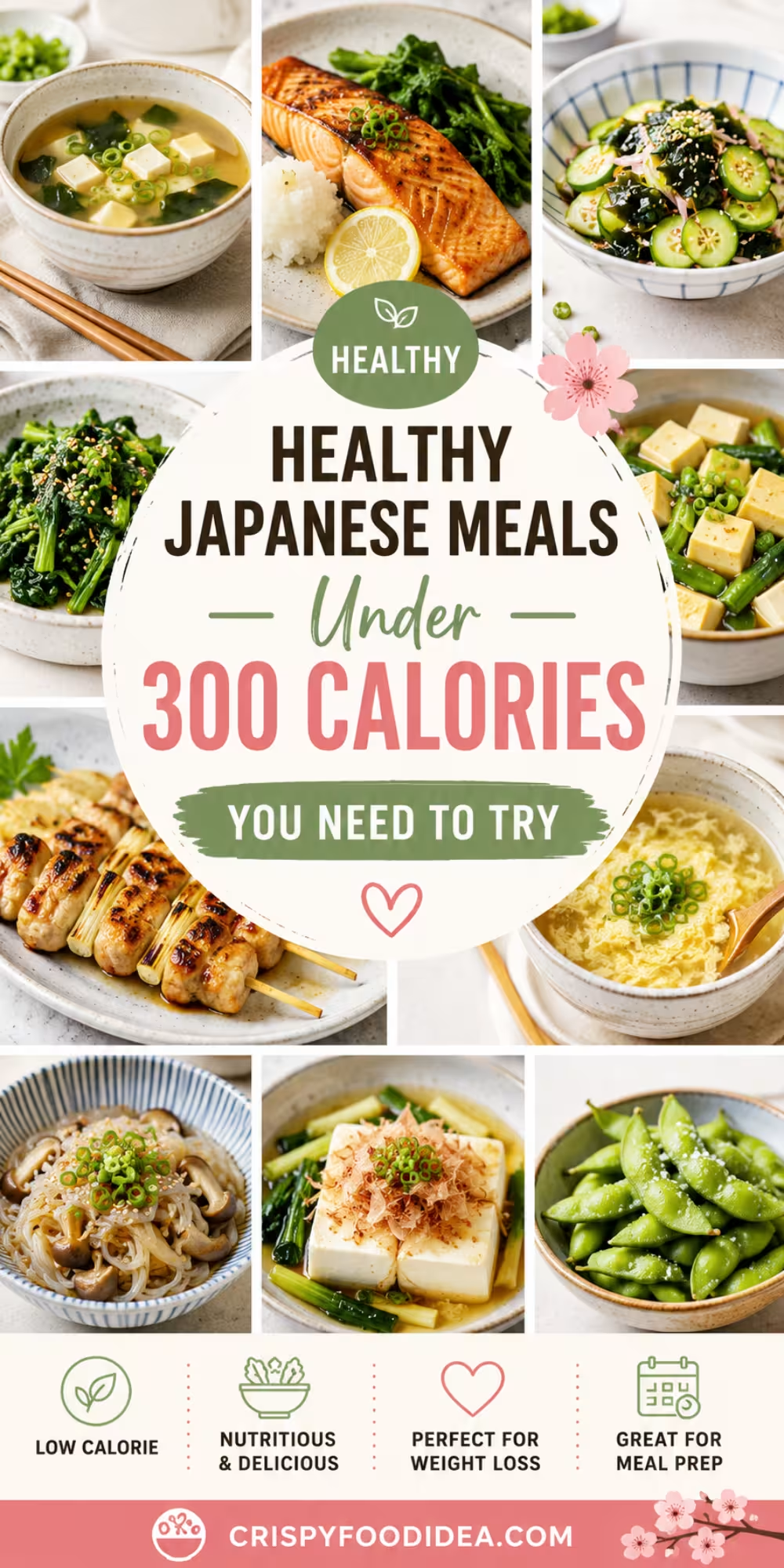
The traditional Japanese diet has long been associated with longevity and healthy eating habits, emphasizing vegetables, seafood, fermented foods, and portion control. So, without further ado, let’s explore my favorite Japanese recipes under 300 calories—dishes that are both incredibly easy to prepare and highly nutritious. This selection includes some of my personal favorites: healthy soups, light lunches, quick dinners, vegetarian options, and high-protein meals.
Related: Low Calorie Asian Soups
📖 Table of Contents Healthy Japanese Recipes • Weight Loss Meals • Low Calorie Dinner Ideas
- 15 Best Low Calorie Japanese Recipes
- Why Japanese Food Is One of the Healthiest Diets in the World
- What Makes Japanese Recipes Low Calorie?
- Essential Japanese Ingredients for Healthy Cooking
- Calories & Protein Comparison Chart
- Best Japanese Recipes for Weight Loss
- 3-Day Healthy Japanese Meal Plan
- Meal Prep Tips for Healthy Japanese Meals
- Healthy Ingredient Swaps for Japanese Cooking
- Expert Tips for Making Japanese Food Healthier
- Frequently Asked Questions
Related: Healthy Asian Meal Prep Recipes
15 Low Calorie Japanese Recipes | Healthy Japanese Meals Under 300 Calories
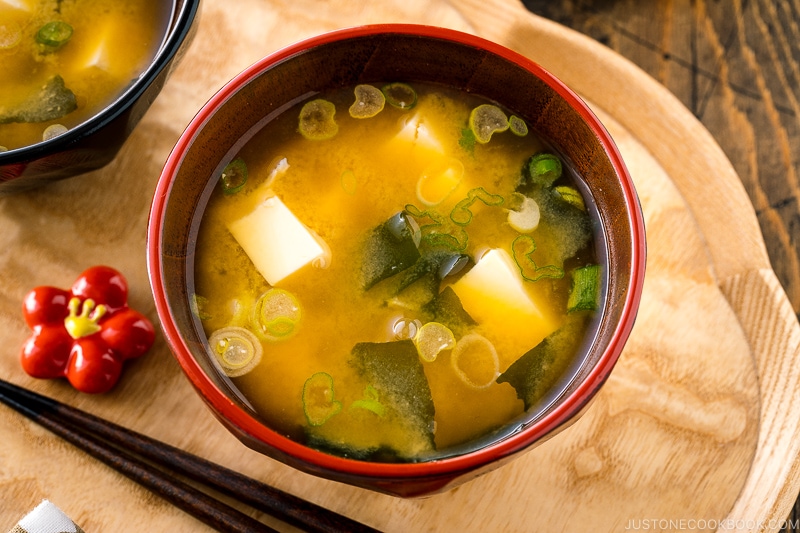
Homemade Miso Soup 味噌汁
Traditional Miso Soup is one of my favorite low calorie Japanese recipes whenever I want something warm, comforting, and nourishing without consuming too many calories. The first time I made this healthy Japanese soup at home, I was amazed by how a few simple ingredients like miso paste, tofu, wakame seaweed, and green onions could create such incredible flavor. This authentic Japanese recipe is naturally low in calories, rich in probiotics, and perfect for a weight loss meal plan. I often enjoy it as a light lunch or healthy dinner starter because it keeps me satisfied without feeling heavy.
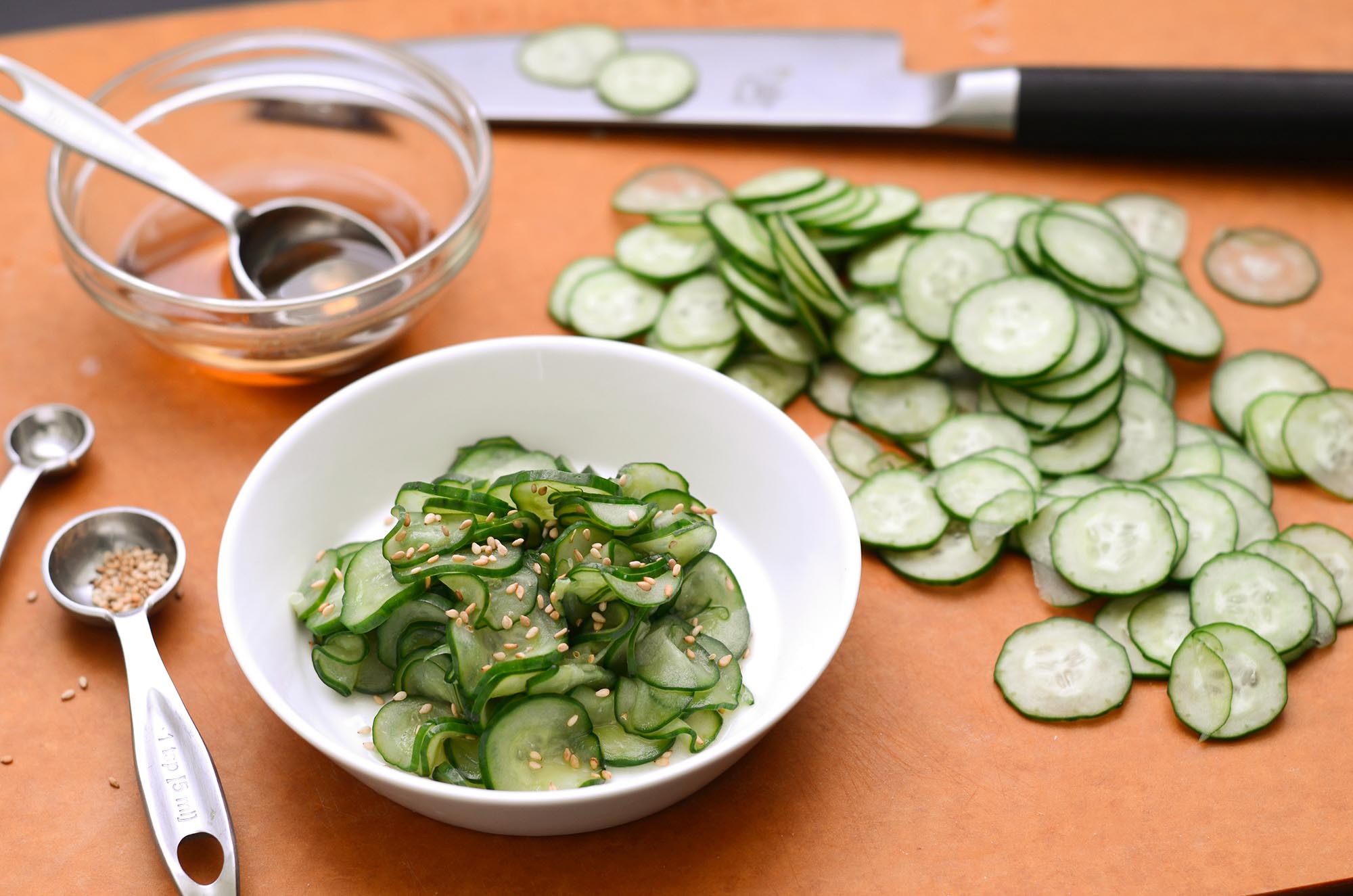
Sunomono Salad Recipe (Japanese Cucumber Salad)
This Japanese salad is a little different from the usual cucumber salad we eat, but it is very easy to make. Whenever I need a refreshing side dish, Japanese cucumber sunomono salad is one of the first recipes I make. This low calorie Japanese recipe combines crunchy cucumbers with a light rice vinegar dressing, which gives a perfect balance of sweet and sour flavors. It will only take you 15 minutes to make this recipe. I especially love making this healthy Japanese salad during the summer, because it keeps the body cool, provides refreshment, and is also very easy to make. Despite its simplicity, sunomono is packed with nutrients and is perfect for a healthy diet. This salad is a great choice as a low-calorie side dish, Japanese food for weight loss, or as a healthy meal prep idea. Every bite of it feels light and refreshing, making it an excellent accompaniment to a full Japanese meal with grilled fish, chicken, or tofu.
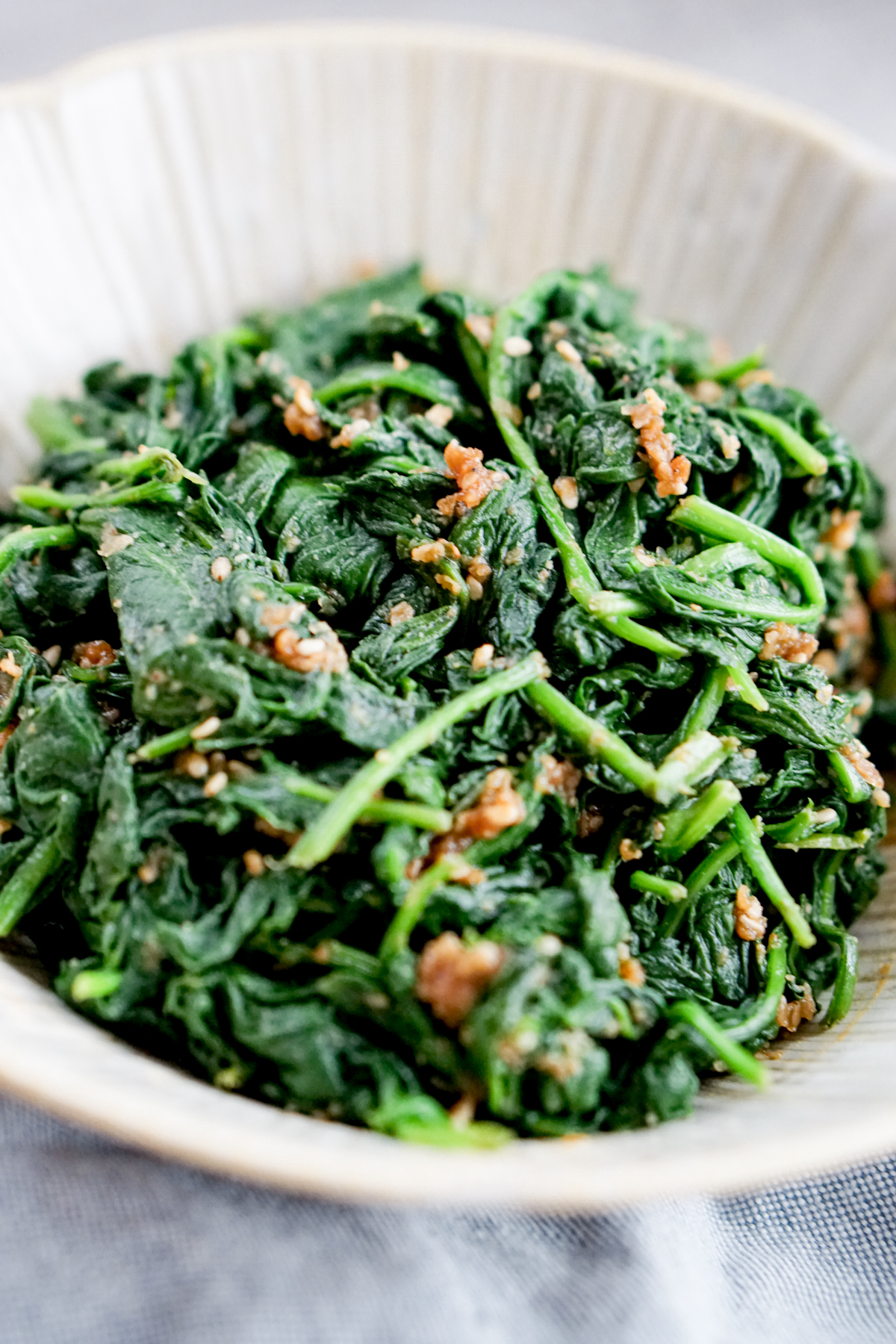
Spinach Goma-ae (Japanese Sesame Spinach)
Try this Japanese Sesame Spinach Recipe. I promise, you've never seen a healthier recipe that's ready in just 15 minutes. Spinach Gomae is one of those traditional Japanese recipes that proves that healthy eating doesn't have to be boring. This low-calorie Japanese side dish features tender spinach tossed in a fragrant sesame dressing. The dressing adds a rich flavor to the dish without adding extra calories. I tried this recipe while exploring authentic Japanese home cooking and it quickly became one of my weekly favorites. The combination of fiber-rich spinach and heart-healthy sesame seeds makes for a nutritious dish that's perfect for weight management and a healthy diet. Whenever I need a quick vegetable side dish, this recipe never disappoints. It is naturally vegetarian, full of vitamins, and goes wonderfully with grilled salmon, tofu, or chicken.
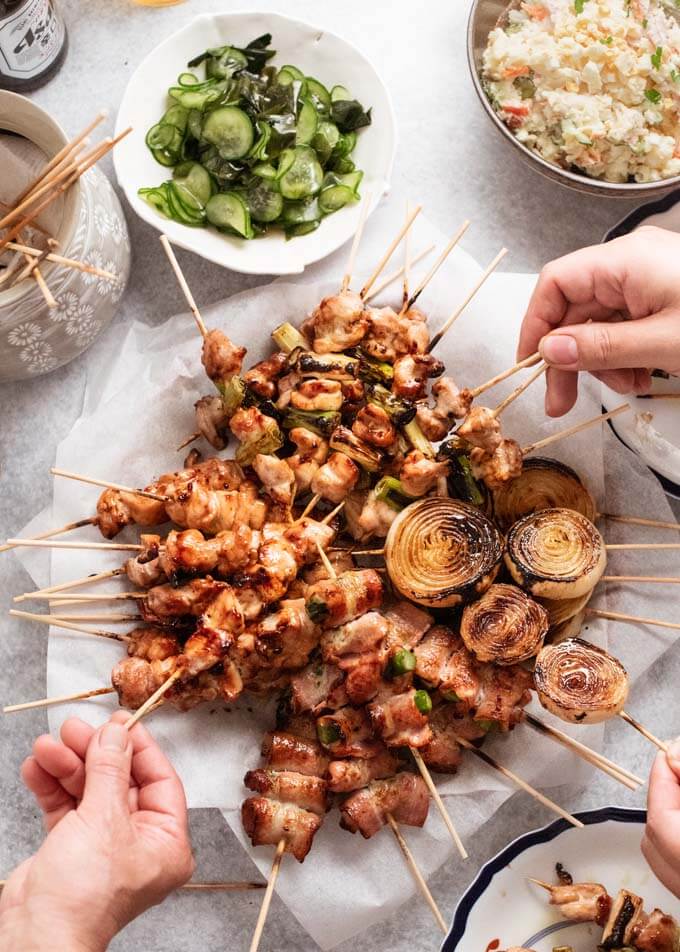
Yakitori (Japanese Skewered Chicken)
These Japanese chicken yakitori skewers are a super healthy version of all the tandoori or grilled dishes we eat in our daily lives, such as tikka. All in all, it takes a while to make (about 2 hours), but I really like the result, and I always like it. Chicken yakitori skewers are one of my favorite healthy Japanese dinner recipes because they are relatively low in calories but have a great flavor. Traditionally grilled over a charcoal fire, these juicy chicken skewers are coated in a simple sauce that brings out the natural flavor of the meat. When I crave a restaurant-style meal but want to avoid the extra calories of takeout, I love making yakitori. This high-protein Japanese recipe is ideal for weight loss, muscle building, and healthy eating. Its smoky aroma and soft texture make every bite satisfying and comforting. These skewers are a favorite whenever friends come over. I love serving these with a light salad or steamed vegetables for a balanced Japanese meal, which feels satisfying and healthy at the same time.
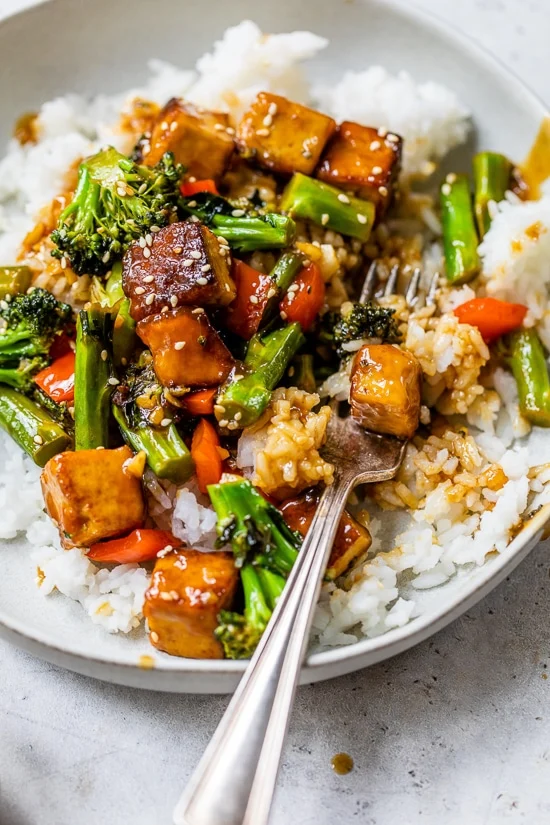
Tofu Stir Fry with Vegetables
Tofu and Vegetable Stir Fry is one of the healthiest Japanese dishes that I make regularly when I need something quick, nutritious, and filling. This low calorie Japanese recipe combines protein-rich tofu with colorful vegetables to create a dish that is packed with fiber, vitamins, and minerals. What I love most about it is its versatility—you can use whatever vegetables you have on hand. It’s perfect for busy weeknights, healthy meal prep, and calorie-conscious diets. The light sauce enhances the flavor of the dish, but it doesn’t overpower the main flavor of the dish or add unnecessary calories. This recipe becomes a regular part of my meal plan whenever I’m trying to stick to my healthy eating goals. It proves that even simple ingredients can make a delicious and satisfying Japanese dinner, which can help you maintain long-term health.
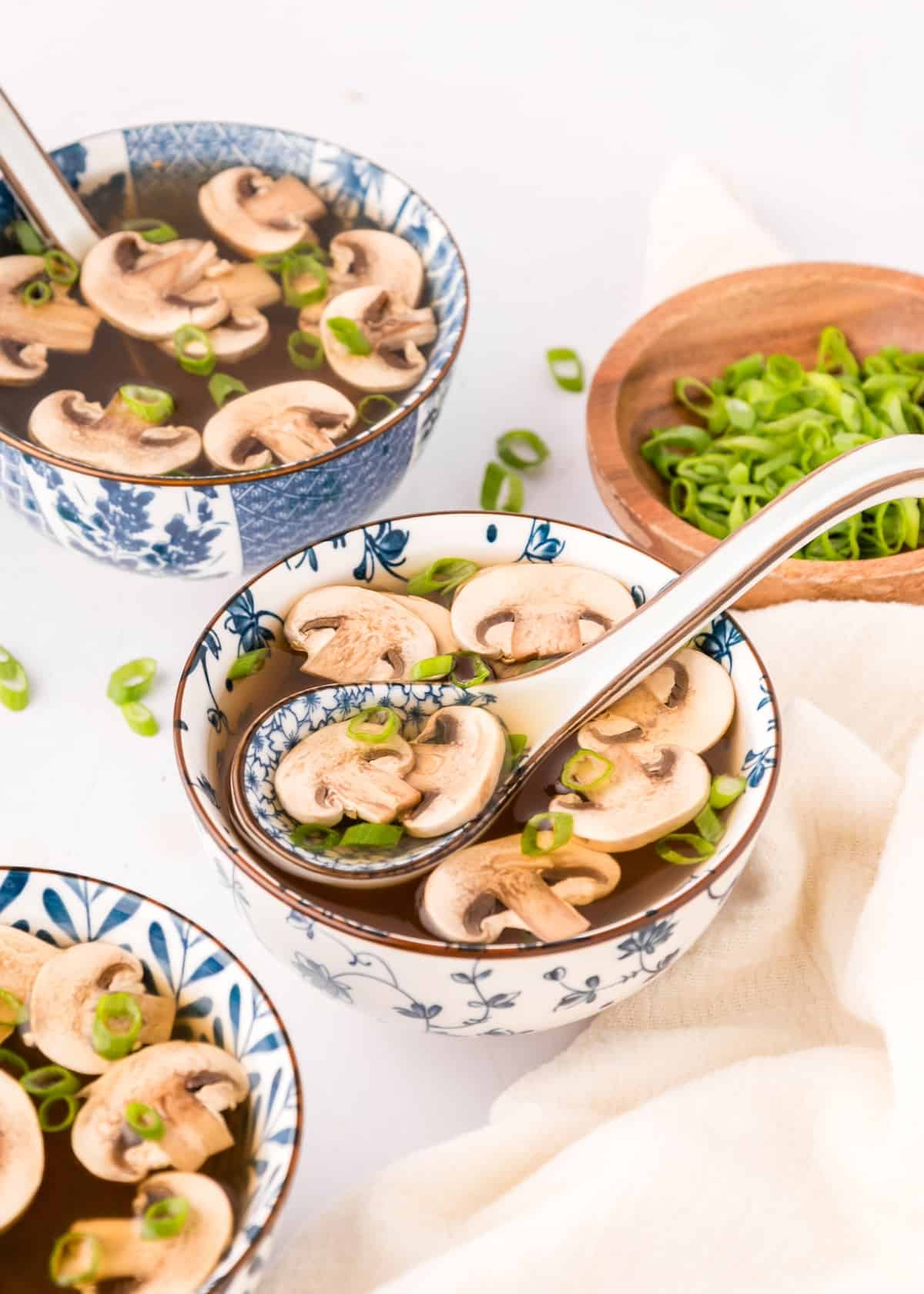
Japanese Clear Onion Soup
Japanese Clear Onion Soup is one of the most comforting low calorie Japanese soups you can make at home. The first time I tasted it at a Japanese restaurant, I was surprised by how much flavor could come from such a light broth. This healthy Japanese recipe relies on slow-simmered vegetables and onions to create a rich, aromatic base without excessive fats or calories. It's an excellent choice for weight loss diet, low calorie meal plan, or healthy lifestyle. I often enjoy a bowl before dinner because it helps me feel satisfied and encourages portion control. Its simplicity is what makes it so special.
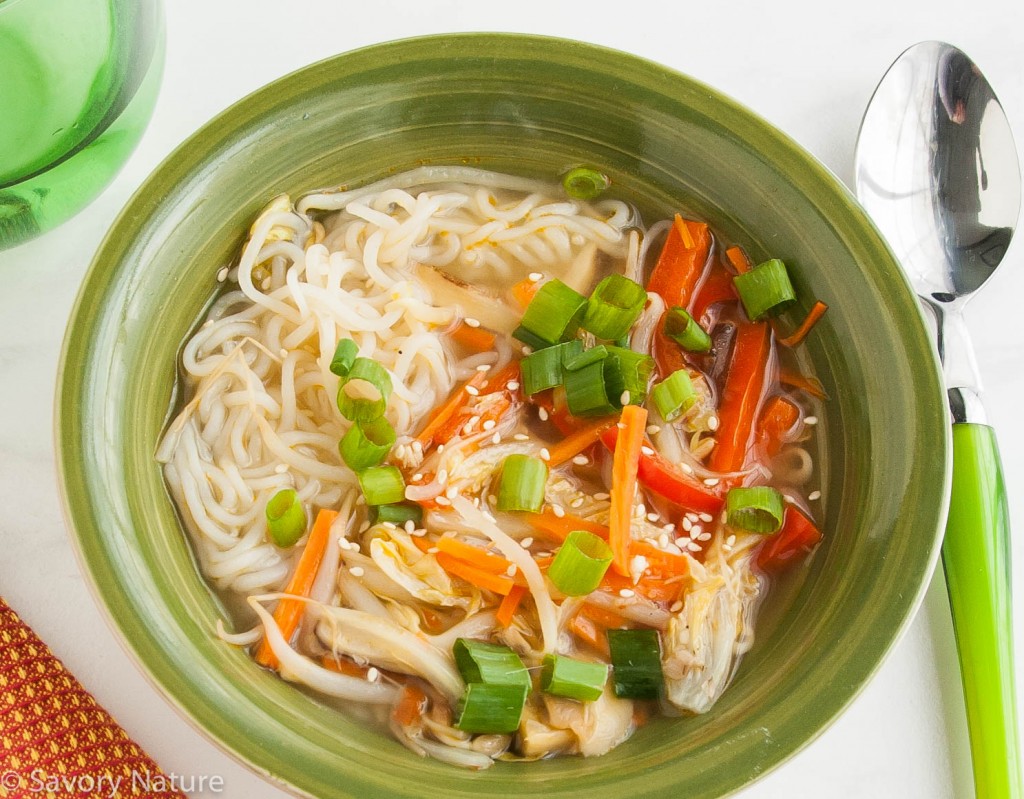
Shirataki Noodle Bowls
I used to love street style noodles early in my career because they were delicious and easy to make. But ever since I've been drawn to Japanese cuisine, whenever I'm craving noodles but want to keep calories low, a Shirataki Noodle Bowl is my go-to solution. Shirataki noodles are incredibly popular in Japanese weight loss meals because they contain very few calories while providing satisfying volume. I love pairing them with mushrooms, vegetables, and a light broth to create a comforting and filling meal. This low calorie Japanese recipe is perfect for calorie deficit diet, low carb lifestyle, or healthy meal prep plan. What surprises most people is how satisfying this dish can be despite its low calorie count. It's one of those recipes that helps me stay consistent with healthy eating goals without feeling deprived.
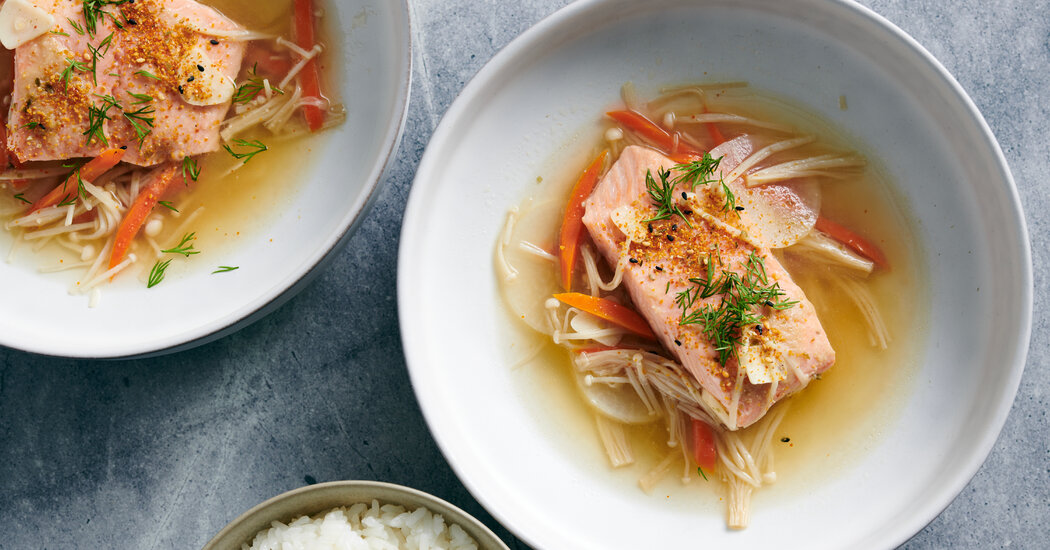
Grilled Salmon with Daikon
Grilled Salmon with Daikon is one of the healthiest Japanese recipes I recommend to readers looking for nutrient-dense meals. Salmon provides high-quality protein and heart-healthy omega-3 fatty acids, while daikon radish adds freshness, fiber, and a subtle peppery flavor. I often prepare this dish when I want a balanced dinner that feels elegant yet simple. The combination is incredibly satisfying and naturally supports healthy weight management. What I appreciate most is how the clean flavors allow each ingredient to shine. This authentic Japanese recipe is perfect for meal prep, family dinners, and healthy eating plans. I really like this recipe as a Japanese weight loss meal and high protein dinner.
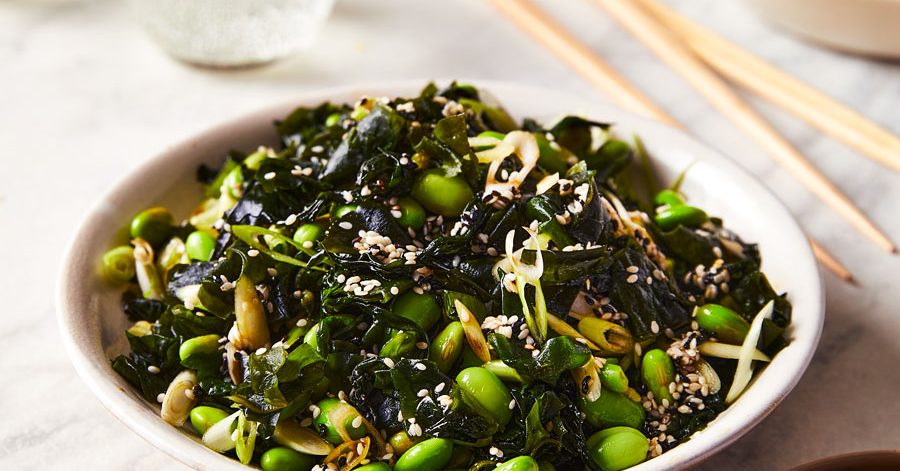
Wakame seaweed salad
Edamame and Seaweed Salad is one of those recipes that always makes me feel energized and refreshed. This low calorie Japanese salad is packed with plant-based protein, fiber, vitamins, and minerals that support overall health and wellness. I often enjoy it as a light lunch, healthy snack, or side dish because it's quick to prepare and incredibly satisfying. The combination of tender edamame and nutrient-rich seaweed creates a wonderful balance of texture and flavor. Whenever I need a healthy meal prep option, this salad is one of my top choices. It's simple, nutritious, and fits perfectly into a healthy Japanese eating plan.
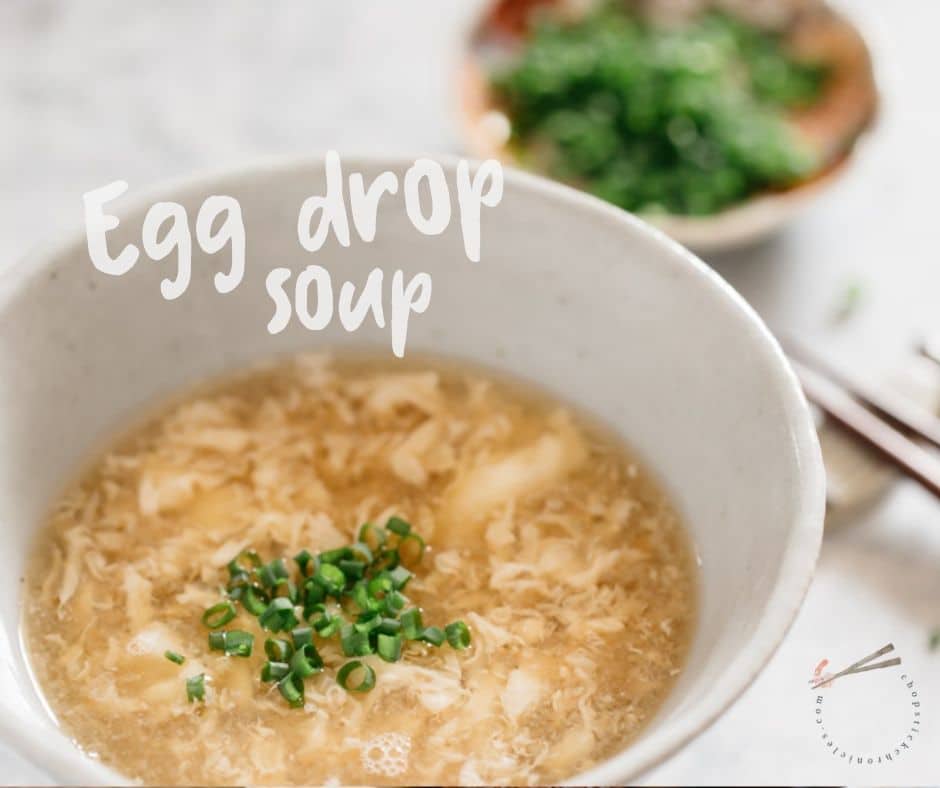
Kakitamajiru (Japanese Egg Drop Soup)
There is not much difference between the egg drop soup that we eat in our regular life and the Japanese egg drop soup, only it is a healthier version. Japanese Egg Drop Soup is one of my favorite comfort foods during colder months. This low calorie Japanese soup features delicate ribbons of egg suspended in a flavorful broth, creating a meal that feels rich and satisfying despite being light. I love how quickly it comes together, making it ideal for busy days when time is limited. It's also packed with protein, which helps support satiety and healthy eating goals. Whenever I'm feeling under the weather or simply need something comforting, this soup always delivers. The gentle flavors make it suitable for both adults and children, while its low calorie profile makes it perfect for weight loss meal plans. It's a simple recipe that proves healthy food can also be incredibly comforting.
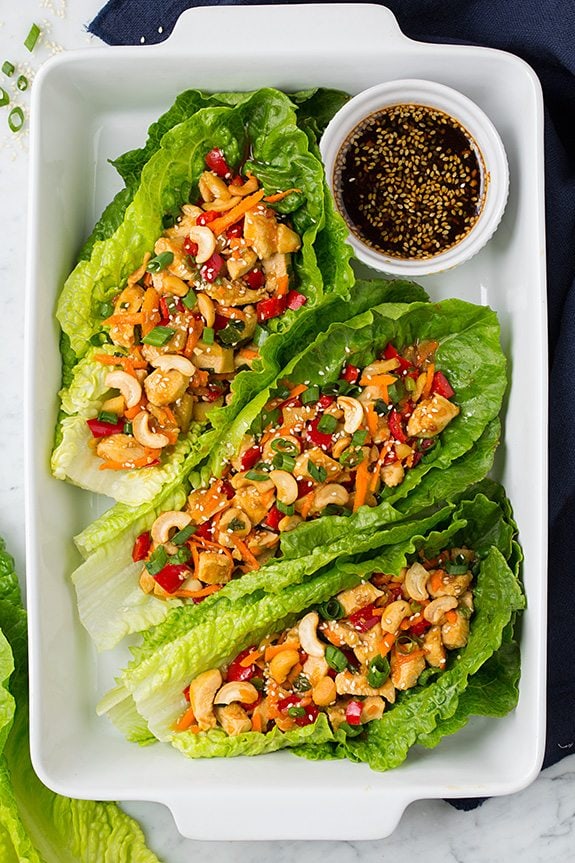
Teriyaki Chicken Lettuce Wraps
Teriyaki Chicken Lettuce Wraps are a lighter version of a classic Japanese dish. Instead of serving teriyaki chicken with a large bowl of rice, I wrap it in crunchy lettuce leaves for a low-calorie, high-protein meal. This healthy Japanese recipe delivers all the sweet and salty flavors people love while keeping calories in check. I often recommend it to those looking for an easy weeknight meal or healthy lunch idea. The contrast of the juicy chicken and crunchy lettuce creates a delightful eating experience that never feels limiting. It's also a great option for meal prep and family dinners.
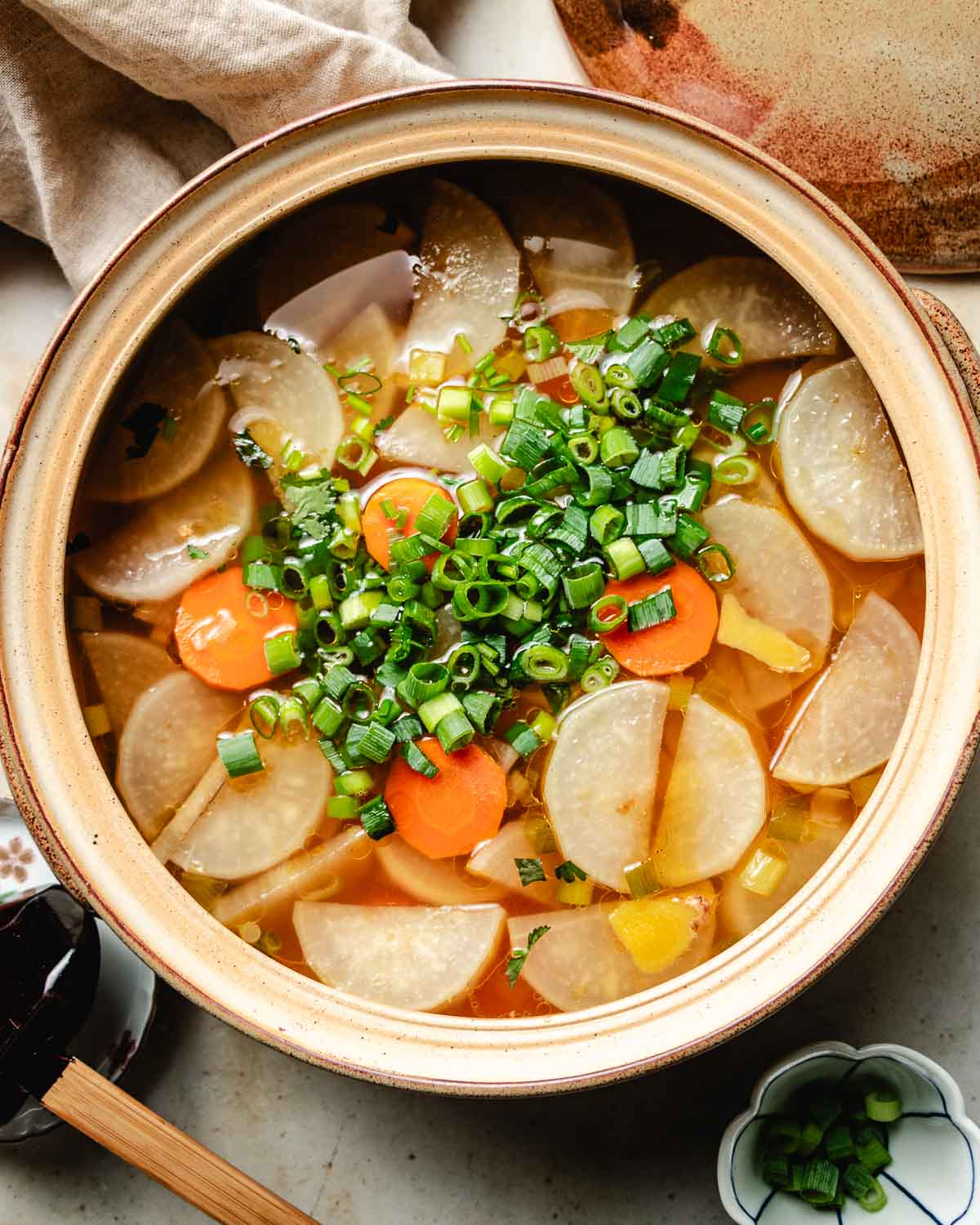
Daikon soup (蘿蔔湯)
Daikon Radish Soup is a traditional Japanese recipe that deserves far more attention than it receives. This comforting soup is naturally low in calories yet rich in flavor, making it ideal for healthy eating and weight management. I enjoy preparing it during cooler weather because it feels warm, nourishing, and satisfying. Daikon radish absorbs the flavors of the broth beautifully while providing fiber and valuable nutrients. What I love most about this recipe is its simplicity. With just a handful of wholesome ingredients, you can create a meal that feels both comforting and nutritious. This soup is proof that simple foods can often be the most rewarding.
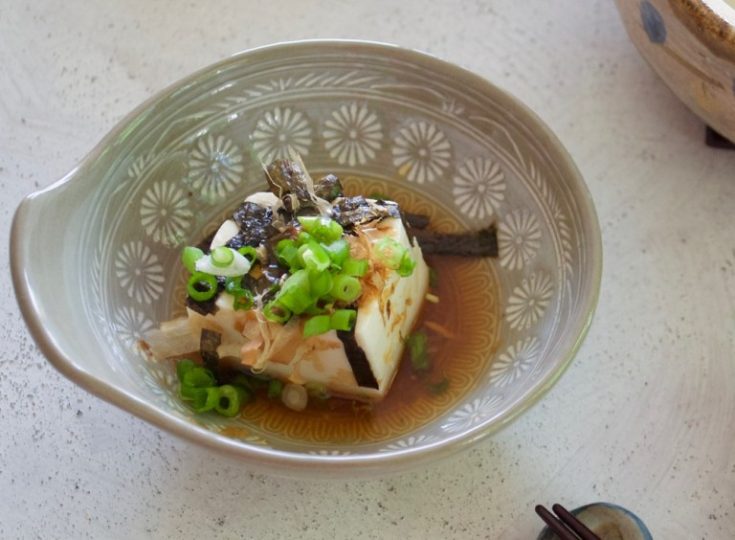
Yudofu (Tofu Hot Pot)
Japanese Tofu Hot Pot, also known as Yudofu, is one of the simplest yet most satisfying healthy Japanese recipes I have ever made. This traditional dish highlights the delicate flavor of tofu while providing a comforting meal that's naturally low in calories. Whenever I want something light yet nourishing, Yudofu is often my first choice. The warm broth, soft tofu, and fresh vegetables create a balanced combination that's both filling and nutritious. It's particularly popular among people seeking plant-based protein sources and healthy weight loss meals. I appreciate how this recipe encourages mindful eating and allows the natural flavors of the ingredients to shine.
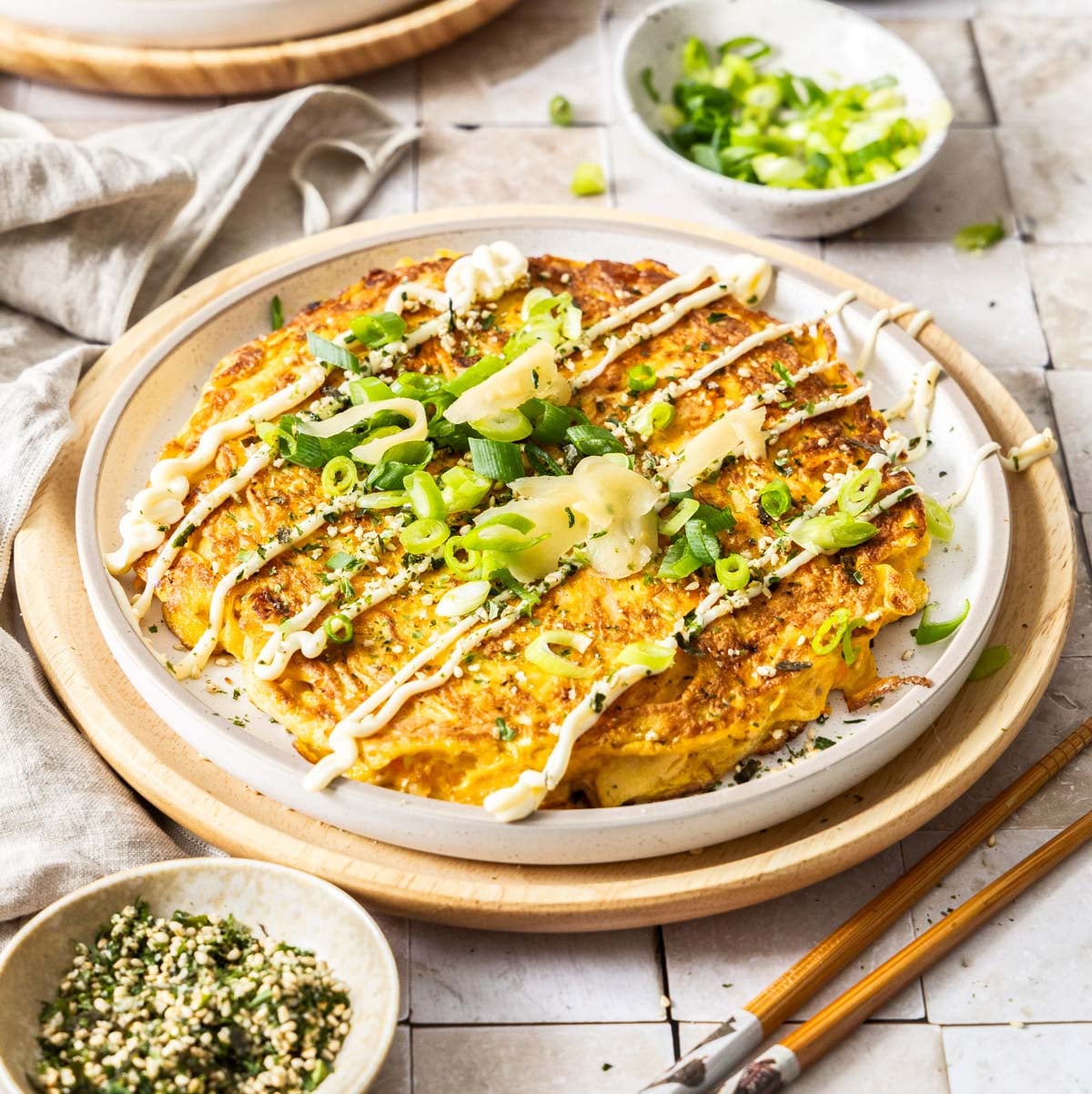
Okonomiyaki - Japanese Cabbage Pancake
Light Cabbage Okonomiyaki is a healthier version of one of Japan’s favorite comfort foods. Traditional okonomiyaki can be quite heavy, but this lighter version emphasizes fresh cabbage and balanced ingredients to cut calories without compromising on flavor. When I first tried this healthy Japanese recipe, I was pleasantly surprised by how satisfying it was. Its crunchy edges, soft center, and savory flavor give it a great filling feel, even though it’s much lighter than the original version. It’s a great option for lunch, dinner, or meal prep. Whenever I’m craving comfort food while keeping my health goals in mind, this recipe fills that need. It’s a great example of how traditional dishes can be adapted for a modern healthy lifestyle.
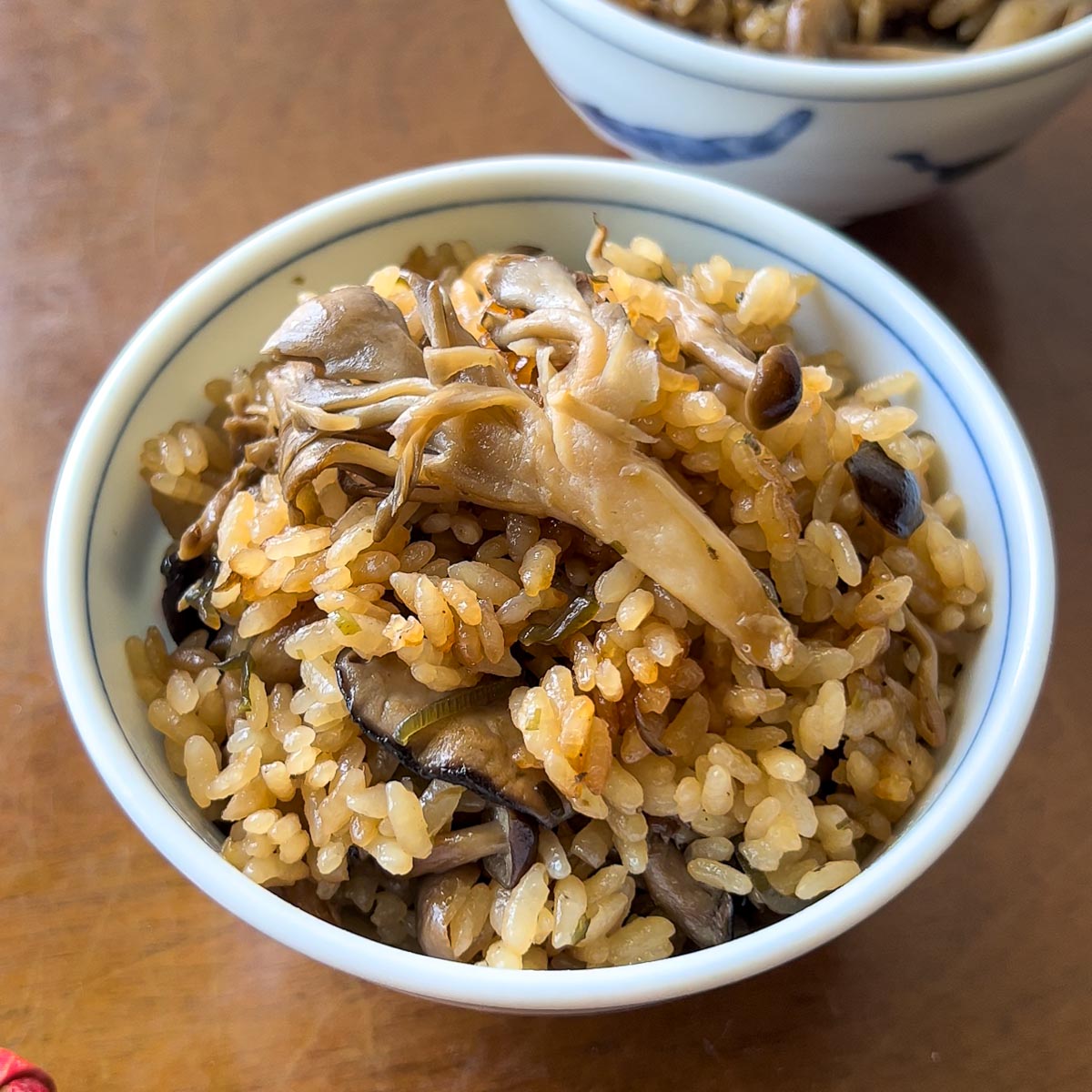
Japanese Mushroom Rice (Kinoko Gohan) きのこご飯
Japanese Mushroom Rice Bowl is one of my favorite healthy comfort meals because it's simple, satisfying, and full of umami flavor. Mushrooms bring a meaty texture and rich taste while remaining naturally low in calories. I often prepare this dish when I want a wholesome dinner that feels nourishing after a long day. The combination of rice, mushrooms, and light seasonings creates a balanced meal that's both comforting and nutritious. It's also a fantastic vegetarian option for readers looking to reduce meat consumption without sacrificing satisfaction. This healthy Japanese recipe works beautifully for meal prep and family dinners alike. Every time I make it, I'm reminded that healthy eating doesn't have to be complicated to be delicious and deeply satisfying.
Related: Low Calorie Asian Recipes
Why Japanese Food Is One Of The Healthiest Diets In The World
Ever since childhood, I have been deeply fascinated by one thing: cartoons—and my absolute favorite cartoon show is Doraemon. It was through watching this show that my interest in Japanese cuisine gradually grew. I know that you, too, are likely quite familiar with this phenomenon, even if you haven’t fully realized it yet. After researching and cooking hundreds of healthy recipes over the years, I genuinely believe that the traditional Japanese diet is one of the healthiest ways to eat. Unlike many modern diets that focus on restriction, Japanese cuisine naturally emphasizes portion control, nutrient-dense ingredients, lean protein, seasonal vegetables, fermented foods, and balanced meals. This combination makes many low calorie Japanese recipes incredibly satisfying while still supporting healthy weight management and overall wellness.
What impresses me most is how Japanese meals focus on quality rather than quantity. A typical Japanese plate often includes vegetables, fish, tofu, soup, and rice served in moderate portions. This balanced approach provides essential nutrients, fiber, healthy fats, and protein without excessive calories. It’s one reason why Japanese cuisine is frequently associated with healthy eating habits, longevity, heart health, weight loss, and sustainable nutrition.
Why I Consider Japanese Food So Healthy
- Rich in vegetables, seaweed, and fiber-rich ingredients
- Includes lean proteins like fish, chicken, tofu, and edamame
- Uses grilling, steaming, simmering, and broth-based cooking methods
- Contains fermented foods that support gut health
- Encourages portion control and mindful eating
- Offers many naturally low calorie and high protein meals
Vegetable-Rich Meals
Traditional Japanese recipes often include cabbage, daikon radish, spinach, mushrooms, seaweed, cucumbers, and other nutrient-packed vegetables. These foods provide fiber, vitamins, and minerals while helping keep calorie counts low.
Lean Protein Sources
Fish, seafood, tofu, chicken, and edamame are staples of healthy Japanese cooking. These ingredients help create high protein meals that support muscle maintenance, satiety, and healthy weight loss goals.
Lower Sugar Intake
Compared to many Western diets, traditional Japanese meals rely less on heavily processed foods and added sugars. This makes them an excellent option for people seeking healthier lifestyle choices.
Broth-Based Dishes
Miso soup, clear soups, hot pots, and noodle broths provide flavor and satisfaction without excessive calories. These dishes are excellent additions to a calorie deficit meal plan.
Gut-Friendly Foods
Fermented ingredients such as miso, natto, and pickled vegetables may help support digestive health, making Japanese cuisine popular among those focused on wellness and nutrition.
Natural Portion Control
One aspect I admire most is the emphasis on smaller servings and balanced plates. This eating style can help prevent overeating while still feeling satisfied after meals. Many Japanese meals include seafood, tofu, and eggs, and research suggests that high-protein foods can support healthy weight management.
My Personal Take
If your goal is to enjoy flavorful meals while maintaining a healthy lifestyle, I believe Japanese cuisine offers one of the best models to follow.
Related: Best Ramen Recipes
What Makes A Japanese Recipe Low Calorie?
One of the biggest reasons low calorie Japanese recipes are loved by nutritionists, dietitians, and healthy eaters worldwide is their natural focus on fresh ingredients, balanced nutrition, and portion control.
Unlike many Western fast-food meals that are often high in saturated fat, refined carbohydrates, and added sugars, healthy Japanese meals typically contain nutrient-dense ingredients that support weight loss, heart health, blood sugar management, and overall wellness. This is one reason the traditional Japanese diet is frequently associated with longevity and healthy aging.
Why Japanese Food Is Naturally Lower in Calories
- 🥢 Focuses on lean proteins like fish, shrimp, chicken, and tofu
- 🥬 Includes plenty of vegetables, seaweed, and fiber-rich ingredients
- 🍲 Uses broth-based soups instead of heavy cream sauces
- 🍚 Encourages smaller portions and balanced meals
- 🔥 Relies on grilling, steaming, simmering, and poaching rather than deep-frying
- 🌱 Features nutrient-dense ingredients that provide more nutrition per calorie
1. Broth-Based Cooking Instead of Heavy Sauces
Just like we used to see in the Doraemon cartoon show (especially when Doraemon, Nobita, and his entire family would sit down together for lunch or dinner), many authentic Japanese recipes utilize light broths—made from dashi, miso, kombu, or bonito flakes—rather than calorie-dense cream sauces. Soups such as miso soup, clear onion soup, and vegetable-based broths deliver satisfying flavor while keeping calorie counts surprisingly low.
2. Lean Protein Sources Support Weight Loss
Japanese cuisine relies heavily on protein-rich foods such as salmon, tuna, shrimp, tofu, edamame, and chicken breast. These ingredients help increase satiety, preserve muscle mass, and support healthy weight management while contributing fewer calories than many processed protein sources.
3. High Vegetable Intake Adds Volume Without Extra Calories
From daikon radish and napa cabbage to mushrooms, cucumbers, spinach, and seaweed, Japanese dishes are packed with vegetables that add fiber, vitamins, and minerals. This allows you to enjoy larger portions while keeping overall calorie intake lower.
4. Minimal Processed Ingredients
Traditional Japanese cooking emphasizes whole foods instead of highly processed ingredients. Less reliance on processed foods often means fewer hidden calories, less added sugar, and lower amounts of unhealthy fats.
5. Smart Cooking Methods Reduce Calories
Healthy Japanese recipes frequently use grilling, steaming, simmering, boiling, and quick stir-frying techniques. These methods require less oil than deep-frying and help preserve nutrients while reducing overall calorie content.
💡 5 Easy Ways To Make Japanese Recipes Even Lower In Calories
- Replace white rice with cauliflower rice or shirataki rice.
- Use low-sodium soy sauce to reduce excess sodium.
- Choose grilled proteins instead of tempura-fried options.
- Add extra vegetables to soups, bowls, and stir-fries.
- Use shirataki noodles instead of traditional wheat noodles.
Common Low Calorie Japanese Ingredients
| Ingredient | Why It’s Healthy | Weight Loss Benefit |
|---|---|---|
| Tofu | High protein, low fat | Promotes fullness |
| Edamame | Plant-based protein | Reduces hunger |
| Shirataki Noodles | Very low calorie | Supports calorie deficit |
| Seaweed | Rich in minerals | Low calorie nutrient source |
| Mushrooms | High fiber | Adds meal volume |
| Daikon Radish | Low calorie vegetable | Supports digestion |
The secret behind the popularity of healthy Japanese recipes is their combination of lean protein, vegetables, nutrient-dense ingredients, and mindful cooking techniques. For low calorie dinner ideas, high protein meals for weight loss, healthy meal prep recipes, or simply a nutritious way to eat, Japanese cuisine offers some of the most satisfying and balanced options available.
Essential Japanese Ingredients for Healthy Cooking I Always Have in My Kitchen
After years of preparing low calorie Japanese recipes, healthy meal prep bowls, and traditional Japanese dishes at home, I’ve learned that having a few staple ingredients on hand makes healthy cooking incredibly simple. These authentic Japanese pantry essentials help me create nutritious meals packed with flavor while keeping calories in check.
🍲 Miso Paste
Miso is a fermented soybean paste rich in umami flavor and probiotics. I use it regularly for low calorie miso soup, healthy dressings, marinades, and vegetable broths. A little goes a long way, making it perfect for creating flavorful meals without excessive calories.
🥢 Tofu
Tofu is one of my favorite high-protein, low-calorie ingredients. It’s affordable, filling, and incredibly versatile. I add it to stir-fries, salads, rice bowls, and Japanese hot pots for a healthy protein boost.
🌿 Wakame Seaweed
This nutrient-rich seaweed is naturally low in calories and loaded with minerals. Wakame adds texture and nutrition to soups, salads, and side dishes while supporting a balanced diet.
🍜 Shirataki Noodles
Known as miracle noodles, shirataki noodles are extremely low in calories and carbohydrates. They’re one of my favorite ingredients when creating Japanese recipes for weight loss and calorie deficit meal plans.
🫛 Edamame
Edamame is packed with plant-based protein, fiber, vitamins, and minerals. I often use it in salads, rice bowls, and healthy Japanese snacks to increase satiety and nutritional value.
🥬 Daikon Radish
Daikon is a mild Japanese radish that’s naturally low in calories and rich in fiber. It works beautifully in soups, stews, salads, and healthy side dishes.
🍶 Rice Vinegar
Rice vinegar adds bright flavor to recipes without adding significant calories. I use it frequently in healthy salad dressings and traditional Japanese vegetable dishes.
🐟 Low Sodium Soy Sauce
A reduced-sodium soy sauce provides authentic Japanese flavor while helping control sodium intake. It’s an excellent choice for healthier meal prep recipes.
Why These Ingredients Support Healthy Eating
- ✔ Naturally low in calories
- ✔ Rich in protein, fiber, and essential nutrients
- ✔ Perfect for healthy meal prep and weight loss meals
- ✔ Help create satisfying calorie deficit recipes
- ✔ Support heart-healthy and balanced eating habits
- ✔ Commonly found in traditional Japanese longevity diets
My Healthy Japanese Cooking Tip
If you’re just starting your healthy Japanese cooking journey, begin with miso paste, tofu, edamame, wakame, and shirataki noodles. These five ingredients alone can help you create dozens of easy Japanese recipes, healthy lunches, low calorie dinners, and meal prep bowls throughout the week.
Related: Lemon Miso Tofu Recipe With Broccoli
Calories & Protein Comparison Chart for the Best Low Calorie Japanese Recipes
| Recipe | Calories | Protein | Best For |
|---|---|---|---|
| Traditional Miso Soup | 45 | 3g | Low Calorie Starter |
| Japanese Sunomono Salad | 55 | 1g | Weight Loss Snack |
| Spinach Gomaae | 85 | 4g | Healthy Side Dish |
| Japanese Clear Onion Soup | 60 | 2g | Light Lunch |
| Daikon Radish Soup | 70 | 2g | Low Carb Diet |
| Edamame & Seaweed Salad | 125 | 10g | High Protein Snack |
| Japanese Egg Drop Soup | 115 | 8g | Healthy Breakfast |
| Yudofu (Japanese Tofu Hot Pot) | 150 | 14g | Vegetarian Protein |
| Shirataki Noodle Bowl | 160 | 10g | Low Carb Dinner |
| Tofu Vegetable Stir Fry | 180 | 15g | Meal Prep |
| Chicken Yakitori | 210 | 24g | High Protein Dinner |
| Japanese Mushroom Rice Bowl | 225 | 9g | Healthy Lunch |
| Teriyaki Chicken Lettuce Wraps | 240 | 26g | Weight Loss Meal |
| Light Okonomiyaki | 265 | 13g | Healthy Comfort Food |
| Grilled Salmon with Daikon | 290 | 31g | High Protein Dinner |
Quick Nutrition Summary
The lowest calorie Japanese recipes include miso soup, sunomono cucumber salad, clear onion soup, and daikon soup. For higher protein options, choose grilled salmon, chicken yakitori, teriyaki chicken lettuce wraps, and tofu-based meals. Combining these traditional Japanese dishes can help support weight loss, calorie control, healthy meal prep, and balanced nutrition without sacrificing authentic flavor.
Related: Seattle Style Chicken Teriyaki
Best Low Calorie Japanese Recipes For Weight Loss
As I have mentioned previously, the Japanese culinary tradition is widely recognized as one of the healthiest dietary regimens in the world, thanks to its emphasis on lean proteins, fresh vegetables, nutrient-dense ingredients, and balanced, portion-controlled meals. For this very reason, I have curated a collection of my favorite—and thoroughly tested—low calorie Japanese recipes, perfectly suited for weight loss. Ranging from comforting miso soups and refreshing cucumber salads to protein-rich tofu dishes and grilled seafood, these wholesome Japanese meals are naturally low in calories while simultaneously providing essential vitamins, minerals, fiber, and protein. Many of these recipes are ideal for meal prepping, weight management, heart-healthy diets, diabetes-friendly meal plans, and healthy dinner ideas.
Light & Ultra-Low Calorie Japanese Recipes
- Miso Soup
- Japanese Clear Onion Soup
- Sunomono Cucumber Salad
- Seaweed Salad
Perfect for healthy snacks, light lunches, and calorie-conscious eating plans.
Healthy Japanese Side Dishes
- Spinach Gomaae
- Daikon Radish Soup
- Edamame Salad
- Japanese Egg Drop Soup
Rich in fiber, vitamins, minerals, and plant-based protein to keep you satisfied longer.
High Protein Japanese Meals
- Chicken Yakitori
- Grilled Salmon with Daikon
- Tofu and Vegetable Stir Fry
- Yudofu (Japanese Tofu Hot Pot)
Excellent options for muscle maintenance, fat loss, and healthy dinner recipes.
Suggested: Hojicha Tiramisu Recipe
My 3-Day Healthy Japanese Meal Plan for Weight Loss
To enjoy low calorie Japanese recipes while maintaining a healthy lifestyle, I have a great solution for you! I introduce you to a carefully crafted 3-day healthy Japanese meal plan. This plan features traditional Japanese ingredients, lean proteins, fibrous vegetables, and nutrient-rich foods, designed to help you meet your weight loss goals without compromising on taste.
Inspired by the principles of traditional Japanese eating, this meal plan emphasizes balanced nutrition, moderate intake, and all-natural foods. Trust me; you’ll be on the right track and enjoying every bite!
Day 1: Light & Energizing Start
🍵 Breakfast
Miso Soup with Tofu + Steamed Edamame
Approx. 180 Calories🥗 Lunch
Japanese Cucumber Sunomono Salad with Grilled Chicken
Approx. 280 Calories🍣 Dinner
Grilled Salmon with Daikon Radish and Steamed Vegetables
Approx. 320 Calories🥜 Healthy Snack
Roasted Edamame
Approx. 100 CaloriesDay 2: High Protein Japanese Meals
🥚 Breakfast
Japanese Egg Drop Soup with Spinach
Approx. 170 Calories🍱 Lunch
Chicken Yakitori Skewers with Cabbage Salad
Approx. 290 Calories🍜 Dinner
Shirataki Noodle Bowl with Mushrooms and Vegetables
Approx. 260 Calories🍵 Healthy Snack
Seaweed Salad
Approx. 90 CaloriesDay 3: Traditional Japanese Weight Loss Menu
🍚 Breakfast
Spinach Gomaae with Tofu
Approx. 190 Calories🥗 Lunch
Japanese Mushroom Rice Bowl (Light Version)
Approx. 300 Calories🍲 Dinner
Yudofu (Japanese Tofu Hot Pot) with Vegetables
Approx. 250 Calories🥒 Healthy Snack
Sunomono Cucumber Salad
Approx. 70 CaloriesWhy I Prefer This Healthy Japanese Meal Plan
The traditional Japanese diet is often associated with longevity, healthy aging, and maintaining a healthy body weight. These low calorie Japanese meals prioritize nutrient-dense ingredients such as tofu, seafood, seaweed, mushrooms, fermented foods, and fresh vegetables while limiting heavily processed ingredients.
- Supports healthy weight loss and calorie control
- Provides high-quality lean protein
- Rich in fiber for improved satiety
- Contains heart-healthy omega-3 fatty acids
- Helps support blood sugar balance
- Excellent for meal prep and busy schedules
- Uses authentic Japanese ingredients and flavors
Related: Cheap High Protein Dinner Ideas
Meal Prep Tips For Low Calorie Japanese Recipes
One thing I’ve learned while making low calorie Japanese recipes regularly is that a little planning goes a long way. Japanese cuisine is naturally packed with nutrient-dense ingredients like vegetables, tofu, seafood, seaweed, and fermented foods, making it perfect for healthy meal prep, weight loss meal plans, and high-protein low-calorie meals.
If your goal is to save time, maintain a calorie deficit, improve your nutrition, or simply enjoy healthier homemade meals throughout the week, these practical Japanese meal prep tips can help you stay consistent without sacrificing flavor.
Prep Vegetables in Advance
Wash, peel, and slice vegetables like cabbage, carrots, daikon radish, mushrooms, cucumbers, and spinach at the beginning of the week. Store them in airtight containers for quick stir-fries, soups, salads, and healthy Japanese side dishes.
Cook Protein Sources in Batches
Prepare grilled chicken, salmon, shrimp, tofu, edamame, or boiled eggs ahead of time. These protein-rich ingredients can easily be added to rice bowls, noodle dishes, salads, and Japanese lunch boxes for balanced nutrition.
Make Large Batches of Soup
Miso soup, clear onion soup, mushroom soup, and vegetable broth-based soups store exceptionally well. Divide portions into containers for quick low-calorie lunches and dinners throughout the week.
Use Portion-Controlled Containers
Japanese cuisine naturally supports portion control. Use meal prep containers to separate lean protein, vegetables, and healthy carbohydrates to support weight management and healthy eating goals.
Keep Healthy Sauces Ready
Prepare lighter versions of teriyaki sauce, ponzu sauce, sesame dressing, and miso dressing at home. Homemade sauces help reduce added sugar, sodium, and calories while enhancing flavor.
Freeze Individual Portions
Many Japanese soups, cooked proteins, and rice dishes freeze well. Portion meals individually so you always have a nutritious option available on busy days.
My Favorite Weekly Japanese Meal Prep Formula
- ✔ 2 Lean Protein Options (Chicken, Salmon, Tofu)
- ✔ 2 Vegetable Side Dishes (Spinach Gomaae, Cucumber Salad)
- ✔ 1 Large Pot of Miso Soup
- ✔ Cooked Rice or Shirataki Noodles
- ✔ Homemade Low-Calorie Sauce
Following this simple system allows me to create multiple healthy Japanese lunches and dinners in under 15 minutes during the week.
Related: Weight Loss Meal Prep Recipes
Healthy Ingredient Swaps I Like Most
One of my favorite ways to make low calorie Japanese recipes healthier without sacrificing flavor is by making a few smart ingredient swaps. These simple changes can reduce calories, lower sodium, increase protein, and add more fiber, making your meals better for weight loss, meal prep, and overall healthy eating. If you’re trying to follow a calorie deficit diet, create high-protein low-calorie meals, or simply enjoy healthier Japanese food, these ingredient substitutions work incredibly well. Also, if you’re new to Japanese cooking, you can learn more about authentic Japanese pantry ingredients including miso, dashi, wakame, and tofu.
| Instead Of | Try This Healthier Swap | Why I Prefer It |
|---|---|---|
| White Rice | Cauliflower Rice | Lower in calories and carbs while adding extra vegetables. |
| Regular Noodles | Shirataki Noodles | Extremely low calorie and perfect for weight loss recipes. |
| Deep-Fried Tempura | Air-Fried Vegetables | Less oil, fewer calories, and still crispy and satisfying. |
| Fatty Pork Belly | Skinless Chicken Breast | Higher protein and significantly lower in saturated fat. |
| Traditional Teriyaki Sauce | Low-Sugar Homemade Teriyaki | Reduces added sugars while maintaining authentic flavor. |
| Regular Soy Sauce | Low-Sodium Soy Sauce | Helps lower sodium intake and supports heart health. |
| Mayonnaise-Based Dressings | Rice Vinegar Dressing | Lighter, refreshing, and naturally lower in calories. |
| Creamy Sauces | Miso-Based Sauce | Adds umami flavor while providing beneficial fermented ingredients. |
| Sweetened Drinks | Unsweetened Green Tea | Rich in antioxidants and contains virtually no calories. |
| Processed Snacks | Steamed Edamame | High in protein, fiber, and ideal for healthy snacking. |
🥗 Lower Calories
Create satisfying meals with fewer calories and better portion control.
💪 Higher Protein
Support muscle maintenance and stay fuller longer throughout the day.
❤️ Heart Healthy
Reduce sodium, saturated fats, and added sugars with smarter choices.
⚡ Better Nutrition
Increase fiber, vitamins, minerals, and antioxidants naturally.
Related: Vegetarian Meal Prep Recipes
Expert Tips From Me For You To Making Japanese Food Healthier
After testing dozens of low calorie Japanese recipes in my own kitchen, I’ve found that small ingredient swaps and cooking techniques can dramatically reduce calories while keeping the authentic flavors that make Japanese cuisine so special. Whether you’re following a weight loss meal plan, trying to maintain a calorie deficit, or simply looking for healthier dinner ideas, these practical tips can help you create delicious and nutritious Japanese meals at home.
Pro Tip: Traditional Japanese cooking already emphasizes vegetables, seafood, fermented foods, and portion control, making it one of the world’s most naturally healthy cuisines.
Choose Lean Protein Sources
Replace fatty cuts of meat with skinless chicken breast, shrimp, tofu, white fish, salmon, or edamame. These options provide high-quality protein while helping reduce overall calories and saturated fat.
Use Shirataki Noodles Instead of Traditional Noodles
Shirataki noodles are extremely low in calories and carbs, making them perfect for healthy Japanese meal prep and weight-loss-friendly dinners.
Reduce Sodium Without Sacrificing Flavor
Opt for low-sodium soy sauce, reduced-sodium miso paste, and fresh aromatics like ginger, garlic, scallions, and citrus to create flavor-rich dishes with less salt.
Fill Half Your Plate with Vegetables
Japanese vegetables such as daikon radish, napa cabbage, mushrooms, spinach, cucumber, and seaweed add fiber, vitamins, and volume without adding many calories.
Grill, Steam, or Simmer Instead of Frying
Healthy cooking methods like grilling salmon, steaming vegetables, or simmering soups help reduce added fats while preserving nutrients.
Control Rice Portions
Rice is a staple of Japanese cuisine, but portion size matters. Pair smaller servings of rice with more vegetables and protein for a balanced low calorie meal.
Take Advantage of Fermented Foods
Miso, natto, and fermented vegetables support gut health and digestion while adding authentic Japanese flavor to your meals.
Prepare Homemade Japanese Sauces
Store-bought sauces often contain excess sugar and sodium. Homemade teriyaki, ponzu, and sesame dressings give you complete control over ingredients.
My Favorite Healthy Japanese Cooking Formula
- ✓ 40% Non-Starchy Vegetables
- ✓ 30% Lean Protein
- ✓ 20% Healthy Carbohydrates
- ✓ 10% Flavor Enhancers & Healthy Fats
Following this simple formula helps create balanced Japanese meals that support healthy eating, weight management, meal prep goals, blood sugar control, and overall wellness.
Related: Chicken Meal Prep Recipes
Frequently Asked Questions About Low Calorie Japanese Recipes
Yes! Traditional Japanese cuisine is often considered one of the healthiest diets in the world. Many low calorie Japanese recipes focus on lean proteins, seafood, tofu, vegetables, seaweed, and broth-based soups rather than heavily processed foods. Combined with smaller portion sizes, Japanese weight loss meals can help support a calorie deficit while still providing excellent nutrition and flavor.
Some of the healthiest Japanese recipes include miso soup, grilled salmon, yudofu (Japanese tofu hot pot), cucumber sunomono salad, spinach gomaae, seaweed salad, and vegetable-based soups. These dishes are generally rich in protein, fiber, vitamins, and minerals while remaining relatively low in calories.
Miso soup, clear onion soup, daikon radish dishes, shirataki noodles, seaweed salad, steamed vegetables, tofu recipes, and cucumber salads are among the lowest calorie Japanese foods. Many traditional Japanese meals contain fewer calories than typical Western comfort foods while still being satisfying and nutrient-dense.
Many healthy Japanese meals provide excellent protein from fish, chicken, tofu, edamame, eggs, and seafood. High protein Japanese recipes can help maintain muscle mass, improve satiety, and support healthy weight management goals. Grilled salmon, chicken yakitori, tofu hot pot, and edamame bowls are particularly protein-rich options.
Absolutely. Japanese meal prep is ideal for busy lifestyles. Soups, grilled proteins, vegetable side dishes, tofu meals, and rice bowls can be prepared in advance and stored in airtight containers. Meal prepping healthy Japanese recipes helps save time while supporting consistent healthy eating habits.
The traditional Japanese diet emphasizes fish, vegetables, fermented foods, soy products, seaweed, rice, and seasonal ingredients. This balanced eating pattern is associated with longevity, heart health, and healthy weight management. Many experts attribute Japan’s lower obesity rates to portion control and nutrient-dense food choices.
Yes. Broth-based Japanese soups are among the best calorie deficit meals because they are filling while remaining relatively low in calories. Miso soup, clear onion soup, mushroom soup, and daikon soup can help increase fullness and support weight loss goals without excessive calorie intake.
Popular healthy Japanese ingredients include tofu, miso, seaweed, daikon radish, edamame, mushrooms, salmon, green tea, sesame seeds, and shirataki noodles. These ingredients are commonly used in low calorie Japanese recipes because they provide important nutrients with relatively few calories.
Many Japanese recipes can fit into a diabetes-friendly meal plan when prepared with balanced portions and limited added sugars. Grilled fish, tofu dishes, vegetable soups, seaweed salads, and low-carb shirataki noodle recipes are often excellent options. Always consult a healthcare professional for personalized dietary advice.
To create healthier Japanese meals, reduce sodium where possible, use lean proteins, increase vegetables, choose grilling over deep frying, and use lighter homemade sauces. Swapping traditional noodles for shirataki noodles and increasing fiber-rich vegetables can also help lower calorie intake while maintaining authentic Japanese flavors.
15 Awesome Low Calorie Japanese Recipes You Must Try
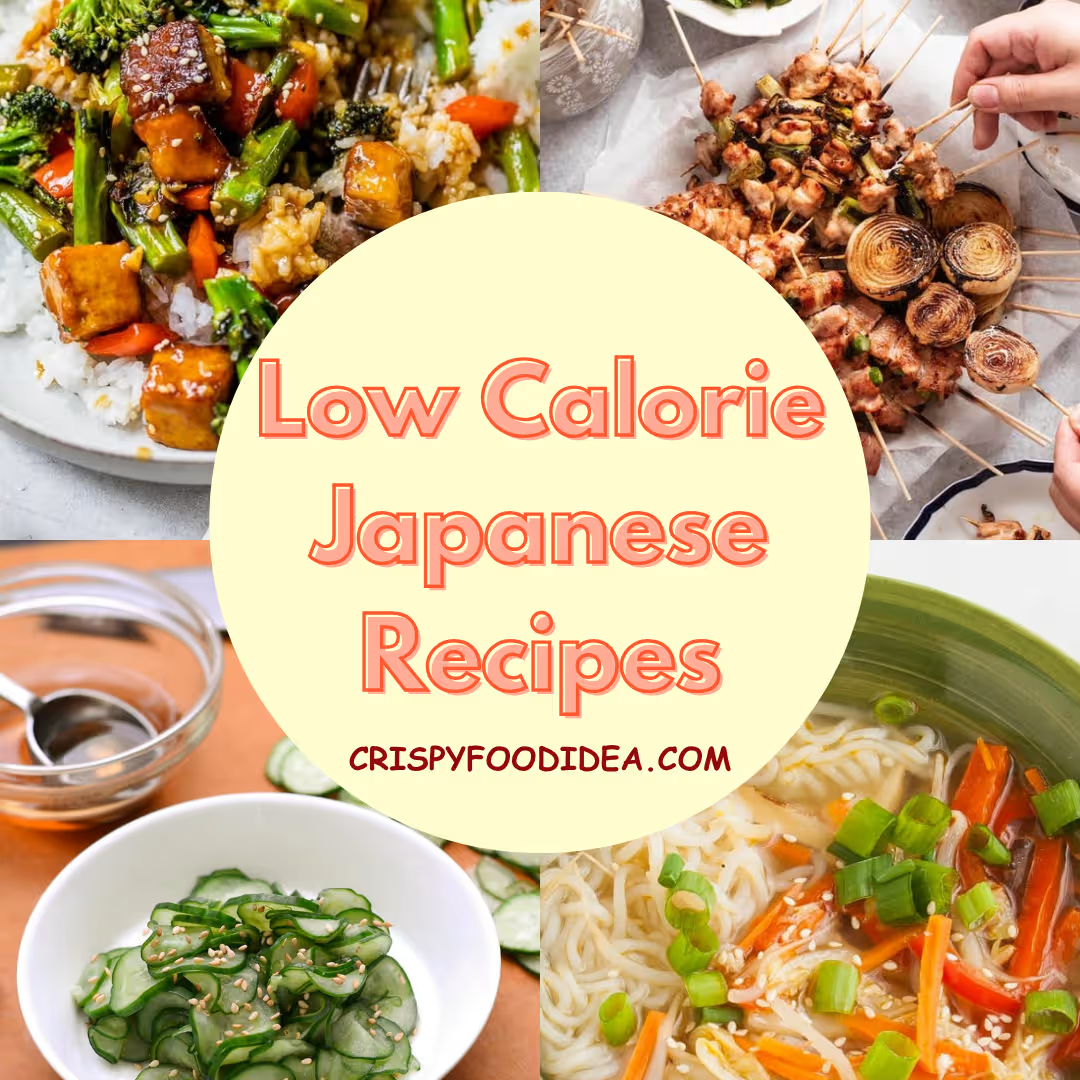
Try these 15 low calorie Japanese recipes packed with flavor and nutrition. From miso soup and tofu dishes to healthy Japanese dinners under 300 calories, these easy recipes are perfect for weight loss and meal prep.
Ingredients
- Homemade Miso Soup
- Sunomono Salad Recipe
- Spinach Goma-ae
- Yakitori (Japanese Skewered Chicken)
- Tofu Stir Fry with Vegetables
- Japanese Clear Onion Soup
- Shirataki Noodle Bowls
- Grilled Salmon with Daikon
- Wakame seaweed salad
- Kakitamajiru (Japanese Egg Drop Soup)
- Teriyaki Chicken Lettuce Wraps
- Daikon soup (蘿蔔湯)
- Yudofu (Tofu Hot Pot)
- Okonomiyaki - Japanese Cabbage Pancake
- Japanese Mushroom Rice (Kinoko Gohan) きのこご飯
Instructions
- Choose any low calorie japanese recipes from the list above.
- Cook as per the instructions given.
- Enjoy.