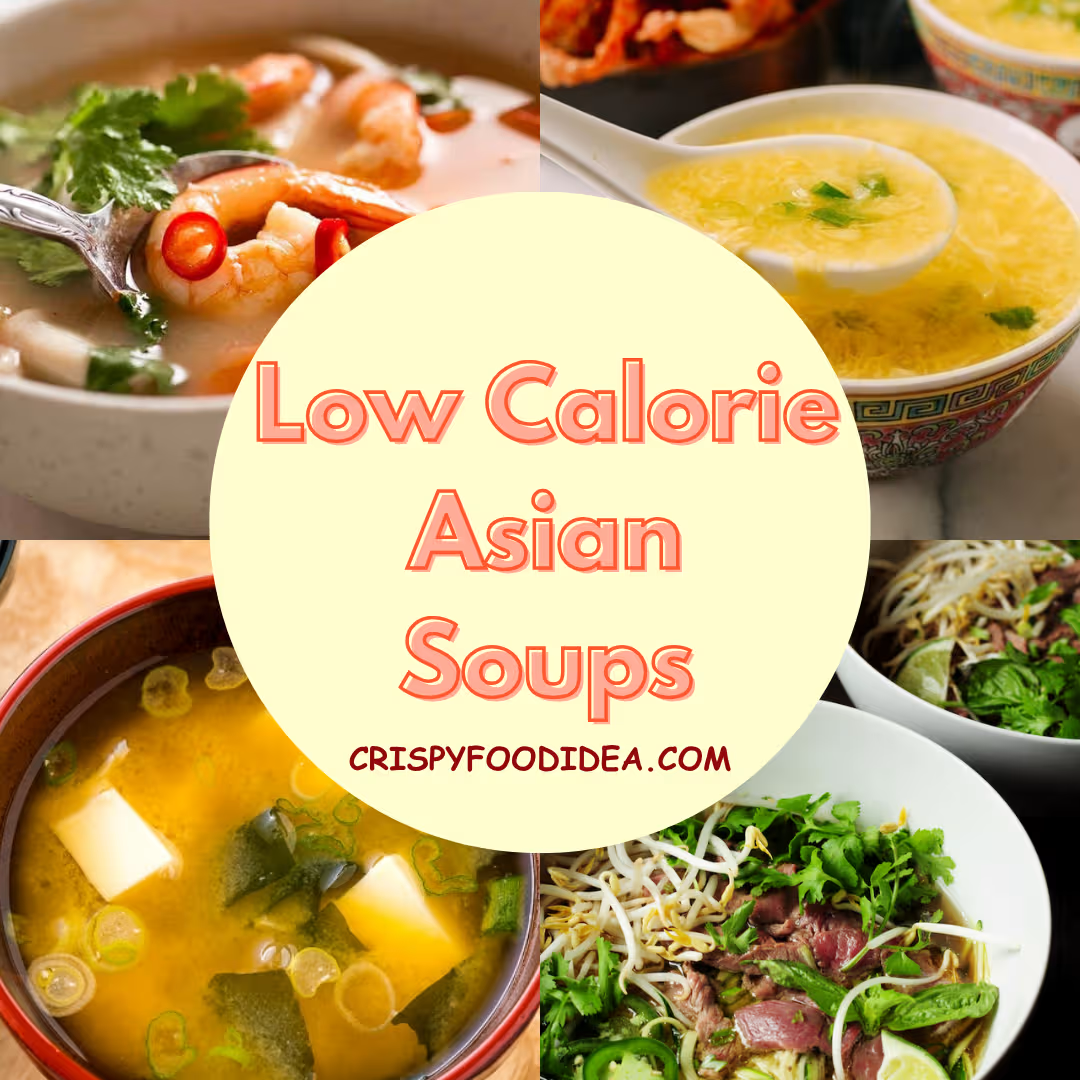
15 Low Calorie Asian Soups That Taste Better Than Takeout
There are very few people who don’t love soup. I prefer to eat soup not only in winter, but in any season of the year. Today I am here with some low calorie Asian soups that you can make at home and take away even better. These healthy Asian soup recipes are perfect for weight loss, meal prep, healthy dinners, low carb diets, and cozy comfort food cravings — all without sacrificing taste.
When I started focusing on healthier eating and easy calorie deficit meals, Asian soups quickly became one of my favorite go-to dinner ideas. They’re warm, satisfying, incredibly flavorful, and naturally lower in calories compared to creamy Western-style soups or greasy takeout meals. Another fun fact is that most of these healthy soup recipes are easy to make at home, budget-friendly, meal prep friendly, and perfect for busy weeknights.
Also, in Asian recipes, all of the soups here are super easy to make and under 200 calories. These soups are ideal for anyone trying to eat healthier while still enjoying restaurant-quality flavors at home. According to research, low-calorie diets may support healthy weight management when paired with balanced nutrition and regular physical activity.
Related: High Protein Dinner Recipes Under 400 Calories
🍜 Table of Contents
- 15 Best Low Calorie Asian Soups
- Why Asian Soups Are Great for Weight Loss
- Tips to Make Asian Soups Even Healthier
- Best Protein Additions for Low Calorie Soups
- Best Vegetables to Add to Healthy Asian Soups
- Meal Prep & Storage Guide
- Common Mistakes to Avoid
- What to Serve With Asian Soups
- FAQs About Low Calorie Asian Soups
Related: Seafood Dinner Recipes
15 Easy Low Calorie Asian Soups Under 200 Calories
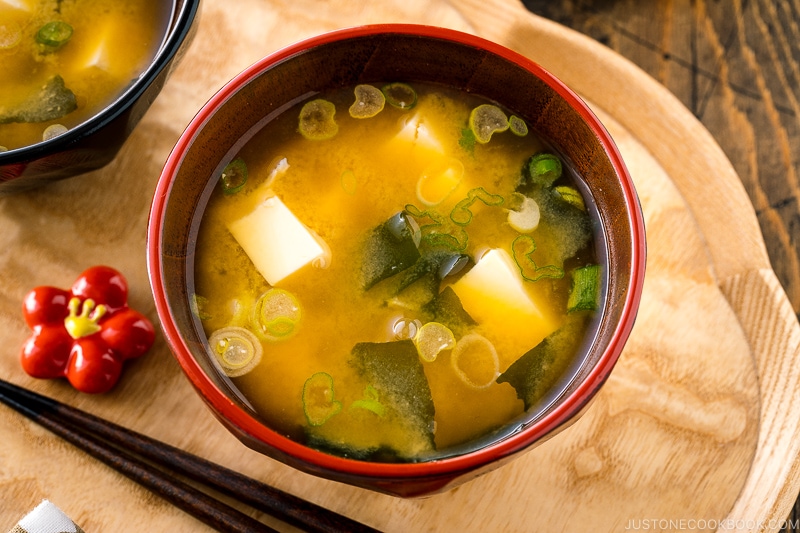
Homemade Japanese Miso Soup 味噌汁
Whenever I'm trying to eat lighter without feeling deprived, healthy miso soup is one of my favorite choices. This low calorie Japanese soup is warm, comforting, and surprisingly filling despite being under 100 calories per serving. The combination of umami-rich miso paste, tofu, and seaweed creates a healthy comfort food that feels satisfying while supporting a calorie deficit meal plan.
You will get approximately 85 calories per serving. To prepare it, whisk the miso paste into hot broth, then add cubes of tofu and seaweed. Simmer over low heat for a few minutes, and finally, garnish with green onions. For variety, add mushrooms, spinach, shrimp, or edamame for extra protein and fiber. Store in an airtight container for up to 3 days. Remember: to preserve its probiotic benefits, avoid boiling the miso. For a healthy Asian dinner, I love serving this alongside cucumber salad or steamed edamame.
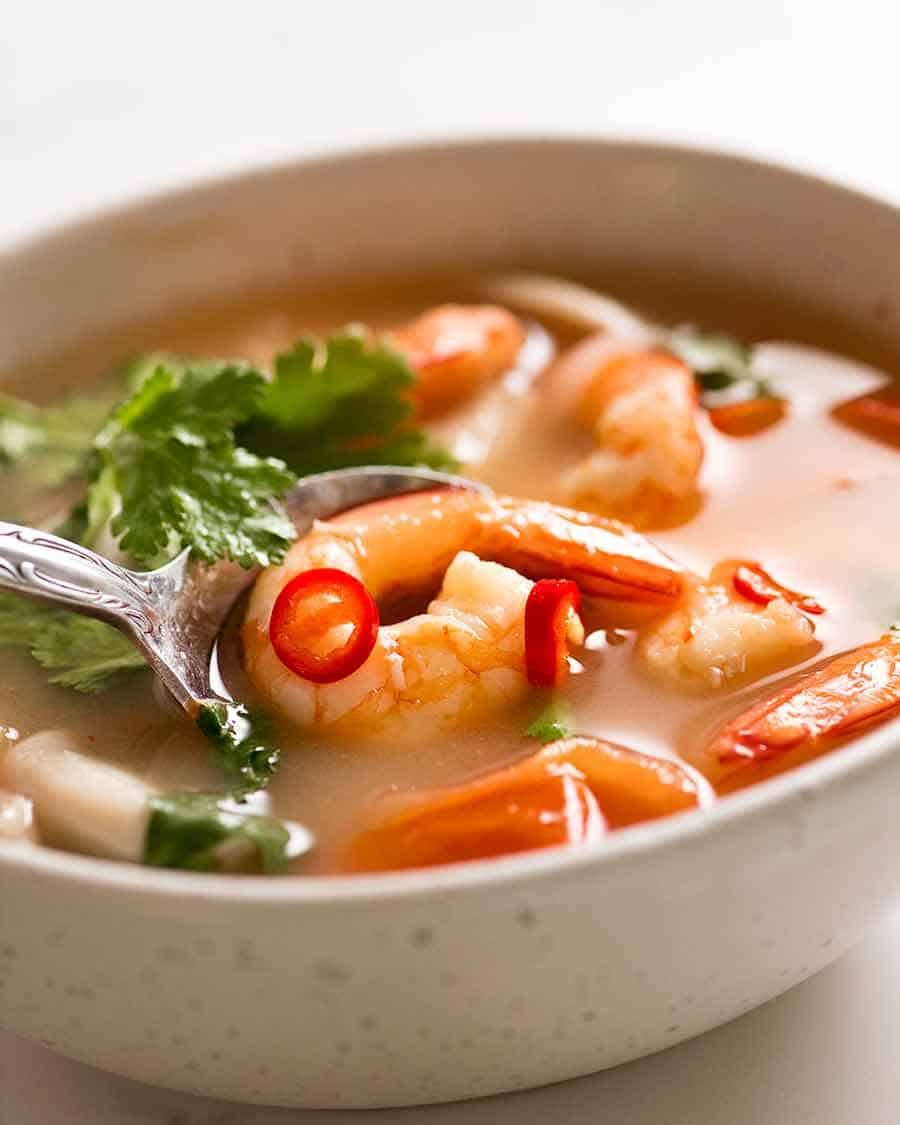
Tom Yum Soup (Thai soup)
When I first made this spicy Thai soup at home, I was amazed at just how delicious it was without adding any extra calories. Tom Yum is one of the best low calorie Asian soups for weight loss, as it is packed with aromatic herbs, lean protein, and a light broth. Whenever I crave a restaurant-quality meal that helps me meet my healthy eating and meal-prep goals, I turn to this recipe.
You get approximately 120 calories from this delicious soup. To prepare it, your key ingredients include shrimp, lemongrass, galangal, kaffir lime leaves, mushrooms, chili paste, and lime juice. It is very simple to make: simply simmer the herbs in the broth, add the mushrooms and shrimp, and then finish it off with the lime juice and chili paste. You can also add chicken breast, tofu, or mixed vegetables. You can even store it in the refrigerator for up to three days. Fresh lime juice dramatically enhances its flavor. I love serving it with cauliflower rice for a satisfying, low calorie dinner.
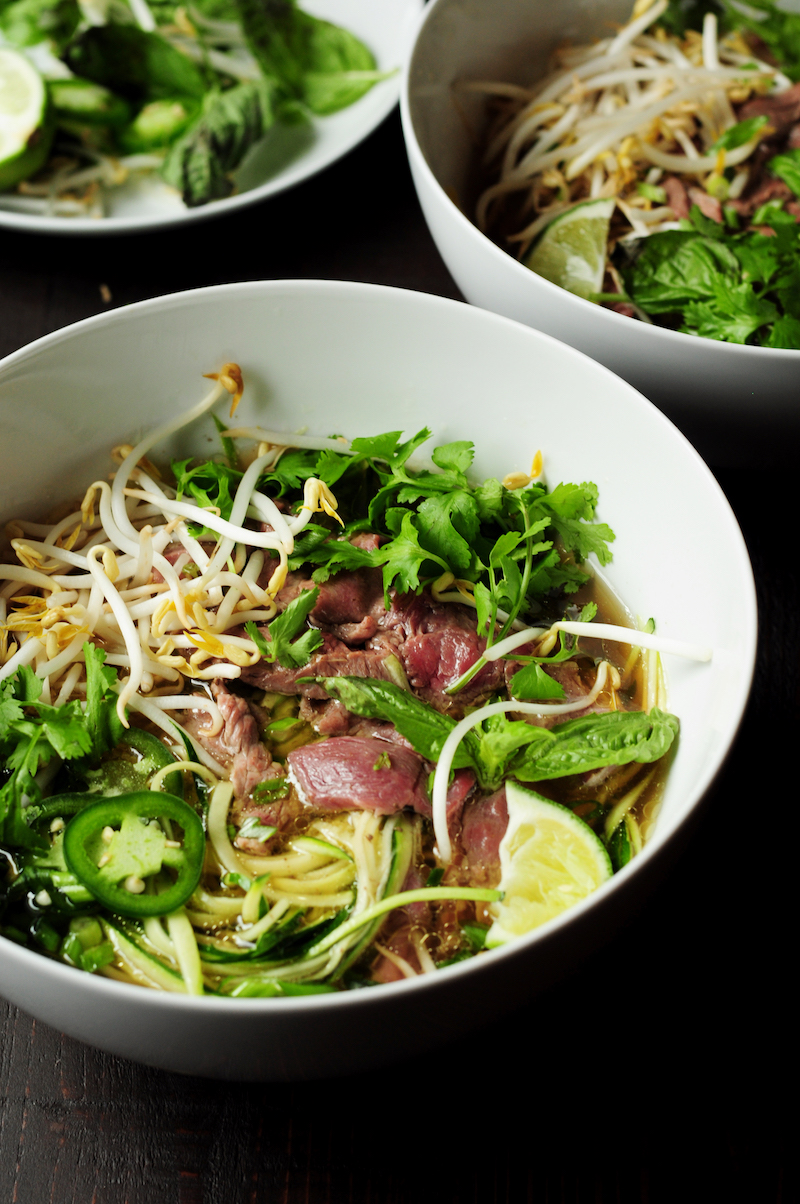
Vietnamese Pho With Zucchini Noodles
When I started looking for healthy alternatives to ramen, this low-carb Pho quickly became a staple in my weekly rotation. By substituting traditional noodles with zucchini noodles, you keep the calorie count low while still capturing that rich, aromatic flavor of Vietnamese Pho that makes it such a comforting dish. It is an excellent choice for meal prep aimed at weight loss, for healthy weeknight dinners, and for anyone following a low-carb lifestyle. You can expect to get around 150 calories from a serving of this soup—which is fantastic.
This recipe takes just 30 minutes to prepare, as its key ingredients consist of lean chicken breast, zucchini noodles, star anise, cinnamon, ginger, onion, and low-sodium broth. It is also incredibly simple to make: simply simmer the spices and aromatics in the broth, then add the cooked chicken and zucchini noodles just before serving. If you prefer, you can also use turkey, shrimp, tofu, or mushrooms. For the best texture—especially if you plan to store it for later—I recommend keeping the noodles separate. Speaking from personal experience, be careful not to overcook the zucchini noodles; otherwise, they will turn mushy. I love to finish it off with a garnish of bean sprouts, fresh cilantro, and a slice of fresh lime.
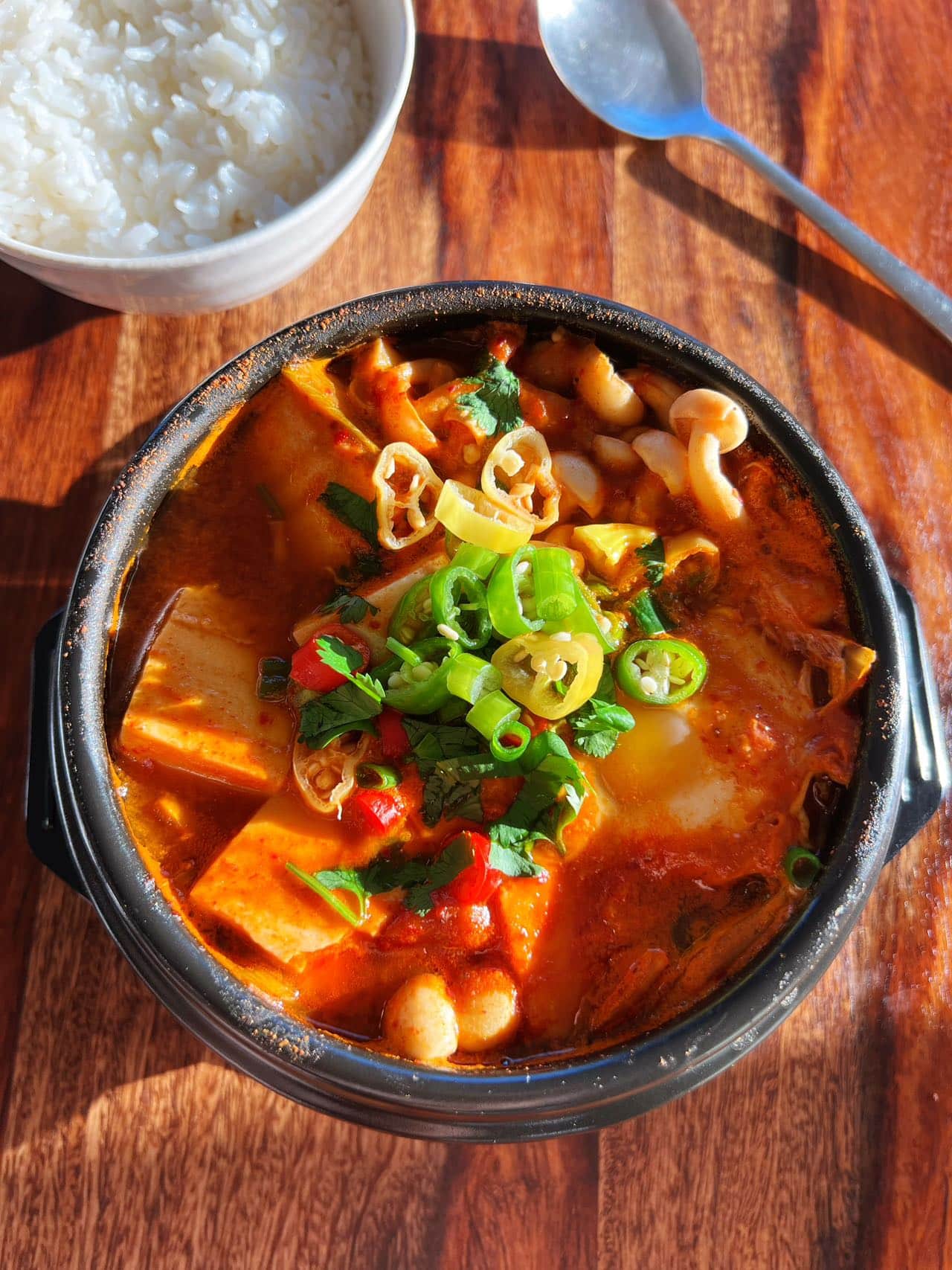
Korean Kimchi Tofu Soup (Meal-for-one Recipe)
This kimchi soup recipe has become one of my favorite healthy comfort foods during the winter months. The combination of kimchi and tofu creates a delicious, probiotic-rich soup that is both nutritious and satisfying. Since it is naturally low in calories and packed with gut-friendly ingredients, it is ideal for improve digestion while enjoying a hearty, low calorie meal. This soup takes just 15 minutes to prepare and contains approximately 140 calories.
To make this Korean soup, you will need kimchi, tofu, garlic, mushrooms, green onions, and low-sodium vegetable broth—a combination that is simply extraordinary and one I truly love. To prepare this recipe, start by briefly sautéing the garlic and kimchi; then add the broth and mushrooms, and reduce the heat. Add the tofu during the final few minutes of cooking. If you wish, you can also add lean beef, chicken, or extra vegetables. It keeps well in the refrigerator for 3–4 days. I love using well-fermented kimchi to achieve a deeper, richer flavor. I also recommend serving it alongside steamed vegetables or cauliflower rice.
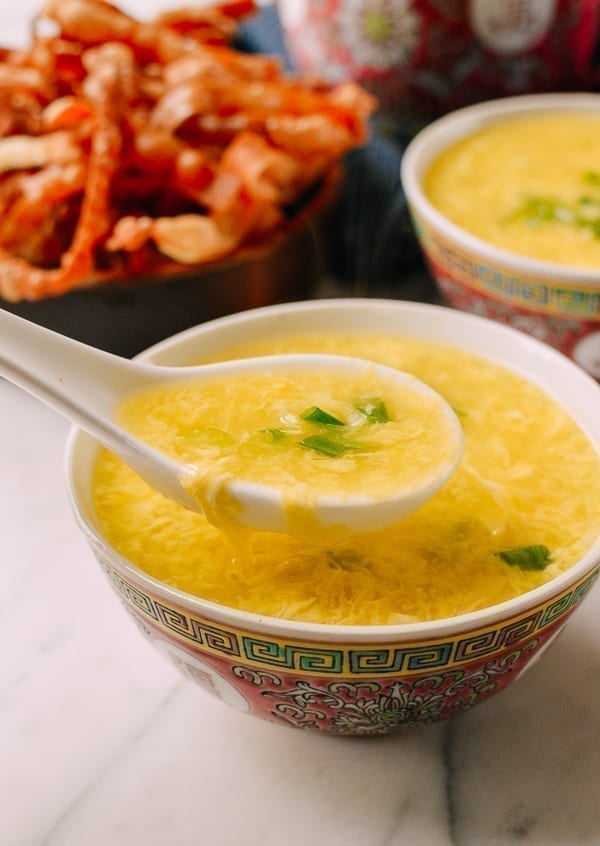
Egg Drop Soup
Whenever I need a healthy dinner that can be prepared in under 15 minutes, I make this simple Chinese soup. It is one of the easiest low-calorie Chinese recipes out there, offering remarkable satisfaction with just a few ingredients. The silky ribbons of egg create a gratifying texture while keeping the calorie count surprisingly low. It is budget-friendly, protein-rich, and perfect for meal prep. Additionally, I get to enjoy this wonderful Chinese soup for just 90 calories.
To make this Chinese soup recipe, you only need low-sodium chicken broth, eggs, ginger, garlic, green onions, and white pepper. It is incredibly easy to prepare, too: simply simmer the broth over low heat, then slowly pour in the beaten eggs while stirring to create the ribbons; finally, season with salt and spices, and serve. For added flavor and texture, you can also incorporate corn, spinach, mushrooms, or tofu into the soup. While I know it tastes best when enjoyed fresh, it can be stored in the refrigerator for up to two days. When making this soup, I recommend stirring gently to ensure the eggs form beautiful, delicate strands—as that is truly the star of this dish. For a complete and wholesome meal, serve it alongside an Asian cucumber salad.
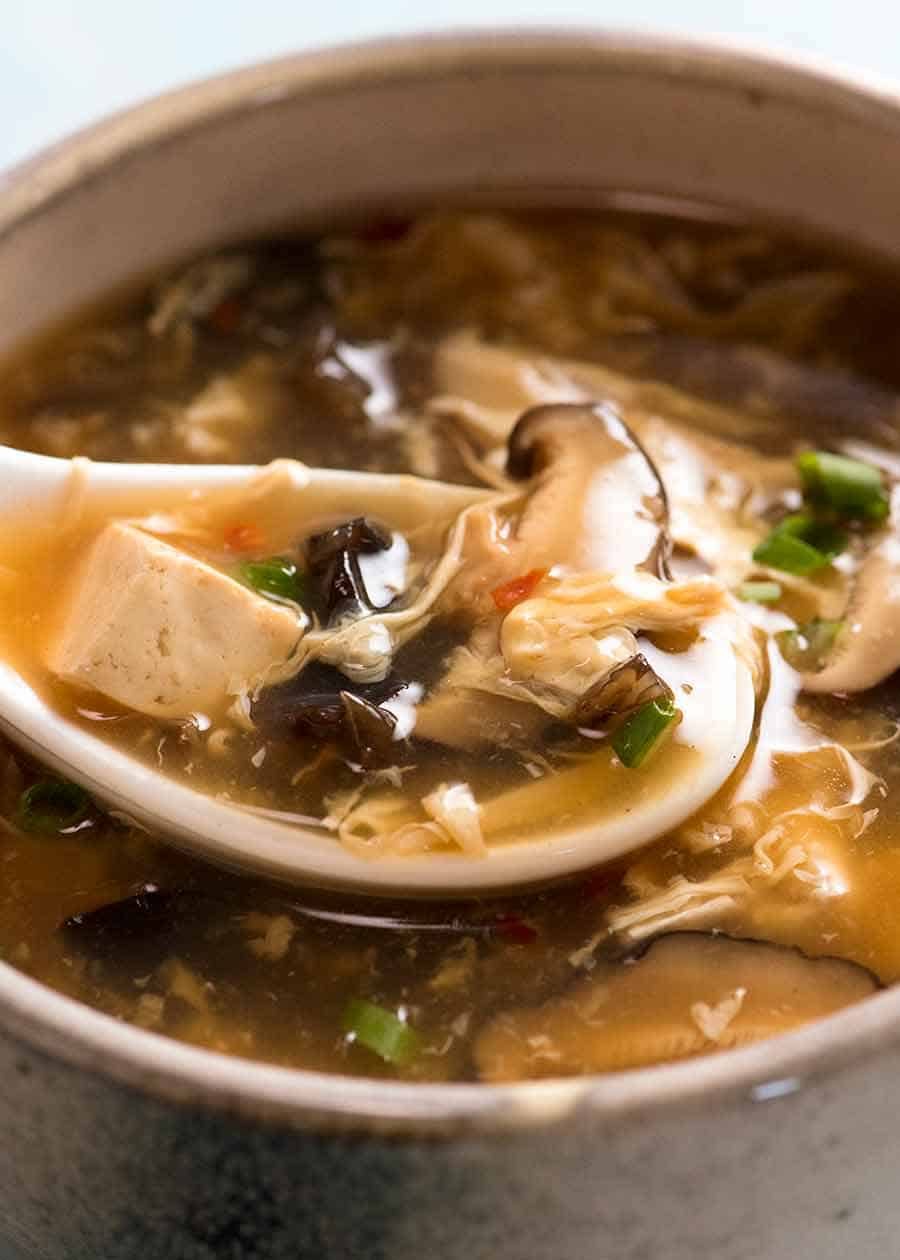
Hot and Sour Soup
If there is one soup that gets ordered more than any other at any restaurant, it is this Hot and Sour Soup. Whenever I crave takeout but want something light, I whip up this healthy Hot and Sour Soup. It strikes the perfect balance of spicy, sour, and salty flavors, making it one of the best low fat Asian soups for weight loss. Packed with mushrooms, vegetables, and protein, this soup keeps me feeling full for hours without adding any unnecessary calories. It serves as wonderful, healthy comfort food—perfect for chilly evenings or for meal-prepped lunches.
You can prepare this soup in just 35–40 minutes. To make this recipe, you will need mushrooms, tofu, low-sodium chicken broth, rice vinegar, ginger, garlic, soy sauce, and green onions. Although a single serving of this soup contains approximately 110 calories. It is incredibly simple to make: simply simmer the broth with the ginger and garlic, add the mushrooms and tofu, and then season with the vinegar and soy sauce. Thicken it slightly if desired, then garnish with green onions and serve. You can also add chicken breast, shrimp, Napa cabbage, or bamboo shoots to the mix. It can be stored in an airtight container for up to 4 days. To keep this soup heart-healthy and suitable for diabetics, I recommend using low-sodium broth. For a complete and healthy dinner, I love serving it alongside steamed vegetables or an Asian slaw.
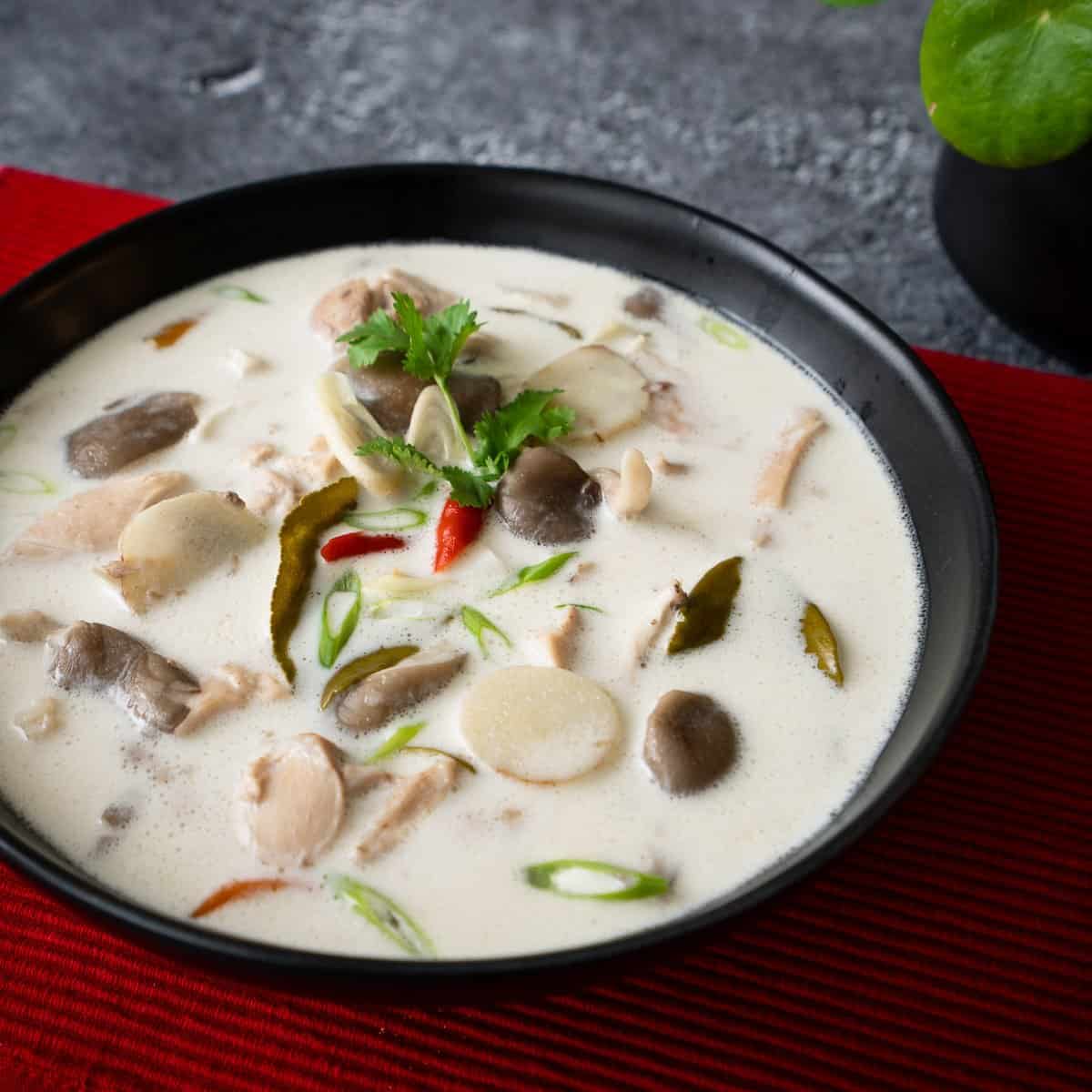
Authentic Tom Kha Gai (Thai coconut chicken soup)
Occasionally, I find myself craving a creamy soup, and deciding which Asian variety to choose can be a challenge. Traditional coconut-based soups can be quite heavy, but this healthy Thai coconut soup delivers that same creamy flavor with significantly fewer calories. I began creating this lighter version while experimenting with healthy dinner recipes that didn't compromise on taste. The combination of lean chicken, light coconut milk, and aromatic herbs results in a satisfying meal—perfect for meal prepping for weight loss or maintaining a healthy diet.
Typically, it takes 35–40 minutes to prepare and contains approximately 180 calories. To make this delightful soup, you simply need chicken breast, light coconut milk, lemongrass, ginger, mushrooms, lime juice, and low-sodium broth—ingredients you likely already have stocked in your kitchen. To prepare the soup, start by simmering the broth with the lemongrass and ginger; then, add the mushrooms and chicken, stir in the light coconut milk, and finish with a squeeze of lime juice. You can also substitute the chicken with shrimp or tofu, or add extra vegetables; the soup can be stored in the refrigerator for up to three days. I prefer using light coconut milk, as it significantly reduces the calorie count while still preserving that creamy texture. I also enjoy pairing this soup with a cucumber salad or cauliflower rice, which helps me stay on track with my low-carb and low-calorie diet.
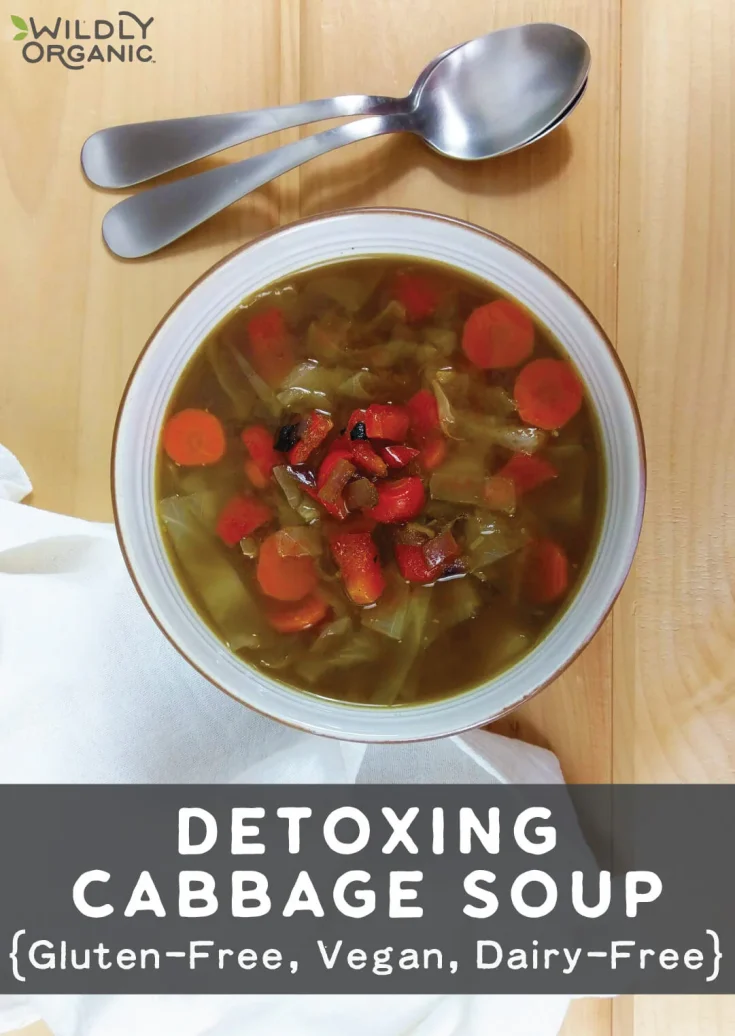
Detoxing Cabbage Soup {Gluten-Free, Vegan, Dairy-Free}
After enjoying plenty of delicious food during the holiday season, this detox soup recipe has become one of my favorite healthy meal-prep recipes. It is packed with nutrient-rich vegetables, naturally low in calories, and incredibly effective at keeping you feeling full. While no soup can magically burn fat, this vegetable-packed recipe helps maintain a caloric deficit and keeps you on track toward achieving your healthy lifestyle goals. It is one of the easiest low-calorie Asian soups you will ever make. I estimate that this recipe provides approximately 95 calories per serving.
The ingredients you will need to prepare this detox Asian soup are green cabbage, carrots, celery, mushrooms, garlic, ginger, and low-sodium vegetable broth. To make it, simply add all the vegetables to the boiling broth and cook until tender. Season with garlic, ginger, and black pepper. For added protein, you can also include chicken breast, tofu, or edamame. I recommend cutting the vegetables into uniform pieces to ensure they cook evenly.
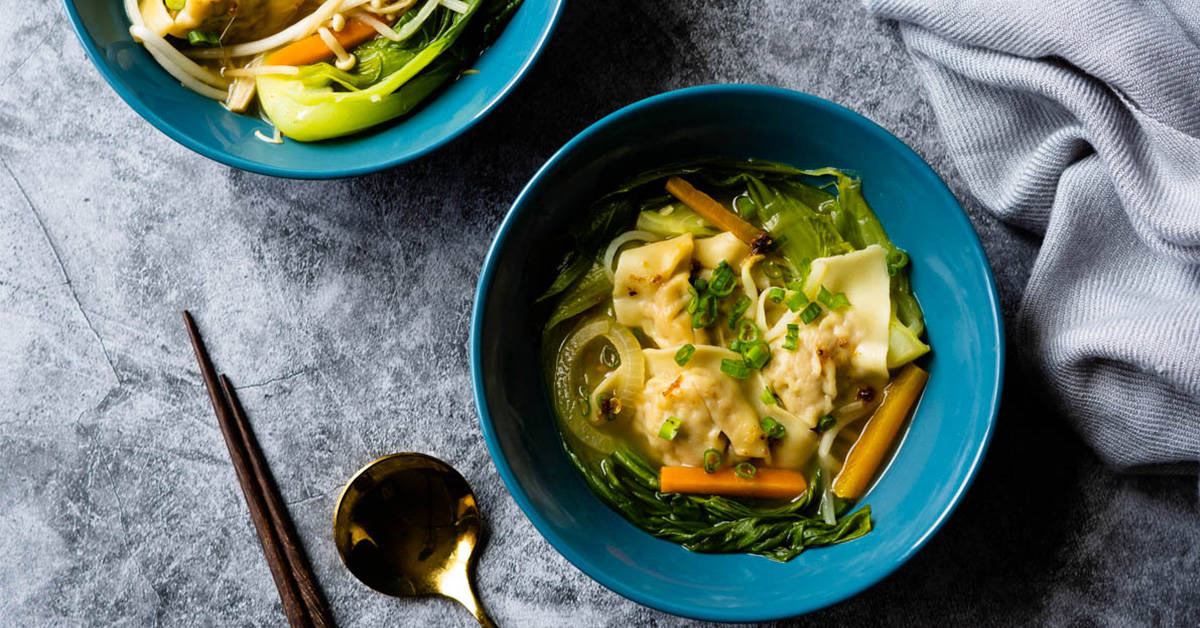
Wonton Soup with Vegetables
Whenever I crave a restaurant-style meal that still fits into a healthy diet, I make this healthy Wonton Soup. Adding extra vegetables boosts the fiber content and volume of the dish while keeping the calorie count in check. The result is a satisfying, low-calorie comfort food that is absolutely perfect for busy weeknights. Although it tastes delightfully awesome, it is a smart choice for weight management and balanced nutrition. You can prepare this Wonton Soup in just 20–25 minutes, and this recipe yields a meal containing approximately 170 calories.
The main ingredients you will need for this recipe are: vegetable wontons, bok choy, mushrooms, carrots, green onions, and low-sodium chicken broth. It is also incredibly simple to prepare: simply simmer the vegetables in the broth over low heat, add the wontons, and cook until they become tender. Finally, garnish with green onions and a drizzle of sesame oil before serving. Sometimes, I like to switch things up by adding chicken wontons, shrimp wontons, or a vegetarian version. It is also possible to store leftovers; to preserve the texture of the wontons, I recommend storing the broth separately whenever possible. For a lower-calorie option, I suggest choosing steamed wontons or those with a lighter filling. I personally love serving this alongside an Asian cucumber salad.
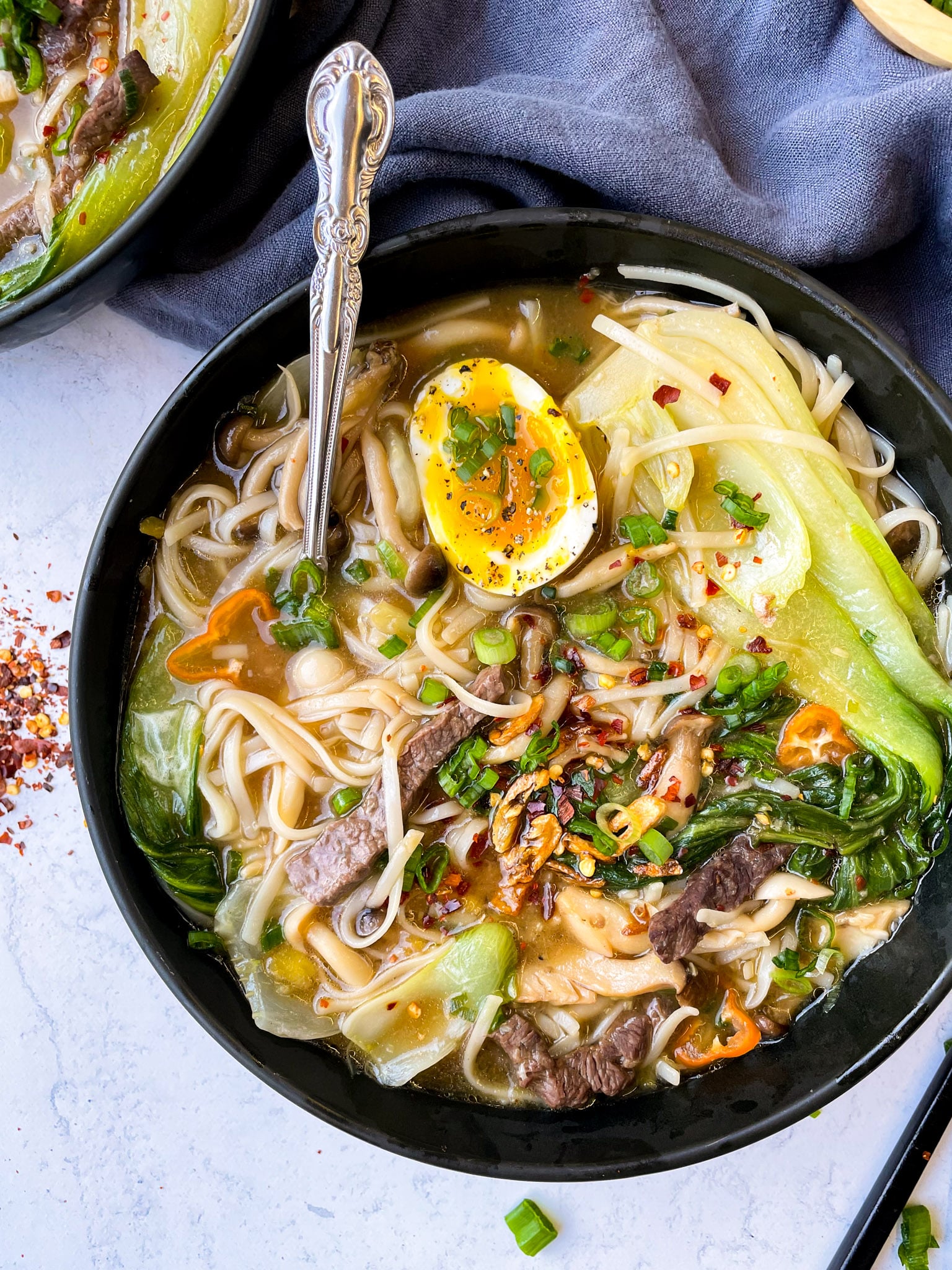
Ginger Garlic Bok Choy Soup
Whenever I feel physically run down or simply need a simple yet wholesome dinner, this immune-boosting soup is one of my absolute favorite recipes. Made from a blend of ginger, garlic, and bok choy, this soup transforms into a delightful broth that is bursting with both flavor and nutrients. It is naturally low in calories and rich in antioxidants; moreover, it serves as an excellent addition to any diet aimed at promoting heart health or reducing inflammation within the body. Truth be told, this soup makes for a fantastic meal that keeps you feeling full and satisfied for a long time. Also, it is incredibly easy to prepare.
You can make this soup in just 20 to 25 minutes, yielding a serving that contains approximately 80 calories. To cook this Asian-style soup, you will need bok choy, garlic, fresh ginger, mushrooms, green onions, and low-sodium vegetable broth. The preparation method is quite straightforward: begin by lightly sautéing the ginger and garlic, then add the broth and mushrooms, and let it simmer gently for a while. Add the bok choy right at the very end of the cooking process and continue to cook until the leaves have softened. To add variety to the flavor profile, I often like to add ingredients such as tofu, shrimp, chicken breast, or spinach. Additionally, to create a balanced and wholesome meal, I enjoy serving this soup alongside brown rice or edamame.
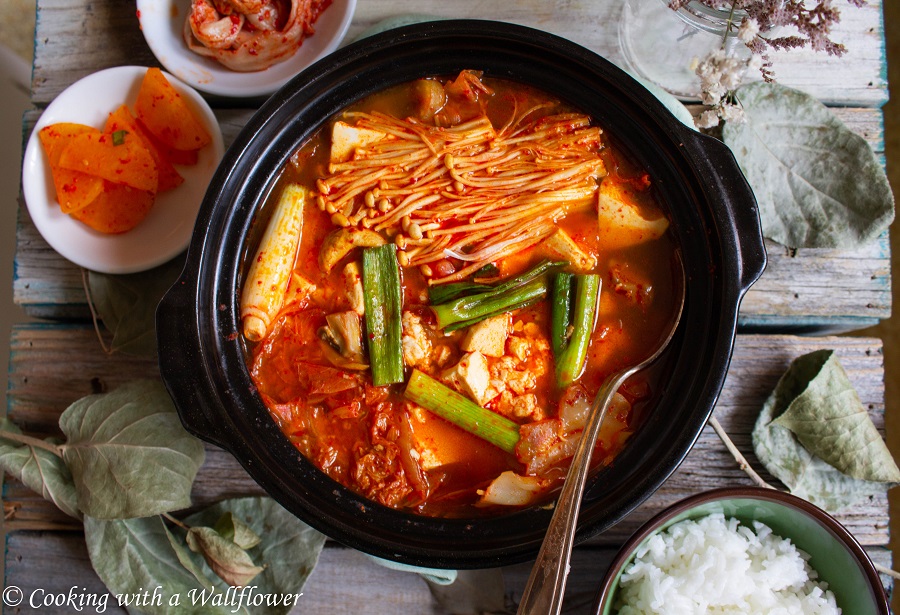
Korean Style Spicy Vegetable Tofu Soup
If you enjoy bold flavors as much as I do, you simply must try this spicy Korean vegetable soup. I first started making it when I was looking for a low-calorie spicy soup that would be satisfying without relying on heavy ingredients. The combination of vegetables, garlic, ginger, and Korean chili flakes creates a warming bowl that is bursting with flavor yet surprisingly light. This is one of my favorite healthy Korean recipes for busy weeknights, as it is budget-friendly, easy to prepare, and packed with fiber that helps keep you feeling full for longer.
I can make this recipe in just 30 minutes, and it comes in at around 105 calories. Bok choy, Napa cabbage, mushrooms, carrots, garlic, ginger, gochugaru (Korean chili flakes), and low-sodium vegetable broth are the key ingredients for making this Korean soup. To prepare this recipe, simply sauté the garlic and ginger lightly, add the vegetables and broth, then simmer until the vegetables are tender. Stir in the gochugaru and adjust the level of spiciness to your taste. If you wish, you can also add tofu, chicken breast, shrimp, or zucchini noodles. For a hearty, low-carb dinner, you can serve it alongside cauliflower rice.
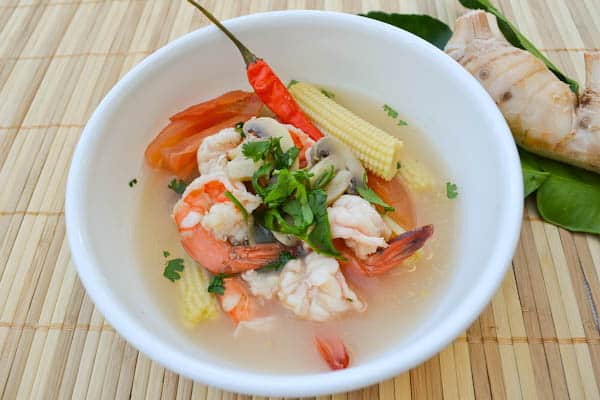
Lemongrass Shrimp Soup (Tom Yum Goong)
Whenever I need a quick, healthy seafood soup, this Lemongrass Shrimp Soup is one of my go-to recipes. The fresh, citrusy aroma of the lemongrass makes every spoonful incredibly refreshing, while the shrimp adds lean protein without significantly increasing the calorie count. It is perfect for anyone seeking high-protein dinner ideas to support their weight loss and healthy eating goals. Best of all, it comes together in under 30 minutes, making it ideal for busy schedules.
To prepare this Asian soup recipe, you will need shrimp, lemongrass, garlic, ginger, mushrooms, lemon juice, and low-sodium broth; the entire process takes about 40–45 minutes. Simmer the broth over low heat with the lemongrass, garlic, and ginger. Add the mushrooms and shrimp, then cook until the shrimp turn pink. Finally, stir in the fresh lemon juice. You can also use scallops, white fish, tofu, or mixed vegetables. Be careful not to overcook the shrimp, ensuring they remain tender and juicy. Serve alongside a fresh Asian cucumber salad.
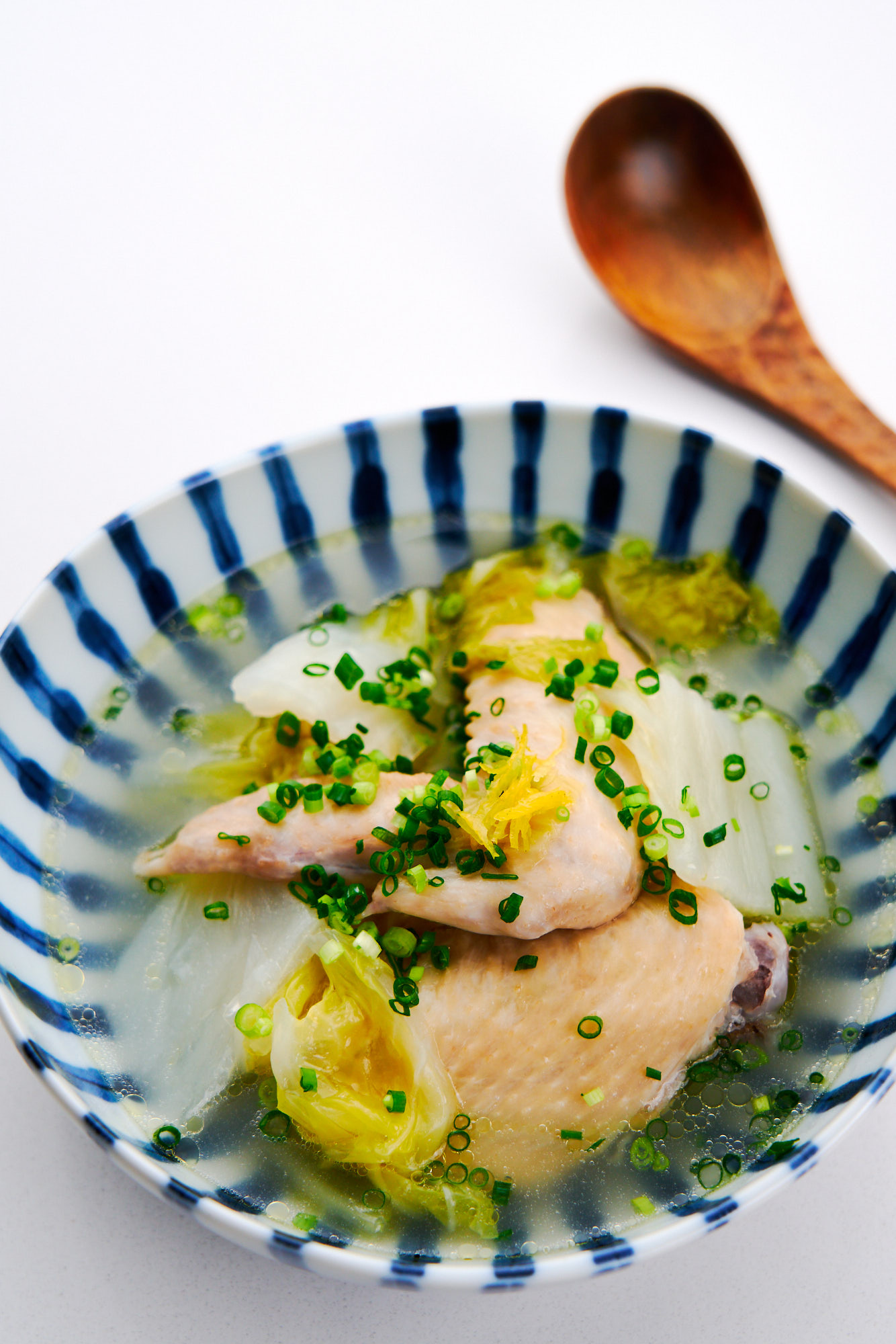
Napa Cabbage & Chicken Soup
This healthy chicken soup has become one of my favorite high-protein soup recipes, as it is comforting, simple, and incredibly satisfying. Lean chicken breast provides high-quality protein, while Napa cabbage adds volume and fiber to the soup with very few calories. Whenever I focus on meal prepping for weight loss or working toward healthy living goals, I often make a large batch of this soup, as it tastes excellent even when reheated throughout the week.
The key ingredients for this recipe are chicken breast, Napa cabbage, carrots, celery, garlic, ginger, and low-sodium chicken broth. To prepare this recipe, first cook the chicken in the broth; then, add the vegetables and simmer until tender. Before serving, shred the chicken and return it to the pot. If you wish, you can also add mushrooms, bok choy, spinach, or zucchini noodles. I recommend using skinless chicken breast to keep the calorie count low. Serve alongside steamed vegetables or a light side salad.
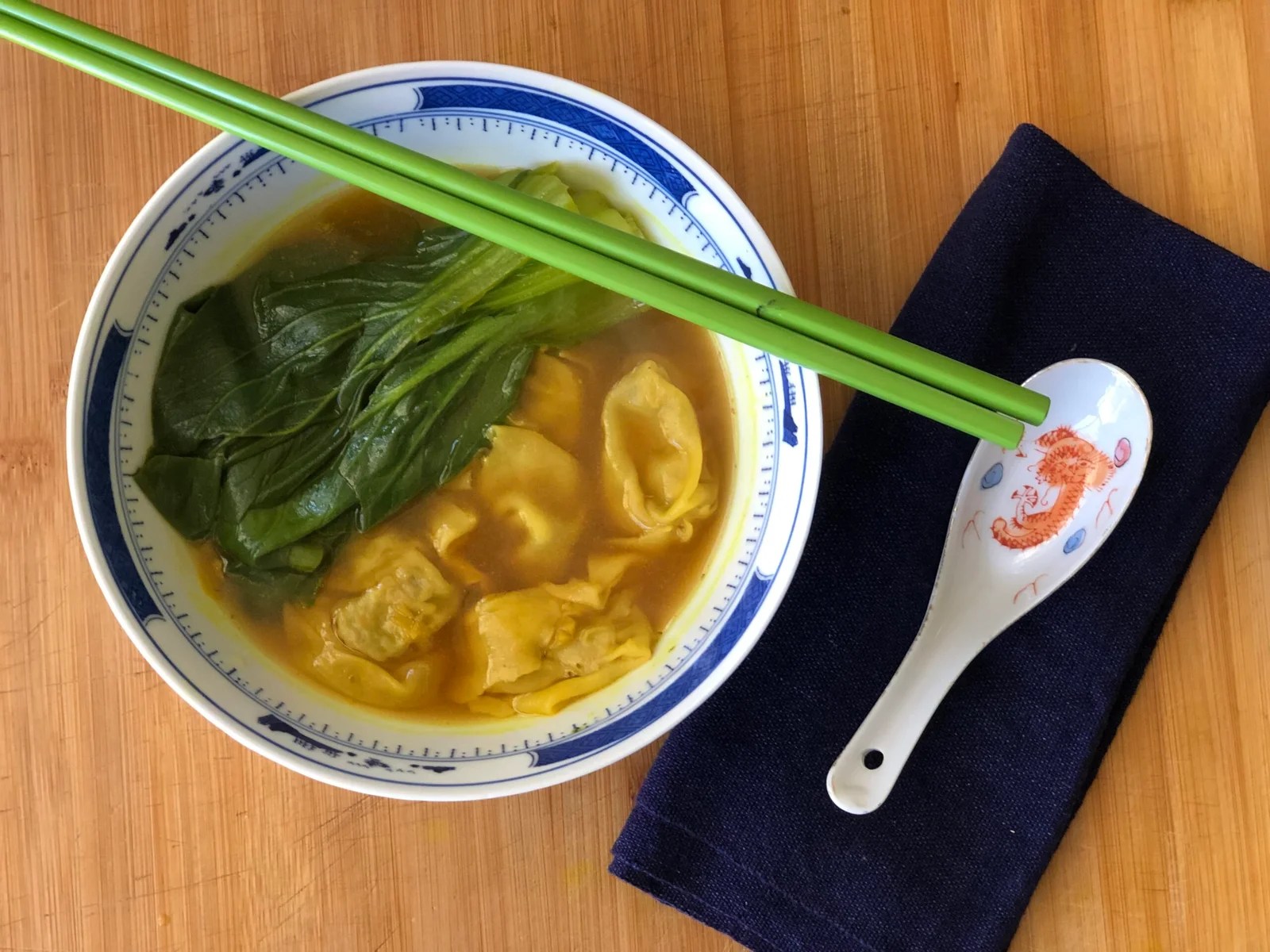
Turmeric Ginger Asian Soup
While I was on the lookout for foods beneficial for gut health and immunity-boosting, this anti-inflammatory soup became an indispensable part of my regular diet. Turmeric and ginger combine to create a delicious broth that is both nourishing and incredibly soothing. Although I adore its vibrant color, what I appreciate most is the fact that this soup fits seamlessly into a healthy lifestyle without ever feeling restrictive. For weight loss and meal prepping purposes, it stands out as one of the simplest and healthiest Asian-style soups you can make.
Turmeric, fresh ginger, garlic, carrots, mushrooms, spinach, and low-sodium vegetable broth are the key ingredients in this recipe. To prepare it, simply simmer the turmeric, ginger, and garlic in the broth over low heat for a while; then, add the vegetables and cook until they become tender. For an extra protein boost, you can also add chicken breast, tofu, shrimp, or lentils. To achieve the most exquisite and intense flavor, I always prefer using fresh turmeric whenever it is available. Enjoy this soup alongside roasted vegetables or a simple side salad.
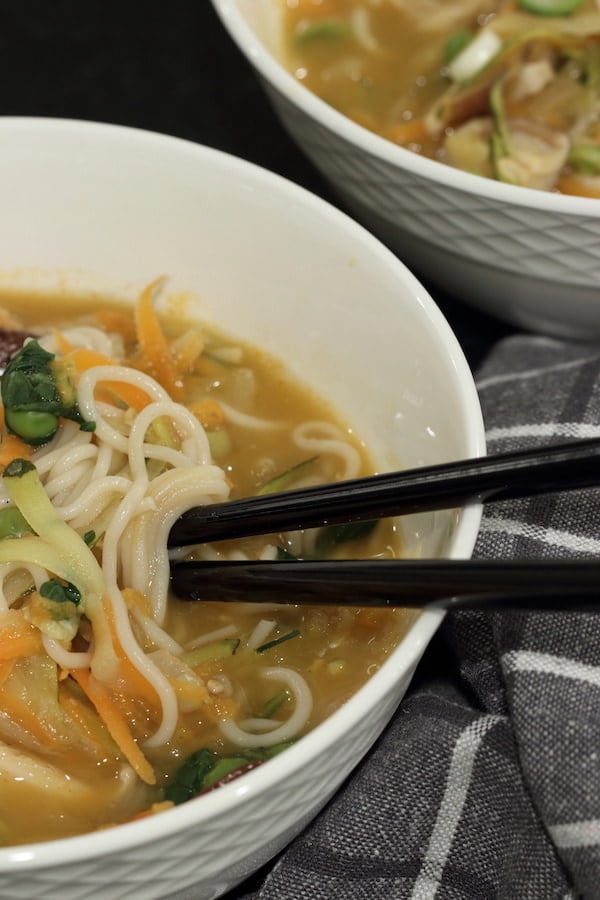
Healthy Ramen Noodle Bowl
When I want healthy alternatives to ramen, this low-calorie noodle soup quickly became a family favorite. Unlike traditional ramen—which can be high in sodium and calories—this version emphasizes nutrient-rich ingredients, lean protein, and an abundance of vegetables. It offers all the comfort of a classic bowl of ramen and fits easily into a balanced diet. For those seeking a comforting meal without the guilt, this stands out as one of the best healthy dinner recipes available.
Preparing this recipe requires shirataki or whole wheat noodles, chicken breast, bok choy, mushrooms, carrots, garlic, ginger, and a low-sodium broth. Cook the noodles separately, create a flavorful broth using the vegetables and aromatics, then combine everything and top with slices of chicken. You can also substitute the chicken with tofu, shrimp, turkey, or additional vegetables. Shirataki noodles make for an excellent choice if you are looking to reduce your calorie and carbohydrate intake. For a complete and wholesome meal, serve topped with green onions, bean sprouts, and a soft-boiled egg.
Related:
Spring Minestrone Soup With Kale & Pasta
Lazy Dinner Recipes
Why Asian Soups Are Great For Weight Loss
First of all, we all know that soups can be added to a weight-loss diet—provided, of course, that they are weight-loss friendly. Therefore, I am sharing here some of my favorite low calorie Asian soup recipes; these serve as healthy comfort food, are naturally low in calories, and are absolutely perfect for supporting your weight-loss journey within a healthy lifestyle. Studies suggest that foods with high water content can improve satiety, helping people feel fuller while consuming fewer calories.
Low In Calories But Extremely Filling
Most traditional Asian soup recipes are broth-based instead of cream-based, making them naturally lower in calories and fat. The combination of warm broth, vegetables, lean protein, and fiber helps you stay full longer while supporting a calorie deficit diet.
Packed With Nutrient-Dense Vegetables
Healthy Asian soups often include bok choy, mushrooms, napa cabbage, spinach, bean sprouts, carrots, garlic, and ginger. These nutrient-rich vegetables are loaded with vitamins, minerals, antioxidants, and gut-friendly fiber that support healthy digestion and metabolism.
High Protein Options Support Fat Loss
Many low calorie Asian soups include high protein ingredients like chicken breast, tofu, shrimp, eggs, turkey, or edamame. Protein helps reduce hunger cravings, supports muscle recovery, and makes healthy meal prep recipes more satisfying.
Great For A Calorie Deficit Diet
For a low carb diet, diabetes-friendly meal plan, heart healthy diet, or simply trying to eat cleaner, Asian soups can help reduce overall calorie intake without sacrificing flavor.
Loaded With Anti-Inflammatory Ingredients
Ingredients like ginger, garlic, turmeric, chili, lemongrass, and miso are commonly used in Asian cooking. These ingredients are known for their anti-inflammatory and immune-boosting properties that may support overall wellness and gut health.
Healthier Than Takeout Comfort Food
Homemade low calorie Asian soups are often healthier than restaurant takeout meals because you can control sodium, oil, sugar, and portion sizes. They’re ideal for healthy dinner recipes, meal prep lunches, and easy weeknight meals.
Why I Personally Love Making Asian Soups
I started making homemade Asian soups during busy weeknights when I wanted something warm and comforting without eating heavy takeout food. What surprised me most was how satisfying these soups were even when they were under 200 calories per serving. Adding lean protein, fresh herbs, and vegetables made them perfect for healthy meal prep and weight loss goals.
Top Benefits Of Low Calorie Asian Soups
- ✔ Supports healthy weight loss
- ✔ Perfect for meal prep recipes
- ✔ Naturally low calorie and low fat
- ✔ Easy healthy dinner idea
- ✔ High protein and fiber rich
- ✔ Helps keep you full longer
- ✔ Great for low carb lifestyles
- ✔ Budget-friendly healthy comfort food
Related:
Keto Make-ahead Freezer Meals
Cheap High Protein Dinner Recipes
Tips To Make Asian Soups Even Healthier
One of the primary reasons low calorie Asian soups are so popular among nutritionists, fitness enthusiasts, and home cooks alike is their ability to deliver exceptional flavor while remaining low in calories. After years of testing dozens of homemade soup recipes, I have discovered that a few simple tweaks—such as using lean proteins, increasing the vegetable content, and opting for lighter noodles—can dramatically reduce calorie counts while simultaneously boosting protein, fiber, and overall nutritional value. These healthy soup tips apply to a wide range of dishes, from Miso soup and Pho to Tom Yum, Kimchi soup, and healthy Ramen bowls.
1. Use Low-Sodium Broth Instead of Regular Stock
Many store-bought broths contain surprisingly high amounts of sodium. Choosing a low-sodium chicken broth, vegetable broth, or homemade stock helps create a more heart-healthy soup recipe while maintaining rich flavor. Keeping soup sodium levels within the recommended daily sodium intake can help support heart health.
To enhance flavor naturally, add:
- Fresh ginger
- Garlic
- Lemongrass
- Scallions
- Thai basil
- Cilantro
- Mushrooms
2. Add Lean Protein To Stay Fuller Longer
Protein helps increase satiety and makes low calorie soups more satisfying. Adding lean protein transforms a light appetizer into a complete high protein dinner that supports healthy weight management.
- Skinless chicken breast
- Shrimp
- Firm tofu
- Egg whites
- Edamame
- White fish
- Ground turkey
Protein-rich soups can help reduce cravings and support a sustainable calorie deficit diet.
3. Load Up On Fiber-Rich Vegetables
Vegetables add volume, nutrients, and fiber without significantly increasing calories. This is one of the easiest ways to create filling low calorie dinner ideas.
Fiber-rich vegetables promote digestive health, support gut health, and help keep you satisfied between meals.
4. Skip Fried Toppings And Excess Oil
Traditional toppings like fried wonton strips, crispy noodles, and excessive sesame oil can quickly increase calories. Instead, choose nutrient-dense toppings that add texture and flavor.
- Green onions
- Fresh herbs
- Sesame seeds
- Bean sprouts
- Chili flakes
- Lime wedges
These simple swaps help create healthier comfort food without sacrificing taste.
5. Choose Shirataki Or Rice Noodles Wisely
Noodles are often the biggest calorie contributor in Asian soups. If you’re trying to make a low carb Asian soup, shirataki noodles are an excellent alternative.
| Noodle Type | Approx. Calories Per Cup |
|---|---|
| Shirataki Noodles | 15-20 |
| Zucchini Noodles | 20 |
| Rice Noodles | 190 |
| Ramen Noodles | 220 |
| Udon Noodles | 240 |
For a healthy ramen alternative, try combining zucchini noodles with a flavorful broth and lean protein.
Easy Ingredient Swaps To Reduce Calories
| Instead Of | Try This | Benefit |
|---|---|---|
| Regular Coconut Milk | Light Coconut Milk | Lower Fat & Calories |
| Fatty Pork | Chicken Breast | More Protein |
| Fried Noodles | Shirataki Noodles | Low Carb Option |
| Heavy Cream | Pureed Vegetables | Extra Fiber |
| Regular Broth | Low-Sodium Broth | Heart Health Support |
Meal Prep Tips For Healthy Asian Soups
- Store broth separately from noodles.
- Add fresh herbs before serving.
- Freeze soup bases for up to 3 months.
- Prep vegetables ahead for quick weeknight dinners.
- Use portion-sized containers for weight loss meal prep.
By making these simple adjustments, you can transform traditional Asian soups into nutrient-dense, high-protein, low calorie meals that support weight loss, healthy eating, meal prep goals, and long-term wellness. The best part? These healthy soup recipes still deliver the comforting flavors that make Asian cuisine so popular around the world.
Related:
Easy Meal Prep Recipes
Keto Casserole Recipes
Best Protein Additions For Low Calorie Soups
One of the easiest ways to turn a simple bowl of soup into a satisfying and nutrient-dense meal is by adding a lean source of protein. From tender chicken breast and shrimp to plant-based tofu and edamame, these protein-rich additions work beautifully in healthy Asian soups. Most are naturally low in calories, low in saturated fat, and packed with essential nutrients, making them perfect for anyone following a calorie deficit diet, high protein meal plan, low carb lifestyle, or heart-healthy eating plan.
| Protein Source | Serving Size | Calories | Protein | Best Used In |
|---|---|---|---|---|
| Chicken Breast | 100g | 165 | 31g | Pho, cabbage soup, ramen |
| Shrimp | 100g | 99 | 24g | Tom Yum, lemongrass soup |
| Firm Tofu | 100g | 76 | 8g | Miso soup, kimchi soup |
| Shelled Edamame | 100g | 121 | 11g | Vegetable soups, noodle bowls |
| Egg | 1 Large | 72 | 6g | Egg drop soup, ramen |
| Turkey Breast | 100g | 135 | 30g | Broth-based soups |
| White Fish | 100g | 110 | 22g | Ginger soups, seafood broths |
1. Chicken Breast
Lean chicken breast remains one of the best protein choices for low calorie Asian soups. It provides a significant amount of protein with relatively few calories, making it ideal for weight loss meal prep, healthy dinner recipes, and high protein soup recipes. Shredded chicken works especially well in pho, cabbage soup, and healthy ramen bowls.
2. Shrimp
Shrimp is naturally low in calories yet packed with high-quality protein. It cooks quickly and adds incredible flavor to Thai-inspired soups such as Tom Yum and lemongrass broth. For a healthy seafood recipe or low calorie protein source, shrimp is an excellent choice.
3. Tofu
For vegetarian and vegan-friendly soups, tofu offers a nutritious protein boost without adding excessive calories. Firm tofu absorbs broth flavors beautifully and pairs well with miso soup, mushroom soup, and spicy Korean soups. It is also rich in minerals and suitable for many plant-based meal plans.
4. Edamame
Edamame is one of the best plant-based proteins for healthy Asian soups. Along with protein, it provides fiber, vitamins, and antioxidants that support digestive and overall health. Add shelled edamame to vegetable soups for extra texture and satiety.
5. Eggs
Eggs are affordable, nutrient-dense, and incredibly versatile. A lightly whisked egg creates silky ribbons in egg drop soup while adding protein, vitamins, and healthy fats. They’re perfect for creating filling low calorie meals without significantly increasing calories.
6. Turkey Breast
Turkey breast is another excellent lean protein option that works well in broth-based soups. It’s lower in fat than many cuts of meat and helps create satisfying meals that support healthy weight management and muscle recovery.
7. White Fish
Mild white fish such as cod, tilapia, or pollock adds lean protein and delicate flavor to Asian-inspired soups. It is particularly popular in ginger-based broths and light seafood soups where a clean taste is preferred.
Expert Tip
For maximum satiety and balanced nutrition, combine a lean protein source with fiber-rich vegetables like bok choy, napa cabbage, mushrooms, spinach, or zucchini. This combination creates a filling meal that can help reduce hunger while supporting healthy weight loss goals.
Why Protein Matters In Low Calorie Soups
- Helps keep you full longer.
- Supports muscle maintenance during weight loss.
- Reduces cravings between meals.
- Improves meal satisfaction.
- Supports healthy blood sugar balance.
- Makes soups more filling without many extra calories.
- Ideal for meal prep and calorie deficit diets.
Related:
French Onion Soup Recipe
Easy Sardine Recipes
Best Vegetables To Add & I Prefer For Low Calorie Asian Soups
One of the easiest ways to make low calorie Asian soups more filling, nutritious, and weight-loss friendly is by adding plenty of vegetables. During my years of making healthy Asian-inspired soups at home, I’ve found that vegetables not only add flavor and texture but also increase fiber, vitamins, minerals, and antioxidants without adding many calories.
If your goal is healthy weight loss, meal prep, heart-healthy eating, diabetes-friendly meals, or simply creating a more satisfying bowl of soup, these are the vegetables I personally prefer and use most often.
| Vegetable | Calories (Per Cup) | Benefits |
|---|---|---|
| Bok Choy | 9 | Low calorie, rich in vitamin C, calcium, and antioxidants. |
| Napa Cabbage | 13 | High in fiber and water content for healthy digestion. |
| Mushrooms | 15 | Adds umami flavor with very few calories. |
| Spinach | 7 | Excellent source of iron, folate, and vitamin K. |
| Zucchini | 20 | Perfect low carb noodle alternative. |
| Bean Sprouts | 27 | Adds crunch, fiber, and plant nutrients. |
| Carrots | 52 | Rich in beta-carotene and natural sweetness. |
1. Bok Choy – My #1 Choice
Bok choy is one of the best vegetables for healthy Asian soup recipes. It cooks quickly, absorbs broth flavors beautifully, and provides a generous amount of vitamins A and C. I especially love adding bok choy to miso soup, ramen, chicken soup, and vegetable broth-based recipes.
2. Napa Cabbage
Napa cabbage becomes tender while maintaining a delicate texture. It’s naturally low in calories and pairs perfectly with Korean, Chinese, and Japanese soups. The extra fiber helps create a filling low calorie dinner that keeps you satisfied longer.
3. Mushrooms
Shiitake, cremini, and oyster mushrooms impart a rich ‘umami’ flavor, which can make a soup even more satisfying without the need for added fat. When it comes to creating healthy recipes, I always prioritize mushrooms, as they have a long shelf life and add depth of flavor to broth-based dishes.
4. Spinach
Spinach is one of my favorite nutrient-dense additions for weight loss soups. It wilts quickly, blends into almost any Asian soup recipe, and delivers iron, folate, and antioxidants while keeping calories extremely low.
5. Zucchini
When I’m looking for a low carb Asian soup option, zucchini is my go-to ingredient. Spiralized zucchini can replace noodles in pho, ramen, and chicken soups while significantly reducing calories and carbohydrates.
6. Bean Sprouts
Bean sprouts add freshness and crunch while contributing fiber and important micronutrients. They’re commonly used in Vietnamese pho and many healthy Asian vegetable soups.
7. Carrots
Carrots add natural sweetness, color, and texture. They’re loaded with beta-carotene and help balance spicy flavors in Thai, Korean, and Chinese-inspired soups.
My Favorite Vegetable Combination
For the ultimate low calorie high fiber Asian soup, I usually combine:
- Bok choy
- Napa cabbage
- Mushrooms
- Spinach
- Bean sprouts
This combination creates a nutrient-dense soup packed with fiber, vitamins, minerals, antioxidants, and volume while keeping calories surprisingly low.
Why Vegetables Matter In Low Calorie Soups
Adding vegetables increases food volume without significantly increasing calories. This strategy is often recommended in healthy eating plans because it may support satiety, improve digestive health, and help maintain a calorie deficit more comfortably.
Related:
Ham & Bean Soup Recipe
Vegetarian Meal Prep Recipes
Meal Prep & Storage Guide for Low Calorie Asian Soups
One of the biggest reasons I love these low calorie Asian soups is how incredibly meal-prep friendly they are. Most broth-based Asian soups actually taste even better the next day as the flavors continue to develop. With proper storage and reheating techniques, you can enjoy delicious healthy meal prep recipes throughout the week while reducing food waste and avoiding expensive takeout.
How Long Do Asian Soups Last?
| Soup Type | Refrigerator | Freezer |
|---|---|---|
| Vegetable-Based Soups | 4-5 Days | 2-3 Months |
| Chicken Soups | 3-4 Days | 2-3 Months |
| Shrimp & Seafood Soups | 2-3 Days | 1-2 Months |
| Tofu Soups | 4 Days | 2 Months |
| Miso Soups | 3 Days | Not Recommended |
Best Containers for Soup Meal Prep
Choosing the right container helps preserve freshness, prevent leaks, and maintain food safety. For anyone following a weight loss meal prep routine or creating high protein meal prep lunches, portion control containers are especially helpful.
- ✔ Glass meal prep containers with airtight lids
- ✔ BPA-free freezer-safe containers
- ✔ Mason jars for broth-based soups
- ✔ Portion-control containers for calorie tracking
- ✔ Stackable containers to save refrigerator space
Freezer Tips for Maximum Freshness
Freeze Without Noodles
Rice noodles, ramen noodles, and glass noodles can become mushy after thawing. Freeze the broth separately and add fresh noodles when serving.
Leave Expansion Space
Always leave about 1 inch of space at the top of containers to allow liquid to expand during freezing.
Label Everything
Write the soup name and freezing date to stay organized and reduce food waste.
Freeze Individual Portions
Single-serving portions make healthy lunches and quick low calorie dinners easier throughout the week.
How to Reheat Soup Properly
- Thaw frozen soup overnight in the refrigerator.
- Transfer soup to a saucepan.
- Heat over medium heat until simmering.
- Add fresh vegetables, herbs, or noodles if desired.
- Adjust seasoning before serving.
My Favorite Meal Prep Strategy
When I’m planning a week of healthy comfort food, I usually prepare one vegetable-based soup and one protein-rich soup. This provides variety while helping me stay on track with my healthy lifestyle goals. I portion everything into individual containers and pair each serving with fresh vegetables or a light side salad for balanced, satisfying meals.
This simple system has helped me create consistent healthy meal prep recipes, reduce takeout spending, and maintain a collection of nutritious, flavor-packed meals ready whenever I need them.
Related:
Cantonese Noodle Soup Recipe
Chicken Meal Prep Recipes
Common Mistakes To Avoid When Making Low Calorie Asian Soups
Even the healthiest Asian soup recipes can become surprisingly high in calories, sodium, and unhealthy fats if you’re not careful. Through years of testing healthy soup meal prep recipes and low calorie dinner ideas, I’ve discovered a few common mistakes that can quickly turn a nutritious bowl into a calorie-heavy meal. Avoid these pitfalls to keep your soups flavorful, filling, and weight-loss friendly.
1. Using Too Much Sodium-Rich Broth
One of the biggest mistakes people make is using regular store-bought broth loaded with sodium. Excess sodium may contribute to water retention and can overshadow the health benefits of your low calorie Asian soups. For a heart-healthy meal, choose low sodium broth or homemade stock whenever possible.
2. Overcooking Noodles
Rice noodles, ramen noodles, and glass noodles can quickly become soft and mushy when overcooked. This not only affects texture but may also make your healthy soup recipes less satisfying. Cook noodles separately and add them just before serving for the best results.
3. Choosing Fatty Cuts Of Meat
While traditional Asian soups often include pork belly or fatty beef, these ingredients can dramatically increase calories and saturated fat. For healthy dinner recipes and high protein meals, I opt for skinless chicken breast, shrimp, tofu, turkey, or lean beef.
4. Adding Too Much Coconut Milk
Coconut milk adds wonderful flavor to Thai-inspired soups, but it is also calorie-dense. Using excessive amounts can turn a light soup into a high-calorie dish. Instead, use light coconut milk or combine smaller amounts with broth for a balanced texture and flavor.
5. Using Excess Oil For Sautéing
Many cooks unknowingly add hundreds of extra calories through cooking oils. While healthy fats have their place in a balanced diet, too much oil can significantly increase the calorie count of your soup. Use a non-stick pot or a light cooking spray to minimize unnecessary calories.
6. Not Adding Enough Vegetables
Vegetables provide fiber, vitamins, minerals, and volume that help make low calorie soups more filling. Skipping vegetables often results in a less satisfying meal that leaves you hungry soon after eating.
7. Ignoring Portion Sizes
Even healthy comfort foods can contribute excess calories when portions become too large. Measuring calorie-dense ingredients like noodles, coconut milk, dumplings, and proteins helps maintain a balanced meal and supports healthy eating goals.
✓ Quick Healthy Soup Checklist
- Choose low sodium broth whenever possible.
- Use lean protein for high protein low calorie meals.
- Add plenty of fiber-rich vegetables.
- Limit coconut milk and cooking oil.
- Cook noodles separately to avoid sogginess.
- Control portions of calorie-dense ingredients.
- Focus on whole food ingredients for better nutrition.
Related:
Keto Lunch Recipes
Creamy Avgolemono Chicken Soup Recipe
What To Serve With Asian Soups
One of the best features of low calorie Asian soups is their versatility. The best side dishes served alongside them add extra protein, fiber, healthy fats, and nutrients to the meal without significantly increasing the calorie count—and for precisely this reason, they are simply ideal for weight-loss diet plans, healthy eating habits, and dinner preparations. So, let me show you what I like to serve with these soups.
Cucumber Salad
A refreshing cucumber salad made with rice vinegar, sesame seeds, and fresh herbs adds crunch and brightness to warm Asian soups. It’s low in calories, rich in hydration, and perfect for healthy dinner recipes and weight loss meals.
Fresh Spring Rolls
Filled with shrimp, tofu, fresh vegetables, and herbs, spring rolls provide lean protein and fiber while complementing the light flavors of Asian broth-based soups.
Cauliflower Rice
For a low carb alternative to traditional rice, cauliflower rice pairs beautifully with healthy Asian soups. It’s ideal for calorie deficit diets, diabetic-friendly meals, and low carb dinner recipes.
Steamed Dumplings
Steamed vegetable, chicken, or shrimp dumplings create a restaurant-style meal while keeping calories lower than fried appetizers. Choose whole wheat wrappers for extra fiber.
Asian Slaw
A crunchy Asian slaw made with cabbage, carrots, green onions, and a light sesame dressing adds vitamins, minerals, and gut-friendly fiber to your meal.
Steamed Edamame
Edamame is a high protein plant-based side dish rich in fiber and essential nutrients. It’s an excellent addition for those looking for healthy high-protein meals and vegetarian dinner ideas.
Healthy Serving Tips
- Pair broth-based soups with high-fiber vegetables for better satiety.
- Add lean proteins like shrimp, chicken breast, tofu, or edamame for a balanced meal.
- Choose steamed sides instead of fried appetizers to keep calories lower.
- Include colorful vegetables for antioxidants and immune-supporting nutrients.
- Build a meal with protein, fiber, and healthy fats to support healthy weight management.
Best Side Dishes for Asian Soups
The best side dishes for Asian soups include cucumber salad, fresh spring rolls, steamed dumplings, cauliflower rice, Asian slaw, and edamame. These healthy options add protein, fiber, and nutrients while keeping your meal balanced, filling, and suitable for weight loss or healthy eating plans.
Suggested:
WW Chicken Thigh Recipes
Low Carb Holiday Cookies
Frequently Asked Questions About Low Calorie Asian Soups
Are low calorie Asian soups good for weight loss?
Yes. Most low calorie Asian soups are broth-based, naturally lower in calories, and packed with vegetables, lean protein, and fiber. Soups like miso soup, Tom Yum soup, hot and sour soup, and vegetable pho can help you stay full longer while supporting a calorie deficit. They are excellent healthy dinner ideas for anyone following a weight loss meal plan or healthy eating lifestyle.
Which Asian soup has the lowest calories?
Traditional Japanese miso soup is often one of the lowest calorie Asian soups, usually containing around 35–60 calories per serving. Other low calorie options include clear vegetable soup, bok choy soup, egg drop soup, and light Vietnamese pho made with extra vegetables instead of noodles.
Can I eat Asian soup every day?
Absolutely. Healthy Asian soups made with fresh vegetables, low sodium broth, tofu, chicken breast, shrimp, mushrooms, spinach, cabbage, and herbs can be enjoyed daily as part of a balanced diet. To keep meals nutritious, vary your ingredients and choose soups rich in protein and fiber.
What are the healthiest ingredients to add to Asian soups?
Some of the healthiest additions include bok choy, napa cabbage, spinach, mushrooms, bean sprouts, carrots, zucchini, ginger, garlic, turmeric, tofu, shrimp, chicken breast, and edamame. These nutrient-dense foods provide vitamins, minerals, antioxidants, and protein while keeping calories low.
Are Asian soups good for meal prep?
Yes. Most healthy Asian soups store well in the refrigerator for 3–4 days and can often be frozen for longer storage. Meal prepping low calorie soups makes it easier to enjoy healthy lunches and dinners throughout the week while reducing reliance on takeout meals.
How can I make Asian soups lower in calories?
Use broth-based recipes instead of creamy soups, add extra vegetables, choose lean proteins, reduce oil, and replace traditional noodles with zucchini noodles or shirataki noodles. These simple swaps can significantly lower calories without sacrificing flavor.
What protein is best for low calorie Asian soups?
Chicken breast, shrimp, tofu, egg whites, turkey, white fish, and edamame are excellent high-protein, low-calorie choices. These ingredients help create filling soups that support muscle maintenance, healthy weight management, and balanced nutrition.
Are Asian soups high in protein?
They can be. Adding chicken, tofu, seafood, eggs, or lean meat can transform a simple soup into a high protein meal. Many healthy Asian soups provide a satisfying combination of protein, vegetables, and broth for a complete low calorie dinner.
How do I reduce sodium in homemade Asian soups?
Choose low sodium broth, reduce soy sauce, use fresh herbs and spices for flavor, and avoid highly processed soup bases. Fresh ginger, garlic, lemongrass, green onions, and chili peppers can add bold flavor without excessive sodium.
What noodles are best for healthy Asian soups?
Shirataki noodles, zucchini noodles, konjac noodles, and rice noodles are popular options. Shirataki noodles are especially popular in low carb and keto meal plans because they contain very few calories while adding volume to soups.
Can I freeze low calorie Asian soups?
Yes. Most broth-based soups freeze exceptionally well. For best results, freeze the soup without noodles and add freshly cooked noodles when reheating. This helps maintain the best texture and flavor.
Are Asian soups healthy for people with diabetes?
Many low calorie Asian soups can fit into a diabetes-friendly meal plan when made with non-starchy vegetables, lean proteins, and controlled portions of noodles or rice. Choosing high-fiber ingredients may also help support healthy blood sugar management.
Which Asian soups are naturally low carb?
Miso soup, egg drop soup, kimchi tofu soup, ginger garlic soup, cabbage soup, and many clear vegetable soups are naturally low in carbohydrates. Replacing traditional noodles with zucchini noodles or shirataki noodles can reduce carbs even further.
Can I make these Asian soup recipes vegetarian or vegan?
Definitely. Replace meat with tofu, tempeh, edamame, mushrooms, or additional vegetables. Use vegetable broth instead of chicken broth and choose vegan-friendly seasonings to create flavorful vegetarian and vegan Asian soups.
Why are broth-based soups better than creamy soups for weight management?
Broth-based soups typically contain fewer calories and less saturated fat while still providing excellent flavor and satisfaction. Their high water content can help increase fullness, making them a smart option for healthy weight management and calorie-conscious eating.
Related: Low Carb Chips
15 Easy Low Calorie Asian Soups Under 200 Calories
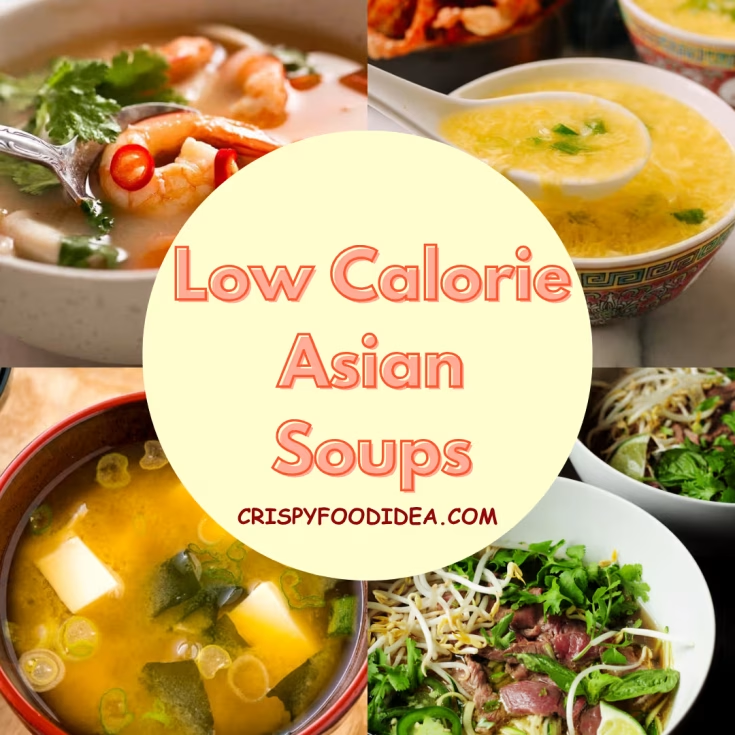
These 15 low calorie Asian soups are packed with bold flavors, nourishing ingredients, and satisfying textures while keeping calories in check. From classic Japanese miso soup and spicy Thai tom yum to healthy ramen bowls and protein-rich chicken cabbage soup, these easy recipes are perfect for weight loss, meal prep, and busy weeknight dinners.
Ingredients
- Homemade Japanese Miso Soup
- Tom Yum Soup (Thai soup)
- Vietnamese Pho With Zucchini Noodles
- Korean Kimchi Tofu Soup (Meal-for-one Recipe)
- Egg Drop Soup
- Hot and Sour Soup
- Authentic Tom Kha Gai
- Detoxing Cabbage Soup
- Wonton Soup with Vegetables
- Ginger Garlic Bok Choy Soup
- Korean Style Spicy Vegetable Tofu Soup
- Lemongrass Shrimp Soup (Tom Yum Goong)
- Napa Cabbage & Chicken Soup
- Turmeric Ginger Asian Soup
- Healthy Ramen Noodle Bowl
Instructions
- Choose any Asian soup recipe from the list above.
- Make it as per the instructions given.
- Enjoy.