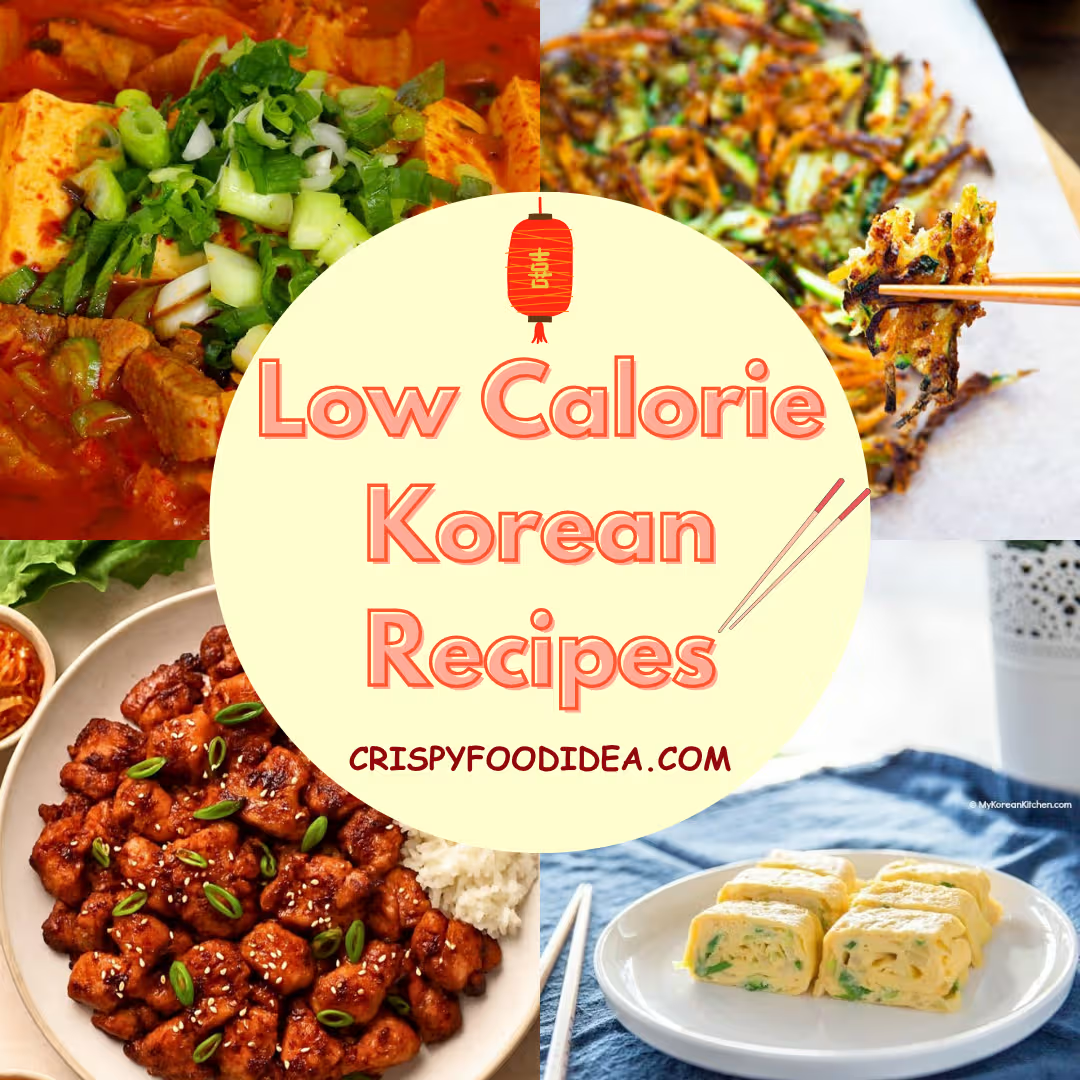
15 Low Calorie Korean Recipes For Weight Loss | Healthy & Easy Korean Meals
These days, I am surprisingly noticing that the Korean food trend is increasing in almost all countries. Small Korean food stalls and cafes are opening in different places and people are liking and appreciating the food very much. Even though I follow some strict diets in my daily life, I never like to stay away from this food trend, so I also started trying these amazing Korean recipes and chose the perfect and best low calorie Korean recipes from them.
Having tried more than a dozen healthy Korean recipes, I have selected some low calorie Korean foods that I have included in my lifestyle as well. These recipes Packed with lean protein, fresh vegetables, fermented foods, and nutrient-dense ingredients, Korean food offers some of the best options for creating satisfying weight loss meals without sacrificing flavor.
What I understand one of the biggest reasons Korean cuisine has become popular among nutrition experts is its natural balance of protein, fiber, and vegetables. Traditional ingredients like kimchi, gochujang, tofu, seaweed, cucumber, napa cabbage, and lean meats can help you create filling meals with fewer calories while still delivering incredible taste and texture. According to the Harvard T.H. Chan School of Public Health, healthy eating patterns that emphasize vegetables, lean proteins, and minimally processed foods can support long-term weight management and overall wellness.
Many people assume Korean food is only about Korean BBQ and restaurant takeout, but authentic Korean home cooking includes numerous low-calorie dinner recipes, healthy side dishes, vegetable-focused meals, and high-protein options that fit perfectly into modern nutrition goals. In fact, many traditional Korean dishes naturally align with today’s most popular eating styles, including high protein diets, heart-healthy eating, low-fat meal plans, and clean eating programs. So let’s find out more about my favorite Korean recipes that are under 300 calories.
What Is The Lowest Calorie Korean Food?
Korean cucumber salad (Oi Muchim), kimchi soup, seaweed soup, tofu bibimbap, and chicken lettuce wraps are among the lowest calorie Korean foods, typically ranging from 50–300 calories per serving while providing fiber, protein, and essential nutrients.
Related: Asian Meal Prep Recipes
📖 Table of Contents
- 🍱 15 Low Calorie Korean Recipes For Weight Loss
- 📊 Calories & Protein Comparison Chart
- 🥗 Why Korean Food Is Great For Weight Loss & Healthy Eating
- 🥬 Best Low Calorie Korean Ingredients For Healthy Cooking
- 🥡 Korean Meal Prep Guide For Weight Loss
- Healthy Korean Cooking Tips
- Japanese Recipes vs Korean Recipes: Which Is Better for Weight Loss, Health, and Everyday Cooking?
- ❓ Frequently Asked Questions
Related: Best Ramen Recipes
15 Healthy Low Calorie Korean Recipes Better Than Takeout

Easy Dak Bulgogi Recipe (Korean BBQ Chicken) – Sweet, Savory & Spicy
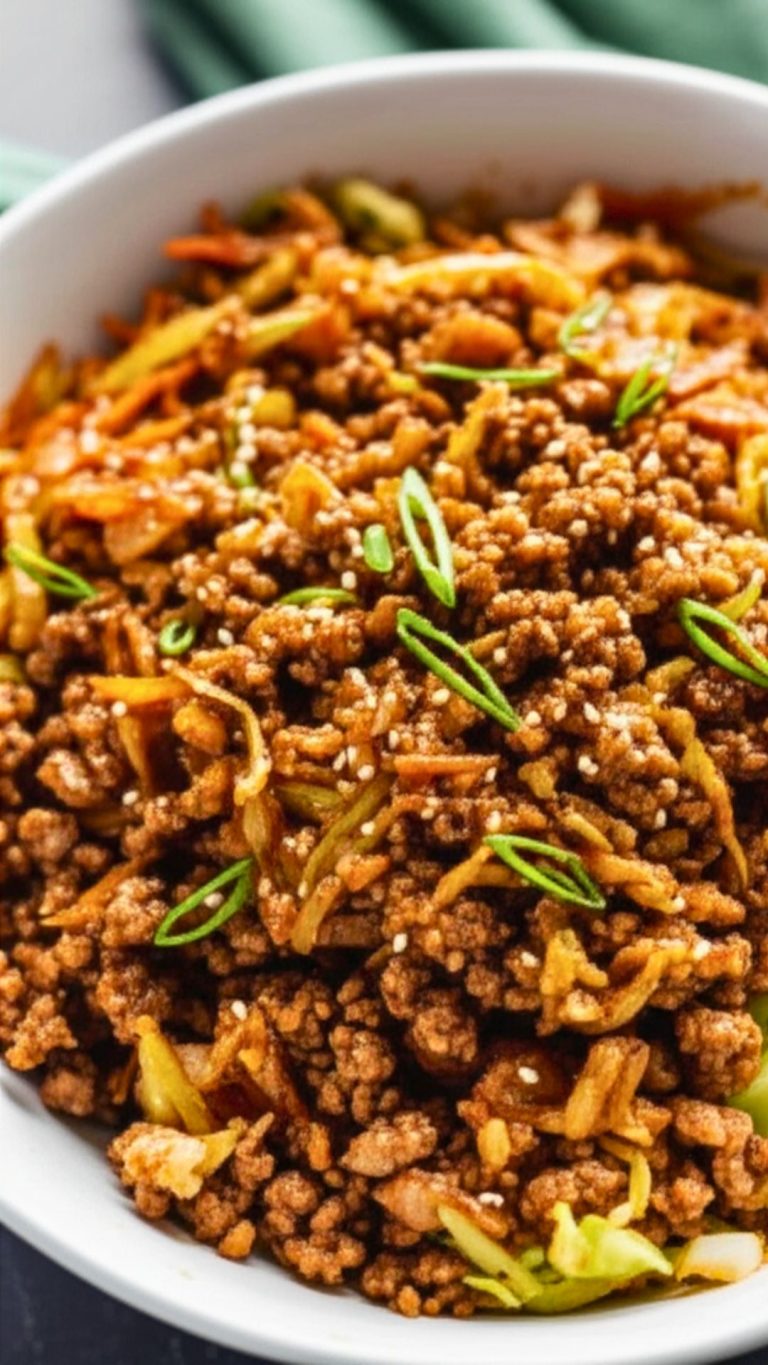
When I need a flavorful yet healthy Korean dinner, Dak Bulgogi is always one of my top choices. Unlike traditional Korean BBQ dishes that can be high in calories, this lighter version uses lean chicken breast, making it perfect for anyone looking for low calorie Korean recipes for weight loss. I love how the spicy-sweet marinade infuses the chicken with authentic Korean flavors while keeping the meal high in protein and satisfying.
One thing I've noticed is that this healthy Korean chicken recipe works exceptionally well for meal prep. I often prepare a large batch on Sundays and enjoy it throughout the week with steamed vegetables or cauliflower rice. The combination of protein and bold flavors helps curb cravings and keeps me full longer. If you're starting a Korean weight loss diet, this easy Dak Bulgogi recipe is one of the best healthy Korean meals to add to your weekly menu.
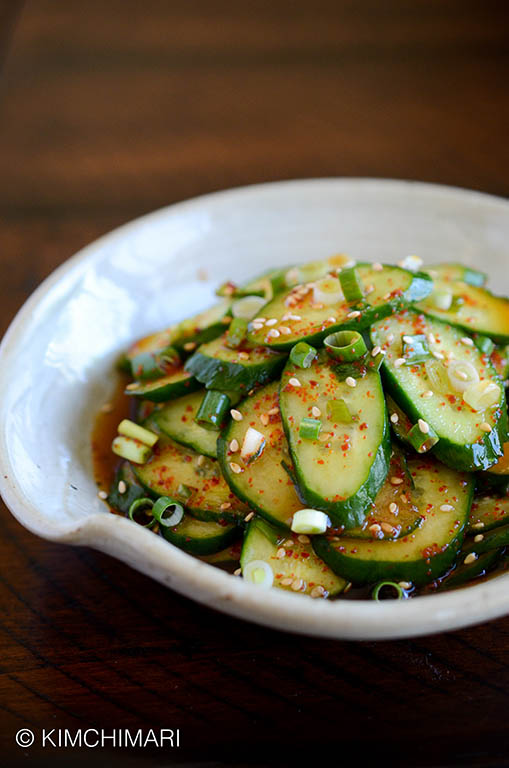
Simple Korean Cucumber Salad (Oi Muchim 오이무침)
Oi Muchim is one of the easiest low calorie Korean side dishes I make during warmer months. Fresh cucumbers are tossed with Korean seasonings to create a crunchy, refreshing salad that's packed with flavor yet incredibly light. Whenever I'm trying to stay in a calorie deficit, this healthy Korean recipe becomes a regular part of my meal plan.
What I personally love most is how quickly it comes together. In less than 10 minutes, I have a nutritious side dish that pairs beautifully with grilled chicken, tofu, or seafood. The crisp texture and spicy tang make every bite satisfying without adding unnecessary calories.
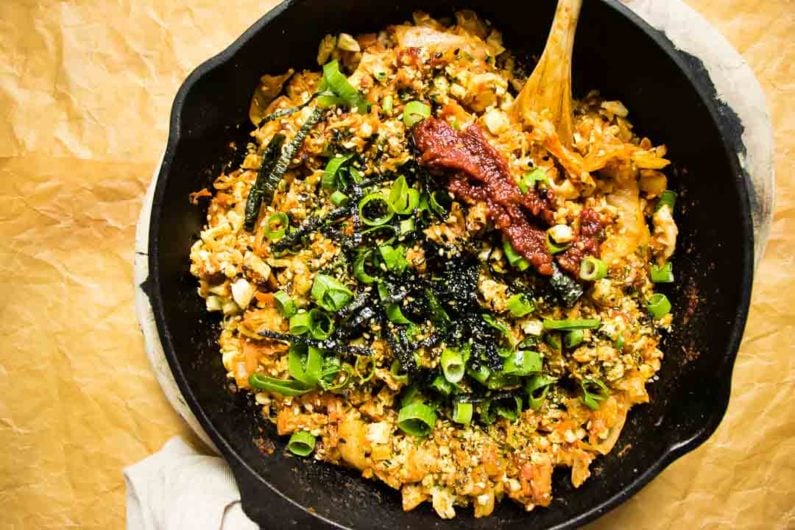
Kimchi Cauliflower Fried Rice
Kimchi Fried Cauliflower Rice is my favorite healthy alternative to traditional fried rice. Whenever I want authentic Korean flavors without consuming excess carbs, this recipe delivers perfectly. The cauliflower rice absorbs the spicy, tangy goodness of kimchi while keeping the calorie count significantly lower than regular rice-based dishes.
I've found that this low calorie Korean recipe is especially helpful during weight loss phases because it provides plenty of volume without excessive calories. Adding lean chicken, shrimp, or tofu can easily transform it into a high protein Korean meal suitable for lunch or dinner. The fermented kimchi also adds a unique depth of flavor that makes this dish incredibly satisfying. Also, it's keto friendly and Whole30.
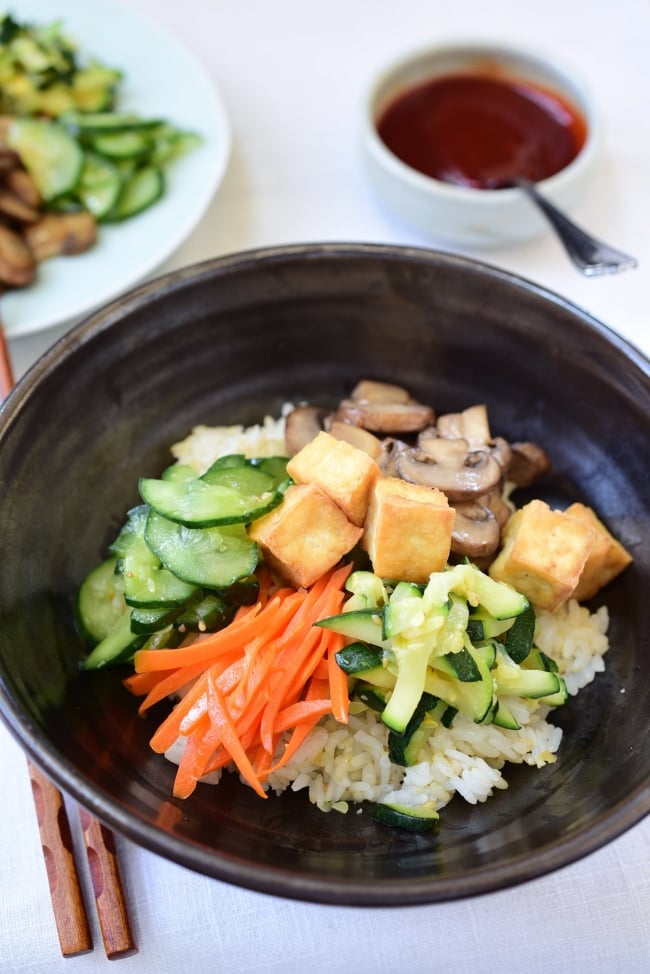
Tofu Bibimbap (Vegan Bibimbap)
As someone who enjoys plant-based meals, Korean Tofu Bibimbap is one recipe I never get tired of making. This healthy Korean bowl combines protein-rich tofu, colorful vegetables, and a flavorful gochujang sauce to create a balanced meal that's both nutritious and satisfying. It's one of the best vegetarian Korean recipes for anyone following a healthy eating plan.
What makes this dish stand out for me is its versatility. I can customize the vegetables based on what I have available while still maintaining the authentic Korean flavors. The combination of fiber, protein, and healthy nutrients makes it ideal for weight loss meal prep and calorie-conscious eating. Whenever I'm craving comfort food without the guilt, this low calorie bibimbap is my go-to choice. It's filling, vibrant, and proof that healthy Korean food can be incredibly delicious.
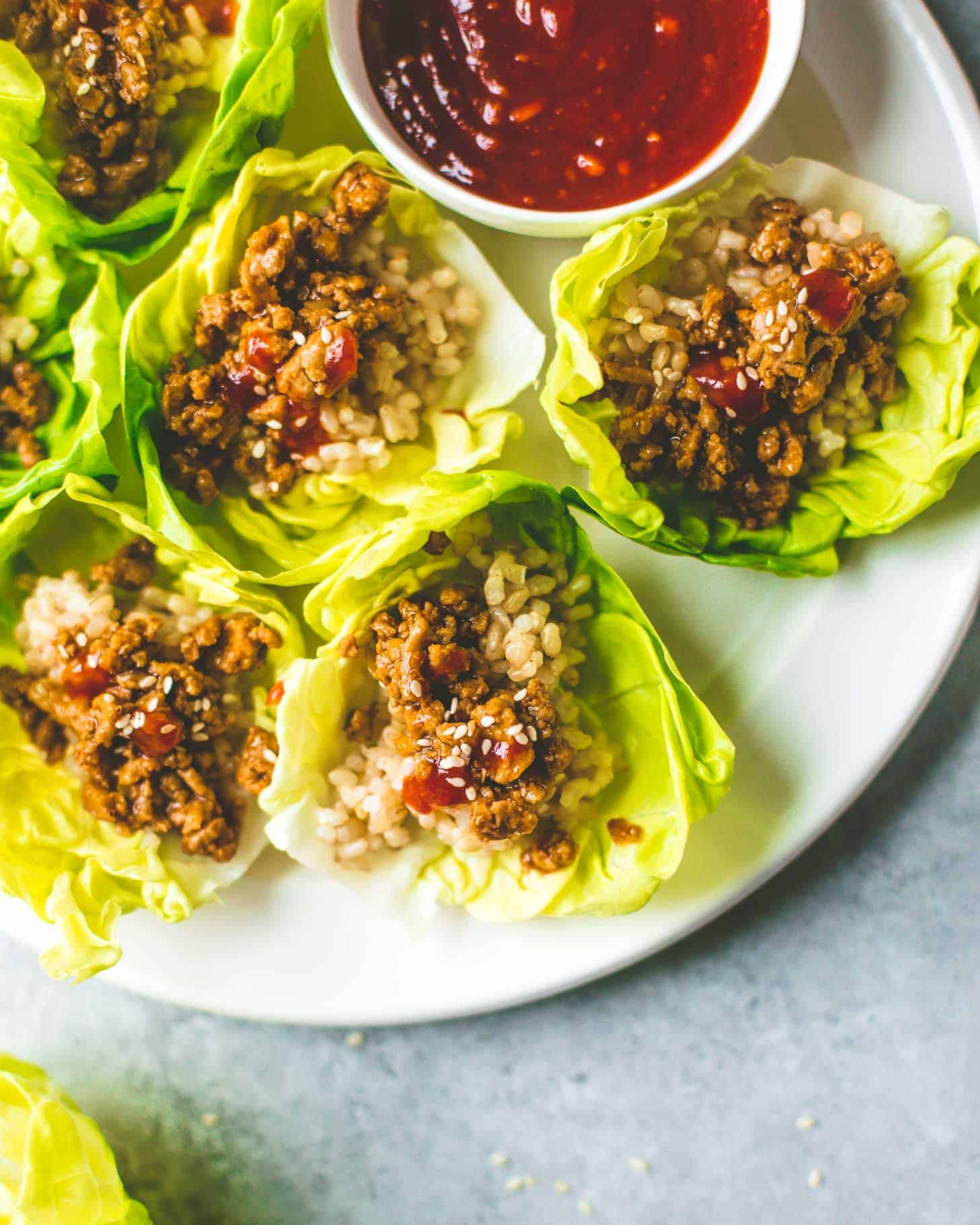
Korean Chicken Lettuce Wraps
Korean Chicken Lettuce Wraps are one of my favorite low carb Korean recipes because they deliver incredible flavor while keeping calories under control. Instead of serving the seasoned chicken with rice, I wrap it in crisp lettuce leaves, creating a lighter meal that's perfect for healthy lunches or quick weeknight dinners.
I often recommend this recipe to friends who want to enjoy Korean food while staying on track with their weight loss goals. The lean chicken provides plenty of protein, while the fresh vegetables add crunch, fiber, and nutrients. Every bite feels satisfying without being heavy. For meal prep, I store the chicken separately and assemble the wraps when ready to eat.
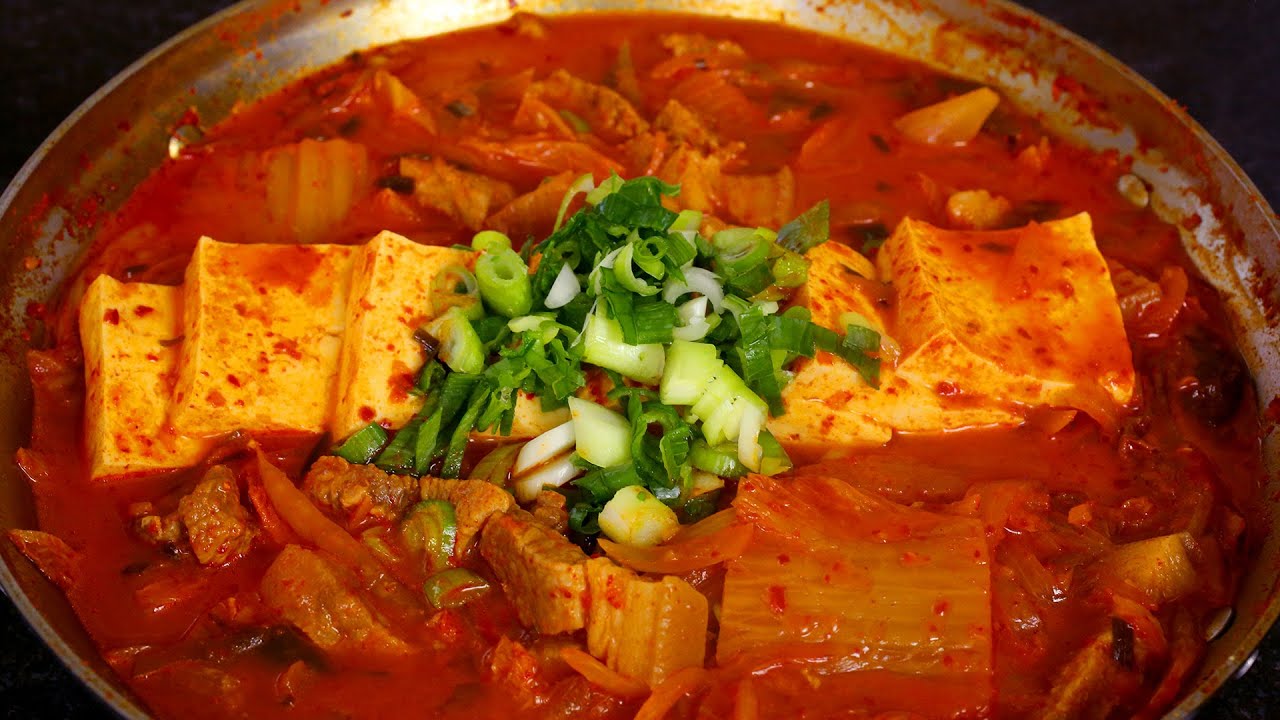
Spicy Kimchi Soup (Kimchi Jjigae)
Sometimes I try this Spicy Kimchi Soup for dinner, because it's a complete meal that keeps me full for quite some time. This traditional Korean soup is packed with fermented kimchi, vegetables, and protein-rich ingredients like tofu or lean chicken, making it a fantastic choice for healthy eating and weight loss. Despite its rich flavor, it's surprisingly light and fits perfectly into a calorie deficit meal plan.
What I personally enjoy most is how satisfying this soup feels without being heavy. The spicy broth warms you up and helps curb cravings, especially during colder months. I often prepare a large batch because the flavors become even better the next day. For low calorie Korean recipes, healthy soup recipes, or gut-friendly meals, this kimchi soup is an excellent addition to your weekly menu. Also, the probiotics from kimchi may support digestive health and overall wellness.

Korean Egg Roll (Gyeran Mari)
This Korean egg roll is very different from the traditional egg roll we eat, also known as egg frankies. Korean Egg Roll, also known as Gyeran Mari, is one of my favorite high protein Korean breakfast recipes. Made with eggs and colorful vegetables, it's simple, nutritious, and incredibly versatile. Whenever I need a quick breakfast or healthy snack, this recipe never disappoints. It's naturally low in carbohydrates and provides lasting energy throughout the day.
I love preparing these egg rolls ahead of time because they're perfect for meal prep and portable lunches. The fluffy texture combined with crunchy vegetables creates a delicious contrast in every bite. Sometimes I add spinach, bell peppers, or green onions for extra nutrients and flavor. It's an easy way to increase protein intake while enjoying authentic Korean flavors.
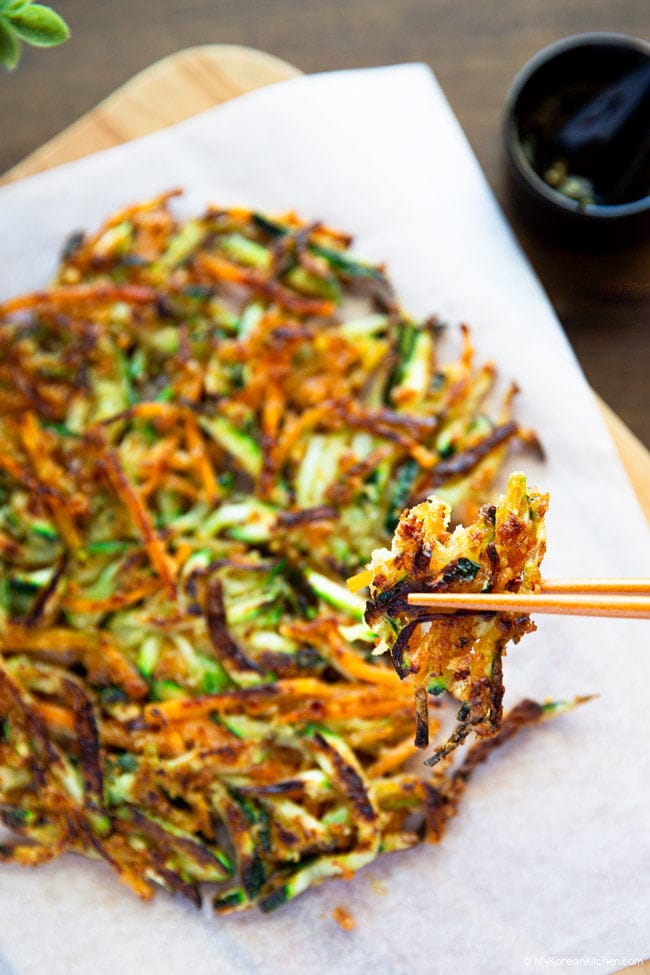
Crispy Korean Zucchini Pancakes (Hobakchae Jeon)
This particular dish is one of my absolute favorite Korean appetizers—so much so that I don't limit it to just an appetizer; I often enjoy it for breakfast as well. Whenever I have fresh zucchini on hand, Korean Zucchini Pancakes quickly become one of my favorite healthy Korean appetizers. Unlike traditional pancakes, these savory vegetable pancakes are lighter, lower in calories, and packed with nutrients. They offer a wonderful combination of crispy edges and tender centers that makes them incredibly satisfying.
I particularly enjoy serving them as a healthy side dish alongside grilled chicken or tofu. The zucchini provides fiber and essential vitamins while keeping the calorie count low. For an even healthier version, I often cook them with minimal oil or use an air fryer. It's simple, delicious, and ideal for anyone following a healthy meal plan. You can also feel free to add other vegetables of your choice to this dish.
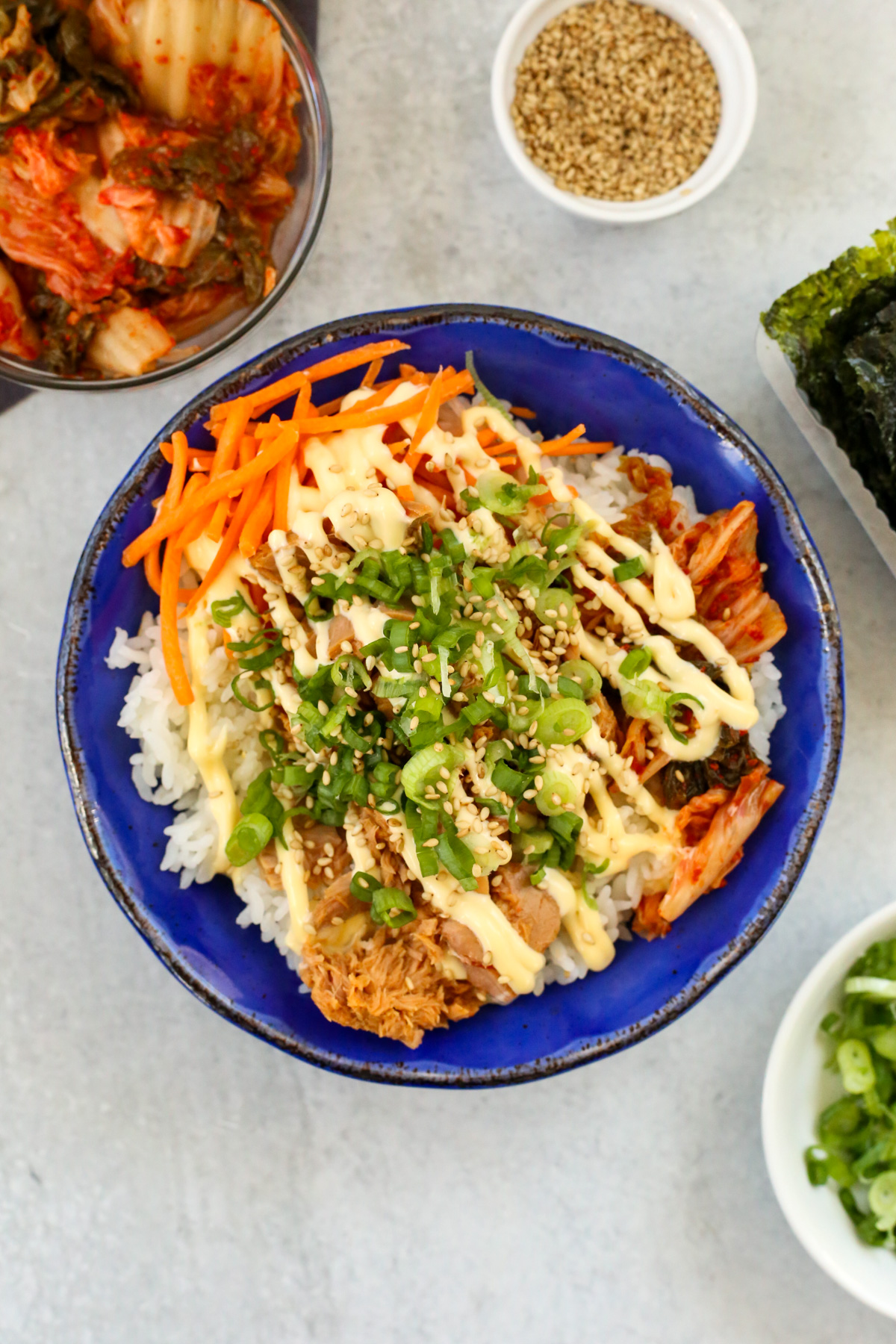
Korean Tuna Rice Bowl (Chamchi Deopbap) Recipe
The Korean Tuna Rice Bowl is one of my favorite quick lunches when I need something nutritious, filling, and easy to prepare. I sometimes take it to my office tiffin too. Tuna is naturally high in protein and relatively low in calories, making this bowl an excellent option for weight loss meal prep and healthy eating. Combined with vegetables and a light Korean-inspired sauce, it creates a balanced meal that supports long-term health goals.
What I appreciate most is how customizable this recipe can be. I often swap white rice for brown rice or cauliflower rice depending on my nutrition goals. The protein helps keep me full for hours, reducing unnecessary snacking throughout the day. For healthy lunch recipes, high protein Korean meals, or easy meal prep ideas, this Korean Tuna Rice Bowl is definitely worth trying. It's flavorful, budget-friendly, and incredibly satisfying.
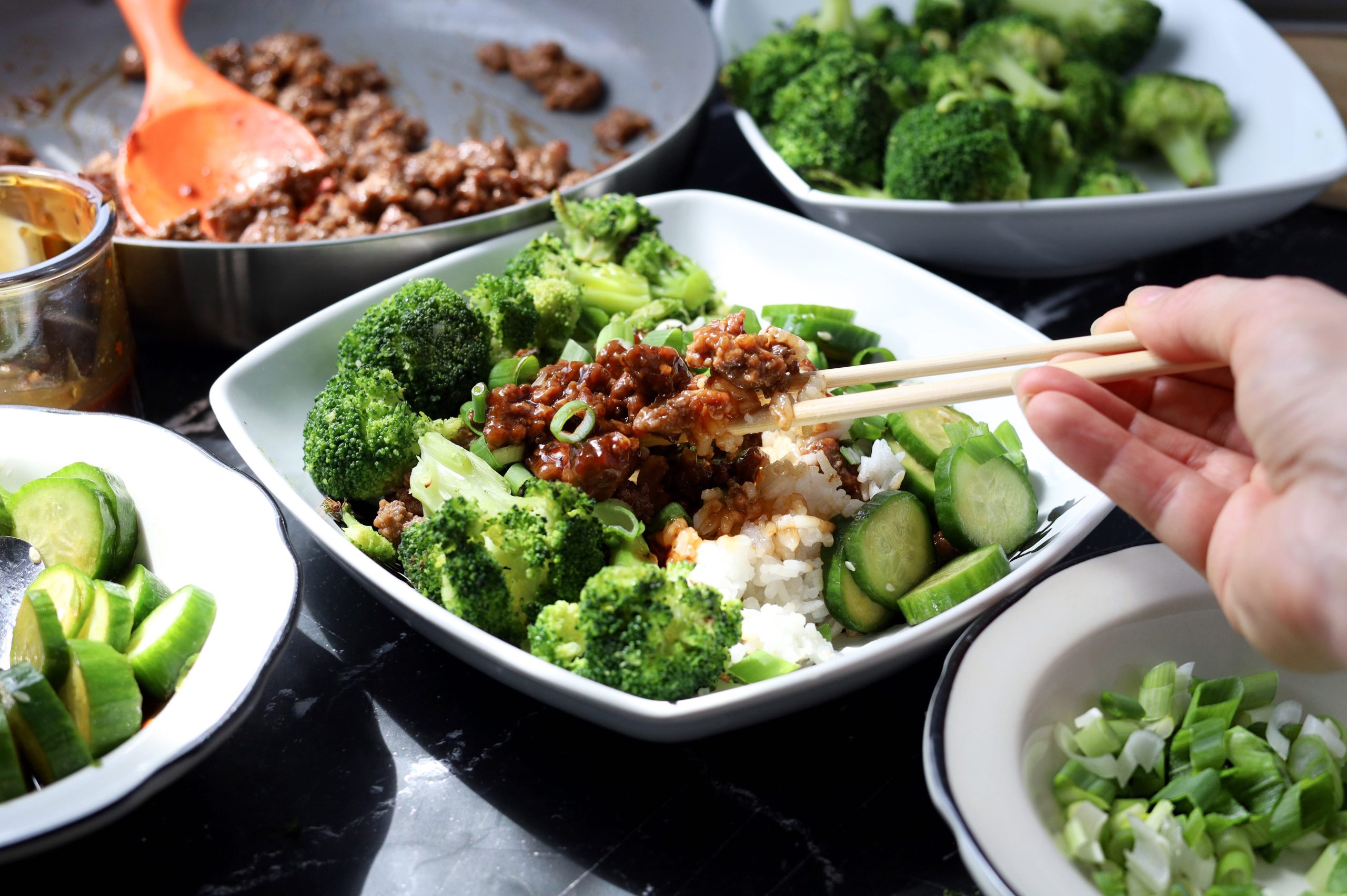
Korean Beef and Broccoli Bowls
Whenever I crave a restaurant-style meal that also aligns with a healthy lifestyle, I often prepare a Korean Beef and Broccoli Bowl. By utilizing lean beef and plenty of broccoli, this dish creates a high-protein, nutrient-packed dinner that satisfies my cravings while keeping calorie intake in check. A delicious Korean-style sauce ties everything together beautifully, without the need for excessive sugar or oil.
I find this recipe particularly well-suited for meal prep, as it stores exceptionally well and remains delicious even after reheating. The broccoli contributes fiber and essential nutrients, while the beef provides protein—a key element for preserving muscle mass during weight loss. It is one of those recipes that offers a deeply satisfying dining experience while simultaneously supporting your fitness and nutritional goals.
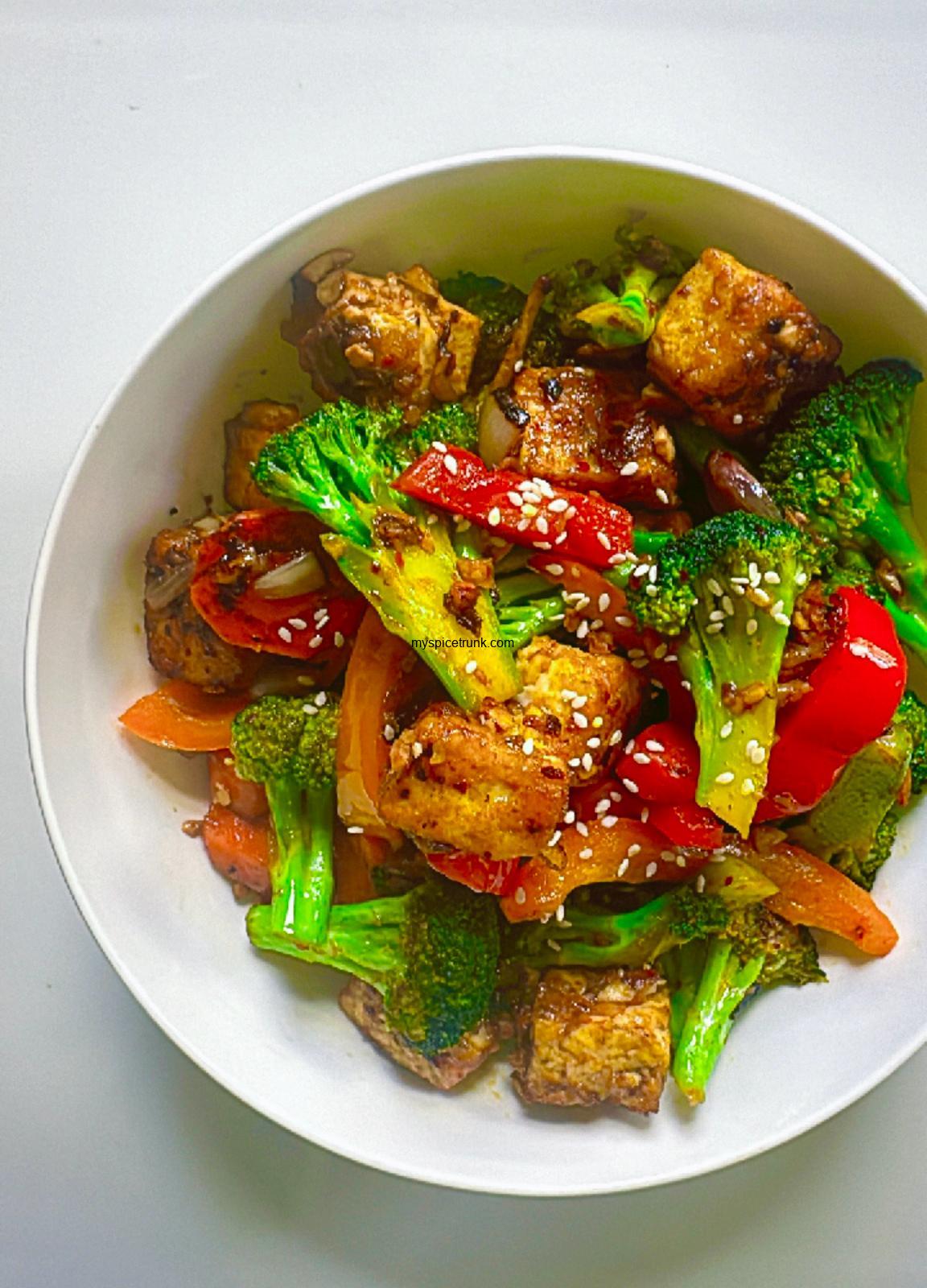
Korean Tofu Stir Fry
Korean Tofu Stir Fry is one of my go-to vegetarian Korean recipes whenever I want a nutritious and satisfying plant-based meal. Tofu absorbs Korean seasonings beautifully, creating a dish that's rich in flavor while remaining low in calories. Combined with colorful vegetables, this recipe delivers protein, fiber, and essential nutrients in every serving.
One reason I keep coming back to this recipe is its versatility. I can use whatever vegetables are available and still achieve excellent results. It's perfect for healthy meal prep, busy weeknights, or anyone following a plant-based diet. It's simple, budget-friendly, and packed with nutrition that supports overall wellness and weight management.
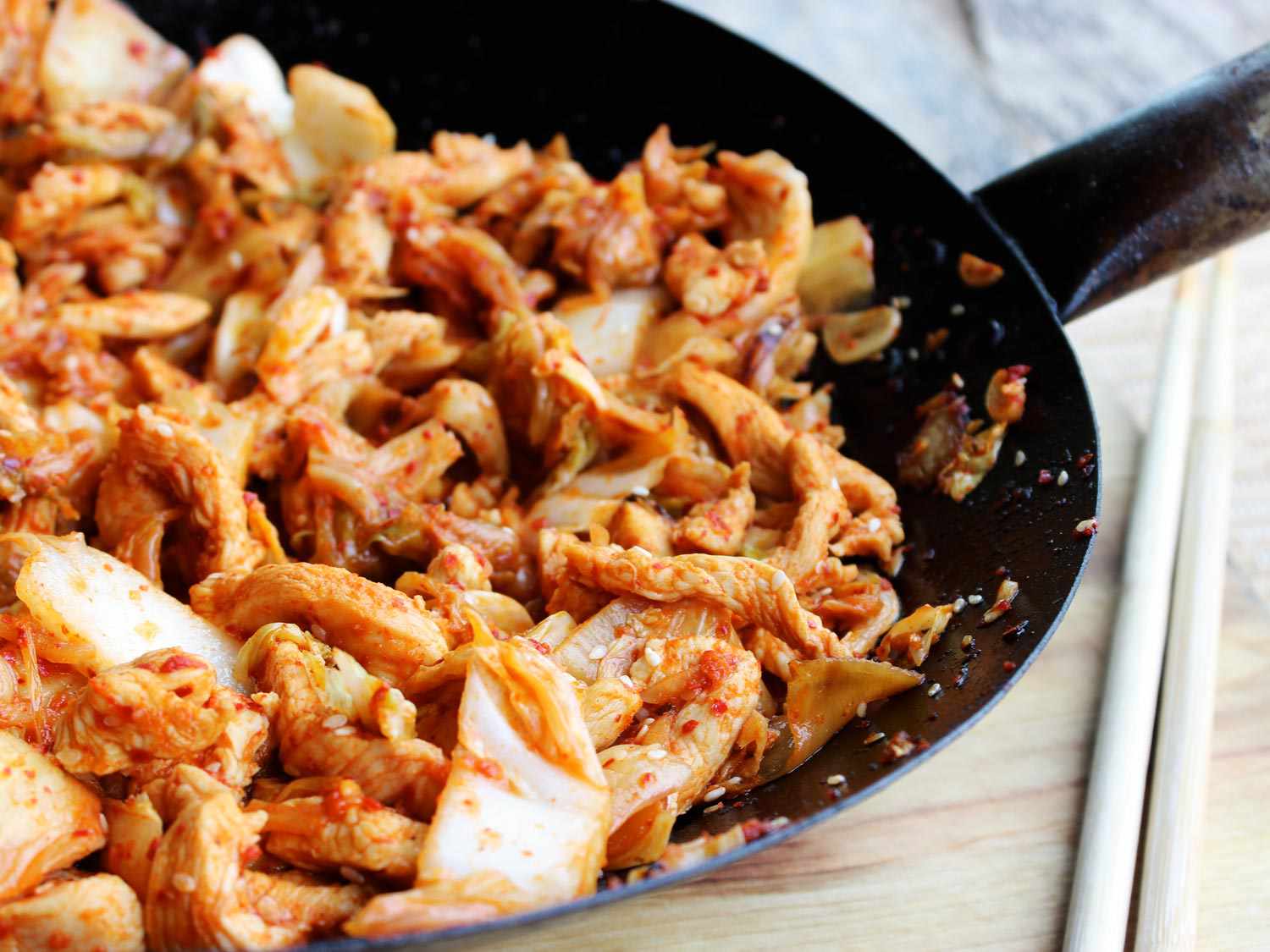
Kimchi, Chicken, and Cabbage Stir-Fry
Among the healthy Korean recipes I enjoy, the Korean Chicken and Cabbage Stir-fry stands out—though it is a dish that often goes underappreciated. The combination of lean chicken breast and nutrient-rich cabbage creates a truly satisfying meal that is naturally low in calories and high in protein. Whenever I focus on weight loss, this recipe becomes a regular fixture in my weekly meal rotation.
What makes this dish unique is its ability to provide a substantial portion of food without the burden of excess calories. The cabbage contributes fiber, which helps keep me feeling full for longer, while the chicken provides satisfying protein. For a balanced meal, I often serve it either on its own or alongside a small portion of brown rice.
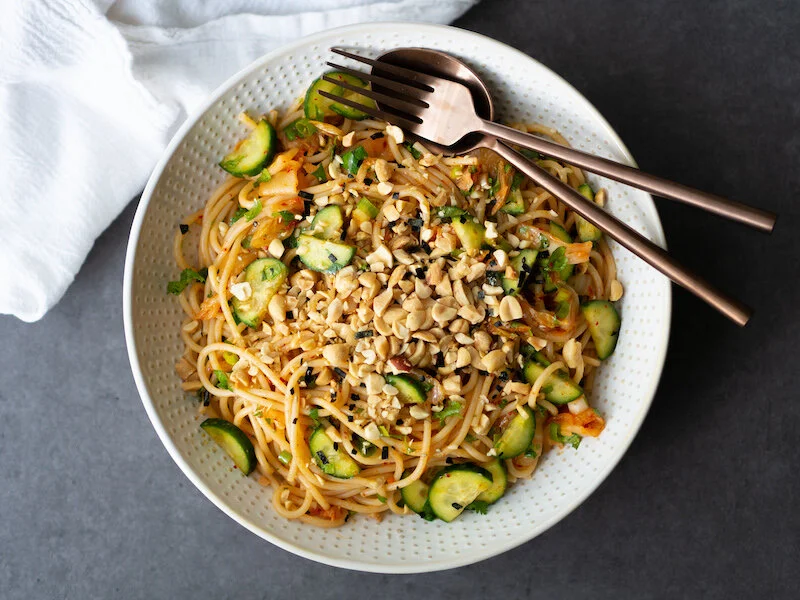
Kimchi Noodle Salad Recipe
During the summer months, Kimchi Cucumber Noodle Salad is one of my favorite refreshing Korean-inspired dishes. Using spiralized cucumber noodles instead of traditional noodles dramatically reduces calories while still providing a satisfying texture. Combined with spicy kimchi and fresh vegetables, this salad is light, flavorful, and perfect for healthy eating.
I love how quickly this recipe comes together, making it ideal for busy days when I need a nutritious meal without much effort. The cucumber provides hydration and crunch, while kimchi contributes bold flavor and beneficial probiotics. It also has anti-inflammatory properties that make this salad a fantastic option. It's colorful, refreshing, and perfect for anyone trying to maintain a healthy lifestyle.
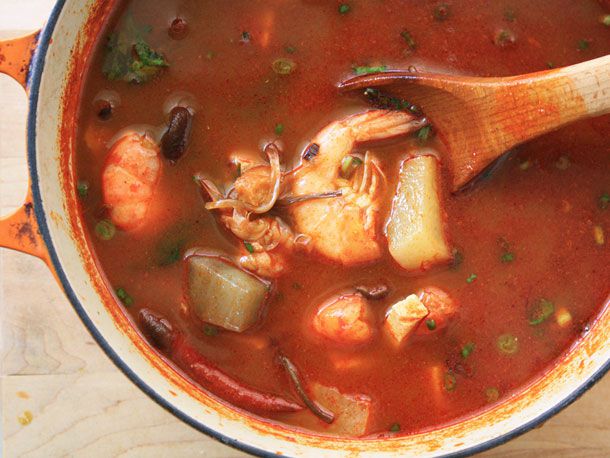
Spicy Korean Seafood Soup Recipe
Korean Seafood Soup is one of the healthiest Korean meals I regularly make because it's packed with lean protein and nutrient-rich ingredients. Shrimp, fish, and other seafood provide essential nutrients while keeping calories relatively low. The flavorful broth makes the dish feel comforting and satisfying without becoming heavy.
Personally, I enjoy this recipe after workouts because it provides high-quality protein while remaining easy to digest. The vegetables add fiber and important vitamins, creating a balanced meal that supports overall wellness. It's warm, nourishing, and a wonderful alternative to heavier comfort foods.
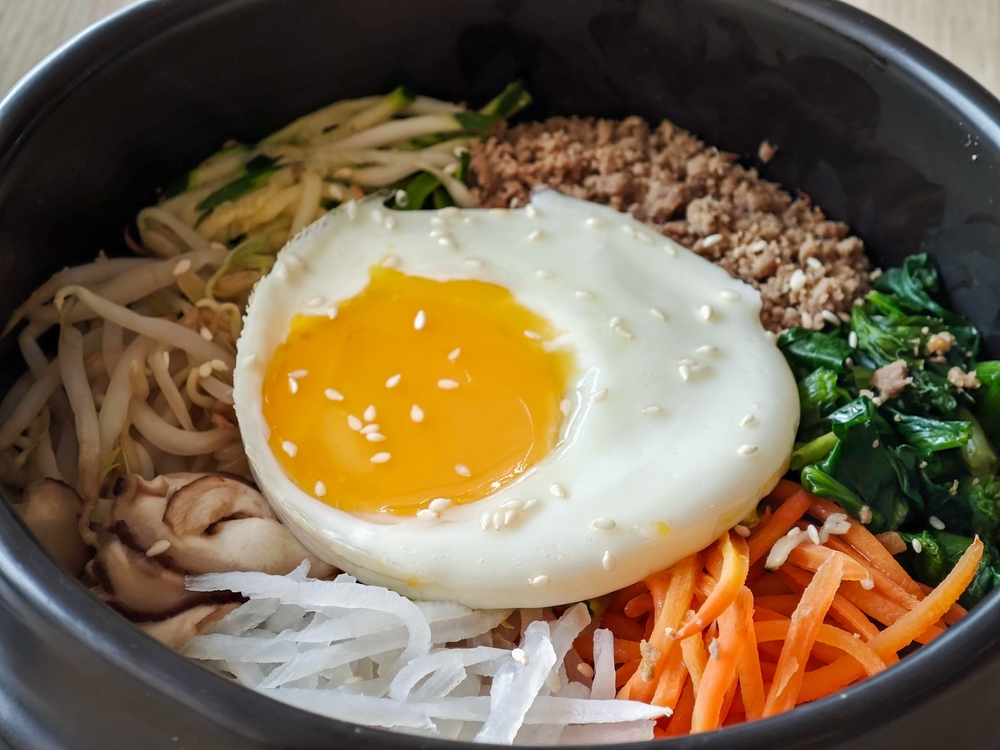
Low Calorie Korean Bibimbap Recipe
I first tried this recipe 2-4 times at a Korean cafe, but since then I've been making it in my kitchen whenever I feel like it. The Low Calorie Bibimbap Bowl is one of my absolute favorite healthy Korean recipes because it combines everything I love about Korean food in a lighter, more nutritious package. By increasing the vegetables and reducing the rice portion, this version delivers authentic flavors while supporting weight loss goals and healthy eating habits.
What I appreciate most is the balance of textures and nutrients. Each bowl contains colorful vegetables, lean protein, and a flavorful gochujang sauce that ties everything together beautifully. I often make this recipe for meal prep because it's easy to customize and stays fresh throughout the week.
Related: Japchae Recipe (Korean Glass Noodles Stir-Fry)
Calories & Protein Comparison Table: Best Low Calorie Korean Recipes for Weight Loss
If you’re trying to build a healthy calorie deficit meal plan, understanding the calorie and protein content of your meals can make a huge difference. The table below compares some of the best low calorie Korean recipes, helping you choose nutritious meals that support weight loss, muscle maintenance, meal prep, healthy eating, and high protein diets.
In general, recipes with higher protein and moderate calories can help improve satiety, reduce cravings, and support sustainable fat loss.
| Recipe | Calories | Protein | Best For |
|---|---|---|---|
| Dak Bulgogi (Korean BBQ Chicken) | 250 | 30g | High Protein Dinner |
| Korean Cucumber Salad (Oi Muchim) | 50 | 1g | Low Calorie Side Dish |
| Kimchi Fried Cauliflower Rice | 170 | 9g | Keto Meal Prep |
| Korean Tofu Bibimbap | 280 | 18g | Vegetarian Lunch |
| Korean Chicken Lettuce Wraps | 210 | 24g | Low Carb Dinner |
| Spicy Kimchi Soup | 110 | 8g | Healthy Comfort Food |
| Korean Egg Roll (Gyeran Mari) | 140 | 12g | High Protein Breakfast |
| Korean Zucchini Pancakes | 160 | 7g | Healthy Snack |
| Korean Tuna Rice Bowl | 290 | 25g | Meal Prep Lunch |
| Korean Beef & Broccoli Bowl | 320 | 28g | Protein Rich Dinner |
| Korean Tofu Stir Fry | 220 | 16g | Vegetarian Meal Prep |
| Korean Chicken Cabbage Stir Fry | 230 | 27g | Weight Loss Dinner |
| Kimchi Cucumber Noodle Salad | 180 | 6g | Healthy Summer Meal |
| Korean Seafood Soup | 190 | 22g | Low Fat High Protein Meal |
| Low Calorie Bibimbap Bowl | 270 | 20g | Balanced Weight Loss Meal |
Suggested: Cheap High Protein Dinner Recipes
Why Korean Food Can Help With Weight Loss
Did you know that traditional Korean cuisine is naturally rich in vegetables, lean proteins, fermented foods, and nutrient-dense ingredients, which help keep you full for longer while consuming fewer calories? Unlike many highly processed foods, healthy Korean recipes emphasize balance, moderation, and natural ingredients, making them an excellent choice for anyone following a weight loss meal plan or calorie-restricted diet.
Many healthy Korean meals are naturally high in protein, fiber, vitamins, and minerals, while being relatively low in calories. This combination helps reduce appetite, support metabolism, and make long-term weight management easier. Also, many traditional Korean dishes feature high-fiber vegetables, which may help increase satiety and support healthy weight loss goals.
🥬 High in Vegetables and Fiber
Korean meals often include cabbage, cucumber, radish, spinach, mushrooms, zucchini, bean sprouts, and leafy greens. These low calorie vegetables provide fiber that promotes fullness, supports digestion, and helps reduce unnecessary snacking throughout the day.
🍗 Rich in Lean Protein
Many high protein Korean recipes use chicken breast, eggs, seafood, tofu, and lean cuts of beef. Protein helps preserve muscle mass, increases satiety, and supports healthy weight loss while keeping calorie intake under control.
🥢 Naturally Portion-Friendly
Traditional Korean meals are often served with multiple small side dishes known as banchan. This encourages mindful eating and portion control while allowing you to enjoy a variety of flavors without overeating.
🌶️ Flavor Without Excess Calories
Korean cuisine relies on garlic, ginger, gochugaru, sesame seeds, scallions, and fermented ingredients to create bold flavors. These ingredients add depth and satisfaction without relying heavily on butter, cream, or excessive oil.
🥗 Excellent for Meal Prep
Many Korean dishes store well in the refrigerator, making them ideal for healthy meal prep recipes. Preparing meals ahead of time can reduce unhealthy food choices and support consistent nutrition goals.
🦠 Fermented Foods Support Gut Health
Popular ingredients such as kimchi contain beneficial bacteria that support gut health. A healthy digestive system may contribute to better nutrient absorption and overall wellness, making fermented foods a valuable addition to a balanced diet.
Quick Summary: Why Healthy Korean Food Is Great for Weight Loss
- Low calorie yet highly satisfying meals
- High protein ingredients help control hunger
- Fiber-rich vegetables support digestion
- Excellent options for healthy meal prep
- Many dishes are naturally nutrient-dense
- Supports calorie deficit and weight management goals
- Offers flavorful alternatives to processed foods
To lose weight, cultivate healthier eating habits, or simply enjoy more nutritious meals, adding low calorie Korean food into your daily routine can be a smart and delicious strategy. The recipes below strike a perfect balance between authentic Korean flavors and wholesome ingredients, resulting in dishes that are satisfying, nutritious, and easy to prepare right at home.
Related: Weight Loss Meal Prep Recipes
Best Low Calorie Korean Ingredients for Healthy Weight Loss Meals
One of the biggest reasons why low calorie Korean recipes are so popular for weight loss, healthy meal prep, and high-protein eating is their reliance on nutrient-dense ingredients. Traditional Korean cooking focuses heavily on vegetables, lean proteins, fermented foods, and flavorful seasonings that add incredible taste without excessive calories.
What Are the Healthiest Low Calorie Korean Ingredients?
The healthiest low calorie Korean ingredients include kimchi, napa cabbage, cucumber, tofu, chicken breast, seaweed, zucchini, mushrooms, gochujang, and konjac noodles. These ingredients are commonly used in healthy Korean recipes because they provide protein, fiber, probiotics, and essential nutrients while remaining naturally low in calories.
🥬 Kimchi
Kimchi is one of Korea’s most famous fermented foods and a staple ingredient in many healthy Korean recipes. Rich in probiotics, fiber, and antioxidants, kimchi supports digestive health and adds bold flavor with very few calories.
- Approximately 15-25 calories per serving
- Supports gut health
- Excellent for meal prep recipes
- Perfect for low calorie lunches and dinners
🥒 Korean Cucumber
Cucumber is widely used in Korean salads and side dishes because it is hydrating, refreshing, and extremely low in calories. It provides fiber while helping create satisfying meals for weight loss.
- Only 8-15 calories per serving
- High water content
- Naturally low carb
- Ideal for healthy snacks
🥬 Napa Cabbage
Napa cabbage is a cornerstone of Korean cuisine and the primary ingredient in kimchi. It’s rich in vitamin C, vitamin K, and fiber while remaining incredibly low in calories.
- Low calorie vegetable
- Excellent for soups and stir-fries
- Supports healthy digestion
- Budget-friendly ingredient
🌶️ Gochujang
Gochujang is Korea’s famous fermented chili paste that delivers sweet, spicy, and savory flavor. A small amount goes a long way, making it a smart ingredient for creating satisfying low calorie meals.
- Bold flavor enhancer
- Used in bibimbap and marinades
- Helps reduce reliance on high-calorie sauces
- Perfect for healthy Korean meal prep
🍗 Chicken Breast
Lean chicken breast is one of the best high-protein ingredients for creating healthy Korean dinners. It’s commonly used in Korean chicken bowls, lettuce wraps, and meal prep recipes.
- High protein, low fat
- Supports muscle maintenance
- Ideal for calorie deficit diets
- Excellent for weight loss meals
🧊 Tofu
Tofu is a versatile plant-based protein frequently found in Korean soups, bibimbap bowls, and stir-fries. It’s naturally low in calories while providing important nutrients and protein.
- Vegetarian protein source
- Heart-healthy option
- Low calorie and filling
- Perfect for meatless meals
🌊 Seaweed
Seaweed is nutrient-dense and extremely low in calories. Korean cuisine often uses seaweed in soups, rice rolls, and side dishes for added minerals and flavor.
- Rich in iodine and minerals
- Very low calorie
- Supports healthy eating plans
- Great for nutrient density
🍜 Konjac Noodles
Konjac noodles are becoming increasingly popular among people seeking low calorie, low carb, and keto-friendly Korean meals. They contain very few calories while helping create filling dishes.
- Low calorie alternative to noodles
- High fiber content
- Keto-friendly option
- Supports weight management goals
🍄 Mushrooms
Mushrooms add umami flavor, texture, and nutrition to Korean soups, bowls, and stir-fries. They help create satisfying meals without adding many calories.
- Low calorie vegetable
- Rich in antioxidants
- Great meat substitute
- Supports healthy meal prep
Expert Tip for Healthier Korean Cooking
For the best low calorie Korean meals, focus on filling half your plate with vegetables like cabbage, cucumber, mushrooms, and seaweed, while using lean proteins such as chicken breast or tofu. This simple strategy helps increase satiety, boost protein intake, and reduce overall calories without sacrificing flavor.
Related: Vegetarian Meal Prep Recipes
Meal Prep Guide From Me For Korean Weight Loss Meals
Over the years, I’ve found that preparing healthy Korean meals in advance makes it much easier to stay consistent with a calorie deficit, hit daily protein goals, and avoid unhealthy takeout. Most traditional Korean recipes naturally include lean proteins, fresh vegetables, fermented foods, and nutrient-dense ingredients that support long-term weight management.
My Favorite High Protein Korean Meal Prep Proteins
Chicken Breast
Lean, affordable, and ideal for Korean BBQ chicken bowls, lettuce wraps, and stir fries. One of the best protein sources for weight loss meal prep.
Extra Firm Tofu
A healthy plant-based protein that works perfectly in bibimbap bowls, soups, and Korean stir fry recipes.
Tuna & Seafood
Rich in protein and naturally low in calories, making them excellent for healthy Korean lunch recipes.
Lean Beef
Use in moderation for Korean beef bowls and high protein meal prep recipes without excess calories.
Best Low Calorie Korean Vegetables For Meal Prep
Vegetables are the foundation of healthy Korean cooking. They add volume to meals without significantly increasing calories.
- Napa cabbage
- Cucumber
- Spinach
- Zucchini
- Bean sprouts
- Mushrooms
- Broccoli
- Carrots
- Seaweed
- Bok choy
Healthy Korean Carbohydrates For Energy
Carbohydrates are not the enemy when you’re trying to lose weight. Choosing the right portions can help fuel workouts, improve energy levels, and prevent cravings.
| Carb Source | Why It’s Healthy |
|---|---|
| Brown Rice | High in fiber and keeps you fuller longer. |
| Cauliflower Rice | Low calorie alternative for weight loss meals. |
| Sweet Potato | Nutrient-dense and naturally satisfying. |
| Konjac Noodles | Extremely low calorie and low carb. |
| Mixed Grain Rice | Provides sustained energy and extra nutrients. |
My Weekly Korean Weight Loss Meal Prep Plan
How I Store Korean Meal Prep For Maximum Freshness
- Store meals in airtight glass containers.
- Keep sauces separate until serving.
- Consume seafood meals within 2 days.
- Chicken and tofu meals stay fresh for 3-4 days.
- Freeze cooked proteins for longer storage.
- Prep vegetables separately to maintain texture.
Expert Tips For Faster Weight Loss Success
- Prioritize protein at every meal.
- Fill half your plate with vegetables.
- Limit added sugars in sauces.
- Use low sodium ingredients whenever possible.
- Track calories if your goal is fat loss.
- Stay hydrated throughout the day.
- Prepare meals in batches to avoid unhealthy food choices.
Following a healthy Korean meal prep routine can help you stay consistent with your nutrition goals while still enjoying flavorful meals. Always follow safe food storage guidelines when preparing meals in advance. By combining high protein foods, low calorie vegetables, healthy carbohydrates, and portion control, you can build a sustainable eating plan that supports weight loss, muscle maintenance, and overall wellness.
Related: Chicken Meal Prep Recipes
Healthy Korean Cooking Tips I Follow for Delicious Low-Calorie Meals
One of the biggest reasons I love making healthy Korean recipes at home is that they are naturally packed with vegetables, lean protein, fermented foods, and bold flavors without relying on excessive calories. Over the years, I’ve developed a few simple habits that help me enjoy authentic Korean flavors while supporting my goals for weight loss, meal prep, and healthy eating.
Prioritize Lean Protein Sources
I build most Korean meals around chicken breast, lean beef, tofu, eggs, shrimp, and fish. These ingredients increase satiety, support muscle maintenance, and help create high protein Korean recipes that keep me full for longer while staying within a calorie deficit.
Fill Half the Plate with Vegetables
Traditional Korean cuisine naturally includes a variety of vegetables such as napa cabbage, cucumbers, zucchini, spinach, mushrooms, bean sprouts, and radishes. Increasing vegetable portions adds fiber, nutrients, and volume without significantly increasing calories.
Use Gochujang in Moderation
Gochujang adds incredible flavor to Korean dishes, but many store-bought varieties contain added sugar. I use moderate amounts to enjoy authentic taste while keeping calories and sugar intake under control.
Choose Brown Rice or Cauliflower Rice
For healthy Korean bowls and bibimbap recipes, I often swap white rice for brown rice or cauliflower rice. This simple change increases fiber and helps create more balanced low calorie dinner recipes.
Take Advantage of Fermented Foods
Kimchi is one of my favorite ingredients because it provides bold flavor with very few calories. Fermented foods may also support digestive health and help diversify the gut microbiome.
Reduce Excess Cooking Oil
Instead of deep frying, I prefer grilling, steaming, baking, air frying, or stir-frying with minimal oil. This dramatically lowers the calorie content of many Korean comfort foods.
Watch Sodium Levels Carefully
Soy sauce, kimchi, and fermented condiments can be high in sodium. I often choose reduced-sodium options and balance meals with fresh vegetables to create more heart-healthy Korean recipes.
Meal Prep Korean Ingredients in Advance
Having pre-cooked chicken, chopped vegetables, cauliflower rice, and homemade sauces ready makes it easier to prepare healthy Korean meals throughout the week and avoid unhealthy takeout choices.
Increase Protein at Every Meal
Whether I’m making bibimbap, lettuce wraps, soups, or stir-fries, I always include a quality protein source. This strategy helps support weight management and makes meals more satisfying.
Focus on Nutrient-Dense Whole Foods
My goal is to prioritize minimally processed ingredients whenever possible. Whole foods provide vitamins, minerals, fiber, and protein that support long-term healthy eating habits and sustainable weight loss.
My Healthy Korean Cooking Philosophy
The secret to creating healthy Korean food isn’t eliminating traditional ingredients—it’s balancing them wisely. By focusing on vegetables, lean protein, fermented foods, portion control, and smart cooking methods, you can enjoy flavorful Korean dishes that support weight loss, meal prep, heart health, and overall wellness without sacrificing taste.
Related: Korean BBQ Steak Recipe
Japanese Recipes vs Korean Recipes: Which Is Better for Weight Loss, Health, and Everyday Cooking?
Here are my thoughts on Japanese recipes or Korean recipes, which one is better. Both cuisines are Asian Recipes & packed with fresh ingredients, lean proteins, vegetables, and flavorful seasonings, making them excellent options for healthy eating, meal prep, and calorie-conscious diets. However, each cuisine has unique strengths. Japanese food is often known for simplicity, seafood, and minimal seasoning, while Korean food is celebrated for bold flavors, fermented foods, high-protein meals, and satisfying low-calorie dishes.
| Category | Japanese Recipes | Korean Recipes |
|---|---|---|
| Average Calories | Generally Lower | Moderate |
| Protein Content | High (Fish & Seafood) | High (Chicken, Beef, Tofu) |
| Weight Loss Friendly | Excellent | Excellent |
| Meal Prep Friendly | Good | Excellent |
| Fermented Foods | Miso, Natto | Kimchi, Doenjang |
| Vegetable Variety | High | Very High |
| Flavor Intensity | Mild & Delicate | Bold & Spicy |
| High Protein Options | Seafood Focused | More Variety |
| Budget Friendly | Moderate | Generally Affordable |
Why Japanese Recipes Are So Popular
Japanese cuisine consistently popular among the healthiest diets in the world. Many traditional Japanese recipes focus on fresh seafood, rice, vegetables, seaweed, tofu, and minimally processed ingredients.
- Lower calorie meals
- Rich in omega-3 fatty acids
- Excellent for heart health
- Balanced nutrition
- Easy portion control
- High in nutrient-dense foods
Popular healthy Japanese dishes include miso soup, sashimi, grilled salmon, seaweed salad, tofu bowls, and vegetable-based rice dishes.
My Experience & Recommendation
After testing dozens of healthy Asian recipes, I believe both cuisines deserve a place in a healthy lifestyle. If your primary goal is low-calorie eating, Japanese recipes often have a slight advantage because they rely heavily on seafood, broth-based soups, and lighter seasonings.
However, if you’re looking for weight loss meal prep, high-protein dinners, satisfying lunches, and flavorful healthy recipes, Korean recipes are usually easier to stick with long term.
For most people trying to lose weight while enjoying delicious meals, Korean recipes win by a small margin because they combine flavor, satiety, protein, vegetables, and meal prep convenience in one package.
Final Verdict
The best choice ultimately depends on your goals. If you prefer lighter seafood-focused meals, Japanese recipes are outstanding. If you enjoy bold flavors, high-protein meals, and easy meal prep, Korean recipes may be the better option.
The healthiest strategy is combining the best elements of both cuisines: lean proteins, vegetables, fermented foods, whole grains, and portion-controlled meals. This approach supports healthy weight management, muscle maintenance, gut health, and long-term sustainable eating habits.
Frequently Asked Questions on Low Calorie Korean Recipes
Yes. Many healthy Korean recipes are naturally rich in vegetables, lean protein, fermented foods, and nutrient-dense ingredients. Popular dishes such as kimchi soup, chicken lettuce wraps, cucumber salad, and tofu bibimbap can fit perfectly into a calorie deficit diet and support sustainable weight loss goals.
Some of the best low calorie Korean foods include Oi Muchim (Korean cucumber salad), kimchi soup, seaweed soup, Korean tofu dishes, steamed vegetables, and grilled chicken recipes. These meals are filling, nutritious, and often contain fewer than 300 calories per serving.
High protein Korean recipes include Dak Bulgogi, Korean chicken stir fry, tuna rice bowls, tofu bibimbap, Korean egg rolls, and grilled beef bowls. These protein-rich meals help build muscle, increase satiety, and support healthy weight management.
Absolutely. Many Korean meals are ideal for a calorie deficit because they emphasize vegetables, lean meats, seafood, tofu, and fermented foods. Choosing grilled dishes, broth-based soups, and vegetable side dishes can help you stay within your calorie goals.
Yes. A healthy bibimbap made with lean protein, plenty of vegetables, and controlled portions of rice can be an excellent weight loss meal. For even fewer calories, substitute cauliflower rice or reduce the rice portion while increasing vegetables.
Kimchi is rich in probiotics, vitamins, fiber, and antioxidants. As a fermented food, it may support digestive health and gut balance while adding flavor to low calorie meals without significantly increasing calories.
Many traditional Korean soups are naturally low in calories, especially broth-based recipes containing vegetables, tofu, mushrooms, seafood, or lean meats. They are often satisfying and suitable for healthy dinner and meal prep plans.
Healthy Korean dinner recipes include chicken lettuce wraps, tofu stir fry, kimchi cauliflower rice, grilled chicken bowls, seafood soup, and vegetable bibimbap. These meals provide balanced nutrition with fewer calories and plenty of protein.
Yes. Korean meal prep recipes are excellent for busy schedules. Dishes like Dak Bulgogi, Korean beef bowls, tofu stir fry, and kimchi fried cauliflower rice store well and can be prepared in advance for healthy lunches and dinners.
Many Korean recipes can easily be adapted for a low carb lifestyle. Replace rice with cauliflower rice, use lettuce wraps instead of tortillas, and focus on protein-rich dishes with vegetables to reduce carbohydrates.
Some of the best Korean meal prep recipes include chicken cabbage stir fry, Korean tofu bowls, grilled chicken meal prep, kimchi fried cauliflower rice, Korean beef and broccoli bowls, and healthy bibimbap variations.
Many healthy Korean recipes can fit into a diabetes-friendly eating plan when prepared with lean protein, non-starchy vegetables, and controlled portions of carbohydrates. Always consult a healthcare professional for personalized dietary guidance.
15 Low Calorie Korean Recipes For Weight Loss (Healthy & Easy Korean Meals)
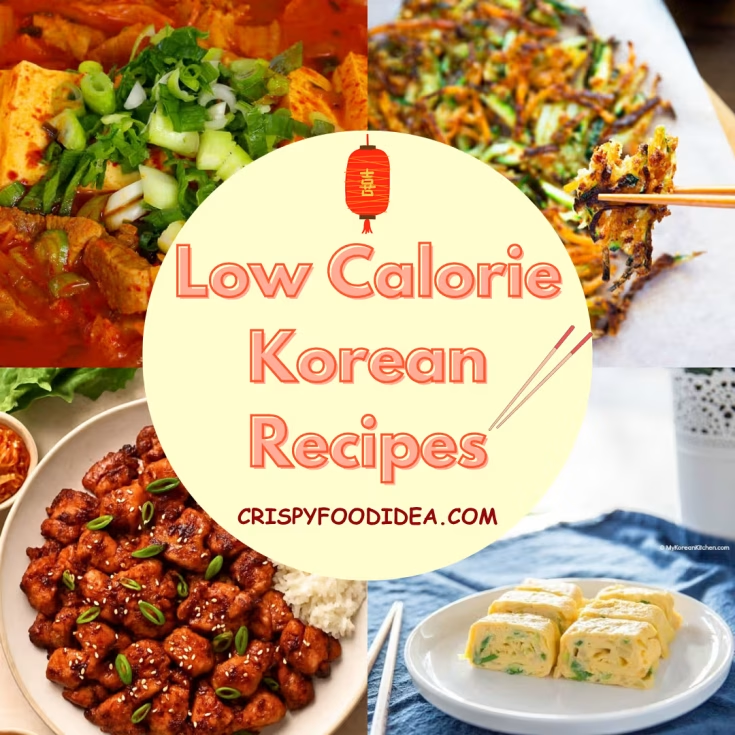
I tried these 15 low calorie Korean recipes packed with flavor and protein. These healthy Korean meals are perfect for weight loss, meal prep, low calorie dinners, and easy weeknight cooking.
Ingredients
- Easy Dak Bulgogi Recipe
- Simple Korean Cucumber Salad
- Kimchi Cauliflower Fried Rice
- Tofu Bibimbap
- Korean Chicken Lettuce Wraps
- Spicy Kimchi Soup (Kimchi Jjigae)
- Korean Egg Roll (Gyeran Mari)
- Crispy Korean Zucchini Pancakes
- Korean Tuna Rice Bowl (Chamchi Deopbap) Recipe
- Korean Beef and Broccoli Bowls
- Korean Tofu Stir Fry
- Kimchi, Chicken, and Cabbage Stir-Fry
- Kimchi Noodle Salad Recipe
- Spicy Korean Seafood Soup Recipe
- Low Calorie Korean Bibimbap Recipe
Instructions
- Choose any one low calorie korean recipes from the list above.
- Cook as per the instructions given.
- Enjoy.