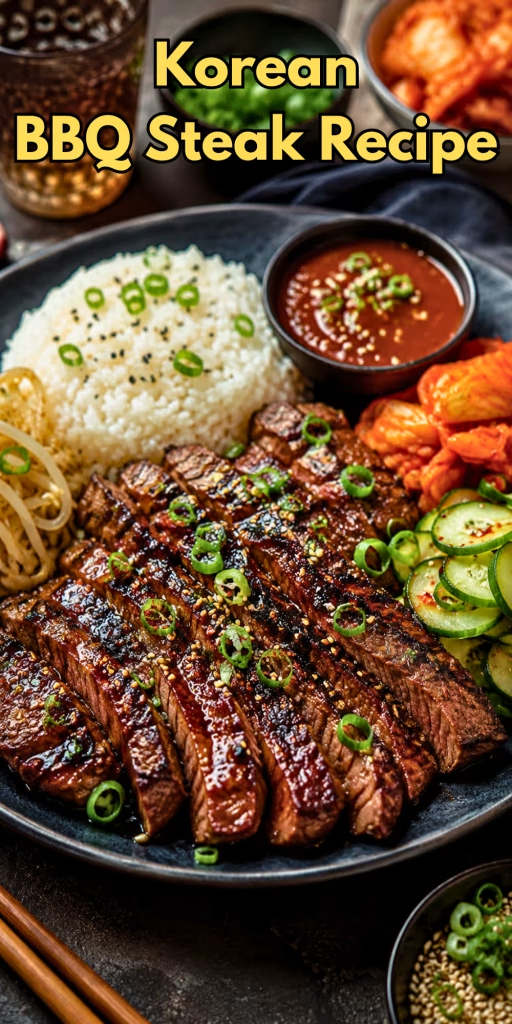
Korean BBQ Steak Recipe | Juicy, Tender & Better Than Restaurant Style
Korean recipes are all the rage these days, especially among Gen Z. Today, I bring you the best Korean BBQ steak recipe that is incredibly juicy, deeply flavorful, and surprisingly easy to make at home. This Korean beef recipe is very easy to make with simple kitchen ingredients like soy sauce, garlic, ginger, sesame oil, brown sugar, and gochujang.
I have tried this Korean beef steak recipe with ribeye, sirloin, New York strip, flank steak, and flat iron steak, and it has the perfect balance of sweetness, savory umami, smoky char, and melt-in-your-mouth tenderness with all of them. And the most interesting thing about this recipe is that it can be made wonderfully on a gas grill, charcoal grill, Blackstone griddle, cast iron skillet, or even an air fryer.
I first tasted this Korean grilled steak at a small neighborhood gathering with friends and absolutely loved it. Its smoky, caramelized flavor captivated me so much that I tried making it in my own kitchen the very next day. Since then, I have prepared this beef recipe many times and experimented with various methods. During my experiments, I compared 30-minute versus overnight marinating times, tested different brands of soy sauce, experimented with honey versus brown sugar, and cooked the steak using both cast-iron skillets and outdoor grills. I even tested different meat thicknesses to understand how the cut affects tenderness and flavor absorption during marinating.
Authentic Korean Flavor
Balanced sweet, savory, smoky and spicy flavors inspired by traditional Korean BBQ.
Multiple Cooking Methods
Works perfectly on the grill, cast iron skillet, Blackstone griddle, or air fryer.
High-Protein Meal
A satisfying protein-rich dinner that’s perfect for meal prep and healthy eating.
Weeknight Friendly
Simple ingredients and easy steps make it ideal for busy weeknight dinners.
So, without wasting any more time, let me show you just how easily you can prepare this Korean BBQ stick recipe in your own kitchen and surprise your family at dinner.
Related: Dak Bulgogi (Korean BBQ Chicken)
- What Is Korean BBQ Steak?
- Why You’ll Love This Korean BBQ Steak Recipe
- My Testing Experience Experience
- Ingredients You’ll Need
- Best Steak Cuts For Korean BBQ
- Homemade Korean BBQ Marinade
- How To Make Korean BBQ Steak Step-by-Step
- Steak Temperature Guide
- How To Grill Korean BBQ Steak Perfectly
- Cast Iron Skillet Method
- Oven-Baked Korean BBQ Steak
- Air Fryer Korean BBQ Steak
- Korean BBQ Steak Rice Bowls
- Best Side Dishes & Serving Ideas
- Best Sauces For Korean BBQ Steak
- Recipe Variations
- Storage, Reheating & Meal Prep Guide for Korean BBQ Steak
- Restaurant Style Premium Version
- Frequently Asked Questions
Related: Japchae Recipe
Korean BBQ Steak (Juicy, Tender & Better Than Restaurant Style)
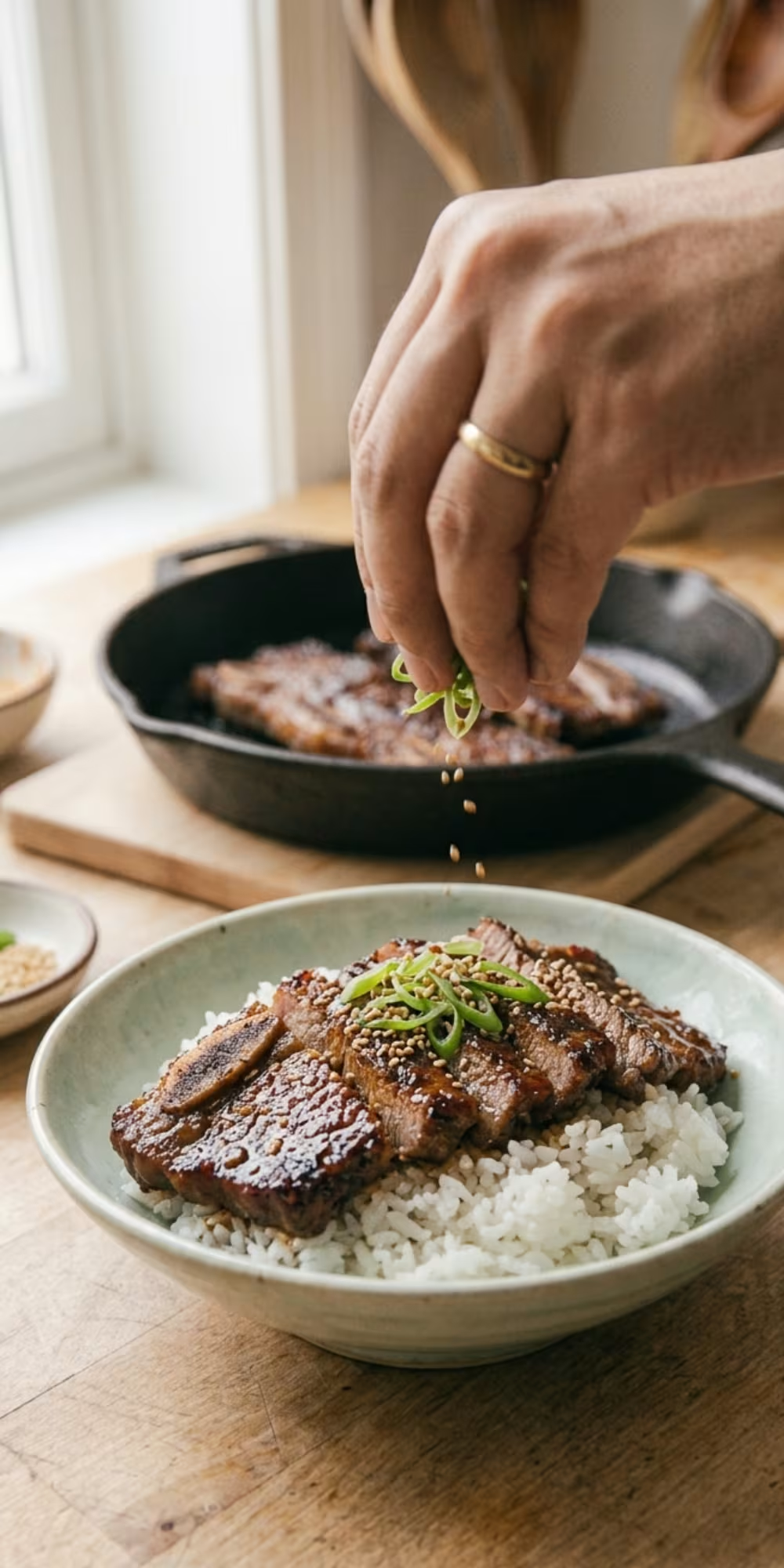
This Korean BBQ Steak is juicy, tender, and packed with authentic Korean flavors from a rich homemade marinade made with soy sauce, garlic, ginger, sesame oil, and gochujang. Whether grilled outdoors or cooked in a cast-iron skillet, this restaurant-quality steak develops a beautifully caramelized crust while staying incredibly flavorful inside. Perfect for weeknight dinners, meal prep, rice bowls, lettuce wraps, or entertaining guests, this easy recipe comes together with simple ingredients and delivers bold Korean BBQ flavor every time.
Ingredients
For the Steak
- 1½ pounds ribeye, sirloin, New York strip, or flank steak
- 1 tablespoon vegetable oil (if using skillet)
Korean BBQ Marinade
- ¼ cup low-sodium soy sauce
- 2 tablespoons sesame oil
- 2 tablespoons brown sugar
- 1 tablespoon honey
- 1 tablespoon gochujang (Korean chili paste)
- 1 tablespoon rice vinegar
- 5 garlic cloves, minced
- 1 tablespoon freshly grated ginger
- 2 green onions, finely sliced
- 1 teaspoon freshly ground black pepper
- 1 teaspoon toasted sesame seeds
Optional Garnishes
- Toasted sesame seeds
- Sliced green onions
- Fresh cilantro
- Thinly sliced red chili
- Lime wedges
Instructions
Step 1: Prepare the Marinade
- Soy sauce
- Sesame oil
- Brown sugar
- Honey
- Gochujang
- Rice vinegar
- Garlic
- Ginger
- Green onions
- Black pepper
- Sesame seeds
In a medium bowl, whisk together:
Whisk until the sugar dissolves completely.
Step 2: Marinate the Steak
- Minimum: 30 minutes
- Best: 2–4 hours
- Maximum: Overnight (8–12 hours)
Place the steak in a large zip-top bag or shallow dish.
Pour the marinade over the steak.
Massage well to coat evenly.
Cover and refrigerate.
Marinate for:
Step 3: Bring to Room Temperature
Remove the steak from the refrigerator 20–30 minutes before cooking.
Pat lightly with paper towels if the surface is very wet.
Step 4: Grill or Sear
Grill Method
- 4–5 minutes per side for medium-rare
- 5–6 minutes per side for medium
- 7 minutes per side for well done
Preheat grill to medium-high heat (450°F / 230°C).
Cook:
Cast-Iron Method
Heat skillet until very hot.
Add vegetable oil.
Sear steak:
4–5 minutes per side.
Baste with a little butter during the final minute if desired.
Step 5: Rest
Transfer steak to a cutting board.
Rest for 5–10 minutes.
Do not skip this step.
Step 6: Slice
Slice thinly against the grain.
Top with sesame seeds and green onions.
Serve immediately.
Notes
✔ Ribeye produces the juiciest Korean BBQ steak.
✔ Marinate overnight for the deepest flavor.
✔ Always slice against the grain.
✔ Use fresh garlic instead of garlic powder.
✔ Pat excess marinade off before grilling to prevent burning.
✔ Let the steak rest before slicing.
✔ Toast sesame seeds for extra aroma.
✔ Use freshly grated ginger whenever possible.
Nutrition Information:
Yield:
4Serving Size:
1Amount Per Serving: Calories: 697Total Fat: 49gSaturated Fat: 16gUnsaturated Fat: 32gCholesterol: 134mgSodium: 1059mgCarbohydrates: 16gFiber: 1gSugar: 11gProtein: 46g
Related: Low Calorie Korean Recipes
What Is Korean BBQ Steak?
Korean BBQ Steak is a juicy, tender, and deeply flavorful beef dish inspired by traditional Korean barbecue (Gogi-gui), where premium cuts of beef are marinated in a rich blend of soy sauce, sesame oil, fresh garlic, ginger, brown sugar, green onions, and gochujang before being grilled over high heat or seared in a hot cast-iron skillet.
Unlike many American barbecue recipes that rely on slow smoking and thick tomato-based barbecue sauces, authentic Korean barbecue emphasizes creating the perfect balance of sweet, salty, smoky, garlicky, nutty, and umami-rich flavors. The outside of the beef is beautifully caramelized, while the inside is incredibly juicy and tender.
While traditional Korean barbecue often uses thinly sliced bulgogi or galbi (short ribs), this homemade Korean barbecue steak recipe uses whole steaks such as ribeye, sirloin, New York strip, flank steak, flat iron, or skirt steak. These pieces absorb the delicious marinade and create a steakhouse-quality crust that rivals your favorite Korean restaurant.
Since I’ve tested different cuts of steak, different marinades, grilling temperatures, and cooking methods, I know that properly marinated steak cooked at high heat produces the best combination of crunchy caramelization, smoky aroma, soft texture, and authentic Korean barbecue flavor.
Authentic Korean Marinade
A balanced blend of soy sauce, sesame oil, garlic, ginger, gochujang, brown sugar, honey, rice vinegar, and green onions creates deep umami flavor while naturally tenderizing the beef.
Premium Steak Cuts
Works beautifully with ribeye, sirloin, New York strip, flank steak, flat iron, skirt steak, or tenderloin for juicy, restaurant-quality Korean grilled steak.
Cook Anywhere
Perfect for gas grills, charcoal grills, pellet grills, cast-iron skillets, Blackstone griddles, outdoor BBQs, or even air fryers.
Healthy High-Protein Meal
Packed with protein, iron, zinc, and vitamin B12, Korean BBQ steak is an excellent option for healthy meal prep, muscle building, keto diets, and family dinners.
Korean BBQ vs American BBQ
| Feature | Korean BBQ Steak | American BBQ Steak |
|---|---|---|
| Primary Flavor | Sweet, savory, garlicky, umami-rich | Smoky, peppery, tomato-based |
| Main Marinade | Soy sauce, sesame oil, garlic, ginger, gochujang | Dry rubs or BBQ sauce |
| Cooking Style | High-heat grilling or cast-iron searing | Smoking, grilling, slow cooking |
| Texture | Juicy with caramelized edges | Smoky with bark-like crust |
| Traditional Side Dishes | Kimchi, rice, lettuce wraps, japchae | Coleslaw, baked beans, cornbread |
The secret to exceptional Korean BBQ steak lies in the science of the marinade. Soy sauce helps season the meat deeply, garlic and ginger enhance aroma, sesame oil contributes nutty richness, while brown sugar and honey caramelize beautifully over high heat. Gochujang adds mild heat and fermented umami, creating the bold, restaurant-style flavor that makes Korean barbecue famous worldwide.
Cooking Tip
For the juiciest Korean BBQ steak, marinate the beef for at least 4 hours (overnight is even better), let the steak come to room temperature before cooking, sear over high heat, and always rest the steak for 5–10 minutes before slicing against the grain. This simple technique locks in moisture and produces incredibly tender, flavorful steak every time.
Related: Healthy Asian Chicken Recipes
❤️ Why I Love This Korean BBQ Steak Recipe
As I’ve tried many times, using different types of steak, marinades, and cooking methods, this version consistently delivers the best balance of flavor, tenderness, and caramelization. It’s become one of my favorite high-protein dinner recipes because it’s quick enough to make for busy weeknights, yet also appealing enough for family dinners, summer cookouts, and holiday gatherings.
Perfectly Tender Steak
The Korean BBQ marinade helps tenderize the beef while creating a beautifully caramelized crust that locks in every juicy bite. Ribeye, sirloin, New York strip, flank, and skirt steak all work wonderfully.
Restaurant-Quality Flavor
Fresh garlic, ginger, sesame oil, soy sauce, brown sugar, and gochujang create deep umami flavor that’s better than most takeout Korean BBQ restaurants.
Ready in Under 30 Minutes
Perfect for busy weeknight dinners, this easy Korean steak recipe requires minimal prep while delivering maximum flavor.
Excellent for Meal Prep
Store leftovers for rice bowls, lettuce wraps, salads, noodles, tacos, sandwiches, or protein-packed lunch boxes throughout the week.
High-Protein Family Dinner
Loaded with quality protein, iron, zinc, and vitamin B12, it’s an excellent choice for healthy meal planning, muscle-building diets, and balanced family meals.
Multiple Cooking Methods
Cook it on an outdoor grill, indoor grill pan, cast iron skillet, Blackstone griddle, pellet smoker, or air fryer with consistently delicious results.
Easy to Customize
Adjust the spice level, sweetness, or sodium to suit your taste. You can even make keto, low-carb, gluten-free, or extra-spicy variations.
Pairs with Everything
Serve it with steamed rice, kimchi, cucumber salad, japchae, grilled vegetables, cauliflower rice, or lettuce wraps for a complete Korean-inspired meal.
👨🍳 What Made This Version My Favorite
While developing this recipe, I experimented with different marinades, marinating times, steak thicknesses, and cooking temperatures. I realized that balancing soy sauce, sesame oil, garlic, ginger, and gochujang creates the richest Korean BBQ flavor without overpowering the natural taste of the beef. Allowing the steak to rest after cooking also made a noticeable difference, keeping every slice juicy, tender, and full of flavor.
Now it’s my go-to recipe whenever I want an easy restaurant-style Korean steak dinner that feels special without spending hours in the kitchen.
Related: Peppery Beef and Shishito Stir-Fry
My Testing Notes: How I Perfected This Korean BBQ Steak Recipe
Did you know that before publishing this Korean BBQ steak recipe, I cooked and tested it multiple times using different types of steak cuts, Korean BBQ marinades, cooking methods, grilling temperatures, and marinating times.
During recipe development, I compared ribeye, sirloin, flank steak, New York strip, and flat iron steak while experimenting with both a cast iron skillet and an outdoor gas grill. I also tested various combinations of soy sauce, sesame oil, fresh garlic, ginger, brown sugar, honey, pear, and gochujang to determine which marinade delivered the richest Korean BBQ flavor without overpowering the natural taste of the beef.
The final version you see here combines everything that worked best during those tests. It creates a beautifully caramelized crust, deep umami flavor, and an incredibly juicy interior while remaining easy enough for weeknight dinners, family meals, backyard BBQs, and meal prep.
🥩 Test #1 – Choosing the Best Steak Cut
I compared several popular cuts including Ribeye, Sirloin, Flank Steak, Flat Iron, New York Strip, and Skirt Steak.
| Steak Cut | Flavor | Tenderness | Final Verdict |
|---|---|---|---|
| Ribeye | ★★★★★ | ★★★★★ | Best Overall |
| Sirloin | ★★★★☆ | ★★★★☆ | Best Budget Choice |
| Flank Steak | ★★★★★ | ★★★☆☆ | Excellent When Sliced Thin |
| New York Strip | ★★★★★ | ★★★★☆ | Restaurant Style |
⭐ Winner: Ribeye produced the juiciest Korean BBQ steak because of its marbling, while sirloin offered the best value for everyday cooking.
🥣 Test #2 – Finding the Perfect Korean BBQ Marinade
I tested more than one marinade ratio using low-sodium soy sauce, regular soy sauce, toasted sesame oil, honey, brown sugar, fresh garlic, fresh ginger, grated Asian pear, rice vinegar, and gochujang.
- ✔ Brown sugar created better caramelization than white sugar.
- ✔ Honey added shine but burned faster over very high heat.
- ✔ Fresh garlic produced noticeably deeper flavor than garlic powder.
- ✔ Fresh ginger balanced the sweetness perfectly.
- ✔ Asian pear naturally tenderized the beef.
- ✔ Gochujang created the richest authentic Korean BBQ taste.
⭐ My final marinade balances sweetness, umami, spice, and acidity without masking the beef.
🔥 Test #3 – Grill vs Cast Iron Skillet
| Method | Pros | Result |
|---|---|---|
| Gas Grill | Smoky Flavor | ★★★★★ |
| Charcoal Grill | Authentic BBQ Taste | ★★★★★ |
| Cast Iron Skillet | Excellent Crust | ★★★★★ |
| Grill Pan | Good Indoor Option | ★★★★☆ |
The cast iron skillet consistently produced the deepest crust and restaurant-style sear, while charcoal grilling delivered unbeatable smoky flavor.
⏱️ Test #4 – Marinating Time
| Time | Flavor | Recommendation |
|---|---|---|
| 30 Minutes | ★★★☆☆ | Quick Dinner |
| 2 Hours | ★★★★★ | Best Overall |
| Overnight | ★★★★★ | Maximum Flavor |
⭐ I found that marinating for about 2–4 hours gave the best balance of flavor and texture, while overnight marination worked exceptionally well for thicker steaks.
🌡️ Test #5 – Cooking Temperature
After repeated testing with a digital meat thermometer, I consistently achieved the juiciest Korean BBQ steak by cooking to 130–135°F (54–57°C) for medium-rare and allowing the steak to rest for 8–10 minutes before slicing.
- ✔ Better juice retention
- ✔ Rich caramelized crust
- ✔ Tender interior
- ✔ More flavorful slices
🔪 Test #6 – Slicing Technique
The biggest differences came after cooking. Cutting the steak against the grain made flank steak and skirt steak dramatically more tender than slicing with the grain.
This simple step is often overlooked but has a huge impact on the final texture.
🏆 Final Verdict After All My Tests
After comparing different steak cuts, Korean BBQ marinades, cooking methods, resting times, and slicing techniques, my favorite combination was:
- 🥩 Ribeye Steak (or Sirloin for a budget-friendly option)
- 🥣 Soy Sauce + Sesame Oil + Garlic + Ginger + Asian Pear + Brown Sugar + Gochujang
- 🔥 Cast Iron Skillet or Charcoal Grill
- ⏱️ 2–4 Hour Marinade
- 🌡️ Medium-Rare (130–135°F)
- 🔪 Slice Thinly Against the Grain
“These testing notes are based on repeated home cooking trials rather than a single attempt. Following this combination consistently produced the juiciest, most flavorful Korean BBQ steak with a beautifully caramelized crust and authentic Korean-inspired taste.”
Related: Salisbury Steak Recipe
Ingredients You’ll Need for the Best Korean BBQ Steak
Making authentic Korean BBQ Steak starts with using the right combination of fresh ingredients and a balanced homemade Korean BBQ marinade. These ingredients create the perfect harmony of sweet, savory, smoky, garlicky, and umami flavors while keeping the steak incredibly juicy and tender.
🥩 Steak
- 1½–2 pounds Ribeye Steak (recommended)
- OR New York Strip Steak
- OR Sirloin Steak
- OR Flank Steak
- OR Skirt Steak
- OR Flat Iron Steak
Why it matters: Well-marbled beef develops rich caramelization and stays juicy during high-heat cooking, making it perfect for authentic Korean barbecue.
🥣 Homemade Korean BBQ Marinade
- ⅓ cup Low-Sodium Soy Sauce
- 2 tbsp Toasted Sesame Oil
- 2 tbsp Brown Sugar
- 1 tbsp Honey
- 2 tbsp Rice Vinegar
- 2 tbsp Gochujang (Korean Chili Paste)
- 5 Garlic Cloves (Minced)
- 1 tbsp Fresh Ginger (Grated)
- 2 Green Onions (Finely Chopped)
- 1 tsp Freshly Ground Black Pepper
- 1 tbsp Sesame Seeds
This classic Korean BBQ marinade creates the perfect balance of sweetness, umami, mild heat, and deep savory flavor while naturally tenderizing the beef.
🌿 Optional Garnishes
- Sliced Green Onion
- Toasted Sesame Seeds
- Fresh Cilantro
- Thinly Sliced Red Chili
- Kimchi
- Lettuce Leaves
- Lime Wedges
These fresh toppings add texture, color, freshness, and authentic Korean BBQ presentation.
🍚 Best Side Dishes
- Steamed Jasmine Rice
- Sticky Rice
- Kimchi Fried Rice
- Japchae
- Asian Cucumber Salad
- Roasted Broccoli
- Pickled Radish
- Miso Soup
Complete your Korean BBQ dinner with classic Korean-inspired side dishes for a restaurant-style meal at home.
📋 Complete Ingredient List
| Ingredient | Quantity | Purpose |
|---|---|---|
| Ribeye Steak | 2 lbs | Rich flavor & tenderness |
| Soy Sauce | ⅓ cup | Umami & seasoning |
| Sesame Oil | 2 tbsp | Authentic Korean aroma |
| Brown Sugar | 2 tbsp | Caramelization |
| Honey | 1 tbsp | Natural sweetness |
| Rice Vinegar | 2 tbsp | Balances flavors |
| Gochujang | 2 tbsp | Spicy Korean flavor |
| Garlic | 5 cloves | Deep savory taste |
| Fresh Ginger | 1 tbsp | Tenderizes meat |
| Green Onion | 2 | Fresh flavor |
| Black Pepper | 1 tsp | Seasoning |
| Sesame Seeds | 1 tbsp | Crunch & garnish |
💡 Ingredient Tips from My Kitchen
🥩 Choose Well-Marbled Beef
Ribeye produces the juiciest Korean BBQ steak because the marbling melts into the meat during cooking, creating exceptional flavor and tenderness.
🧄 Always Use Fresh Garlic
Fresh garlic provides a stronger aroma and more authentic Korean barbecue flavor than garlic powder.
🌶 Don’t Skip Gochujang
Gochujang delivers the signature sweet, spicy, and fermented umami flavor that defines authentic Korean BBQ.
🥄 Toasted Sesame Oil Only
Use toasted sesame oil rather than regular sesame oil for a rich, nutty aroma and authentic Korean flavor.
🔄 Ingredient Substitutions
| If You Don’t Have… | Use Instead |
|---|---|
| Ribeye Steak | Sirloin, Flank or NY Strip |
| Brown Sugar | Honey or Maple Syrup |
| Rice Vinegar | Apple Cider Vinegar |
| Gochujang | Sriracha + Miso Paste |
| Low Sodium Soy Sauce | Tamari (Gluten-Free) |
| Sesame Oil | Avocado Oil + Sesame Seeds |
Best Steak Cuts for Korean BBQ Steak (Tested & Compared)
Choosing the best steak cut for Korean BBQ steak is one of the most important factors, determining whether your beef will be juicy, tender, flavorful, and beautifully caramelized. Whether you grill outdoors, pan-sear in a cast iron skillet, or cook on a Korean BBQ grill, this guide will help you choose the perfect steak cut every time.
Ribeye Steak delivers the best overall Korean BBQ experience thanks to its excellent marbling, rich beef flavor, juicy texture, and beautiful caramelization. For restaurant-quality Korean BBQ Steak at home, ribeye is the top recommendation.
| Steak Cut | Tenderness | Flavor | Marbling | Budget | Best Cooking Method | Recommended |
|---|---|---|---|---|---|---|
| Ribeye | ★★★★★ | ★★★★★ | ★★★★★ | $$$ | Grill • Cast Iron | 🏆 Best Overall |
| New York Strip | ★★★★☆ | ★★★★★ | ★★★★☆ | $$$ | Grill | Excellent |
| Sirloin | ★★★★☆ | ★★★★☆ | ★★★☆☆ | $$ | Grill • Pan | Best Value |
| Flat Iron | ★★★★★ | ★★★★☆ | ★★★★☆ | $$ | Cast Iron | Highly Recommended |
| Flank Steak | ★★★☆☆ | ★★★★★ | ★★☆☆☆ | $$ | Quick Grill | Perfect for Marinades |
| Skirt Steak | ★★★☆☆ | ★★★★★ | ★★★☆☆ | $$ | High Heat Grill | Traditional Choice |
| Tenderloin | ★★★★★ | ★★★☆☆ | ★★☆☆☆ | $$$$ | Pan Sear | Luxury Option |
🥇 Ribeye Steak
If you’re thinking what is the best steak for Korean BBQ, the answer is undoubtedly Ribeye. Its rich marbling melts during cooking, keeping the meat incredibly juicy while developing a deep caramelized crust.
- ✔ Rich buttery flavor
- ✔ Incredible tenderness
- ✔ Perfect for grilling
- ✔ Best restaurant-style results
- ✔ Great with Korean BBQ marinade
🥈 New York Strip
New York Strip offers bold beef flavor with slightly less fat than ribeye. It’s ideal if you enjoy a firmer bite while still achieving a juicy Korean BBQ steak.
- ✔ Excellent beef flavor
- ✔ Beautiful grill marks
- ✔ Great for charcoal grilling
- ✔ Holds marinades well
💰 Sirloin Steak
Sirloin is one of the best budget-friendly steak cuts. It delivers excellent flavor without the premium price, making it ideal for family dinners and weekly meal prep.
- ✔ Affordable
- ✔ Lean protein
- ✔ High in protein
- ✔ Meal prep favorite
🔥 Flat Iron Steak
Flat Iron is often overlooked but performs exceptionally well in Korean BBQ recipes. Its natural tenderness makes it perfect for quick cooking.
- ✔ Very tender
- ✔ Excellent marbling
- ✔ Quick cooking
- ✔ Fantastic cast iron option
🥢 Flank Steak
Flank Steak absorbs Korean BBQ marinade exceptionally well because of its loose muscle fibers. Slice thinly against the grain for maximum tenderness.
- ✔ Authentic Korean BBQ style
- ✔ Great marinade absorption
- ✔ Leaner option
- ✔ Excellent for rice bowls
🔥 Skirt Steak
Skirt Steak develops an amazing smoky flavor over high heat. It cooks quickly and pairs beautifully with spicy gochujang marinades.
- ✔ Deep beef flavor
- ✔ Quick cooking
- ✔ Great for tacos & wraps
- ✔ Ideal for Korean BBQ grills
👨🍳 My Experience & Recommendation
After cooking Korean BBQ Steak using ribeye, sirloin, flank, skirt, flat iron, and New York strip, ribeye consistently delivered the juiciest texture and richest flavor. For everyday family meals, however, sirloin provided the best balance between taste, tenderness, and affordability. If you’re cooking for guests or a special occasion, choose ribeye. If you’re meal prepping or cooking on a budget, sirloin is an excellent alternative.
Homemade Korean BBQ Marinade (Sweet, Savory & Authentic)
To make restaurant-quality Korean BBQ steak, you need an authentic, homemade Korean BBQ marinade. This marinade should be a rich blend of soy sauce, sesame oil, garlic, fresh ginger, brown sugar, honey, and gochujang, which tenderizes the beef while creating the perfect balance of sweet, salty, smoky, spicy, and umami flavors. I never prefer ready-made bottled marinades because they contain preservatives and excessive sodium.
Why This Korean BBQ Marinade Works
🥩 Soy Sauce
Provides deep umami flavor while lightly seasoning the beef. The salt helps the steak retain moisture during grilling and develops the classic Korean barbecue taste.
🧄 Fresh Garlic
Fresh minced garlic infuses every bite with bold aroma and authentic Korean flavor while balancing the sweet ingredients.
🫚 Ginger
Fresh ginger contains natural enzymes that gently soften muscle fibers, making the steak noticeably more tender after marinating.
🌶 Gochujang
This traditional Korean fermented chili paste adds smoky heat, rich umami, subtle sweetness, and incredible depth of flavor.
🍯 Honey & Brown Sugar
Natural sugars caramelize beautifully over high heat, creating the irresistible glossy crust found in Korean BBQ restaurants.
🌿 Sesame Oil
A small amount of toasted sesame oil provides the signature nutty aroma that makes Korean BBQ instantly recognizable.
The Food Science Behind a Perfect Korean BBQ Marinade
Many people believe a marinade only adds flavor, but a well-balanced Korean BBQ marinade does much more than that.
| Ingredient | Purpose | Cooking Benefit |
|---|---|---|
| Soy Sauce | Salt & Umami | Enhances flavor while helping meat stay juicy. |
| Brown Sugar | Caramelization | Creates rich color and crispy edges during grilling. |
| Honey | Natural Sweetness | Produces a glossy restaurant-style glaze. |
| Garlic | Aromatic Flavor | Adds bold Korean BBQ character. |
| Fresh Ginger | Natural Enzymes | Gently tenderizes tougher cuts of beef. |
| Sesame Oil | Healthy Fat | Locks in moisture and boosts aroma. |
| Gochujang | Fermented Chili Paste | Builds layers of sweet, spicy, smoky umami flavor. |
| Rice Vinegar | Mild Acidity | Brightens the overall flavor without overpowering the steak. |
How Long Should You Marinate Korean BBQ Steak?
The ideal marinating time depends on the cut of beef you’re using. Thin cuts such as flank steak or skirt steak absorb flavor quickly, while thicker cuts like ribeye or New York strip benefit from a longer marinating period.
- 30 Minutes: Adds light flavor for quick weeknight dinners.
- 2–4 Hours: Best balance of tenderness and authentic Korean BBQ flavor.
- 6–8 Hours: Ideal for thick steaks like ribeye or sirloin.
- Overnight: Maximum flavor without overpowering the natural beef taste.
Experience-Based Tips From My Kitchen
Marinating for 2 to 4 hours provides the best balance of tenderness and the strong flavors of Korean barbecue. While marinating overnight deepens the flavor of the spices, I have found that very thin steaks can become a bit too salty if marinated for more than 12 hours. For the best flavor, I always use freshly minced garlic and ginger instead of powder, natural soy sauce instead of inferior alternatives, and pure roasted sesame oil instead of blended cooking oil. These small changes make a noticeable difference and create a steak that tastes much closer to that of a traditional Korean barbecue restaurant steak.
How To Make Korean BBQ Steak Step-by-Step
Follow these simple steps to make juicy, flavorful Korean BBQ steak with a rich homemade marinade and beautiful caramelization.
Step 1: Prepare the Steak
Estimated Time: 10 min
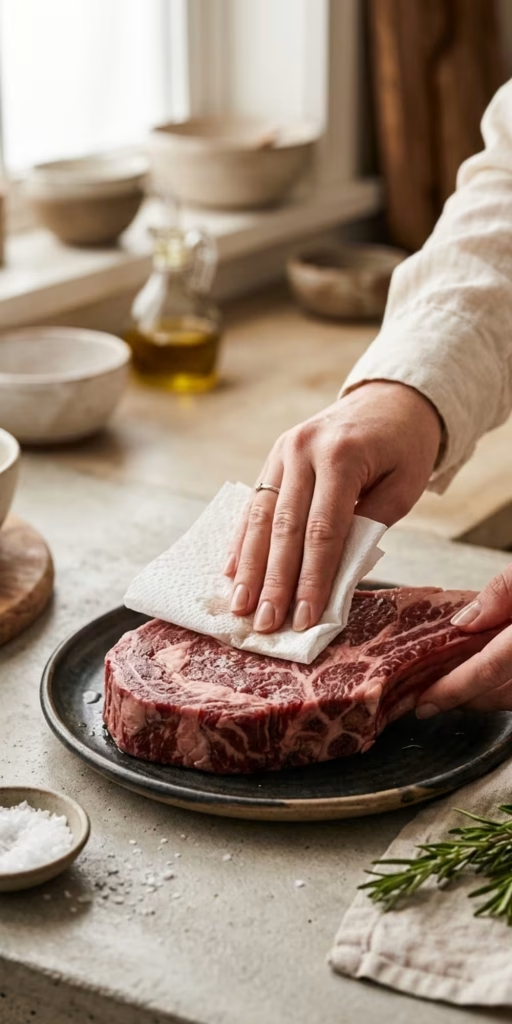
Pat the steak dry with paper towels. Trim excess surface fat if needed and let it rest at room temperature for 20–30 minutes for even cooking.
Chef’s Tip: Drying the steak helps the marinade cling better and improves browning.
Avoid This Mistake: Don’t cook an ice-cold steak straight from the refrigerator.
Step 2: Make the Marinade
Estimated Time: 5 min
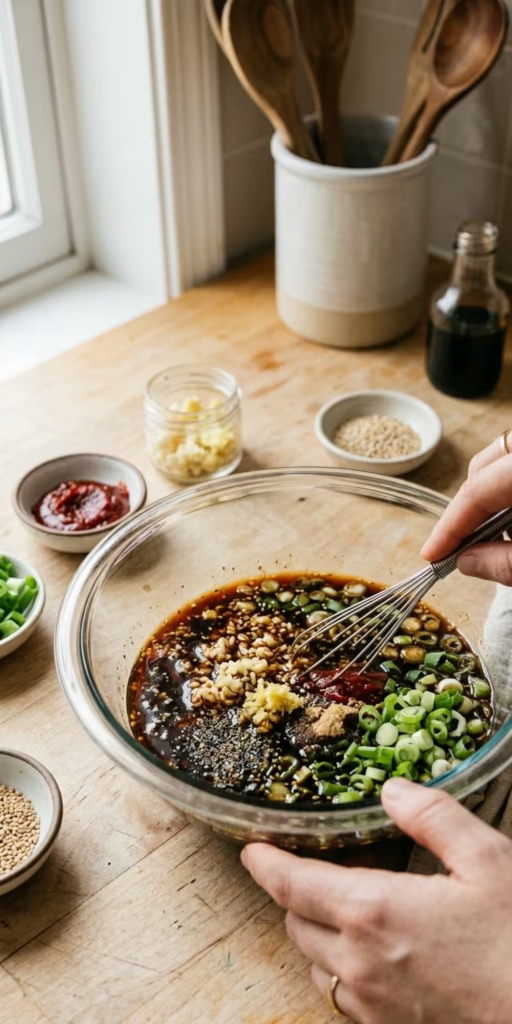
Whisk soy sauce, sesame oil, garlic, ginger, brown sugar, gochujang, black pepper and sliced green onions until smooth.
Chef’s Tip: Taste the marinade before adding the meat and adjust sweetness or spice.
Avoid This Mistake: Avoid adding too much sugar or it may burn.
Step 3: Marinate
Estimated Time: 2–8 hrs
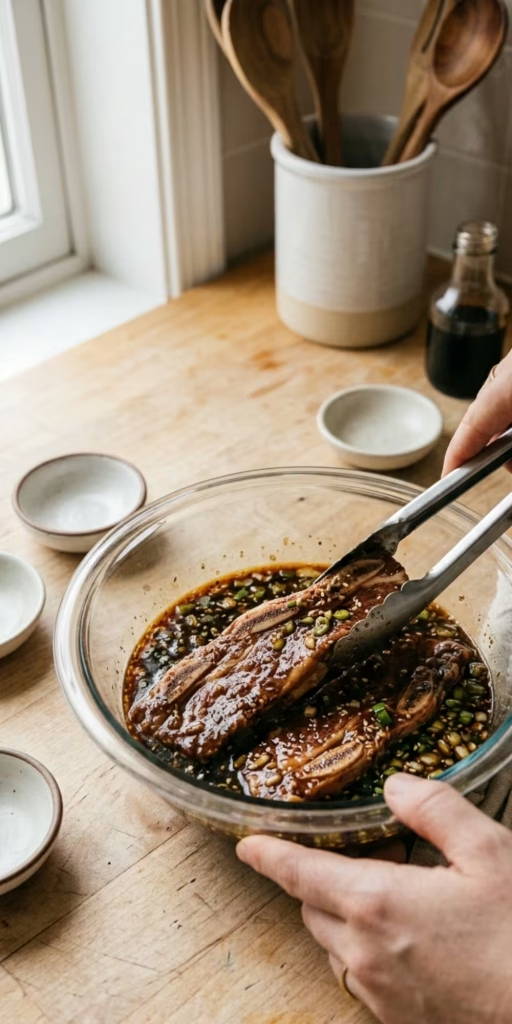
Coat the steak thoroughly and refrigerate for 2–8 hours.
Chef’s Tip: Turn the steak halfway for even flavor.
Avoid This Mistake: Avoid marinating for more than 24 hours.
Step 4: Preheat
Estimated Time: 5 min
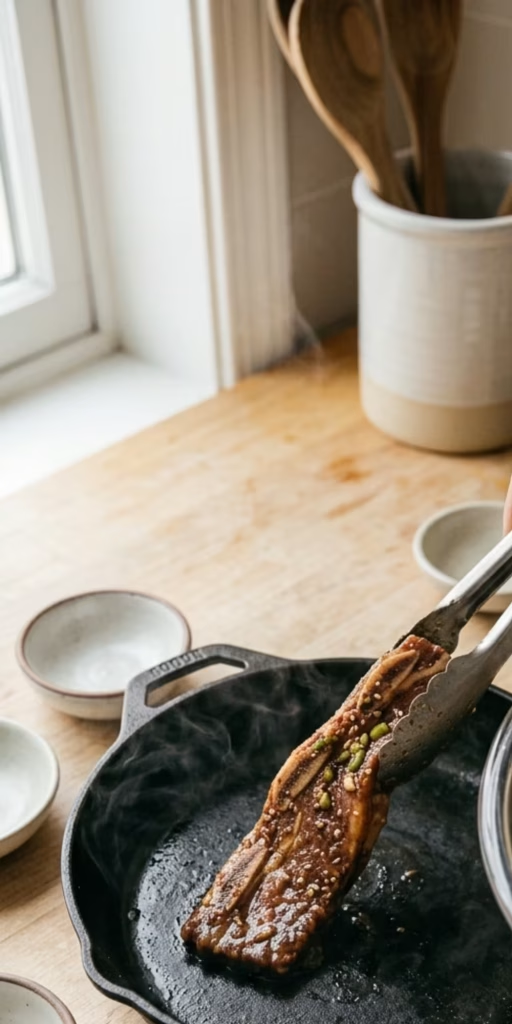
Heat a grill or cast-iron skillet until very hot.
Chef’s Tip: High heat creates a flavorful crust.
Avoid This Mistake: Low heat causes steaming instead of searing.
Step 5: Cook First Side
Estimated Time: 3–4 min
Cook without moving the steak until a deep crust forms.
Chef’s Tip: Flip only once for the best sear.
Avoid This Mistake: Constant flipping reduces browning.
Step 6: Flip & Finish
Estimated Time: 3–5 min
Cook the second side until your preferred doneness. Brush with reserved marinade only if it has been boiled.
Chef’s Tip: Use a meat thermometer for accuracy.
Avoid This Mistake: Never brush with raw marinade.
Step 7: Rest
Estimated Time: 10 min
Transfer to a board and rest for 5–10 minutes.
Chef’s Tip: Resting keeps the steak juicy.
Avoid This Mistake: Cutting immediately releases the juices.
Step 8: Slice & Serve
Estimated Time: 5 min
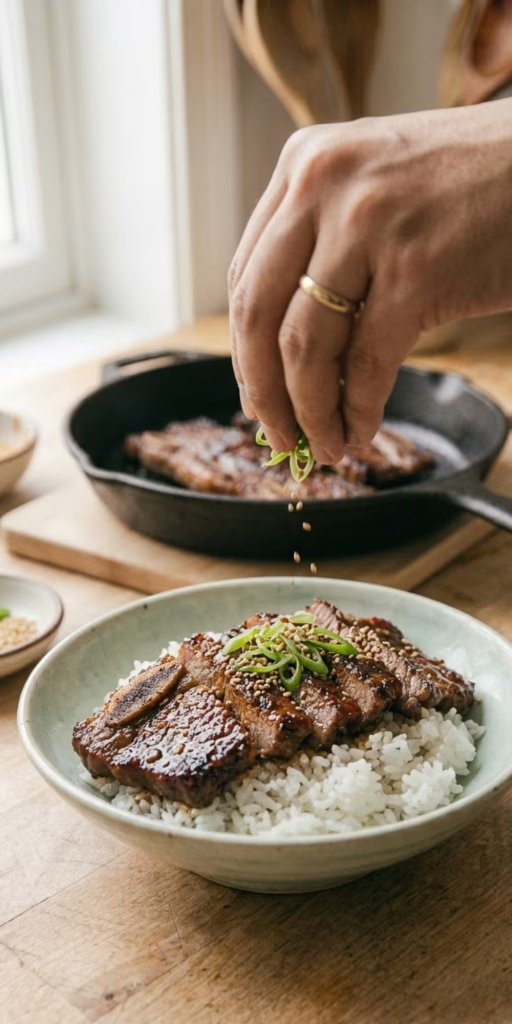
Slice against the grain and garnish with sesame seeds and green onions. Serve with rice, kimchi, or lettuce wraps.
Chef’s Tip: Thin slices are more tender.
Avoid This Mistake: Slicing with the grain makes the meat chewy.
Internal Temperature Guide for the Perfect Korean BBQ Steak
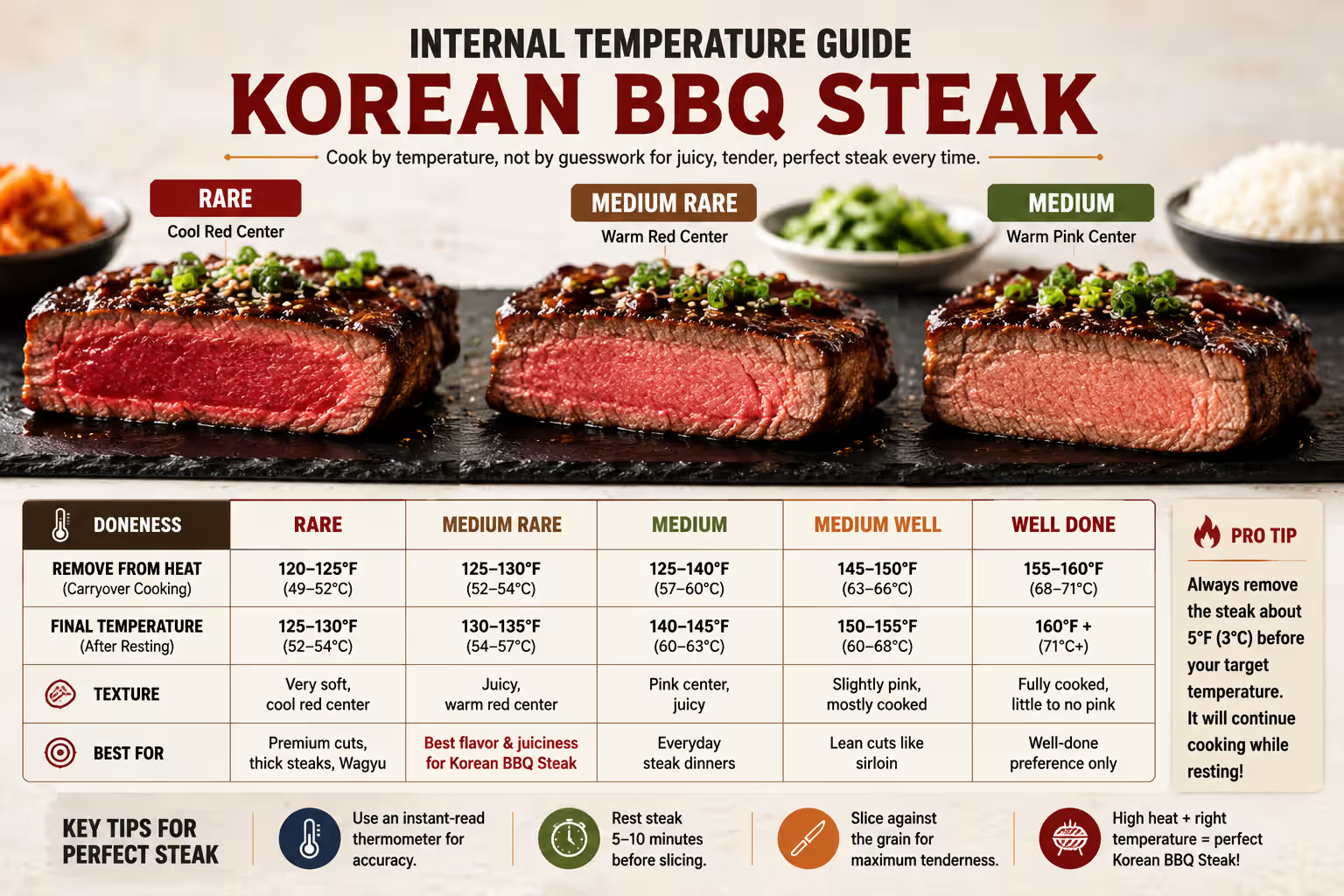
The main secret to making a juicy, restaurant-quality Korean BBQ Steak is cooking it to the correct internal temperature—not by guessing, but by using an digital instant-read meat thermometer.
| Doneness | Remove From Heat | Final Temperature | Texture | Best For |
|---|---|---|---|---|
| Rare | 120–125°F | 125–130°F | Very soft, cool red center | Premium Wagyu or thick ribeye |
| Medium Rare ⭐ | 125–130°F | 130–135°F | Warm red center, juicy and tender | Best Korean BBQ Steak |
| Medium | 135–140°F | 140–145°F | Pink center with more firmness | Family dinners |
| Medium Well | 145–150°F | 150–155°F | Slightly pink center | Lean sirloin steak |
| Well Done | 155–160°F | 160°F+ | Fully cooked | Only if preferred |
Why Internal Temperature Matters More Than Cooking Time
Every steak cooks differently depending on the cut, thickness, marbling, grill temperature, and cooking method. Instead of relying on cooking time alone, professional chefs always recommend measuring the internal temperature using a reliable instant-read meat thermometer.
- ✓ Prevents dry, chewy steak
- ✓ Protects expensive cuts like Ribeye and New York Strip
- ✓ Creates juicy Korean BBQ beef every time
- ✓ Gives consistent grilling results
- ✓ Helps beginners cook steak confidently
How I Check Steak Temperature (My Tested Method)
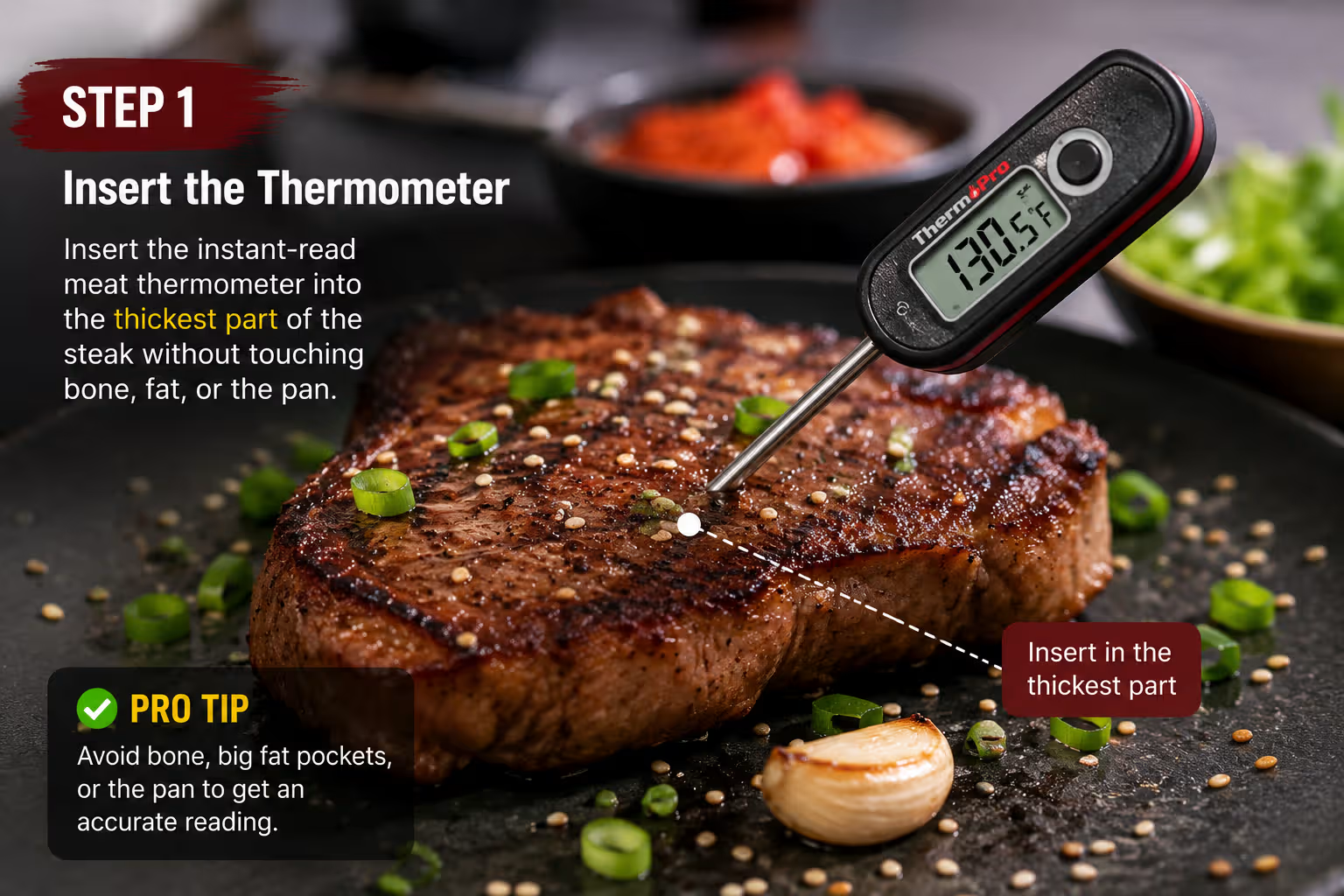
Step 1
Insert the thermometer into the thickest part of the steak without touching bone, fat, or the cooking pan.
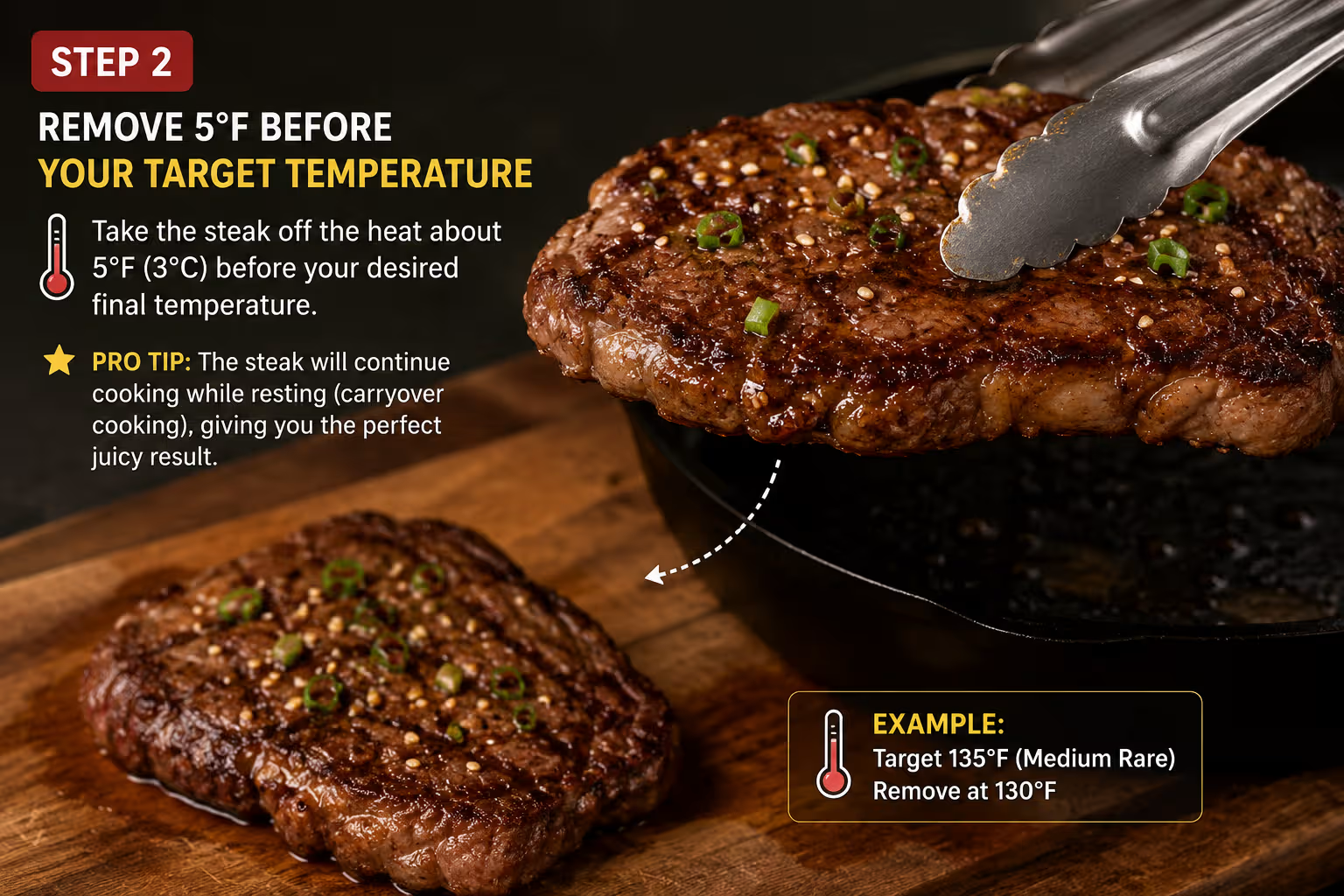
Step 2
Remove the steak about 5°F before your target temperature because carryover cooking continues after removing it from the grill.
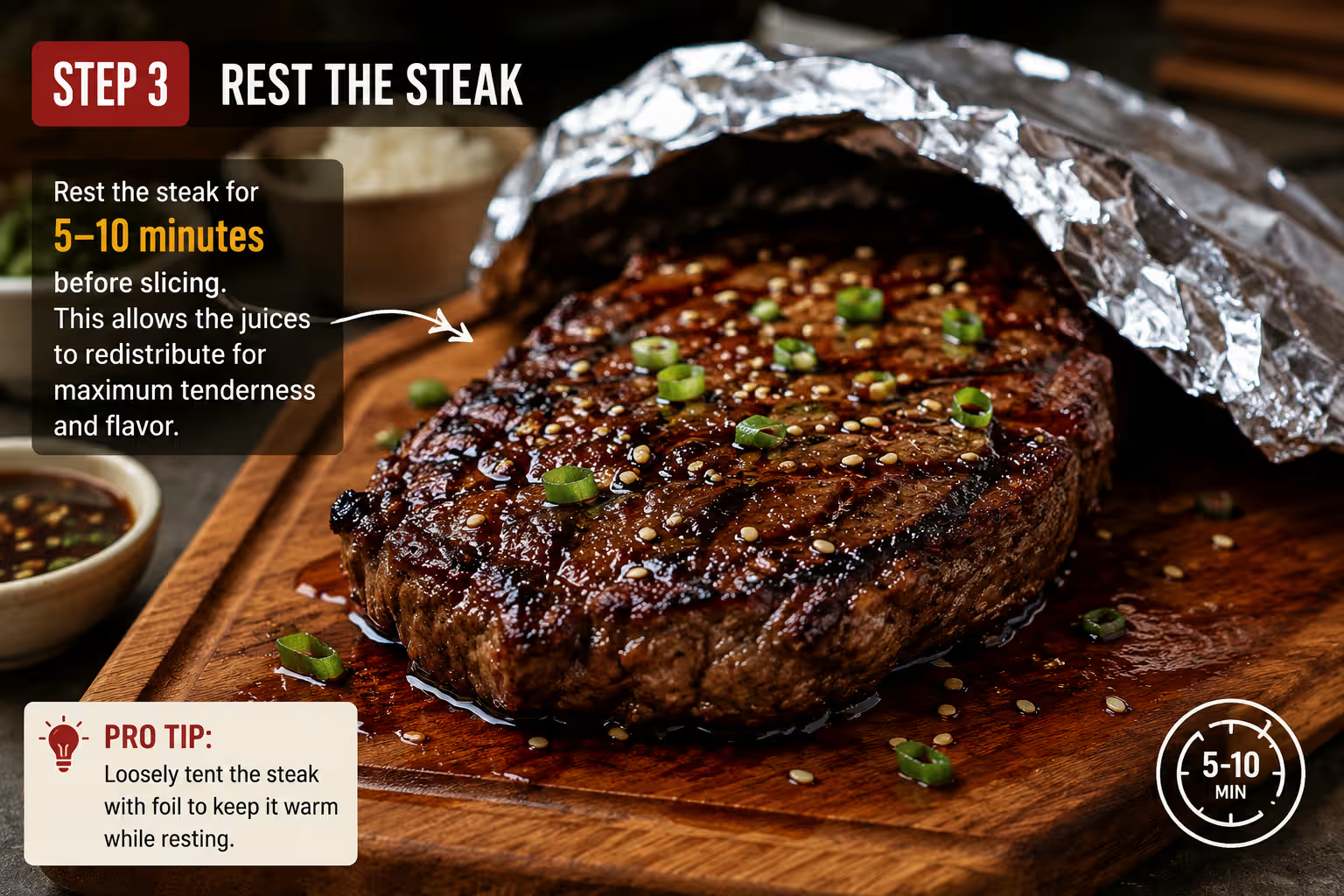
Step 3
Rest the steak for 5–10 minutes. This allows the juices to redistribute for maximum tenderness.
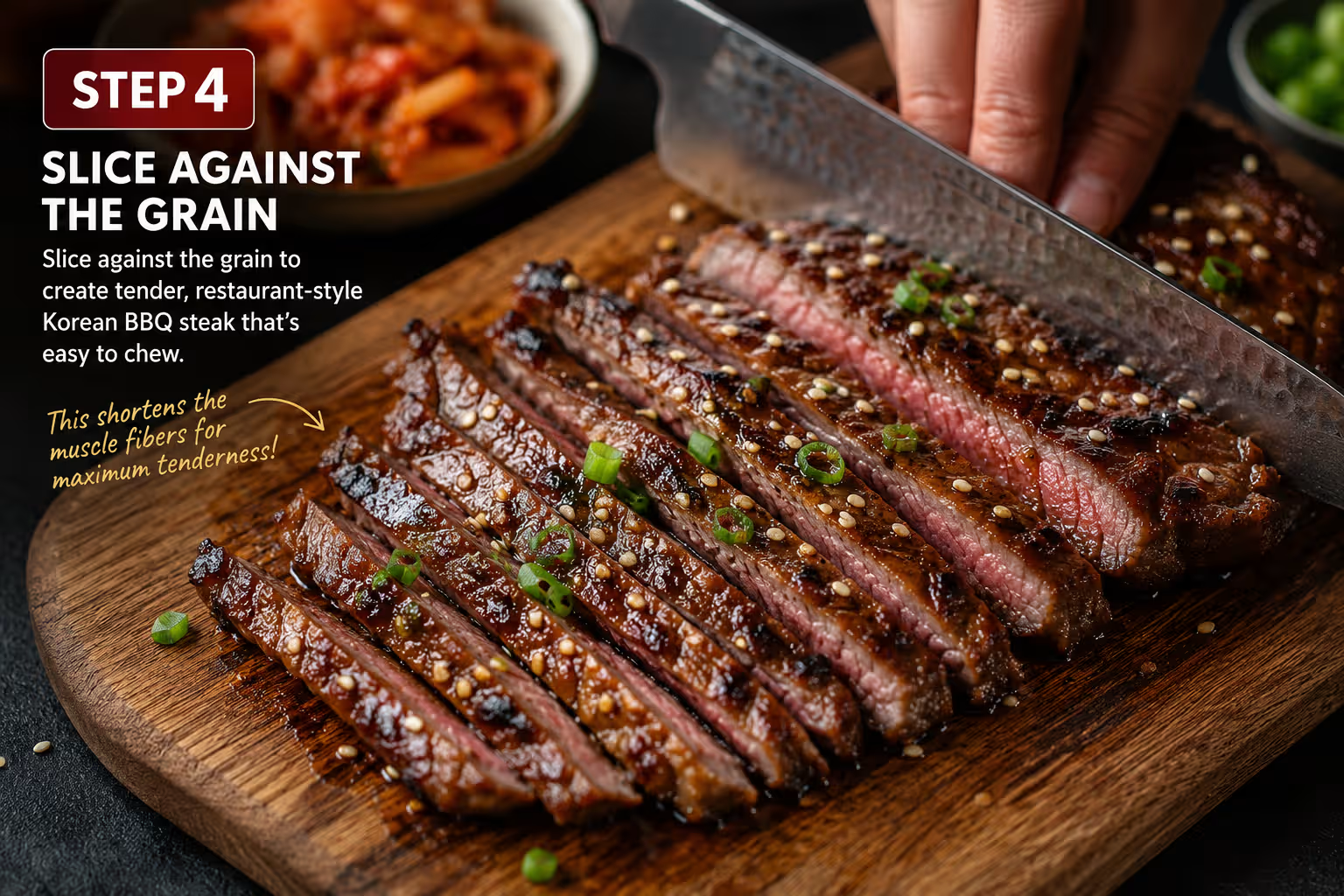
Step 4
Slice against the grain to create tender, restaurant-style Korean BBQ Steak that’s easy to chew.
Expert Tips for Accurate Steak Temperatures
- Use a fast digital instant-read thermometer instead of guessing.
- Pat the steak dry before grilling for a better caramelized crust.
- Medium Rare (130–135°F) delivers the best balance of tenderness and flavor for most Korean BBQ steak recipes.
- Thicker steaks benefit from reverse searing or an oven finish after grilling.
- Avoid cutting the steak immediately after cooking or you’ll lose valuable juices.
- Premium USDA Prime or well-marbled ribeye naturally stays juicier than lean cuts.
🔥 Grill Method: How to Grill Korean BBQ Steak Perfectly Every Time
Grilling is the best cooking method for Korean BBQ Steak because it creates a beautifully caramelized crust while keeping the inside juicy, tender, and full of authentic Korean barbecue flavor. The combination of high heat, smoky aroma, and a sweet-savory Korean BBQ marinade produces restaurant-quality steak that rivals your favorite Korean BBQ restaurant.
📌 Quick Grill Summary
Outdoor Grill
10 Minutes
2–12 Hours
6–10 Minutes
450°F–500°F
Easy
🥩 Best Steak Cuts for Grilling
Not every steak performs equally well over high heat. These cuts develop excellent char while staying juicy after marinating in Korean BBQ sauce.
| Steak Cut | Tenderness | Flavor | Best For |
|---|---|---|---|
| Ribeye | ★★★★★ | Rich & Buttery | Best Overall |
| New York Strip | ★★★★☆ | Bold Beef Flavor | Family BBQ |
| Sirloin | ★★★★☆ | Lean | Budget Friendly |
| Flank Steak | ★★★☆☆ | Excellent Marinade Absorption | Korean BBQ Style |
| Skirt Steak | ★★★★☆ | Very Beefy | Quick Grilling |
| Flat Iron | ★★★★★ | Juicy | Great Value |
🔥 Step 1 – Preheat Your Grill Properly
Always preheat your grill before placing the steak on the grates. High heat helps the sugars in the Korean BBQ marinade caramelize quickly without overcooking the meat.
- ✔ Gas Grill: 450–500°F
- ✔ Charcoal Grill: Medium-High Heat
- ✔ Pellet Grill: 450°F
- ✔ Kamado Grill: 450°F
- ✔ Clean and oil the grill grates before cooking.
🥩 Step 2 – Prepare the Steak
- Remove the marinated steak from the refrigerator about 20 minutes before grilling.
- Lightly shake off excess marinade to prevent burning.
- Pat the surface lightly with paper towels.
- Brush with a small amount of sesame oil if needed.
Too much marinade dripping onto the flames can burn the sugars before the steak finishes cooking.
🔥 Step 3 – Grill Over Direct Heat
Place the steak directly over the hottest part of the grill.
| Thickness | Time Per Side | Doneness |
|---|---|---|
| ½ inch | 2 Minutes | Medium Rare |
| 1 inch | 3–4 Minutes | Medium Rare |
| 1½ inches | 4–5 Minutes | Medium |
| 2 inches | 5–6 Minutes | Medium |
Avoid moving the steak repeatedly. Let it develop a flavorful crust before flipping.
🌡 Internal Temperature Guide
| Doneness | Temperature |
|---|---|
| Rare | 120–125°F |
| Medium Rare | 130–135°F |
| Medium | 140–145°F |
| Medium Well | 150°F |
| Well Done | 160°F |
🧈 Step 4 – Rest Before Slicing
Transfer the steak to a cutting board and let it rest for 5–10 minutes. Resting allows the juices to redistribute throughout the meat, resulting in a much juicier steak.
- Never slice immediately after grilling.
- Slice against the grain for maximum tenderness.
- Sprinkle toasted sesame seeds and sliced green onions before serving.
🥢 Best Ways to Serve Korean BBQ Steak
🍚 Rice Bowl
Serve over steamed jasmine rice with kimchi, cucumber salad, sesame spinach, and fried egg.
🥬 Lettuce Wraps
Wrap slices in crisp lettuce with ssamjang, garlic, and pickled vegetables.
🥢 Korean Dinner Plate
Pair with japchae, grilled vegetables, kimchi, and miso soup.
🥗 High Protein Meal Prep
Store grilled steak with rice and roasted vegetables for healthy lunches.
👨🍳 My Tested Grilling Tips
- ✅ Ribeye produced the juiciest results.
- ✅ Sirloin offered the best value for family dinners.
- ✅ Marinating overnight created deeper flavor.
- ✅ Charcoal grills produced the most authentic smoky Korean BBQ flavor.
- ✅ High heat gave the best caramelization without drying the steak.
- ✅ Always rest before slicing.
- ✅ Slice thinly against the grain for restaurant-quality tenderness.
How to Cook Korean BBQ Steak in a Cast Iron Skillet (Restaurant-Quality Method)
If you don’t own a Korean BBQ grill, don’t worry—you can still make an incredibly juicy, tender, and beautifully caramelized Korean BBQ Steak at home using a cast iron skillet. I can assure you that cast iron consistently delivered the deepest crust, richest flavor, and best caramelization.
The heavy surface of cast iron retains heat exceptionally well, helping the steak develop the signature Korean BBQ sear while locking in its natural juices. Combined with a flavorful Korean BBQ marinade made from soy sauce, garlic, ginger, sesame oil, brown sugar, and gochujang, the result tastes remarkably close to restaurant-style Korean barbecue.
- Produces steakhouse-quality crust.
- Excellent caramelization without burning.
- Even heat distribution.
- Ideal for apartments without outdoor grills.
- Works perfectly with ribeye, sirloin, New York strip, flank steak, and flat iron steak.
- Excellent for high-protein family dinners and meal prep.
What You’ll Need
🥩 Steak
Ribeye, sirloin, New York strip, flat iron, or flank steak.
🍳 Cast Iron Skillet
A well-seasoned 10-12 inch cast iron skillet provides the best sear.
🌡 Meat Thermometer
Ensures perfectly cooked steak every single time.
🧈 High Smoke Point Oil
Use avocado oil, canola oil, or grapeseed oil.
Step-by-Step Cast Iron Cooking Method
-
Bring the steak to room temperature.
Remove the marinated steak from the refrigerator about 20–30 minutes before cooking. This promotes even cooking throughout the meat. -
Pat the surface lightly dry.
Too much excess marinade prevents browning. Leave a thin coating while removing any excess liquid. -
Preheat the cast iron skillet.
Heat the skillet over medium-high heat for 4–5 minutes until extremely hot. A properly heated pan is the key to achieving the signature Korean BBQ crust. -
Add a small amount of oil.
Use a neutral, high smoke point cooking oil rather than butter. -
Sear the steak.
Cook without moving the steak for 2–4 minutes, depending on thickness. Flip only once for the best crust. -
Optional Butter Basting.
During the last minute, add butter, smashed garlic cloves, and fresh thyme. Spoon the melted butter over the steak repeatedly for additional richness. -
Check internal temperature.
Use a digital meat thermometer instead of guessing. -
Rest the steak.
Transfer to a cutting board and let it rest for 5–10 minutes before slicing against the grain.
Recommended Internal Temperature
| Doneness | Temperature |
|---|---|
| Rare | 120–125°F (49–52°C) |
| Medium Rare (Recommended) | 130–135°F (54–57°C) |
| Medium | 140–145°F (60–63°C) |
| Medium Well | 150°F (66°C) |
| Well Done | 160°F+ (71°C+) |
For the best Korean BBQ Steak, I recommend cooking to medium-rare (130–135°F). During repeated recipe testing, this temperature delivered the most tender texture while allowing the sweet and savory Korean BBQ marinade to caramelize beautifully without drying out the beef.
Best Steak Cuts for Cast Iron Cooking
| Steak Cut | Flavor | Tenderness | Best For |
|---|---|---|---|
| Ribeye | ★★★★★ | ★★★★★ | Best Overall |
| New York Strip | ★★★★★ | ★★★★☆ | Restaurant Style |
| Sirloin | ★★★★☆ | ★★★★☆ | Budget-Friendly |
| Flat Iron | ★★★★★ | ★★★★★ | Excellent Value |
| Flank Steak | ★★★★☆ | ★★★☆☆ | Rice Bowls & Meal Prep |
Common Mistakes to Avoid
- Using a cold skillet.
- Cooking straight from the refrigerator.
- Adding too much marinade to the pan.
- Flipping the steak repeatedly.
- Skipping the resting time.
- Cooking over low heat.
- Using olive oil with a low smoke point for very high heat.
- Cutting with the grain instead of against it.
Serving Suggestions
Serve your cast iron Korean BBQ Steak with steamed jasmine rice, kimchi, japchae, roasted vegetables, cucumber salad, grilled mushrooms, sesame spinach, pickled radish, or lettuce wraps with ssamjang. Leftovers also make fantastic Korean steak rice bowls, meal prep lunches, wraps, tacos, or high-protein salads.
If you regularly cook steaks, investing in a high-quality cast iron skillet, a reliable digital meat thermometer, and a durable chef’s knife can dramatically improve your cooking results. These kitchen essentials also support consistent meal prep, outdoor grilling, and family dinner recipes while helping you achieve steakhouse-quality results at home.
Related: Vegetarian Meal Prep Recipes
🔥 Oven Finish Method (Perfect for Thick Korean BBQ Steak)
For cooking a thick-cut Korean BBQ steak such as Ribeye, New York Strip, Sirloin, or Filet Mignon, the oven finish method delivers the most consistent results. Professional steakhouses often combine a hot skillet sear with gentle oven roasting to create a steak that’s beautifully caramelized on the outside while remaining juicy, tender, and perfectly cooked inside.
For my recipe testing, I found that this technique works especially well with a Korean BBQ marinade because the sugars from soy sauce, honey, brown sugar, and gochujang caramelize quickly over high heat. Finishing the steak in the oven allows the center to cook evenly without burning the flavorful marinade.
Equipment You’ll Need
🥩 Cast Iron Skillet
A heavy cast iron skillet creates superior browning and develops the signature crust that makes Korean BBQ steak incredibly flavorful.
🌡 Meat Thermometer
An instant-read meat thermometer removes guesswork and helps avoid overcooking. This is one of the easiest ways to achieve steakhouse-quality results.
🔥 Oven-Safe Pan
Use a skillet that can safely move from stovetop to oven without damaging the handle.
🧈 High Smoke Point Oil
Avocado oil or refined canola oil withstands high temperatures better than butter during the initial sear.
Step-by-Step Oven Finish Method
-
Preheat the Oven
Set your oven to 400°F (200°C). A fully preheated oven ensures even cooking and reduces moisture loss. -
Bring Steak to Room Temperature
Remove the marinated Korean BBQ steak from the refrigerator about 20–30 minutes before cooking. Pat the surface lightly with a paper towel to remove excess marinade while leaving enough coating for flavor and caramelization. -
Sear Over High Heat
Heat a cast iron skillet until it’s very hot. Add a small amount of avocado oil and sear the steak for:- 2 minutes on the first side
- 2 minutes on the second side
- 30 seconds on each edge
-
Finish in the Oven
Transfer the skillet directly into the oven. Cook according to thickness:Steak Thickness Approximate Oven Time 1 inch 4–5 minutes 1¼ inch 5–7 minutes 1½ inch 7–9 minutes 2 inches 10–12 minutes -
Check Internal Temperature
Insert an instant-read thermometer into the thickest part of the steak.Doneness Temperature Rare 120–125°F Medium Rare 130–135°F Medium 140–145°F Medium Well 150°F Well Done 160°F+ -
Rest Before Slicing
Transfer the steak to a cutting board and loosely tent it with foil. Allow it to rest for 5–10 minutes. This helps the juices redistribute, making every bite tender and flavorful.
Why This Method Works
Unlike cooking entirely on the stovetop, the oven finish method uses indirect heat to gently cook the center of the steak while preserving moisture. The initial skillet sear triggers the Maillard reaction, creating deep savory flavors and the signature crust associated with premium steakhouse meals. Meanwhile, the Korean BBQ marinade develops a glossy glaze without burning, resulting in a perfectly balanced combination of sweet, savory, garlicky, and umami-rich flavors.
Common Mistakes to Avoid
- ❌ Putting a cold steak directly into a hot pan.
- ❌ Using too much marinade during searing, which can burn.
- ❌ Skipping the meat thermometer and relying only on cooking time.
- ❌ Forgetting to preheat the oven completely.
- ❌ Cutting into the steak immediately after cooking.
- ❌ Using butter first instead of a high smoke point oil.
- ❌ Overcrowding the pan with multiple steaks.
Serving Ideas
Pair your oven-finished Korean BBQ steak with steamed jasmine rice, kimchi, pickled vegetables, sautéed mushrooms, grilled asparagus, sesame cucumber salad, or Korean lettuce wraps. It also makes an excellent filling for rice bowls, meal-prep lunches, tacos, sandwiches, or noodle bowls.
Related: Weight Loss Meal Prep Recipes
🔥 Air Fryer Korean BBQ Steak (The Easiest Restaurant-Style Method)
Trust me, Korean BBQ steak can be cooked to perfection in an air fryer, producing amazing results with minimal effort. The air fryer caramelizes the outer edges of the steak beautifully and keeps the inside tender and juicy—even on busy weekdays. This method is perfect when grilling outside isn’t possible or when you want to have restaurant-quality Korean BBQ steak in less than 15 minutes.
🥩 Best Steak Cuts for Air Frying
Although almost any steak works in the air fryer, these cuts consistently produced the best results during my recipe testing. The combination of marbling, tenderness, and quick cooking makes them excellent choices for homemade Korean BBQ steak.
| Steak Cut | Texture | Cooking Time | Best For |
|---|---|---|---|
| Ribeye | Extremely Juicy | 8–10 Minutes | Maximum Flavor |
| Sirloin | Lean & Tender | 8 Minutes | Budget-Friendly |
| New York Strip | Rich & Beefy | 9 Minutes | Restaurant Style |
| Flat Iron | Tender | 8 Minutes | Everyday Cooking |
👨🍳 How to Cook Korean BBQ Steak in the Air Fryer
- Preheat your air fryer to 400°F (200°C) for 3–5 minutes. A hot basket helps the steak develop a beautiful crust immediately.
- Remove the marinated steak from the refrigerator about 20 minutes before cooking. This allows the meat to cook more evenly.
- Pat away excess marinade while leaving a thin coating on the steak. Too much liquid may steam instead of caramelize.
- Lightly spray the air fryer basket with avocado oil or another high smoke-point cooking oil.
- Place the steak in a single layer without overlapping. Good airflow is essential for proper browning.
- Cook for approximately 4–5 minutes, then flip using tongs.
- Continue cooking another 3–5 minutes, depending on the thickness and your preferred doneness.
- Rest the steak for 5–10 minutes before slicing against the grain. Resting helps the juices redistribute throughout the meat.
🌡️ Air Fryer Steak Temperature Guide
| Doneness | Internal Temperature | Texture |
|---|---|---|
| Rare | 120–125°F | Cool Red Center |
| Medium Rare | 130–135°F | Warm Red Center |
| Medium | 140–145°F | Warm Pink Center |
| Medium Well | 150°F | Slight Pink Center |
💡 Pro Tips From My Kitchen
- Always preheat the air fryer before adding the steak.
- Don’t overcrowd the basket.
- Use a reliable instant-read meat thermometer for consistent results.
- Slice against the grain for maximum tenderness.
- Let the steak rest before serving.
- Brush with a little reserved Korean BBQ glaze after cooking for extra shine and flavor.
- Garnish with toasted sesame seeds and fresh green onions just before serving.
⚠️ Common Mistakes to Avoid
- Cooking straight from the refrigerator.
- Skipping the resting time.
- Adding too much marinade to the basket.
- Using very thin steaks that overcook quickly.
- Not flipping the steak halfway through cooking.
- Guessing doneness instead of checking with a meat thermometer.
Related: Cheap High Protein Dinner Recipes
🍚 Make Korean BBQ Steak Bowls (Healthy, High-Protein & Meal Prep Friendly)
One of my favorite ways to enjoy this Korean BBQ Steak is by turning it into a colorful, restaurant-style Korean BBQ Steak Bowl. Pairing juicy marinated steak with warm rice, crisp vegetables, kimchi, and a perfectly cooked egg creates a balanced meal that’s both satisfying and incredibly flavorful.
Best Ingredients for Korean Steak Bowls
🥩 Protein
- Korean BBQ Steak
- Thin sliced ribeye
- Sirloin steak
- Flank steak
- New York Strip
🍚 Base Options
- Steamed Jasmine Rice
- Brown Rice
- Cauliflower Rice
- Quinoa
- Mixed Greens
🥒 Fresh Vegetables
- Cucumber
- Carrots
- Spinach
- Bean Sprouts
- Edamame
- Shredded Cabbage
- Avocado
🥢 Authentic Korean Toppings
- Kimchi
- Pickled Radish
- Green Onions
- Sesame Seeds
- Soft-Boiled Egg
- Nori Strips
- Gochujang Sauce
How to Build the Perfect Korean BBQ Steak Bowl
-
Start with the base.
Add warm jasmine rice, brown rice, quinoa, or cauliflower rice to your serving bowl. -
Layer the vegetables.
Arrange sliced cucumber, carrots, spinach, bean sprouts, cabbage, and edamame around the bowl to add freshness, color, and crunch. -
Add sliced Korean BBQ steak.
Place freshly grilled Korean BBQ steak over the vegetables while it’s still warm to maximize flavor and juiciness. -
Top with authentic Korean garnishes.
Finish with kimchi, green onions, sesame seeds, roasted seaweed, and a jammy soft-boiled egg. -
Drizzle extra sauce.
Serve with homemade gochujang sauce, ssamjang, spicy mayo, or garlic sesame dressing for even more authentic Korean BBQ flavor.
Popular Korean Steak Bowl Variations
| Variation | Best For | Main Ingredients |
|---|---|---|
| Classic Korean Bowl | Family Dinner | Rice, Steak, Kimchi, Egg |
| Healthy Bowl | Weight Loss | Cauliflower Rice, Steak, Greens |
| High Protein Bowl | Muscle Gain | Extra Steak, Egg, Edamame |
| Spicy Korean Bowl | Spicy Food Lovers | Gochujang, Kimchi, Jalapeños |
| Low Carb Bowl | Keto Lifestyle | Steak, Avocado, Greens |
| Meal Prep Bowl | Weekly Lunches | Brown Rice, Steak, Vegetables |
🥡 Meal Prep Expert Tips
- Slice the steak after resting to keep every bite juicy.
- Store rice, steak, vegetables, and sauces separately for the freshest texture.
- Meal prep bowls stay fresh in the refrigerator for up to 4 days.
- Add avocado and fresh herbs just before serving.
- Reheat only the steak and rice before assembling your bowl.
- Pack extra gochujang sauce separately to prevent soggy vegetables.
Related: Healthy Snack Recipes
🥢 Best Side Dishes to Serve with Korean BBQ Steak
Traditional Korean meals are served with several small side dishes called banchan, which create a balanced combination of savory, spicy, tangy, crunchy, and refreshing flavors.
🥬 1. Kimchi (Traditional Korean Fermented Cabbage)
No Korean BBQ meal feels complete without authentic kimchi. Its spicy, tangy, and slightly sour flavor balances the rich umami taste of Korean BBQ steak while helping cleanse the palate after every bite.
- ✔ Rich in probiotics
- ✔ Adds authentic Korean flavor
- ✔ Excellent digestive benefits
- ✔ Perfect with grilled beef
🍚 2. Steamed Korean Rice
Fresh steamed short-grain rice absorbs every drop of the flavorful Korean BBQ sauce and helps mellow the bold garlic, soy sauce, sesame oil, and gochujang flavors.
- ✔ Budget-friendly dinner
- ✔ Family favorite
- ✔ Great for meal prep
- ✔ Kid-friendly option
🥒 3. Korean Cucumber Salad (Oi Muchim)
This refreshing cucumber salad provides a crisp contrast to rich grilled steak. The combination of cucumber, sesame seeds, rice vinegar, garlic, and chili flakes creates a refreshing side that’s ready in minutes.
- ✔ Low calorie
- ✔ Keto-friendly
- ✔ Refreshing crunch
- ✔ Ready in 10 minutes
🍜 4. Japchae (Korean Glass Noodles)
Sweet potato glass noodles stir-fried with vegetables and sesame oil make one of Korea’s most beloved side dishes. Their slightly sweet flavor pairs beautifully with smoky Korean BBQ steak.
- ✔ Popular Korean celebration dish
- ✔ Vegetable-packed
- ✔ Restaurant favorite
- ✔ Excellent texture contrast
🥬 5. Lettuce Wraps (Ssam)
Wrap slices of juicy Korean BBQ steak in crisp lettuce leaves with rice, kimchi, and ssamjang for the ultimate Korean BBQ experience.
- ✔ Low-carb option
- ✔ Fresh and crunchy
- ✔ Great for parties
- ✔ Gluten-free friendly
🥕 6. Pickled Radish
Crunchy Korean pickled radish offers a mildly sweet and tangy flavor that cuts through the richness of grilled steak while refreshing your palate.
- ✔ Bright flavor
- ✔ Easy to prepare
- ✔ Excellent texture
- ✔ Authentic Korean side
🥬 7. Sesame Spinach (Sigeumchi Namul)
Lightly seasoned spinach tossed with sesame oil, garlic, and sesame seeds is nutritious, simple, and balances heavier meat dishes beautifully.
- ✔ Iron-rich
- ✔ High in vitamins
- ✔ Healthy Korean side
- ✔ Quick preparation
🥣 8. Miso Soup or Korean Soybean Soup
A warm bowl of soup adds comfort and completes the meal. Mild soups pair especially well with smoky grilled beef.
- ✔ Comfort food
- ✔ Balanced meal
- ✔ Family dinner favorite
- ✔ Great for colder months
🍽️ Build the Perfect Korean BBQ Steak Dinner Plate
| Meal Component | Recommended Choice | Why It Works |
|---|---|---|
| Main Protein | Korean BBQ Steak | Juicy, smoky and packed with umami flavor |
| Rice | Steamed Korean Rice | Balances the bold marinade |
| Vegetable | Korean Cucumber Salad | Adds freshness and crunch |
| Fermented Side | Kimchi | Traditional probiotic-rich pairing |
| Noodles | Japchae | Adds sweetness and texture |
| Soup | Soybean Soup | Completes a comforting Korean meal |
| Wrap Option | Lettuce Wraps | Low-carb and interactive dining |
Expert Serving Tips
- Slice the steak thinly against the grain for maximum tenderness.
- Serve side dishes in small bowls to recreate an authentic Korean restaurant presentation.
- Sprinkle toasted sesame seeds and sliced green onions over the steak just before serving.
- Offer extra gochujang, ssamjang, and kimchi so guests can customize every bite.
- For meal prep, pack steak, rice, vegetables, and kimchi separately to maintain freshness throughout the week.
⭐ More Delicious Pairings
- 🥩 Korean BBQ Steak Rice Bowl
- 🥗 Korean Steak Salad
- 🥬 Korean BBQ Lettuce Wraps
- 🍳 Steak with Fried Egg & Rice
- 🥢 Steak Bibimbap Bowl
- 🥦 Roasted Broccoli with Sesame Oil
- 🥔 Crispy Korean Potatoes
- 🧄 Garlic Butter Mushrooms
- 🌽 Grilled Corn with Gochujang Butter
- 🥑 Avocado Kimchi Bowl
🥢 Best Sauces for Korean BBQ Steak
To enjoy Korean BBQ steak better, it should be served with the right Korean sauce. While the homemade Korean BBQ marinade already delivers incredible sweet, savory, smoky, and umami flavors, pairing your steak with complementary dipping sauces creates a restaurant-quality Korean barbecue experience at home.
Experimented with several traditional Korean sauces as well as a few modern fusion options. Some enhanced the rich beef beautifully flavored, while others completely overpowered it. Below are the sauces that consistently produced the best balance of flavor, texture, and authenticity.
| Sauce | Flavor Profile | Best With | Heat Level |
|---|---|---|---|
| Ssamjang | Nutty, savory, slightly spicy | Lettuce Wraps | 🌶🌶 |
| Gochujang Sauce | Sweet, spicy, smoky | Grilled Steak | 🌶🌶🌶 |
| Soy Garlic Sauce | Rich umami with garlic | Rice Bowls | 🌶 |
| Sesame Ginger Sauce | Fresh, nutty, aromatic | Salads & Vegetables | 🌶 |
| Spicy Mayo | Creamy and spicy | Steak Sandwiches | 🌶🌶 |
🥩 1. Traditional Ssamjang (Best Overall)
For the most authentic Korean dipping sauce, Ssamjang is my first recommendation. This thick Korean paste combines fermented soybean paste, gochujang, garlic, sesame oil, and a touch of sweetness for an incredibly rich umami flavor.
- ✓ Classic Korean BBQ dipping sauce
- ✓ Perfect for lettuce wraps (Ssam)
- ✓ Balances rich marinated steak
- ✓ Adds authentic Korean restaurant flavor
🌶 2. Sweet & Spicy Gochujang Sauce
Love bold flavors? A homemade gochujang sauce creates a delicious balance of sweetness, spice, and smoky depth. It pairs especially well with grilled ribeye, sirloin, flank steak, and Korean BBQ rice bowls.
- ✓ Sweet heat
- ✓ Smoky Korean flavor
- ✓ Excellent glaze for grilled steak
- ✓ Great for meal prep bowls
🧄 3. Soy Garlic Butter Sauce
This buttery soy garlic sauce creates an irresistible finish. Melted butter, fresh garlic, soy sauce, black pepper, and a splash of sesame oil produce a silky glaze that’s ideal for cast iron Korean BBQ steak.
- ✓ Family-friendly
- ✓ Rich buttery finish
- ✓ Incredible with grilled vegetables
- ✓ Excellent over steamed rice
🥒 4. Sesame Ginger Sauce
If you’re serving Korean BBQ steak with salads or fresh vegetables, this lighter sauce adds brightness without overpowering the beef. Toasted sesame oil, fresh ginger, rice vinegar, garlic, soy sauce, and honey create a refreshing balance.
🔥 5. Korean Spicy Mayo
Although not traditional, Korean spicy mayo has become one of the most popular sauces for steak sandwiches, Korean tacos, burgers, wraps, and rice bowls. The creamy texture softens the heat while complementing grilled beef beautifully.
🍯 6. Honey Soy Glaze
For a glossy restaurant-style finish, brush a warm honey soy glaze over the steak during the final minute of cooking. It caramelizes beautifully on the grill and creates that irresistible Korean BBQ shine.
🍽 Which Sauce Goes Best With Each Steak Cut?
| Steak Cut | Recommended Sauce |
|---|---|
| Ribeye | Ssamjang or Soy Garlic Butter |
| Sirloin | Gochujang Sauce |
| Flank Steak | Sesame Ginger Sauce |
| Skirt Steak | Honey Soy Glaze |
| New York Strip | Spicy Mayo |
Tips for Serving Korean BBQ Sauces
- Always serve dipping sauces separately instead of pouring them directly over the steak.
- Warm butter-based sauces just before serving for the smoothest texture.
- Garnish every sauce with toasted sesame seeds and finely sliced green onions for authentic Korean presentation.
- Serve sauces in small bowls alongside steamed rice, kimchi, grilled mushrooms, lettuce wraps, and pickled vegetables.
- If entertaining guests, create a Korean BBQ sauce board with three to five dipping options so everyone can customize their meal.
My personal favorite pairing is a perfectly grilled medium-rare ribeye served with Ssamjang, a drizzle of Soy Garlic Butter Sauce, steamed jasmine rice, homemade kimchi, grilled mushrooms, and crisp lettuce wraps. This combination delivers the closest restaurant-quality Korean BBQ experience while allowing the rich flavor of the steak to remain the star of the meal.
🔥 Korean BBQ Steak Variations You’ll Want to Try
You can easily customize this Korean BBQ Steak recipe to suit your taste, dietary needs, cooking equipment, or the ingredients you already have at home. Here are some of my favorite variations that I’ve tested myself with different marinades, steak cuts, and cooking methods to help you achieve juicy, tender Korean-style beef every time.Try your favorite variation—or rotate through them for quick weeknight dinners, meal prep lunches, backyard BBQs, and special occasions.
🌶️ Spicy Gochujang Korean BBQ Steak
Love bold Korean flavors? Add an extra tablespoon of gochujang, Korean red pepper flakes (gochugaru), and a splash of sesame oil for a richer, spicy Korean BBQ steak. This version develops beautiful caramelization on the grill while delivering smoky heat balanced with sweet soy flavors.
- ✔ Best for spice lovers
- ✔ Excellent on charcoal grills
- ✔ Perfect with kimchi and steamed rice
- ✔ Restaurant-style Korean BBQ flavor
🥩 Ribeye Korean BBQ Steak
Using a well-marbled ribeye steak creates the juiciest Korean BBQ experience. The fat renders beautifully during grilling, keeping every bite incredibly tender while enhancing the rich garlic-soy marinade.
- ✔ Premium steakhouse quality
- ✔ Rich buttery flavor
- ✔ Ideal for grilling and cast iron cooking
- ✔ Best for special occasions
💪 High-Protein Korean Steak
Choose lean sirloin or top round steak and reduce the brown sugar slightly for a healthier high-protein Korean BBQ steak. Serve it with cauliflower rice, steamed broccoli, or roasted vegetables for a balanced meal that’s ideal for muscle building and meal prep.
- ✔ High protein
- ✔ Lower fat
- ✔ Great for fitness diets
- ✔ Excellent weekly meal prep option
🥑 Low-Carb & Keto Korean BBQ Steak
Following a keto lifestyle? Replace brown sugar with monk fruit sweetener or erythritol while keeping the classic soy, garlic, ginger, and sesame flavors. Pair with sautéed spinach, grilled zucchini, asparagus, or cauliflower mash for a delicious low-carb dinner.
- ✔ Keto-friendly
- ✔ Low-carb dinner
- ✔ Sugar-free marinade
- ✔ Family-friendly healthy meal
🍯 Honey Garlic Korean Steak
Add extra honey to create a sticky Korean BBQ glaze that caramelizes beautifully during grilling. This sweet-savory version is especially popular with children and pairs wonderfully with jasmine rice or fried rice.
- ✔ Kid-friendly
- ✔ Sticky glaze
- ✔ Sweet and savory balance
- ✔ Perfect family dinner
🥢 Bulgogi-Style Steak
Slice your steak paper-thin before marinating to create authentic Bulgogi-style Korean beef. It cooks in just a few minutes and is perfect for rice bowls, lettuce wraps, bibimbap, and Korean tacos.
- ✔ Authentic Korean flavor
- ✔ Quick cooking
- ✔ Excellent for rice bowls
- ✔ Great for entertaining guests
🔥 Smoky Charcoal Korean BBQ Steak
Cooking over natural lump charcoal gives the steak an irresistible smoky aroma that closely resembles authentic Korean barbecue restaurants. High heat also creates beautiful grill marks while locking in the juices.
- ✔ Authentic BBQ flavor
- ✔ Crispy caramelized edges
- ✔ Outdoor grilling favorite
- ✔ Summer cookout recipe
🍳 Cast Iron Korean Steak
No outdoor grill? A hot cast iron skillet produces an incredible restaurant-quality crust while keeping the inside juicy and tender. Finish with butter, garlic, and sesame seeds for extra richness.
- ✔ Indoor cooking
- ✔ Beautiful steak crust
- ✔ Beginner-friendly
- ✔ Year-round cooking
🍚 Korean BBQ Steak Rice Bowl
Slice the cooked steak over steamed rice with kimchi, cucumber salad, pickled carrots, avocado, fried egg, green onions, and sesame seeds. It’s one of the easiest Korean-inspired meals for lunch or dinner.
- ✔ Complete balanced meal
- ✔ Meal prep friendly
- ✔ Ready in under 30 minutes
- ✔ Family favorite
🥬 Korean BBQ Lettuce Wraps (Ssam)
Skip the rice and wrap grilled steak inside crisp lettuce leaves with ssamjang, sliced garlic, kimchi, cucumber, and fresh herbs. This lighter version is refreshing, naturally gluten-conscious (with appropriate soy sauce), and packed with flavor.
- ✔ Fresh and healthy
- ✔ Low-carb option
- ✔ Authentic Korean serving style
- ✔ Great party appetizer
🌱 Gluten-Free Korean BBQ Steak
Use certified gluten-free tamari instead of traditional soy sauce and double-check all marinade ingredients. The flavor remains rich and savory while making the recipe suitable for gluten-free diets.
- ✔ Gluten-free
- ✔ Easy ingredient swap
- ✔ Family-friendly
- ✔ Same authentic taste
🧄 Extra Garlic & Ginger Steak
For even bolder Korean flavors, double the fresh garlic and ginger in the marinade. The result is a more aromatic, savory steak that pairs beautifully with grilled vegetables and steamed rice.
- ✔ Rich umami flavor
- ✔ Intensely aromatic
- ✔ Garlic lovers’ favorite
- ✔ Excellent for weeknight dinners
🥩 Storage, Reheating & Meal Prep Guide for Korean BBQ Steak
Don’t worry at all because this Korean BBQ Steak recipe stores, reheats, and fits into a busy weekly meal prep routine very nicely.
Quick Storage Summary
| Method | Storage Time | Best Container |
|---|---|---|
| Refrigerator | 3–4 Days | Airtight Glass Container |
| Freezer | Up to 3 Months | Vacuum Sealed Bag or Freezer Container |
| Marinated Raw Steak | 24 Hours | Zip-Top Bag or Covered Bowl |
🧊 How to Store Korean BBQ Steak in the Refrigerator
Allow the steak to cool for approximately 20–30 minutes before storing. Placing hot food directly into the refrigerator creates condensation, which softens the beautifully caramelized crust and may shorten shelf life.
- Transfer steak to an airtight container.
- Store sliced steak separately from rice or vegetables whenever possible.
- Keep extra Korean BBQ sauce in a small container instead of pouring it over the steak.
- Label the container with the preparation date.
- Consume within 3 to 4 days for the best flavor and texture.
❄️ Can You Freeze Korean BBQ Steak?
Yes. This recipe freezes exceptionally well and is one of my favorite freezer-friendly beef recipes for busy weeks.
Wrap the steak tightly or use a vacuum sealer before freezing to prevent freezer burn. Vacuum sealing preserves flavor, texture, and juiciness much better than ordinary storage bags.
- Freeze whole steaks whenever possible.
- Store individual portions for easy lunches.
- Remove excess air before sealing.
- Freeze for up to 3 months.
- Thaw overnight in the refrigerator before reheating.
🥗 Weekly Korean BBQ Steak Meal Prep Guide
This recipe is ideal for healthy meal prep because it provides high-quality protein while pairing well with countless side dishes. Preparing several portions at once can save cooking time throughout the week without sacrificing flavor.
| Meal | Recommended Pairing | Approx. Protein |
|---|---|---|
| Lunch Box | Brown Rice + Broccoli | 35–40g |
| Low-Carb Meal | Cauliflower Rice + Kimchi | 35g+ |
| Rice Bowl | Jasmine Rice + Egg + Cucumber | 38g+ |
| High Protein Dinner | Roasted Vegetables | 40g+ |
🔥 Best Ways to Reheat Korean BBQ Steak
The goal is to warm the steak gently without overcooking it. High heat can dry out even a perfectly cooked steak.
① Skillet Method (Highly Recommended)
- Heat a cast iron skillet over medium heat.
- Add one teaspoon sesame oil.
- Cook 1–2 minutes per side.
- Add one tablespoon water if needed.
- Finish with fresh sesame seeds.
This method recreates the caramelized Korean BBQ crust almost perfectly.
② Air Fryer Method
- Temperature: 350°F (175°C)
- Cook for 3–4 minutes.
- Flip halfway.
- Avoid overcrowding.
③ Oven Method
- Wrap steak loosely with foil.
- Bake at 300°F (150°C).
- Heat for 10–12 minutes.
- Rest before serving.
④ Microwave Method
Although convenient, microwave reheating is my least favorite because it slightly softens the steak’s crust.
- Cover loosely.
- Use 50% power.
- Heat in 30-second intervals.
- Avoid overheating.
🛡 Food Safety Tips
- Never leave cooked steak at room temperature for more than 2 hours.
- Always thaw frozen steak inside the refrigerator.
- Do not refreeze previously thawed cooked steak.
- Reheat until the internal temperature reaches 165°F (74°C).
- Discard leftovers that develop an unusual odor or texture.
👨🍳 My Best Storage & Meal Prep Tips
- Slice steak only before serving for maximum juiciness.
- Store sauce separately to prevent sogginess.
- Add fresh green onions after reheating.
- Freshly toasted sesame seeds dramatically improve leftover flavor.
- Pair leftovers with steamed rice, kimchi, roasted vegetables, or lettuce wraps for a completely different meal each day.
- For weekly meal prep, prepare double the marinade and freeze uncooked marinated steaks separately for quick future dinners.
Frequently Asked Questions About Korean BBQ Steak
1. What is Korean BBQ steak?
2. Which cut of beef is best for Korean BBQ steak?
3. How long should I marinate Korean BBQ steak?
4. Can I cook Korean BBQ steak without an outdoor grill?
5. Is Korean BBQ steak spicy?
6. What is the secret to making Korean BBQ steak tender?
7. Can I make Korean BBQ steak ahead of time?
8. What should I serve with Korean BBQ steak?
9. Can I freeze Korean BBQ steak?
10. What temperature should Korean BBQ steak be cooked to?
11. Can I make this recipe gluten-free?
12. Is Korean BBQ steak healthy?
13. Can I use chicken, pork, or shrimp instead of beef?
14. Why didn’t my Korean BBQ steak caramelize?
15. Can I make Korean BBQ steak keto or low carb?
16. Why should I slice Korean BBQ steak against the grain?
17. Can I use bottled Korean BBQ sauce instead of homemade marinade?
18. What kitchen tools make the biggest difference when cooking Korean BBQ steak?
Suggested: Orecchiette Salad With Halloumi Croutons
If you like this article about the Korean BBQ Steak Recipe, please share it with your friends on Facebook and Pinterest. Also, subscribe to my blog to get all the latest content first on your mobile.