Crockpot Minestrone Soup – Easy Slow Cooker Vegetable Soup
I make Crockpot Minestrone Soup on the days of the week when I want a vegetable-packed dinner without standing over the stove. Because believe me, I often don’t have the energy to waste time in the kitchen in the heat after a long day at the office, so my crockpot and my crockpot recipes come to me as a lifesaver.
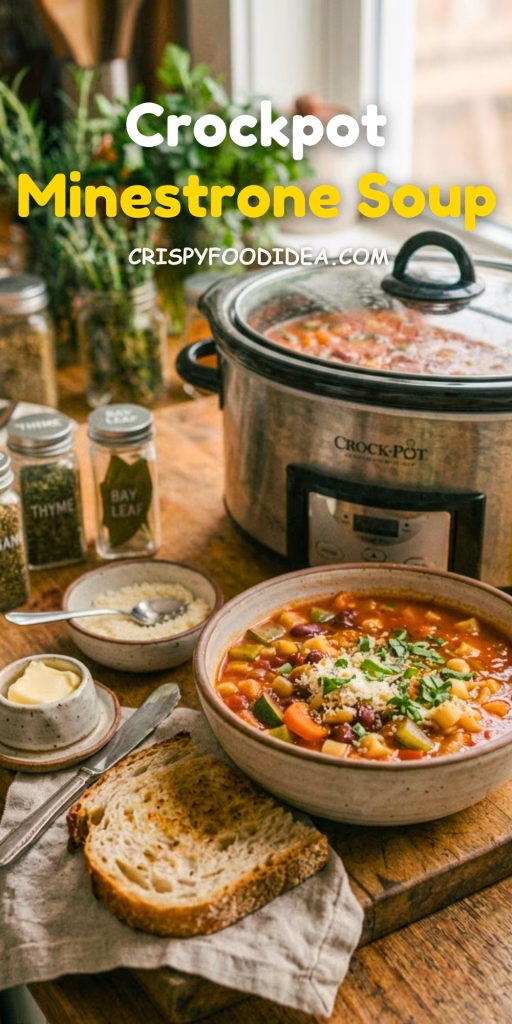
Many people make this slow cooker minestrone soup in many ways, but believe me, this version is the best for me. I have made minestrone soup before in the regular or traditional way, but for me, this slow cooker method is the best because the slow cooker brings together tender vegetables, creamy beans, small pasta, tomatoes, garlic, herbs, and a flavorful vegetable broth to create a comforting bowl of Italian-style vegetable soup.
Moreover, this crockpot minestrone soup is very flexible; that’s why I easily made this soup with the veggies I already had in my fridge, and I didn’t have to go to the market to buy anything new. There is only one tricky part in this recipe, and that is when you add the pasta; it matters. Adding it too early can leave it overly soft and cause it to soak up too much of the delicious broth. Anyway, that’s all I’m going to teach you today. So let’s get started with my favorite slow cooker minestrone soup recipe.
Related: Broccoli Cheddar Soup
Crockpot Minestrone Soup Recipe
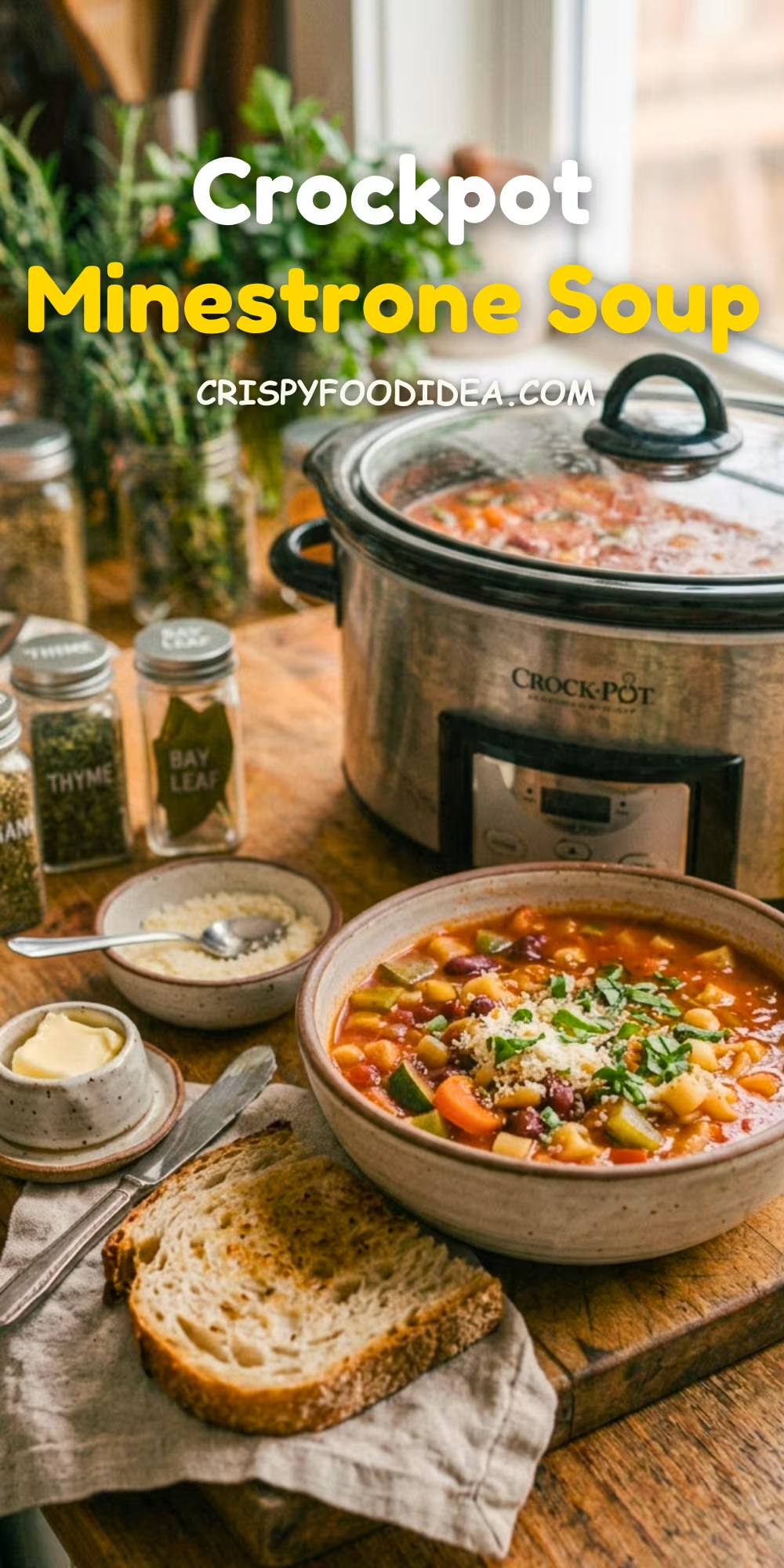
This easy Crockpot Minestrone Soup is a hearty Italian-inspired vegetable soup made with beans, tomatoes, fresh vegetables, herbs, and short pasta. It's a comforting slow cooker dinner that's perfect for busy weeknights, meal prep, and cozy family meals.
Ingredients
For the Minestrone Soup
- 1 tablespoon extra virgin olive oil
- 1 medium yellow onion, diced
- 2 medium carrots, peeled and diced
- 2 celery stalks, diced
- 4 cloves garlic, minced
- 1 medium zucchini, diced
- 1 cup fresh green beans, cut into bite-sized pieces
- 1 can (14.5 ounces) diced tomatoes, with juices
- 1 can (15 ounces) tomato sauce or crushed tomatoes
- 1 can (15 ounces) cannellini beans, drained and rinsed
- 1 can (15 ounces) kidney beans, drained and rinsed
- 5 cups low-sodium vegetable broth
- 2 tablespoons tomato paste
- 1 teaspoon Italian seasoning
- 1 teaspoon dried oregano
- 1 teaspoon dried basil
- 1 bay leaf
- ½ teaspoon freshly ground black pepper
- ¼ teaspoon red pepper flakes, optional
- Salt, to taste
- 1 cup small pasta such as ditalini, small shells, or elbow macaroni
- 2 cups fresh baby spinach
- 2 tablespoons chopped fresh parsley or basil
🧀 For Serving
- Freshly grated Parmesan cheese
- Extra virgin olive oil
- Freshly ground black pepper
- Crusty Italian bread, garlic bread, or focaccia
Instructions
- Prepare the vegetables: Dice the onion, carrots, celery, and zucchini into fairly even pieces. Trim and cut the green beans into bite-sized pieces. Mince the garlic.
- Build the soup: Add the onion, carrots, celery, garlic, diced tomatoes, tomato sauce, tomato paste, cannellini beans, kidney beans, vegetable broth, Italian seasoning, oregano, basil, bay leaf, black pepper, and red pepper flakes to a 6-quart slow cooker.
- Cook the soup: Cover and cook on LOW for about 6 hours, or until the harder vegetables are tender. You can also cook on HIGH for approximately 3–4 hours when you need dinner sooner.
- Add the quick-cooking vegetables: Stir in the zucchini and green beans during the later stage of cooking so they retain more of their texture.
- Add the pasta: Stir in the small pasta during the final 20–30 minutes, depending on the pasta shape and package cooking time. Cook until tender but not mushy.
- Add the spinach: Stir in the fresh spinach during the final few minutes. It will wilt quickly in the hot soup.
- Finish the soup: Remove the bay leaf. Taste and adjust the salt, black pepper, and seasonings. Stir in fresh parsley or basil.
- Serve: Ladle the hot Crockpot Minestrone Soup into bowls and finish with freshly grated Parmesan, a drizzle of olive oil, and freshly ground black pepper. Serve with crusty bread or garlic bread.
Notes
- Pasta timing matters: I recommend adding the pasta near the end rather than at the beginning. Extended slow cooking can make pasta overly soft and cause it to absorb too much of the broth.
- Use low-sodium broth: This gives you better control over the final salt level, especially because canned beans, tomatoes, and Parmesan can already contribute sodium.
- Don't overcook delicate vegetables: Zucchini, green beans, and leafy greens don't need the same long cooking time as carrots, celery, and onions.
- For thicker minestrone: Let the finished soup stand for several minutes before serving. The pasta and beans will naturally absorb some broth. Add a splash of vegetable broth when reheating if needed.
- For a vegetarian minestrone: Use vegetable broth and Parmesan as desired.
- For vegan minestrone: Use vegetable broth and omit Parmesan, or finish individual bowls with vegan Parmesan or nutritional yeast.
- For gluten-free minestrone: Use your favorite gluten-free small pasta and verify that the vegetable broth, canned ingredients, and other packaged products are gluten-free.
- For meal prep: The soup thickens as it sits because the pasta continues absorbing liquid. Store a little extra vegetable broth separately and add it when reheating.
Nutrition Information:
Yield:
6Serving Size:
1Amount Per Serving: Calories: 329Total Fat: 5gSaturated Fat: 1gUnsaturated Fat: 4gSodium: 809mgCarbohydrates: 64gFiber: 15gSugar: 10gProtein: 17g
What Is Minestrone Soup?
I have been making several crockpot soups over the years, such as crockpot chicken tortilla soup, crockpot taco soup, and chickpea coconut soup, but this crock pot minestrone soup recipe stands out and is my absolute favorite.
Minestrone soup is a classic Italian vegetable soup, known for being nutritious, comforting, and versatile. Unlike soups that have a fixed list of ingredients, traditional minestrone can vary depending on the season, region, and what’s available in the kitchen. A typical bowl might contain a mix of carrots, celery, onions, tomatoes, zucchini, green beans, beans, small pasta, herbs, and vegetable broth.
The ingredients for minestrone soup can vary, but it usually contains a few familiar core ingredients. Vegetables add color, sweetness, and texture, while beans thicken the soup. Tomatoes can create a rich, slightly sour base, and small pasta or grains make it a complete and satisfying meal.
What Goes Into Traditional Minestrone Soup?
The ingredients in minestrone vary, but the soup usually has a few familiar building blocks. Vegetables provide color, sweetness, and texture, while beans make the soup more substantial. Tomatoes can add a rich, slightly tangy base, and small pasta or grains turn it into a complete and satisfying meal.
Carrots, celery, onions, zucchini, green beans, spinach, kale, and other seasonal vegetables work beautifully.
Cannellini beans, kidney beans, Great Northern beans, or chickpeas add heartiness, plant-based protein, and fiber.
Diced tomatoes, crushed tomatoes, tomato paste, or passata can give minestrone its characteristic savory tomato flavor.
Small pasta such as ditalini is popular, although rice, farro, or other grains can also be used in different versions.
Garlic, basil, oregano, Italian herbs, black pepper, and fresh herbs help create a deeply flavorful broth.
Vegetable broth creates a flavorful base and works especially well for vegetarian and vegan minestrone soup.
Is Minestrone Soup Always Vegetarian?
This is not necessary. There are many variations on the traditional recipe for minestrone soup. Many modern versions are made with vegetable broth and beans, making it naturally vegetarian. A vegan minestrone soup can be made by using vegetable broth and omitting the Parmesan cheese or using a plant-based alternative instead.
Some recipes may call for chicken broth, meat, pancetta, or other animal ingredients. If you are making this soup for a vegetarian or vegan diet, be sure to check the broth, pasta, cheese, and other packaged ingredients carefully.
How is my minestrone soup different from vegetable soup?
The two soups may look similar, but minestrone is usually heavier. A typical vegetable soup consists mainly of vegetables and broth, while Italian minestrone soup often includes vegetables along with beans and pasta, rice, or grains. This combination gives minestrone its heavy and nutritious texture, making it suitable not just as a light starter, but as a complete meal.
Related: Slow Cooker Vegetable Beef Soup
How to Make Crockpot Minestrone Soup
Making minestrone soup in the crockpot is one of my favorite ways to turn simple vegetables, beans, tomatoes, broth, and pasta into a comforting Italian-style dinner with very little effort. The slow cooker does most of the cooking for you, and adding the pasta and soft vegetables at just the right time keeps the soup thick and nutritious, rather than mushy.
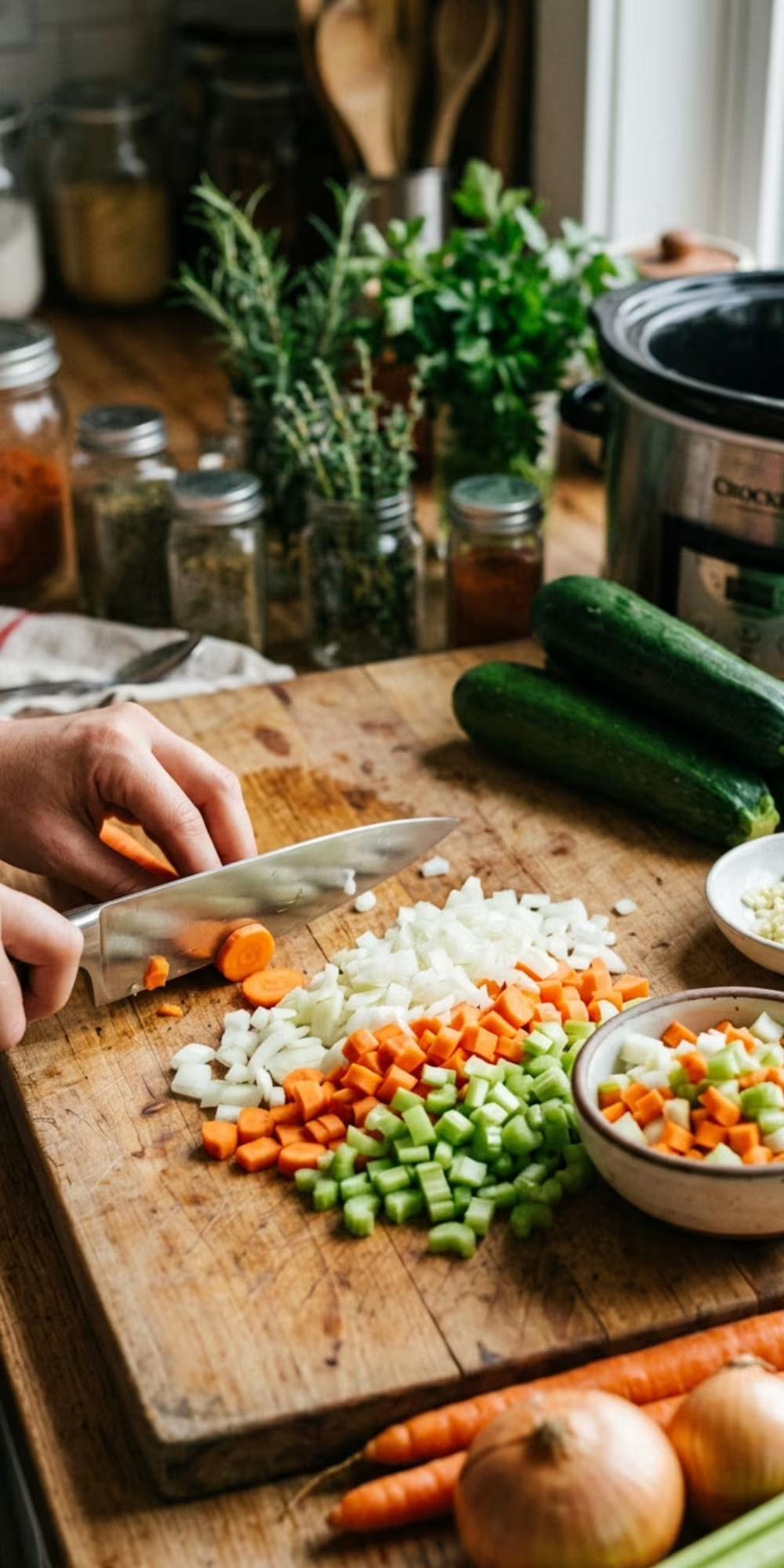
Chop the vegetables into similar-sized pieces so they cook evenly.
1 Chop the Vegetables
Start by preparing the vegetables for your slow cooker minestrone soup. Dice the onion, carrots, and celery into fairly small, even pieces. Cut zucchini and other quick-cooking vegetables slightly larger so they hold their shape during cooking.
I like keeping the vegetables bite-sized because every spoonful should have a little bit of everything: tender vegetables, creamy beans, flavorful tomato broth, and pasta.
- Dice onion, carrots, and celery evenly.
- Cut zucchini into slightly larger pieces.
- Mince the garlic finely for even distribution.
- Keep delicate greens aside for later.
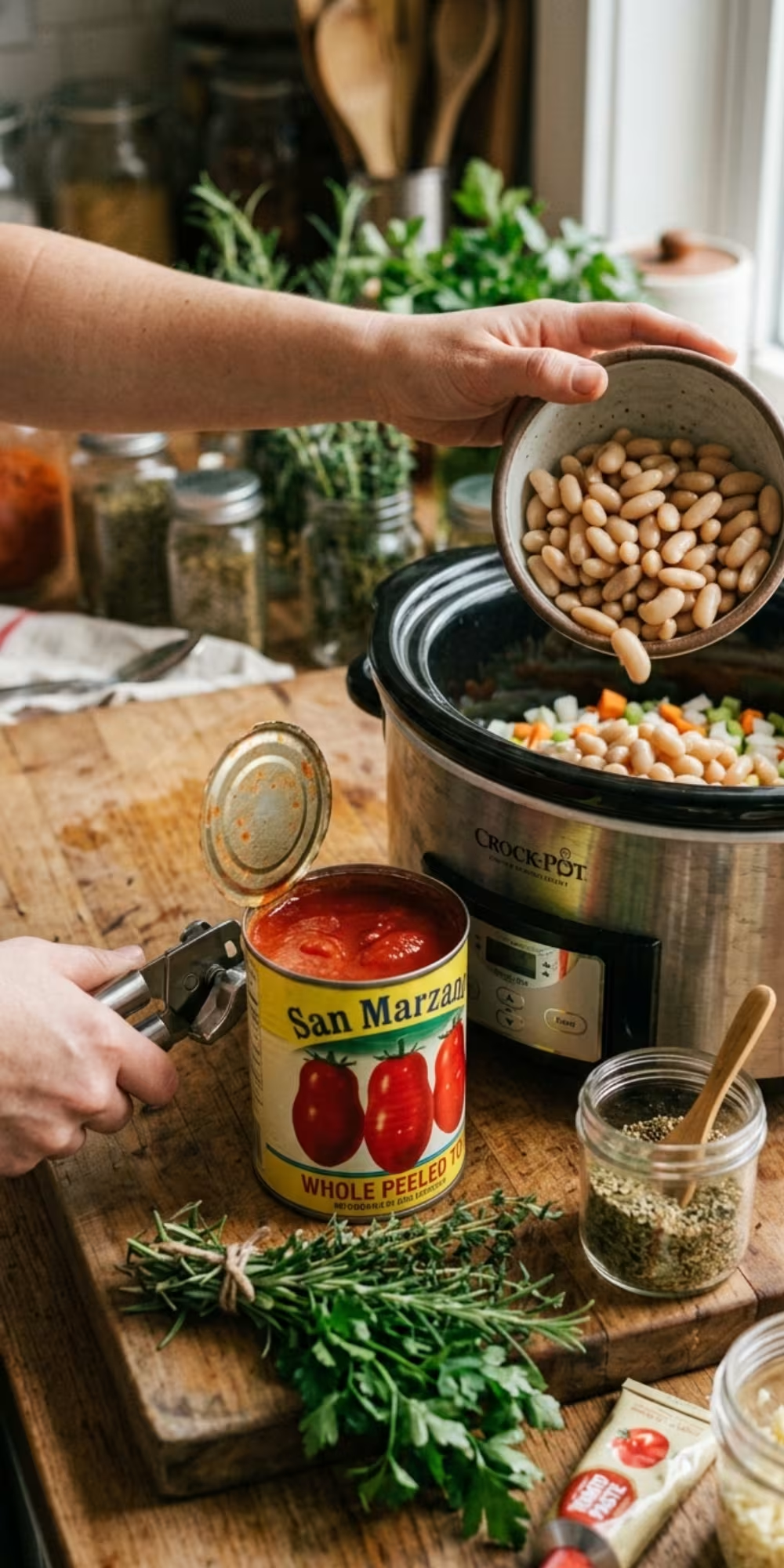
Add the vegetables, beans, tomatoes, broth, and seasonings to the Crockpot.
2 Build the Minestrone Soup Base
Add the prepared onion, carrots, celery, and garlic to the Crockpot. Follow with the canned tomatoes, drained and rinsed beans, vegetable broth, tomato paste if using, and your Italian herbs and seasonings.
For a classic vegetable-packed minestrone, cannellini beans are one of my favorites because they become tender and creamy while still holding their shape. You can also use kidney beans, Great Northern beans, or chickpeas depending on what you have in the pantry.
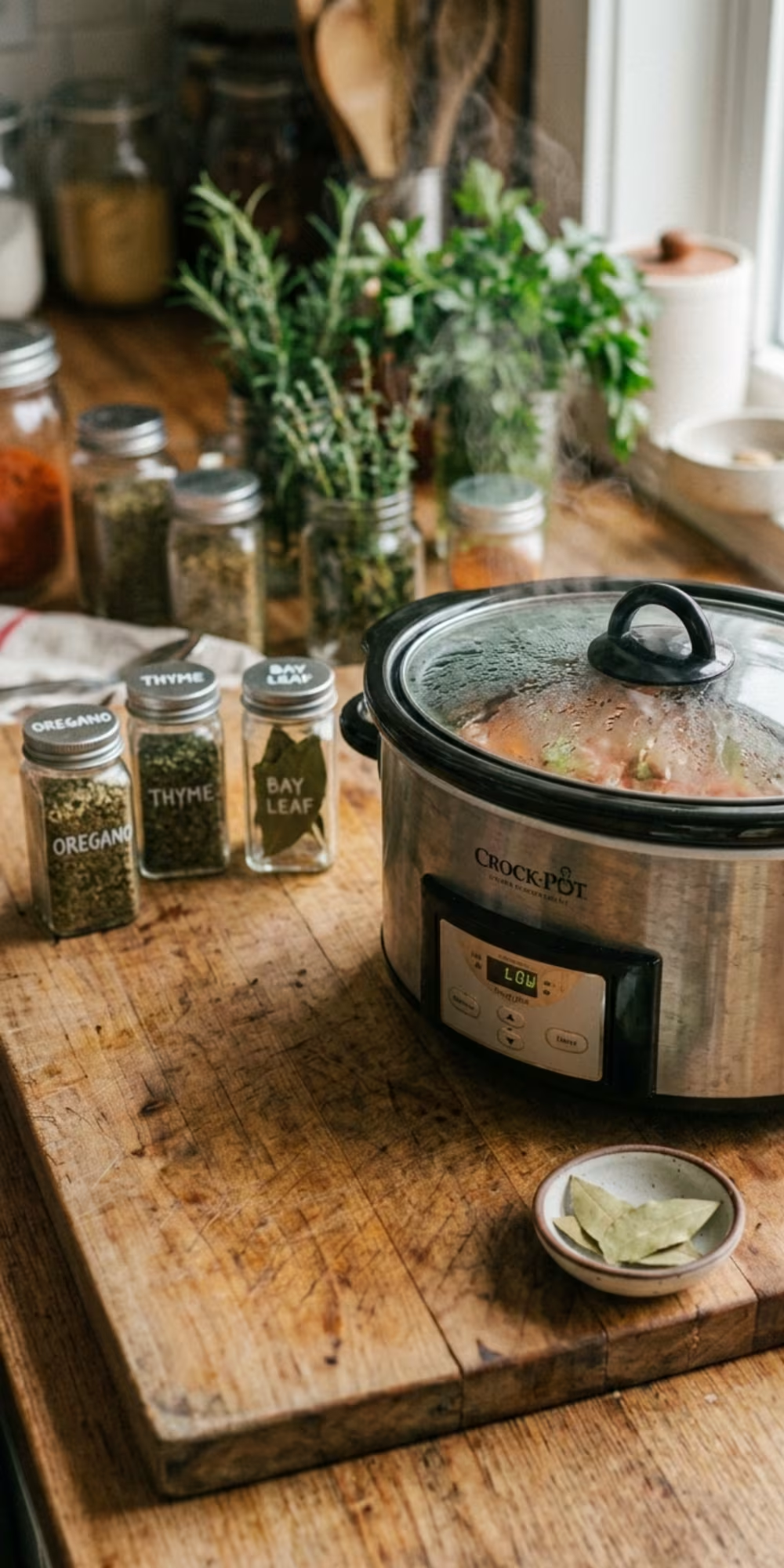
The soup base is ready for slow cooking.
3 Slow Cook Until the Vegetables Are Tender
Cover the Crockpot and let the soup cook until the vegetables are tender and the broth is deeply flavored. For the best hands-off Crockpot Minestrone Soup, I generally prefer the LOW setting when I have the time.
Slow cooking allows the tomatoes, aromatics, beans, herbs, and broth to develop a deeper flavor while keeping the preparation almost completely hands-off.
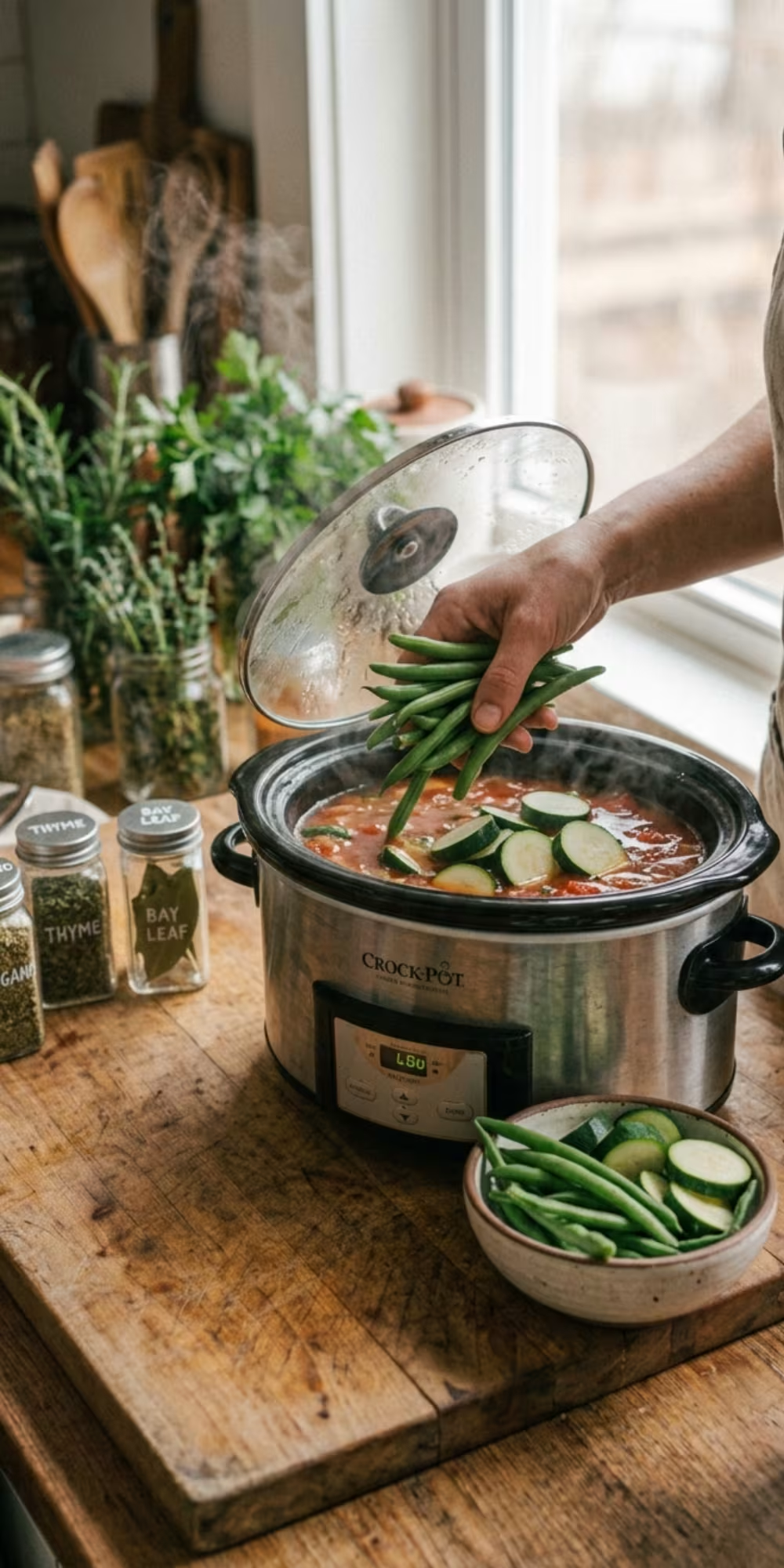
Check the vegetables before adding the quick-cooking ingredients.
4 Add the Quick-Cooking Vegetables
Once the harder vegetables are nearly tender, add zucchini, green beans, spinach, kale, or other vegetables that you want to retain a little more texture.
This small timing adjustment makes a noticeable difference in a slow cooker vegetable soup. If every vegetable goes into the Crockpot at the same time, delicate ingredients can become overly soft before the soup is finished.
Leafy greens such as spinach can usually be stirred in close to the end because they wilt quickly in the hot broth.
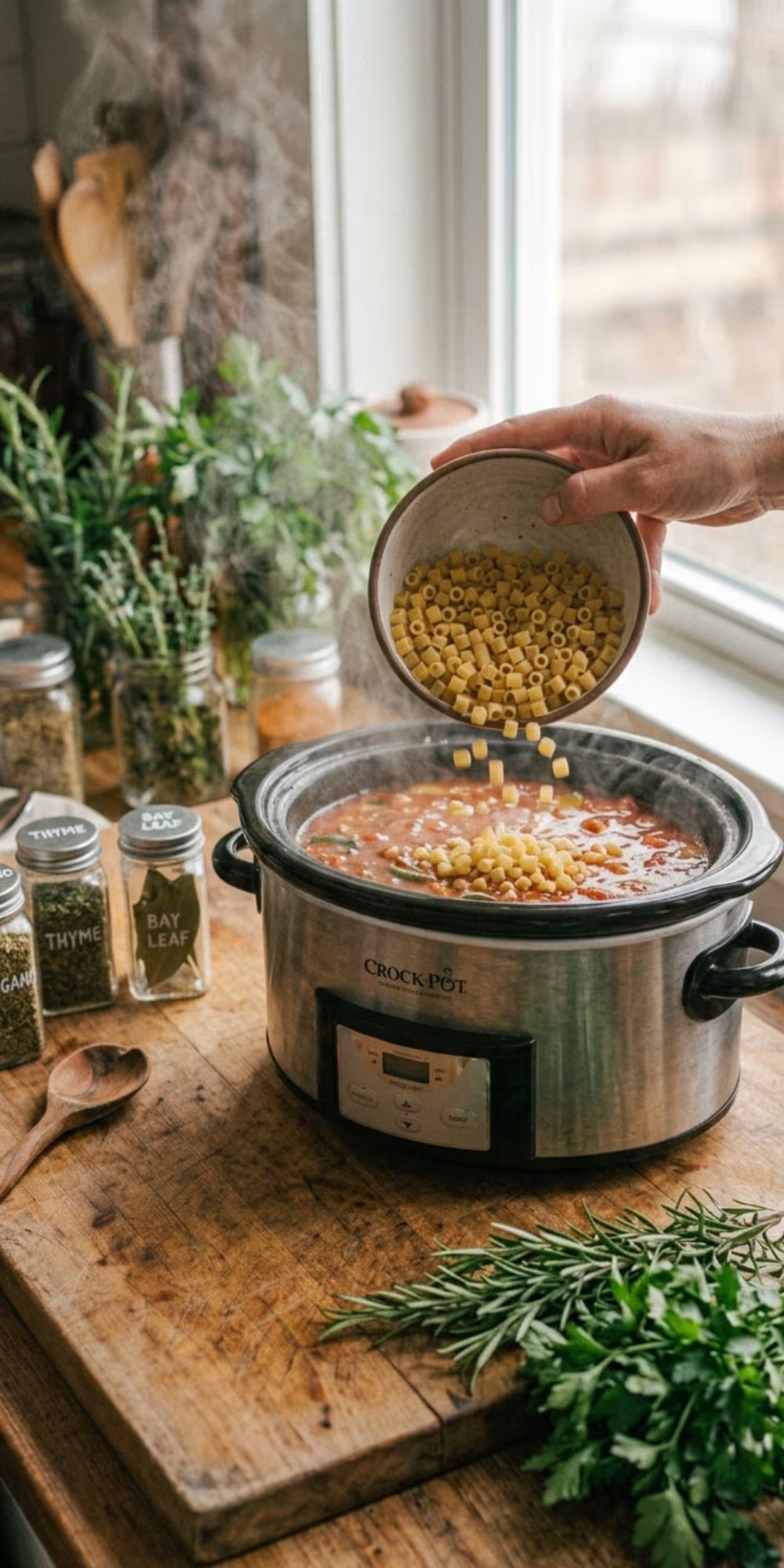
Add the pasta near the end so it stays tender instead of becoming mushy.
5 Add the Pasta Near the End
This is the step I pay the most attention to when making minestrone soup in the Crockpot. Stir in your small pasta, such as ditalini, small shells, or another quick-cooking shape, during the final stage of cooking.
The exact cooking time depends on the pasta you choose, so follow the package directions as a guide and check it for doneness before serving. The goal is tender pasta that still has enough bite to stand up to the hot broth.
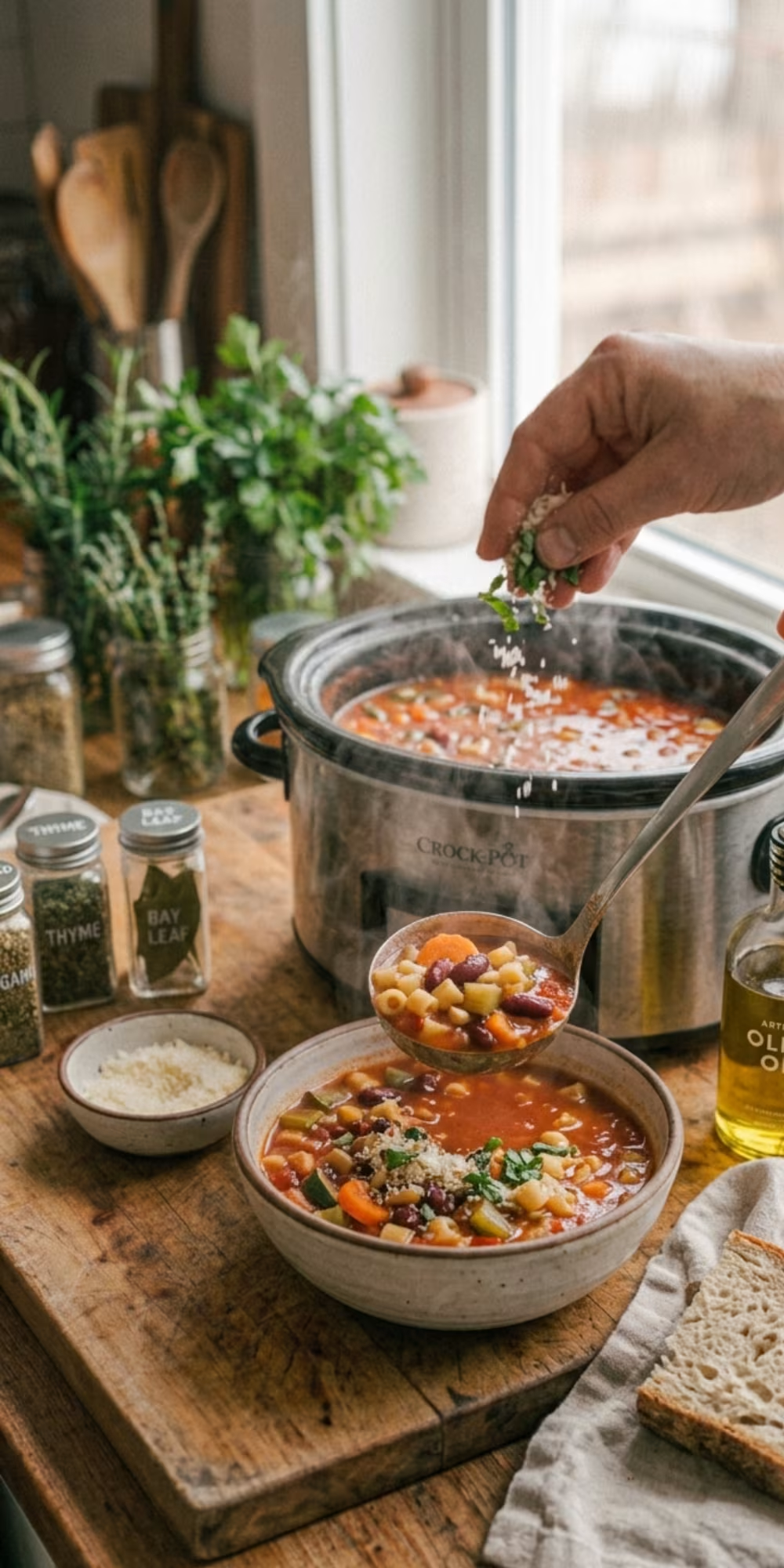
Finish the soup with fresh herbs, Parmesan, and a final seasoning check.
6 Finish, Taste, and Serve
Once the pasta is tender, turn off the slow cooker and give the soup a final stir. Taste the broth and adjust the seasoning with salt and freshly ground black pepper as needed.
For an extra flavorful finish, add fresh parsley or basil, a drizzle of extra virgin olive oil, and freshly grated Parmesan cheese. A small splash of lemon juice can also brighten the tomato-based broth if it tastes a little heavy.
Ladle the hot Crockpot Minestrone Soup into bowls and serve immediately with crusty bread, garlic bread, or focaccia for an easy and satisfying weeknight dinner.
My Testing Notes — What Makes Better Crockpot Minestrone Soup Recipe?
While making crockpot minestrone soup, it may seem like a simple recipe; a few changes to the pasta and vegetables, beans, tomatoes, and seasonings can completely change the flavor of the soup. I wanted a slow cooker minestrone soup where the vegetables were tender, the beans were creamy, the tomato broth was flavorful and Italian-style, and the pasta had a nice bite without being too soft.
So I compared the most important little things. These techniques gave me the best balance of flavor, texture, broth, vegetables, beans, and pasta—and here are some mistakes to avoid the next time you make minestrone in the crockpot.
Pasta at the Beginning vs. Pasta Near the End
This was the biggest difference in texture in my testing. When I added the ditalini or other small pasta too early, it had too much time to absorb the tomato-vegetable broth. The soup thickened noticeably and the pasta lost the firmness I wanted.
I had much better control by slowly adding the pasta toward the end of cooking. The noodles were separate from the vegetables and beans, and the minestrone in the crockpot looked and tasted like soup rather than a very thick pasta stew.
Add the pasta near the end. It gives the finished minestrone a better pasta-to-broth balance and makes it easier to stop cooking when the noodles are just tender.
Leftover tip: If I’m intentionally making this soup for several lunches, I prefer cooking the pasta separately and adding it to individual bowls. That way, the pasta doesn’t continue soaking up broth while the minestrone sits in the refrigerator.
All the Vegetables at Once vs. Adding Tender Vegetables Later
Not every minestrone vegetable benefits from the same amount of time in a slow cooker. Firm vegetables such as carrots, celery, and onion can handle a long, gentle cook and help build the soup’s base flavor.
More delicate vegetables are another story. I preferred the texture when ingredients such as zucchini, green beans, spinach, or kale were timed according to how tender I wanted them. Putting every vegetable into the Crockpot at the same moment is certainly convenient, but it gives you less control over the final texture.
Stagger the vegetables. Start with sturdy vegetables and add quick-cooking vegetables later for a more colorful, textured vegetable minestrone.
Cannellini Beans vs. Kidney Beans — Why I Like Both
I didn’t want the beans to feel like an afterthought because they are one of the ingredients that make a bowl of vegetarian minestrone soup so satisfying. Cannellini beans have a softer, creamier character, while kidney beans give the soup a firmer bite and a nice contrast in color.
Using both gave me the bowl I preferred: creamy white beans in some spoonfuls, firmer kidney beans in others, with plenty of vegetables and pasta between them. Canned beans also make this an especially practical easy Crockpot soup for a weeknight.
Use a combination of cannellini and kidney beans. Rinse and drain canned beans before adding them so you have better control over the consistency and seasoning of the broth.
Regular Diced Tomatoes vs. Fire-Roasted Tomatoes
Both work, but they don’t produce exactly the same style of soup. Regular diced tomatoes gave me a cleaner, more familiar tomato and vegetable broth. Fire-roasted tomatoes added a deeper roasted note that made the slow cooker minestrone taste a little bolder.
I like fire-roasted tomatoes when I want extra depth without adding another preparation step. For a lighter, more classic-tasting vegetable soup, regular diced tomatoes are still an excellent choice.
Fire-roasted tomatoes for deeper flavor; regular diced tomatoes when you want the vegetables and herbs to stay more prominent.
Parmesan Rind vs. No Parmesan Rind
A leftover Parmesan rind may not look important, but it was one of my favorite additions to the broth. Letting it slowly cook alongside the tomatoes, beans, vegetables, and Italian herbs gave the soup a deeper savory character without turning it into a cheesy soup.
The version without it was still good, so I wouldn’t make a special grocery trip just for a rind. But when I have one in the refrigerator, it absolutely goes into my Crockpot minestrone.
Add a Parmesan rind when you have one. Remove the rind before serving, then finish individual bowls with freshly grated Parmesan if desired.
Making vegan minestrone? Skip the Parmesan rind and use a flavorful vegetable broth; finish with fresh herbs, good olive oil, and a little lemon instead.
Sautéed Aromatics vs. a True Dump-and-Go Method
I understand the appeal of dump-and-go Crockpot minestrone: throw it all in, then don’t think about it anymore. It works. But when flavor is most important to me, I like to sauté the onion, celery, carrot, and garlic briefly before adding it to the crockpot.
Lightly sautéing the aromatics in a little olive oil before adding the vegetable broth and tomatoes creates a better base for the soup. If you’re short on time, you can make a delicious soup without using a wok; I just see the sautéing of the aromatics as a way to add extra flavor.
Sauté when you have the extra few minutes. Choose dump-and-go when convenience matters most—the rest of the recipe doesn’t need to change.
Why the Soup Tastes Better After a Fresh Finish
Long, slow cooking develops the broth, but I found that the finished soup still benefited from something fresh right before serving. Fresh parsley or basil, grated Parmesan, cracked black pepper, and a small splash of fresh lemon juice made the individual flavors taste brighter.
I especially like the acidity at the end because it balances the sweetness of cooked carrots and tomatoes and the richness of the beans. Add only a little at first, taste, and adjust rather than making the soup noticeably lemony.
Finish, taste, then season again. Fresh herbs, Parmesan, black pepper, and just enough acidity can make a slow-cooked soup taste much more lively.
What Vegetables Can I Add to Minestrone Soup?
I mentioned at the beginning that this crockpot minestrone soup is quite flexible. There is no specific list of vegetables needed to make a delicious and nutritious minestrone. Carrots, celery, zucchini, green beans, spinach, kale, potatoes, peas, cabbage, and other seasonal vegetables all work wonderfully. The real trick is knowing which vegetables to add first and which ones to add later, so that their flavor, color, and texture are intact.
You can add almost any soup-friendly vegetable to minestrone. For a slow cooker version, use firm vegetables such as carrots, celery, potatoes, and squash earlier in the cooking process. Add tender vegetables such as zucchini, peas, spinach, kale, and fresh herbs later so they don’t turn mushy.
Best Vegetables for Crockpot Minestrone Soup
If I’m making this slow cooker minestrone soup from vegetables I already have in the refrigerator, these are the ones I reach for most often. They add different flavors and textures, which keeps the soup from tasting flat or overly soft.
Carrots
Carrots add natural sweetness, color, and a pleasant bite. They are one of the best vegetables to add early to a Crockpot because they hold their shape well during slow cooking.
Add earlyCelery
Celery gives minestrone that classic savory vegetable-soup flavor. Chop it fairly small and add it with the onion and carrots to build a flavorful base.
Add earlyZucchini
Zucchini is one of my favorite additions because it cooks quickly and adds a tender texture. In a Crockpot, adding it later helps prevent it from becoming overly soft.
Add laterGreen Beans
Fresh or frozen green beans add color and a slightly crisp texture. They are especially good when you want a vegetable-packed minestrone without making the broth heavy.
Early or mid-cookSpinach & Kale
Leafy greens are an easy way to add extra vegetables. Stir baby spinach in near the end, while chopped kale can handle a little more cooking time.
Add near the endPotatoes
Potatoes make minestrone especially hearty and filling. Cut them into small, even pieces so they cook at roughly the same rate as the other firm vegetables.
Add earlyDon’t treat every vegetable the same way in a slow cooker. I like to think of the vegetables in three groups: firm vegetables for the long cook, medium vegetables for the middle or later stage, and delicate vegetables for the final few minutes. That simple approach gives Crockpot Minestrone Soup much better texture.
Easy Minestrone Vegetable Substitutions
No zucchini? No problem. Out of green beans? Use peas or cabbage. Minestrone soup is one of the easiest recipes to adapt, because it was traditionally made with whatever vegetables were on hand. Instead of going to the store, use this alternative recipe guide to make your own vegetable minestrone.
Can I Use Frozen Vegetables in Minestrone Soup?
Sure. Frozen vegetables work well in Crockpot Minestrone Soup, especially peas, carrots, spinach, and mixed greens. They are convenient when fresh vegetables are not available and can make this dish an easy meal to keep in the pantry and freezer.
For the best texture, I would avoid adding all frozen vegetables to the Crockpot at the beginning of cooking. Soft frozen vegetables can be added toward the end of cooking, and firmer vegetables can be added earlier.
Can I Add Seasonal Vegetables to Minestrone?
I know most people prefer it in the winter, but yes, this is one of the best ways to make homemade minestrone interesting all year round. Summer minestrone can be made with zucchini, green beans, tomatoes, and fresh basil leaves, while the winter version uses potatoes, cabbage, winter squash, kale, and root vegetables.
How to Make Vegan and Gluten-Free Crockpot Minestrone Soup
The best part about homemade crockpot minestrone soup is that it can be easily adapted to suit a variety of diets without sacrificing the nutritious vegetables, beans, herbs, pasta, and thick tomato broth that make minestrone so comforting. With a few simple ingredient swaps, you can make a delicious vegan crockpot minestrone soup or a satisfying gluten-free crockpot minestrone soup right in your slow cooker.
You just need to pay attention to the little things that are easy to overlook: use vegetable broth instead of chicken broth, choose plant-based toppings for vegan versions, and use certified gluten-free pasta and carefully tested package ingredients for gluten-free versions. This results in a comforting slow cooker vegetable soup, which is excellent for weeknight meals, meal prep, and refrigerated lunches.
Vegan Crockpot Minestrone Soup
Keep the soup completely plant-based by using vegetable broth, beans, vegetables, herbs, tomatoes, and vegan-friendly pasta. Finish it with fresh basil, parsley, extra-virgin olive oil, or vegan Parmesan instead of traditional Parmesan cheese.
Gluten-Free Crockpot Minestrone Soup
Replace regular wheat pasta with your favorite certified gluten-free small pasta and check packaged ingredients such as broth, canned tomatoes, beans, and seasonings. This keeps the classic vegetable, bean, and tomato combination while making the soup suitable for a gluten-free diet.
How to Make Vegan Crockpot Minestrone Soup
Making vegan minestrone soup in a Crockpot is surprisingly simple. Traditional minestrone is already centered around vegetables, beans, tomatoes, herbs, and pasta, so the main goal is to avoid animal-based broth, cheese, and other hidden dairy ingredients.
My favorite method: make the soup in a slow cooker with thick vegetable stock, canned tomatoes, beans, carrots, celery, onion, garlic, zucchini, and Italian herbs. Add the pasta toward the end of cooking, so it stays nicely tender without being overly mushy.
Start With a Flavorful Vegetable Base
Add chopped onion, carrots, celery, and garlic to the Crockpot. These vegetables create the aromatic foundation for your vegan slow cooker minestrone soup. For an even deeper flavor, you can sauté the onion, celery, carrots, and garlic briefly in olive oil before adding them to the slow cooker.
Add Tomatoes, Beans, Broth, and Italian Seasonings
Add diced tomatoes, tomato paste if using, drained beans, vegetable broth, Italian seasoning, oregano, black pepper, and a bay leaf. Cannellini beans and kidney beans are especially good here because they add a hearty texture and make the soup more satisfying.
Slow Cook Until the Vegetables Are Tender
Cover and cook the soup until the vegetables are tender and the broth has developed a rich, savory flavor. Cooking on LOW generally gives the ingredients more time to develop flavor, while HIGH is useful when you need dinner sooner. Follow the cooking time specified in your main recipe card.
Add Tender Vegetables and Pasta at the Right Time
Add vegetables such as zucchini, spinach, or other delicate greens later in the cooking process when appropriate. Add small pasta near the end rather than letting it simmer for the entire slow-cooking period. This helps prevent mushy pasta and keeps more broth in the finished soup.
Finish With Fresh Herbs and a Plant-Based Topping
Remove the bay leaf, taste the soup, and adjust the salt and black pepper. Fresh basil or parsley adds brightness. A drizzle of extra-virgin olive oil or a spoonful of vegan Parmesan can provide the rich finishing touch you would normally get from Parmesan cheese.
Best Vegan Ingredients for Crockpot Minestrone
| Ingredient | Why It Works | Vegan Tip |
|---|---|---|
| Cannellini beans | Creamy texture and plant-based protein | Use canned beans for convenience or cooked dried beans when preferred. |
| Kidney beans | Add color, texture, fiber, and heartiness | Drain and rinse canned beans before adding. |
| Vegetable broth | Creates the savory soup base | Choose a broth that fits your dietary preferences. |
| Extra-virgin olive oil | Adds richness and rounds out the broth | Use as a finishing drizzle if desired. |
| Fresh basil | Adds a fresh Italian-style aroma | Add shortly before serving for the best flavor. |
| Vegan Parmesan | Adds a cheesy, savory finishing note | Check the ingredient label to ensure it is dairy-free. |
Easy Vegan Substitutions
- Parmesan: use vegan Parmesan, nutritional yeast, or simply finish with fresh herbs and olive oil.
- Chicken broth: replace it with vegetable broth for a completely plant-based minestrone.
- Butter: use extra-virgin olive oil or another plant-based cooking fat.
- Meat-based additions: leave out sausage, bacon, or other animal-based ingredients and add extra beans or vegetables instead.
- Regular pasta: for a vegan version, check the package because most simple dried pastas are made without eggs, but ingredients vary by brand.
How to Make Gluten-Free Crockpot Minestrone Soup
A gluten-free Crockpot Minestrone Soup starts with the same comforting combination of vegetables, beans, tomatoes, herbs, and broth, but the pasta and packaged ingredients need extra attention. The easiest swap is to use a certified gluten-free small pasta that holds its shape well in soup.
The biggest gluten-free mistake to avoid: assuming that every ingredient is automatically gluten-free simply because it is a vegetable, bean, or seasoning. Packaged broth, pasta, spice blends, prepared toppings, and other processed ingredients should be checked against the dietary requirements of the people you are serving.
Choose Gluten-Free Ingredients
Start with naturally gluten-free vegetables, beans, tomatoes, herbs, and a suitable broth. Choose pasta specifically labeled or certified gluten-free when that designation is important for your household.
Check the Broth and Seasonings
Read the labels on vegetable broth, Italian seasoning blends, bouillon, and other packaged ingredients. Formulations can vary between brands, so don’t assume that a product is gluten-free simply because it is commonly used in vegetable soup.
Build the Minestrone in the Slow Cooker
Add the vegetables, tomatoes, beans, gluten-free-friendly broth, and seasonings according to the main recipe method. Slow cooking allows the vegetables and tomato broth to develop a comforting depth of flavor without complicated stovetop work.
Add Gluten-Free Pasta Toward the End
Gluten-free pasta can have a different cooking texture from wheat pasta, and some varieties become soft more quickly. Add it according to the package’s cooking characteristics and your tested recipe method rather than leaving it in the Crockpot for the entire cooking time.
Taste, Adjust, and Serve
Once the vegetables and pasta reach the texture you want, remove the bay leaf and adjust seasoning. Serve your gluten-free slow cooker minestrone hot with fresh herbs, olive oil, or another topping that fits your dietary needs.
Best Gluten-Free Swaps for Minestrone Soup
| Traditional Ingredient | Gluten-Free Option | What to Check |
|---|---|---|
| Wheat-based small pasta | Certified gluten-free pasta | Check the package and cooking time. |
| Regular vegetable broth | Gluten-free vegetable broth | Read the ingredient and allergen information. |
| Bouillon | Gluten-free bouillon or broth concentrate | Check the manufacturer’s label. |
| Seasoning blend | Individual herbs and spices | Check packaged blends when using them. |
| Croutons | Gluten-free croutons or toasted gluten-free bread | Use a product appropriate for the dietary requirement. |
How to Keep Crockpot Minestrone Gluten-Free
If you’re making this soup for someone who is strictly gluten-free, choosing the ingredients is just one part of the process. Be careful not to let them touch each other during preparation and serving. Use clean utensils, cutting boards, measuring tools, and serving utensils, and keep gluten-containing ingredients away from the preparation area.
This is especially important when you’re serving the soup to someone with celiac disease or who is on a medically prescribed gluten-free diet. Follow the person’s medical and dietary instructions and the label guidelines for the product you’re purchasing.
✓ Do This
- Use vegetable broth for a vegan minestrone.
- Check pasta labels carefully.
- Add pasta toward the end for better texture.
- Use plenty of vegetables and beans.
- Finish with fresh herbs for brightness.
- Check packaged ingredients when preparing gluten-free soup.
✕ Avoid This
- Don’t assume every broth or seasoning blend is gluten-free.
- Don’t add regular wheat pasta to a gluten-free batch.
- Don’t cook delicate vegetables for unnecessarily long periods.
- Don’t rely on Parmesan for flavor in a vegan version.
- Don’t let pasta absorb all the broth during storage.
- Don’t ignore cross-contact when strict gluten avoidance is required.
Related: Lentil Vegetable Soup
The best thing about crockpot minestrone soup is that it makes a lot of soup, so you can enjoy a bowl of soup for dinner and save the leftovers for another meal. However, proper storage is important, especially since minestrone contains pasta and vegetables that can change their texture if left out for too long.
For best results, cool leftover minestrone soup quickly, store in an airtight container, and divide into serving-sized portions in the refrigerator or freezer. If you’re planning to freeze the soup, you may want to consider storing the pasta separately or undercooking it slightly so that the noodles don’t become overly mushy when you reheat the soup after it has thawed.
Refrigerator
Cool and refrigerate leftovers promptly in shallow, airtight containers for easier cooling and convenient meal prep.
Freezer
Freeze minestrone in individual portions for an easy make-ahead meal. Leaving some room in the container allows for expansion.
Reheating
Reheat gently until hot throughout. Add a little broth or water if the soup has thickened after refrigeration or freezing.
How to Store Crockpot Minestrone Soup
If you can make slow cooker minestrone soup, it will retain its flavor and texture if stored properly. I prefer to make the soup in smaller portions rather than refrigerating it in a large container at once. The smaller portions are easier to refrigerate, store, reheat, and pack for lunch.
Let the soup stop steaming
After cooking, allow the soup to stop steaming heavily before transferring it to storage containers. Avoid leaving cooked soup sitting at room temperature for an extended period.
Divide into portions
Spoon the Crockpot Minestrone Soup into smaller, shallow airtight containers. Individual portions are especially convenient for work lunches and quick weeknight dinners.
Refrigerate promptly
Place the containers in the refrigerator promptly rather than allowing the soup to sit out for a prolonged period. Keep the refrigerator at a safe cold temperature.
Label your leftovers
If you are meal prepping, label each container with the date. This makes it much easier to keep track of refrigerated or frozen minestrone soup.
How long does mincemeat soup last in a crockpot?
How long the soup will last depends on where you store it. Instead of storing leftover soup in the refrigerator indefinitely, follow the food-safety guidelines for cooked leftovers. Frozen soup will last longer, although its quality and texture are best when used within a certain time frame.
| Refrigerator | Store promptly in airtight containers and use within a few days. | Pasta gradually absorbs broth and becomes softer over time. |
| Freezer | Freeze in airtight, freezer-safe portions with room for expansion. | Vegetables generally hold up well; pasta may soften after thawing. |
| Reheated leftovers | Reheat only the portion you plan to eat. | A splash of broth or water can loosen a thickened soup. |
My leftover-soup tip
If I know I am making a big batch specifically for meal prep, I prefer to keep some of the pasta separate. That way, the pasta doesn’t continue absorbing broth while the minestrone sits in the refrigerator or freezer.
Can You Freeze Crockpot Minestrone Soup?
Yes, Crockpot Minestrone Soup can be frozen. It’s a convenient and freezer-friendly soup, as the beans, tomato broth, and many vegetables freeze well. The main ingredient I focus on is the pasta. Cooked pasta can become mushy after freezing, thawing, and reheating.
If you’re making minestrone soup to freeze, you have two good options: freeze the soup without the pasta and add freshly cooked pasta when serving, or slightly undercook the pasta before freezing. For the best texture, I prefer the first option when I know the soup will be frozen for later use.
How to Freeze Minestrone Soup
Cool the soup appropriately
Allow the freshly cooked soup to stop steaming heavily, then portion it for freezing. Avoid leaving cooked food at room temperature for an extended period.
Choose freezer-safe containers
Use freezer-safe airtight containers or suitable freezer bags. Leave some empty space at the top because liquid expands as it freezes.
Freeze in meal-sized portions
Individual portions make frozen minestrone much easier to thaw and reheat. They are also ideal for quick lunches and weeknight dinners.
Label and date the containers
Write the recipe name and freezing date on each container. This simple step helps prevent forgotten freezer meals.
Best Way to Freeze Minestrone Soup with Pasta
The easiest way to preserve the texture of slow cooker minestrone soup is to store the pasta separately. If you are cooking the soup specifically to freeze, remove the pasta from the portion you want to freeze. When you are ready to eat it, cook a small amount of fresh pasta and mix it into the reheated soup.
✓ Do this
- Freeze soup in individual portions.
- Use airtight, freezer-safe containers.
- Leave expansion space in containers.
- Consider freezing the pasta separately.
- Label each portion with the date.
✕ Avoid this
- Don’t repeatedly freeze and thaw the same batch.
- Don’t overfill freezer containers.
- Don’t rely on pasta to retain its original texture after freezing.
- Don’t leave cooked soup at room temperature for a prolonged period.
- Don’t refreeze leftovers that have already been thawed improperly.
How to Thaw Frozen Minestrone Soup
The safest and most reliable way to thaw frozen crockpot minestrone soup is to refrigerate a portion of the soup in advance and let it thaw there. If you’re short on time, you can reheat the soup directly from frozen using the appropriate oven or microwave method, stirring while heating.
How to Reheat Crockpot Minestrone Soup
The best way to reheat minestrone soup depends on how much you’re reheating. I prefer to reheat on the stove for larger family meals, as it allows for more control over the heat and makes it easier to thin the soup by adding additional broth. For one, the microwave is quick and convenient.
🍲 Stovetop Method
Pour the refrigerated soup into a saucepan and heat over medium-low heat, stirring occasionally. If the soup thickens, add a little vegetable broth or water. Continue heating until thoroughly heated.
I prefer this method for reheating multiple times, as it allows me to easily adjust the thickness and add fresh herbs just before serving.
⚡ Microwave Method
Place one serving of soup in a microwave-safe bowl and cover loosely. Heat in small batches, stirring between each addition, until the soup is thoroughly heated.
If the pasta has absorbed a lot of the broth overnight, add a little water or broth before reheating.
How to Reheat Frozen Minestrone Soup
Frozen vegetable minestrone soup can be thawed in the refrigerator before reheating, or it can be heated from frozen using a suitable method. When reheating from frozen on the stove, use a saucepan over medium heat and stir as the outer edges begin to melt. If the soup is thin, continue heating until heated through.
When using the microwave, use a microwave-safe container and stir the soup occasionally to ensure even heating of the center and edges. If the soup seems thicker than when freshly made, add a little broth or water.
What to Serve With Minestrone Soup
Usually, most people like me like to serve bread with soup. But there are many other dishes that can be served very nicely with this crockpot minestrone soup. Here, I am sharing with you some of my favorite options that I think you will also like.
Crusty Italian Bread
Crusty Italian bread is one of the easiest accompaniments to serve with minestrone soup. Its crunchy exterior and soft, chewy interior are perfect for dipping into the tomato-rich vegetable broth.
Garlic Bread
For a more savory pairing, serve hot garlic bread with minestrone soup. Its buttery garlic flavor blends beautifully with the herbs, tomatoes, beans, and other vegetables without overpowering the soup’s main flavor.
Focaccia
Soft, olive oil-filled focaccia is a particularly good choice for an Italian-style dinner. To make the meal even more comforting, tear it into pieces and use them to soak up the delicious broth.
Simple Green Salad
A fresh green salad balances the warmth and richness of slow cooker minestrone soup. Try it with lettuce, cucumber, tomato, red onion, and a light olive oil vinaigrette.
Italian Chopped Salad
An Italian-style tossed salad made with crunchy vegetables and a sweet-and-sour dressing adds a refreshing and different dimension to a bowl of vegetable minestrone soup. It’s a great choice for a light family dinner.
Parmesan Cheese
Sprinkle freshly grated Parmesan cheese over each bowl. Its salty, nutty flavor adds a delicious depth to the tomato sauce and pairs beautifully with beans, pasta, and Italian herbs.
Bruschetta
Fresh tomato bruschetta brings a bright and refreshing contrast to the meal. The combination of tomatoes, basil, and extra virgin olive oil works especially well with a nutritious slow cooker soup.
Fresh Herbs and Olive Oil
Sometimes it’s the little things that make the biggest difference. A sprinkle of fresh basil or parsley and a drizzle of extra virgin olive oil just before serving will give it a refreshing, restaurant-like finish.
Best Side Dishes for Minestrone Soup at a Glance
If you’re choosing what goes well with minestrone soup, use this quick guide to match the side with the kind of meal you want.
| Side Dish | Best For | Why It Works |
|---|---|---|
| Crusty Italian bread | Classic dinner | Soaks up the flavorful broth and adds satisfying texture. |
| Garlic bread | Comfort food | Adds buttery garlic flavor and makes the soup more filling. |
| Focaccia | Italian-inspired meal | Olive oil and herbs complement the soup’s Italian flavors. |
| Green salad | Light lunch | Adds crunch, freshness and contrast to the warm soup. |
| Parmesan cheese | Extra flavor | Provides salty, nutty umami that enhances the broth. |
| Bruschetta | Italian dinner | Fresh tomatoes and basil brighten a hearty bowl of soup. |
My Favorite Minestrone Soup Dinner Combinations
- Classic: Minestrone + crusty Italian bread + Parmesan
- Light: Minestrone + green salad + fresh herbs
- Comforting: Minestrone + garlic bread + Parmesan
- Italian-style: Minestrone + focaccia + bruschetta
- Vegetarian: Minestrone + roasted vegetables + salad
- Meal prep: Minestrone + bread + simple side salad
One serving tip I always recommend: Because minestrone already contains vegetables, beans and pasta, you don’t need a heavy side dish. Choose one good bread or a crisp salad rather than serving several rich sides. This keeps the meal balanced while letting the homemade soup remain the star of the table.
Frequently Asked Questions
Can you make minestrone soup in a Crockpot?
Yes! Minestrone soup is excellent in a Crockpot or slow cooker because the vegetables, beans, tomatoes, herbs, and broth have plenty of time to develop flavor. For the best texture, I recommend adding delicate vegetables and small pasta toward the end of cooking rather than letting them simmer for the entire slow cooking time. This gives you a hearty, flavorful slow cooker minestrone soup without mushy vegetables or overcooked pasta.
How long does Crockpot Minestrone Soup take to cook?
The exact cooking time depends on your slow cooker and the size of your vegetables. As a general guide, Crockpot Minestrone Soup can be cooked on LOW for about 6 to 8 hours or on HIGH for about 3 to 4 hours. Check the vegetables for tenderness before finishing the soup. If your recipe includes small pasta, add it near the end of cooking so it stays tender rather than becoming overly soft.
When should I add pasta to slow cooker minestrone soup?
I recommend adding small pasta during the final stage of cooking. Adding pasta too early to Crockpot Minestrone Soup can make it soft and cause it to absorb too much of the broth. Ditalini, small shells, elbow macaroni, or another small pasta generally works well. Stir the pasta into the hot soup near the end and cook until it reaches the texture you prefer. This is especially important if you plan to keep leftovers, because pasta continues to absorb liquid as the soup sits.
What vegetables are best for Crockpot Minestrone Soup?
Traditional-style minestrone is flexible, so you can use a variety of vegetables. Carrots, celery, onion, zucchini, green beans, spinach, kale, tomatoes, and garlic are all excellent choices. Harder vegetables can go into the Crockpot earlier, while tender vegetables such as zucchini and leafy greens are usually better added later. This flexible approach makes it easy to use seasonal vegetables or whatever you already have in your refrigerator.
Is Crockpot Minestrone Soup vegetarian?
It can be. To make a vegetarian minestrone soup, use vegetable broth instead of chicken broth and check that all of your other ingredients are vegetarian. Beans, vegetables, tomatoes, herbs, and pasta make this a naturally hearty meatless meal. If you finish the soup with Parmesan cheese, remember that some vegetarians avoid cheeses made with animal rennet, so check the label if that matters to you.
How do I make vegan Crockpot Minestrone Soup?
Making vegan Crockpot Minestrone Soup is simple. Use vegetable broth, beans, vegetables, tomatoes, herbs, and pasta that is free from animal-derived ingredients. Skip Parmesan and finish the soup with fresh basil, parsley, extra-virgin olive oil, or a little nutritional yeast instead. Always check packaged ingredients such as broth, pasta, seasonings, and canned products if you need the entire recipe to be vegan.
Can I make minestrone soup without pasta?
Absolutely. Minestrone soup does not require pasta. You can leave it out and add extra beans or vegetables for a lighter, vegetable-forward soup. Potatoes, chickpeas, rice, quinoa, or additional cannellini beans can also make the soup more filling. If you are avoiding gluten, leaving out regular pasta or using a suitable gluten-free pasta is another easy option.
What beans are best for slow cooker minestrone soup?
Cannellini beans are one of my favorite choices because they have a creamy interior and hold their shape well. Kidney beans, Great Northern beans, chickpeas, or other cooked white beans can also work. Canned beans are particularly convenient for an easy Crockpot recipe; simply drain and rinse them before adding them. Using two different types of beans can also give the soup more interesting color and texture.
Can I use canned vegetables and beans in Crockpot Minestrone Soup?
Yes. Canned beans are an easy and convenient choice for Crockpot Minestrone Soup, while canned tomatoes provide an excellent base for the broth. Drain and rinse canned beans before using them, especially if you want better control over the soup’s sodium level. For vegetables, fresh or frozen options can provide better texture than many canned vegetables, so add delicate vegetables according to how quickly they cook.
Can I freeze Crockpot Minestrone Soup?
Yes, minestrone soup can be frozen. However, if you know you will be freezing the soup, I prefer to prepare the soup base without the pasta and cook fresh pasta when reheating. Pasta can become softer after freezing and thawing and may absorb a significant amount of broth. Cool the soup properly, portion it into freezer-safe containers, label the containers with the date, and leave appropriate space for expansion.
How long does Crockpot Minestrone Soup last in the refrigerator?
Store leftover Crockpot Minestrone Soup in a covered, airtight container in the refrigerator and use it within the recommended food-safety storage period for cooked leftovers. If the soup contains pasta, you may notice that it thickens as it sits because the pasta continues to absorb broth. Add a small splash of vegetable broth or water when reheating if the consistency becomes too thick.
How do I reheat leftover Crockpot Minestrone Soup?
Reheat leftover minestrone gently on the stovetop over medium-low heat, stirring occasionally, until it is heated through. You can also reheat individual portions in the microwave. If the soup has thickened in the refrigerator, add a little vegetable broth or water to loosen it. Because pasta absorbs liquid over time, adding fresh broth helps restore the consistency of the original slow cooker minestrone soup.
What pasta is best for Crockpot Minestrone Soup?
Small pasta shapes are usually best because they are easy to spoon up with vegetables and beans. Ditalini, small shells, elbow macaroni, small bow ties, or other bite-sized pasta can all work well. Choose a pasta that cooks relatively quickly and add it near the end of the cooking process. For gluten-free minestrone, use a gluten-free pasta that suits the recipe and follow its cooking instructions carefully.
Why did my Crockpot Minestrone Soup turn out too thick?
The most common reason is that the pasta and beans absorbed more liquid than expected. Pasta continues to absorb broth even after cooking, which can make leftover minestrone noticeably thicker. Stir in warm vegetable broth or water a little at a time until you reach the consistency you like. Next time, you can also cook the pasta separately and add it to individual servings, especially if you are preparing the soup for meal prep.
How can I make Crockpot Minestrone Soup more flavorful?
Build flavor in layers rather than relying on extra salt. Use a flavorful vegetable broth, plenty of aromatic vegetables such as onion, celery, and garlic, well-seasoned tomatoes, Italian herbs, and beans. A Parmesan rind can add savory depth if you are not keeping the soup vegan. Finally, taste the soup before serving and brighten it with fresh herbs, a drizzle of extra-virgin olive oil, or a small amount of lemon juice if it needs more freshness.
If you like this article about the Crockpot Minestrone Soup Recipe, please share this with your friends on Facebook and Pinterest. Also, subscribe to my blog to get all the latest content first on your mobile.