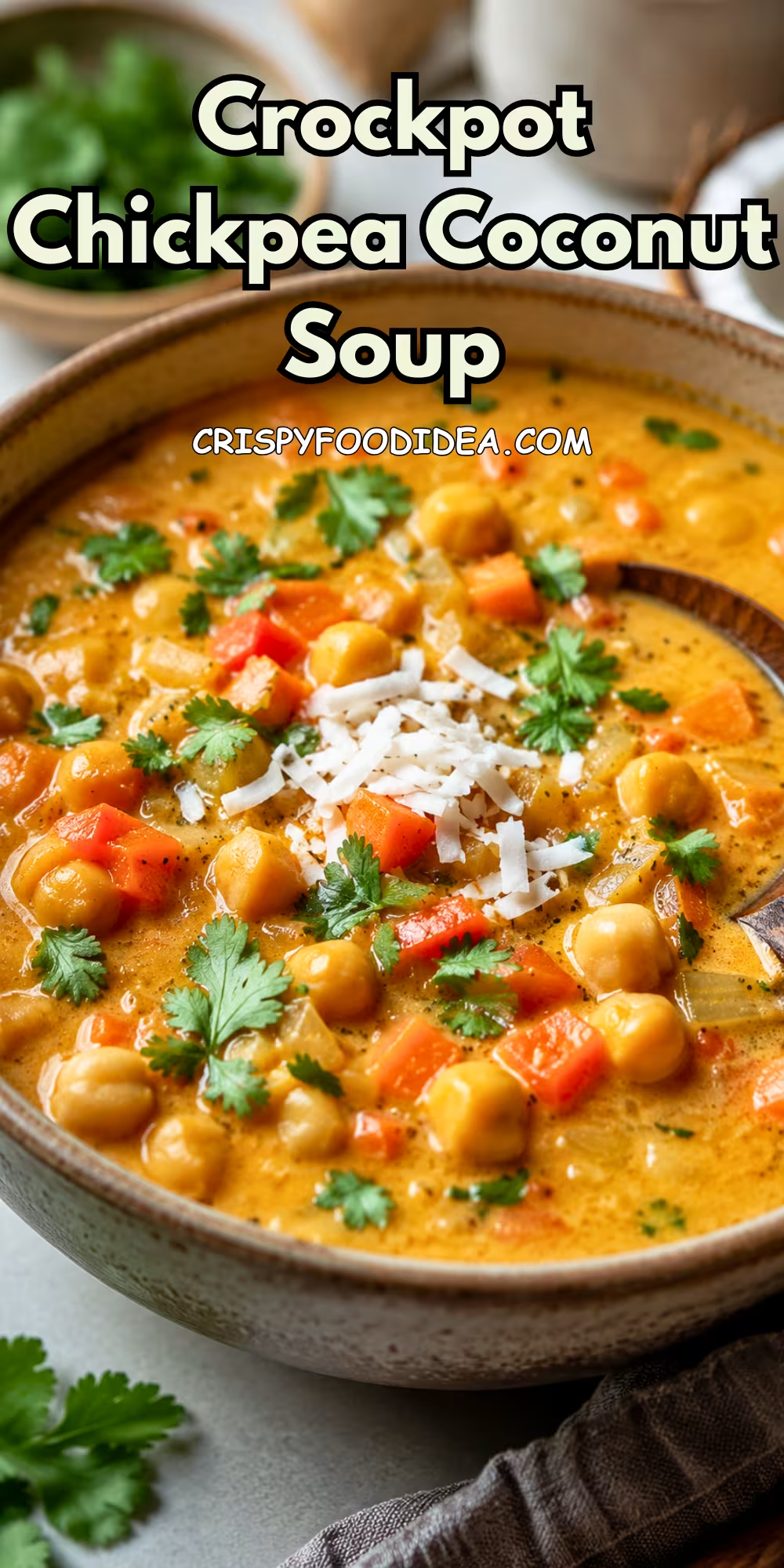
Crockpot Chickpea Coconut Soup – Creamy, Vegan & Easy
There is no need to use cream to make a great creamy soup. I know many people love creamy soups, and most of the creamy soups available in restaurants will have cream in them. But it is possible to make a soup in a crockpot properly that produces a natural creaminess. Just like this crockpot chickpea coconut soup, it is made slowly in a slow cooker, and it comes with a natural creaminess that is much better, tastier, and healthier than any restaurant-made creamy soup.
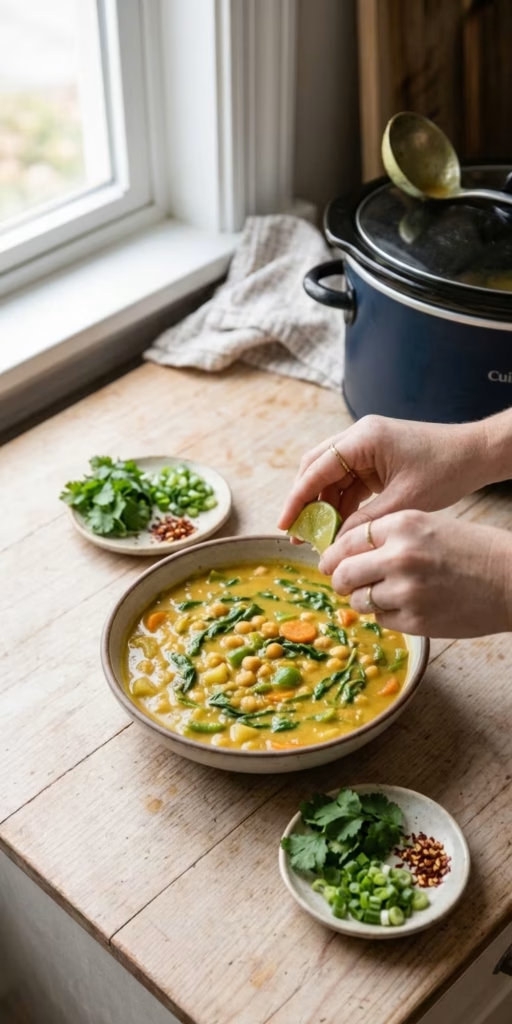
Moreover, to make this slow cooker chickpea coconut soup, you don’t have to be in front of the cooker all the time, because the slow cooker will do all the work itself. Only here you have to keep in mind the importance of adding coconut milk at the right time because this small but very important step can make a noticeable difference in the soup’s creaminess and overall flavor.
This chickpea recipe is naturally vegetarian and dairy-free and can easily fit into a plant-based meal plan. It is also a practical option for healthy meal prep, an easy meatless dinner, or a budget-friendly family meal. I like to serve this soup with crusty bread, brown rice, quinoa, or your favorite flatbread for a complete and satisfying bowl. The best part about this vegan chickpea soup is that you get a creamy, flavorful soup without relying on heavy cream—and the leftovers taste just as comforting the next day.
Related: High Protein Vegan Meals
Crockpot Chickpea Coconut Soup Recipe Card
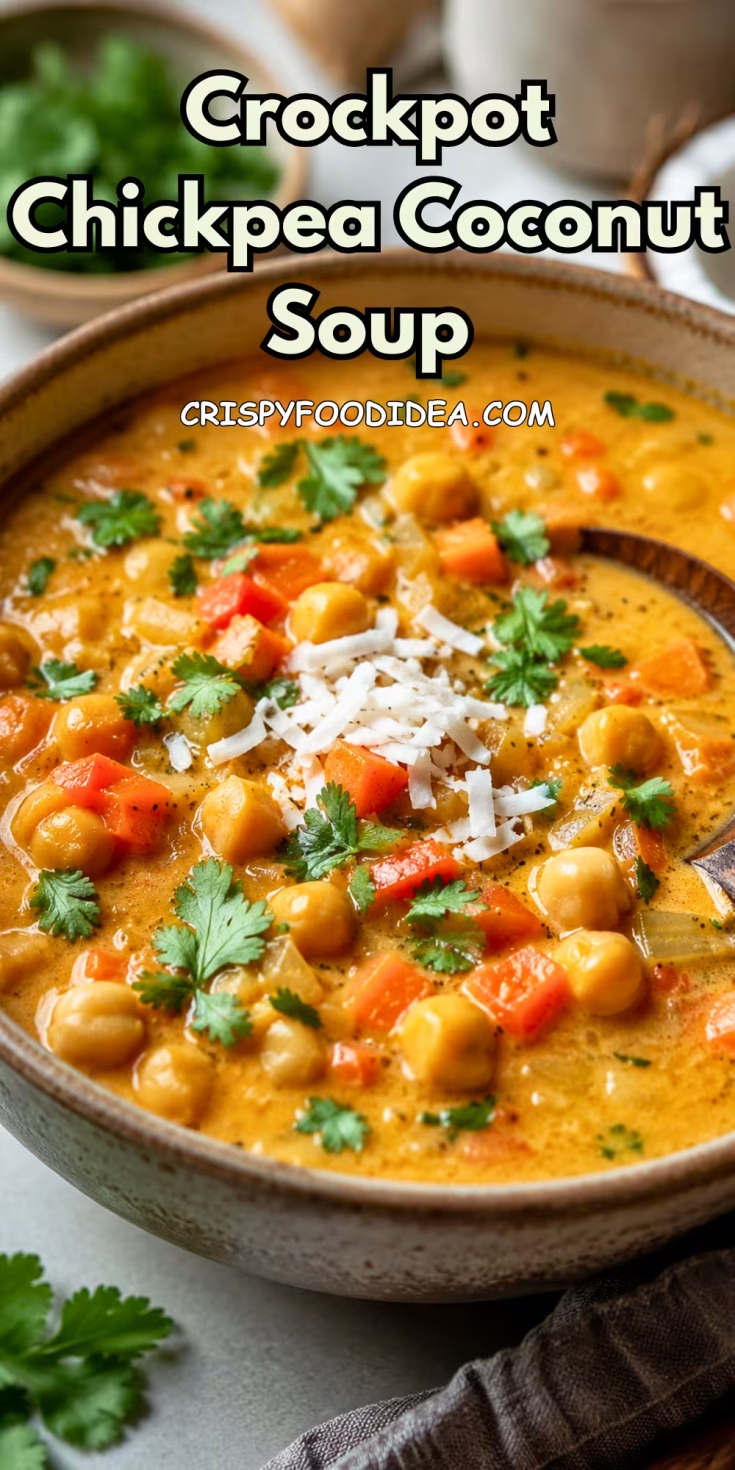
This Crockpot Chickpea Coconut Soup is creamy, cozy, flavorful, and easy to make with pantry-friendly ingredients. Chickpeas, coconut milk, vegetables, garlic, ginger, and warm spices slowly cook together for a comforting vegan soup that's perfect for busy weeknights, meal prep, and chilly days.
Ingredients
Main Ingredients
- 2 cans (15 oz each) chickpeas, drained and rinsed
- 1 medium yellow onion, finely diced
- 3 cloves garlic, minced
- 1 tablespoon fresh ginger, grated
- 2 medium carrots, peeled and sliced
- 1 medium red bell pepper, diced
- 3 cups low-sodium vegetable broth
- 1 can (13.5 oz) full-fat coconut milk
- 2 cups fresh baby spinach
- 1 tablespoon olive oil
- 1 tablespoon fresh lime juice
Spices & Seasonings
- 1½ teaspoons curry powder
- 1 teaspoon ground cumin
- ½ teaspoon ground turmeric
- ½ teaspoon smoked paprika
- ½ teaspoon salt, or to taste
- ¼ teaspoon freshly ground black pepper
- ¼ teaspoon red pepper flakes, optional
For Serving
- Fresh cilantro, chopped
- Lime wedges
- Toasted coconut flakes, optional
- Red pepper flakes, optional
- Pumpkin seeds, optional
Instructions
- Prepare the Ingredients
Drain and rinse the canned chickpeas thoroughly. Dice the onion and bell pepper, slice the carrots, mince the garlic, and grate the fresh ginger. - Add the Base Ingredients to the Crockpot
Add the chickpeas, onion, garlic, ginger, carrots, bell pepper, vegetable broth, curry powder, cumin, turmeric, smoked paprika, salt, black pepper, and red pepper flakes to a 6-quart slow cooker.
Stir well to distribute the spices. - Slow Cook
Cover and cook on LOW for about 4–5 hours, or until the vegetables are tender and the flavors have developed.
For a faster option, cook on HIGH for approximately 2–3 hours. - Add the Coconut Milk
About 20–30 minutes before serving, stir in the coconut milk.
This keeps the soup creamy and allows you to adjust the richness at the end of cooking. - Add the Spinach
Stir in the baby spinach during the final 5–10 minutes. Cook until the spinach wilts. - Make It Creamier
For a thicker, creamier texture, use an immersion blender to partially blend a small portion of the soup directly in the crockpot.
Do not completely puree the soup unless you prefer a smooth texture. Leaving some chickpeas and vegetables whole gives the soup a better bite. - Finish With Lime Juice
Turn off the slow cooker and stir in the fresh lime juice.
Taste and adjust the salt, black pepper, and red pepper flakes as needed. - Serve
Ladle the soup into bowls and garnish with fresh cilantro, a squeeze of lime juice, and optional red pepper flakes or toasted coconut.
Serve warm with crusty bread, naan, brown rice, or quinoa.
Nutrition Information:
Yield:
6Serving Size:
1Amount Per Serving: Calories: 200Total Fat: 12gSaturated Fat: 8gUnsaturated Fat: 5gSodium: 711mgCarbohydrates: 20gFiber: 7gSugar: 5gProtein: 7g
Related: Low Calorie Asian Soups
Why I Love This Crockpot Chickpea Coconut Soup
I love this crockpot chickpea coconut soup because it gives me everything I want from a cozy homemade dinner: creamy texture, hearty chickpeas, warming spices, plenty of flavor, and very little hands-on cooking. It is the kind of slow cooker soup I can prepare on a busy day and come back to when dinner is almost ready.
Creamy Without Heavy Cream
Coconut milk is the ingredient that makes this chickpea coconut soup feel luxurious. It adds natural creaminess and a subtle coconut flavor without dairy, making this an easy vegan and dairy-free soup for a cozy weeknight dinner.
Chickpeas Make It Hearty
Chickpeas, also called garbanzo beans, give the soup a satisfying bite and make it much more substantial than a simple vegetable broth. They also make this recipe a practical choice when I want a comforting plant-based dinner made from affordable pantry staples.
The Crockpot Does the Work
This is one of my favorite things about the recipe. Once the ingredients are prepared, the slow cooker does most of the cooking. That makes this crockpot soup especially useful for busy weeknights, make-ahead dinners and simple family meal planning.
Big Flavor From Simple Ingredients
Onion, garlic, ginger, curry spices and coconut milk create a warm, aromatic broth around the chickpeas. A little lime or lemon juice at the end brightens the entire bowl and keeps the creamy coconut flavor from becoming too heavy.
Easy to Customize
I can easily add spinach, kale, sweet potatoes, carrots, bell peppers or other vegetables depending on what I have available. You can also adjust the spice level, coconut milk and broth to create a lighter or richer version of this healthy slow cooker meal.
Great for Meal Prep
A big batch makes several satisfying portions, which is why this vegan meal prep soup is so useful. It reheats easily and works well for planned lunches or quick dinners when I don’t want to cook from scratch every day.
This Crockpot Soup Is Perfect If You Want:
- An easy slow cooker dinner with minimal hands-on cooking
- A creamy chickpea soup without heavy cream
- A vegan, vegetarian and dairy-free comfort food option
- A pantry-friendly meal using chickpeas and coconut milk
- A filling plant-based soup for lunch or dinner
- A flexible recipe that works well for meal prep
- A cozy homemade soup that can be customized with vegetables and spices
Related: Easy Vegan Dinner Recipes
What Does Chickpea Coconut Soup Taste Like?
Chickpea coconut soup tastes creamy, savory, earthy and gently aromatic, with a subtle sweetness from coconut milk and a bright finish from lime or lemon. The chickpeas give the soup a hearty, nutty flavor, while garlic, onion, ginger and warm spices create a cozy depth. If you add curry powder, turmeric or chili, the flavor becomes warmer and more fragrant without overpowering the creamy coconut broth.
If you have never tried chickpea coconut soup before, think of it as a comforting cross between a creamy vegetable soup and a lightly spiced coconut curry. It is not usually intensely sweet or strongly coconut-flavored. Instead, the coconut milk rounds out the savory broth and gives the soup a silky texture.
How Does Chickpea Coconut Soup Taste?
Earthy & Nutty Chickpeas
Chickpeas, also called garbanzo beans, have a mild earthy and slightly nutty flavor. They make the soup feel hearty without adding an overpowering bean taste.
Rich & Mildly Sweet Coconut
Coconut milk adds a creamy mouthfeel with a naturally mild sweetness. Full-fat coconut milk creates a richer soup, while light coconut milk gives you a thinner and lighter coconut broth.
Garlic, Onion & Ginger
These aromatics give the soup its savory backbone. Ginger adds a gentle warmth and freshness that works particularly well with coconut milk and chickpeas.
Cozy Curry Flavor
Curry powder, cumin, turmeric or red pepper flakes can add warmth and complexity. The exact flavor depends on the spice blend, so you can easily make the soup mild, spicy or curry-forward.
Bright Citrus
A squeeze of fresh lime or lemon cuts through the richness of coconut milk. This small finishing step can make a creamy vegan soup taste noticeably fresher and more balanced.
Mild to Spicy
Chili flakes, fresh chili or curry paste can increase the heat. For a family-friendly crockpot soup, start mild and let everyone add extra chili to their own bowl.
The Flavor Balance I Look For
My flavor tip: Don’t rely on coconut milk alone to make the soup flavorful. Coconut provides richness, but the garlic, ginger, spices, salt and especially a little fresh citrus are what keep the finished soup from tasting flat.
Is Chickpea Coconut Soup Sweet?
Usually, no. Although coconut milk has a naturally mild sweetness, a properly seasoned chickpea coconut soup should taste primarily savory. The sweetness becomes more noticeable if you use a large amount of coconut milk, sweet vegetables such as sweet potato or carrots, or a sweetened coconut product.
For a balanced vegan coconut soup, use unsweetened coconut milk and finish the soup with lime or lemon juice. The acidity helps balance the richness and keeps the flavor from becoming heavy.
Is Chickpea Coconut Soup Spicy?
It depends entirely on the spices you use. The basic combination of chickpeas, coconut milk, garlic, onion and ginger can be quite mild. Curry powder, chili flakes, fresh chilies or curry paste can then take the soup from gently warming to noticeably spicy.
If you’re serving this crockpot chickpea soup to children or anyone sensitive to heat, keep the base mild and serve chili flakes or chili oil separately.
Does Coconut Milk Make Chickpea Soup Taste Like Coconut?
Coconut milk gives the soup a recognizable coconut richness, but it should not necessarily taste like a sweet coconut dessert. The final flavor depends on how much coconut milk you use and what you pair it with.
Garlic, ginger, curry spices, vegetable broth, chickpeas and citrus all balance the coconut flavor. If you want a more pronounced coconut chickpea soup, use full-fat coconut milk. For a lighter flavor, use light coconut milk and increase the vegetable broth slightly.
| Ingredient Choice | Flavor Result | Best If You Want |
|---|---|---|
| Full-fat coconut milk | Rich, creamy and rounded | A luxurious comfort-food soup |
| Light coconut milk | Lighter coconut flavor | A less rich everyday soup |
| Extra ginger | Fresh, warm and aromatic | A brighter flavor profile |
| Curry powder | Warm, savory and fragrant | A curry-inspired coconut soup |
| Fresh lime or lemon | Bright and tangy | A lighter, more balanced finish |
| Chili flakes | Warm and spicy | A spicy chickpea coconut soup |
How Is Chickpea Coconut Soup Different From Chickpea Coconut Stew?
The biggest difference is texture and liquid-to-ingredient ratio. A chickpea coconut soup is designed to be spoonable and brothy, with coconut milk and vegetable broth surrounding the chickpeas and vegetables. A chickpea coconut stew is generally thicker, more concentrated and substantial.
Related: Crockpot Soup Recipes
Ingredients for Crockpot Chickpea Coconut Soup
This easy crockpot chickpea coconut soup uses simple pantry staples, creamy coconut milk, tender chickpeas, vegetables, and warm spices. The result is a comforting vegan, dairy-free, and plant-based soup that’s easy enough for a weeknight dinner and practical enough for meal prep.
Chickpeas
2 cans (15 oz each), drained and rinsed
Canned chickpeas, also called garbanzo beans, make this slow cooker soup especially convenient. They add a hearty texture, plant-based protein, and dietary fiber without requiring overnight soaking or lengthy cooking.
Coconut Milk
1 can (13.5 oz) full-fat coconut milk
Full-fat coconut milk gives this chickpea coconut soup its signature creamy texture and gently sweet, rich flavor. It also makes the soup feel indulgent without using heavy cream or dairy.
Vegetable Broth
4 cups low-sodium vegetable broth
Vegetable broth creates the flavorful base of this vegan crockpot soup. Using low-sodium broth gives you more control over the final seasoning, especially because canned chickpeas can already contain added sodium.
Yellow Onion
1 medium onion, finely diced
Onion provides the savory foundation for this easy slow cooker chickpea soup. It softens during the long, gentle cooking process and blends naturally with the coconut and spices.
Fresh Garlic
4 cloves, minced
Fresh garlic adds a savory, aromatic layer that balances the mild sweetness of coconut milk and the earthy flavor of chickpeas.
Fresh Ginger
1 tablespoon, freshly grated
Ginger gives the soup a bright, warming flavor and works especially well with coconut milk, curry spices, garlic, and lime.
Carrots
2 medium carrots, sliced
Carrots add natural sweetness, color, and texture while increasing the vegetable content of this wholesome plant-based dinner.
Sweet Potato
1 medium sweet potato, peeled and cubed
Sweet potato makes the soup more substantial and adds a naturally sweet contrast to the savory chickpeas, coconut milk, and warming spices.
Curry Powder
2 teaspoons
Curry powder provides the warm, aromatic backbone of this coconut chickpea soup. Adjust the amount depending on the strength of your curry blend.
Ground Turmeric
1 teaspoon
Turmeric adds earthy depth and a naturally golden color to the soup. A small amount works well alongside curry powder and cumin.
Ground Cumin
1 teaspoon
Cumin adds a warm, slightly nutty flavor that complements both chickpeas and coconut milk.
Red Pepper Flakes
¼–½ teaspoon, optional
Add red pepper flakes if you enjoy a little heat. Start with less and increase after tasting the finished soup.
Fresh Spinach
2 packed cups
Stir fresh spinach into the finished soup so it wilts gently without becoming overly soft. Kale can also be used for a heartier texture.
Fresh Lime Juice
1–2 tablespoons, to taste
A squeeze of fresh lime is one of the easiest ways to balance the richness of coconut milk. Add it after cooking for a brighter, fresher finish.
Fresh Cilantro
¼ cup chopped, plus more for serving
Fresh cilantro adds a clean, herbal finish that cuts through the creamy coconut broth.
Salt & Black Pepper
To taste
Season gradually, especially if you’re using canned chickpeas and prepared vegetable broth. Taste the soup after the coconut milk and lime have been added before making the final adjustment.
Ingredient Substitutions
Use unsweetened cashew cream or another creamy plant-based alternative, although the flavor will be different.
Try butternut squash, pumpkin, or extra carrots for a naturally sweet and hearty soup.
Substitute chopped kale, Swiss chard, or another sturdy leafy green.
Simply leave out the red pepper flakes and let the curry powder provide the warmth.
Dietary Notes
✓ Quick Ingredient Checklist +
Suggested: Orecchiette Salad With Halloumi Croutons
Soup vs. Stew: What’s Different About This Chickpea Coconut Recipe?
Don’t confuse chickpea coconut soup and chickpea coconut stew as the same thing. There are many differences here, including texture, cooking method, ingredient balance, and more. However, crockpot chickpea coconut soup is much lighter than chickpea stew.
Crockpot Chickpea Coconut Soup
Choose the soup when you want something creamy, brothy, comforting and easy to spoon straight from the bowl.
- More broth and a lighter consistency
- Coconut milk creates a creamy finish
- Chickpeas remain distinct and spoon-tender
- Ideal for a cozy lunch or weeknight dinner
- Excellent for meal prep and reheating
- Easy to make vegan and dairy-free
Chickpea Coconut Stew
Choose a stew when you want a thicker, heartier and more substantial one-bowl meal with less broth.
- Less free liquid
- Thicker, spoon-standing consistency
- Usually more vegetable-dense
- More substantial as a main course
- Works well with rice, quinoa or flatbread
- Better when you want a hearty comfort-food texture
At a Glance: Chickpea Coconut Soup vs. Stew
| Feature | Crockpot Chickpea Coconut Soup | Chickpea Coconut Stew |
|---|---|---|
| Consistency | Brothy, creamy and spoonable | Thick and hearty |
| Liquid level | Higher | Lower |
| Main texture | Tender chickpeas in coconut broth | Chickpeas and vegetables in a thick sauce |
| Coconut milk | Used to create a creamy soup base | Helps create a richer, thicker sauce |
| Best for | Soup lovers, lunches and cozy dinners | Heartier main meals |
| Meal prep | Excellent; loosen with broth when reheating | Excellent; often becomes even thicker after chilling |
| Serving style | Bowl with lime, herbs or bread | Over rice, quinoa or with flatbread |
What I Learned While Making or Testing This Recipe
The easiest way to accidentally turn a slow cooker chickpea soup into a stew is to reduce the broth too aggressively or add too many thickening ingredients. Chickpeas naturally make the cooking liquid feel more substantial, so the soup does not need to be extremely thick to feel satisfying.
I also prefer adding the coconut milk toward the end of cooking when I want a fresher coconut flavor and more control over the final creaminess. That makes it easier to adjust the consistency before serving.
If your soup becomes thicker after refrigeration, don’t worry. That is useful for meal prep. Add a small splash of warm vegetable broth while reheating and stir until it reaches your preferred soup consistency again.
Which One Should You Make?
Make this crockpot chickpea coconut soup when you want an easy slow cooker dinner that feels creamy and comforting without becoming overly heavy. It is especially useful for vegan meal prep, dairy-free dinners, chilly evenings and make-ahead lunches.
For a thicker, more substantial chickpea dish instead, my slow cooker chickpea stew with lemon and coconut is the better choice. That recipe has a different texture and flavor direction, while this soup is intentionally built around a creamy coconut broth.
Related: High Protein Dinner Ideas
My Testing Process for This Crockpot Chickpea Coconut Soup
For this slow cooker chickpea coconut soup, I wanted a creamy chickpea coconut soup that had a deep but rich coconut flavor, soft chickpeas, enough savory depth, and a texture that was more like a soup than a thick stew. That’s because I paid close attention to the ingredients that could make or break this recipe: the amount of vegetable broth, the type and timing of the coconut milk, the texture of the chickpeas, the balance of spices, and finally, the touch of lemon juice.
So I paid particular attention to the ingredients that can make or break this recipe: the amount of vegetable broth, the type and timing of the coconut milk, the texture of the chickpeas, the spice balance, and the finishing splash of citrus.
What I Was Testing
I judged each version of this crockpot chickpea coconut soup on a few things that actually matter when you’re making a slow cooker dinner at home.
- Overall flavor and seasoning balance
- Creaminess without making the soup heavy
- Tender but intact chickpeas
- Soup-like consistency rather than a thick stew
- How well the coconut flavor came through
- How the soup reheated for meal prep
- Whether the recipe remained easy and practical
The Coconut Milk Test
Coconut milk was one of the first things I paid attention to because it provides the creamy texture that makes this vegan coconut soup feel comforting without using dairy cream.
I compared the effect of adding coconut milk earlier versus incorporating it toward the end of cooking. The goal was to keep the soup creamy while preserving a noticeable coconut flavor.
The Broth-to-Coconut Ratio
This was another important part of testing. A good chickpea coconut soup should have enough broth to be spoonable and satisfying, but enough coconut milk to give it body and richness.
I found that small changes in the amount of vegetable broth can noticeably change the final consistency. That’s why I recommend starting with the tested amount rather than adding extra liquid simply because the soup looks thick at the beginning.
The Chickpea Texture Test
Chickpeas are the heart of this recipe, so I wanted them tender enough to absorb the coconut curry broth while still retaining their shape.
For a naturally creamier texture, part of the cooked chickpeas can also be gently mashed or blended into the soup. This creates body without automatically reaching for flour, cornstarch, or heavy cream.
What I Changed Between Tests
Rather than changing everything at once, I focused on one variable at a time. That made it easier to understand which adjustments actually improved the slow cooker chickpea soup.
| Variable | What I Watched For | Why It Matters |
|---|---|---|
| Coconut milk timing | Creaminess, flavor and texture | Helps control richness and coconut flavor. |
| Vegetable broth | Soup thickness and flavor concentration | Too much can make the soup watery. |
| Chickpea texture | Tenderness without mushiness | Whole chickpeas give the soup satisfying texture. |
| Spice level | Warmth without overpowering coconut | Spices should support the creamy broth rather than dominate it. |
| Citrus at the end | Brightness and balance | Acidity helps balance the richness of coconut milk. |
| Reheating | Texture after refrigeration | Important if you’re making this as a meal prep soup. |
My Biggest Test: Soup vs. Stew Consistency
This was especially important because chickpeas, coconut milk and slow cooking can easily produce something much thicker than intended.
I wanted this recipe to remain clearly a crockpot soup, not simply another chickpea stew. The final bowl should have a creamy, spoonable broth surrounding the chickpeas and vegetables rather than a thick mixture that sits heavily on the spoon.
If your soup becomes thicker after sitting in the refrigerator, don’t worry. Chickpeas continue to absorb liquid as the soup cools. When reheating, loosen it gradually with a little warm vegetable broth or water until it reaches your preferred consistency.
Finding the Right Flavor Balance
A creamy vegan soup can sometimes taste flat if it doesn’t have enough acidity or seasoning. I therefore tasted the soup again after the slow cooking stage rather than assuming the original seasoning would be enough.
The final balance should bring together the earthy chickpeas, aromatic garlic and ginger, warm spices, creamy coconut milk and a bright citrus finish.
Testing It as a Meal Prep Soup
I also looked beyond the first bowl. A recipe can taste fantastic straight from the crockpot but become disappointing after refrigeration.
This soup is particularly useful for healthy meal prep because the flavors can continue to develop as it rests. When reheating, check the consistency and add a small amount of broth if the chickpeas have absorbed too much liquid.
Which Version Would I Make Again?
The version I prefer is the one that keeps the coconut milk creamy and noticeable without overwhelming the chickpeas, uses enough broth to keep the dish soup-like, and finishes with enough acidity to brighten the entire bowl. It’s comforting enough for a cozy dinner but practical enough to make ahead for the week.
How to Make Crockpot Chickpea Coconut Soup
Making this crockpot chickpea coconut soup is mostly a matter of layering simple ingredients, letting the slow cooker develop the flavor, and adding the coconut milk at the right stage. The result is a creamy, cozy and satisfying vegan chickpea soup with tender chickpeas, aromatic spices and a lightly coconutty broth.
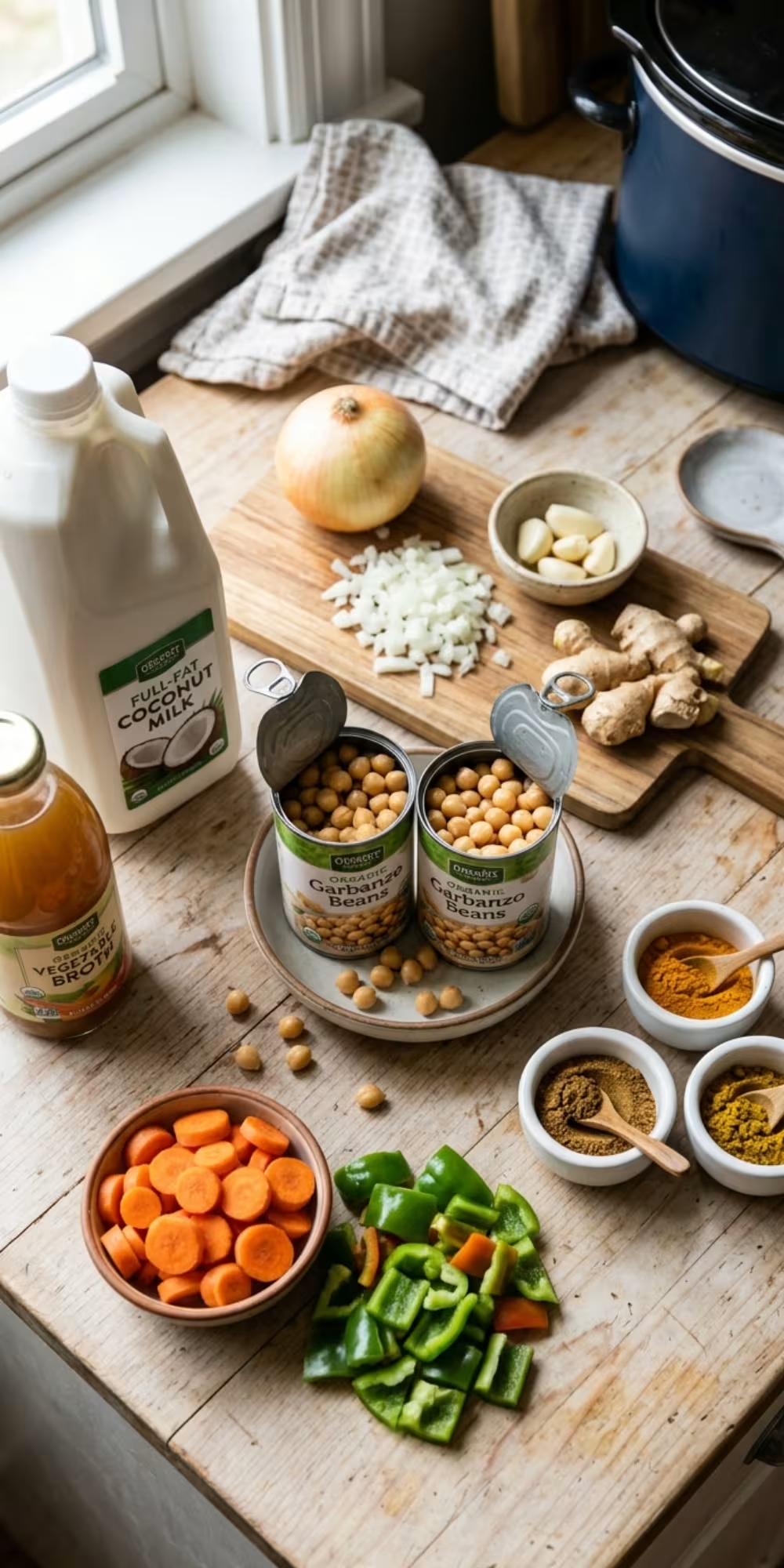
Gather and Prepare the Ingredients
Start by gathering your chickpeas, coconut milk, vegetable broth, onion, garlic, ginger and vegetables. For the best flavor, use chickpeas that are already fully cooked. Canned chickpeas are especially convenient for this easy slow cooker soup because they eliminate the need to cook dried beans separately.
- Cooked chickpeas or canned garbanzo beans
- Coconut milk
- Vegetable broth
- Yellow onion
- Fresh garlic
- Fresh ginger
- Carrots or other vegetables
- Curry powder, cumin and turmeric
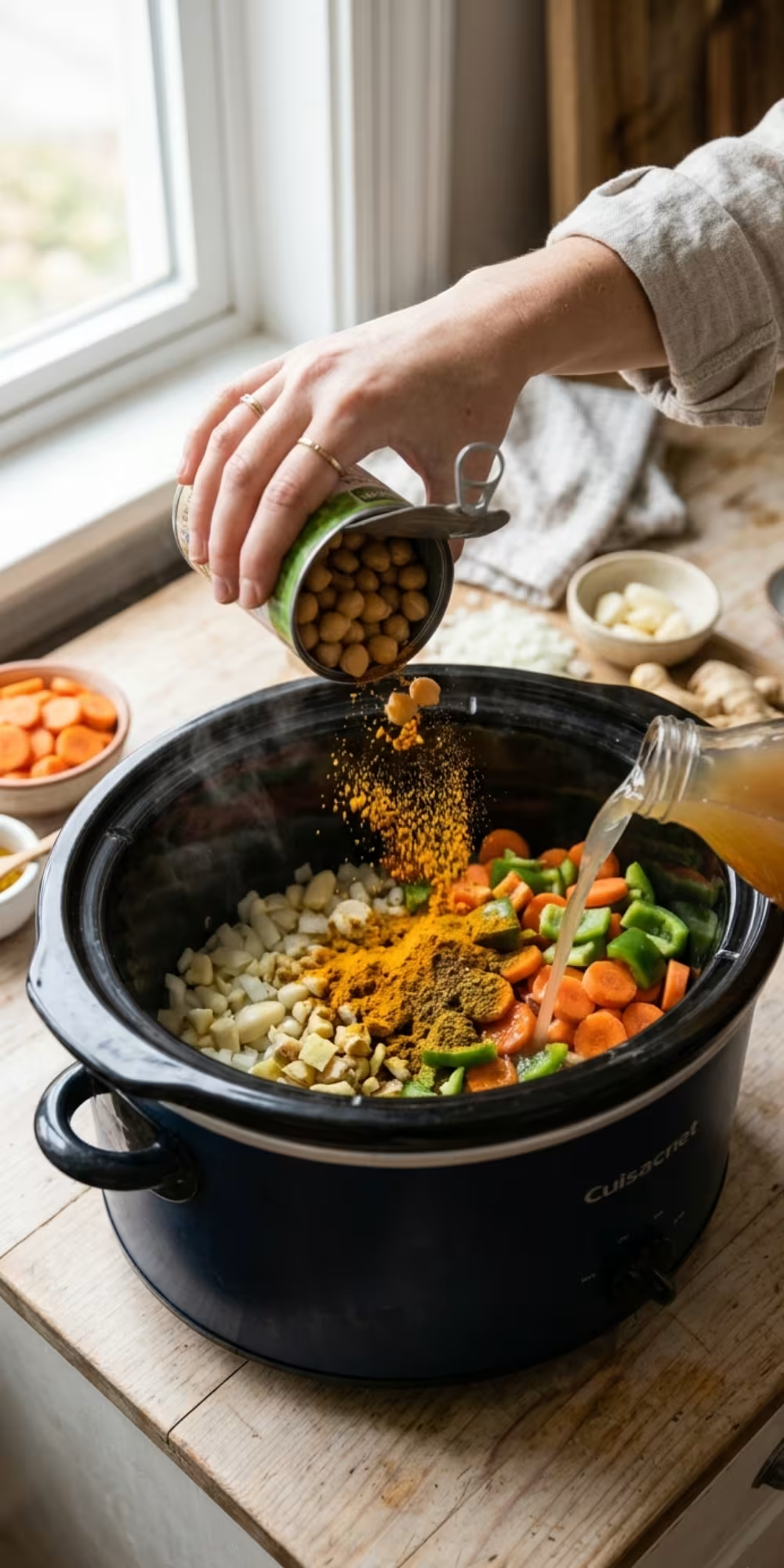
Add the Chickpeas, Aromatics, Vegetables and Spices
Add the prepared chickpeas to your crockpot along with the chopped onion, garlic, ginger and vegetables. Sprinkle in the curry powder, cumin, turmeric, black pepper and any chili flakes you are using. Pour in the vegetable broth and stir everything together.
This combination creates the savory foundation for the chickpea coconut soup. The chickpeas absorb the aromatic broth as they slowly heat, while the spices give the soup its warm, gently curry-like character.
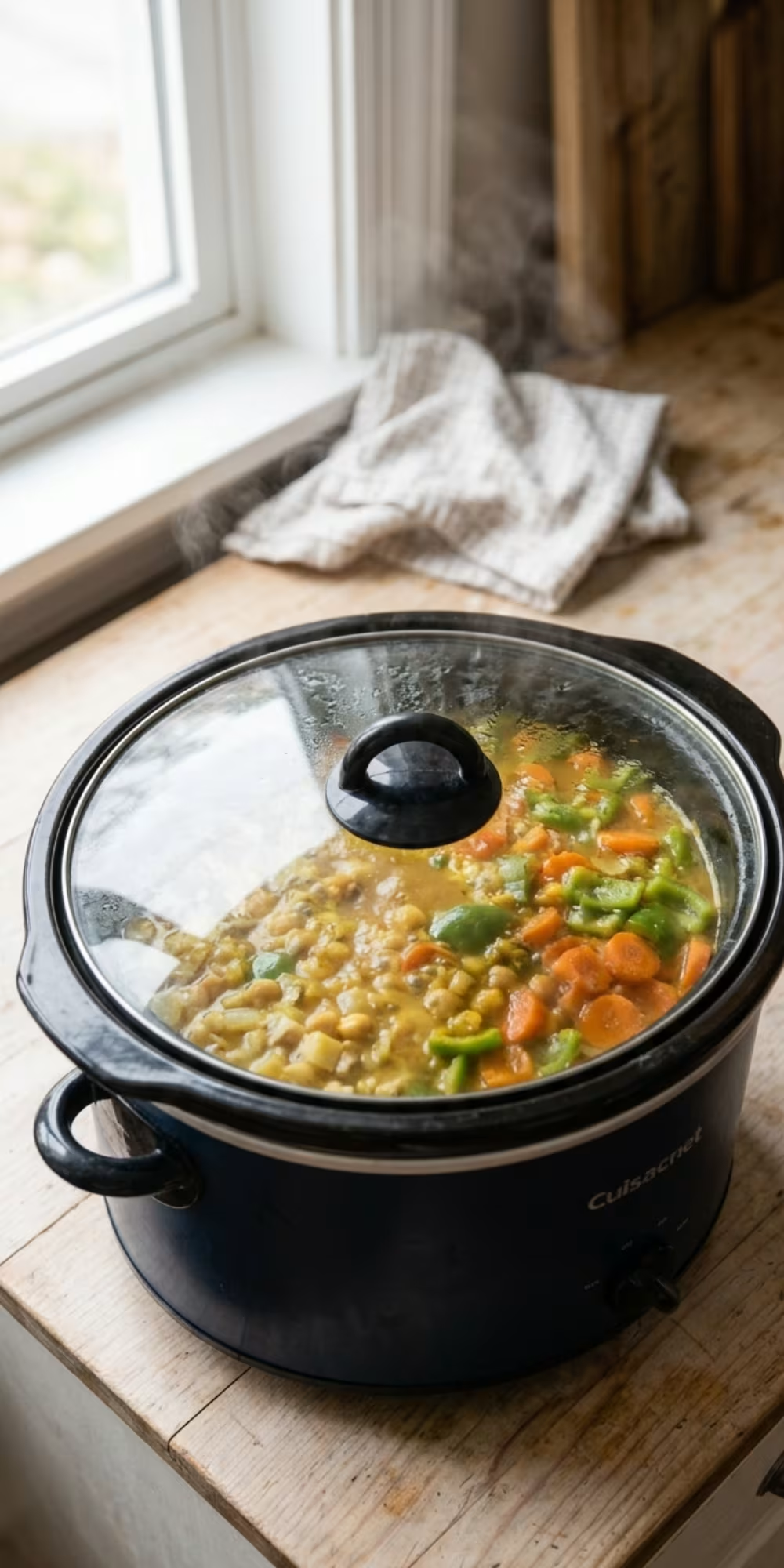
Slow Cook Until the Vegetables Are Tender
Cover the crockpot and cook the soup on LOW for about 4 to 6 hours, or until the vegetables are tender and the flavors have come together. If you are short on time, use the HIGH setting and begin checking the soup earlier.
The goal is not simply to cook the ingredients. You want the broth to become aromatic while the vegetables soften without turning completely mushy. Cooking time can vary between slow cookers, so use tenderness rather than the clock as your final guide.
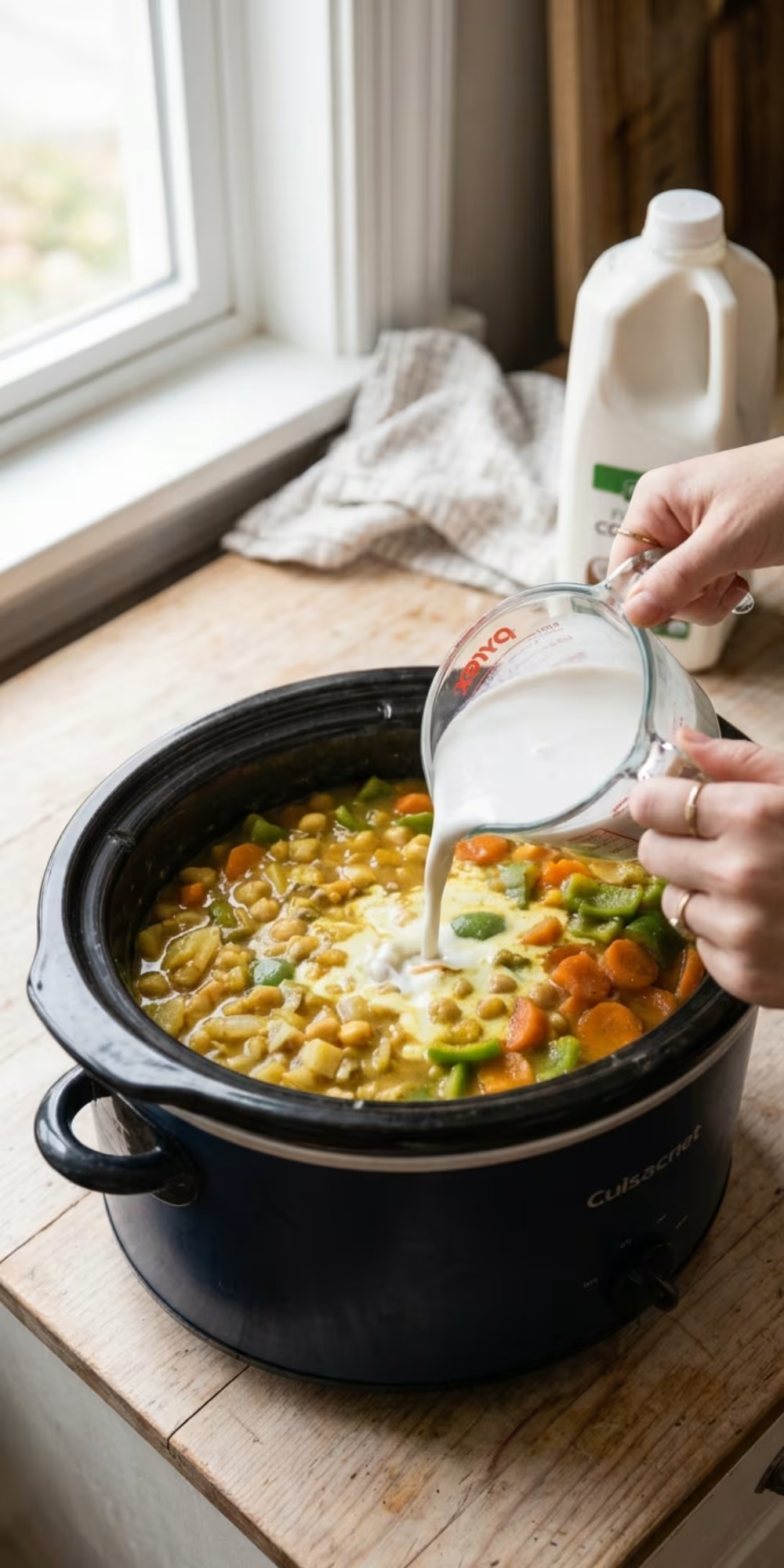
Add the Coconut Milk Near the End
Once the chickpeas and vegetables are tender, stir in the coconut milk. This is one of the most important steps for getting a creamy, balanced coconut chickpea soup rather than a thin broth with a muted coconut flavor.
Full-fat coconut milk gives the richest texture, while light coconut milk creates a lighter soup. Stir thoroughly so the coconut milk blends evenly into the seasoned vegetable broth.
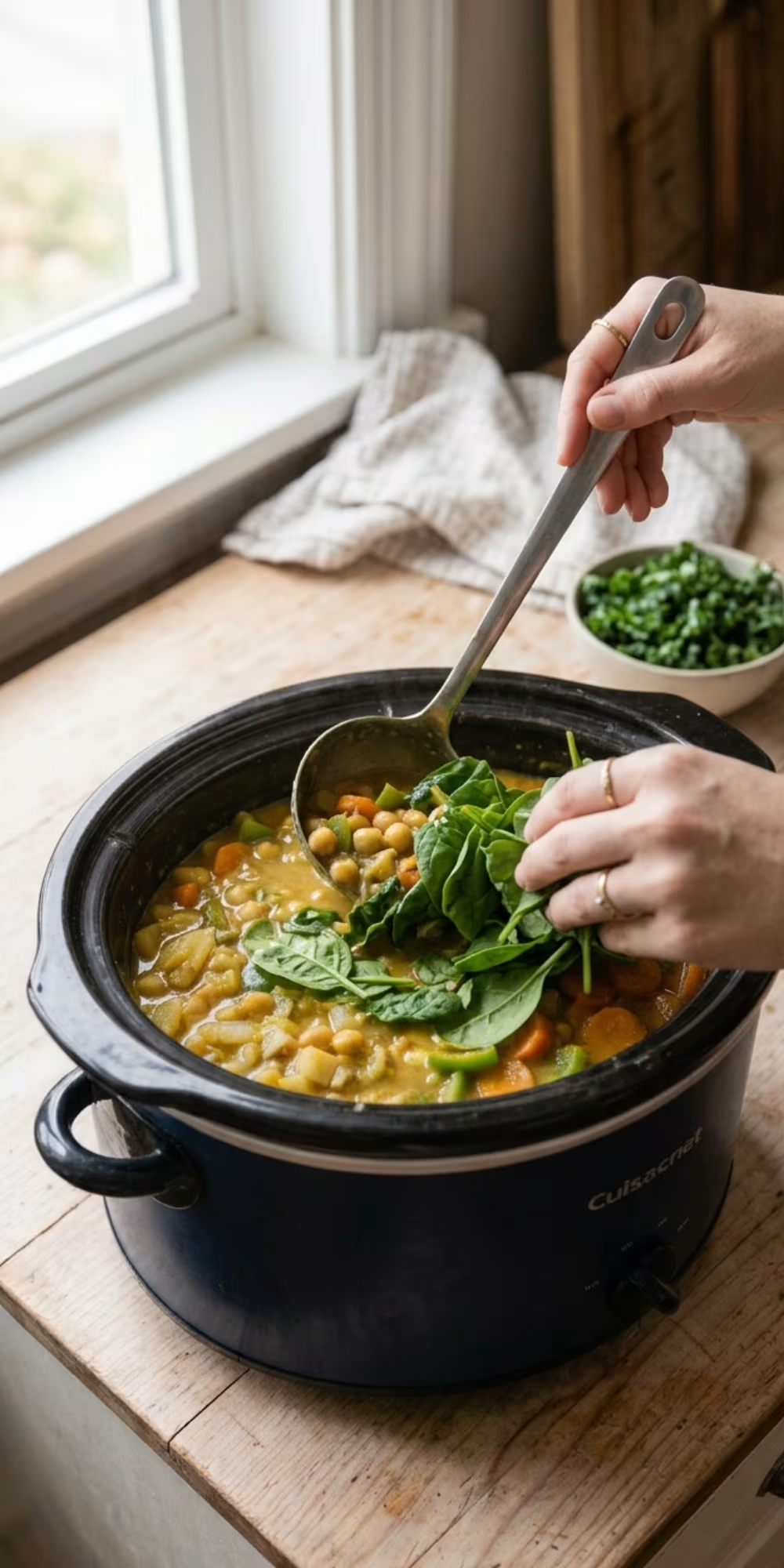
Stir in Greens and Finish the Soup
Add a handful of baby spinach, kale or another tender leafy green. Stir until the greens wilt into the hot soup. If the soup looks thicker than you prefer, add a little warm vegetable broth until it reaches your favorite consistency.
For a naturally thicker and creamier texture, you can blend a small portion of the chickpeas and vegetables with an immersion blender, leaving plenty of whole chickpeas for texture.
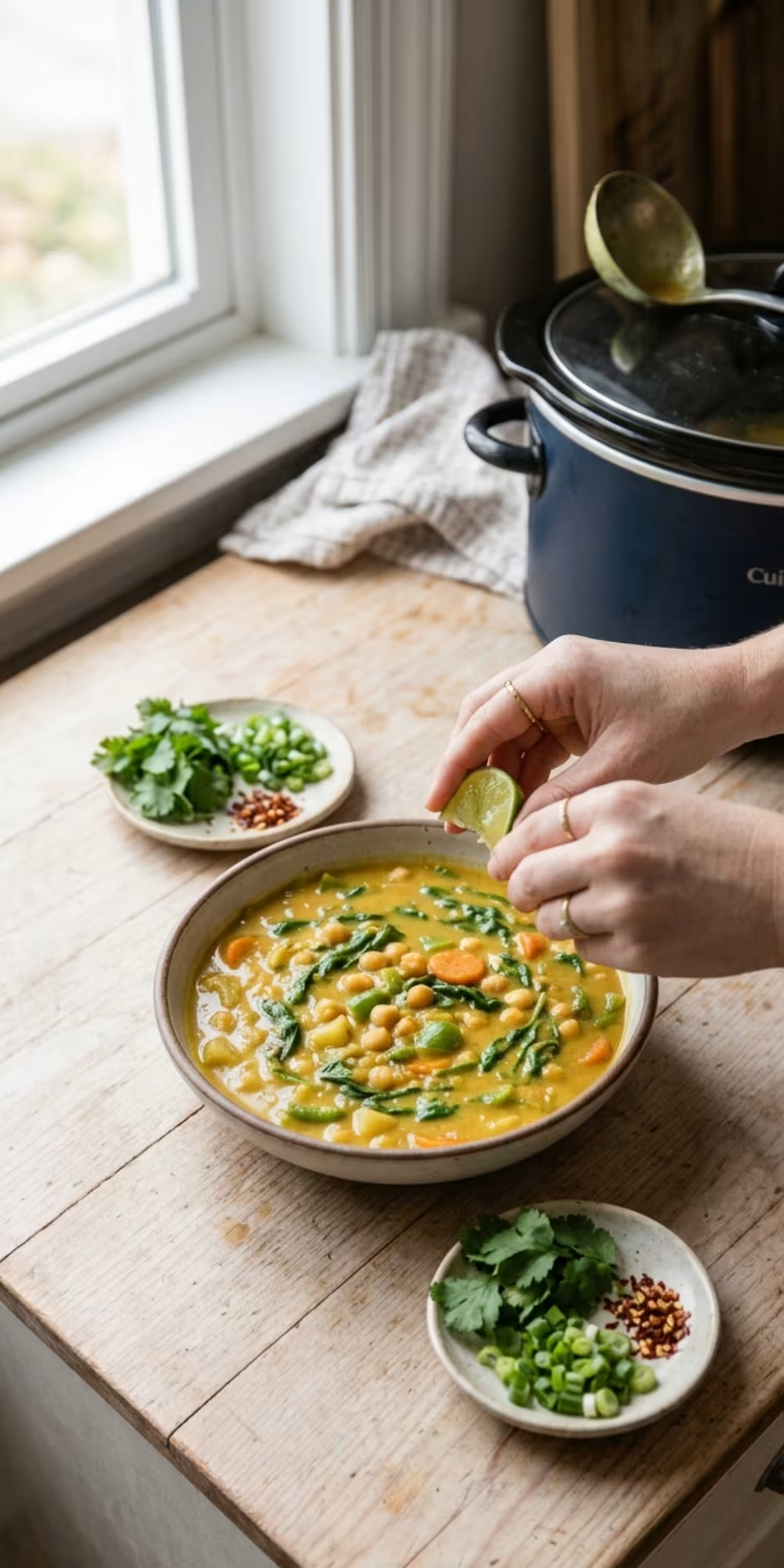
Brighten With Lime, Taste and Serve
Turn off the slow cooker and finish the crockpot chickpea coconut soup with fresh lime or lemon juice. Taste before serving and adjust the salt, black pepper, chili and acidity as needed.
Ladle the soup into bowls and finish with fresh cilantro, sliced green onions, chili flakes or a small squeeze of lime. The fresh acidity is especially useful because it balances the richness of the coconut milk and brings the savory chickpea broth into focus.
How You Know the Soup Is Ready
Your crockpot chickpea and coconut soup is ready when the vegetables are tender, the chickpeas are cooked through, the coconut milk is fully blended, and the broth is well-balanced in flavor. The finished soup will be creamy but spoonable, with a delicious coconut flavor, tender chickpeas, and a refreshing lemon finish.
Slow Cooker Temperature & Timing Guide
Now the thought that comes to everyone’s mind like mine is how long to cook chickpea coconut soup in a crockpot. But honestly, in this recipe, the cooking time depends on the chickpeas (fresh or canned), the quality of the vegetables, and most importantly on which mode you want to cook it on, i.e. high or low.
How Long Does Chickpea Coconut Soup Take in a Crockpot?
If you’re using canned, fully cooked chickpeas, this crockpot chickpea coconut soup generally needs about 4–6 hours on LOW or approximately 2–3 hours on HIGH. The exact cooking time can vary depending on your slow cooker, the quantity of soup, the size of the vegetables and how hot your particular appliance runs.
The goal isn’t simply to hit a clock time. The chickpeas are already cooked, so you’re mainly looking for tender vegetables, well-developed flavor and a broth that tastes balanced before adding the final coconut milk and fresh lime or lemon juice.
LOW Setting
Best for a relaxed cooking schedule and deeper flavor development. Check the vegetables toward the end of the cooking window.
HIGH Setting
Best when you need a faster slow cooker dinner. Keep the lid closed as much as possible so the cooker can maintain heat.
Finishing
Add coconut milk, tender greens and citrus toward the end according to the recipe directions for the best texture and flavor.
Crockpot Chickpea Soup Timing Chart
| Cooking Stage | LOW | HIGH | What to Look For |
|---|---|---|---|
| Initial cooking | 4–6 hours | 2–3 hours | Vegetables become tender and the broth develops its flavor. |
| Coconut milk | Add during the finishing stage | Stir gently until the soup is creamy and evenly combined. | |
| Greens | Final 5–15 minutes | Spinach should wilt; sturdier greens may need longer. | |
| Citrus & final seasoning | After cooking | Add lime or lemon gradually until the soup tastes bright and balanced. | |
Important: These are recipe timing targets, not universal temperature guarantees for every slow cooker. Appliances heat differently, so use your manufacturer’s instructions and judge doneness by the actual texture of the ingredients.
Should You Cook Chickpea Coconut Soup on LOW or HIGH?
For the best overall flavor, I prefer the LOW setting when I have enough time. The longer cooking window gives the onion, garlic, ginger, vegetables and spices time to build a more rounded broth.
Choose HIGH when convenience matters more. Because this recipe uses canned chickpeas, you’re not waiting for dried legumes to become tender. The main goal is getting the vegetables cooked and the flavors properly developed.
My Quick Decision Guide
- Have most of the day? Choose LOW.
- Need dinner sooner? Choose HIGH.
- Using canned chickpeas? Either setting works.
- Want deeper flavor? LOW is my preference.
- Adding spinach? Save it for the end.
- Using coconut milk? Add it during the finishing stage.
When Should You Add Coconut Milk to Slow Cooker Soup?
For this crockpot chickpea coconut soup, I recommend adding coconut milk during the final stage rather than automatically adding it at the start. This makes it easier to control the soup’s creaminess and lets you adjust the coconut flavor after the chickpeas and vegetables have cooked.
Start with the amount called for in the recipe, stir thoroughly, then taste before adding more. If the soup becomes too rich, loosen it with warm vegetable broth. If it tastes heavy, a squeeze of fresh lime or lemon can bring the flavors back into balance.
What If the Soup Is Too Thin or Too Thick?
If Your Chickpea Soup Is Too Thin
First, check whether you have simply added more broth than the recipe requires. For a naturally creamy texture, blend a small portion of the cooked chickpeas and vegetables with an immersion blender, then stir everything back into the soup.
If Your Chickpea Soup Is Too Thick
Add warm vegetable broth a little at a time until the soup reaches your preferred consistency. Remember that the soup can thicken further as it cools, especially when refrigerated for meal prep.
The Timing Rule I Use for This Soup
Don’t judge this crockpot chickpea coconut soup by the clock alone. Start with the recommended LOW or HIGH window, then check the texture of the vegetables, the consistency of the broth and the balance of the seasoning. Finish with coconut milk and citrus, taste once more, and adjust the soup before serving.
How to Make Chickpea Coconut Soup Creamy Without Heavy Cream
You don’t need heavy cream, whipping cream, or flour to make creamy chickpea-coconut soup. The combination of coconut milk, chickpeas, vegetables, and a few cooking techniques naturally creates a thick, smooth soup, and this vegan, dairy-free slow cooker soup is completely plant-based. Just add a little more coconut milk and you’ll notice the difference. Adding too much can make the soup heavy and overly thick.
5 Easy Ways to Make Chickpea Soup Creamy Without Cream
Use Full-Fat Coconut Milk
Full-fat coconut milk is the easiest way to add body and richness to coconut chickpea soup. Its natural fat gives the broth a smooth, creamy mouthfeel without dairy. For the richest result, stir it in toward the end of cooking rather than relying on a large amount from the beginning.
Blend Some of the Chickpeas
This is my favorite trick when I want a thick and creamy vegan soup without cream. Chickpeas contain starch and fiber, so blending a portion of the cooked beans with some of the broth naturally thickens the soup while keeping the main ingredient intact.
Blend the Cooked Vegetables
Carrots, sweet potatoes, cauliflower, or other soft vegetables can add natural thickness and a silky texture. This works especially well if you prefer a healthy creamy soup without adding extra cream, butter, or a large amount of coconut milk.
Add Coconut Milk at the Right Time
For a slow cooker chickpea soup, adding coconut milk near the end gives you better control over the final consistency and richness. It also lets you adjust the amount based on how thick the soup becomes during cooking.
For the best balance, I recommend combining full-fat coconut milk + partially blended chickpeas + soft vegetables. This gives the soup a creamy consistency without turning it into a heavy coconut cream soup.
Full-Fat vs. Light Coconut Milk
The type of coconut milk you choose makes a noticeable difference. If your priority is the richest and creamiest chickpea coconut soup, full-fat canned coconut milk is the better choice. If you want a lighter soup with fewer calories from coconut milk, light coconut milk can work well, especially when you use blended chickpeas or vegetables to provide additional body.
| Coconut Milk Choice | Texture | Best For |
|---|---|---|
| Full-fat coconut milk | Rich, smooth and creamy | Maximum creaminess and comfort-food texture |
| Light coconut milk | Lighter and thinner | A lower-calorie version |
| Coconut cream | Very thick and rich | A small finishing addition when extra richness is desired |
| Blended chickpeas | Thick and naturally creamy | Adding body without extra dairy or cream |
How to Thicken Chickpea Coconut Soup Naturally
If your crockpot chickpea coconut soup is thinner than you expected, don’t immediately reach for flour or cornstarch. First, try one of these simple methods:
Why Blending Chickpeas Works So Well
Chickpeas are particularly useful for thickening a plant-based soup because they provide both starch and fiber. When some of the cooked chickpeas are broken down, they disperse into the broth and create a thicker texture. You can then keep the remaining chickpeas whole for a satisfying bite.
This technique is especially useful when making a dairy-free chickpea soup because you can create a creamy texture without relying on heavy cream, cream cheese, butter, or other dairy ingredients.
How to Make a Lower-Calorie Creamy Chickpea Soup
If you’re trying to keep the soup lighter, you don’t have to remove coconut milk completely. Instead, use a smaller amount of light coconut milk and let blended chickpeas and vegetables provide some of the thickness. Increasing the vegetable-to-liquid ratio can also make the soup feel more substantial without simply adding more coconut milk.
Keep in mind that coconut milk contributes fat and calories, so the exact nutrition of your soup depends on the brand, variety, amount used, and serving size. For accurate nutrition information, calculate the finished recipe using the specific ingredients you actually use.
Richness + natural thickener + acidity = balanced creamy soup.
For this crockpot chickpea coconut soup, that means coconut milk for richness, blended chickpeas and vegetables for body, and lime or lemon juice for brightness. This combination keeps the soup creamy without making it taste heavy.
The final consistency will vary with the amount of broth, coconut milk, vegetables, chickpeas, and cooking time. Adjust the liquid gradually rather than adding a large amount at once.
Related: One Pot Vegetarian Chili Recipe
Recipe Variations for Crockpot Chickpea Coconut Soup
This creamy chickpea coconut soup is easy to customize depending on your preferred flavor, spice level, diet, and meal-prep goals. Start with the base recipe, then use one of these tested-style variations to create a vegan, spicy, high-fiber, lower-calorie, or vegetable-packed slow cooker soup.
1. Creamy Coconut Chickpea Soup
For the richest and creamiest version, use full-fat coconut milk and blend a small portion of the cooked chickpeas into the broth. This gives the soup a silky texture while keeping the chickpeas as the main plant-based protein and fiber source.
- Use full-fat coconut milk.
- Blend about 1 cup of the cooked soup.
- Stir the blended portion back into the crockpot.
- Finish with fresh lime juice and cilantro.
2. Spicy Chickpea Coconut Soup
If you enjoy a little heat, turn this into a spicy coconut chickpea soup with red pepper flakes, fresh chili, or your favorite chili paste. The creamy coconut broth helps balance the heat without making the soup feel heavy.
- Add red pepper flakes for gentle heat.
- Use fresh jalapeño or serrano for sharper spice.
- Add chili paste for a deeper spicy flavor.
- Finish with lime juice to brighten the broth.
3. Coconut Curry Chickpea Soup
Make this an easy coconut curry chickpea soup by increasing the warm spices. Curry powder, turmeric, cumin, garlic, ginger, and black pepper create a fragrant broth that works especially well with chickpeas and coconut milk.
- Add curry powder and a little turmeric.
- Increase fresh ginger for a brighter flavor.
- Add cumin for earthy depth.
- Finish with cilantro and lime.
4. Sweet Potato Chickpea Coconut Soup
Add diced sweet potato for a naturally sweet, hearty variation. The sweet potato becomes tender in the slow cooker and pairs beautifully with creamy coconut milk, chickpeas, ginger, and warm spices.
- Add evenly diced sweet potato.
- Use ginger, cumin, and turmeric for warmth.
- Keep the broth balanced so the soup stays spoonable.
- Add lime juice before serving.
5. Green Coconut Chickpea Soup
Add leafy greens near the end of cooking for a vegetable-packed vegan soup. Baby spinach is the easiest option, while kale gives the soup more texture and a heartier bite.
- Use baby spinach for a softer texture.
- Use chopped kale for a more substantial soup.
- Add greens during the final stage of cooking.
- Finish with herbs and fresh citrus.
6. Lemon-Ginger Chickpea Coconut Soup
For a brighter and lighter flavor, emphasize fresh lemon, ginger, and herbs. This variation is especially good when you want creamy coconut soup without an overly rich or sweet flavor.
- Use fresh grated ginger.
- Add lemon juice at the end.
- Add fresh parsley or cilantro.
- Use light coconut milk for a lighter broth.
7. High-Protein Vegan Chickpea Soup
Chickpeas already add plant-based protein and fiber, but you can make this a more substantial vegan meal by pairing the soup with tofu, lentils, quinoa, or another protein-rich plant food.
- Add cubed firm tofu if it fits your recipe.
- Stir in cooked lentils for extra plant protein.
- Serve with quinoa for a more filling meal.
- Check the final nutrition calculation after making changes.
8. Lower-Calorie Coconut Chickpea Soup
For a lighter version, use light coconut milk, increase the amount of non-starchy vegetables, and keep calorie-dense toppings modest. You can still get a creamy texture by blending some chickpeas instead of adding extra coconut cream.
- Choose light coconut milk.
- Add extra spinach, carrots, or other vegetables.
- Blend part of the chickpeas for body.
- Use fresh herbs and lime instead of heavy toppings.
9. Thai-Inspired Coconut Chickpea Soup
Give this slow cooker chickpea soup a Thai-inspired twist with ginger, lime, mushrooms, cilantro, and a suitable curry paste. The coconut broth provides a naturally creamy base while the fresh ingredients add acidity and aromatic depth.
- Add fresh ginger and mushrooms.
- Use an appropriate curry paste.
- Finish generously with fresh lime.
- Add cilantro just before serving.
10. Vegetable-Loaded Chickpea Coconut Soup
Turn the base recipe into a hearty vegetable soup by adding carrots, bell peppers, zucchini, mushrooms, spinach, or other vegetables you already have in the refrigerator. This is a practical way to reduce food waste while making a filling plant-based dinner.
- Choose vegetables with similar cooking times.
- Cut firm vegetables into evenly sized pieces.
- Add delicate greens toward the end.
- Adjust the broth if the added vegetables release extra liquid.
11. Dairy-Free & Gluten-Free Chickpea Soup
The basic chickpea coconut soup is naturally suited to dairy-free and plant-based eating when all packaged ingredients are selected appropriately. Coconut milk replaces traditional cream, while chickpeas provide body and texture.
- Use coconut milk instead of dairy cream.
- Choose certified gluten-free packaged ingredients when necessary.
- Check curry pastes, broths, and spice blends.
- Serve with naturally gluten-free sides.
12. Budget-Friendly Pantry Chickpea Soup
For an affordable slow cooker dinner, keep the recipe centered around inexpensive pantry staples such as canned chickpeas, vegetable broth, coconut milk, onions, garlic, and dried spices. Use seasonal vegetables when available instead of buying specialty ingredients.
- Use canned chickpeas or cooked dried chickpeas.
- Buy pantry staples in larger packages when practical.
- Use frozen spinach or vegetables when convenient.
- Calculate your actual cost per serving for accurate budgeting.
Which Chickpea Coconut Soup Variation Should You Try?
| Your Goal | Best Variation | What to Change |
|---|---|---|
| Extra creamy | Creamy Coconut Chickpea Soup | Full-fat coconut milk + partially blended chickpeas |
| More heat | Spicy Chickpea Coconut Soup | Chili, red pepper flakes, or chili paste |
| Warm curry flavor | Coconut Curry Chickpea Soup | Curry powder, turmeric, cumin, ginger |
| More vegetables | Vegetable-Loaded Soup | Carrots, peppers, mushrooms, greens |
| Lighter soup | Lower-Calorie Version | Light coconut milk + extra vegetables |
| More plant protein | High-Protein Vegan Version | Tofu, lentils, quinoa, or another tested addition |
| Meal prep | Classic Base Recipe | Keep toppings and fresh herbs separate |
| Bright flavor | Lemon-Ginger Version | Fresh ginger + lemon + herbs |
| Budget dinner | Pantry Version | Chickpeas + broth + coconut milk + seasonal vegetables |
How to Make This Soup Lower in Calories
There’s no need to sacrifice the creamy, comforting texture of a crockpot chickpea and coconut soup to lighten it up. The easiest way is to keep the most calorie-dense ingredients, especially coconut milk and extra oil, in check, and add just enough chickpeas, vegetables, broth, herbs, and spices for flavor and satiety.
What Is the Easiest Way to Lower the Calories?
For a lighter chickpea coconut soup, the simplest changes are to use light coconut milk, reduce added cooking oil, increase non-starchy vegetables, and use enough vegetable broth to create a satisfying soup consistency. You can also blend a small portion of the cooked chickpeas and vegetables to make the broth feel creamy without relying on extra coconut cream.
This creates a lower-calorie vegan soup that is still hearty, flavorful, fiber-rich, and suitable for an easy weeknight dinner or meal-prep lunch.
Choose Light Coconut Milk
Coconut milk is one of the easiest ingredients to adjust when reducing calories. Light coconut milk can provide coconut flavor and creaminess with less fat than full-fat coconut milk. Check the nutrition label because calorie content varies by brand.
Use Less Added Oil
If your recipe uses oil to sauté the onion, garlic, or other aromatics, you can reduce the amount or use a splash of vegetable broth to soften the vegetables. This is an easy way to reduce added fat without changing the main ingredients.
Add More Non-Starchy Vegetables
Increase ingredients such as spinach, kale, mushrooms, zucchini, bell peppers, celery, or cauliflower. They add volume, texture, color, and nutrients while helping make each bowl more filling.
Keep the Chickpeas
Don’t remove the chickpeas simply to make the soup lighter. Chickpeas contribute plant-based protein, carbohydrates, and dietary fiber, helping turn a simple coconut broth into a more substantial plant-based meal.
Blend Part of the Soup
For a creamy texture without adding extra cream, blend a small portion of the cooked chickpeas and vegetables, then stir it back into the soup. This naturally thickens the broth while keeping the recipe dairy-free.
Use Acid for More Flavor
A squeeze of fresh lime or lemon juice at the end can make a lighter soup taste much more flavorful. When reducing richer ingredients, acidity is especially useful for keeping the soup bright rather than bland.
Full-Fat vs. Light Coconut Milk
If you’re specifically looking for a low-calorie chickpea coconut soup, coconut milk is the first ingredient I would compare. Full-fat coconut milk gives the richest mouthfeel, while light coconut milk can make the soup easier to fit into a lower-calorie meal plan.
| Coconut Milk Choice | Texture | Best For | Calorie Strategy |
|---|---|---|---|
| Full-fat coconut milk | Very rich and creamy | Maximum richness | Use a measured portion |
| Light coconut milk | Lighter and less rich | Lower-calorie version | Best starting point |
| Coconut cream | Extremely rich | Occasional finishing touch | Use sparingly |
Because brands differ considerably, use the nutrition label on the specific coconut milk you purchase when calculating calories for your recipe card. Don’t assume that every can has the same calorie content.
How to Keep the Soup Creamy Without Adding Extra Calories
The biggest challenge with making a lighter vegan coconut soup is avoiding a thin or watery texture. Fortunately, coconut milk isn’t the only way to create creaminess.
- Blend a small portion of cooked chickpeas.
- Blend some of the softened vegetables into the broth.
- Use enough chickpeas to give the soup body.
- Add light coconut milk for a subtle creamy finish.
- Finish with lime juice, herbs, and freshly ground black pepper.
Increase Vegetables for a More Filling Bowl
One of my favorite ways to lighten a slow cooker soup is to increase the vegetable-to-liquid ratio rather than simply shrinking the serving. Spinach, kale, mushrooms, zucchini, celery, bell peppers, cauliflower, and carrots can all add volume and texture.
For a lower-calorie dinner, pair a generous bowl of this healthy chickpea soup with a simple salad or steamed vegetables instead of a large serving of calorie-dense bread, rice, or creamy toppings.
Ingredients to Reduce First
| Ingredient | Why It Adds Calories | Lighter Approach |
|---|---|---|
| Coconut cream | Very concentrated source of fat | Skip it or use a small amount |
| Full-fat coconut milk | Higher in fat and calories | Use light coconut milk |
| Cooking oil | Adds concentrated calories | Reduce or use broth for sautéing |
| Large bread portions | Can substantially increase meal calories | Serve a smaller portion |
| High-calorie toppings | Nuts, seeds and oils are energy-dense | Use a measured garnish |
If you enjoy batch cooking, pair this lighter soup with other practical make-ahead meals rather than relying on soup alone. You can also explore my tested meal prep recipes for more ideas.
Choose the Version That Fits Your Goal
| Your Goal | Best Adjustment |
|---|---|
| Lower calories | Light coconut milk + more vegetables |
| Maximum creaminess | Full-fat coconut milk + blended chickpeas |
| More protein | Keep chickpeas and consider tofu or another protein-rich addition |
| More fiber | Keep chickpeas and increase vegetables |
| Lower added fat | Reduce oil and skip coconut cream |
| More flavor without many calories | Use herbs, spices, garlic, ginger, chili, lime, or lemon |
If you’re building a plant-based meal plan, check out my high-protein chickpea recipes for more satisfying ways to use this budget-friendly pantry staple.
Is Crockpot Chickpea Coconut Soup Good for Meal Prep?
Sure. This slow cooker chickpea and coconut soup is a meal that can be made ahead of time and is especially useful when you want to have an easy, filling dinner in the fridge. The combination of thick coconut milk, chickpeas, vegetables, and aromatic spices is perfect for planned lunches and weeknight dinners, and the slow cooker also cuts down on cooking time.
When I make it for meal prep, I cook it all at once and divide it into individual bowls, keeping a few servings on hand for busy days. When I want a more filling meal, the soup can be served with brown rice, quinoa, whole-grain bread, or a simple salad.
Low Hands-On Cooking
The crockpot does most of the work, making this a practical easy slow cooker meal for busy weekdays and planned dinners.
Easy to Portion
Divide the finished soup into individual portions for convenient healthy meal prep, work lunches or quick weeknight dinners.
Freezer Friendly
Properly cooled portions can be frozen for another day, giving you a convenient make-ahead soup when you need dinner fast.
Why This Chickpea Coconut Soup Works for Meal Prep
A good meal prep soup should be flavorful on day one and still enjoyable after reheating. This one has several advantages: chickpeas provide a hearty base, vegetables add texture and color, and coconut milk creates a creamy broth without requiring dairy cream.
It is also flexible. You can make the basic vegan chickpea soup as written, then change the toppings or sides depending on what you have available. A squeeze of lime, fresh cilantro, chili flakes or toasted seeds can make a refrigerated serving taste much fresher.
My Simple 5-Day Meal Prep Plan
You do not have to eat the same bowl of soup five days in a row. I prefer changing the serving combination so the base soup feels like a different meal throughout the week.
| Day | How to Serve | Why It Works |
|---|---|---|
| Day 1 | Soup + fresh lime + cilantro | A bright, fresh first serving straight from the slow cooker. |
| Day 2 | Soup + brown rice | Makes a more substantial lunch or dinner. |
| Day 3 | Soup + leafy green salad | Adds freshness and extra vegetables without making the meal heavy. |
| Day 4 | Soup + quinoa + chili flakes | A flavorful way to add another plant-based grain to the meal. |
| Day 5 | Soup + whole-grain bread | Simple comfort food for an easy end-of-week dinner. |
How to Portion Chickpea Coconut Soup for Meal Prep
Once the soup has finished cooking, let it cool appropriately before portioning it into clean, food-safe airtight containers. Divide the batch into individual servings if you are preparing lunches, or use larger containers if the soup will become a family dinner.
Cool the Soup Safely
Transfer and cool the soup using appropriate food-safety practices rather than leaving a large batch sitting at room temperature for an extended period.
Divide Into Portions
Portion the soup according to your normal lunch or dinner serving size. Individual containers make weekday meal prep much easier.
Label the Containers
If you are freezing portions, label each container with the recipe name and date so you can use older portions first.
Keep Toppings Separate
Store fresh lime, cilantro, herbs, chili flakes and crunchy toppings separately whenever possible. They taste much better added after reheating.
How to Store Crockpot Chickpea Coconut Soup in the Refrigerator
Store cooled soup in airtight food-storage containers and refrigerate promptly. For the best quality, I prefer preparing only the amount that I expect to use within the recommended refrigerated leftover window for cooked foods.
Can You Freeze Chickpea Coconut Soup?
Yes, this chickpea coconut soup can be prepared as a freezer meal, although coconut-based soups can sometimes change texture slightly after freezing and thawing. The soup may look separated when thawed, but gentle reheating and thorough stirring can help bring the broth back together.
For convenient freezer meal prep, freeze the soup in individual portions rather than one very large container. Leave appropriate headspace in freezer-safe containers, label them clearly, and thaw safely before reheating.
How to Reheat Meal Prep Chickpea Coconut Soup
Reheat individual portions gently on the stovetop or in the microwave, stirring as needed. Coconut milk can make the soup appear thicker after chilling, so adjust the consistency with a little vegetable broth or water if necessary.
I also recommend finishing a reheated bowl with a little lime juice or fresh cilantro. That small step brings back the brightness that can get muted during refrigeration.
Why This Is a Budget-Friendly Meal Prep Dinner
This recipe relies on several affordable pantry and freezer staples: canned chickpeas, coconut milk, vegetable broth, onions, garlic, spices and seasonal vegetables. Because the recipe makes multiple servings, it can also be useful for budget meal planning and affordable family dinners.
To keep the cost per serving lower, buy pantry staples in larger quantities, choose seasonal vegetables and compare the unit price of canned versus dried ingredients. If you are calculating the exact cost for your recipe card, use the actual ingredient prices you paid rather than publishing a generic “under $5” claim.
How to Make This Meal Prep Soup More Filling
Chickpeas already make this soup hearty, but you can build a more substantial plant-based meal by serving it with quinoa, brown rice or another protein-rich side. You can also experiment with tofu or lentils if they complement the flavor profile of your tested version.
For a high-protein vegan meal prep, think about the entire plate rather than relying on the soup alone. Combining legumes, grains, vegetables and a suitable protein-rich topping can create a more balanced make-ahead meal.
How to Make a Lighter Meal Prep Version
If you are looking for a lower-calorie meal prep soup, the easiest place to adjust is the coconut milk. Using light coconut milk, increasing the vegetables and slightly increasing the broth can create a lighter bowl while keeping the characteristic coconut flavor.
Be careful with toppings, too. Coconut cream, large amounts of oil, nuts and seeds can add considerable calories even when the soup itself is vegetable- and chickpea-based.
More Meal Prep & Chickpea Recipes to Try
If you enjoy making healthy meals ahead, these related recipes can help you build a simple rotation instead of relying on one meal every week.
My Favorite Way to Meal Prep This Soup
If I am preparing this crockpot chickpea coconut soup for a busy week, I make one batch, portion it into individual containers and keep the fresh toppings separate. That gives me a ready-to-reheat dinner without making the meal taste like leftovers.
For the best balance, I pair one serving with a whole grain or a simple vegetable side, then finish it with fresh lime, cilantro or chili flakes. It is an easy way to turn a basic slow cooker meal into a satisfying make-ahead dinner.
Troubleshooting: How to Fix Crockpot Chickpea Coconut Soup
Made your chickpea coconut soup too thin, too thick, bland, spicy, salty, or overly rich? Here are the most common slow cooker soup problems and the simple fixes that can bring the texture and flavor back into balance.
Don’t try to fix every problem by adding more coconut milk. In a coconut chickpea soup, the right balance of broth, acidity, seasoning, chickpeas, and coconut milk matters just as much as the ingredients themselves.
Why Is My Chickpea Coconut Soup Too Watery?
If your crockpot chickpea soup looks more like a thin broth than a creamy soup, you may have used too much vegetable broth or added more liquid than the chickpeas and vegetables can absorb.
Blend a small portion of the cooked chickpeas and vegetables directly into the soup, or simmer the soup uncovered on the stovetop for a short time after slow cooking. Add coconut milk gradually rather than all at once.
How Do I Thicken Chickpea Coconut Soup?
Chickpeas naturally contain starch, so you don’t need flour or a heavy cream-based thickener to create a creamy vegan soup.
Use an immersion blender to puree a portion of the chickpeas while leaving the rest whole. This gives the soup a thicker, creamier texture without turning the entire bowl into a puree.
Why Is My Soup Too Thick?
A chickpea coconut soup can continue to thicken as it cools because the chickpeas absorb some of the liquid. This is especially noticeable when storing the soup for meal prep.
Stir in a little warm vegetable broth or water while reheating. Add the liquid gradually until the soup reaches your preferred spoonable consistency.
Why Does My Coconut Chickpea Soup Taste Bland?
A soup can contain plenty of ingredients and still taste flat. Chickpeas and coconut milk are mild, so the soup needs enough aromatics, salt, spices, and acidity to create contrast.
Taste before adding more spices. Then adjust salt, black pepper, ginger, curry spices, and finally a squeeze of fresh lime or lemon. Acid often makes a bigger difference than simply adding more seasoning.
Why Is My Chickpea Soup Too Salty?
Canned chickpeas, vegetable broth, curry paste, and other packaged ingredients can all contribute sodium. Adding salt before tasting the finished broth can make the problem worse.
Dilute the soup with unsalted vegetable broth or water and add more unsalted chickpeas or vegetables if needed. Finish with acidity to rebalance the flavor rather than adding more salt.
Why Is My Coconut Soup Too Rich?
Full-fat coconut milk gives chickpea soup a luxurious texture, but using a large amount can make the finished soup feel heavy.
Add a little vegetable broth and fresh lime or lemon juice. For a lighter version next time, replace part or all of the full-fat coconut milk with light coconut milk.
Why Did My Coconut Milk Separate?
Coconut milk naturally contains fat and water, so some separation is not necessarily a sign that the soup has gone bad. High heat and prolonged cooking can also affect its texture.
Stir the soup thoroughly and add coconut milk toward the end of cooking if that timing works with your recipe. Avoid aggressively boiling the finished soup.
Why Is My Soup Too Spicy?
Chili flakes, fresh chilies, curry paste, and spicy curry powder can build heat quickly in a creamy chickpea soup.
Add more broth, chickpeas, vegetables, or coconut milk to dilute the heat. A little lime juice can also help brighten the flavor once the spice level is under control.
Why Are My Chickpeas Still Firm?
If you’re using canned chickpeas, they should already be cooked. If they remain unusually firm, check the product and make sure the chickpeas were properly drained and heated through.
For this easy crockpot soup, fully cooked canned chickpeas are the most predictable option. If using dried chickpeas, cook them fully before adding them unless you’ve specifically tested a dried-bean slow cooker method for this recipe.
Why Are My Vegetables Mushy?
Slow cookers cook gently, but vegetables can still become overly soft when cut very small or cooked for longer than necessary.
Cut firm vegetables into reasonably sized pieces and reserve delicate ingredients such as spinach and fresh herbs for the end of cooking.
Why Does My Soup Taste Too Sweet?
Coconut milk has a naturally mild sweetness. Sweet vegetables such as sweet potatoes or carrots can make that flavor more noticeable.
Add acidity from fresh lime or lemon juice and increase savory seasonings gradually. Avoid adding more coconut milk if sweetness is already the problem.
Why Does My Soup Taste Too Acidic?
Citrus is excellent for balancing rich coconut milk, but too much lemon or lime can overpower the chickpeas and spices.
Dilute with a little broth or coconut milk and taste again. A small increase in the savory ingredients can also restore balance.
What to Serve With Chickpea Coconut Soup
I prefer to eat something crunchy, refreshing, or nutritious with chickpea-coconut soup rather than any other heavy meal. The best side dishes to accompany chickpea-coconut soup include whole-grain bread, naan, rice, quinoa, roasted vegetables, fresh salad, and simple toppings that enhance the flavor of the coconut-rich broth.
The Best Side Dishes for Chickpea Coconut Soup
Crusty Whole-Grain Bread
A slice of toasted whole-grain bread is one of the easiest sides for chickpea soup. It is especially good for soaking up the creamy coconut broth.
Naan or Flatbread
Warm naan, roti, or another flatbread works beautifully with the aromatic spices in coconut chickpea soup and turns it into a more substantial plant-based dinner.
Brown or Basmati Rice
Rice is an excellent pairing when you want a heartier meal. Basmati rice complements curry-style flavors, while brown rice adds extra texture.
Quinoa
For a protein-conscious meal, spoon the soup over a small serving of cooked quinoa. It adds texture without overpowering the coconut and chickpea flavors.
Fresh Green Salad
A crisp salad with cucumber, leafy greens, herbs, and a lemon or lime vinaigrette provides a refreshing contrast to creamy coconut soup.
Cucumber Herb Salad
Cucumber, cilantro, mint, lime juice, and a pinch of salt make a particularly refreshing side for warm chickpea coconut soup.
Roasted Vegetables
Roasted broccoli, cauliflower, carrots, bell peppers, or zucchini add caramelized flavor and extra vegetables to a simple soup dinner.
Sautéed Greens
Garlic sautéed spinach, kale, or Swiss chard makes an easy vegetable side when you want a nutrient-dense, plant-forward dinner.
Avocado
Creamy avocado works well with spicy chickpea coconut soup. Add a few slices directly to the bowl with lime juice and fresh cilantro.
My Go-To Chickpea Coconut Soup Dinner
When I want this crockpot chickpea coconut soup to feel like a complete dinner rather than just a bowl of soup, this is the combination I reach for:
Healthy Sides for Chickpea Coconut Soup
For a healthy soup dinner, keep the side dishes simple. Chickpeas already add plant-based protein and fiber, while coconut milk contributes richness. Pairing the soup with vegetables, whole grains, or fresh herbs can create a balanced meal without making the plate feel heavy.
Lemony Green Salad
Use mixed greens, cucumber, radish, fresh herbs, and a simple citrus dressing for a bright side dish.
Roasted Carrots
Their natural sweetness pairs especially well with curry spices, ginger, turmeric, and coconut milk.
Steamed Broccoli
A simple vegetable side keeps the meal light while adding texture and color to the dinner table.
Quinoa Bowl
Add a modest serving of quinoa when you want a more substantial plant-based meal with additional protein and texture.
Avocado Lime Salad
Avocado, cucumber, cilantro, and lime create a creamy-fresh contrast that works particularly well with coconut-based soups.
Garlic Spinach
Quickly wilt spinach with garlic and a squeeze of lemon for a simple vegetable side that complements the soup.
Vegan Sides to Serve With Coconut Chickpea Soup
This soup is naturally suited to a plant-based dinner, so you do not need complicated sides. Vegan flatbread, roasted vegetables, rice, quinoa, cucumber salad, or a simple cabbage slaw all pair well with the creamy coconut broth.
Rice, Bread or Naan: Which Is Best?
You don’t need a starch with this soup, but the right one can change the meal completely. Choose based on the texture and type of dinner you’re after.
| Side | Best For | Why It Works |
|---|---|---|
| Whole-grain bread | Everyday dinner | Easy, crisp when toasted, and perfect for dipping. |
| Naan | Curry-style soup | Soft and chewy with enough structure to scoop up the soup. |
| Basmati rice | Heartier meal | Its aroma works especially well with coconut and warm spices. |
| Brown rice | High-fiber meal | Adds a nutty flavor and chewy texture. |
| Quinoa | Protein-conscious meal | Adds texture and plant-based protein without dominating the soup. |
Low-Calorie Sides for Chickpea Coconut Soup
If you’re trying to keep the overall meal lighter, choose vegetable-based sides instead of adding another calorie-dense starch. A crisp salad, steamed vegetables, roasted cauliflower, cucumber salad, or sautéed greens can complement the soup without making the meal overly rich.
Cucumber Salad
Fresh, crunchy, acidic, and especially good when the soup contains full-fat coconut milk.
Steamed Broccoli
A simple vegetable side that adds volume and texture without competing with the soup’s spices.
Leafy Green Salad
Choose lettuce, spinach, herbs, cucumber, and a light lemon-lime dressing.
Best Toppings for Chickpea Coconut Soup
A few fresh toppings can make a big difference. Instead of adding several heavy garnishes, choose one creamy element, one fresh element, and one crunchy or spicy element.
Fresh Cilantro
Adds freshness and works naturally with ginger, curry spices, coconut, and lime.
Lime Wedges
The acidity helps balance the richness of coconut milk and wakes up the chickpea broth.
Red Chili Flakes
Use a small pinch when you want additional heat without changing the overall character of the soup.
Roasted Peanuts
Add a small amount for crunch and a nutty contrast to the creamy soup.
Fresh Herbs
Cilantro, mint, or Thai basil can add a bright finishing note to coconut-based soup.
Toasted Coconut
A small sprinkle of unsweetened toasted coconut reinforces the coconut flavor and adds texture.
Best Meal-Prep Combination
For meal prep, I prefer pairing this crockpot chickpea coconut soup with a grain and roasted vegetables. Keep the components separate until serving so the rice or quinoa does not absorb too much of the soup overnight.
What Should You Serve With Chickpea Coconut Soup?
| If You Want… | Serve the Soup With… |
|---|---|
| A quick weeknight dinner | Toasted bread + cucumber salad |
| A hearty vegan meal | Naan + roasted vegetables |
| A lighter dinner | Green salad + steamed broccoli |
| More protein and texture | Quinoa + roasted vegetables |
| A curry-inspired meal | Basmati rice + naan + lime |
| A meal-prep lunch | Soup + quinoa + roasted vegetables |
| Extra freshness | Cucumber-herb salad + lime |
| More crunch | Toasted bread + roasted peanuts |
Crockpot vs Stovetop: Which Is Better for Chickpea Coconut Soup?
Both methods can make a delicious chickpea coconut soup, but they are not equally convenient. The crockpot wins when I want a hands-off dinner or meal-prep soup, while the stovetop is my choice when I need dinner on the table quickly and want more control over the final texture.
When I first made this crockpot chickpea coconut soup, I assumed the slow cooker would automatically be the better option. After comparing the two methods, I found that each one solves a different cooking problem. The crockpot is excellent for convenience, while the stovetop gives you immediate control over heat, liquid reduction and seasoning.
So if you’re deciding between a slow cooker chickpea soup and a stovetop version, don’t just ask which one tastes better. Think about how much time you have, whether you’re cooking for meal prep, how creamy you want the coconut broth, and how much hands-on cooking you actually want to do.
| What Matters | Crockpot | Stovetop | My Pick |
|---|---|---|---|
| Hands-on cooking | Very low | Moderate | Crockpot |
| Cooking speed | Slow and gradual | Much faster | Stovetop |
| Weeknight convenience | Excellent | Good | Crockpot |
| Flavor adjustment | Limited during cooking | Very easy | Stovetop |
| Meal prep | Excellent for big batches | Very good | Crockpot |
| Reducing excess liquid | Less convenient | Very easy | Stovetop |
| Busy-day cooking | Excellent | Less convenient | Crockpot |
| Best overall for this recipe | Best for convenience | Best for speed | Crockpot |
Why I Prefer the Crockpot
The biggest advantage of the crockpot is simple: once the main ingredients are prepared, the slow cooker handles most of the work. That makes this method especially useful for easy slow cooker dinners, busy workdays and make-ahead meals.
- Minimal hands-on cooking
- Excellent for batch cooking
- Ideal for busy weeknights
- Great for meal-prep portions
- Gentle cooking helps flavors meld
- Easy to keep warm before serving
Why Stovetop Still Wins Sometimes
If I’m hungry now, I would not wait several hours for a slow cooker. The stovetop lets me sauté aromatics, adjust the broth and spices as I go, and reduce the soup quickly when I want a more concentrated flavor.
- Faster from start to finish
- Easy to taste and season
- Better control over liquid reduction
- Simple to adjust spice levels
- Easy to change the final consistency
- Excellent for same-day dinners
What About the Coconut Milk?
This is one place where I would not treat the two methods exactly the same. Coconut milk is responsible for much of the soup’s creamy texture and rich flavor, so adding it at the right stage gives you more control over the finished dish.
For the crockpot version, I prefer following the recipe’s tested timing for adding coconut milk rather than automatically leaving it in the slow cooker for the entire cooking period. For the stovetop version, I can watch the soup closely and adjust the coconut milk, broth and heat while it cooks.
If your goal is a creamy but still spoonable vegan coconut soup, taste the broth before serving and adjust it gradually with coconut milk, citrus, salt and warm broth rather than trying to fix everything at the end with one large addition.
Which Method Is Better for Meal Prep?
For healthy meal prep, I give the crockpot the advantage. It is easy to make a larger batch without standing over the stove, and chickpea coconut soup works well as a make-ahead lunch or dinner when portioned into individual containers.
This also fits with my style for meal-prep recipes: the food shouldn’t just be delicious right away; it should also be enjoyable after being refrigerated and reheated. The main goal of my extensive meal prep experimentation is not just to make a recipe once, but to develop its flavor, texture, storage, reheating, and everyday use.
Cook a Batch
Make enough soup for several portions so you can turn one cooking session into multiple easy lunches or dinners.
Cool & Portion
Divide the soup into appropriate airtight containers and refrigerate or freeze according to your food-safety plan.
Reheat Gently
Reheat slowly and stir well. If the soup thickens in storage, loosen it with a little warm broth or water before serving.
Choose the Crockpot If…
Choose the Stovetop If…
7 Mistakes That Can Ruin Chickpea Coconut Soup
A good crockpot chickpea and coconut soup should be creamy, flavorful, aromatic, and balanced—not thin, overly thick, or bland. Since I’ve tried this recipe many times, I’ve come across a few mistakes along the way, and today I’m sharing them with you so that you don’t make the same mistakes and can make the perfect soup the first time.
Using Too Much Broth
This is very common mistake to make when preparing slow cooker chickpea soup. It is tempting to add extra vegetable broth because the chickpeas and vegetables absorb some liquid as they cook. But too much broth can leave you with a thin, watery soup and dilute the creamy coconut flavor.
Adding Coconut Milk Too Early Without Testing the Method
Coconut milk is what gives this creamy vegan chickpea soup its signature richness, but adding it at the wrong stage can make it harder to control the final texture and flavor. For a crockpot recipe, I prefer to treat coconut milk as an important finishing component rather than assuming it should always cook for the entire slow-cooking time.
Skipping the Acid at the End
If your coconut chickpea soup tastes creamy but somehow flat, it may not need more salt or more spices. It may simply need acidity. A small amount of fresh lime or lemon juice at the end can brighten the coconut milk and balance the earthy flavor of chickpeas.
Using Too Many Spices at Once
Chickpeas and coconut milk work beautifully with curry powder, cumin, turmeric, ginger and chili, but adding every spice you have in the cupboard can overwhelm the soup. The goal is a layered coconut curry chickpea soup, not a bowl where every spice competes for attention.
Not Rinsing Canned Chickpeas
Canned chickpeas are one of the reasons this easy crockpot soup can come together with very little prep, but I recommend draining and rinsing them before adding them to the slow cooker. The liquid from the can can carry extra sodium and a slightly starchy flavor that you may not want in a delicate coconut broth.
Trying to Make It Creamy With Too Much Coconut Milk
More coconut milk does not automatically mean a better creamy chickpea coconut soup. Too much can make the soup overly rich, mask the spices and increase the calorie density of each serving. This matters even more if you’re preparing a healthy meal prep soup or trying to keep your weeknight dinner lighter.
Not Tasting and Adjusting Before Serving
The slow cooker does most of the work, but it cannot make the final seasoning decisions for you. Before serving your vegan chickpea soup, taste the broth and check the balance of salt, acidity, spice and richness.
Quick Fix Guide for Crockpot Chickpea Soup
- Too watery? Blend some chickpeas and vegetables or reduce the soup.
- Too thick? Stir in warm vegetable broth a little at a time.
- Too bland? Adjust salt first, then add fresh lime or lemon juice.
- Too rich? Add a little broth and brighten it with citrus.
- Too spicy? Add more broth or coconut milk to mellow the heat.
- Not creamy enough? Blend a portion of the chickpeas rather than simply adding more coconut milk.
- Flavor feels flat? Check the balance of salt, acid and aromatics before adding more spices.
Frequently Asked Questions
Can I make chickpea coconut soup in a crockpot?
Yes. Crockpot Chickpea Coconut Soup is especially convenient because most of the cooking happens hands-off in the slow cooker. Add the chickpeas, vegetable broth, aromatics, vegetables, and spices to the crockpot, then cook until the vegetables are tender. For the best creamy texture and coconut flavor, add the coconut milk toward the end of cooking rather than automatically cooking it for the entire time.
Can I use canned chickpeas for Crockpot Chickpea Coconut Soup?
Absolutely. Canned chickpeas are the easiest choice for this slow cooker chickpea soup because they are already fully cooked. Drain and rinse them before adding them to the crockpot. This saves preparation time and makes the recipe ideal for an easy weeknight dinner, quick meal prep, or pantry-friendly vegan meal.
Can I use dried chickpeas instead of canned chickpeas?
You can, but dried chickpeas require additional preparation. They should be properly soaked and cooked before using them in this recipe unless you have specifically tested a method designed for cooking dried chickpeas safely in your slow cooker. For the most reliable coconut chickpea soup, canned chickpeas are the simplest option.
When should I add coconut milk to slow cooker soup?
For this recipe, adding coconut milk near the end of cooking gives you better control over the soup’s richness and creamy texture. It also lets you adjust the amount based on how thick or creamy you want the finished soup. Stir it in during the final stage, warm the soup gently, and finish with fresh lime or lemon juice.
Should I use full-fat or light coconut milk?
Use full-fat coconut milk if you want the richest and creamiest chickpea coconut soup. Light coconut milk works well if you prefer a lighter soup with fewer calories from coconut milk. Keep in mind that the nutritional values can vary significantly between brands, so check the package label when calculating calories and macros.
How do I make chickpea coconut soup extra creamy?
The easiest method is to use full-fat coconut milk and blend a small portion of the cooked chickpeas and vegetables. An immersion blender can also be used carefully to partially blend the soup while leaving plenty of whole chickpeas for texture. This creates a creamy vegan soup without heavy cream.
How can I thicken Crockpot Chickpea Coconut Soup?
If your soup is thinner than you prefer, partially blend some of the chickpeas and vegetables directly into the broth. You can also simmer the soup uncovered briefly if your slow cooker setup allows it. Adding extra coconut milk will make the soup richer and creamier, while blending chickpeas thickens it without requiring flour or cornstarch.
Why does my chickpea coconut soup taste bland?
Bland soup usually needs better seasoning balance rather than simply more ingredients. Taste it after cooking and adjust salt, acidity, spices, and heat. A squeeze of fresh lime or lemon juice can make a major difference because the acidity balances the richness of coconut milk. Garlic, ginger, curry powder, cumin, turmeric, and chili flakes can also deepen the flavor.
What spices go well with chickpeas and coconut milk?
Chickpeas and coconut milk pair especially well with curry powder, cumin, turmeric, ginger, garlic, black pepper, chili flakes, and red curry paste. Lime, lemon, cilantro, and other fresh herbs add brightness. You can keep the seasoning mild for a family-friendly soup or increase the chili for a spicy coconut chickpea soup.
Is Crockpot Chickpea Coconut Soup vegan?
Yes, this recipe can be completely vegan and plant-based. Use vegetable broth instead of chicken broth and check packaged ingredients such as curry paste or bouillon for animal-derived ingredients. Chickpeas and coconut milk make this a naturally satisfying dairy-free soup.
Is chickpea coconut soup gluten-free?
The basic ingredients are naturally gluten-free, but always check packaged ingredients such as vegetable broth, curry paste, spice blends, and bouillon for potential gluten-containing additives or cross-contact. If you need a strictly gluten-free soup, choose products specifically labeled and verified for your dietary needs.
Can I make this chickpea soup without dairy?
Yes. Coconut milk is an excellent dairy-free alternative to heavy cream in this recipe. It gives the soup a naturally creamy consistency while keeping the recipe dairy-free and vegan-friendly. For a lighter version, use light coconut milk and rely on blended chickpeas for additional body.
Can I make this Crockpot Chickpea Coconut Soup ahead of time?
Yes. This is a great make-ahead soup and meal prep recipe. Prepare the soup, allow it to cool appropriately, and store individual portions in airtight containers. The flavors can become even more developed after resting, although the soup may thicken as it cools. Add a splash of broth when reheating if needed.
Can I freeze chickpea coconut soup?
Yes, but coconut-based soups can sometimes change texture slightly after freezing and thawing. Cool and store the soup properly in freezer-safe containers with enough room for expansion. Thaw it safely, then reheat gently and stir well. If the soup looks separated, whisking or stirring it thoroughly can help restore a smoother texture.
How long does chickpea coconut soup last in the refrigerator?
Store leftovers promptly in a clean, airtight container and refrigerate them according to standard food-safety practices. For the best quality, use the soup within the recommended leftover window for cooked foods and discard it if it develops an unusual smell, appearance, or texture. Reheat only the portion you plan to eat.
How do I reheat coconut chickpea soup?
Reheat the soup gently on the stovetop over medium-low heat, stirring occasionally, or use a microwave in short intervals while stirring between intervals. If the soup has thickened in the refrigerator, add a little vegetable broth or water until it reaches your preferred consistency. Avoid aggressively boiling a coconut-based soup.
How can I make this soup lower in calories?
For a lighter version, use light coconut milk, increase the amount of non-starchy vegetables, use a flavorful low-sodium vegetable broth, and keep calorie-dense toppings moderate. Portion size also matters. The soup can remain creamy by blending some chickpeas and vegetables rather than relying entirely on additional coconut cream.
How can I increase the protein in chickpea coconut soup?
Chickpeas already provide plant-based protein, but you can make the meal more protein-rich by serving the soup with quinoa or adding suitable plant proteins such as tofu or lentils. If you are tracking protein intake, calculate the nutrition using the exact ingredients and serving sizes in your recipe rather than relying on generic estimates.
What vegetables can I add to chickpea coconut soup?
Carrots, sweet potatoes, bell peppers, spinach, kale, mushrooms, zucchini, and other suitable vegetables work well. Choose vegetables with similar cooking requirements or add delicate greens near the end so they retain better color and texture.
What can I serve with Crockpot Chickpea Coconut Soup?
Serve this cozy vegan soup with whole-grain bread, crusty bread, naan, flatbread, brown rice, quinoa, roasted vegetables, or a simple green salad. For a lighter meal, pair it with steamed vegetables or a fresh cucumber salad. For a more substantial dinner, add a whole grain or another plant-based protein.
What is the difference between chickpea coconut soup and chickpea coconut stew?
The main difference is consistency and serving style. A chickpea coconut soup is generally more brothy and spoonable, while a chickpea coconut stew is thicker, more concentrated, and often contains a larger proportion of vegetables or other solid ingredients. If you want a lighter bowl with plenty of flavorful broth, choose the soup version.
If you like this article about the Crockpot Chickpea Coconut Soup Recipe, please share it with your friends on Facebook and Pinterest. Also, subscribe to my blog to get all the latest content first on your mobile.