15 Awesome Crockpot Soup Recipes for Easy, Cozy Weeknight Dinners
I love to eat soup, so whenever I am asked to eat soup throughout the day, I will never hesitate. The role of crockpot i.e., slow cooker is immense in our daily life, and we also know that any food prepared in it is much more delicious, juicy, and healthy, as well as helps us save time. Today here I will share with you some of my favorite crockpot soup recipes, which I really like.
We all know that a crockpot is very useful, and I have tried the slow cooker soup recipes given here many times myself; believe me, the results are fantastic. I prefer it so much because of the set-and-forget cooking feature of the crockpot, so I can give priority to these easy crockpot soups most of the time for family dinners, weeknight dinners, or any other occasion.
⭐ What I Look For in a Truly Great Crockpot Soup
I use these practical factors to decide whether a soup deserves a place in this collection. The goal is not simply to find recipes that can be cooked in a Crockpot, but recipes that make sense for real-life cooking.
- 01 Easy Preparation
- 02 Big Flavor
- 03 Reliable Texture
- 04 Protein & Fiber
- 05 Family Friendly
- 06 Meal Prep Ready
- 07 Freezer Friendly
- 08 Budget Conscious
- 09 Dietary Options
- 10 Weeknight Practical
My philosophy: a Crockpot should make dinner easier, tastier and more practical—not simply slower.
But I didn’t choose these soups just because they can be cooked in a crockpot. I looked at what really makes a slow cooker soup worth making: how much prep it requires, how its flavors develop as it cooks slowly, whether the vegetables hold their texture, how good the leftover soup is, whether the soup freezes well, and how easily each recipe fits into a busy meal plan. So without further ado, let’s take a look at the easy crockpot soups for dinner that I’ve selected for you.
Related: Ham & Bean Soup
15 Crockpot Soup Recipes for Easy, Cozy Weeknight Dinners

Easy Slow Cooker Creamy Chicken and Rice Soup
For an easy crockpot soup recipe that feels like a complete family dinner, start with Chicken and Rice Soup. Tender chicken, fluffy rice, carrots, celery, onions, garlic, and a flavorful broth come together to create a bowl of super comforting soup. I especially love this option on busy weeknights because most of the work is done in the slow cooker. The chicken is so tender it's easy to shred, and the vegetables add a sweet flavor and texture to the broth. You can also make it creamy if you prefer a thicker soup. It's naturally satisfying, protein-rich, economical, and great for meal prep. This healthy slow cooker chicken soup recipe is my top pick that both kids and adults can enjoy.
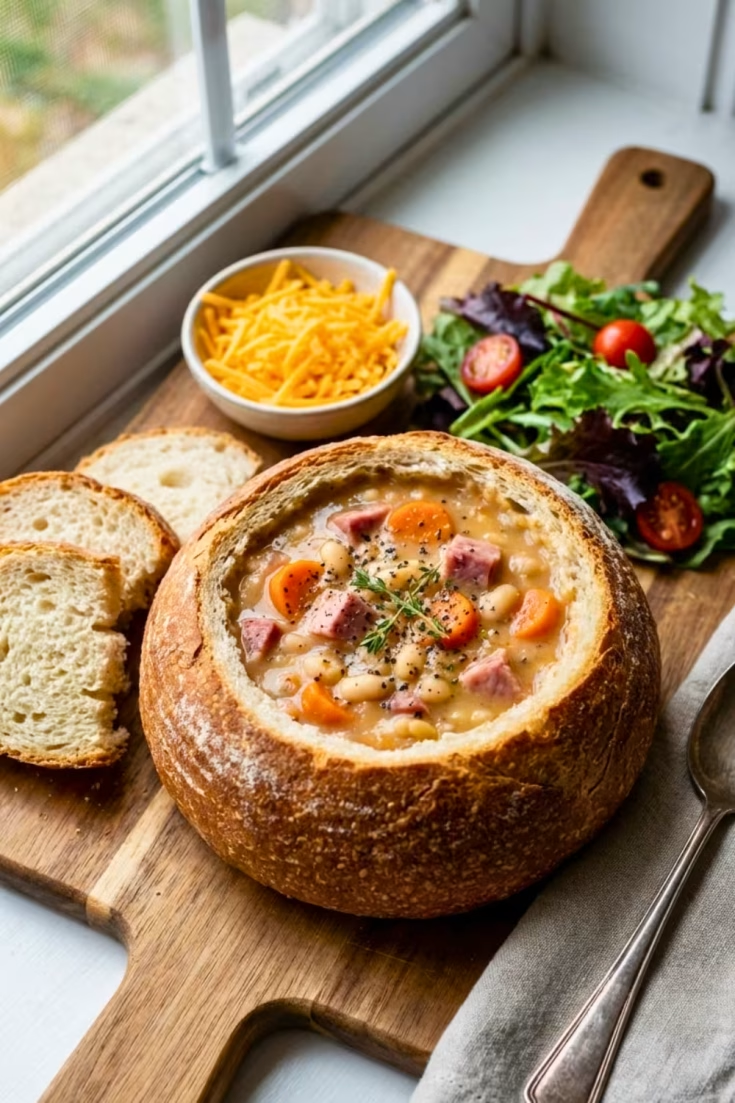
Ham and Bean Soup Recipe
Crockpot Ham and Bean Soup is a great pairing for a satisfying, affordable, and filling dinner. The beans provide fiber and vegetable protein, and the ham adds a savory, smoky flavor that makes the broth incredibly satisfying. This type of soup is my go-to when I want a comfort food without relying on expensive ingredients. You can use canned beans for convenience, or dried beans if you have more time to prep. Add carrots, celery, onions, garlic, and herbs for even more flavor. This is also a great high-protein crockpot soup for meal prep, as leftovers taste even better when the flavors have a chance to meld. Portion it into containers for an easy lunch or dinner any day of the week.
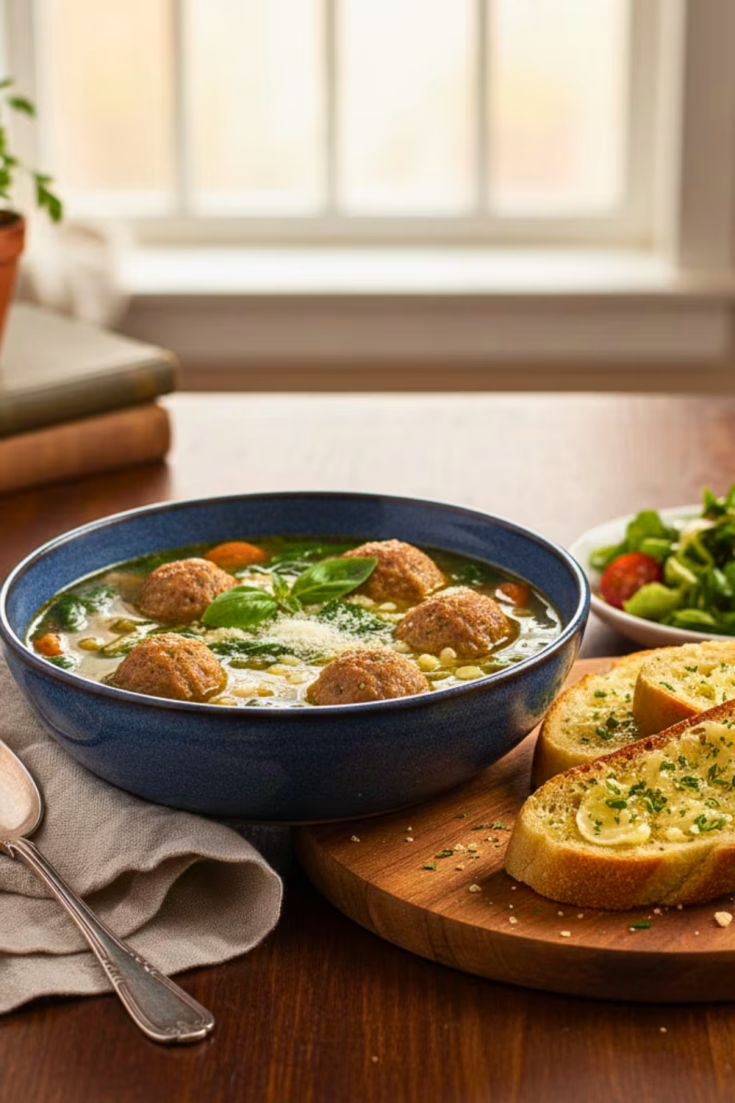
Italian Wedding Soup Recipe
Italian Wedding Soup is a recipe that looks fancy but can easily become a comforting meal any night of the week. It combines tender meatballs, vegetables, greens, pasta, and a flavorful broth to create a wonderfully balanced bowl. I especially like it because it gets you protein, vegetables, and carbs all together without a heavy side dish. For a healthier version, use lean ground chicken or turkey instead of meatballs and add plenty of spinach or escarole. You can also reduce the amount of pasta if you want a lighter dinner. The soup works great as a high-protein meal-prep recipe and is adaptable for gluten-free or low-carb diets. For the crockpot version, add the pasta and greens toward the end so they don't get overly mushy.
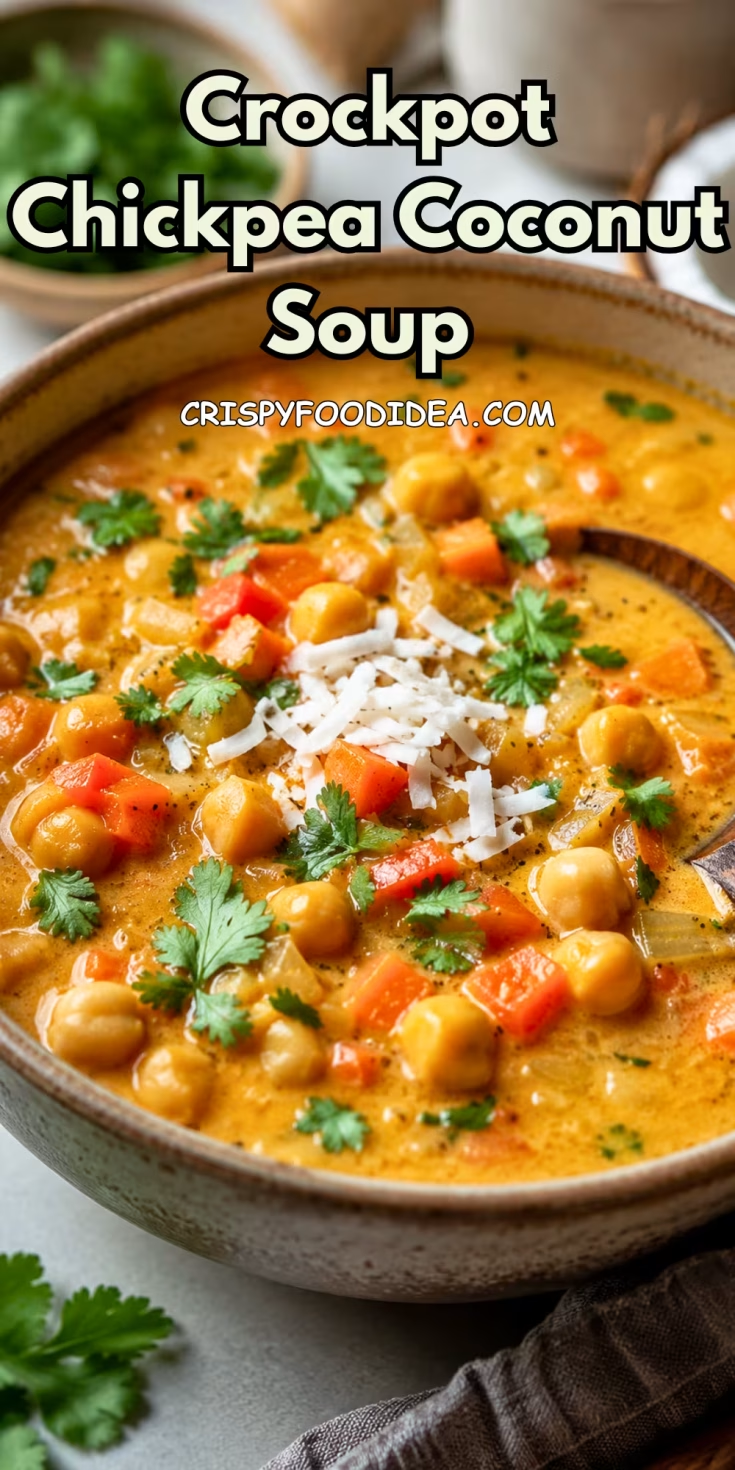
Crockpot Chickpea Coconut Soup Recipe Card
For a vegan crockpot soup with lots of flavor, this chickpea and coconut soup is a great choice. The chickpeas make a nutritious and satisfying base, and the coconut milk makes the soup creamy without any dairy. Finally, to brighten things up, I like to add garlic, onion, hot spices, herbs, and a little lemon juice. This combination gives you a comforting soup that doesn't taste bland or overly "healthy." It's especially great for making plant-based meals, as chickpeas provide protein and fiber, and the ingredients are relatively inexpensive. You can thicken the soup for a stew-like dinner, or add additional vegetable broth for a lighter consistency. Serve it with rice, quinoa, or warm whole-grain bread for a complete vegan weeknight meal.
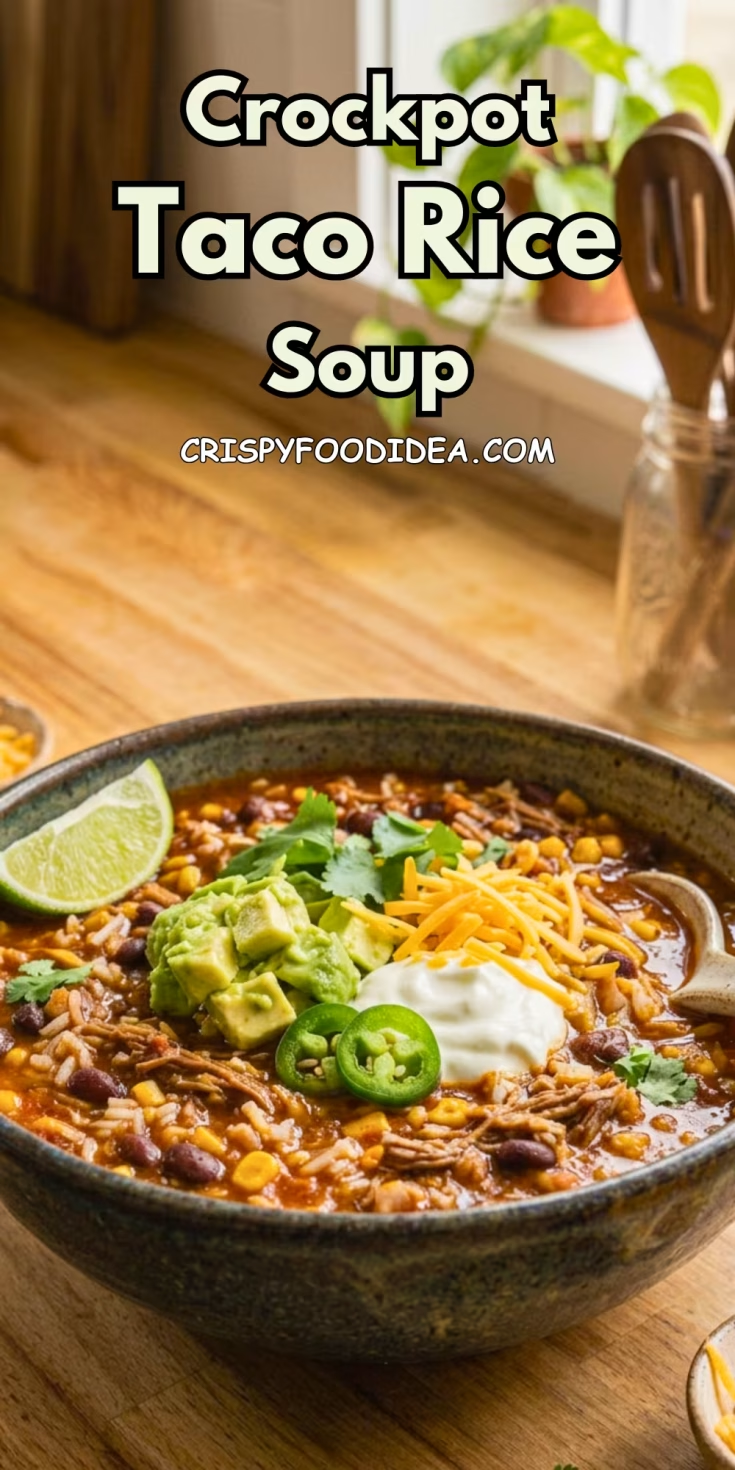
Crockpot Taco Rice Soup Recipe
This Crockpot Tomato Rice Soup proves that even simple ingredients can make a very satisfying dinner. The tomatoes provide a rich, slightly sweet base, and the rice makes the soup even more nutritious and satisfying. I like to add onions, garlic, carrots, celery, herbs, and vegetable broth to enhance the flavor without overcomplicating the recipe. This is an especially good choice when you're looking for a budget-friendly crockpot dinner, as many of the ingredients are common and inexpensive kitchen items. You can keep it vegetarian or vegan, add white beans for extra protein, or stir in spinach at the end for more vegetables.
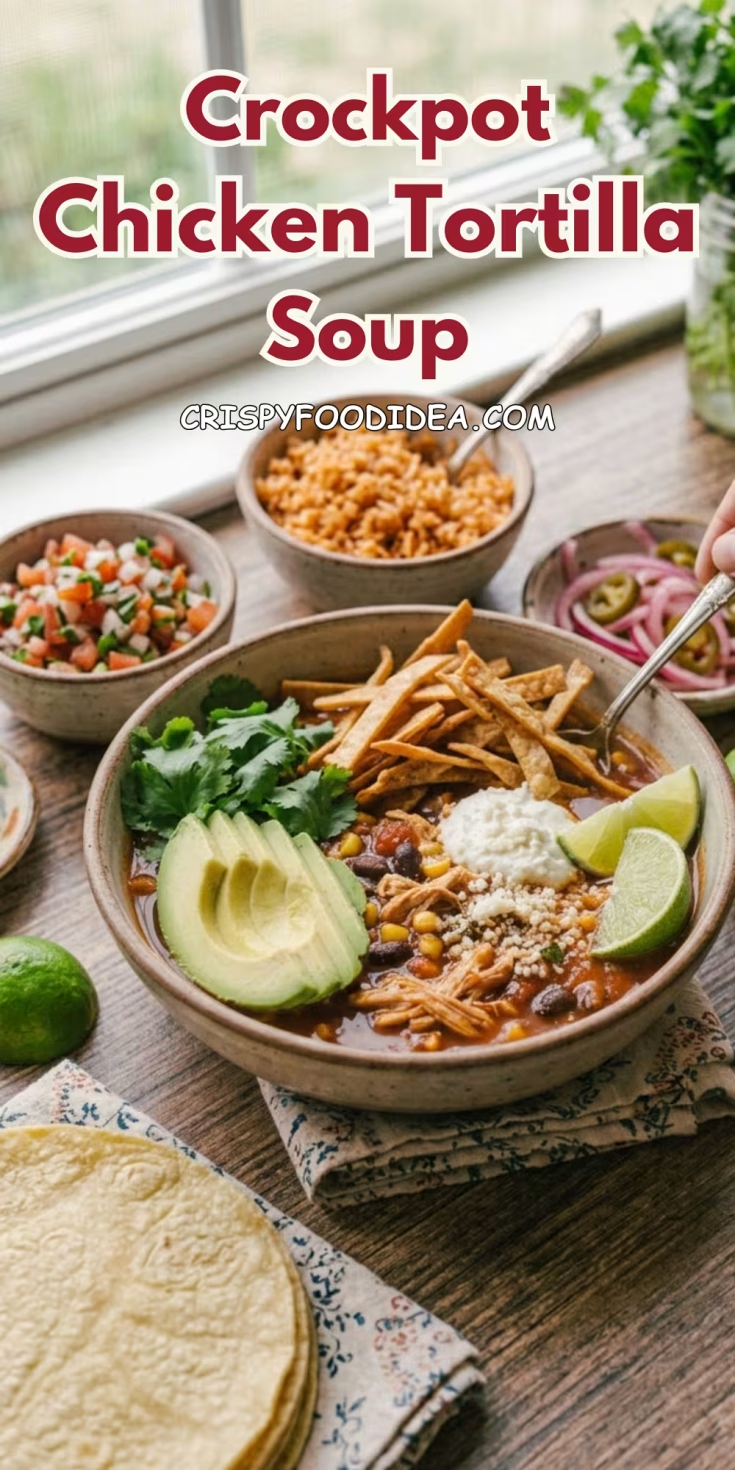
CrockPot Chicken Tortilla Soup
When I want something a little different from the usual creamy soup, Crockpot Chicken Tortilla Soup is one of my favorites. Chicken, tomatoes, beans, corn, capsicum, onion, broth, and Mexican-style spices combine to create a flavorful base that gets even better as it cooks. The best part is the toppings. Just before serving, add avocado, fresh cilantro, lime juice, grated cheese, Greek yogurt, or crunchy tortilla strips. This makes it easy to customize the soup for the whole family. You can increase the amount of beans and vegetables for more fiber, or use lean chicken for a high-protein dinner. This is a great slow cooker chicken soup for a busy weeknight, especially when you want something comforting, colorful, filling, and completely different from the traditional chicken noodle soup.
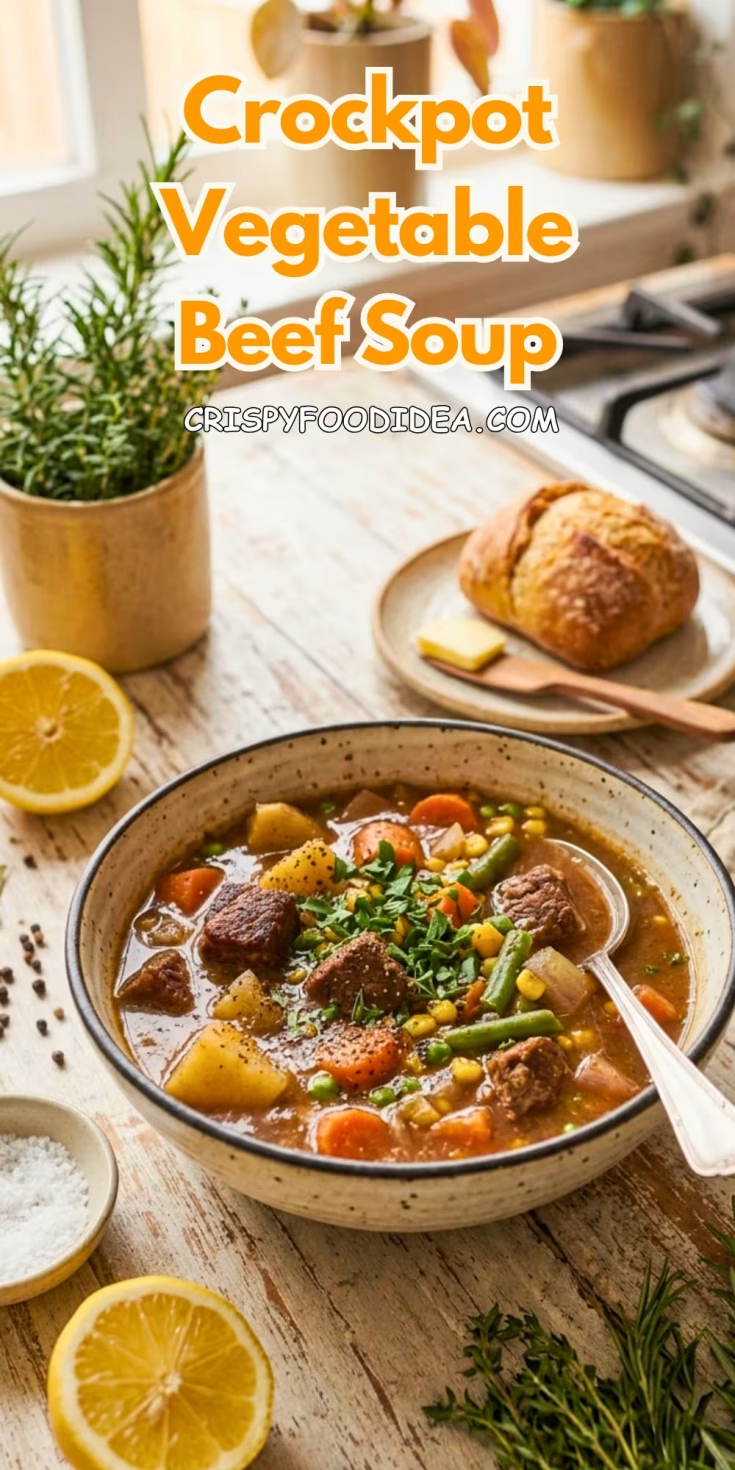
Slow Cooker Vegetable Beef Soup
For a truly satisfying dinner, when I'm craving something substantial, I turn to this recipe for Crockpot Beef Vegetable Soup. Tender beef is slowly cooked with carrots, potatoes, celery, onions, tomatoes, herbs, and broth until everything is thick and flavorful. The slow cooker is especially useful for this, as even tougher, more flavorful cuts of beef become incredibly tender when cooked over low heat. I also love this recipe for preparing meals for a family, as cooking a large batch makes for a satisfying dinner for several people. Use plenty of vegetables to create a balanced bowl, and adjust the amount of potatoes or other starches to your liking. If you're sodium-conscious, opt for low-sodium broths and canned tomatoes. Serve it with crusty whole-grain bread for an easy-to-make dinner on a cold winter day, which gives the feel of a homemade meal without requiring constant attention.
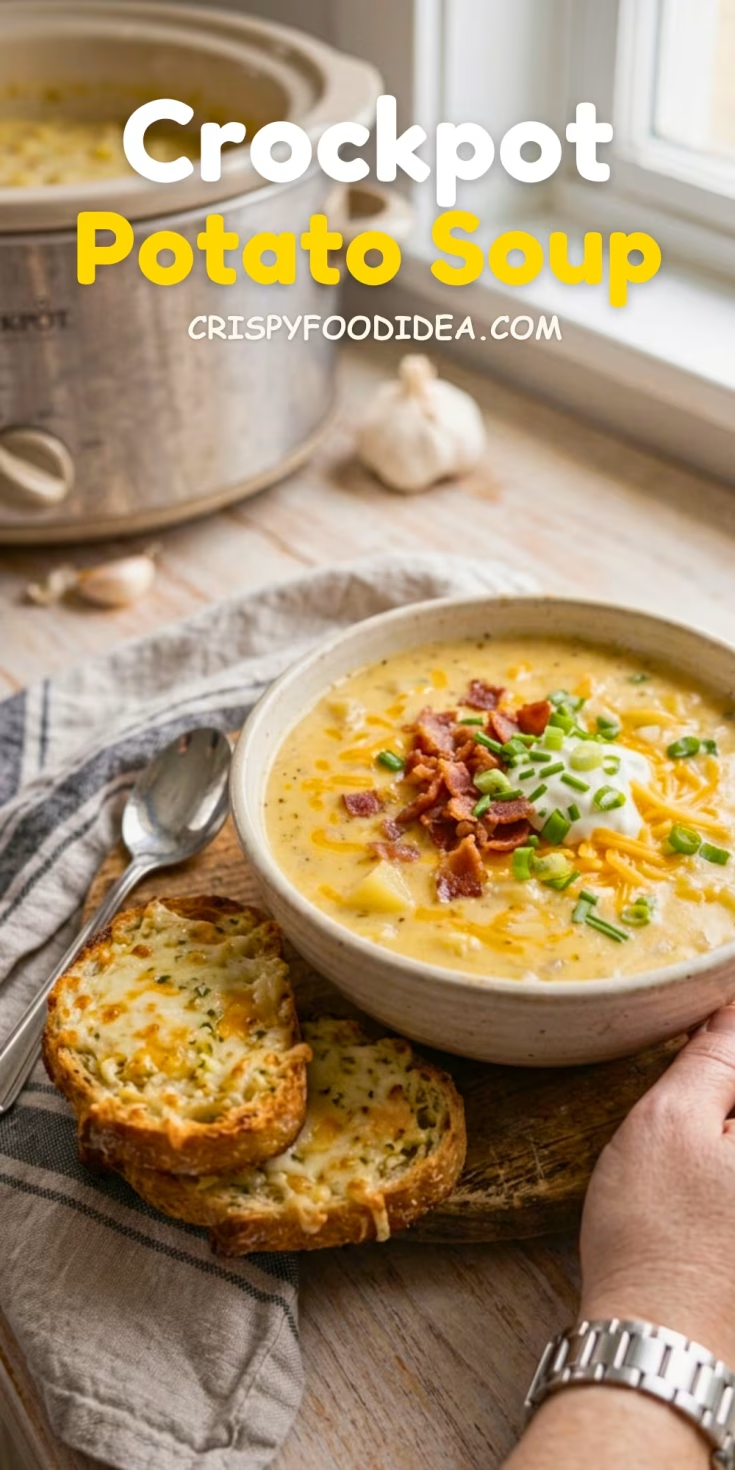
Crockpot Potato Soup Recipe
There are few things as comforting as a bowl of creamy crockpot potato soup. Potatoes are slowly cooked until tender with onions, garlic, broth, and spices, creating the perfect base for a thick and satisfying soup. You can keep it plain or add cheese, green onions, Greek yogurt, turkey bacon, or fresh herbs to make a hearty potato soup. I like to use milk or half-and-half for a lighter version without making the soup too heavy. You can also blend some of the soup, leaving some of the potato chunks intact, for a better texture. This is a great easy slow cooker dinner for cold evenings and family gatherings. If you're making this for meal prep, save the toppings separately and add them just before serving.
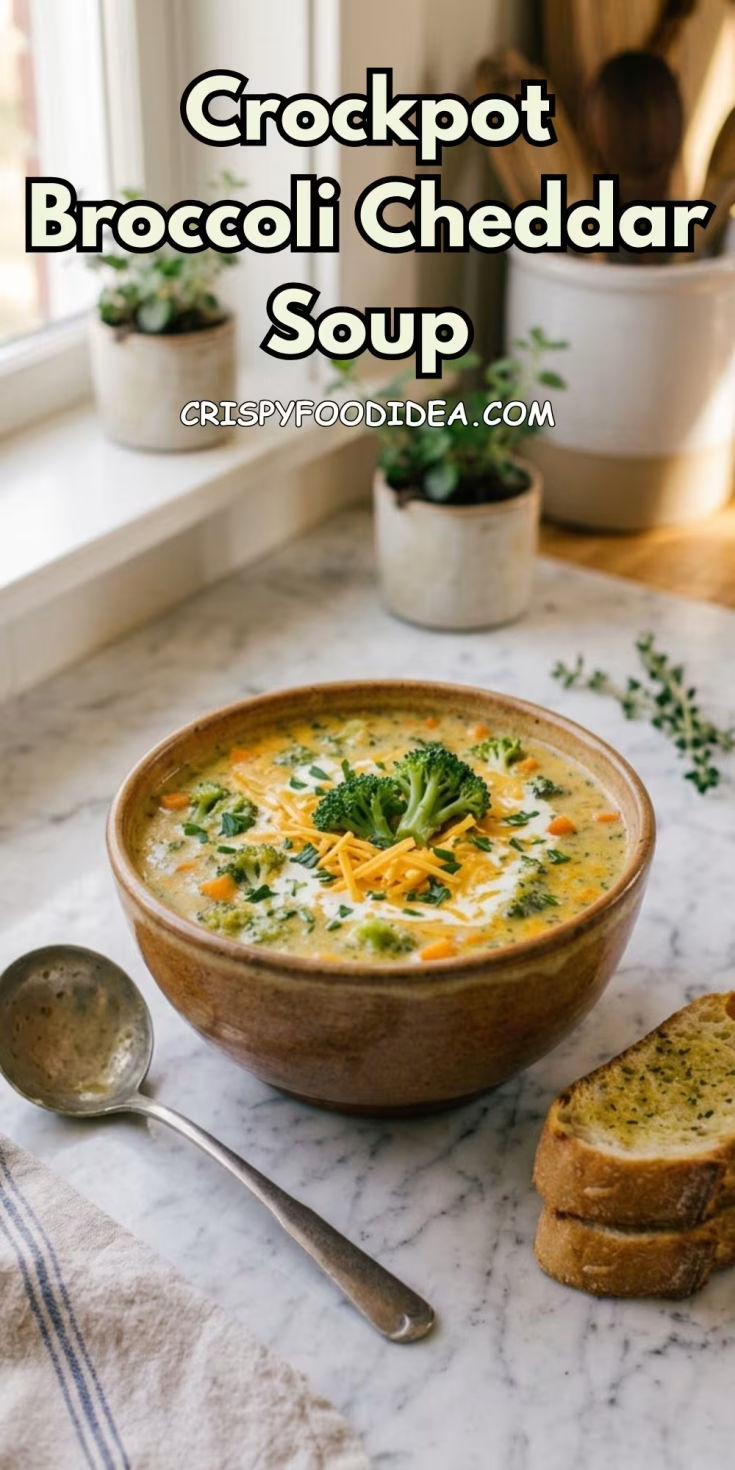
Crockpot Broccoli Cheddar Soup
If creamy, cheesy soups are your weakness, you'll want to try Crockpot Broccoli Cheddar Soup. Broccoli, carrots, onions, broth, and cheddar cheese combine to create a rich and comforting combination that's perfect for lunch or a light dinner. I recommend adding the cheese toward the end, rather than leaving it in the slow cooker the entire time. This keeps the texture smooth and prevents the cheese from becoming grainy. You can also add extra broccoli if you want a more veggie-heavy soup. For a lighter flavor, use evaporated milk or a combination of milk and Greek yogurt instead of heavy cream. For an easy weeknight meal, serve this slow cooker comfort food with a simple salad or whole-grain bread.
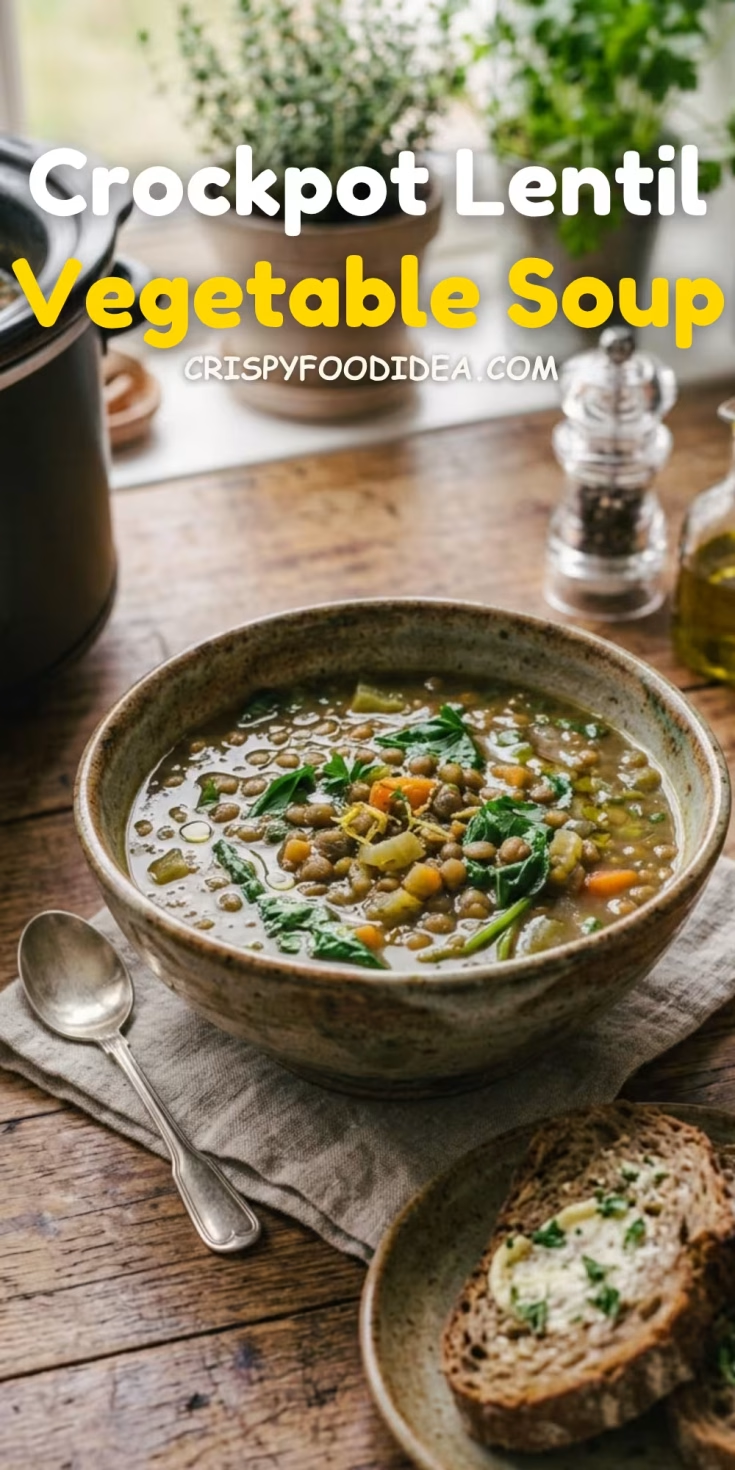
Crockpot Lentil Vegetable Soup
When I want a healthy, high-fiber crockpot soup, lentil soup is almost at the top of my list. Lentils are inexpensive, filling, and naturally high in plant-based protein and fiber, making them perfect for a satisfying meatless dinner. Add carrots, celery, onions, tomatoes, garlic, spinach, and your favorite herbs to create a colorful and flavorful soup. The slow cooker gives the lentils plenty of time to soften while deepening the flavor of the vegetables. This is one of the best meal-prep soups for vegans, as it stores well and is easy to reheat. If you're looking for a low-cost family dinner without using meat, this recipe is a smart option. Squeeze fresh lemon juice over each bowl for a bright flavor.
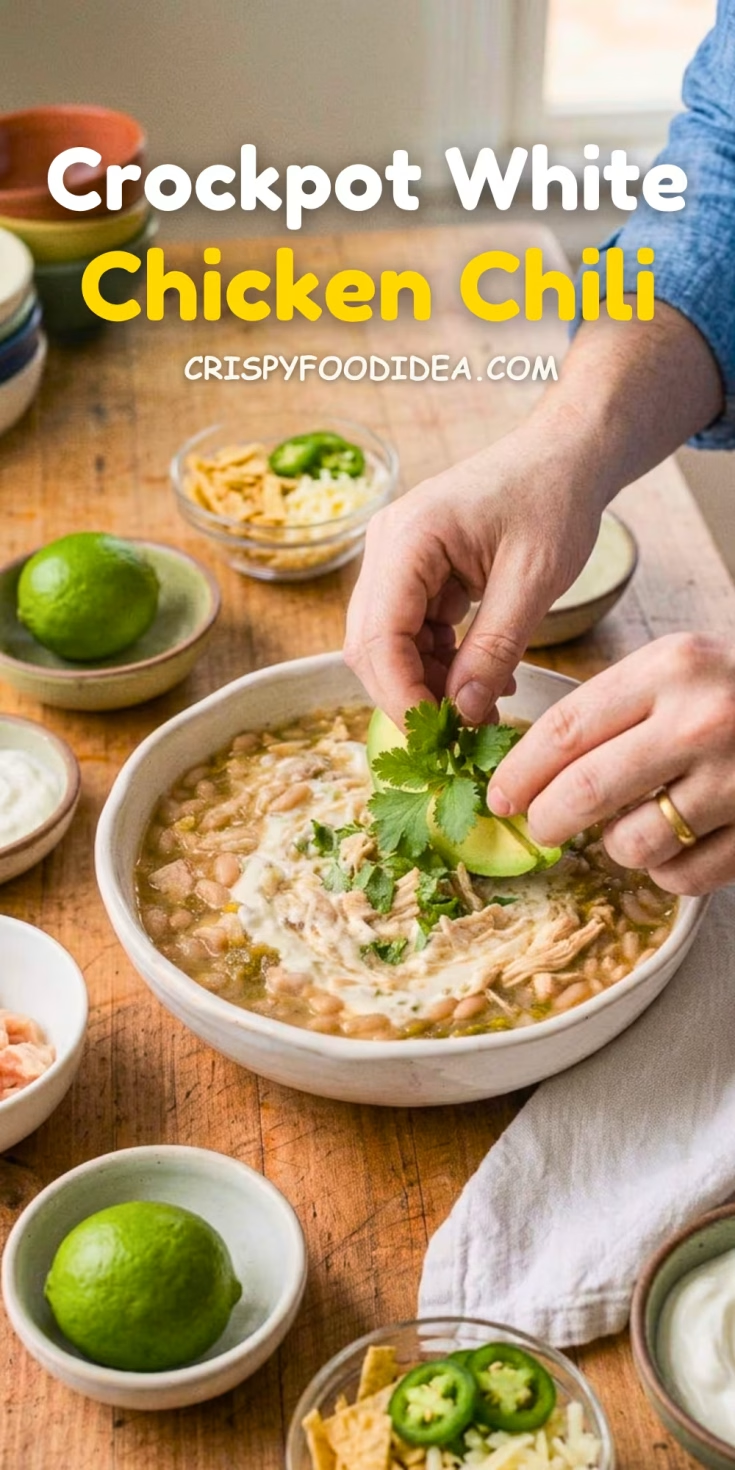
Crockpot White Chicken Chili - Easy, Creamy & Flavorful
Make this easy Crockpot White Chicken Chili with tender chicken, creamy white beans and green chiles. A cozy, high-protein dinner for busy weeknights.
Related: Italian Wedding Soup
Which Crockpot Soup Should You Make?
For dinner tonight, choose an easy crockpot soup recipe based on your priorities—like comfort food, protein or vegetable options, prep time, or something that’s easy for the whole family. I’d choose Chicken and Rice Soup for an easy family dinner; Ham and Bean Soup for a filling, high-protein meal; Chickpea Coconut Soup for a vegetarian or vegan option; and Tomato Rice Soup for a simple, budget-friendly meal. The table below will help you choose the best crockpot soup recipe that suits your taste and time.
Best for a Family Dinner
Choose Chicken & Rice Soup for a comforting, filling and easy slow cooker dinner that works especially well on busy weeknights.
Best High-Protein Option
Choose Ham & Bean Soup when protein, fiber, leftovers and an affordable meal matter most.
Best Vegan Choice
Choose Chickpea Coconut Soup for a creamy, plant-based Crockpot meal with satisfying fiber and flavor.
Best Budget-Friendly Soup
Choose Tomato Rice Soup for an inexpensive, comforting meal made with everyday pantry-friendly ingredients.
15 Crockpot Soup Recipes at a Glance
Not sure which slow cooker soup to make? Compare the recipes by flavor, dietary preference, protein, meal-prep potential and the type of dinner you’re planning.
| Crockpot Soup | Best For | Style | Protein | Meal Prep | Freezer |
|---|---|---|---|---|---|
| Chicken & Rice Soup | Family dinner | Comforting | High | Excellent | Yes* |
| Ham & Bean Soup | High-protein meal | Hearty | High | Excellent | Yes |
| Italian Wedding Soup | Comfort food | Savory | High | Excellent | Yes |
| Chickpea Coconut Soup | Vegan dinner | Plant-based | Medium | Excellent | Yes |
| Tomato Rice Soup | Budget meal | Vegetarian | Medium | Excellent | Yes* |
| Chicken Tortilla Soup | Mexican-inspired dinner | Bold | High | Excellent | Yes |
| Beef Vegetable Soup | Hearty family dinner | Hearty | High | Good | Yes |
| Crockpot Potato Soup | Comfort food | Creamy | Medium | Good | Varies* |
| Broccoli Cheddar Soup | Vegetarian comfort | Creamy | Medium | Good | Varies* |
| Lentil Vegetable Soup | High-fiber meal | Plant-based | High | Excellent | Yes |
| White Chicken Chili | High-protein dinner | Creamy | High | Excellent | Yes |
| Crockpot Minestrone | Vegetable-packed meal | Vegetarian | Medium | Excellent | Yes* |
| Split Pea & Ham Soup | Budget + protein | Hearty | High | Excellent | Yes |
| Chicken Noodle Soup | Classic family meal | Classic | High | Good* | Yes* |
| Sausage & White Bean Soup | Cold-weather dinner | Hearty | High | Excellent | Yes |
Related: Slow Cooker Chickpea Stew
Which Crockpot Soup Is Best for Your Goal?
Not all crockpot soups are best for the same occasion. Some soups are satisfying enough for a family dinner, while others are more suitable for a high-protein meal, a light and low-calorie lunch, a freezer-safe meal, or a comforting vegetarian dinner. After comparing the recipes in this collection based on taste, ingredients, convenience, protein, vegetables, leftovers, and make-ahead potential, here’s how I choose the right crockpot soup recipe for whatever you’re craving today.
Best Crockpot Soup for a High-Protein Dinner
For a satisfying, high-protein crockpot meal, opt for soups made with chicken, lean meats, beans, lentils, or a blend of protein-rich ingredients. These are especially great for busy weeknights when you want to treat a bowl of comforting soup to a full meal.
My picks: Ham & Bean Soup, Italian Wedding Soup, White Chicken Chili and Chicken & Rice Soup.
- Choose lean chicken, turkey or other protein-rich ingredients.
- Use beans or lentils to increase protein and fiber.
- Add vegetables for more volume and texture.
- Serve with a simple salad or whole-grain side when desired.
Best Crockpot Soup for a Lighter or Lower-Calorie Meal
For a lighter dinner or lunch, choose a broth-based healthy Crockpot soup with plenty of vegetables, beans or lean protein. A soup can be filling without relying heavily on cream, cheese or large amounts of added fat.
My picks: Lentil Vegetable Soup, Tomato Rice Soup, Chicken Vegetable Soup and Minestrone.
- Build the soup around vegetables and lean protein.
- Use low-sodium broth when appropriate.
- Add beans or lentils for fiber and staying power.
- Use creamy ingredients selectively rather than automatically.
Best Vegan Crockpot Soup
Plant-based soups are some of the easiest vegan slow cooker recipes to prepare because beans, chickpeas, lentils, tomatoes and vegetables can develop deep flavor during slow cooking. They’re also excellent choices when you’re looking for dairy-free and meat-free dinner ideas.
My picks: Chickpea Coconut Soup, Lentil Vegetable Soup, Tomato Rice Soup and Vegetable Minestrone.
- Use beans, lentils or chickpeas as the main protein source.
- Add herbs, spices and aromatics for depth of flavor.
- Finish with lemon juice or fresh herbs for brightness.
- Check packaged broths and seasonings for dietary compatibility.
Best Crockpot Soup for Meal Prep
If your priority is cooking once and eating several times, look for meal prep soup recipes that maintain good texture after refrigeration or freezing. Bean soups, lentil soups and many broth-based chicken soups are particularly practical for batch cooking.
My picks: Ham & Bean Soup, Lentil Vegetable Soup, Chickpea Coconut Soup and Chicken & Rice Soup.
- Label freezer portions with the recipe name and date.
- Portion soup into individual meal-prep containers.
- Keep pasta or delicate toppings separate when necessary.
- Cool and store leftovers promptly using safe food-handling practices.
Best Crockpot Soup for a Busy Weeknight
When time is the deciding factor, choose a dump-and-go Crockpot soup with minimal chopping and ingredients that can cook together without much babysitting. These easy slow cooker soups are ideal for busy families, working professionals and hands-off weeknight dinners.
My picks: Chicken & Rice Soup, Chicken Tortilla Soup, White Chicken Chili and Ham & Bean Soup.
- Avoid recipes that require frequent stirring or multiple finishing steps.
- Choose recipes with straightforward prep.
- Use frozen vegetables when they make sense for the recipe.
- Prep aromatics and ingredients the night before for an even faster start.
Best Crockpot Soup for a Budget-Friendly Dinner
A slow cooker is especially useful when you want budget-friendly family meals. Beans, lentils, potatoes, carrots, onions, canned tomatoes, frozen vegetables and affordable cuts of meat can turn into a hearty soup without requiring an expensive ingredient list.
My picks: Lentil Vegetable Soup, Ham & Bean Soup, Potato Soup and Tomato Rice Soup.
- Make a large batch, so leftovers become another meal.
- Use dried or canned beans according to the recipe.
- Buy vegetables in season or use frozen vegetables when practical.
- Stretch meat-based soups with beans, potatoes or vegetables.
Best Crockpot Soup for a Cozy Comfort-Food Dinner
When you’re craving something rich, creamy and comforting, choose a soup with potatoes, cheese, chicken, sausage or a creamy base. These cozy Crockpot soup recipes are perfect for chilly evenings, family dinners and relaxed weekends.
My picks: Crockpot Potato Soup, Broccoli Cheddar Soup, Chicken & Rice Soup and Sausage & White Bean Soup.
- Balance rich soups with a crisp salad or vegetable side.
- Add creamy ingredients toward the end when the recipe calls for it.
- Finish with fresh herbs, cheese or crunchy toppings.
Best Crockpot Soup for Family Dinner
For a family meal, choose a soup with familiar flavors and flexible toppings. Chicken noodle, chicken and rice, potato soup and mild white chicken chili are good starting points because everyone can customize their bowl with herbs, cheese, crackers or other toppings.
My picks: Crockpot Chicken Noodle Soup, Chicken & Rice Soup and Potato Soup.
- Choose vegetables that hold their texture during slow cooking.
- Keep spice levels moderate and serve hot sauce separately.
- Offer toppings so family members can customize their bowls.
Still Not Sure Which Crockpot Soup to Make?
Start with your main goal rather than choosing randomly. If you want a filling protein-rich dinner, go with a chicken, bean or meat-based soup. For a lighter meal, choose a vegetable-forward broth soup. If you’re planning ahead, pick a freezer-friendly recipe. And if you simply want comfort food after a long day, choose the creamiest or heartiest option that fits your preferences.
- High protein: Ham & Bean or White Chicken Chili
- Lower calorie: Lentil Vegetable or Tomato Rice
- Vegan: Chickpea Coconut or Lentil Vegetable
- Meal prep: Ham & Bean or Lentil Vegetable
- Busy weeknight: Chicken & Rice
- Budget friendly: Lentil, Bean or Potato Soup
- Comfort food: Potato or Broccoli Cheddar Soup
- Family dinner: Chicken Noodle or Chicken & Rice
Related: Brothy Tomato Rice Soup
How to Make Crockpot Soup Taste Better
The best crockpot soup recipes are not just about putting ingredients into a slow cooker and waiting for dinner. Because a Crockpot cooks gently for several hours with very little evaporation, the way you build flavor matters. A soup can be perfectly cooked and still taste flat, watery, overly salty, or one-dimensional.
If your slow cooker soup recipes sometimes taste bland, the solution usually isn’t simply adding more salt. Building a flavorful base with aromatics, using a good broth, seasoning in layers, controlling liquid, and finishing the soup with fresh herbs, citrus, or another bright ingredient can make a noticeable difference.
These are the techniques I recommend for turning simple easy crockpot soups into rich, satisfying meals that work for busy weeknight dinners, family meals, meal prep, and cozy weekend cooking.
My Simple Crockpot Soup Flavor Formula
Aromatics+Umami+Seasoning+Good Broth+Texture+Fresh Finish
Build Flavor With Aromatics First
Onion, garlic, celery, carrots, leeks, ginger, and other aromatics create the foundation of flavorful Crockpot soup. For recipes where you have a few extra minutes, sautéing the onion, garlic, or other aromatics before they go into the slow cooker can add another layer of flavor.
Slowly cooked aromatics provide sweetness, savory depth, and a more developed flavor base than relying on broth and dried seasoning alone.
Brown Meat Before Slow Cooking When It Matters
If you’re making crockpot chicken soup, beef vegetable soup, sausage soup, or another hearty recipe, browning meat first can add a deeper savory flavor. You don’t have to brown every ingredient in every recipe, but it can be worthwhile when you want a richer, more complex broth.
If the recipe is supposed to taste deeply savory and meaty, take the extra few minutes to brown the meat rather than treating the Crockpot as the only cooking step.
Use a Flavorful Broth Instead of Too Much Water
Your broth is a major part of the finished soup, so don’t dilute a flavorful recipe with unnecessary water. Low-sodium chicken broth, vegetable broth, beef broth, or homemade stock can give slow cooker soup a stronger foundation while allowing you to control the final salt level.
Start with enough liquid to cook the ingredients, then adjust the consistency near the end instead of adding large amounts of water at the beginning.
Season in Layers Instead of Adding Everything at Once
Salt, black pepper, garlic, onion powder, paprika, Italian seasoning, thyme, rosemary, bay leaves, chili flakes, and other spices all behave differently during a long cook. Taste your soup when the cooking is complete and adjust the seasoning before serving.
Long cooking can concentrate some flavors while others become softer. Always taste and adjust rather than assuming the original seasoning level is perfect.
Don’t Overload Your Crockpot With Liquid
One common reason crockpot soup recipes taste watery is adding more liquid than the ingredients actually need. A slow cooker is covered, so there is much less evaporation than you get from an open pot on the stovetop.
Follow the recipe’s liquid ratio and remember that vegetables and meat can release additional moisture as they cook.
Add Creamy Ingredients Near the End
For creamy crockpot potato soup, broccoli cheddar soup, creamy chicken soup, or similar recipes, dairy ingredients often work better when added toward the end of cooking rather than being exposed to many hours of heat.
Adding cream, milk, cheese, or other delicate ingredients later can help preserve a smoother texture and reduce the chance of separation.
Finish With Something Bright
This is one of my favorite ways to rescue a soup that tastes heavy or flat. A small squeeze of lemon juice, a splash of vinegar, fresh herbs, chopped green onions, or another bright finishing ingredient can make a long-cooked soup taste fresher.
Rich, savory flavors often need acidity or freshness at the end to make the entire bowl taste more balanced.
Give Your Soup Better Texture
Flavor isn’t the only thing that matters. A great healthy crockpot soup should also have contrasting textures. Keep some vegetables chunky, add beans for creaminess, use shredded chicken for protein, or finish with fresh greens and a crunchy topping.
If a soup feels too thin, partially mash beans or vegetables instead of automatically adding heavy cream.
Best Flavor Boosters for Crockpot Soup
If your soup tastes like it needs “something,” use the table below to diagnose the problem instead of randomly adding more seasoning.
|
If Your Soup Tastes… |
Try Adding… |
Best For… |
|---|---|---|
|
Flat or bland |
Salt, black pepper, herbs, garlic, or a small amount of umami-rich seasoning |
Chicken, vegetable, bean and lentil soups |
|
Too rich |
Lemon juice, vinegar, fresh herbs or another acidic finishing ingredient |
Creamy soups and hearty meat soups |
|
Watery |
Reduce added liquid next time; partially mash beans or vegetables for body |
Bean, vegetable and lentil soups |
|
Too salty |
Unsalted liquid, additional vegetables, beans or other unsalted ingredients |
Broth-based soups |
|
Too creamy or heavy |
Lemon juice, herbs, greens or a lighter broth-based component |
Potato, broccoli and cheese soups |
|
Not savory enough |
Well-seasoned broth, sautéed aromatics, browned meat or an umami-rich ingredient |
Beef, chicken and vegetarian soups |
|
Too spicy |
Additional unsalted broth or suitable creamy ingredients, depending on the recipe |
Chili-style soups |
What Can Make Crockpot Soup Taste Worse?
Slow cooking is forgiving, but it isn’t completely foolproof. Avoid these common mistakes when preparing easy slow cooker soups:
- Adding too much liquid: The soup may become diluted because the covered cooker does not reduce liquid like an uncovered saucepan.
- Skipping the flavor base: Plain broth plus vegetables can taste one-dimensional without enough aromatics and seasoning.
- Adding dairy too early: Creamy ingredients can develop an undesirable texture during prolonged cooking.
- Cooking pasta for too long: Pasta can absorb broth and become soft or mushy when cooked for an unnecessarily long period.
- Opening the lid repeatedly: Every unnecessary peek releases heat and can interfere with consistent cooking.
- Forgetting the finishing step: Fresh herbs, citrus, greens, or another bright ingredient can make the difference between a flat soup and a balanced one.
How to Make Crockpot Soup Healthier Without Losing Flavor
You don’t need to turn every bowl into a low-calorie soup to make it nutritious. For healthy crockpot soup recipes, focus on building a satisfying combination of protein, vegetables, fiber, and flavorful liquid.
- Choose lean chicken, turkey, beans, lentils, or other protein-rich ingredients.
- Add several types of vegetables for color, texture, fiber, and flavor.
- Choose lower-sodium broth when appropriate and season the soup yourself.
- Use beans, lentils, potatoes, or blended vegetables to create body without automatically relying on large amounts of cream.
- Finish with fresh herbs, lemon, lime, or vinegar instead of depending entirely on additional salt.
- Portion leftovers into meal-prep containers for convenient weekday lunches or dinners.
Important Crockpot Food-Safety Note
For slow-cooker meals containing meat or poultry, follow safe food handling practices. USDA recommends thawing meat or poultry before placing it in a slow cooker. For leftovers, refrigerate promptly in shallow containers and reheat leftovers to 165°F (74°C). USDA also advises against using a slow cooker to reheat leftovers.
Suggested: Instant Pot Recipes for Beginners
Crockpot Soup Mistakes I Wish I Had Avoided
A good Crockpot soup should be easy, flavorful, and forgiving—but a few small mistakes can leave you with watery broth, mushy vegetables, bland flavor, overcooked pasta, or a creamy soup that separates. These are the problems I pay the closest attention to when making slow cooker soup recipes, especially when the goal is an easy weeknight dinner, meal prep, or a freezer-friendly soup.
Adding Too Much Liquid
One of the easiest mistakes with crockpot soup recipes is adding extra broth “just in case.” Unlike stovetop cooking, the slow cooker loses very little liquid through evaporation, so a recipe that already contains vegetables, canned tomatoes, beans, or meat can become thinner than expected.
Overfilling the Slow Cooker
A packed Crockpot may look like a great way to prepare a large batch of healthy family meals, but overcrowding can interfere with even cooking. It can also make it harder for ingredients to cook at the expected rate.
Adding Dairy Too Early
Cream, milk, sour cream, and some cheeses can separate or develop an unpleasant texture when exposed to prolonged heat. This is especially noticeable in creamy Crockpot soups such as potato, broccoli cheddar, or creamy chicken soup.
Adding Pasta Too Early
Pasta continues absorbing liquid as it cooks. Leave it in a slow cooker for too long and you can end up with swollen, soft noodles and a soup that is much thicker than intended.
Putting Every Vegetable in at the Same Time
Carrots, potatoes, celery, leafy greens, zucchini, and other vegetables do not all need the same cooking time. Treating them identically can produce a soup with some vegetables that are perfectly tender and others that are completely mushy.
Not Building Enough Flavor
Slow cooking develops flavor, but it does not automatically fix under-seasoned ingredients. Too little salt, weak broth, or a lack of aromatics can leave even a nutritious soup tasting flat.
Using Too Much Salt From Canned Ingredients
Beans, tomatoes, broth, bouillon, sausage, and other packaged ingredients can contribute a surprising amount of sodium. Combining several salty ingredients can make a homemade soup taste excessively salty.
Opening the Lid Too Often
It is tempting to check your soup every hour, especially when you are making a new slow cooker soup recipe. But repeatedly lifting the lid releases heat and can extend the cooking process.
Assuming Every Soup Needs 8 Hours
“Low for 8 hours” is not a universal rule. Cooking time depends on the ingredients, their size, the recipe, the slow cooker model, and whether you are cooking on LOW or HIGH.
Skipping the Final Flavor Adjustment
This is one of the simplest ways to make a homemade soup taste more balanced. After several hours of cooking, flavors can become mellow and ingredients can absorb seasoning.
My 10-Second Crockpot Soup Check
- Is there enough—but not excessive—liquid?
- Is the slow cooker safely within its recommended capacity?
- Do the vegetables have appropriate cooking times?
- Should pasta be added later?
- Should dairy be added near the end?
- Am I using enough aromatics and seasoning?
- Have I considered sodium from packaged ingredients?
- Have I avoided unnecessary lid opening?
- Does the meat reach a safe internal temperature?
- Have I tasted and adjusted the soup before serving?
Avoiding these common slow cooker mistakes can make your easy Crockpot soup recipes more flavorful, better textured, and more reliable for busy weeknight dinners, meal prep, freezer meals, and healthy family cooking.
Related: Easy Meals Under 300 Calories
Can You Put Raw Meat in a Crockpot for Soup?
Yes, you can put raw meat in a Crockpot to make soup, as long as the meat is properly handled, the slow cooker is used according to the manufacturer’s instructions, and the meat reaches a safe internal temperature before serving. This makes a Crockpot especially convenient for easy weeknight dinners, high-protein soups, family meals, and meal-prep recipes.
For the safest results, use refrigerated—not frozen—meat, avoid cross-contamination, keep the lid on during cooking, and check the thickest part of the meat with a food thermometer rather than relying only on cooking time or appearance.
One of the best things about Crockpot soup recipes is that you can often add raw chicken, beef, pork, turkey, or other suitable meats directly to the slow cooker along with broth, vegetables, beans, herbs, and seasonings. As the soup cooks, the meat gradually becomes tender while adding flavor and protein to the broth.
However, there is an important distinction between “raw meat can go into a Crockpot” and “any raw meat can safely be cooked in any way in a slow cooker.” The size of the meat pieces, starting temperature, recipe, cooking time, slow-cooker model, and final internal temperature all matter.
What Temperature Should Meat Reach in Crockpot Soup?
The most reliable way to determine whether meat is safely cooked is to use a food thermometer. Color, texture, and cooking time alone are not reliable indicators of food safety.
These temperatures are useful when preparing slow cooker chicken soup, Crockpot beef soup, ham and bean soup, chicken tortilla soup, white chicken chili, and other meat-based Crockpot meals.
How to Safely Add Raw Meat to a Crockpot for Soup
- Start with properly refrigerated meat. Keep raw meat cold until you are ready to prepare the soup. Do not leave perishable meat sitting at room temperature while you prepare the remaining ingredients.
- Cut large pieces into recipe-appropriate portions. Smaller, evenly sized pieces generally cook more consistently than one very large piece of meat.
- Prevent cross-contamination. Keep raw meat, its juices, cutting boards, knives, and utensils away from foods that will be eaten without cooking. Wash surfaces and utensils thoroughly after handling raw meat.
- Add the raw meat according to the recipe. Chicken thighs, chicken breasts, beef stew meat, ground meat, turkey, and other proteins can be incorporated into many slow cooker soup recipes without being fully cooked beforehand.
- Keep the Crockpot lid closed. Repeatedly lifting the lid allows heat to escape and can lengthen the cooking process.
- Check the thickest piece with a food thermometer. Make sure the appropriate safe minimum internal temperature has been reached before serving.
- Serve or store the finished soup promptly. If you have leftovers, refrigerate them promptly in shallow containers rather than leaving a large pot of soup at room temperature for an extended period.
If your recipe contains chicken or another lean protein, I prefer cutting the meat into reasonably uniform pieces when the recipe calls for pieces rather than cooking one oversized piece and guessing when it is done. It makes portioning easier and helps the meat cook more evenly throughout the soup.
Can You Put Frozen Meat in a Crockpot for Soup?
It is best to thaw meat or poultry before putting it in a slow cooker. Frozen or partially frozen meat takes longer to reach a safe internal temperature and can lower the temperature of the other ingredients in the Crockpot.
For healthy Crockpot meals, freezer meal prep, and easy slow cooker dinners, thaw meat safely in the refrigerator, in cold water, or in the microwave immediately before cooking. Do not thaw raw meat on the kitchen counter.
Never use cooking time alone as proof that meat is safe to eat. A food thermometer is the most dependable way to verify that meat has reached the appropriate internal temperature.
Do You Need to Brown Meat Before Making Crockpot Soup?
No, not always. Many Crockpot soup recipes are designed so that raw meat can be added directly to the slow cooker. Browning meat first is usually a flavor and texture decision rather than a universal safety requirement.
Browning beef, sausage, or other meats can create additional browned flavors and may improve the finished soup. However, skipping this step can be useful when your priority is a quick Crockpot dinner, dump-and-go soup, meal prep, or low-effort family meal.
| Method | Best For | Main Benefit |
|---|---|---|
| Raw meat directly in Crockpot | Easy weeknight soups | Less prep and fewer dishes |
| Brown meat first | Beef, sausage and hearty soups | Deeper browned flavor |
| Cook meat separately | Recipes requiring precise texture | More control over doneness |
Which Meats Work Well in Crockpot Soup?
Several proteins work particularly well in slow cooker soups. The best choice depends on the recipe and desired texture.
- Boneless or bone-in chicken thighs
- Chicken breast
- Lean beef stew meat
- Ground beef or turkey, when properly cooked
- Pork suitable for slow cooking
- Turkey
- Ham or fully cooked sausage when the recipe calls for it
For high-protein Crockpot soups, chicken, lean beef, turkey, beans, lentils, and split peas can help make a bowl of soup more satisfying. Pairing protein with vegetables and fiber-rich ingredients also makes the soup more useful for meal planning and balanced weeknight dinners.
Raw Chicken in Crockpot Soup: What Should You Know?
Raw chicken is commonly used in slow cooker chicken soup recipes, including chicken and rice soup, chicken noodle soup, chicken tortilla soup, and white chicken chili. You can generally add appropriately handled raw chicken directly to a recipe designed for the slow cooker.
The important part is making sure the chicken reaches 165°F (74°C) internally before serving. Check the thickest portion with a food thermometer, particularly when cooking larger pieces.
Raw Beef in Crockpot Soup: Should You Brown It First?
Raw beef can be used in many Crockpot beef soup recipes, especially soups containing stew meat, vegetables, beans, potatoes, or a rich broth. Browning the beef first can add a deeper savory flavor, but it is not necessary for every recipe.
If using ground beef, cook it to the appropriate safe internal temperature and follow the recipe’s instructions. For whole cuts such as beef stew meat, use a food thermometer and follow the safe-temperature guidance for the particular cut.
Can You Put Raw Meat and Vegetables Together in a Crockpot?
Yes. This is one of the reasons one-pot Crockpot meals are so convenient. Raw meat can cook alongside vegetables, beans, broth, herbs, and other ingredients when the recipe is designed for slow cooking.
The key is proper handling before cooking and reaching a safe internal temperature during cooking. Use separate utensils and cutting boards for raw meat and ready-to-eat ingredients whenever possible to reduce the risk of cross-contamination.
Does Cooking Meat in Soup Make It Safe?
Cooking helps destroy harmful bacteria, but the soup should still be prepared and handled safely. The meat must reach the appropriate internal temperature, and the finished soup should be cooled and refrigerated promptly if it will not be eaten immediately.
This is particularly important when preparing large batches of meal prep soup, freezer-friendly Crockpot soup, healthy family dinners, and high-protein slow cooker meals.
Related: WW Crockpot Chicken Recipes
Crockpot Soup Meal Prep Guide
The best thing about making crockpot soup recipes is that you can make several mouthwatering meals with just a few simple ingredients in a single slow cooker. Soup is one of the easiest meals to make in large quantities, whether you’re planning a busy weeknight meal, a healthy meal prep, a budget lunch, or a freezer meal. I especially like slow cooker soup recipes for meal prep, as many soups taste even better after sitting overnight. The key, however, is knowing which ingredients hold their shape, how to properly chill and store soup, and when to add ingredients like pasta, dairy, fresh herbs, or crunchy toppings. But I recommend following leftover food-safety recommendations
Batch Cooking
Make one large pot of soup and divide it into individual portions for easy lunches and dinners throughout the week.
Freezer Friendly
Bean, lentil, vegetable, chicken, and broth-based soups are especially useful when you want convenient make-ahead meals.
Budget Friendly
Beans, lentils, potatoes, grains, frozen vegetables, and affordable cuts of meat can stretch one Crockpot meal across multiple servings.
How to Meal Prep Crockpot Soup
The easiest way is to cook in batches, cool safely, portion into serving containers, and refrigerate a few servings and freeze the rest. This method is especially effective for healthy crockpot soup recipes, high-protein soups, vegetable soups, bean soups, and other filling dinners that can be made ahead of time.
- Choose a soup that stores well. Broth-based chicken soup, bean soup, lentil soup, vegetable soup, chili, and many hearty slow cooker soups generally make excellent meal-prep choices.
- Cook the soup according to the recipe. Avoid overcooking delicate vegetables, pasta, seafood, or dairy ingredients simply because the soup is being prepared in a Crockpot.
- Cool and portion promptly. Divide a large batch into smaller, shallow containers rather than leaving one very large pot of hot soup to cool slowly.
- Refrigerate the portions you’ll eat soon. Keep the refrigerator at 40°F (4°C) or below and use refrigerated leftovers within the recommended storage window.
- Freeze the remaining portions. Label each container with the soup name and date so your freezer meals are easy to identify later.
- Reheat only what you need. Reheating individual portions helps preserve texture and prevents repeatedly heating and cooling the entire batch.
Which Crockpot Soups Are Best for Meal Prep?
Not every soup behaves the same way after refrigeration or freezing. If you’re preparing meals several days ahead, choose recipes where the main ingredients maintain their flavor and texture after reheating.
| Soup Type | Meal Prep | Freezer | Best Use |
|---|---|---|---|
| Chicken & Rice Soup | Excellent | Good | Family dinner |
| Ham & Bean Soup | Excellent | Excellent | High-protein meal prep |
| Lentil Soup | Excellent | Excellent | Budget-friendly lunches |
| Vegetable Soup | Excellent | Excellent | Healthy weeknight meals |
| Chicken Noodle Soup | Good | Fair | Comfort food |
| Cream-Based Soup | Good | Varies | Cozy dinners |
Meal-prep tip: If a soup contains pasta, noodles, or another ingredient that tends to absorb liquid, consider cooking that component separately or adding it closer to serving time. This helps prevent an otherwise delicious slow cooker soup from becoming overly thick or mushy after a few days.
Meal-Prep Mistakes That Can Ruin Crockpot Soup
- Adding pasta too early and allowing it to become mushy.
- Freezing delicate dairy-based soups without considering texture changes.
- Leaving a large pot of soup to cool slowly at room temperature.
- Storing the entire batch in one oversized container.
- Forgetting to label frozen soup.
- Adding fresh herbs and crunchy toppings before freezing.
- Making every portion the same size when family members have different appetites.
- Failing to adjust the seasoning after reheating.
Suggested: Best Chicken Fajita Recipe
How to Freeze Crockpot Soup
Freezing Crockpot soup is one of my favorite ways to turn a big batch of slow cooker soup into easy make-ahead meals. It works especially well for busy weeknights, family meal planning, budget-friendly dinners, and healthy meal prep. The key is cooling the soup properly, portioning it before freezing, and choosing a freezer-safe container that protects the soup from freezer burn. For maximum safety, follow food storage guidelines when cooling, refrigerating, and freezing leftover soup.
My Best Method for Freezing Crockpot Soup
If I know I will not eat the entire batch within a few days, I prefer to freeze the soup in individual or two-serving portions. This makes it much easier to turn homemade soup into a convenient freezer meal without thawing the entire container.
Cool the Soup Safely
Don’t leave a large pot of soup sitting out for an extended period. Divide a large batch into smaller, shallow portions so it can cool more quickly before refrigeration or freezing.
Portion Before Freezing
Freeze soup in individual servings or family-size portions. Smaller portions freeze and thaw more conveniently and are ideal for meal prep and quick weeknight dinners.
Use Freezer-Safe Containers
Choose airtight, freezer-safe food storage containers or heavy-duty freezer bags. Leave some headspace because soup expands as it freezes.
Label and Date Everything
Write the soup name and freezing date on every container. This simple step makes freezer organization much easier, especially when you are building a collection of homemade freezer meals.
How Long Does Crockpot Soup Last in the Freezer?
Properly frozen soup can remain safe indefinitely when kept at 0°F (-18°C), but quality gradually declines over time. For the best flavor and texture, I recommend planning to use most homemade Crockpot soups within 2–3 months.
| Soup Type | Freezer Quality | Best Tip |
|---|---|---|
| Chicken & vegetable soup | Excellent | Freeze in individual meal-prep portions. |
| Bean & lentil soup | Excellent | Usually freezes very well because the base is broth-based. |
| Beef vegetable soup | Excellent | Cool completely and remove excess surface fat if desired. |
| Tomato-based soup | Excellent | Leave room for expansion in the container. |
| Creamy soup | Good | Texture may change slightly after thawing; stir well while reheating. |
| Soup with pasta or noodles | Fair to good | Pasta can become soft; freeze the broth separately when practical. |
Soups That Freeze Well
- Chicken vegetable soup
- Ham and bean soup
- Lentil soup
- Beef vegetable soup
- Tomato-based soup
- Chickpea soup
- Broth-based Crockpot soups
Soups That Need Extra Care
- Heavy cream-based soups
- Soups containing lots of pasta
- Soups with delicate vegetables
- Cheese-heavy soups
- Soups thickened heavily with dairy
- Soups where texture is especially important
Can You Freeze Crockpot Soup in Glass Containers?
Yes, but only use glass containers specifically designed and labeled for freezer use. Leave adequate space at the top for expansion and avoid transferring extremely hot soup directly into a cold glass container. If you prefer a simpler option for freezer meal prep, sturdy freezer-safe plastic containers or freezer bags can be easier to portion and store.
How to Thaw Frozen Crockpot Soup
The easiest method is to transfer the frozen soup to the refrigerator and allow it to thaw gradually. You can also use cold-water or microwave thawing methods when appropriate. Once thawed, reheat the soup thoroughly before serving.
For busy weeknights, I prefer moving one portion from the freezer to the refrigerator the night before. By dinner time, it is usually ready to reheat, which makes this method particularly useful for make-ahead dinners, family meal prep, and freezer-friendly recipes.
How to Reheat Frozen Crockpot Soup
Thaw the soup safely, then reheat it until it is steaming hot throughout. Stir occasionally, especially when reheating thicker or creamy soups. If the soup has become too thick after freezing, add a small amount of broth or water while reheating and adjust the seasoning before serving.
If the texture looks slightly separated after thawing, don’t immediately assume the soup is ruined. Creamy and dairy-based soups can separate during freezing; gentle reheating and thorough stirring can often improve the consistency.
Which Crockpot Soups Are Best for Freezer Meal Prep?
If your main goal is healthy freezer meals that are easy to portion and reheat, prioritize broth-based soups containing lean protein, beans, lentils, and vegetables. These combinations tend to hold their texture better than soups that rely heavily on cream, cheese, or delicate pasta.
My top choices from this collection for freezer meal prep are ham and bean soup, chicken and vegetable soup, lentil soup, chickpea soup, beef vegetable soup, and tomato-based soup.
Crockpot Soup Ingredient Swaps
The easiest way to tailor crockpot soup recipes for your family is to know which ingredients to swap out without changing the taste, texture, or cooking time. Because many people don’t like many things or have many dietary restrictions, if you know the right swaps, there won’t be any difference in taste in any soup.
Chicken Breast → Chicken Thighs
Chicken thighs are more forgiving in long slow-cooking recipes and can produce a richer, more savory broth. Use boneless, skinless thighs when you want tender chicken without adding extra prep.
Heavy Cream → Evaporated Milk or Greek Yogurt
For a lighter creamy soup, evaporated milk can provide body without requiring as much cream. Greek yogurt can also add creaminess and protein, but stir it in toward the end and temper it first to reduce the chance of curdling.
Chicken Broth → Vegetable Broth
Vegetable broth is an easy way to turn many soup recipes vegetarian. Choose a low-sodium version when possible so you can control the final seasoning yourself.
Beef Broth → Mushroom or Vegetable Broth
Mushroom broth is particularly useful when you want deeper savory flavor without using beef. It works especially well in vegetable, bean, lentil, and mushroom-based slow cooker soups.
Beans → Lentils
Lentils are a useful alternative when you want a fiber-rich, plant-based soup with a hearty texture. Keep in mind that different types of lentils cook at different rates, so adjust the recipe accordingly.
Ham → Turkey Sausage
Turkey sausage can bring savory flavor to bean, potato, lentil, and vegetable soups. Check the label because sodium levels vary considerably between brands.
White Rice → Quinoa or Barley
Quinoa can add plant-based protein, while barley gives soup a chewy, hearty texture. Because grains absorb liquid differently, start with a little less than you think you need and adjust the broth after cooking.
Pasta → Rice or Potatoes
If pasta tends to become too soft in your slow cooker, rice or potatoes may be a better fit. For delicate pasta shapes, add them toward the end rather than cooking them for the entire Crockpot cycle.
Dairy Milk → Unsweetened Coconut Milk
Unsweetened coconut milk works especially well in curry-inspired, Thai-inspired, chickpea, pumpkin, and vegetable soups. Use the unsweetened variety so you don’t accidentally add sweetness to a savory soup.
Fresh Vegetables → Frozen Vegetables
Frozen vegetables can make Crockpot soup preparation faster and reduce food waste. They’re especially convenient for busy weeknight dinners, budget meal prep, and last-minute slow cooker meals.
Fresh Spinach → Kale or Frozen Spinach
Kale holds its texture better during longer cooking, while frozen spinach is convenient and easy to keep on hand. Add delicate greens later when you want a fresher color and texture.
Best for: vegetable-packed soupsCanned Tomatoes → Crushed Tomatoes or Tomato Sauce
Crushed tomatoes create a smoother soup, while tomato sauce can make a broth more concentrated. Adjust the amount of additional liquid depending on the consistency you want.
Potato → Cauliflower
Cauliflower can replace part or all of the potatoes in some creamy soups when you want a vegetable-forward option. For the best texture, avoid adding excessive liquid at the beginning.
Best Ingredient Swaps for Your Soup Goal
For a High-Protein Soup
Choose chicken, turkey, beans, lentils, Greek yogurt, or other protein-rich ingredients. Your Ham and Bean Soup is a useful example of how beans and meat can create a satisfying protein-focused meal.
For a Vegetarian Soup
Replace meat-based broth with vegetable broth and build flavor with beans, lentils, mushrooms, tomatoes, herbs, garlic, and vegetables.
For a Vegan Soup
Use vegetable broth, plant-based protein, coconut milk when appropriate, and vegetables. A chickpea-based soup is an especially easy way to add satisfying plant protein.
For a Dairy-Free Soup
Try unsweetened coconut milk, blended beans, pureed vegetables, or dairy-free alternatives instead of heavy cream or milk.
For a Budget-Friendly Soup
Use dried or canned beans, lentils, potatoes, frozen vegetables, seasonal produce, and inexpensive cuts of chicken or turkey to stretch the meal without sacrificing flavor.
For Meal Prep & Freezing
Favor bean, lentil, chicken, vegetable, and broth-based soups. Add delicate pasta, fresh herbs, and some dairy-based ingredients later when possible for better reheated texture.
| Original Ingredient | Best Substitute | Why It Works | Best For |
|---|---|---|---|
| Chicken breast | Chicken thighs | More forgiving during longer cooking | Hearty chicken soups |
| Heavy cream | Evaporated milk or Greek yogurt | Adds creaminess with a different nutritional profile | Lighter creamy soups |
| Chicken broth | Vegetable broth | Creates a vegetarian-friendly base | Vegetarian soups |
| Beans | Lentils | Adds fiber and plant-based protein | Meal prep soups |
| Ham | Turkey sausage | Provides savory protein and flavor | Protein-focused soups |
| Rice | Quinoa or barley | Changes texture and can increase variety | Hearty soups |
| Fresh vegetables | Frozen vegetables | Convenient and reduces food waste | Busy weeknight meals |
| Dairy milk | Unsweetened coconut milk | Creates a dairy-free creamy base | Vegan and dairy-free soups |
| Potatoes | Cauliflower | Creates a vegetable-forward alternative | Lower-starch variations |
👩🍳 One Crockpot Soup Swap Rule That Saves Dinner
Don’t make last-minute changes to multiple ingredients at once. Change one main ingredient, then taste the broth before serving and adjust the broth, seasoning, thickness, or sourness as needed. This is especially important for slow cooker soups, as ingredients like beans, rice, potatoes, pasta, and grains absorb different amounts of liquid.
- Soup too thick? Add warm broth gradually.
- Soup too thin? Simmer uncovered or use an appropriate thickener.
- Soup tastes flat? Check salt, herbs, spices, and acidity.
- Soup tastes too salty? Add unsalted liquid and more compatible ingredients rather than simply adding water.
- Creamy soup separated? Dairy ingredients may need to be added later and add gradually.
Healthy Crockpot Soup Formula
A healthy Crockpot soup means just broth and vegetables; this thinking needs to change. A satisfying slow cooker soup needs a balance of protein, vegetables, fiber-rich carbohydrates, flavorful aromatics, healthy fats, and a flavorful finishing ingredient. That’s why I use a simple formula for soups, and that is: start with a quality protein, add plenty of vegetables, choose a high-fiber ingredient, cover everything with flavorful broth, and finish with herbs, spices, and a little acidity.
Choose a Lean or Plant-Based Protein
Protein helps turn a light vegetable soup into a more satisfying high-protein Crockpot meal.
- Chicken breast or boneless chicken thighs
- Lean ground turkey
- Beans and chickpeas
- Lentils and split peas
- Turkey sausage in moderation
Load Up on Colorful Vegetables
Vegetables add flavor, texture and nutrients while making your soup more filling without relying on heavy sauces.
- Carrots
- Celery
- Onions
- Tomatoes
- Spinach or kale
- Bell peppers
- Broccoli or cauliflower
Add a Fiber-Rich Ingredient
Beans, lentils, peas and whole grains can make a healthy slow cooker soup more substantial and meal-prep friendly.
- Black beans
- White beans
- Chickpeas
- Lentils
- Split peas
- Barley or brown rice
Use a Flavorful Broth
Broth forms the foundation of most low-calorie Crockpot soups, so choose one with enough flavor that you do not have to compensate with excessive salt or heavy sauces.
- Low-sodium chicken broth
- Vegetable broth
- Beef broth
- Homemade stock
- Bone broth when it suits the recipe
Build Flavor With Aromatics & Spices
Slow cooking develops deep flavor, but aromatics and seasonings give the soup its personality.
- Garlic
- Onion
- Ginger
- Black pepper
- Smoked paprika
- Cumin
- Italian herbs
- Fresh parsley or cilantro
Use Healthy Fats Strategically
A small amount of fat can improve flavor and mouthfeel without turning a nutritious soup into an overly heavy meal.
- Extra-virgin olive oil
- Avocado
- Seeds
- Nut or seed butter when appropriate
- Small amounts of cheese or yogurt
Finish With Freshness
This is one of my favorite tricks for making slow-cooked soup taste brighter and less flat.
- Fresh lemon juice
- Lime juice
- Fresh herbs
- A splash of vinegar
- Greek yogurt
- Freshly ground black pepper
Build Your Crockpot Soup Based on Your Goal
| Goal | Focus On | Great Ingredients | Try These Soup Styles |
|---|---|---|---|
| High Protein | Protein + beans or lentils | Chicken, turkey, beans, lentils | Chicken & rice, white chicken chili, ham & bean |
| High Fiber | Legumes + vegetables + whole grains | Lentils, chickpeas, beans, barley | Lentil soup, minestrone, bean soup |
| Lower Calorie | Vegetables + lean protein + broth | Chicken, vegetables, beans, broth | Chicken vegetable, tomato rice, vegetable soup |
| Vegan | Plant protein + vegetables | Chickpeas, lentils, beans, tofu | Chickpea, lentil, vegetable and tomato soups |
| Meal Prep | Protein + fiber + freezer-friendly vegetables | Chicken, beans, lentils, carrots | Bean soup, chicken soup, lentil soup |
| Budget Friendly | Affordable pantry staples | Beans, lentils, potatoes, frozen vegetables | Bean soup, potato soup, lentil soup |
My Favorite Healthy Soup Trick
If your Crockpot soup tastes good but feels a little flat at the end, don’t immediately add more salt. First try a squeeze of lemon or lime, a splash of vinegar, freshly ground black pepper or a handful of fresh herbs. A small amount of acidity can wake up a long-simmered soup and make the other flavors taste brighter.
Crockpot vs Slow Cooker — Are They the Same?
Yes—when you’re searching for crockpot soup recipes, slow cooker soup recipes, or easy weeknight meals, the two terms usually refer to the same style of countertop appliance. The important difference is that Crock-Pot™ is a brand name, while slow cooker is the generic name for the appliance.
What Is the Difference Between a Crockpot and a Slow Cooker?
The easiest way to understand it is to think of Crock-Pot as a brand and slow cooker as the appliance category. Over time, the brand name Crock-Pot became so closely associated with slow cooking that many people use “Crockpot,” “Crock-Pot,” and “slow cooker” interchangeably.
That is why you’ll often see recipes described as crockpot soup recipes, crock pot soup recipes, and slow cooker soup recipes even though the cooking method is essentially the same: ingredients are placed in a covered cooking vessel and gently cooked over an extended period.
Is a Crockpot Good for Soup?
Yes. A slow cooker is particularly convenient for make-ahead soup recipes, hearty bean soups, chicken soups, vegetable soups, chili, and other meals that benefit from longer cooking. It can also be useful for busy households because much of the cooking happens while you’re working, handling errands, or preparing the rest of dinner.
For my Crockpot soup recipes, I especially like the method when the ingredients benefit from time to develop flavor. However, not every ingredient should necessarily go into the slow cooker at the same time. Pasta, delicate greens, dairy, fresh herbs, and some quick-cooking vegetables may need to be added later depending on the recipe.
Crockpot Soup FAQs
What are the best Crockpot soup recipes for an easy dinner?
The best Crockpot soup recipes depend on what you want from dinner. For a classic family meal, try chicken and rice soup or chicken noodle soup. For a hearty, high-protein option, ham and bean soup, white chicken chili, and split pea soup are excellent choices. If you prefer plant-based meals, lentil soup, chickpea soup, tomato rice soup, and vegetable minestrone are easy slow cooker options.
A good Crockpot soup should combine flavorful broth, protein or beans, vegetables, aromatics, and seasonings while requiring very little hands-on cooking.
Is Crockpot soup healthy?
Yes, Crockpot soup can be a healthy dinner when you build it around lean protein, vegetables, beans, lentils, whole grains, and a flavorful broth. Slow cooker soups can also make convenient meal-prep meals because one batch can provide several servings.
For a lighter soup, use plenty of vegetables, lean chicken or turkey, beans, and a lower-sodium broth. For a more filling high-protein soup, combine poultry, lean meat, beans, or lentils with vegetables and fiber-rich ingredients.
How long does soup take to cook in a Crockpot?
Most Crockpot soup recipes take approximately 4 to 8 hours, depending on the ingredients, recipe, appliance, and whether you cook on LOW or HIGH. Tougher meats and dried legumes generally need longer cooking, while delicate vegetables, dairy, pasta, and fresh herbs may need to be added later.
Always follow the specific recipe’s cooking instructions rather than assuming every slow cooker soup should cook for the same amount of time.
Is it better to cook Crockpot soup on LOW or HIGH?
Both settings can work, but LOW is often preferred for slow cooker soup when you have enough time. Longer, gentler cooking can help tough cuts of meat become tender and allow flavors to develop gradually.
HIGH can be useful when you need dinner sooner. However, delicate ingredients such as pasta, dairy, seafood, and some vegetables may need different timing regardless of the selected setting.
Can I put raw chicken in a Crockpot for soup?
Raw chicken can be cooked in a slow cooker when the recipe is designed for it and the chicken reaches a safe internal temperature. For poultry, the USDA recommends an internal temperature of 165°F (74°C), measured with a food thermometer.
Avoid relying only on the color of the chicken or a fixed cooking time. The size of the pieces, amount of food, appliance, and starting temperature can affect cooking.
Can I put frozen chicken or frozen meat directly into a Crockpot?
For food safety, it is best to thaw meat and poultry before slow cooking rather than placing frozen meat directly into a Crockpot. A slow cooker heats gradually, so frozen meat can spend too much time in the temperature range where bacteria can multiply.
Thaw meat safely in the refrigerator. If using another approved thawing method, cook the meat immediately after thawing.
How do I make Crockpot soup thicker?
You can thicken Crockpot soup in several ways depending on the type of soup. For a creamy soup, try a cornstarch slurry, flour slurry, evaporated milk, Greek yogurt, or a small amount of cream. For bean and vegetable soups, blending a portion of the beans or vegetables can create thickness without adding much fat.
You can also remove the lid near the end of cooking when the recipe allows some moisture to evaporate. Add thickening ingredients gradually so the soup does not become overly dense.
Why is my Crockpot soup watery?
Crockpot soup can become watery when there is too much broth, stock, water, or liquid released from vegetables and other ingredients. Slow cookers are covered, so significantly less moisture evaporates than during stovetop cooking.
To fix watery soup, simmer it uncovered when appropriate, add a suitable thickener, blend part of the vegetables or beans, or increase the amount of solid ingredients. Avoid adding large amounts of flour or cornstarch at once.
Can I put pasta or noodles in Crockpot soup?
Yes, but pasta and noodles usually should not cook for the entire slow-cooker cycle. They can become soft, swollen, or mushy when exposed to liquid for too long.
For many Crockpot chicken noodle, minestrone, and pasta soups, adding the pasta toward the end of cooking gives better texture. The exact timing depends on the type of pasta and the recipe.
Can I make Crockpot soup ahead of time for meal prep?
Absolutely. Crockpot soup is ideal for meal prep because many recipes produce multiple servings from one cooking session. Bean soups, lentil soups, chicken soups, vegetable soups, chili-style soups, and hearty beef soups are especially convenient for make-ahead meals.
Divide cooled soup into individual portions for easy weekday lunches or dinners. Keep pasta and other ingredients that become soft separately when practical.
This makes slow cooker soup useful for busy weeknight dinners, batch cooking, freezer meals, family meal planning, and affordable meal prep.
How long does Crockpot soup last in the refrigerator?
Properly handled cooked soup should generally be refrigerated promptly and used within 3 to 4 days. Store leftovers in shallow containers to help them cool more quickly.
Refrigerate perishable leftovers within two hours of cooking or removing them from an appliance that was keeping them hot.
Can you freeze Crockpot soup?
Yes. Many Crockpot soup recipes are freezer-friendly, especially broth-based chicken soups, bean soups, lentil soups, vegetable soups, and many beef soups.
Creamy soups can also sometimes be frozen, although dairy-based soups may separate or change texture after thawing. Pasta and noodles can become soft, so freezing the soup without pasta and adding freshly cooked noodles later can produce a better result.
Cool and portion soup properly before freezing, leaving appropriate space in containers for expansion.
What are the best high-protein Crockpot soup recipes?
Some of the best high-protein Crockpot soups include ham and bean soup, chicken and rice soup, white chicken chili, Italian wedding soup, split pea and ham soup, chicken tortilla soup, and sausage and white bean soup.
For a balanced high-protein meal, combine a protein source with vegetables and fiber-rich ingredients such as beans, lentils, or whole grains. This can make soup more satisfying while keeping preparation simple.
What are the best healthy Crockpot soups for weight loss?
For a lower-calorie Crockpot soup, focus on vegetables, lean protein, beans or lentils, and a flavorful broth instead of large amounts of cream, cheese, or high-fat meat. Chicken vegetable soup, lentil vegetable soup, tomato rice soup, minestrone, and bean-based soups can all fit into a calorie-conscious meal plan.
Portion size and the overall ingredients in the meal still matter. A soup can be nutritious while becoming calorie-dense if it contains large amounts of cream, cheese, fatty meat, or oil.
Are Crockpot soups good for a budget-friendly family dinner?
Yes. Budget-friendly Crockpot soups are one of the easiest ways to turn inexpensive ingredients into several satisfying servings. Beans, lentils, potatoes, carrots, onions, cabbage, frozen vegetables, broth, and economical cuts of meat can form the foundation of a hearty meal.
Buying ingredients in larger packages, using seasonal vegetables, choosing dried or canned beans, and freezing extra portions can reduce food waste and make batch cooking more economical.
How do I make Crockpot soup more flavorful?
Flavorful slow cooker soup usually comes from layering ingredients rather than relying on one seasoning. Start with aromatics such as onion, garlic, celery, and carrots, then add herbs, spices, broth, protein, beans, or vegetables.
Taste the soup before serving and adjust salt and seasoning. A small amount of lemon juice, vinegar, fresh herbs, Parmesan, or another appropriate finishing ingredient can also brighten a slow-cooked soup.
Can I reheat Crockpot soup in the slow cooker?
For food safety, reheating leftovers in a slow cooker is not the preferred method. Reheat soup on the stovetop, in a microwave, or in a conventional oven until it reaches a safe temperature, then use a preheated slow cooker to keep it hot for serving when appropriate.
The USDA recommends reheating leftovers to 165°F (74°C). Soups and gravies should be reheated thoroughly.
What is the best Crockpot soup for a busy weeknight?
The best busy-weeknight Crockpot soup is one with minimal prep, familiar ingredients, and plenty of leftovers. Chicken and rice soup, chicken noodle soup, ham and bean soup, white chicken chili, lentil soup, and vegetable soup are excellent choices.
If you want a true dump-and-go Crockpot soup, choose recipes where most ingredients can be added at the beginning without browning, complicated preparation, or multiple cooking stages.
What vegetables are best for Crockpot soup?
Carrots, celery, onions, potatoes, sweet potatoes, tomatoes, cabbage, corn, green beans, peas, mushrooms, and many root vegetables work well in slow cooker soups.
More delicate vegetables and leafy greens may be better added toward the end of cooking so they retain better color, texture, and freshness.
What should I avoid putting in a Crockpot soup too early?
Some ingredients are better added later because long cooking can affect their texture or flavor. These commonly include pasta, delicate greens, fresh herbs, dairy, seafood, and some tender vegetables.
The correct timing depends on the recipe. Follow the recipe’s ingredient schedule instead of automatically adding everything at the beginning.