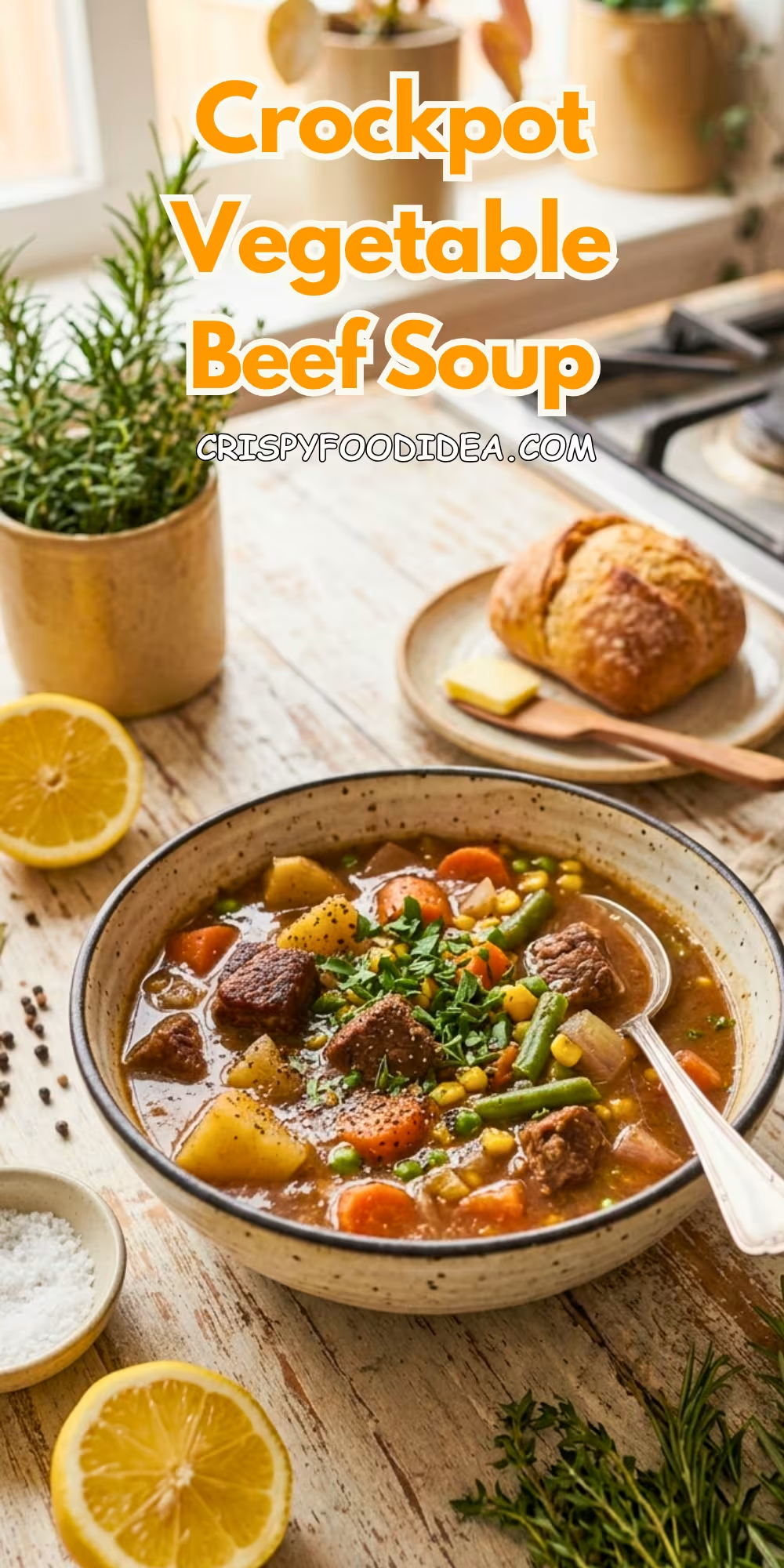
Slow Cooker Vegetable Beef Soup – Hearty, Healthy & Easy Crockpot Dinner
We all know how delicious and juicy slow cooker cooking is, especially when it comes to proteins like chicken, mutton, beef. Without any extra effort, slow crockpot cooking completes the dish and makes it much more tender. Today I bring you my very favorite slow cooker vegetable beef soup recipe, which although can be cooked on a normal stovetop, delivers the best flavor and taste when cooked in a slow cooker.
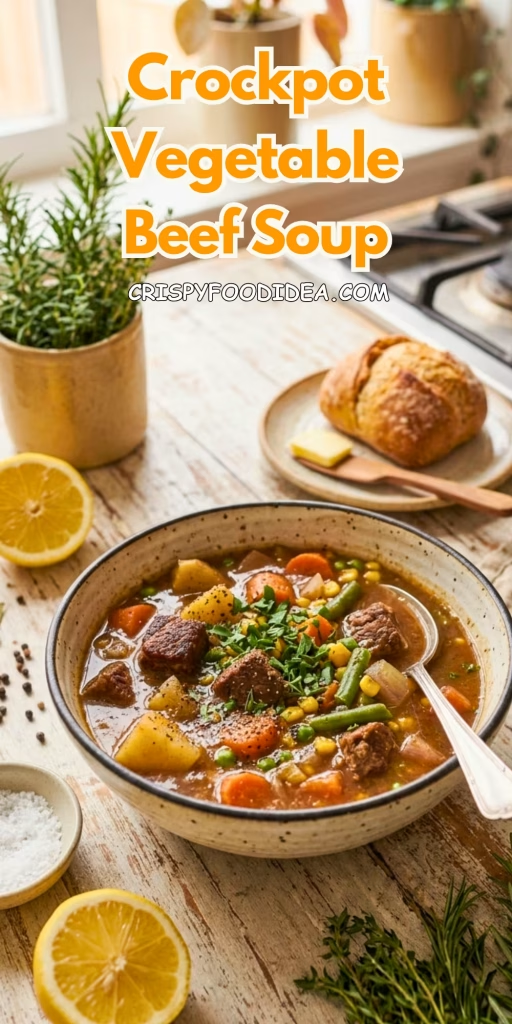
This slow cooker beef vegetable soup is very easy to make, just throw all the ingredients together in the crockpot and your crockpot will do the rest. It is a comforting family dinner, a practical meal-prep recipe, and a wonderful freezer meal all at the same time.
I also love how flexible this recipe can be. You can use seasonal vegetables, make it with a low-sodium broth, make it ahead of time for busy weeknights, or change up the ingredients based on what you have in your fridge. Think of it as a reliable slow cooker cooking method that will help you make a thick and nutritious beef soup every time.
Related: Classic Pot Roast Recipe
Slow Cooker Vegetable Beef Soup (Easy, Hearty & Healthy)
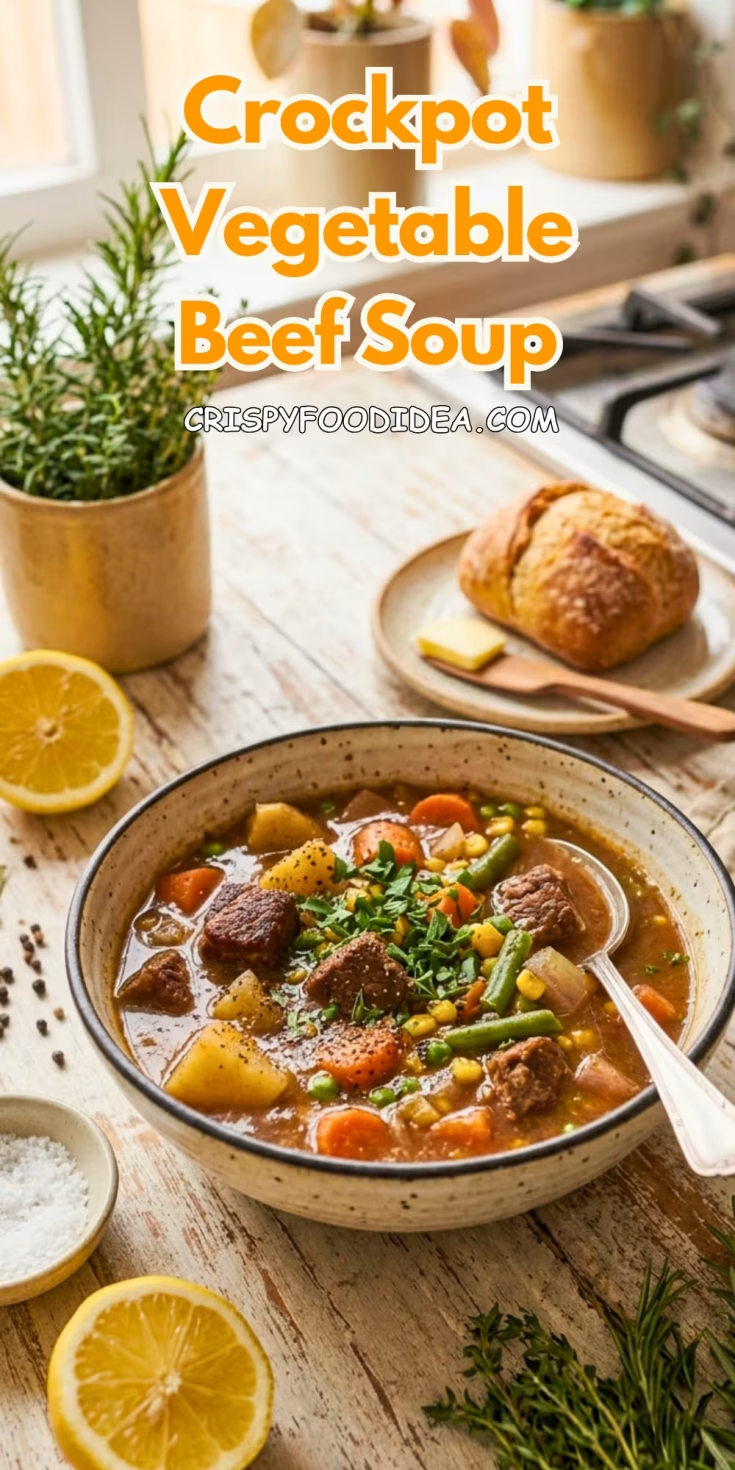
This nutritious Slow Cooker Vegetable Beef Soup is an easy and comforting one-pot meal, packed with tender beef chunks, nutritious vegetables, and a thick, flavorful broth. After hours of slow cooking, the beef shreds easily with a fork, and the vegetables add wonderful flavor and texture. It’s perfect for busy weeknights, home-cooked family dinners, meal prep, and freezer-safe lunches.
Unlike a thick beef stew, this recipe is light and brothy, but it’s thick enough to serve as a full dinner. Browning the beef first is optional, but it adds an extra layer of rich, homey flavor that I personally love.
Ingredients
For the Beef
- 1½ pounds beef chuck roast, trimmed and cut into 1-inch cubes
- 1 tablespoon olive oil, for browning the beef (optional)
- 1 teaspoon salt, divided
- ½ teaspoon black pepper
Vegetables
- 1 medium onion, diced
- 3 medium carrots, sliced
- 3 celery stalks, sliced
- 2 medium Yukon Gold or russet potatoes, diced into bite-sized pieces
- 3 cloves garlic, minced
- 1 cup green beans, cut into bite-sized pieces
- 1 cup frozen peas
- 1 cup frozen corn
For the Broth
- 6 cups low-sodium beef broth
- 1 can (14.5 ounces) diced tomatoes, with juices
- 2 tablespoons tomato paste
- 1 tablespoon Worcestershire sauce
- 1 teaspoon dried Italian seasoning
- 1 teaspoon dried thyme
- 1 bay leaf
Optional Finishing Ingredients
- Fresh parsley, chopped
- Extra salt and black pepper, to taste
- A squeeze of lemon juice for brightness
Instructions
- Step 1: Prepare the Beef
Pat the beef dry with paper towels and season it with salt and black pepper. For the best flavor, heat the olive oil in a skillet over medium-high heat and brown the beef in batches until lightly browned on multiple sides.
Don't worry if you are short on time—you can skip browning and add the raw beef directly to the slow cooker. The soup will still be delicious, although browning provides a deeper flavor. - Step 2: Add the Ingredients to the Slow Cooker
Add the browned beef, onion, carrots, celery, potatoes, garlic, beef broth, diced tomatoes, tomato paste, Worcestershire sauce, Italian seasoning, thyme, and bay leaf to a large slow cooker.
Stir gently to combine. - Step 3: Slow Cook
Cover and cook:
LOW: 7–8 hours
HIGH: 4–5 hours
The soup is ready when the beef is tender enough to easily break apart with a fork and the potatoes and carrots are tender. - Step 4: Add the Quick-Cooking Vegetables
About 20–30 minutes before serving, stir in the green beans, frozen peas, and corn. Continue cooking until the vegetables are heated through and tender but still retain some texture. - Step 5: Adjust and Serve
Remove the bay leaf. Taste the soup and adjust the salt and pepper as needed. Stir in fresh parsley or a small squeeze of lemon juice if desired.
Serve hot and enjoy!
Nutrition Information:
Yield:
6Serving Size:
1 CupAmount Per Serving: Calories: 489Total Fat: 22gSaturated Fat: 8gUnsaturated Fat: 14gCholesterol: 96mgSodium: 1512mgCarbohydrates: 38gFiber: 8gSugar: 10gProtein: 38g
Related: Slow Cooker Creamy Chicken and Rice Soup
What I Learned While Making Vegetable Beef Soup in a Slow Cooker
I’ve learned an important lesson in making soups in the slow cooker: Long cooking times don’t always guarantee great flavor. I’ve had times when the beef wasn’t as tender as I wanted it to be, while the vegetables were either mushy or mushy. I’ve also had soups that looked great but tasted awful.
Paying attention to the little things has really improved the quality of my soups. For example, using a cut of meat like beef chuck—which is ideal for cooking in the slow cooker—makes a big difference in how tender the meat is. Lightly browning or browning the meat before cooking adds a nice depth of flavor. Most importantly, I no longer cook all of my vegetables at once.
While hard vegetables like potatoes and carrots can take longer to cook, it’s best to add ingredients like beans, corn, and soft greens toward the end of cooking. This small change keeps the soup looking fresh and gives it a wonderful taste and texture in every spoonful.
My goal for this recipe is simple: the meat will be tender and flavorful, the vegetables will retain their own texture and flavor, and the soup will be so flavorful that you will want to savor every last drop. Once you master these three things, making a great ‘vegetable beef soup’ at home becomes very easy.
Related: Golumpki Soup Recipe
Why It’s One of the Best Slow Cooker Soups for Meal Planning
A big batch of slow cooker beef soup can satisfy multiple meal needs. Serve it fresh for dinner, pack leftovers for lunch, or freeze individual portions for those days when you just don’t feel like cooking from scratch.
That’s why this recipe is especially useful for those interested in healthy meal planning, high-protein dinners, budget-friendly family meals, and make-ahead recipes. A single batch of soup can be adapted to suit a variety of needs without the need for complicated ingredients or expensive specialty products.
To me, this is exactly why slow cooker cooking is so valuable: You spend little time preparing the ingredients, and then the food does most of the work itself. The result is a comforting, homey dinner that fits easily into your busy schedule.
Related: Ham and Bean Soup
Ingredients You’ll Need for Slow Cooker Vegetable Beef Soup
This slow cooker vegetable beef soup uses simple ingredients that work together to create a rich, hearty, and satisfying meal. You don’t need anything fancy here. The real secret is choosing ingredients that can handle slow cooking and understanding how each one contributes to the finished flavor and texture.
I recommend using fresh ingredients whenever possible, but one of the reasons I love this Crockpot beef vegetable soup is that it is flexible. Frozen vegetables and pantry staples can work beautifully when you need an easy dinner without an extra trip to the grocery store.
🥩 Beef
The star of the soup. Choose a cut that becomes tender and flavorful during low-and-slow cooking.
- Chuck roast, cut into bite-sized pieces
- Stew meat as a convenient alternative
🥕 Root Vegetables
These sturdy vegetables hold their shape and add natural sweetness.
- Carrots
- Potatoes
- Celery
🧅 Aromatics
Aromatics build the foundation of a flavorful homemade beef soup.
- Onion
- Garlic
- Optional fresh herbs
🍅 Broth & Flavor Builders
These ingredients turn simple vegetables and beef into a deeply savory soup.
- Beef broth or stock
- Tomatoes or tomato paste
- Worcestershire sauce
- Bay leaf and dried herbs
What Is the Best Beef for Vegetable Beef Soup Recipe?
When it comes to which cut of beef is best for vegetable beef soup in the slow cooker, my first choice is usually beef chuck roast. It’s delicious, relatively inexpensive, and well-suited for long cooking times.
Chuck contains connective tissue that breaks down during slow cooking, which helps tenderize the meat and thicken the broth. This is why a cut of beef that looks tough can actually work better in the slow cooker than a leaner, more expensive cut.
| Beef Cut | Best For | What to Expect |
|---|---|---|
| Chuck Roast | Maximum tenderness and flavor | Rich, tender beef after slow cooking |
| Stew Meat | Convenience and faster preparation | Results can vary depending on the cuts included |
| Round Roast | Leaner option | Less marbling and potentially firmer texture |
For the most reliable result, I recommend avoiding very lean cuts that can become dry or chewy during a long cooking process. If your beef is still tough when the timer ends, it often needs more cooking time rather than less. Tough cuts generally need sufficient time for their connective tissue to soften.
Fresh Vegetables vs. Frozen Vegetables: Which Should You Use?
Both fresh and frozen vegetables can work in this easy vegetable beef soup, but they behave differently during slow cooking.
Fresh Vegetables
Fresh carrots, potatoes, celery, and onions are ideal for the beginning of the cooking process because they can withstand several hours of heat without immediately losing their texture.
Frozen Vegetables
Frozen peas, corn, green beans, and mixed vegetables are incredibly convenient, especially for busy weeknight meal planning. I prefer adding them during the final part of cooking so they warm through without becoming overly soft.
Ingredient Substitutions and Easy Variations
One of the best things about homemade vegetable and beef soup is that you can customize it to your liking, budget, and ingredients at hand.
Try sweet potatoes, parsnips, or cauliflower.
Use frozen carrots or a frozen vegetable blend.
Add zucchini, cabbage, spinach, or green beans.
Choose low-sodium broth and adjust salt gradually.
Replace potatoes with cauliflower or extra green vegetables.
Use a generous portion of beef while keeping plenty of vegetables for balance.
Which Vegetables Should Be Added Later?
This is the most easiest way to improve the texture of your slow cooker beef and vegetable soup. Vegetables do not all cook at the same speed, so adding everything at once can result in some ingredients becoming mushy while others are just right.
Add at the Beginning
- Carrots
- Potatoes
- Celery
- Onion
Add Closer to the End
- Frozen peas
- Corn
- Green beans
- Spinach or other tender greens
- Quick-cooking zucchini
In my experience, adding delicate vegetables later gives the finished soup a much more appealing appearance and prevents the entire pot from becoming one soft texture. You still get all the convenience of slow cooking, but the final result feels more like a carefully prepared homemade meal.
Related: High Protein Slow Cooker Recipes
How to Make Slow Cooker Vegetable Beef Soup
This slow cooker vegetable beef soup recipe is easy enough for a busy weekday, but a few small steps can make a big difference in the finished flavor. The basic method is simple: prepare the beef and vegetables, build the broth, slow cook until the beef is tender, and add quick-cooking vegetables near the end.
The most important thing is not to rush the beef. A good vegetable beef soup should have tender, spoon-friendly pieces of meat and vegetables that still have enough texture to make every bite interesting.
Prepare and Season the Beef
Start by cutting the beef chuck roast into evenly sized, bite-sized pieces. If you are using packaged stew meat, check the pieces and trim any large pieces of excess fat or connective tissue if necessary.
Season the beef with salt and black pepper before cooking. Keeping the pieces relatively uniform helps them cook more evenly and makes the finished soup easier to eat.
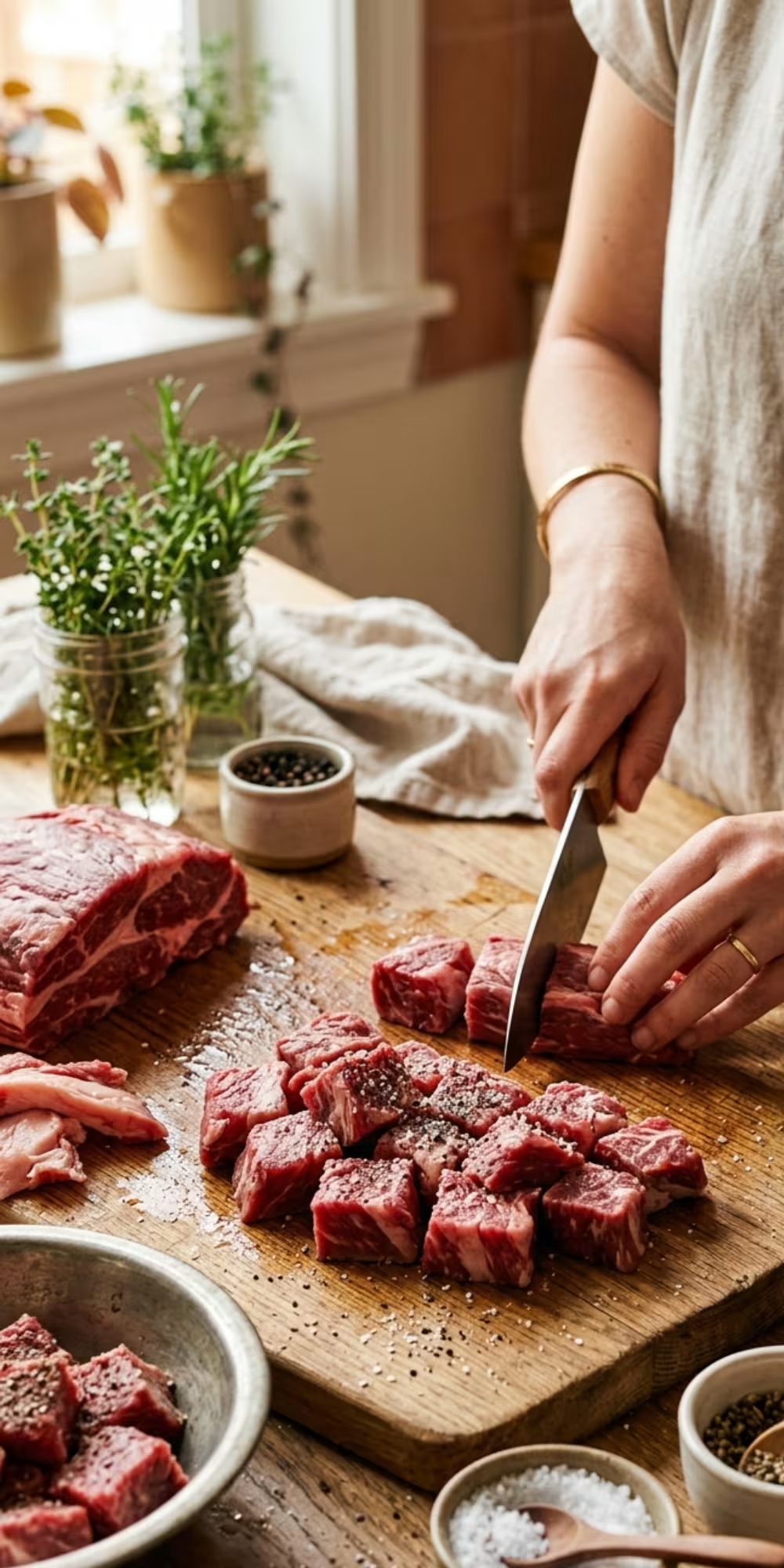
Prepare evenly sized pieces of beef for consistent slow cooking.
Brown the Beef for Extra Flavor (Optional but Recommended)
Heat a skillet over medium-high heat with a small amount of oil and brown the beef in batches. You are not trying to cook it completely at this stage. The goal is simply to develop a flavorful browned exterior.
Once browned, transfer the beef to the slow cooker. If browned bits remain in the pan, you can add a small amount of broth and scrape them loose before adding that flavorful liquid to the soup.
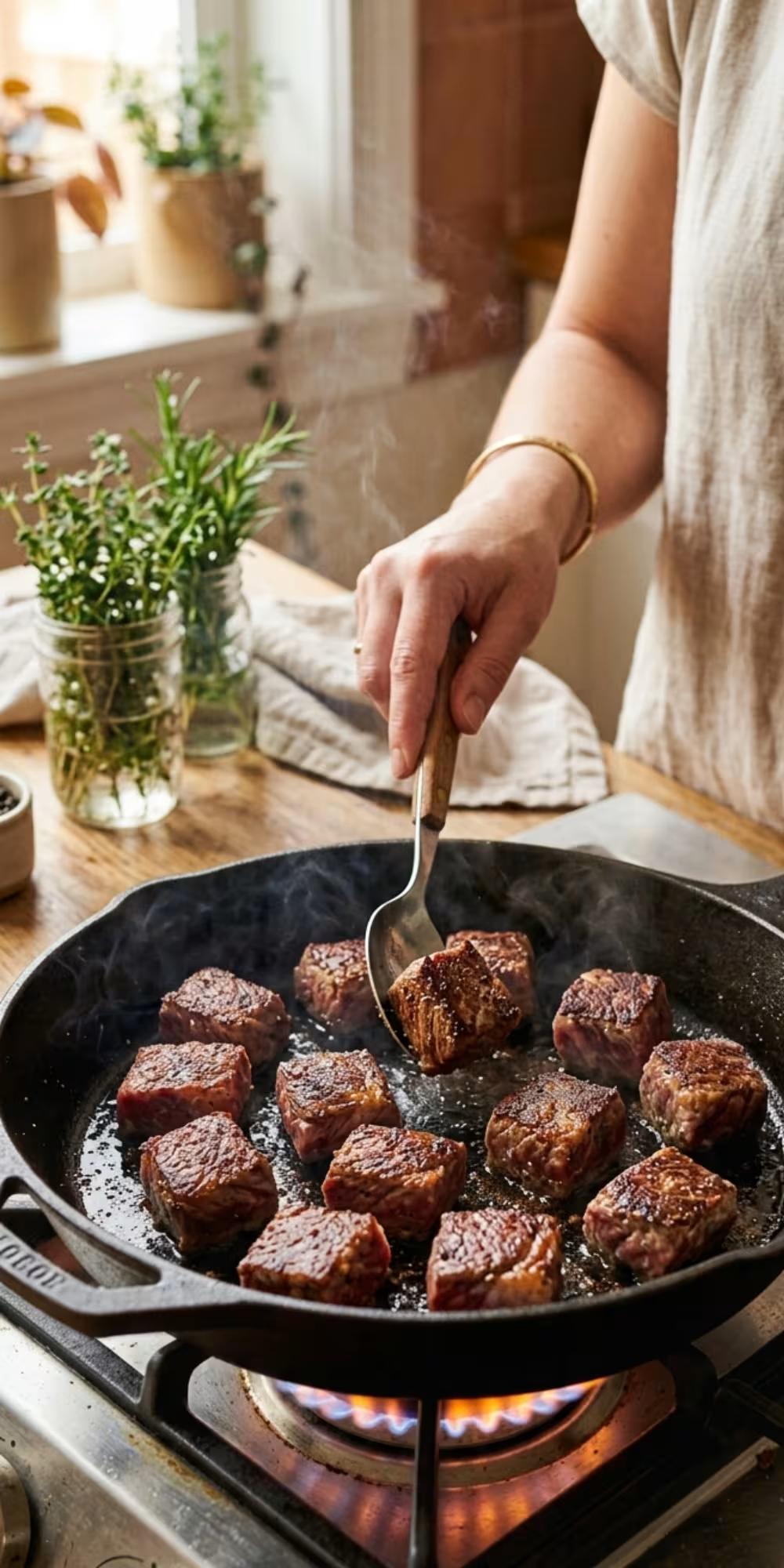
Browning the beef adds deeper savory flavor to the finished soup.
Do You Have to Brown Beef Before Putting It in a Slow Cooker?
No. You can make a delicious Crockpot vegetable beef soup without browning the meat first. However, the two methods produce slightly different results.
🔥 Brown the Beef
Best for: Maximum flavor
The extra step develops deeper, roasted notes and gives the broth a richer overall taste.
🥣 Skip Browning
Best for: Fast preparation
Simply add the seasoned beef directly to the slow cooker. This is a convenient dump-and-go option for very busy days.
Add the Long-Cooking Ingredients to the Slow Cooker
Add the browned or raw beef to your slow cooker along with the onion, carrots, celery, potatoes, garlic, tomatoes, beef broth, and seasonings.
These ingredients form the foundation of the soup. Root vegetables are ideal at this stage because they can withstand several hours of slow cooking while absorbing the rich flavor of the beef broth.
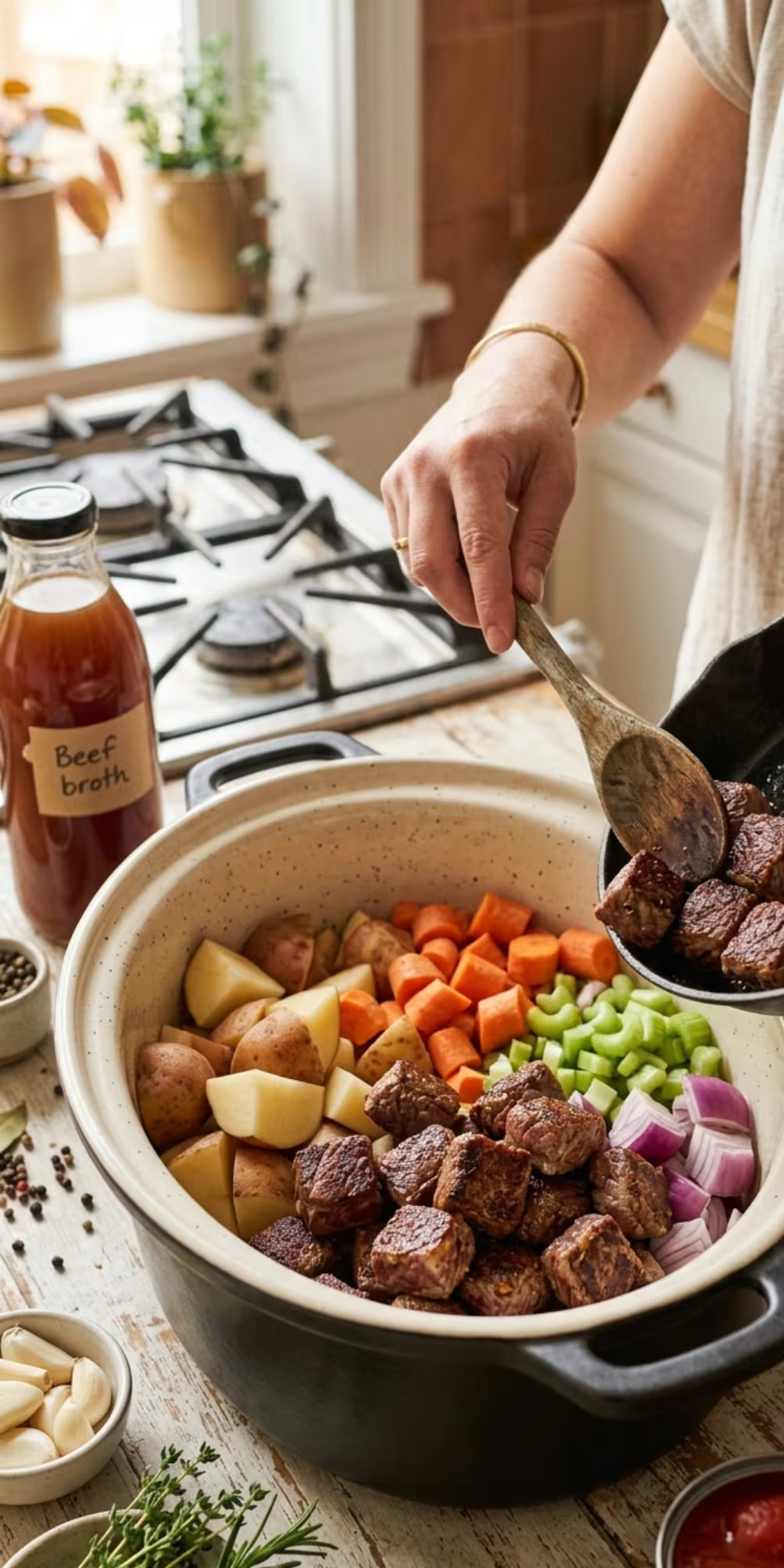
Hardy vegetables and beef are added before the long slow-cooking stage.
Slow Cook Until the Beef Is Tender
Cover the slow cooker and cook until the beef is tender and the root vegetables can easily be pierced with a fork. The exact time will depend on your slow cooker, the size of your beef pieces, and the cut of meat you use.
Try not to repeatedly lift the lid to check the soup. Every time the lid is removed, heat escapes and the cooking process can be slowed down.
Slow Cooker Cooking Time Guide
Use this as a general guide and adjust based on your own slow cooker and the size of the beef pieces.
| Slow Cooker Setting | Approximate Cooking Time | Best For |
|---|---|---|
| LOW | 7–8 hours | Maximum tenderness and hands-off cooking |
| HIGH | 4–5 hours | Faster preparation when starting later in the day |
Add Quick-Cooking Vegetables Near the End
When the beef and root vegetables are almost tender, add ingredients such as frozen peas, corn, green beans, zucchini, or other delicate vegetables.
These vegetables generally need much less time to cook. Adding them later helps preserve their color and texture while still allowing them to absorb the flavor of the broth.
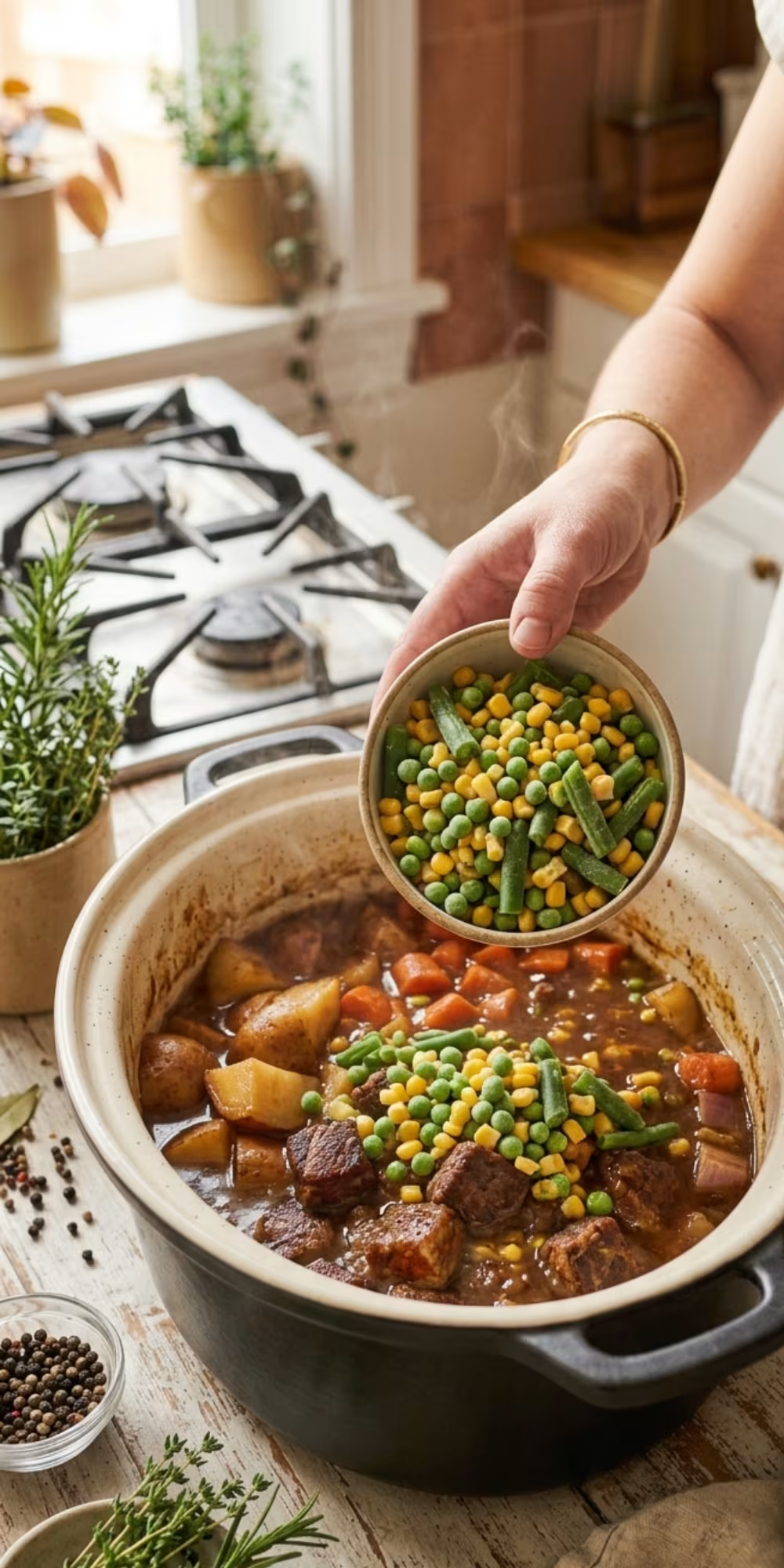
Quick-cooking vegetables are added near the end for better color and texture.
Taste, Adjust and Serve
Before serving, remove the bay leaf and taste the soup. Adjust the seasoning with additional salt and black pepper if needed. You can also add fresh herbs or a small splash of acidity, such as lemon juice or vinegar, if you want to brighten the rich flavor of the broth.
If the soup has become thicker than you prefer, add a little extra warm broth. If you want a thicker, heartier consistency, allow the soup to cook uncovered briefly after cooking, or use one of the thickening methods discussed later in this article.
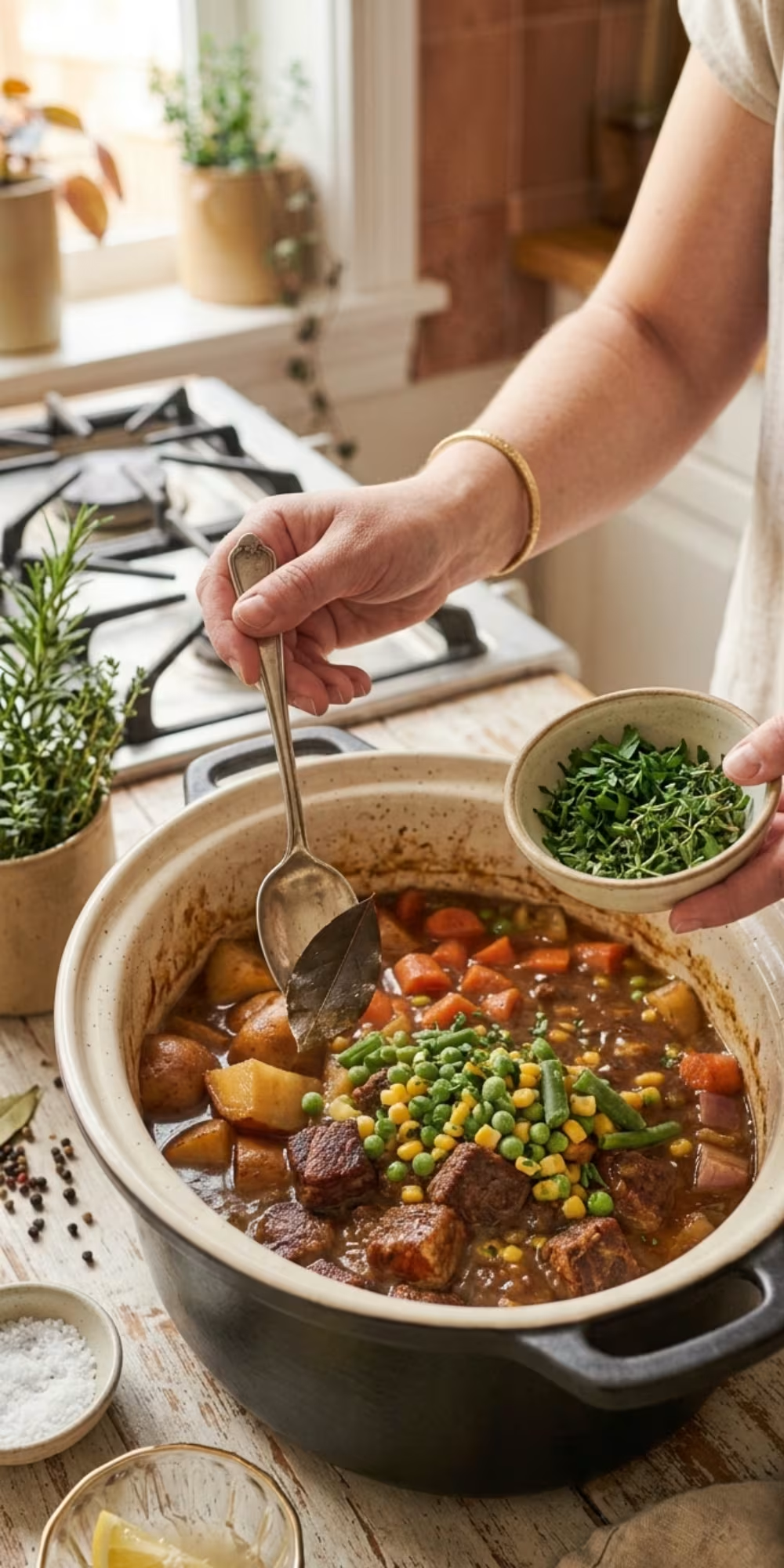
The finished soup should have tender beef, flavorful broth, and vegetables with good texture.
Related: Slow Cooker Chickpea Stew
My Best Tips for the Perfect Slow Cooker Vegetable Beef Soup
I’ve tried this Slow Cooker Vegetable Beef Soup recipe in many different ways and versions, and I’ve come to realize that paying attention to the texture and timing of the soup, rather than adding ingredients one by one, usually yields the best results. The goal is simple: tender meat, flavorful broth, and vegetables that look and taste like vegetables.
Choose a Slow-Cooking Cut of Beef
Chuck roast is one of my favorite choices because it has enough marbling and connective tissue to become tender during a long cooking process. Very lean cuts can become firmer or less flavorful.
Cut the Ingredients Evenly
Similar-sized pieces cook more consistently. This is particularly important for beef and potatoes because very small pieces can break down while larger pieces may need more time.
Use Enough Broth, But Don’t Overfill the Pot
Vegetables release moisture as they cook, so the soup may become thinner than expected. Start with the recipe amount of broth and adjust near the end if necessary.
Add Delicate Vegetables Later
Peas, corn, spinach, and other quick-cooking vegetables need much less time than potatoes and carrots. Adding them near the end improves both texture and appearance.
Taste Before Adding More Salt
Broth, Worcestershire sauce, and other flavor ingredients may already contain salt. I prefer tasting the finished soup before making the final seasoning adjustments.
Give Tough Beef More Time
If the beef is still chewy, do not assume that it has been overcooked. Tough slow-cooking cuts often need additional time for their connective tissue to soften.
7 Mistakes to Avoid When Making Crockpot Vegetable Beef Soup
Even an easy beef and vegetable soup in the slow cooker can go wrong when a few common mistakes affect the flavor or texture. Here are the problems I would avoid.
Using Beef That Isn’t Suitable for Long Cooking
Very lean beef may not produce the same tender and rich result as a traditional slow-cooking cut.
Cutting the Vegetables Too Small
Small pieces of potatoes and carrots can break apart during several hours of slow cooking and may make the soup overly thick or mushy.
Adding Every Vegetable at the Beginning
Different vegetables cook at different speeds. Adding peas or spinach at the same time as potatoes can leave delicate vegetables overcooked.
Using Too Much Liquid
Slow cookers retain moisture, and vegetables naturally release water while cooking. Adding too much broth can make the finished soup taste diluted.
Checking the Slow Cooker Too Often
Repeatedly lifting the lid allows heat to escape and can extend the cooking process.
Stopping Before the Beef Becomes Tender
This is one of the most common reasons people end up with chewy beef. Slow-cooking cuts need adequate time to soften.
Forgetting the Final Taste Test
A soup can look perfect but still need a little adjustment before serving.
Slow Cooker Vegetable Beef Soup Troubleshooting
Tough beef usually means it needs more time. Cuts such as chuck contain connective tissue that needs sufficient slow cooking to become tender. Continue cooking until the beef is easily pierced and feels tender rather than chewy.
Vegetables release moisture while cooking, and slow cookers do not allow much evaporation. If the soup is thinner than you prefer, you can reduce it carefully, use a suitable thickening method, or mash a small portion of the cooked potatoes and vegetables into the broth.
Try browning the beef before slow cooking and use flavor builders such as tomato paste, garlic, herbs, or Worcestershire sauce. Always taste the finished soup before serving because a final adjustment of seasoning can make a noticeable difference.
Delicate vegetables were likely added too early, or the vegetables were cut too small. Add quick-cooking vegetables closer to the end and keep sturdy vegetables in larger, evenly sized pieces.
Yes. Start by checking the seasoning. Salt and pepper may be all the soup needs. Depending on the flavor profile, a small amount of fresh herbs or a touch of acidity can also help brighten the finished broth.
My Biggest Tip for a Better Homemade Beef Soup
Don’t judge your soup only by the recipe timer. Every slow cooker and cut of beef behaves a little differently. Check the tenderness of the beef, the texture of the vegetables, and the flavor of the broth before serving.
That final five-minute evaluation is often what transforms a basic slow cooker recipe into a bowl of soup that tastes like you truly paid attention to it.
Because slow cookers and beef cuts can vary, I recommend checking both tenderness and proper cooking rather than relying only on the clock. If you’re unsure about food temperatures, here is useful guidance on how to cook food safely.
Related: Awesome Crockpot Soup Recipes
Easy Slow Cooker Vegetable Beef Soup Variations
I mentioned at the beginning that this slow cooker vegetable beef soup is very flexible, and that’s why I prefer this recipe. You can adjust the vegetables, change the starch, use lower-sodium ingredients, or adapt the portions to suit your meal-planning goals without losing the comforting flavor that makes this soup so satisfying.
Healthy Slow Cooker Vegetable Beef Soup
For a lighter but still satisfying dinner, this soup is easy to adapt. The combination of beef and vegetables can make it feel filling while providing a variety of textures and nutrients.
- Choose a reasonably lean cut of beef and trim excess visible fat.
- Use a lower-sodium beef broth if that suits your dietary needs.
- Add extra non-starchy vegetables for more variety.
- Keep the recipe balanced rather than relying on large amounts of salt or heavy ingredients for flavor.
High-Protein Beef and Vegetable Soup
Beef naturally contributes protein to this hearty soup, making it a useful option for people who want a more substantial meal. The exact protein content will depend on the type and amount of beef used and the final serving size.
- Use enough beef to distribute a satisfying portion across all servings.
- Serve with a protein-rich side if you need a more substantial meal.
- Divide the finished soup into consistent portions for meal prep.
- Balance protein with vegetables and carbohydrates according to your own eating preferences.
Low-Carb Vegetable Beef Soup
For a lower-carbohydrate version, the easiest change is replacing potatoes with vegetables that contain fewer carbohydrates while still adding body and texture to the soup.
- Replace potatoes with cauliflower florets.
- Add green beans or zucchini near the end of cooking.
- Use extra celery, mushrooms, or leafy greens.
- Choose ingredients that fit your personal nutrition goals.
Budget-Friendly Vegetable Beef Soup
A hearty homemade beef soup can be an excellent way to stretch a smaller amount of meat into several satisfying meals. The slow cooker is particularly useful for economical cuts that benefit from a longer cooking time.
- Buy chuck roast when it is on sale and freeze portions for later.
- Use affordable seasonal vegetables.
- Add frozen vegetables when they are more economical or convenient.
- Serve with inexpensive sides such as homemade bread or rice.
- Turn leftovers into lunches instead of ordering takeout.
Simple Ingredient Swaps for Different Needs
If you don’t have every ingredient listed in the recipe, you can often make a simple substitution without changing the entire dish. These swaps can help make your easy Crockpot vegetable beef soup more flexible for everyday cooking.
| If You Don’t Have | Try This Instead | Best Cooking Approach |
|---|---|---|
| Potatoes | Sweet potatoes, parsnips, or cauliflower | Adjust timing based on how quickly the substitute softens |
| Fresh carrots | Frozen carrots | Add based on desired texture |
| Fresh green beans | Frozen green beans | Add closer to the end |
| Fresh tomatoes | Canned diced tomatoes | Add with the broth |
| Beef broth | Stock or another suitable savory broth | Adjust salt before serving |
How to Make This Soup Work for Weekly Meal Prep
Meal prep does not always mean eating exactly the same meal in exactly the same way for several days. One large batch of slow cooker beef vegetable soup can become the starting point for several easy meals.
One Batch, Multiple Meal Ideas
Serve a generous bowl of hot soup with bread or a simple side salad.
Pack individual portions in containers for a convenient workday meal.
Add a different side or serve the soup over rice for a new variation.
My Favorite Ways to Change the Flavor
Once you have made the classic version, you can also experiment with the flavor profile. I recommend changing only one or two things at a time so you can still recognize the comforting beef-and-vegetable foundation of the recipe.
Herb-Rich Version
Add your favorite herbs to create a more aromatic, garden-inspired broth. Fresh herbs can also be added near the end for a brighter finish.
Extra-Vegetable Version
Add mushrooms, cabbage, zucchini, spinach, or seasonal vegetables to use what you already have while increasing variety.
Spicy Version
Add chili flakes or another preferred source of heat if your family enjoys a little spice. Start small and adjust after tasting.
Thicker, Stew-Style Version
Use slightly less liquid or thicken the finished soup carefully if you prefer a heartier consistency closer to a beef stew.
Which Version Should You Choose?
If you are making this recipe for the first time, I recommend starting with the classic version. Once you know the flavor and texture you enjoy, it becomes much easier to customize the recipe.
- Choose the healthy version when you want a vegetable-forward, balanced meal.
- Choose the high-protein approach when you want a more substantial meal-prep option.
- Choose the low-carb variation when you prefer replacing potatoes with lower-carbohydrate vegetables.
- Choose the budget-friendly version when you want to stretch simple ingredients into multiple meals.
Whatever version you choose, the core idea remains the same: slow-cooked tender beef, plenty of vegetables, and a flavorful broth that makes this a comforting meal you will actually want to make again.
Related: Crockpot Minestrone Soup
Meal Prep, Storage and Freezing Slow Cooker Vegetable Beef Soup
One of the best things about making a large batch of vegetable and beef soup in the slow cooker is that one batch can be used for several future meals. The soup can be served fresh for dinner, portioned out for lunch, or frozen for another busy day. In fact, the flavor often improves when the soup is left to stand for a while, making it an especially good meal-prep recipe for making ahead. The key is to safely refrigerate, store, and reheat leftovers while keeping the texture of the vegetables and beef intact.
Is Slow Cooker Vegetable Beef Soup Good for Meal Prep?
Yes. This hearty beef and vegetable soup is an excellent option for meal prep because it can be made in one large batch and divided into convenient portions. Each serving contains beef, vegetables, and broth, making it an easy foundation for lunch or dinner.
Make Once
Prepare one large batch in the slow cooker instead of cooking multiple meals from scratch during the week.
Portion Easily
Divide the cooled soup into individual containers for convenient lunches and quick dinners.
Save Time Later
Reheat a portion when you need an easy homemade meal without starting from the beginning.
How to Meal Prep This Beef Vegetable Soup
- Cook the soup completely. Make sure the beef is tender and the vegetables are cooked to your preferred texture.
- Divide into practical portions. Think about how you plan to eat the leftovers—individual lunch portions are often the most convenient.
- Use suitable food-storage containers. Choose containers that seal well and leave appropriate space if you plan to freeze the soup.
- Label freezer portions. Add the date and recipe name so you can easily identify what is in your freezer later.
How Long Does Vegetable Beef Soup Last in the Refrigerator?
When leftovers are handled and refrigerated properly, homemade soups are commonly kept for a few days in the refrigerator. For the safest and most reliable guidance, follow current food-safety recommendations for cooked leftovers and consider factors such as how quickly the soup was cooled and your refrigerator temperature.
How to Reheat Slow Cooker Vegetable Beef Soup
The best reheating method depends on how much soup you are warming. Reheat only the portion you plan to eat when possible, which can help protect the texture of the remaining leftovers. For the best food safety and quality, transfer leftover soup to shallow containers so it can cool more quickly, then refrigerate or freeze it promptly. You can find additional practical advice in the Government of Canada’s guide to food safety tips for leftovers.
Reheating on the Stovetop
Transfer the soup to a saucepan and warm over medium heat, stirring occasionally, until it is heated through. Add a small amount of broth if the soup has thickened during storage.
This is my preferred method for reheating a larger portion because it gives you good control over the temperature and consistency.
Reheating in the Microwave
Transfer one portion to a microwave-safe container and heat in intervals, stirring between intervals when practical, until the soup is evenly hot.
Microwaving is convenient for meal-prep lunches, but be especially careful because thick soups can heat unevenly.
Can You Freeze Slow Cooker Vegetable Beef Soup?
Yes, vegetable beef soup can be frozen, making it a useful freezer meal for busy weeks. For the best quality, cool the soup appropriately, divide it into portions, and store it in freezer-safe containers or bags. If you’re planning to meal prep this soup, cool and store it promptly rather than leaving a large pot at room temperature for an extended period. Food Standards Australia New Zealand also recommends keeping perishable food cold and using proper food safety basics for storing leftovers.
How I Freeze Individual Portions
- Allow the soup to cool appropriately before preparing it for storage.
- Divide the soup into individual or family-sized portions.
- Leave some space in the container because liquids can expand when frozen.
- Seal and label each container with the recipe name and storage date.
- Freeze and use while the soup is still at good quality.
For best quality, always use frozen leftovers within a reasonable period and follow current food-safety recommendations for freezing and thawing cooked foods.
Does Vegetable Beef Soup Freeze Well With Potatoes?
Yes, but potatoes can change texture after freezing and thawing. Depending on the variety and how they are cooked, they may become softer or slightly grainy.
If you are preparing the entire batch specifically as a freezer meal, you can experiment with using fewer potatoes, cutting them into larger pieces, or adding fresh potatoes when reheating a thawed batch. For many people, however, freezing the finished soup is still perfectly convenient—the texture change simply depends on personal preference.
How to Thaw Frozen Beef Vegetable Soup
For best results, thaw frozen soup using a safe method appropriate for cooked leftovers. A common approach is thawing it in the refrigerator before reheating. Reheat thoroughly before serving and follow current food-safety guidance for handling frozen and thawed foods.
My Favorite Ways to Use Leftover Vegetable Beef Soup
You don’t have to serve leftovers exactly the same way every time. Changing the side dish or presentation can make a second or third meal feel less repetitive.
| Meal Idea | How to Serve It | Best For |
|---|---|---|
| Classic Soup Bowl | Serve hot with bread or toast | Easy family dinner |
| Hearty Lunch Bowl | Pack an individual portion with a simple side | Workday meal prep |
| Soup Over Rice | Serve the beef and vegetables over cooked rice | Extra-filling meal |
| Thicker Stew-Style Leftovers | Reduce or thicken according to your preference | Changing up leftovers |
What to Serve With Slow Cooker Vegetable Beef Soup
A bowl of slow cooker vegetable and beef soup is enough to make a complete meal, but the right side dish can make dinner even more satisfying. My choice usually depends on whether I’m looking for a quick weeknight meal, a light dinner, or a comforting meal for a cold day. The best side dish should be one that complements the thick beef broth and tender vegetables, but doesn’t overcomplicate the meal.
Crusty Bread or Dinner Rolls
Warm bread is my first choice with a bowl of vegetable beef soup. It is perfect for soaking up the flavorful broth and turns a simple bowl of soup into a more substantial dinner.
Garlic Toast or Cheese Toast
Garlic toast adds a little extra flavor and crunch. A cheesy version can make the meal feel especially comforting without requiring a separate complicated side dish.
Simple Green Salad
If the soup already feels rich and filling, a crisp salad creates a nice contrast. Choose a simple dressing so the flavors do not compete with the soup.
Rice or Another Simple Grain
Serving the soup with rice can make it especially filling. This is also a practical way to stretch leftovers into another family meal.
Simple Roasted Vegetables
If you are serving a larger family meal, roasted vegetables can complement the soup. Choose vegetables with a different texture from those already in the soup.
Fresh Salad or Roasted Low-Carb Vegetables
For a lower-carbohydrate meal, pair the soup with a fresh salad, roasted cauliflower, broccoli, or another vegetable-based side.
Vegetable Beef Soup vs. Beef Stew: What’s the Difference?
Vegetable beef soup and beef stew use many similar ingredients, including beef, vegetables, herbs, and a savory cooking liquid. The biggest difference is usually the amount and consistency of the liquid.
| Feature | Vegetable Beef Soup | Beef Stew |
|---|---|---|
| Consistency | More broth and a thinner, spoonable liquid | Thicker and generally less brothy |
| Serving Style | Usually served as a soup in a bowl | Often served as a hearty main dish |
| Cooking Method | Ingredients simmer or slow cook in a generous amount of broth | Ingredients cook in a smaller amount of liquid and may be thickened |
| Best When You Want | A comforting, brothy meal | A thicker and more substantial texture |
How to Make This Recipe More Like Beef Stew
If you prefer a thicker, stew-like consistency, you can easily adjust the finished soup. Use less liquid from the beginning or thicken the cooking liquid after the beef becomes tender.
For example, you can mash a small amount of the cooked potatoes and vegetables into the broth or use another appropriate thickening method. Add changes gradually because it is easier to thicken a thin soup than to fix a mixture that has become too thick.
Should You Make Soup or Stew?
Make vegetable beef soup when you want plenty of flavorful broth, a lighter spoonable texture, and an easy meal that works well for leftovers.
Choose a stew-style texture when you prefer thicker gravy-like liquid and a heartier, more substantial meal.
Personally, I love the flexibility of starting with a brothy slow cooker soup because it can always be made thicker later if that’s what I am craving.
Can You Serve Slow Cooker Vegetable Beef Soup for a Crowd?
Yes. This recipe is naturally suitable for serving a family or a small gathering because it can be prepared in a large slow cooker and kept warm until serving time.
If you are feeding more people, scale the ingredients carefully and make sure your slow cooker is not overfilled. Serve the soup with easy sides such as bread, salad, or another simple dish that can be prepared without competing for space in the slow cooker.
The Best Way to Serve This Soup
For me, the perfect bowl is simple: hot vegetable beef soup, tender pieces of beef, plenty of colorful vegetables, and something delicious to soak up the broth.
Frequently Asked Questions About Slow Cooker Vegetable Beef Soup
Can I put raw beef directly into the slow cooker?
Yes, you can generally add appropriately prepared raw beef directly to the slow cooker. Browning the beef first is optional and is mainly done to develop additional flavor. If you skip browning, make sure the beef is cooked properly before serving.
What is the best beef for slow cooker vegetable soup?
A cut that benefits from long, gentle cooking is usually a good choice. Chuck roast is a popular option because it can become tender and flavorful during slow cooking. The exact choice may also depend on what is available and your budget.
Should vegetables go on the bottom of a slow cooker?
Harder vegetables such as potatoes and carrots are often placed toward the bottom because they benefit from consistent heat and longer cooking. Delicate vegetables, however, are usually better added later so they do not become overly soft.
Can I use frozen vegetables in slow cooker beef soup?
Yes. Frozen vegetables can be a convenient option. I recommend adding quick-cooking frozen vegetables later in the process when possible, especially if you want them to retain more texture and color.
How do I make vegetable beef soup thicker?
You can thicken the soup by using less liquid from the beginning, mashing some of the cooked potatoes or vegetables into the broth, or using an appropriate thickening method near the end of cooking. Add any thickener gradually so the soup does not become overly thick.
Can I make this soup without potatoes?
Absolutely. Potatoes add body and make the soup more filling, but they are optional. You can replace them with other vegetables or simply add more of the vegetables you enjoy.
Why does my beef become chewy in the slow cooker?
With many slow-cooking cuts, chewy beef simply means it needs more time. Continue cooking until the connective tissue has softened and the meat becomes tender. The size of the pieces, the cut of beef, and the performance of your slow cooker can all affect the total cooking time.
Can I make slow cooker vegetable beef soup overnight?
You can plan a long cooking schedule based on your recipe and slow cooker, but it is important to follow the manufacturer’s instructions for your particular appliance. If your slow cooker has an automatic warm setting, that can be helpful when cooking ends before you are ready to serve.
Can I add pasta to vegetable beef soup?
Yes, but pasta can absorb a significant amount of liquid and become soft during extended slow cooking. For the best texture, cook pasta separately and add it when serving, or add it near the end and monitor the soup carefully.
How can I make this soup more filling?
Add more substantial vegetables, increase the beef according to your recipe, or serve the soup with a filling side such as bread, rice, or another preferred grain. You can also adjust portion sizes based on whether the soup is being served as a starter or a complete meal.
Can I use this recipe as a freezer meal?
Yes. You can prepare and freeze portions of the finished soup for convenient future meals. Remember that some vegetables, especially potatoes, can change texture after freezing and thawing, so choose your ingredients based on how you plan to store the finished recipe.
Can I make vegetable beef soup in a larger slow cooker?
Yes. If you have a larger slow cooker, you can scale the recipe while keeping enough room for safe cooking. Avoid filling the appliance beyond the manufacturer’s recommended capacity, and adjust cooking time based on the quantity and performance of your slow cooker.
If you like this article about Slow Cooker Vegetable Beef Soup Recipe, please share this with your friends on Facebook and Pinterest. Also, subscribe to my blog to get all the latest content first on your mobile.