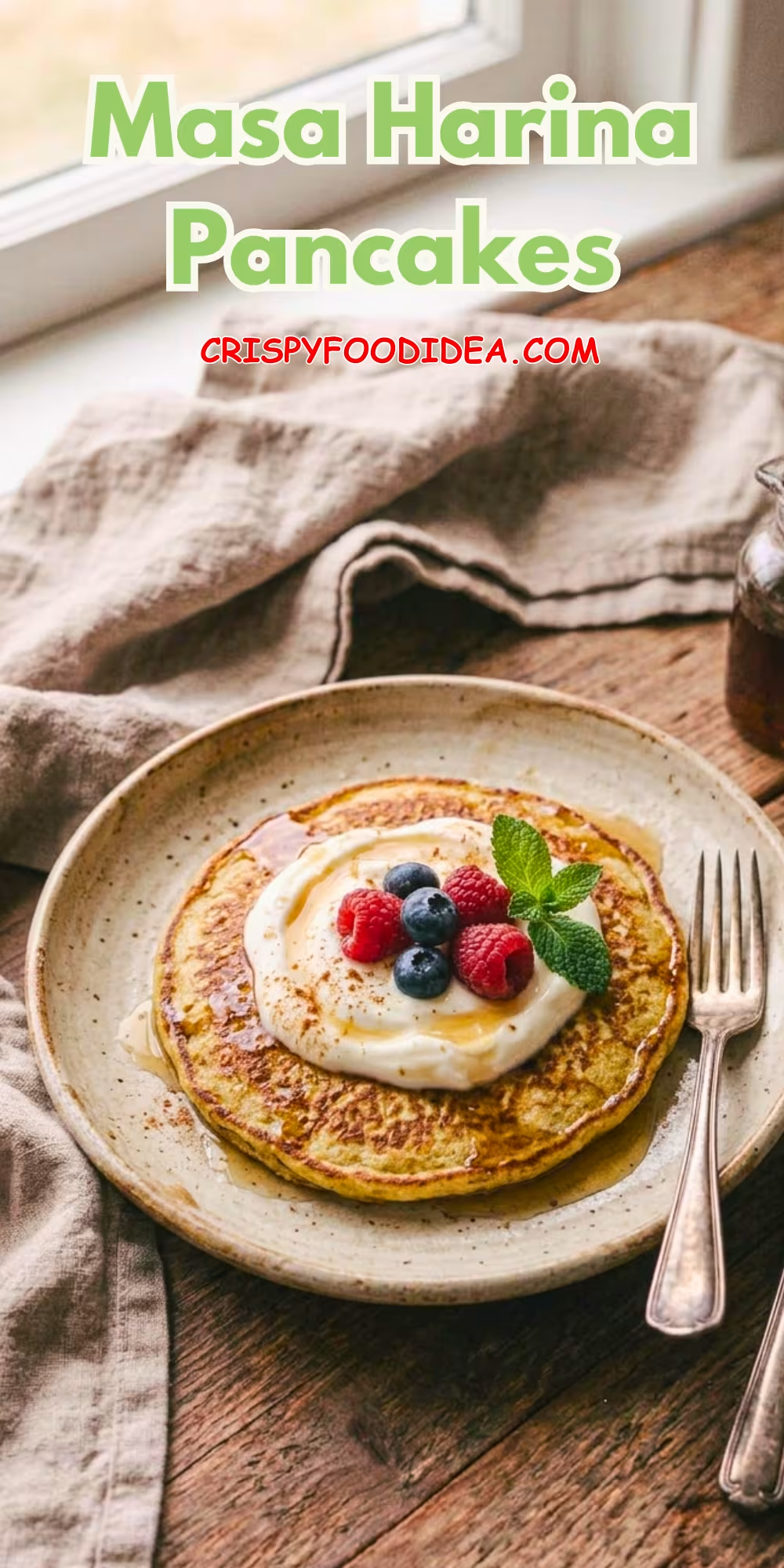
Hellbender’s Masa Pancakes Recipe – A Delicious Gluten-Free Cornmeal Pancake Twist
Meet Hellbender’s Masa Pancakes Recipe—a wholesome twist on the traditional pancake, made with authentic masa harina for a bold corn-forward flavor and irresistible texture. These pancakes are naturally high in fiber, packed with whole grains, and perfect for anyone following a gluten-free, vegetarian, or dairy-free lifestyle.
These masa harina pancakes are one of my favorite recipes and are a little more interesting than regular pancakes. They have a nice crispy golden crust, a soft and fluffy look, and a delicious cornbread flavor that sets them apart from traditional flour pancakes. They are made with masa harina—a finely ground cornmeal traditionally used to make tortilla-like dishes.
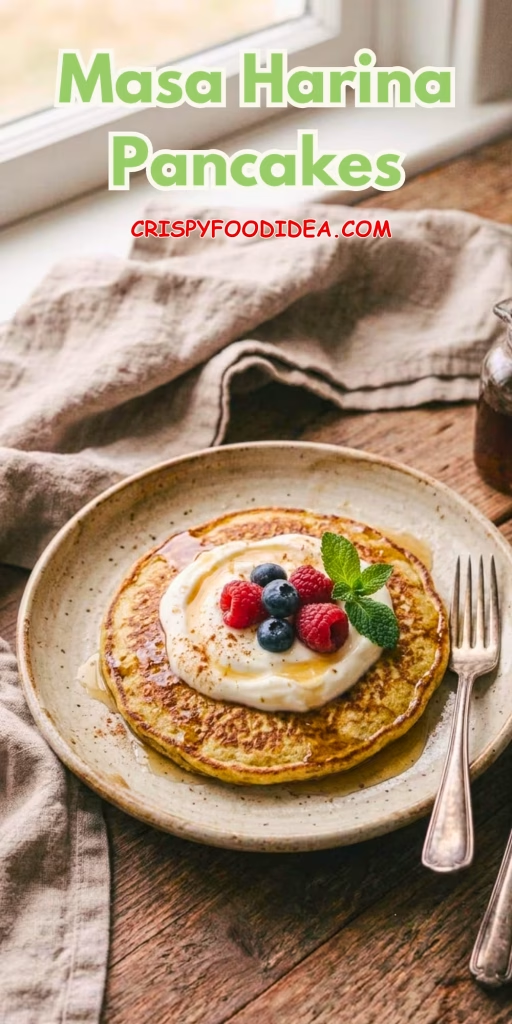
Unlike regular flour pancakes, masa pancakes have a lightly toasted and mild flavor that pairs beautifully with sweet toppings like maple syrup and berries, and savory foods like avocado, eggs, and salsa, and are perfect for breakfast or brunch. The most interesting thing about this recipe is that it can be customized very easily. That’s why if you need a dietary adaptation, you can also use a tested gluten-free version of the flour ingredients where appropriate.
For clean eating, anti-inflammatory meals, and whole food breakfast ideas, this recipe aligns perfectly with modern wellness trends, making it a fantastic fit for anyone focused on healthy eating and low-glycemic meals. These pancakes are freezer-friendly, making them a top contender for your healthy meal prep plan or budget-friendly breakfast rotation.
These masa harina pancakes are slightly crisp on the outside, tender in the center, and have a deeper toasted-corn flavor than regular flour pancakes. The key is allowing the batter to rest so the masa harina fully hydrates before cooking.
Hellbender’s Masa Pancakes Recipe
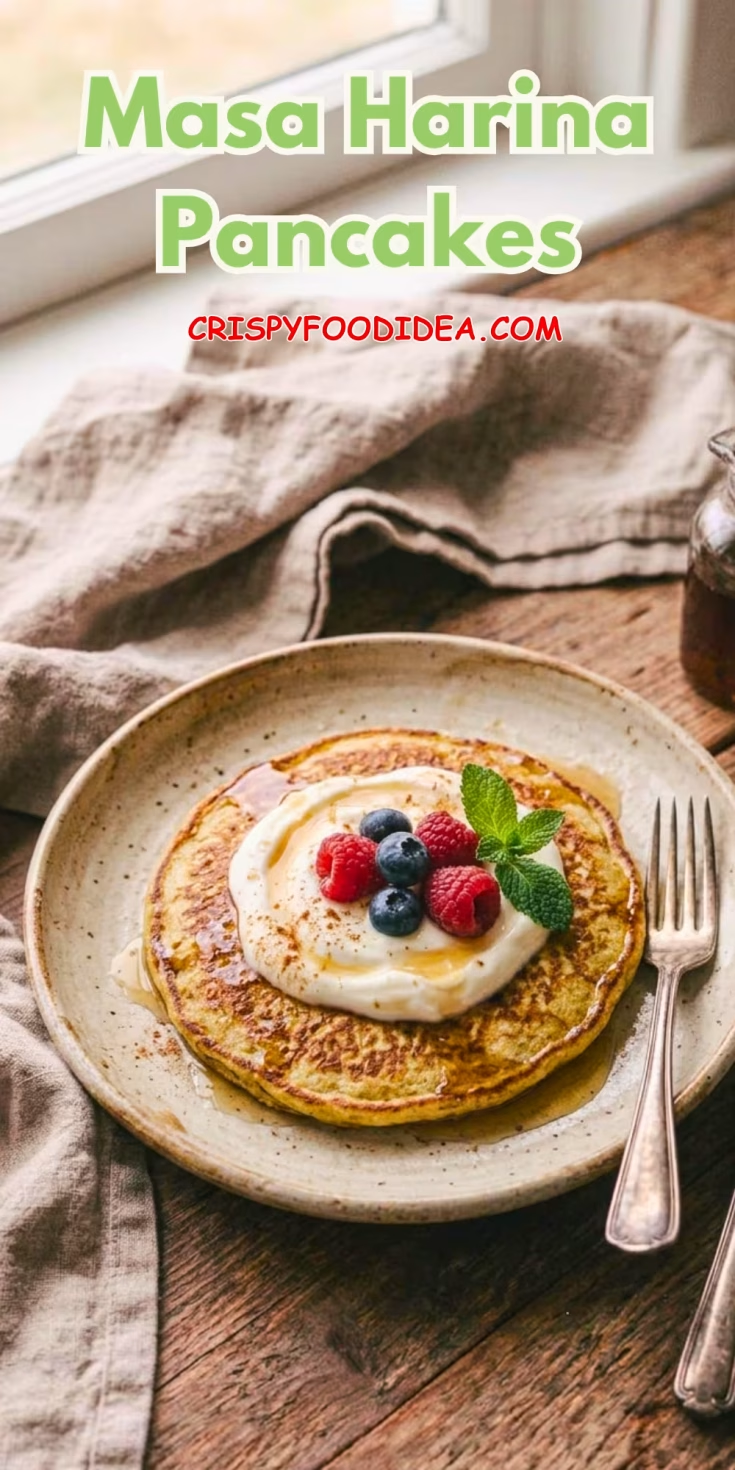
Hellbender’s Masa Pancakes are a rustic, golden, and flavor-packed twist on traditional pancakes. Made with masa harina (a finely ground corn flour used in tortillas and tamales), these gluten-free corn pancakes are perfect for brunch, breakfast meal prep, or a cozy weekend treat. They’re crispy on the edges, tender inside, and rich in toasty, earthy corn flavor—delicious with sweet or savory toppings!
Ingredients
- 1 cup masa harina (corn flour for tortillas, not cornmeal)
- 1/2 cup all-purpose flour (or GF flour blend for gluten-free)
- 1 tbsp sugar (optional for sweet version)
- 1/2 tsp baking powder
- 1/4 tsp baking soda
- 1/2 tsp salt
- 1 1/4 cups buttermilk (or 1 cup milk + 1 tbsp vinegar)
- 2 large eggs
- 2 tbsp melted butter or neutral oil
- 1/2 tsp vanilla extract (optional for sweet version)
- Butter or oil for cooking
Instructions
- Mix dry ingredients: In a large bowl, whisk together masa harina, all-purpose flour, sugar (if using), baking powder, baking soda, and salt.
- Combine wet ingredients: In another bowl, beat eggs, then add buttermilk, melted butter, and vanilla (optional). Mix well.
- Make batter: Pour wet mixture into dry ingredients and stir until just combined. Let the batter sit for 5–7 minutes to hydrate the masa.
- Heat skillet: Preheat a cast-iron or non-stick skillet over medium heat. Grease with butter or oil.
- Cook pancakes: Pour 1/4 cup batter per pancake onto the skillet. Cook until bubbles form and edges are golden, about 2–3 minutes. Flip and cook for 1–2 more minutes.
- Serve hot: Stack and serve with desired toppings—savory or sweet!
Notes
- 🌽 Use fresh masa harina for the best corn flavor.
- 🥞 Let the batter rest for fluffier, well-textured pancakes.
- 🔁 These freeze well! Store between parchment sheets and reheat in a toaster or skillet.
- 🍳 For a savory version, skip sugar and vanilla, add scallions, cheese, or chopped herbs.
- 🧈 Make it richer by using whole milk or subbing half with cream.
🍽️ Serving Ideas:
- Sweet: Top with maple syrup, whipped cream, berries, cinnamon sugar, or honey butter.
- Savory: Serve with avocado, fried egg, black beans, hot sauce, or queso fresco.
- Fusion twist: Add chili flakes and cheddar into the batter for spicy cheddar masa cakes!
🌱 Variations:
- Vegan Masa Pancakes: Use plant milk + 1 tbsp lemon juice and flax eggs (2 tbsp flax + 6 tbsp water).
- Cheesy Jalapeño Masa Cakes: Fold in shredded cheese and finely diced jalapeños.
- Mexican Street Corn Style: Top with crema, lime juice, cotija cheese, and cilantro.
Nutrition Information:
Yield:
4Serving Size:
1Amount Per Serving: Calories: 470Total Fat: 11gSaturated Fat: 5gUnsaturated Fat: 6gCholesterol: 112mgSodium: 677mgCarbohydrates: 80gFiber: 5gSugar: 9gProtein: 14g
Related: High-Protein Smoothie Recipes
Reasons To Love These Hellbender’s Masa Pancakes Recipe
These Hellbender’s Masa Pancakes offer a rich, authentic taste you won’t get from traditional flapjacks. Made with masa harina, a key ingredient in Mexican cuisine, these corn pancakes are naturally gluten-free, high in fiber, and perfect for both sweet and savory cravings.
- ✅ Gluten-Free & Gut-Friendly: Ideal for celiac and gluten-sensitive diets using 100% non-GMO masa harina.
- ✅ High-Fiber Breakfast: Supports healthy digestion and boosts satiety—perfect for weight-conscious eaters.
- ✅ Versatile for Any Meal: Enjoy sweet with syrup & fruit or savory with eggs & avocado. One base, endless flavors.
- ✅ Budget-Friendly Brunch: Low-cost ingredients make it perfect for frugal families or meal-prep on a budget.
- ✅ Perfect for Meal Prep: Make a large batch, freeze them, and reheat for busy weekday mornings.
Related: Low-Carb Breakfast Burrito Recipes
🌽 What is Masa Harina?
Masa Harina is a traditional Mexican corn flour made from dried corn kernels that have been soaked in an alkaline solution (a process called nixtamalization). This ancient method unlocks essential nutrients, boosts flavor, and improves digestibility, making masa harina a powerhouse ingredient in gluten-free cooking and healthy breakfast recipes.
Unlike regular cornmeal or polenta, masa harina is finely ground and naturally soft. It’s the same flour used in authentic corn tortillas, tamales, pupusas, and sopes. And when used in pancakes—like in our Hellbender’s Masa Pancakes—it delivers a deep, earthy, and rich corn flavor that sets your dish apart.
💡 Pro Tip: For best results, use fresh, high-quality masa harina like Maseca or Bob’s Red Mill Masa Harina. Look for brands labeled “nixtamalized” for superior flavor and nutrition.
- ✅ Naturally gluten-free and high in fiber
- ✅ Packed with essential nutrients like calcium & magnesium
- ✅ Ideal for diabetic-friendly breakfasts and low-glycemic meals
- ✅ Versatile: great for savory brunch recipes, pancakes, flatbreads, and more
Thanks to its high nutrient density, affordability, and versatility, masa harina is becoming a favorite for home cooks seeking budget-friendly breakfast options, gluten-free alternatives, and healthy pantry staples for clean eating.
Suggested: White Bean Caprese Salad Recipe
🧾 Ingredients & Substitutions of Hellbender’s Masa Pancakes Recipe
Here are all the essential ingredients to make Hellbender’s Gluten-Free Masa Pancakes and explore healthy, high-protein, and allergy-friendly substitutes for a personalized breakfast experience. Perfect for those searching for low-carb pancake options, dairy-free breakfast recipes, and high-fiber gluten-free brunch ideas.
| Ingredient | Amount | Substitution Ideas |
|---|---|---|
| Masa Harina | 1 cup | Use gluten-free corn flour or fresh masa (hydrated) |
| All-Purpose Flour | 1/2 cup | Use almond flour for low-carb, or a certified gluten-free flour blend for celiac-safe recipes |
| Sugar (optional) | 1 tbsp | Replace with maple syrup, coconut sugar, or monk fruit for a natural sweetener |
| Baking Powder | 1/2 tsp | Double the baking soda if you’re out, but reduce any acidic liquid slightly |
| Baking Soda | 1/4 tsp | Can be replaced with extra baking powder (1/2 tsp more) |
| Salt | 1/2 tsp | Use pink Himalayan salt or low-sodium sea salt for heart-healthy recipes |
| Buttermilk | 1 1/4 cups | Sub with plant milk + 1 tbsp lemon juice or apple cider vinegar |
| Eggs | 2 large | Flax eggs (2 tbsp flaxseed + 6 tbsp water) for vegan or egg-free diets |
| Melted Butter | 2 tbsp | Coconut oil, avocado oil, or vegan butter for dairy-free options |
| Vanilla Extract (optional) | 1/2 tsp | Use almond extract or skip for a savory version |
💡 Want to explore more gluten-free pantry staples and substitutes? Check out this detailed Celiac Foundation’s Gluten-Free Guide.
Related: Keto Overnight Oats
Masa Harina vs Cornmeal vs Corn Flour: What’s the Difference?
Masa harina, cornmeal, and corn flour—all made from corn, but they’re not the same ingredient and they don’t behave the same in cooking recipes. The biggest differences depend on how the corn has been processed, how finely ground it is, its texture, and what it can do when mixed with liquids. Choosing the right one is especially important when making pancakes, tortillas, tamales, cornbread, or other corn-based recipes.
Use masa harina for the authentic masa flavor and a soft, slightly earthy texture. Choose cornmeal for a coarser, more pronounced cornmeal texture. Corn flour is generally a better choice for a fine, powdery texture in baking, pancakes, and other recipes. However, masa harina is different because it is traditionally made from nixtamalized corn, which gives it a distinct flavor and characteristics that regular cornmeal or corn flour can’t quite replicate.
What Is Masa Harina?
Masa harina is flour made from corn that has been treated through a process called nixtamalization. The corn is cooked and soaked in an alkaline solution, traditionally limewater, before being ground into masa and dried into flour.
- Texture: Fine and soft, but often slightly more textured than regular flour.
- Flavor: Toasty, earthy, savory, and distinctly corn-forward.
- Best for: Tortillas, tamales, pupusas, sopes, and masa-based pancakes.
What Is Cornmeal?
Cornmeal is dried corn that has been ground into a coarser meal. Depending on the grind, it can range from relatively fine to noticeably gritty, which is why it adds more texture to recipes than corn flour.
- Texture: Coarse, grainy, or gritty.
- Flavor: Mild to sweet corn flavor.
- Best for: Cornbread, polenta, breading, muffins, and rustic baked goods.
What Is Corn Flour?
In many recipes, corn flour refers to dried corn that has been ground much more finely than cornmeal. It has a soft, powdery consistency and can be useful in baking and gluten-free recipes where a smoother texture is desired.
- Texture: Fine and powdery.
- Flavor: Mild, clean, and naturally corn-like.
- Best for: Pancakes, baked goods, coatings, and selected gluten-free recipes.
At-a-Glance Comparison
| Feature | Masa Harina | Cornmeal | Corn Flour |
|---|---|---|---|
| How It Is Made | Traditionally made from nixtamalized corn, dried, and ground into flour. | Made by grinding dried corn into a coarse meal. | Made by grinding dried corn into a much finer powder. |
| Texture | Fine with a distinctive masa texture when hydrated. | Coarse and grainy. | Fine and powdery. |
| Flavor | Earthy, toasted, and complex. | Mild and naturally corn-forward. | Mild and slightly sweet corn flavor. |
| Can It Make Masa Dough? | Yes | Generally no | Generally no |
| Best Uses | Tortillas, tamales, pupusas, masa pancakes. | Cornbread, polenta, breading, rustic baking. | Pancakes, baking, coatings, and smooth-textured recipes. |
Which One Should You Use for Pancakes?
For these masa harina pancakes, I recommend using masa harina because it provides the characteristic corn flavor and texture that makes this recipe different from ordinary cornmeal pancakes. Cornmeal can make pancakes noticeably grittier, while corn flour generally creates a smoother texture but does not provide the same distinctive masa character. If your goal is a truly masa-forward breakfast, masa harina is the right choice.
Can You Substitute Masa Harina for Cornmeal or Corn Flour?
Not always. Although all three ingredients are made from corn, they are not universally interchangeable. The correct substitution depends on the recipe and the role the corn ingredient plays.
- For tortillas and traditional masa recipes: Use masa harina rather than ordinary cornmeal or corn flour.
- For cornbread and crunchy coatings: Cornmeal usually provides the texture you want.
- For smooth pancakes and baked goods: Fine corn flour may work better, depending on the recipe.
- For masa pancakes: A direct substitution can change both flavor and texture, so recipe testing is recommended before swapping ingredients.
Related: High Protein Smoothie Recipes
My Tested Step-by-Step Method for Perfect Masa Harina Pancakes
Making masa harina pancakes is simple, but I found that a few small details can make the difference between pancakes that are dry or dense and ones with a soft center, crisp golden edges, and a delicious toasted corn flavor. The most important things I focus on are mixing the batter gently, giving the masa harina enough time to hydrate, and cooking the pancakes over steady medium heat.
Follow these tested steps to make fluffy, tender masa pancakes that are perfect for breakfast, brunch, or an easy weekend meal.
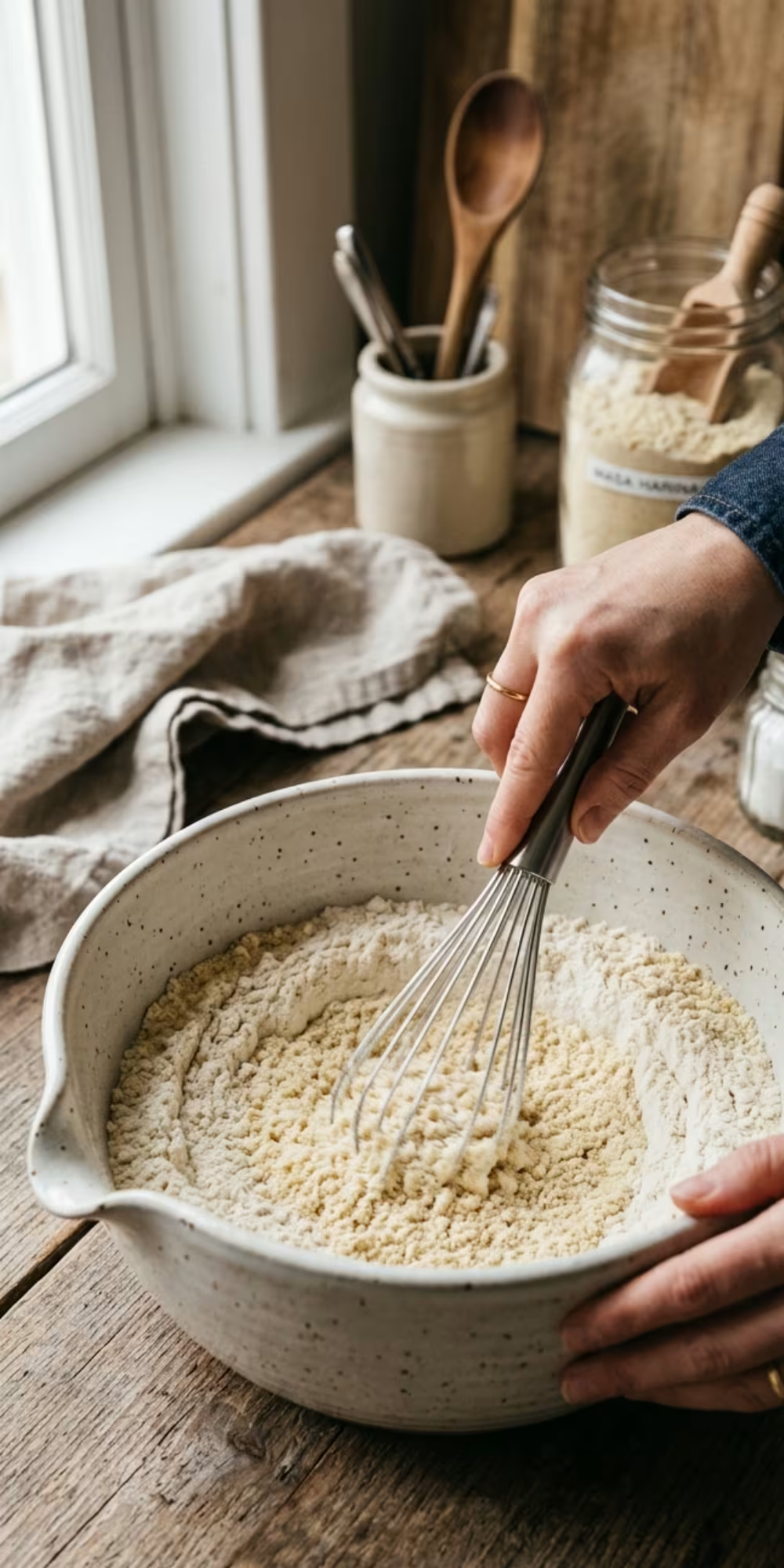
Whisk the Dry Ingredients Until Evenly Combined
Start by adding the masa harina, flour (or your tested gluten-free flour alternative), baking powder, sugar, salt, and any other dry ingredients to a large mixing bowl. Whisk everything together thoroughly so the leavening and seasoning are evenly distributed throughout the pancake batter.
This simple step helps every masa pancake cook and rise more consistently. It also prevents small pockets of baking powder or dry flour from appearing in the finished pancakes.
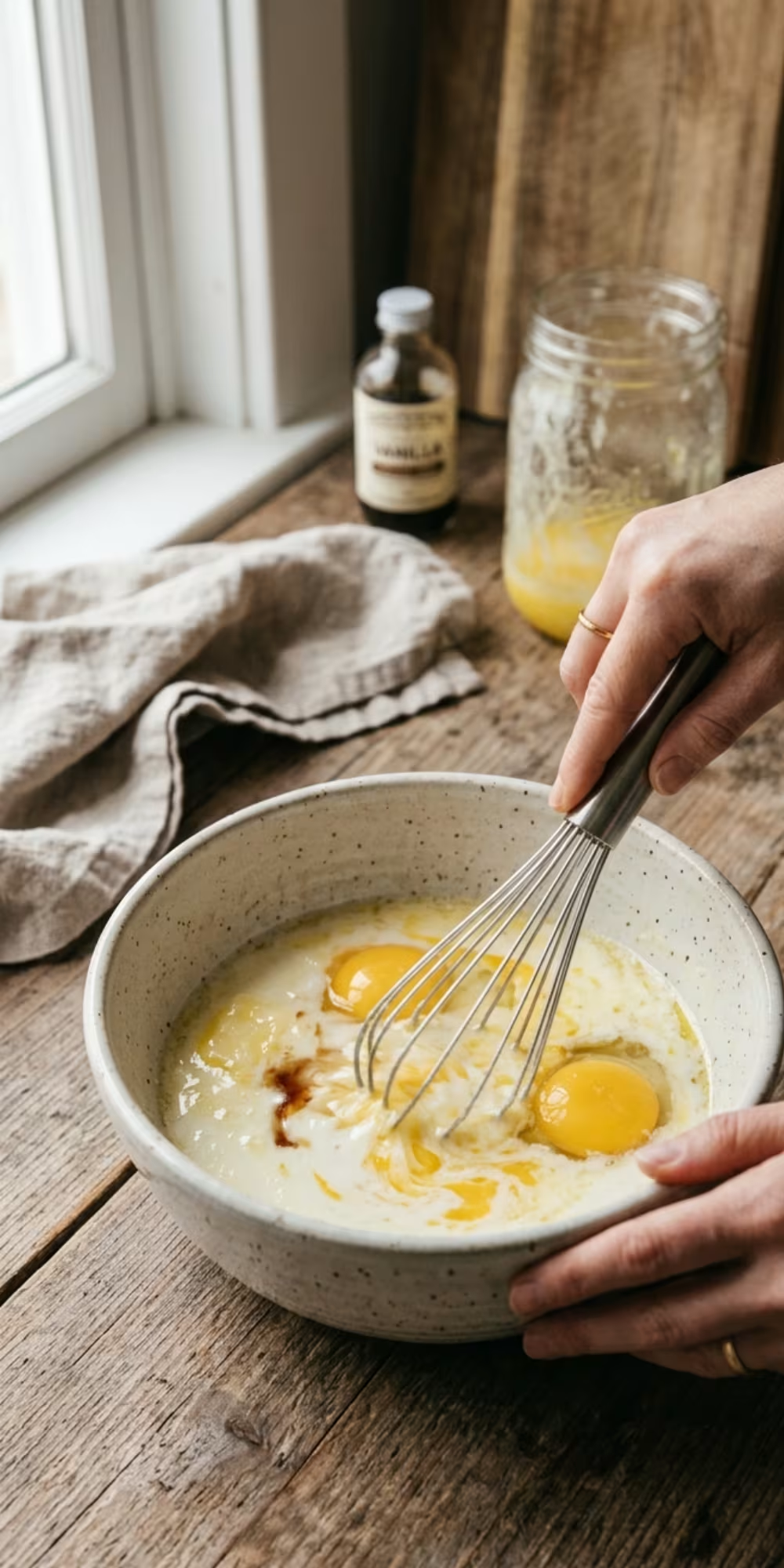
Whisk the Wet Ingredients in a Separate Bowl
In a second bowl, whisk together the eggs, milk or buttermilk, melted butter or oil, and any flavorings used in the recipe. Combining the wet ingredients separately makes it easier to mix the final batter without overworking it.
I recommend letting melted butter cool slightly before adding it to the eggs so it blends smoothly instead of cooking the egg.
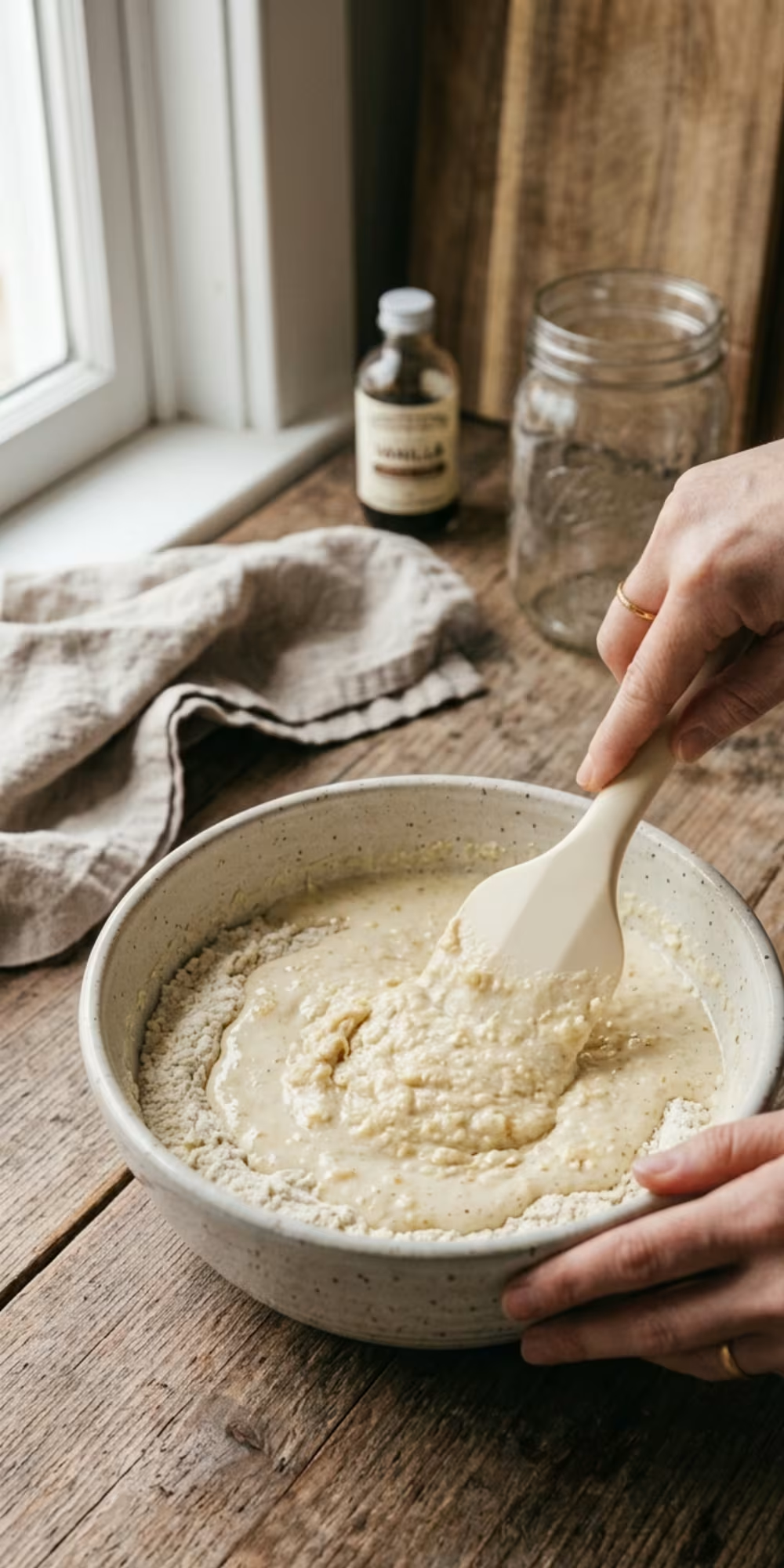
Combine the Batter Gently—Do Not Overmix
Pour the wet ingredients into the dry ingredients and gently stir until the pancake batter is just combined. A few small lumps are perfectly fine. What you want to avoid is vigorous mixing, which can make wheat-based pancakes tougher and can also change the final texture.
The ideal masa harina pancake batter should look smooth enough to scoop easily but thick enough to hold its shape briefly when it lands on the hot skillet.
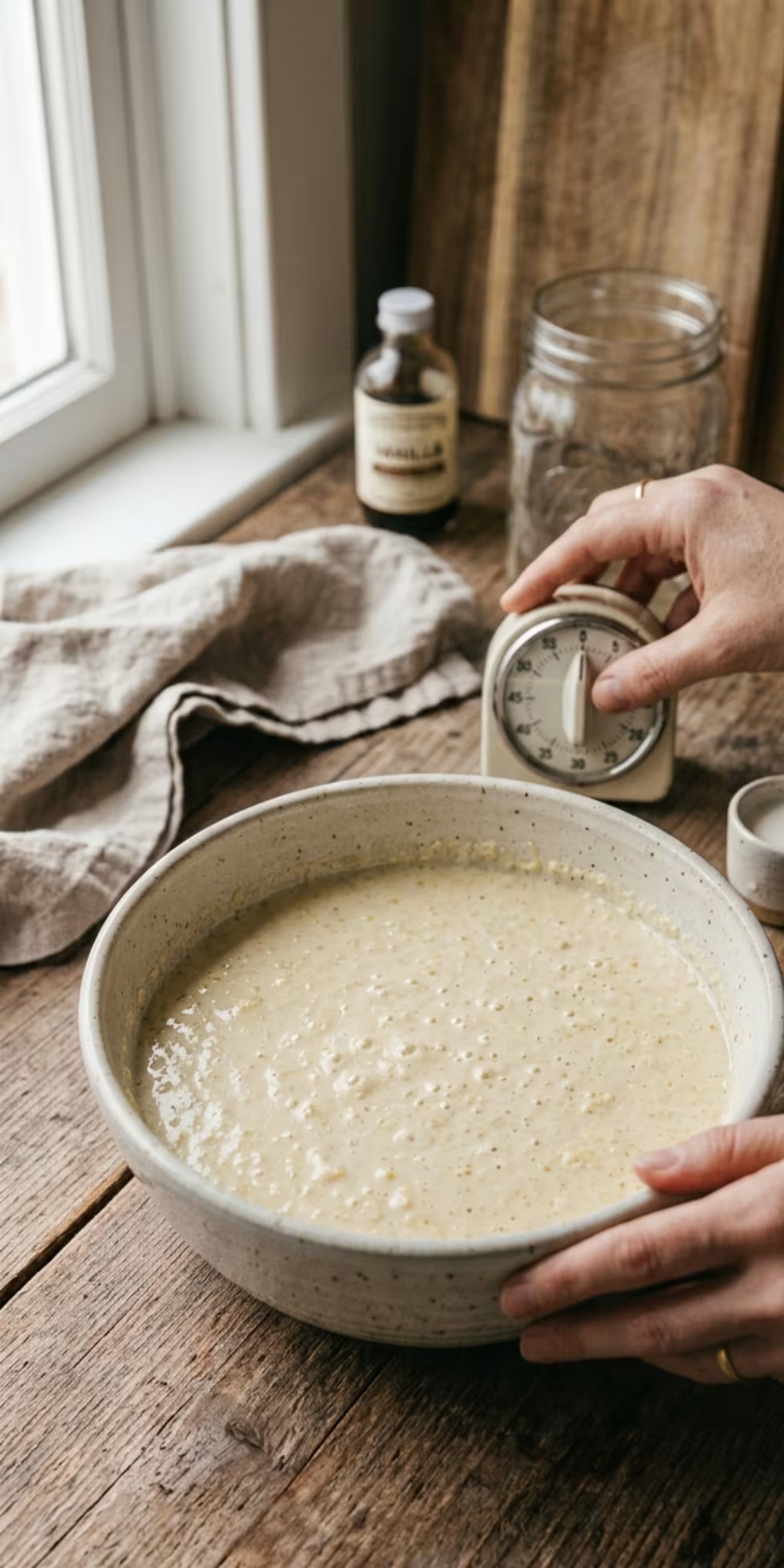
Let the Masa Pancake Batter Rest
Let the batter rest for about 5 to 10 minutes while you prepare and preheat your skillet or griddle. This is one of the most useful steps when making pancakes with masa harina because the finely ground corn flour needs time to absorb liquid properly.
After resting, the batter may become slightly thicker. That is normal. If necessary, stir gently and add a small splash of milk only if the batter has become too thick to scoop.
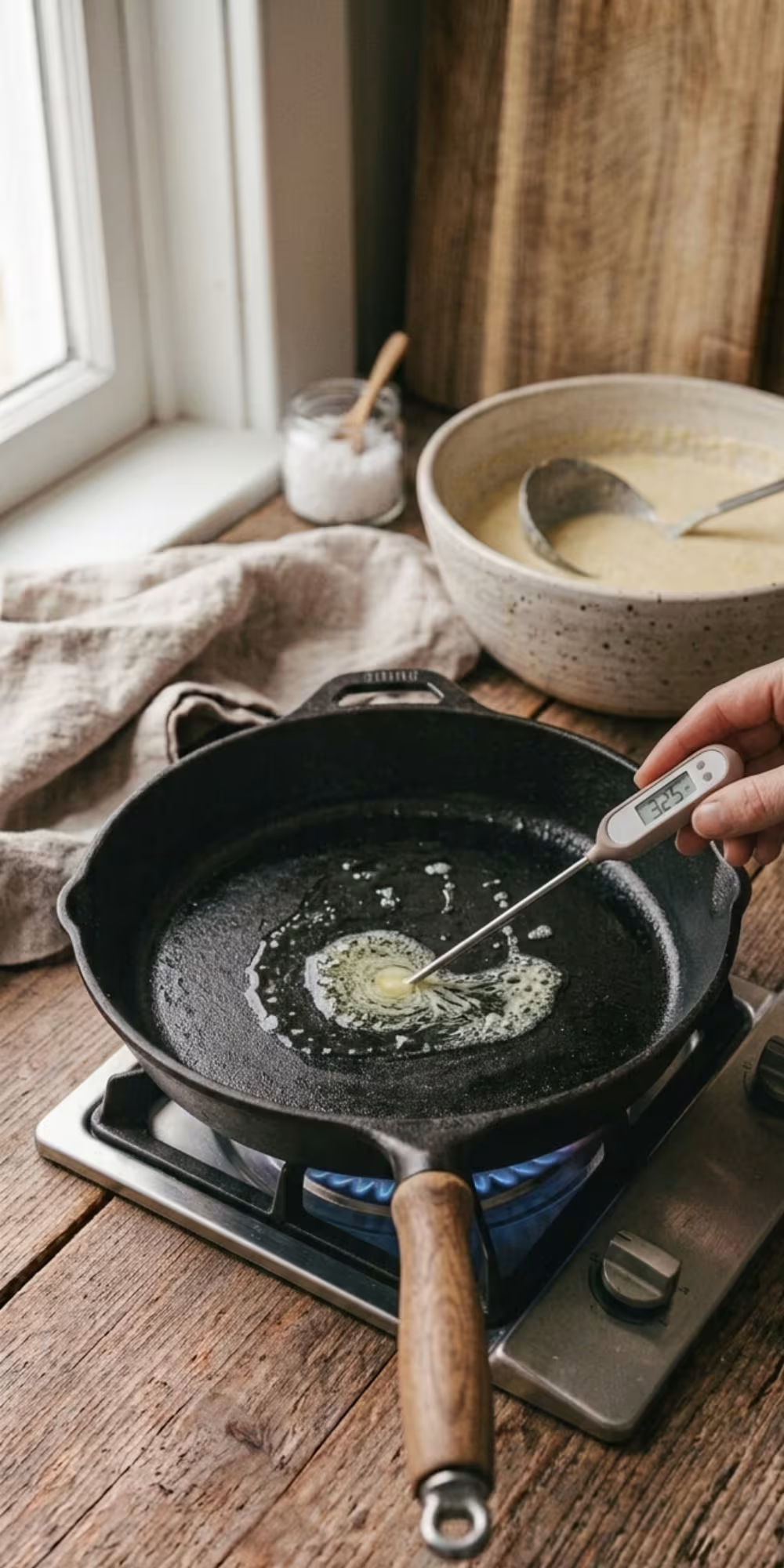
Preheat the Skillet to the Right Temperature
Place a heavy skillet, nonstick pan, or pancake griddle over medium heat and lightly grease the cooking surface with butter or a neutral cooking oil. Give the pan time to heat before adding your first scoop of batter.
A pan that is too hot can brown the outside before the center cooks properly. A pan that is too cool can make the pancakes pale and less appealing. I aim for steady, even heat so the pancakes develop a beautiful golden surface without burning.
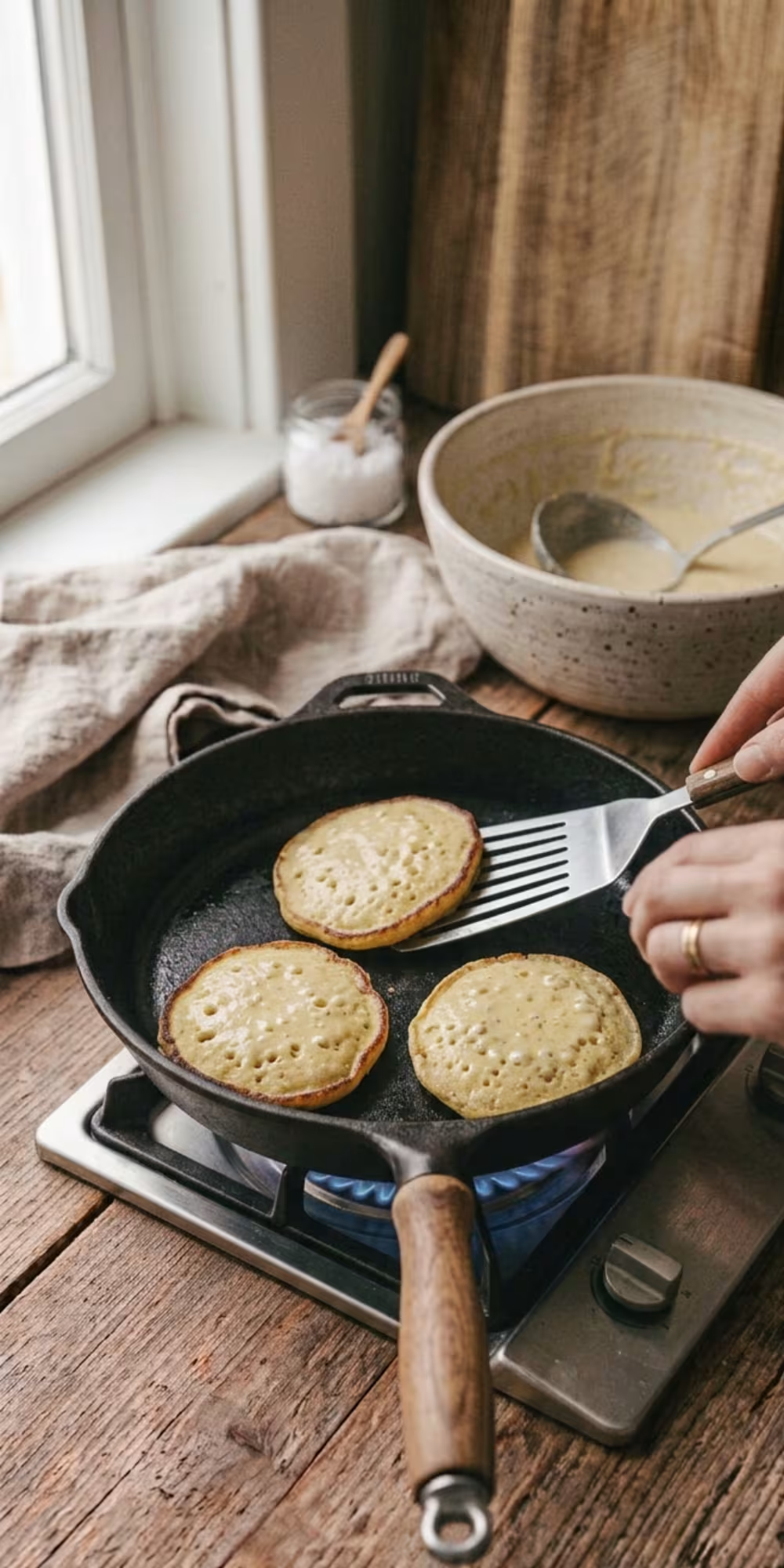
Scoop the Batter and Cook Until Bubbles Appear
Scoop an even portion of batter onto the hot skillet, leaving enough space between pancakes so they do not touch. I prefer medium-sized pancakes because they are easier to flip and cook more evenly.
Cook until the edges begin to look set and small bubbles appear and start to break on the surface. The underside should be golden brown before you flip.
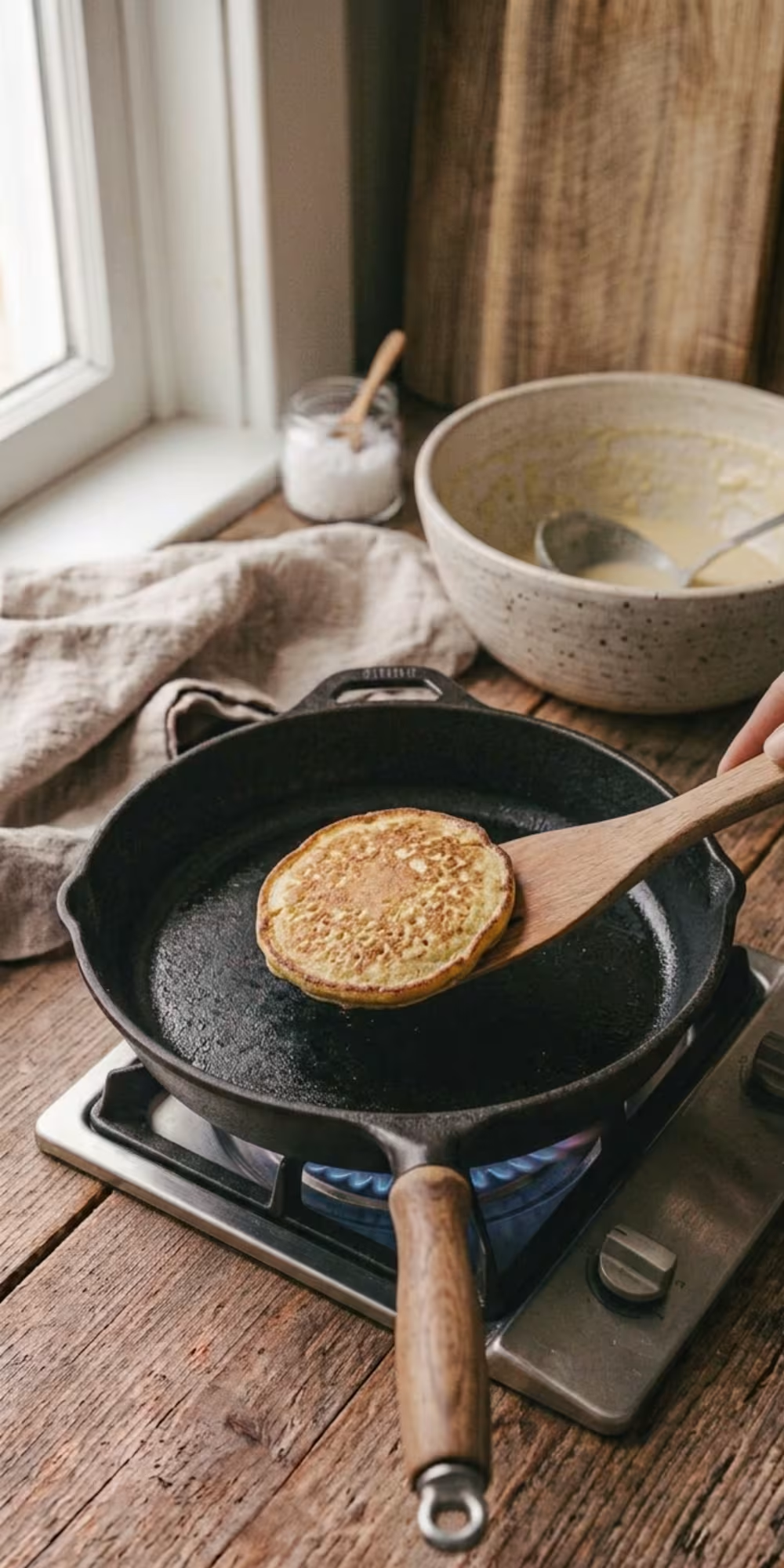
Flip Once and Finish Until Golden and Cooked Through
Slide a wide spatula underneath each pancake and flip it carefully. Cook the second side until golden brown and the center is cooked through. Try to flip each pancake only once for the best structure and appearance.
The exact cooking time can vary depending on the thickness of your pancakes and the heat of your pan, so use visual cues rather than relying only on the clock.
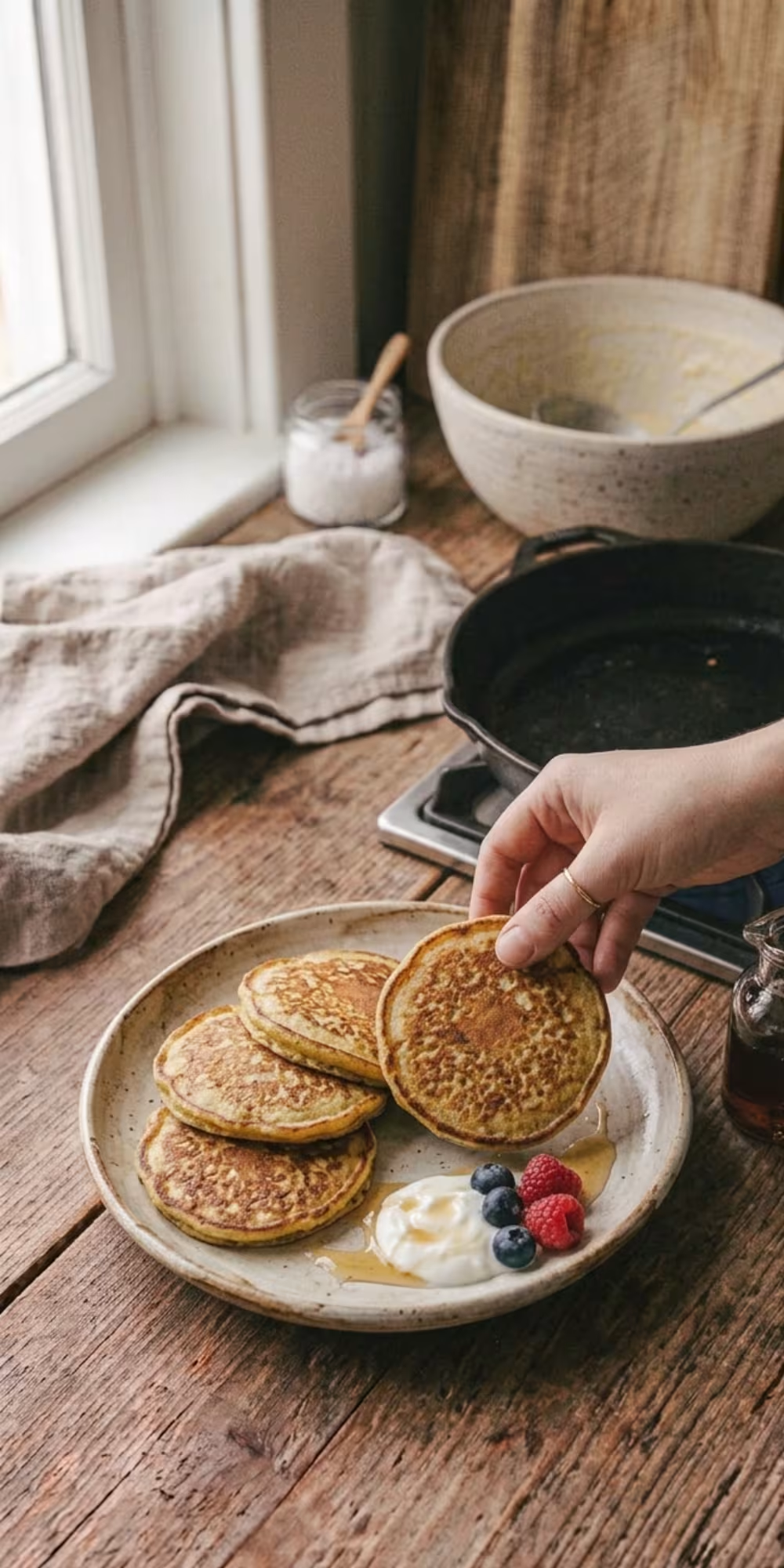
Serve the Masa Pancakes While Warm
Transfer the finished pancakes to a plate and serve them while they are warm and tender. Their subtle corn flavor works beautifully with classic toppings such as butter and maple syrup, but you can also try fresh berries, honey, cinnamon, yogurt, or your favorite savory toppings.
For the best texture, I recommend serving the pancakes soon after cooking. If you need to hold several batches, place them on a wire rack or warm surface rather than stacking them tightly, which can trap steam.
How I Know the Masa Harina Pancakes Are Perfect
- The outside is evenly golden with lightly crisp edges.
- The center is tender and cooked through—not dry or gummy.
- The pancakes have a gentle, naturally toasty corn flavor.
- The batter spreads slowly rather than running across the pan.
- The pancakes hold together easily when flipped.
Once you understand how the masa harina pancake batter should look and behave, this recipe becomes incredibly easy to repeat. The key is patience: mix gently, allow the masa to hydrate, cook over steady heat, and let the pancakes develop their golden crust before flipping.
Suggested: Quick Veggie Stir Fry-Recipes
The 5-Minute Batter Rest: Why It Matters
As you’ve probably learned over the years, one very simple and small step can make a surprisingly big difference in any recipe. Just like in the case of masa harina pancakes, letting the pancake batter rest for about 5 minutes before cooking is one such step.
Masa harina is different from ordinary wheat flour because it is made from nixtamalized corn. It continues absorbing moisture after the ingredients are mixed, which is why a freshly mixed batter can change consistency as it sits. Giving the batter a few minutes to hydrate helps you understand its true pancake consistency before deciding whether it needs an extra splash of milk or other liquid. Established masa harina pancake recipes also use a resting period to allow the batter to thicken before cooking.
💧 1. Better Hydration
The dry particles have time to absorb liquid more evenly. This can help reduce a chalky or dry texture and gives the batter a smoother, more consistent structure.
🥞 2. More Even Pancakes
When the batter has reached a more stable consistency, each scoop cooks more predictably, helping your pancakes spread and cook more evenly across the skillet.
✨ 3. A Better Texture
A short rest can contribute to a more tender crumb and a pleasantly soft center without requiring you to overmix the pancake batter.
What Happens If You Skip the Rest?
You can still cook the pancakes immediately, but the first pancake may not behave the same way as the last one. As the masa harina pancake batter sits naturally during cooking, it can continue thickening as the corn-based flour absorbs more moisture. That means your later pancakes may be thicker than the first ones. A quick 5-minute rest helps create a more consistent batter from the beginning.
The most important thing is to avoid overmixing while trying to force the batter to become perfectly smooth. Mix until the ingredients are combined, then let the resting time do some of the work. For pancake batters in general, allowing the dry ingredients time to hydrate can improve tenderness and help remaining small lumps soften without excessive stirring.
👨🍳 My Best Masa Pancake Tip
After the 5-minute rest, check the batter before adding more flour or liquid. If it has become too thick to pour easily, add milk or water just one tablespoon at a time. If it still flows slowly from a spoon while remaining thick enough to hold its shape on the pan, you are ready to cook. This simple adjustment is especially helpful when working with masa harina because different brands and grinds can absorb moisture differently.
🌱 Recipe Variations You’ll Love
Customize your Hellbender’s Masa Pancakes with these delicious and wholesome variations.
| ✨ Variation | 🌿 Description |
|---|---|
| Vegan Masa Pancakes | Replace eggs with flax eggs and use plant-based milk (like almond or oat milk) for a fully dairy-free vegan breakfast. |
| Spicy Jalapeño Cheddar | Add shredded cheddar cheese and finely chopped jalapeños into the batter for a bold, Mexican brunch recipe with a kick. |
| Protein-Packed Masa Cakes | Mix in a scoop of unflavored protein powder or use egg whites and Greek yogurt for a high-protein gluten-free breakfast. |
| Low-Carb Masa Pancakes | Replace all-purpose flour with a low-carb flour blend or almond flour for a low-carb brunch option that’s still full of flavor. |
| Street Corn Style Topping | Top with cotija cheese, chili powder, a splash of lime juice, and fresh cilantro for a delicious elote-inspired brunch. |
Related: Keto Overnight Oats Recipe
🥞 My Top 5 Toppings for Masa Harina Pancakes
Masa pancakes are great with both sweet and savory toppings, so you can easily make a comforting weekend breakfast, a satisfying brunch, or even a simple breakfast for dinner with the same batch. Here I’m sharing my 5 favorite toppings with you, be sure to try them out and let me know in the comments which ones you like the most.
Fresh Berries, Greek Yogurt & a Drizzle of Honey
As a refreshing and colorful topping for breakfast, this is my first choice. Strawberries, blueberries, raspberries, or mixed berries add a bright, juicy contrast to the warm, light nutty flavor of the masa pancake. A dollop of Greek yogurt gives it a creamy texture, and a drizzle of honey ties everything together.
I especially like this combination for weekend brunch, as it gives the pancake stack a special feel without ruining the original texture of the pancake. Add the berries just before serving, so they stay fresh and the stack doesn’t become soggy.
Maple Syrup, Butter & Toasted Pecans
For a classic pancake experience, you really can’t go wrong with warm maple syrup, a little melted butter, and crunchy toasted pecans. The buttery richness and caramel-like sweetness of maple syrup pair beautifully with the naturally toasty corn flavor of masa harina.
My favorite trick is to toast the pecans for a few minutes before adding them. The extra crunch creates a wonderful contrast with the soft, tender center and lightly crisp edges of these homemade corn pancakes.
Warm Blueberry Sauce & Lemon Zest
One of the best ways to make these masa harina pancakes extra special is with a warm homemade blueberry sauce. The sweet-tart flavor of the blueberries complements the mild flavor of the corn, and the fresh lemon zest adds a bright pop and keeps the dish from being overly sweet.
It’s also a great make-ahead topping for brunch. Make the sauce ahead of time and store in the refrigerator, then warm it slightly before serving. Spoon the sauce over the entire pancake rather than pouring it all over, which will give it a nice crispy edge.
Avocado, Fried Egg & Fresh Salsa
Don’t stop at just the sweet toppings! One of the reasons I make my savory masa pancakes is that the flavor of the corn pairs wonderfully with avocado, eggs, and salsa. Serve a hot pancake with sliced avocado, a freshly boiled egg, and your favorite tomato salsa for a satisfying breakfast or easy brunch.
For extra flavor, serve with chopped cilantro, scallions, chili flakes, or a squeeze of fresh lime juice. This savory combination turns a simple masa pancake into a more nutritious meal and is perfect when you want something different than your typical sweet pancake.
Best for: Savory Breakfast or BrunchCaramelized Bananas, Cinnamon & Nut Butter
When I want a thicker, more flavorful topping for pancakes, I use warm caramelized bananas with a pinch of cinnamon. For extra creaminess and a deeper roasted flavor, add a small spoonful of peanut butter, almond butter, or any other nut or seed butter of your choice.
The sweet taste of bananas goes especially well with the earthy flavor of masa harina, and the cinnamon adds a warm bakery-style aroma. For the best texture, add the bananas while they are still hot and serve immediately.
Can’t Decide? Try This Simple Topping Formula
For the best masa pancake topping combination, choose one main flavor + one contrasting texture. For example: berries + yogurt, banana + toasted nuts, avocado + egg, or blueberry sauce + lemon zest. This keeps the stack balanced and lets the unique flavor of the masa harina remain the star.
If your pancakes are already sweet, choose a fresher or tangier topping. If you’re making a savory batch, add vegetables, eggs, herbs, or a creamy element instead of piling on sweet syrup.
👨🍳 My Serving Tip for the Best Pancake Texture
Add juicy fruit, sauces, yogurt, and syrups immediately before serving. This helps prevent the masa pancakes from becoming soggy and preserves those delicious golden, slightly crispy edges. For a beautiful brunch presentation, keep extra toppings on the table so everyone can build their own perfect stack.
Frequently Asked Questions About Hellbender’s Masa Pancakes Recipe
Masa harina is a traditional Mexican corn flour made from nixtamalized corn. Unlike cornmeal, it has a finer texture and a deeper, slightly toasty flavor. It’s perfect for gluten-free pancake recipes and offers a fiber-rich alternative to all-purpose flour.
Yes! When made with a gluten-free flour blend instead of wheat flour, these pancakes are naturally gluten-free and celiac-safe. Masa harina itself is gluten-free, making it a top choice for healthy gluten-free breakfast recipes.
We do not recommend substituting cornmeal for masa harina. Cornmeal is coarser and does not absorb liquid the same way. To achieve that authentic flavor and fluffy texture, stick with masa harina for corn flour pancakes.
Swap out the buttermilk for plant-based milk like almond, oat, or soy. Use melted coconut oil or vegan butter instead of dairy-based butter. This makes it ideal for those searching for dairy-free pancake recipes that don’t sacrifice flavor or fluffiness.
Store leftover pancakes in an airtight container in the fridge for up to 4 days. For long-term storage, freeze them with parchment paper between each. To reheat, pop them in a toaster or warm skillet. This makes them a great choice for healthy breakfast meal prep recipes.
Yes! These masa pancakes are incredibly versatile. Add vanilla and maple syrup for a sweet version or go savory with herbs, jalapeños, or cheese. Perfect for fans of sweet and savory brunch ideas.
Yes, masa harina is a whole-grain corn flour rich in fiber and complex carbs. These pancakes are an excellent option for a high-fiber breakfast recipe that’s both filling and gut-friendly.
If you like this article about the Hellbender’s Masa Pancakes Recipe, please share it with your friends on Facebook and Pinterest. Also, subscribe to my blog to get all the latest content first on your mobile.