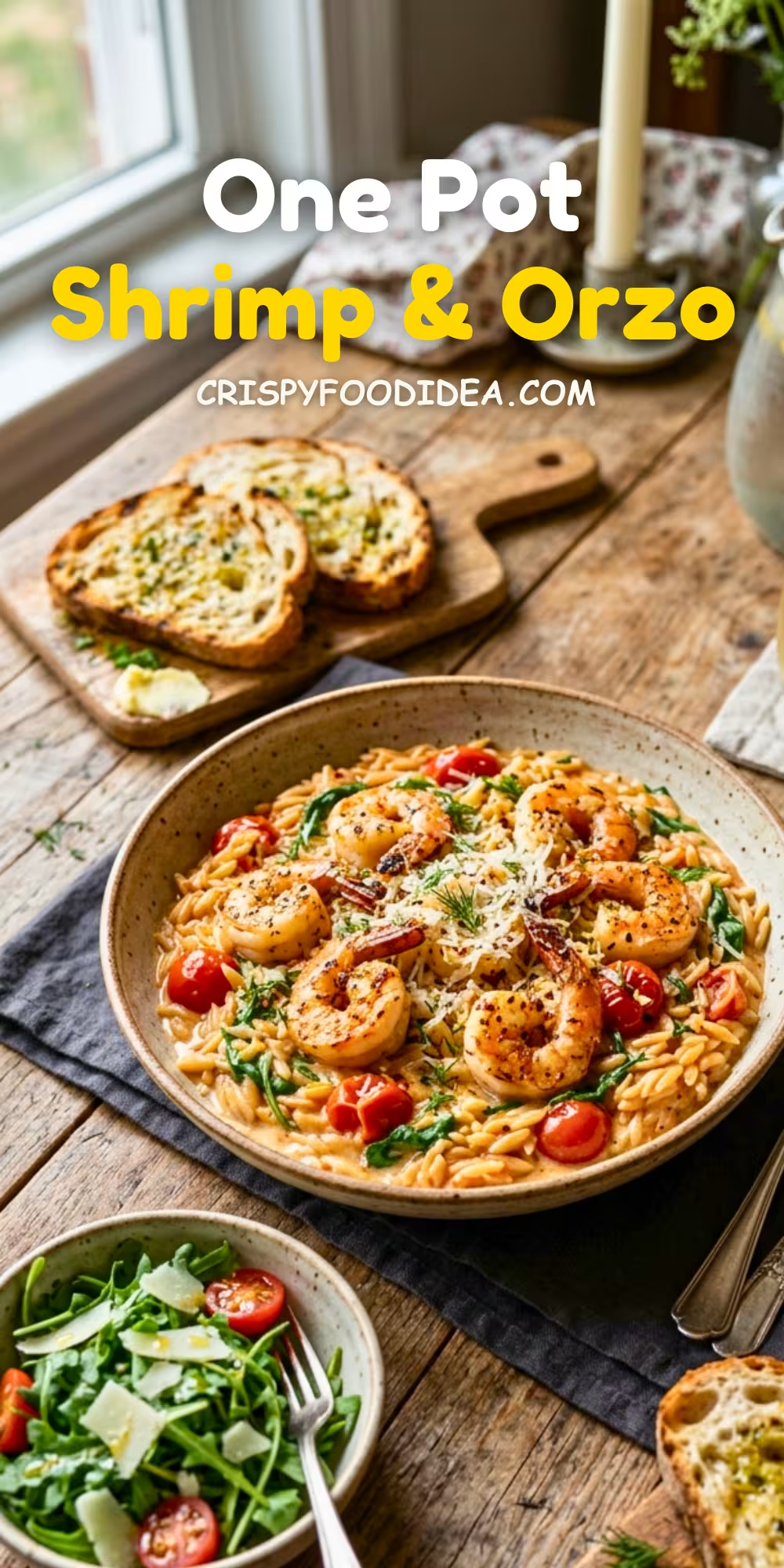
One-Pot Shrimp & Orzo Recipe That’s Better Than Takeout
Juicy shrimp and tender orzo cooked together with garlic, tomatoes, herbs and lemon for an easy 30-minute seafood dinner with minimal cleanup.
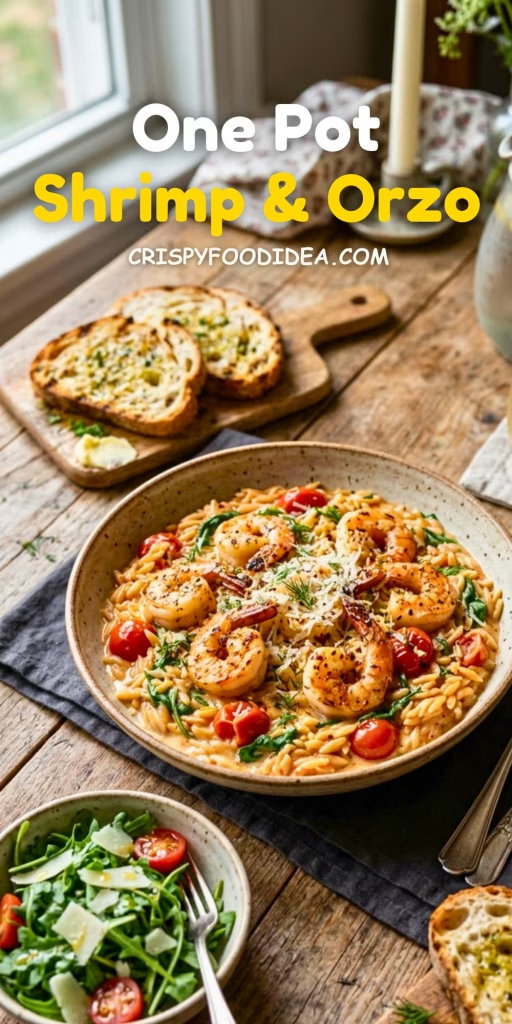
You all know how much I love shrimp and whenever I get free time at home, I try new shrimp recipes, in short, I experiment. This One Pot Shrimp & Orzo recipe is so much of a favorite of mine that I can’t even explain it to you. Not only is it delicious, but it’s also very easy to make. I assure you that this one pot meal made with a combination of orzo and shrimp will win your heart. Moreover, another big reason why I love it is that it is a hassle-free recipe, you can make this One Pot Shrimp and Orzo in just one pot.
Related: Pesto Pasta With Corn & Green Beans
My Experience Making This One Pot Shrimp and Orzo
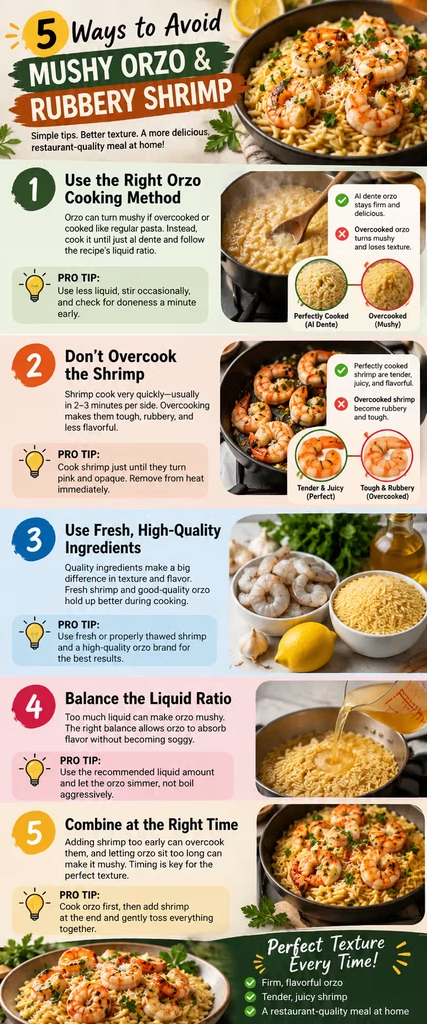
I have always loved experimenting with shrimp recipes, but this One Pot Shrimp and Orzo taught me something important: getting the shrimp tender is only half the job. The real challenge is timing the shrimp and orzo so you end up with juicy seafood and perfectly cooked, flavorful orzo in the same pot.
Don’t treat shrimp and orzo as if they need the same cooking time. Orzo needs enough liquid and time to become tender, while shrimp cooks much faster. Once I started paying close attention to that difference, this one-pot seafood dinner became much easier to control.
Why I Wanted a One-Pot Shrimp Dinner
When I want to whip up a quick seafood dinner without spending a lot of time in the kitchen, shrimp comes to my fingertips. It cooks quickly, takes on the flavors of garlic, lemon, and herbs beautifully, and pairs easily with a variety of ingredients.
But I wanted something a little more substantial than a simple sautéed shrimp recipe. I wanted a complete 30-minute dinner, with seafood and starches all in one pot, without the need for separate pots for pasta or rice.
And that’s where orzo comes in. Although it looks a bit like rice, orzo is actually a type of pasta. Its small size makes it especially convenient to cook in one pot, and it absorbs delicious broth as it cooks.
The First Thing I Had to Get Right: The Orzo
The main difference between a good shrimp orzo recipe and a disappointing one is often the texture of the orzo. It can go from perfectly soft to overly soft surprisingly quickly, especially when it continues to absorb liquid even after the heat is off.
I’ve learned to pay attention to the consistency of the orzo rather than just the clock. When the orzo is almost soft, I want the pot to have enough moisture to fully cook the pasta, but not be soggy at the end of cooking.
The finished orzo should be tender with a slight bite, while the sauce should look moist and cohesive rather than watery.
Then I Had to Solve the Shrimp Timing
This was the part I paid the most attention to. Shrimp cooks much faster than orzo, so simply adding everything to the pot at the same time can make it harder to control the final texture.
For this reason, I treat the shrimp and orzo as two ingredients with different jobs. I focus first on developing flavor in the pot and cooking the orzo properly, then make sure the shrimp gets enough heat to become opaque and tender without unnecessarily staying in the pan.
That small change in thinking made a big difference to the way I approach one pot shrimp and orzo. Instead of asking only, “How long should I cook this?”, I started asking, “What should the texture look like at each stage?”
The 4 Things I Watch While Cooking
These are the small details that make the difference between an ordinary one-pot pasta dinner and a shrimp and orzo dish with the texture I actually want.
1. Heat Level
I want enough heat to keep the orzo gently simmering without reducing the liquid too aggressively. A very high heat can evaporate liquid faster than the pasta can absorb it.
2. Liquid Level
Orzo absorbs liquid as it cooks, so I watch the consistency throughout the cooking process. The goal is tender pasta with a flavorful, cohesive sauce—not watery or dry orzo.
3. Shrimp Texture
Shrimp should be opaque and cooked through without becoming tough or rubbery. Because shrimp cooks quickly, I don’t want to leave it simmering longer than necessary.
4. Final Balance
Lemon, herbs and seasoning are especially important at the end. A bright acidic finish helps balance the savory broth, shrimp and starchy orzo.
One-Pot Doesn’t Mean “Put Everything in at Once”
This is probably the most useful thing I learned while working on this recipe. One-pot cooking is about using one cooking vessel, not necessarily cooking every ingredient at exactly the same time.
Shrimp, orzo, garlic, vegetables and broth all have different cooking requirements. Giving each ingredient the right amount of time is what helps create a balanced one-pot seafood dinner instead of overcooked shrimp or mushy pasta.
My Personal Tips for Better Shrimp & Orzo
-
Pat the shrimp dry: Removing excess surface moisture helps prevent unnecessary water from entering the pan.
-
Don’t ignore the orzo: Stir and check its texture during cooking rather than relying entirely on a timer.
-
Watch the liquid: The amount of evaporation can change depending on your pan, heat level and lid position.
-
Don’t overcook the shrimp: Shrimp needs much less cooking time than the orzo.
-
Finish with freshness: Fresh lemon juice and herbs can brighten the finished shrimp orzo dramatically.
-
Let it rest briefly: The orzo can continue absorbing some of the remaining liquid after cooking.
If you’re looking for more quick seafood and one-pot dinner ideas, explore my collection of quick seafood dinners and easy one-pot dinner recipes .
Related: Pasta Puttanesca
What Is Orzo?
Orzo is a small, rice-shaped pasta that looks like rice but is actually made from pasta dough. Its tiny shape makes it especially useful for quick dinners, soups, salads, side dishes and one-pot recipes like this One Pot Shrimp and Orzo.
The Short Answer
Orzo is pasta, not rice. It is shaped like a large grain of rice, which is why it is sometimes mistaken for a grain. Traditional orzo is commonly made from semolina or durum wheat and cooks relatively quickly, making it a convenient choice for one pot pasta recipes.
Is Orzo Rice or Pasta?
Although it looks like a grain of rice, orzo is a type of pasta. Its small shape is similar to that of rice grains, but it is made into pasta rather than being harvested as a grain.
This difference is important when cooking. Like other pastas, orzo absorbs cooking liquid and can develop a lovely al dente texture when cooked properly.
What Is Orzo Made Of?
Traditional dried orzo is commonly made from semolina or durum wheat, although the exact ingredients depend on the product.
You can also find alternative versions such as whole-wheat orzo, chickpea orzo and gluten-free orzo. Always check the package ingredients and allergen information because standard wheat-based orzo contains gluten.
Why Does Orzo Work So Well in One-Pot Recipes?
The small pasta shape cooks quickly and absorbs flavorful broth, tomato sauce and other cooking liquids. As it cooks, the pasta also releases starch into the surrounding liquid.
That makes orzo particularly useful for dishes where you want a thick, cohesive and spoonable sauce rather than a separate sauce sitting beside the pasta.
What Does Orzo Taste Like?
Orzo has a mild, slightly wheaty pasta flavor, so it easily takes on the taste of the ingredients around it. That’s one reason it works particularly well with garlic, lemon, tomatoes, herbs, seafood, chicken, vegetables and cheese.
In this shrimp recipe, the orzo absorbs the savory cooking liquid while the shrimp, garlic, herbs and lemon provide most of the finished dish’s character.
Orzo vs. Rice: What’s the Difference?
They may look similar in the bowl, but they behave differently when cooked.
| Feature | Orzo | Rice |
|---|---|---|
| What is it? | Pasta | Grain |
| Shape | Small and rice-shaped | Naturally grain-shaped |
| Texture | Pasta-like and can be al dente | Depends on rice variety and cooking method |
| Common uses | Soups, salads, side dishes, pasta dishes and one-pot meals | Rice bowls, pilafs, fried rice, curries and side dishes |
| In this recipe | Cooked directly with the shrimp and flavorful liquid | Not used |
Why I Chose Orzo for This Shrimp Recipe
For this One Pot Shrimp and Orzo, I like orzo because it gives you the comfort of pasta while cooking in the same pot as the other ingredients. You don’t need a separate pot just to boil long noodles and then drain them.
The small pasta shape also works beautifully with shrimp because every spoonful can contain a little pasta, sauce, vegetables and seafood. The result is closer to a creamy one-pot pasta than a traditional rice dish.
Quick Answers About Orzo
Is orzo pasta?
Yes. Orzo is a small type of pasta shaped to resemble a grain of rice.
Is orzo the same as rice?
No. Orzo is pasta, while rice is a grain. They may look similar but cook differently.
Can you cook orzo in one pot?
Yes. Orzo can be cooked directly in broth, sauce or other flavorful liquid, making it useful for one-pot meals.
Can orzo be used instead of rice?
In many dishes, yes. Orzo can be used as a rice-style ingredient, although the finished texture and cooking behavior will be different.
Related: Spaghetti With Prawns, Courgettes & Gremolata
How to Choose Shrimp for One Pot Shrimp and Orzo
Before making this recipe, don’t think that you can make this One Pot Orzo with any kind of shrimp. If you can pick the right shrimp, you will notice a surprising difference in this One Pot Shrimp and Orzo recipe. Here I am sharing my experience with you; from this, you will understand how to select the right type and size of shrimp and make the perfect orzo.
My Pick
For this recipe, I recommend raw, peeled and deveined large shrimp. Frozen shrimp works just as well as fresh shrimp when properly thawed and dried before cooking.
What Size Shrimp Is Best for Shrimp & Orzo?
I prefer large shrimp because they are easier to time with the orzo and remain juicy instead of becoming overcooked quickly.
Large Shrimp
Approximately 21–25 per pound
A great balance of size, cooking time and texture. Large shrimp are substantial enough to stand out in a bowl of orzo without requiring a long cooking time.
Medium Shrimp
Approximately 31–40 per pound
Medium shrimp work well if that’s what you have available. Because they’re smaller, keep a closer eye on them so they don’t become overcooked while the orzo finishes.
Small Shrimp
Smaller than approximately 41 per pound
Small shrimp cook very quickly and can become firm or rubbery if they’re left in the hot pot too long. They’re better suited to recipes where shrimp cooking time can be controlled separately.
Fresh vs. Frozen Shrimp: Which Is Better?
For this one pot shrimp recipe, either can work. In fact, frozen shrimp is often the most practical option for home cooks because it is widely available and can be stored until needed.
Fresh Shrimp
Fresh shrimp can be an excellent choice when you have access to genuinely fresh, high-quality seafood. Look for shrimp that smell clean and fresh rather than strongly fishy.
- Great when purchased from a trusted seafood counter
- Convenient when you plan to cook immediately
- Excellent for same-day cooking
- Should be kept properly chilled
Frozen Shrimp
Having frozen shrimp on hand is a handy way for me to make a quick seafood dinner. Properly thawed frozen shrimp works wonderfully in this shrimp and orzo recipe.
- Easy to keep in the freezer
- Convenient for meal planning
- Available year-round in many stores
- Works well when thawed correctly
Don’t assume fresh shrimp is automatically better. For this recipe, properly thawed, high-quality frozen shrimp can produce excellent results.
Should You Use Raw or Pre-Cooked Shrimp?
For the best texture, I recommend raw shrimp for this one pot shrimp and orzo recipe. Raw shrimp gives you more control over the cooking process.
Raw Shrimp
Recommended. Raw shrimp can be seasoned and cooked at the right stage of the recipe, allowing better control over its tenderness and eliminating the need for unnecessary reheating.
BEST CHOICEPre-Cooked Shrimp
It can be used, but do not cook for the same amount of time as raw shrimp. Pre-cooked shrimp is only good for reheating.
USE CAREFULLYShould Shrimp Be Peeled and Deveined?
For a quick one-pot dinner, I recommend peeled and deveined shrimp. It saves preparation time and makes the finished shrimp and orzo easier to eat.
How to Prepare Frozen Shrimp for One Pot Orzo
If you’re using frozen shrimp, proper thawing is one of the easiest ways to improve the final texture of your one pot shrimp and orzo.
Thaw the Shrimp
Safely thaw frozen shrimp according to your preferred food-safety method. Do not leave raw shrimp at room temperature for long periods of time.
Drain Well
After the ice melts, drain off any excess water. Excess moisture can prevent browning and reduce the consistency of the spices.
Pat Dry
Pat the shrimp dry with paper towels before seasoning. This is especially helpful if you plan to fry the shrimp.
Season Just Before Cooking
Rub the shrimp with the spices just before placing them in the pan, so that their surface remains relatively dry and the spices are balanced.
The Most Important Shrimp Tip
Don’t choose shrimp based only on the word “fresh.” For this recipe, the most important factors are shrimp quality, size, whether it is raw or pre-cooked, and how carefully you control the cooking time.
Ingredients Substitutions for One Pot Shrimp and Orzo
I think you need to know the right ingredient substitutions for this One Pot Shrimp and Orzo recipe because only by knowing the right substitutions will you be able to make orzo with the perfect flavor and texture.
| Original Ingredient | Best Substitution | How to Use It | What to Expect |
|---|---|---|---|
| Raw Shrimp Main protein | Frozen raw shrimp | Thaw completely, drain well, pat dry and cook according to the recipe timing. | Excellent alternative for an easy shrimp orzo dinner; texture should remain tender when properly cooked. |
| Large Shrimp Seafood | Medium shrimp | Use the same recipe method but begin checking for doneness earlier. | Smaller shrimp cook faster, so avoid overcooking them while the orzo pasta finishes. |
| Orzo Pasta | Small pasta such as ditalini, small shells or small macaroni | Substitute by volume, but monitor the cooking time and liquid absorption carefully. | The final texture may differ slightly because different small pasta shapes absorb liquid at different rates. |
| Chicken Broth Cooking liquid | Seafood stock, vegetable broth or low-sodium broth | Use the same general amount and adjust salt after cooking. | Seafood stock gives a deeper seafood flavor, while vegetable broth creates a lighter one-pot shrimp recipe. |
| Fresh Garlic Aromatic | Garlic paste or granulated garlic | Use a smaller amount initially and adjust to taste. | Fresh garlic provides the strongest flavor, but dried or prepared garlic works for a quick weeknight seafood dinner. |
| Yellow Onion Aromatic | Shallots or sweet onion | Dice finely and cook using the same method as the onion. | Shallots create a slightly sweeter and more delicate flavor in shrimp and orzo. |
| Fresh Tomatoes Vegetable | Canned diced tomatoes or canned crushed tomatoes | Drain excess liquid from diced tomatoes if the recipe is already liquid-rich. | Canned tomatoes provide a deeper tomato flavor and work especially well for an easy one-pot seafood dinner. |
| Olive Oil Cooking fat | Avocado oil or another neutral cooking oil | Use the same amount for sautéing and cooking the shrimp. | A neutral oil keeps the shrimp and Mediterranean-inspired seasonings at the center of the dish. |
| Lemon Juice Acidic finish | Fresh lime juice or a small amount of white wine vinegar | Add gradually at the end and taste before adding more. | The flavor will be slightly different, but acidity still helps balance the rich shrimp orzo recipe. |
| Fresh Parsley Fresh herb | Fresh basil, cilantro or dill | Add near the end or sprinkle over each serving. | Basil creates a sweeter Mediterranean profile, while dill gives the shrimp and orzo a fresher seafood-friendly flavor. |
| Parmesan Cheese Finishing ingredient | Pecorino Romano or crumbled feta | Add gradually and taste before adding additional salt. | Feta gives the dish a brighter Mediterranean character, while Pecorino provides a sharper savory flavor. |
| Heavy Cream Optional creamy finish | Half-and-half, evaporated milk or unsweetened coconut milk | Add toward the end over low heat and avoid vigorous boiling. | Creates a creamy shrimp orzo variation with slightly different richness depending on the substitute. |
| Spinach Vegetable | Kale, arugula or baby Swiss chard | Add sturdy greens earlier and delicate greens toward the end. | An easy way to add vegetables to this healthy shrimp dinner. |
| Regular Orzo Wheat pasta | Certified gluten-free orzo or another gluten-free small pasta | Follow the package cooking instructions and monitor liquid absorption. | Cooking time and texture can vary considerably between gluten-free pasta products. |
| Feta Cheese Optional cheese | Dairy-free feta-style cheese or nutritional yeast | Add at the end according to the product’s instructions. | Useful for creating a dairy-free shrimp orzo while maintaining savory flavor. |
| Red Pepper Flakes Heat | Cayenne pepper, fresh chili or mild paprika | Start with a small amount and increase gradually. | Lets you customize the heat level without changing the basic one-pot shrimp and orzo method. |
| Italian Seasoning Herb blend | Dried oregano + basil + thyme | Combine the herbs before adding them so the flavor is distributed evenly. | Keeps the dish herb-forward and works well with Mediterranean shrimp orzo. |
How to Make One Pot Shrimp and Orzo
This one pot shrimp and orzo comes together in about 30 minutes with juicy shrimp, tender orzo pasta, garlic, tomatoes, herbs and a bright finish of lemon. The key is cooking the orzo pasta until creamy and tender while timing the shrimp so it stays juicy instead of becoming rubbery.
Prepare and Season the Shrimp
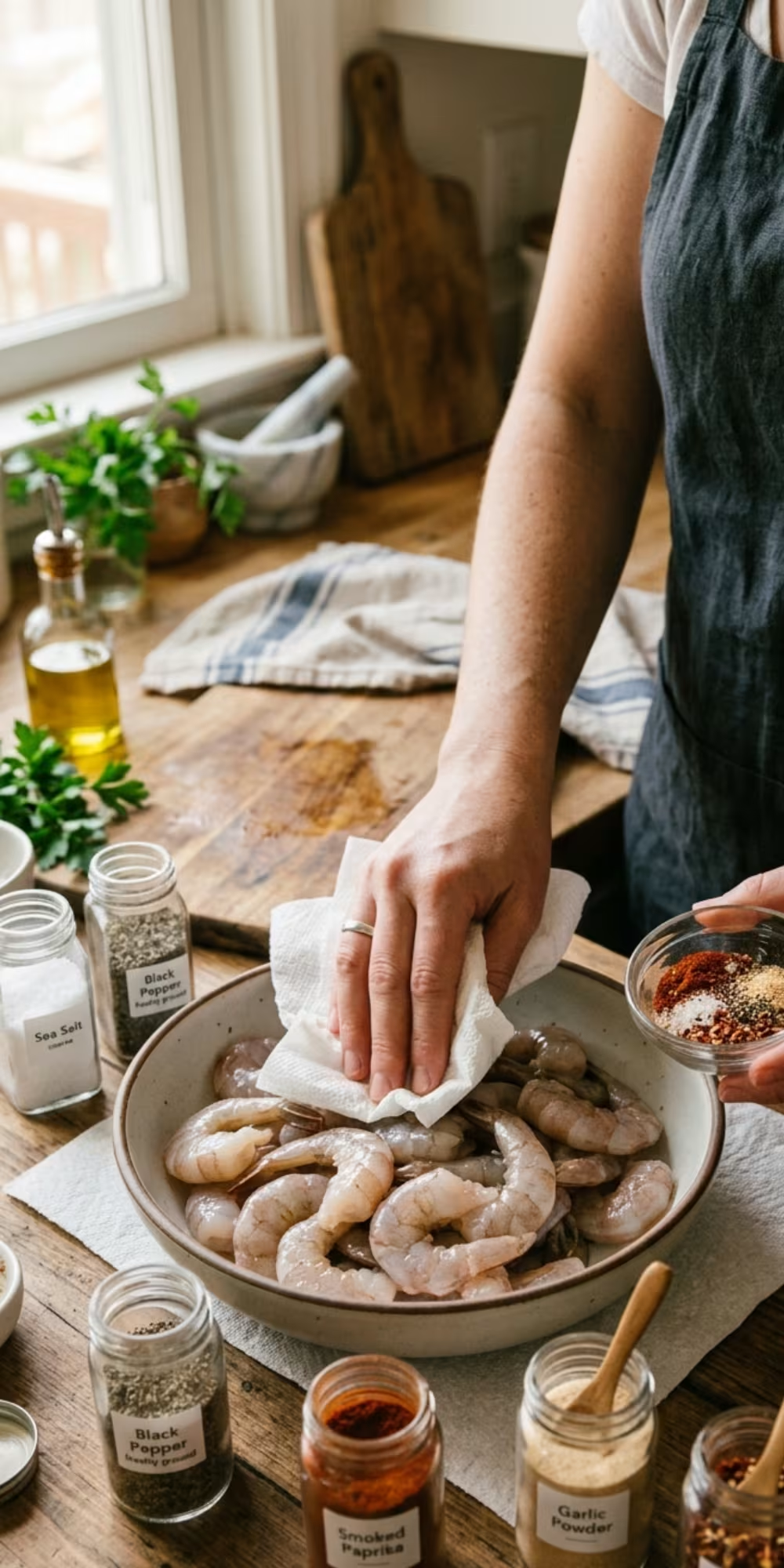
Start with raw shrimp that have been peeled and deveined. Pat the shrimp thoroughly dry with paper towels. Removing excess moisture helps the shrimp sear properly instead of releasing a lot of water into the pan.
Season the shrimp with salt, black pepper and your preferred combination of paprika, garlic powder or red pepper flakes. Keep the seasoning simple because the orzo will build another layer of flavor later.
Sear the Shrimp Until Just Cooked
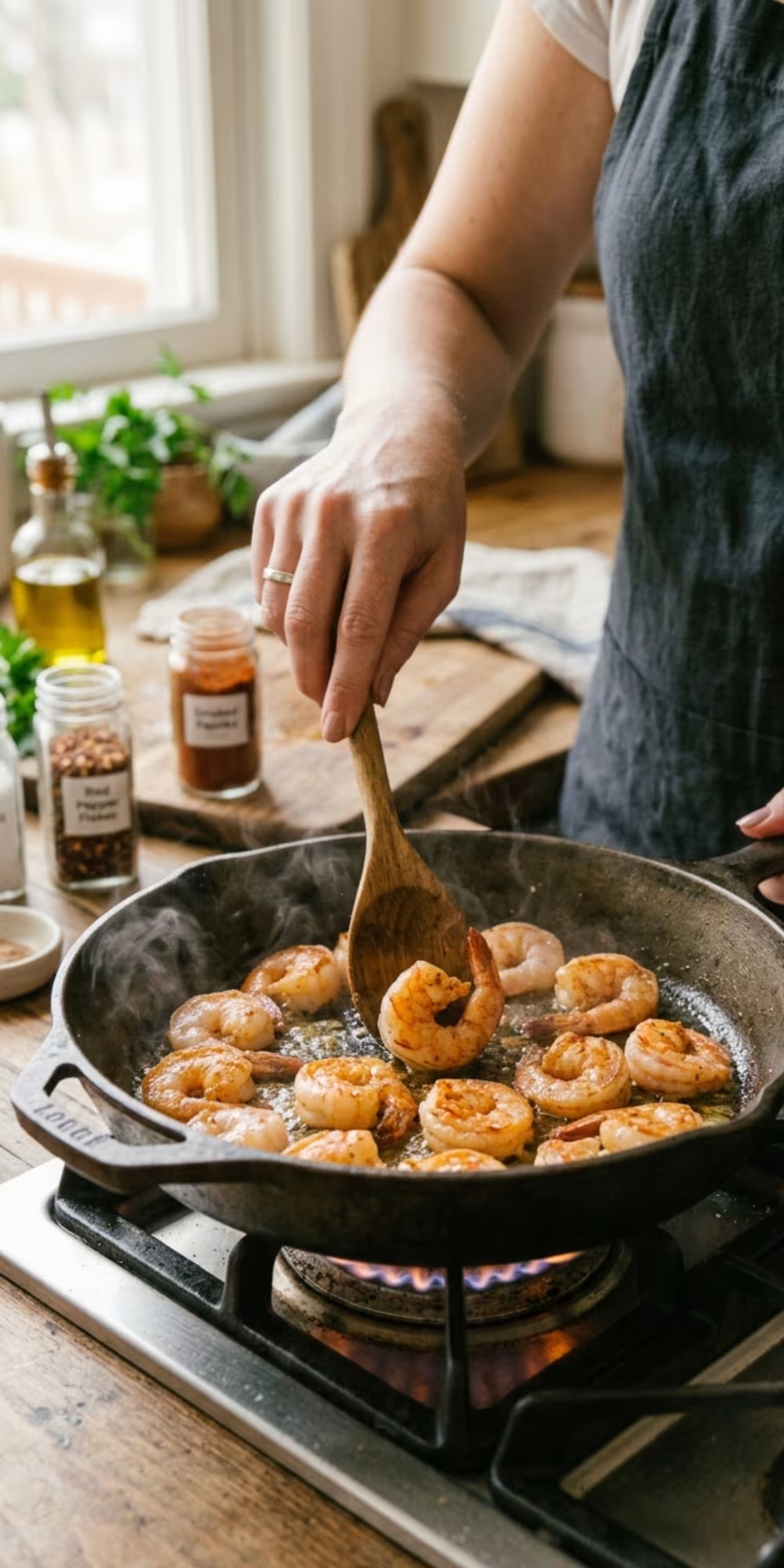
Heat a large heavy-bottomed skillet, sauté pan or Dutch oven over medium-high heat. Add olive oil, then arrange the shrimp in a single layer.
Cook the shrimp briefly on each side until they are opaque and just cooked through. Avoid cooking them for much longer than necessary because shrimp can become firm and rubbery when overcooked.
Depending on the size of your shrimp and the heat of your pan, the cooking time can vary, so use the shrimp’s appearance and texture as your primary guide rather than relying only on a timer.
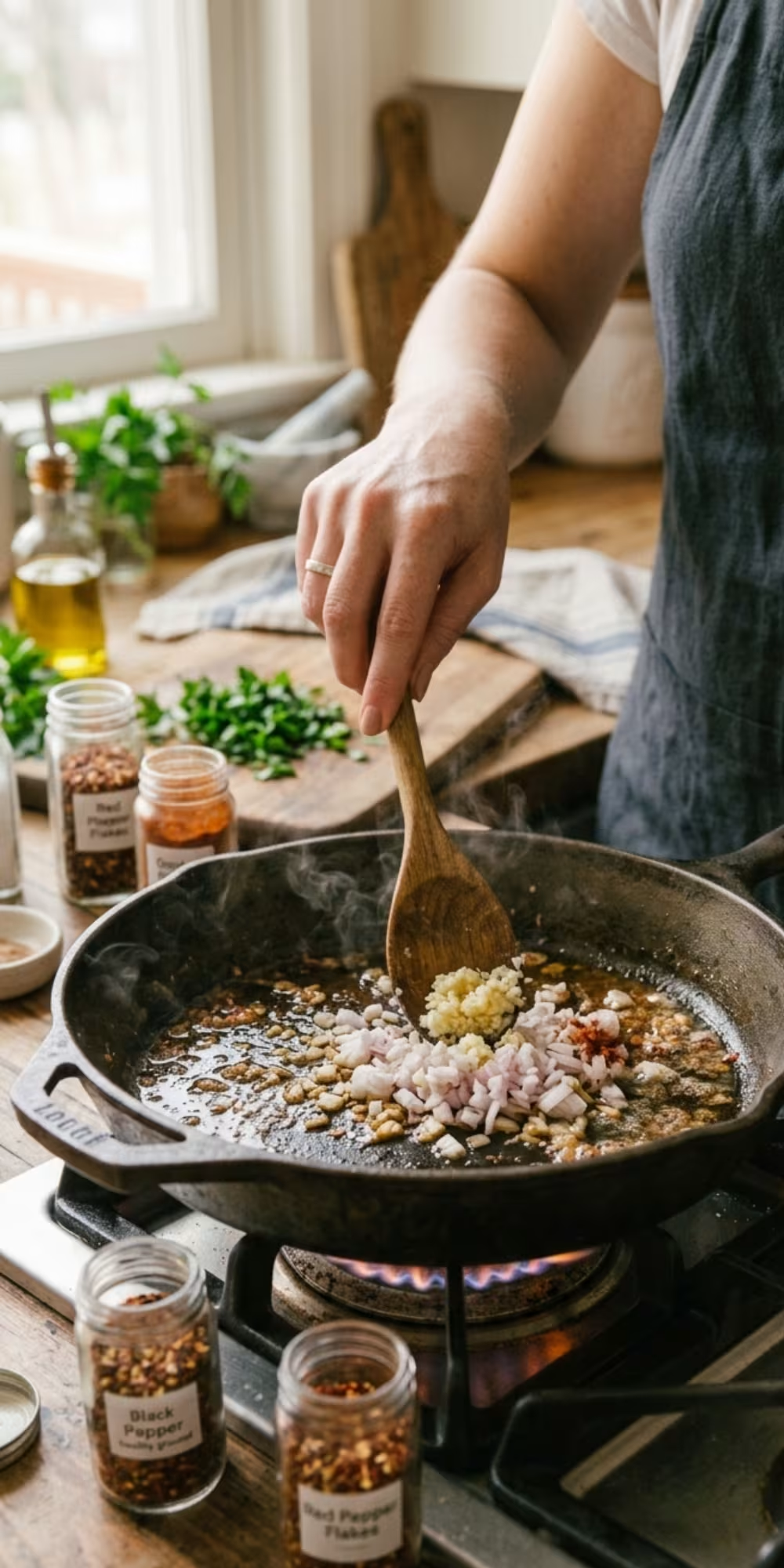
Sauté the Garlic, Onion and Aromatics
Remove the shrimp from the pan and set them aside temporarily. Keep the flavorful bits left behind in the pan. Add diced onion or shallot and cook until softened.
Add minced garlic and cook briefly until fragrant. If you’re using red pepper flakes, paprika or dried herbs, add them at this stage so their flavors bloom in the olive oil.
This simple aromatic base gives the shrimp orzo recipe much more depth than simply adding all the ingredients to the pot at once.
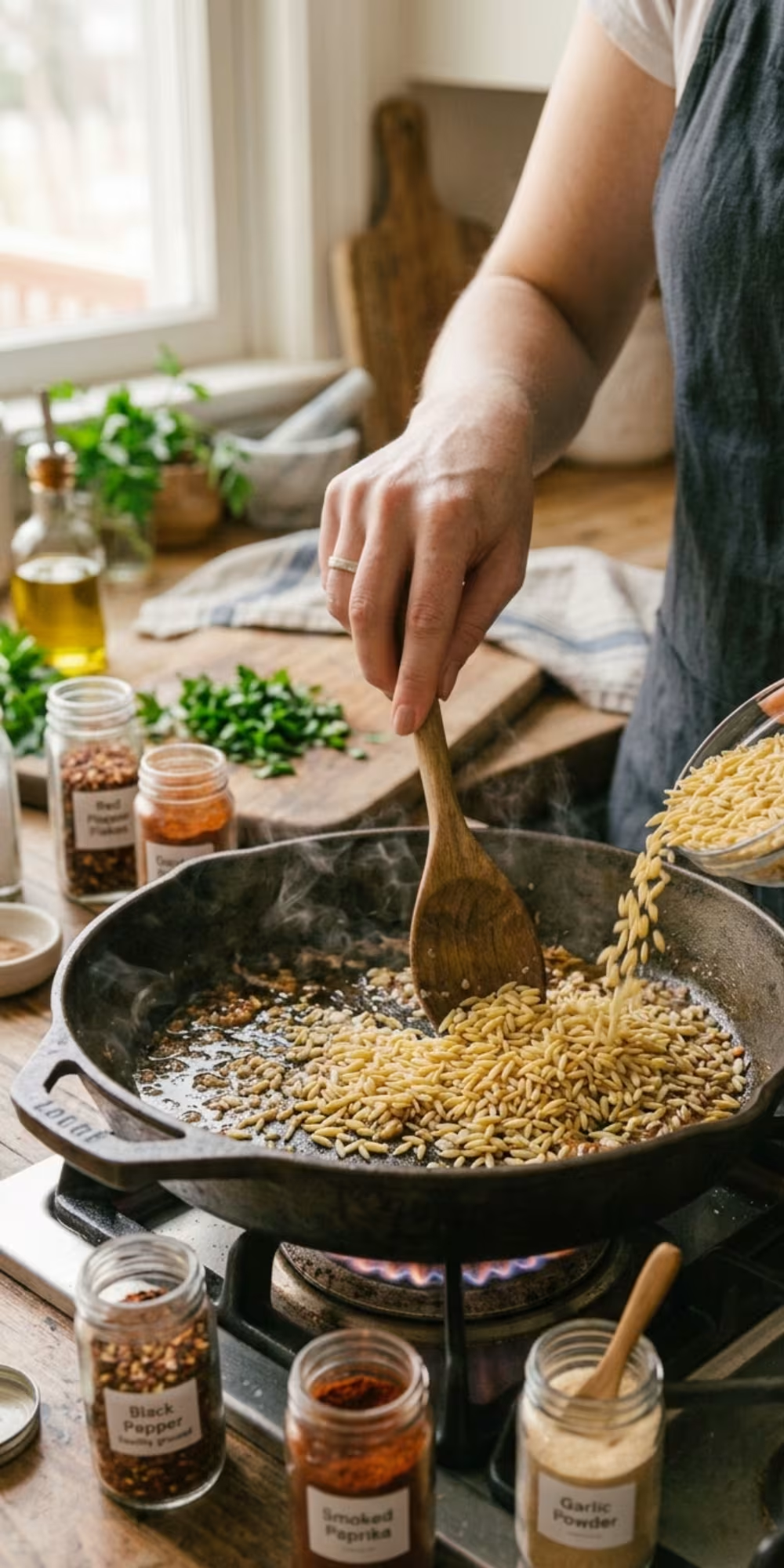
Add the Orzo and Toast It Briefly
Stir the dry orzo into the aromatics and cook it briefly, stirring constantly. Lightly toasting the pasta gives the finished one pot orzo a deeper, more developed flavor.
You don’t need to brown the orzo heavily. A short period of stirring in the flavorful oil is enough before adding your cooking liquid.
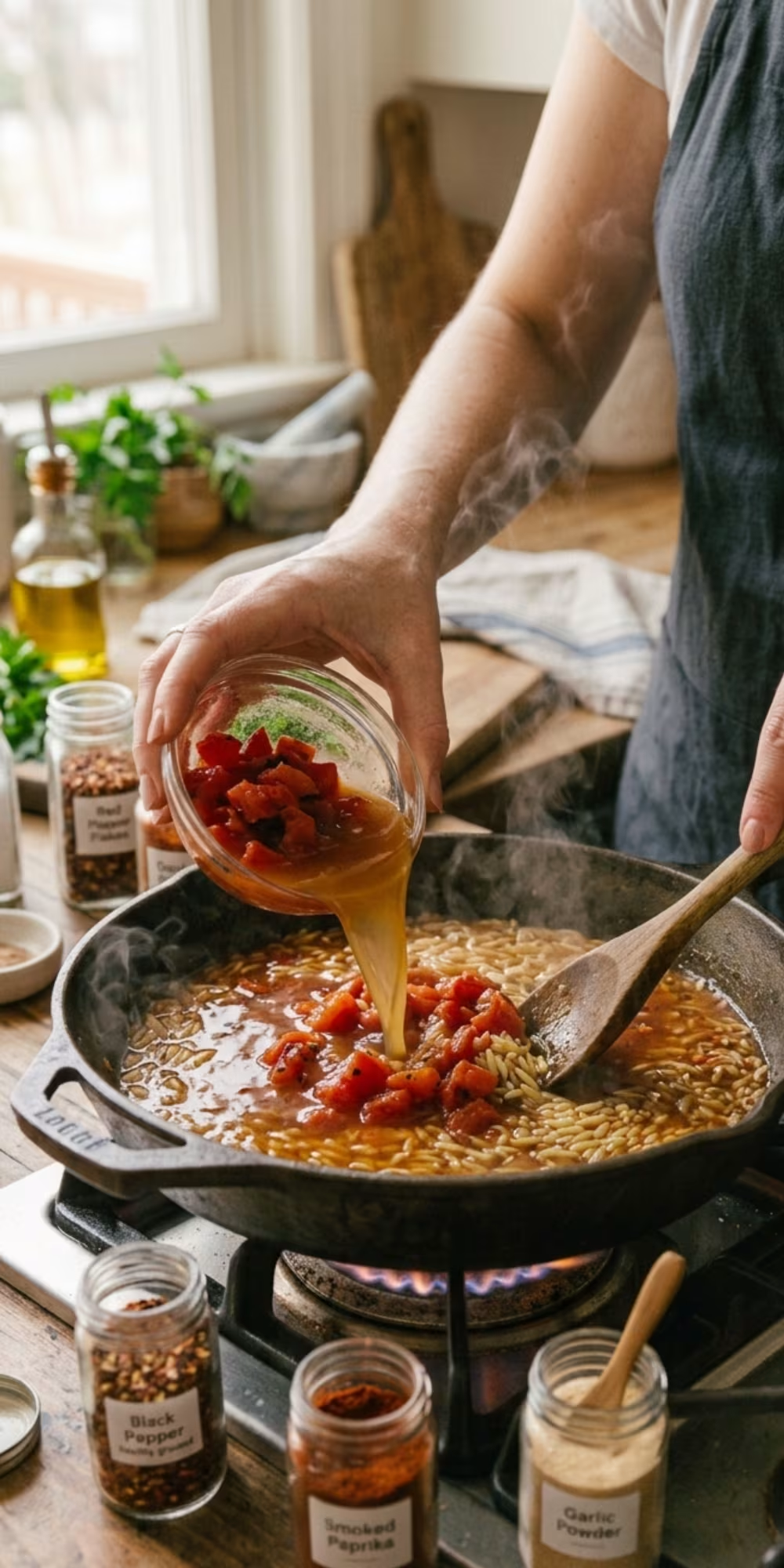
Add the Tomatoes and Cooking Liquid
Stir in your tomatoes and broth. Scrape the bottom of the pan gently to release any flavorful browned bits left from the shrimp and aromatics.
Bring the mixture to a gentle simmer. The liquid should be sufficient for the orzo to cook completely, but avoid adding excessive liquid simply because the pan looks dry at first.
As the orzo cooks, it will absorb liquid and release starch. That starch is what helps create the creamy, cohesive texture associated with a good one pan shrimp orzo.
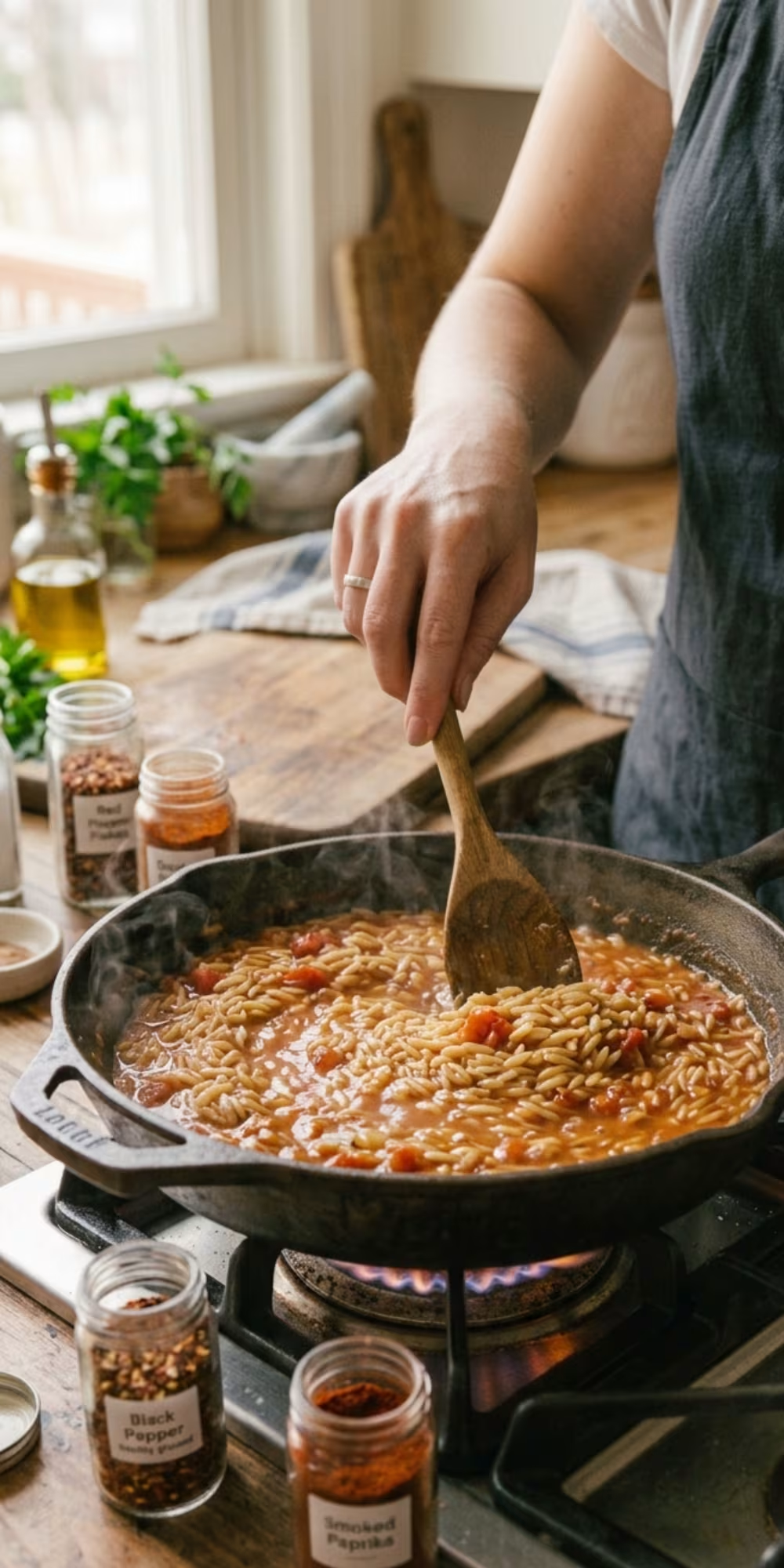
Simmer the Orzo Until Tender
Reduce the heat to medium-low and let the orzo simmer gently. Stir every so often to prevent the pasta from sticking to the bottom of the pan.
Start checking the orzo before the package’s maximum cooking time. You’re looking for tender orzo with a slight bite, not soft or mushy pasta.
If the pan becomes dry before the orzo is tender, add a small amount of warm broth or water and continue cooking. Add liquid gradually rather than all at once.
Return the Shrimp at the Right Time
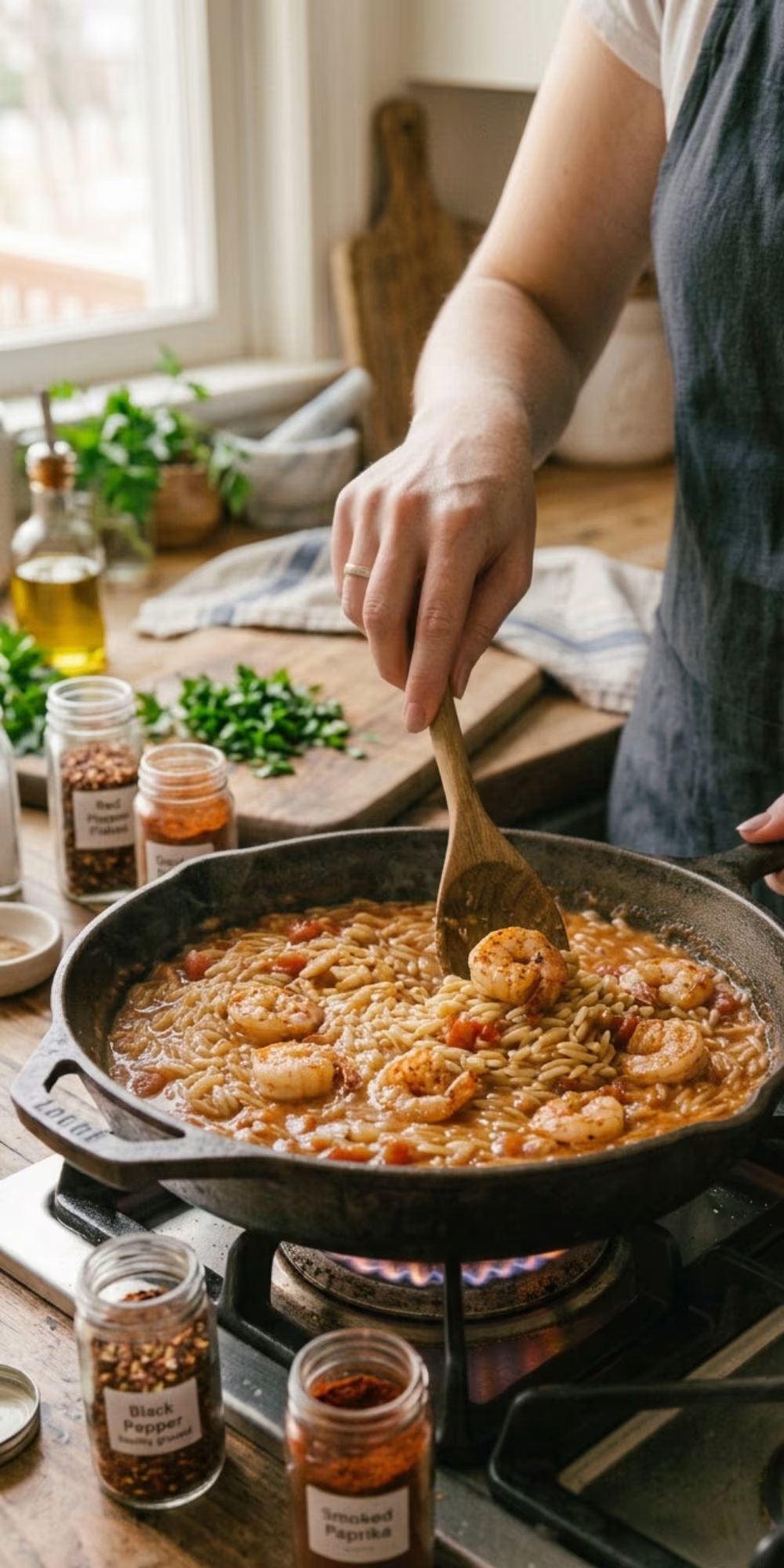
Once the orzo is nearly tender, return the cooked shrimp to the pan. Stir gently so the shrimp become coated with the tomato, garlic and herb-infused orzo.
This timing is one of the most important parts of the recipe. The goal is to heat the shrimp through without leaving them simmering for so long that they lose their tender texture.
If you’re using raw shrimp rather than partially cooked shrimp, adjust the cooking sequence so the shrimp reaches a safe doneness without overcooking the orzo.
Finish With Lemon, Herbs and Cheese
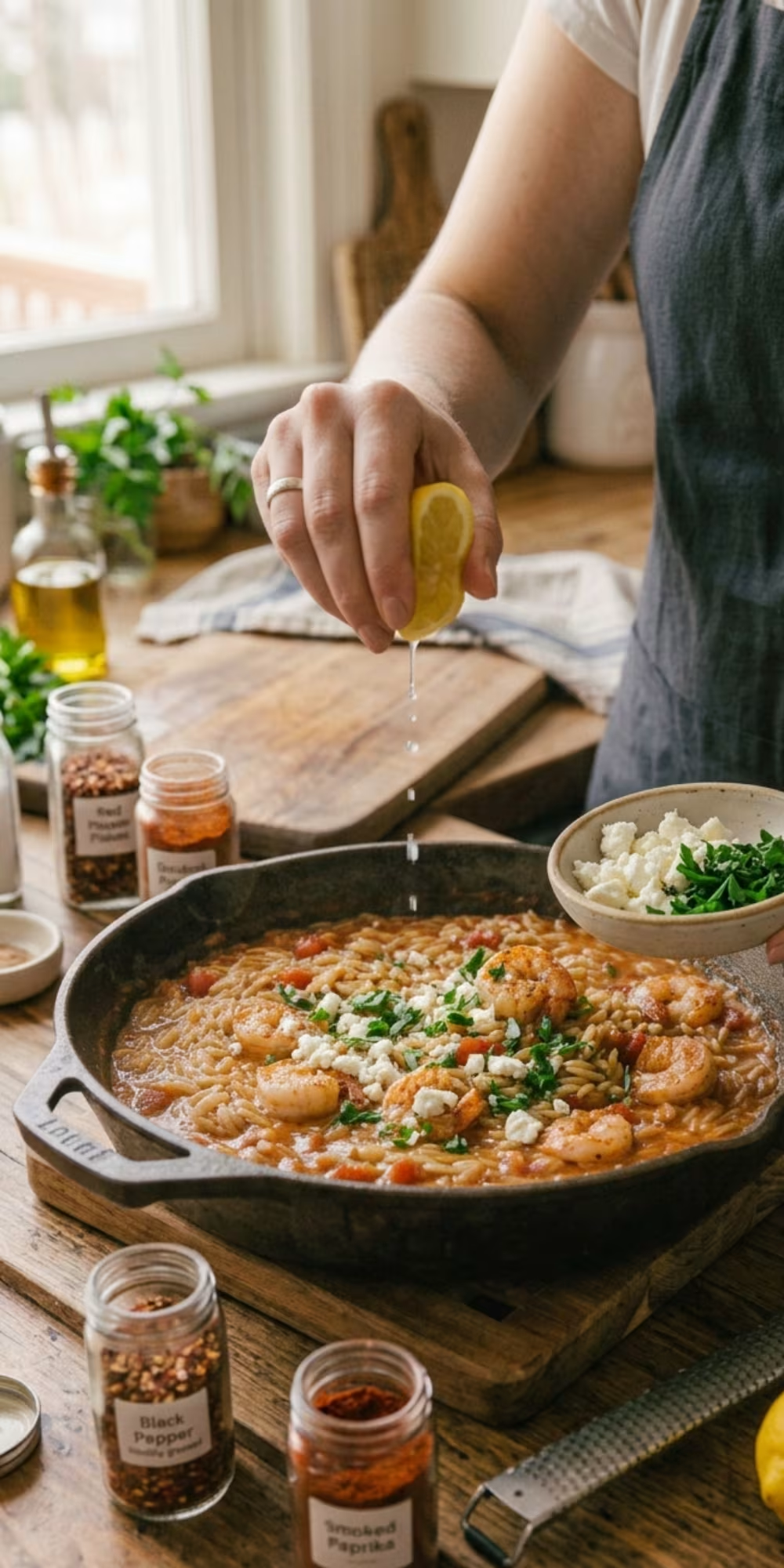
Remove the pan from the heat and add fresh lemon juice and, if desired, a little lemon zest. Stir in fresh parsley or basil for a bright finish.
If you’re using Parmesan or feta, add it now and stir gently. The combination of salty cheese, sweet shrimp, creamy orzo and fresh lemon creates a balanced finish without needing a heavy sauce.
Taste before adding more salt because broth, cheese and seasoned shrimp can already contribute plenty of sodium.
Let the One Pot Shrimp and Orzo Rest Before Serving
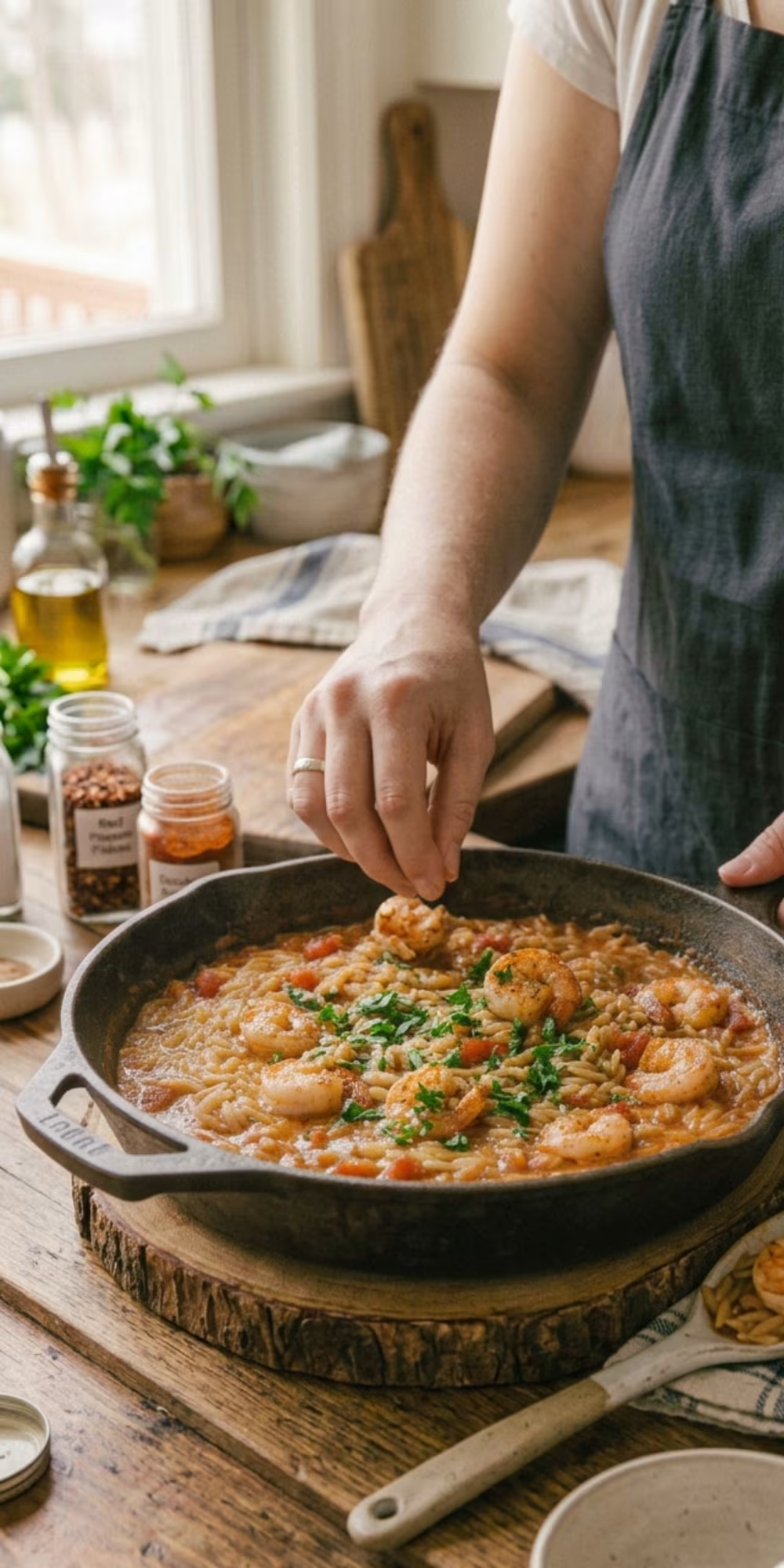
Let the finished shrimp and orzo rest for a few minutes before serving. During this short resting period, the orzo will continue absorbing some of the remaining liquid and the sauce will become thicker.
Give everything one gentle stir, then finish with extra parsley, lemon zest, Parmesan or feta and a drizzle of olive oil if desired.
If Your Shrimp Orzo Doesn’t Look Right
Orzo Is Too Watery
If the pasta is already tender but the sauce is loose, simmer uncovered for a short time while watching the texture closely.
Orzo Is Too Dry
Add a small splash of warm broth or water and stir gently. Repeat gradually until the desired consistency returns.
Shrimp Is Rubbery
Shrimp was likely cooked too long. Next time, reduce the cooking time and add the shrimp closer to the end.
Orzo Is Mushy
Avoid prolonged cooking and begin checking the pasta before the maximum package cooking time.
How Do You Know the Orzo Is Done?
In my opinion, the easiest way to tell if orzo is cooked is to taste a small piece and check its texture. Perfectly cooked orzo will be soft, but will have a slight bite to it, like al dente pasta. In this one pot shrimp and orzo recipe, the orzo will be well-drained and creamy when cooked, rather than watery, mushy, or soft and mushy.
Orzo is done when it is tender with a slight al dente bite. There should be no hard or crunchy center, but the pasta should still hold its shape instead of becoming soft and mushy. For this one pot shrimp and orzo, the sauce should be thick enough to coat the orzo while remaining slightly loose before resting.
Check the Texture
Bite into a piece of orzo. It should be tender but slightly firm in the center. You should not feel a hard, chalky, or crunchy center.
Look at the Orzo
Properly cooked orzo should look plump and hydrated while still holding its individual shape. It should not look dry, swollen beyond recognition, or completely broken down.
Check the Sauce
In a one-pot recipe, the cooking liquid should have reduced into a thick, flavorful sauce that clings to the orzo without leaving a pool of liquid in the bottom of the pot.
The Perfect Orzo Texture
Use this simple texture guide before taking your one-pot shrimp orzo off the heat.
Undercooked
Hard or crunchy center
Needs More CookingAl Dente
Tender with a slight bite
★ PerfectToo Soft
Very soft and losing structure
Watch CloselyMushy
Sticky and overly soft
OvercookedHow Long Does Orzo Take to Cook?
Most traditional orzo cooks relatively quickly, but the exact cooking time depends on the brand, amount of liquid, cooking temperature, size of pot, and whether you’re cooking it in a sauce. Always use the package directions as a guide rather than relying solely on a clock.
For this one pot shrimp and orzo recipe, start checking the orzo before the end of the specified cooking time. Taste a piece, check the center, and only continue cooking if it still feels firm or mushy.
The Orzo Can Be Done Before the Shrimp Needs More Cooking
Remember that shrimp cooks much faster than orzo. That’s why the cooking sequence matters in a one-pot shrimp and orzo recipe. Avoid using the orzo’s cooking time as a reason to keep shrimp on the heat longer than necessary.
When the orzo reaches the right texture, check the shrimp separately for doneness. The shrimp should be cooked through and opaque rather than translucent in the center. If your shrimp is already cooked, it generally needs only enough heat to warm through.
5-Second Orzo Doneness Checklist
- ✓ Tender: No hard or crunchy center.
- ✓ Al dente: Slight bite when you chew.
- ✓ Plump: Orzo has absorbed enough cooking liquid.
- ✓ Saucy: Sauce coats the orzo without being watery.
- ✓ Not mushy: Individual pieces still hold their shape.
Flavor Variations for One Pot Shrimp and Orzo
Once you learn the basic method for making one pot shrimp and orzo, it’s easy to change up the flavor without overcomplicating dinner. Try bright lemon garlic shrimp orzo, a Mediterranean-style version with feta and herbs, creamy shrimp orzo, a spicy tomato version, or add seasonal vegetables for an easy 30-minute seafood dinner.
Lemon Garlic Shrimp & Orzo
For a lighter and brighter version of this one-pot shrimp orzo recipe, lean into fresh lemon and garlic. The citrus cuts through the richness of the orzo while garlic adds savory depth.
Cooking tip: Add most of the lemon juice near the end of cooking so the finished shrimp and orzo tastes fresh rather than flat.
Mediterranean Shrimp & Orzo
Turn your basic shrimp and orzo recipe into a Mediterranean-inspired dinner with tomatoes, spinach, lemon, oregano, parsley and creamy feta. It is colorful, savory and naturally suited to a quick one-pan meal.
Flavor tip: Finish with fresh parsley, lemon zest and feta immediately before serving for the best contrast of fresh, salty and creamy flavors.
Tomato Basil Shrimp Orzo
If you love tomato-based pasta, this version gives your one-pot shrimp and orzo a deeper Italian-inspired flavor. Tomatoes add acidity and sweetness while fresh basil gives the finished dish a fragrant, fresh finish.
Best finish: Add torn fresh basil after removing the pot from the heat. A little Parmesan can add extra savory flavor if you want a richer finish.
Creamy Shrimp & Orzo
For a richer creamy shrimp orzo, finish the cooked orzo with a small amount of cream, cream cheese or Parmesan. The starch released by the orzo helps create a naturally cohesive sauce.
Important: Reduce the heat before adding dairy. Gentle finishing helps keep the sauce smooth instead of making it overly thick or separated.
Pesto Shrimp & Orzo
Stir pesto through the finished orzo for an easy pesto shrimp orzo with fresh basil flavor. Pesto works especially well with shrimp because its herbs, garlic and olive oil complement the naturally mild seafood.
Best technique: Stir pesto in after cooking rather than boiling it for a long time. This keeps the basil flavor fresher and more aromatic.
Spicy Tomato Shrimp Orzo
Give your one-pot shrimp pasta a little heat with red pepper flakes, chili powder or fresh chili. A tomato-based sauce balances the spice while garlic and herbs keep the flavor rounded.
Heat control: Start with a small amount of red pepper flakes. You can always add more at the table, but you cannot easily remove excess heat from the finished orzo.
Feta & Herb Shrimp Orzo
Feta gives this shrimp orzo recipe a creamy, tangy and salty finish without requiring a heavy cream sauce. Combine it with parsley, oregano and lemon for a Mediterranean-style flavor profile.
Finishing tip: Crumble the feta over the finished dish instead of cooking it for a long time. This preserves its distinct salty, tangy flavor.
Spinach Shrimp & Orzo
Fresh spinach is an easy way to add vegetables to a healthy shrimp orzo dinner. It wilts quickly, so you can stir it into the finished orzo without significantly increasing your cooking time.
Easy trick: Add spinach during the final minutes of cooking and stir until just wilted. This keeps the color and texture fresher.
Vegetable Shrimp & Orzo
Turn this easy one-pot seafood dinner into a vegetable-packed meal with bell peppers, zucchini, peas, asparagus, mushrooms or cherry tomatoes. Use vegetables with different cooking times so everything finishes together.
Timing tip: Add firm vegetables earlier and delicate vegetables such as spinach or peas closer to the end so they don’t become overcooked.
How to Customize One-Pot Shrimp & Orzo
You don’t need to change the entire recipe to create a different shrimp and orzo dinner. Start with the basic method, then choose one option from each flavor category.
Bright
Lemon + parsley + garlic
Tomato
Tomatoes + basil + Parmesan
Herby
Pesto + basil + lemon
Creamy
Parmesan + cream + black pepper
Spicy
Chili + tomato + garlic
Veggie
Spinach + zucchini + tomatoes
4 Things to Remember When Changing the Flavor
Don’t change the liquid blindly
Tomatoes, cream, pesto and vegetables can all change how much liquid the orzo needs. Add extra liquid gradually instead of automatically increasing the amount.
Watch the shrimp cooking time
Flavor additions should not mean cooking the shrimp for longer than necessary. Add or return the shrimp according to the tested method so it stays tender.
Add fresh ingredients near the end
Fresh lemon juice, basil, parsley, feta and pesto generally have their brightest flavor when used as finishing ingredients.
Let the orzo rest briefly
Orzo continues absorbing liquid after cooking, so allow the finished dish to rest briefly before deciding whether it needs more broth or seasoning.
Start With the Classic, Then Make It Your Own
The best part about this easy shrimp orzo recipe is that you can customize it to your liking. Start with a simple one-pot method, then add lemon and garlic for freshness, tomatoes and basil for a comforting feel, pesto for an herbal flavor, or choose vegetables to add a pop of color to any weeknight meal.
Vegetables You Can Add to One-Pot Shrimp & Orzo
I use a variety of vegetables to make my favorite one pot shrimp and orzo. Capsicum, spinach, asparagus, zucchini, peas, mushrooms, and cherry tomatoes add color, texture, and flavor, and can turn this shrimp orzo recipe into a complete seafood dinner for any night of the week.
For a bright Mediterranean-style version, try spinach + cherry tomatoes + asparagus + lemon. Add quick-cooking vegetables at the right stage so the shrimp stays tender and the orzo doesn’t become overcooked.
Bell Peppers
Bell peppers are a great addition to shrimp and orzo, as it adds a natural sweet flavor, color, and a little crunch. Red, yellow, and orange capsicums go especially well with garlic, tomatoes, and lemon.
Tip: Dice them fairly small so they soften at the same rate as the onion and other aromatics.
Baby Spinach
Baby spinach is one of the easiest vegetables to add to a one pot shrimp recipe. It softens quickly and goes especially well with lemon, garlic, Parmesan, and Mediterranean-style seasonings.
Tip: Stir spinach in during the final few minutes. There’s no need to cook it for the entire orzo cooking time.
Asparagus
Asparagus pairs beautifully with shrimp and makes the dish feel fresh and spring-like. It works particularly well with lemon, garlic, olive oil and feta in a Mediterranean shrimp orzo.
Tip: Cut asparagus into small pieces and add the thicker pieces slightly earlier than the tender tips.
Zucchini
Zucchini adds a mild flavor and tender texture without overpowering the shrimp. It is a practical choice when you want more vegetables in an easy shrimp dinner.
Tip: Cut zucchini into small half-moons or quarters. Avoid very thin slices because they can become too soft.
Mushrooms
Mushrooms add a savory, meaty flavor that works especially well with garlic, herbs and Parmesan. They can make a simple shrimp orzo dinner feel more substantial.
Tip: Give mushrooms enough space in the pot so they can brown rather than simply steaming.
Cherry Tomatoes
Cherry tomatoes add sweetness, acidity and vibrant color to one-pot shrimp and orzo. As they cook, some tomatoes soften and release their juices into the sauce.
Tip: Halve larger cherry tomatoes so their juices release more easily during cooking.
Green Peas
Green peas are a quick way to add sweetness, color and extra vegetable variety to a quick shrimp dinner. Frozen peas are especially convenient for busy weeknights.
Tip: Frozen peas usually need only a short time to heat through, so add them near the end rather than cooking them with the orzo from the beginning.
Broccoli
Small broccoli florets can turn shrimp and orzo into a more vegetable-forward healthy seafood dinner. Broccoli works particularly well with garlic, lemon and Parmesan.
Tip: Cut broccoli into small, evenly sized florets so it cooks quickly without becoming overly soft.
Sweet Corn
Corn adds natural sweetness that balances lemon, tomatoes and spicy seasonings. It is particularly good in a colorful one-pan shrimp and orzo variation.
Tip: Fresh or frozen corn can be added toward the end so it stays sweet and doesn’t become overly soft.
Kale
Finely chopped kale works when you want a heartier vegetable addition to your shrimp orzo recipe. It has a stronger flavor than spinach and holds its texture better during cooking.
Tip: Remove tough stems and chop the leaves finely before adding them to the pot.
When Should You Add Vegetables to Shrimp & Orzo?
The timing matters because vegetables cook at different speeds. Adding everything at once can leave you with either undercooked vegetables or an overcooked orzo pasta. Use the guide below as a starting point and adjust according to the size of your vegetables.
My Favorite Vegetable Combinations for Shrimp Orzo
If you’re not sure which vegetables to choose, start with one of these combinations. Each creates a slightly different version of this easy one-pot seafood dinner.
Lemon Mediterranean
Spinach + cherry tomatoes + asparagus + lemon + parsley.
Sweet & Spicy
Bell peppers + corn + tomatoes + red pepper flakes.
Savory & Hearty
Mushrooms + spinach + garlic + Parmesan.
Veggie-Packed
Broccoli + zucchini + peas + lemon + herbs.
Make-Ahead, Storage, Reheating & Serving Tips
Can I Use Frozen Shrimp for Shrimp & Orzo?
Yes. Frozen shrimp works well in this one-pot shrimp and orzo recipe. Thaw the shrimp according to package directions, drain off excess water, and pat dry with a towel before seasoning. Removing excess moisture will help prevent the shrimp from soaking into the pan.
If you’re using frozen shrimp for a quick dinner, be sure to check the size and cooking time, as smaller shrimp may cook faster than larger ones.
Can I Use Pre-Cooked Shrimp?
You can, but you should use pre-cooked shrimp differently than raw shrimp. Since it is pre-cooked, add it towards the end of the recipe to heat through rather than simmering it throughout the entire cooking time.
This prevents the shrimp from becoming rubbery or overcooked when the orzo is finished cooking. When making shrimp orzo from scratch, it is generally best to use raw shrimp for the best texture.
Can I Make Shrimp & Orzo Gluten-Free?
Yes, if you use gluten-free orzo or another suitable gluten-free pasta. Check the packaging carefully, as traditional orzo is usually made from wheat.
Also, if you’re preparing this as a gluten-free seafood dinner, check your broth, seasonings, sauces, and other packaged ingredients for gluten-containing ingredients or cross-contamination information.
Can I Make This Shrimp Orzo Dairy-Free?
Sure. If your recipe includes Parmesan, feta, butter, or any other dairy ingredient, omit it or use a suitable dairy-free substitute.
For extra flavor in Dairy-Free Shrimp Orzo, use good-quality olive oil, fresh garlic, lemon juice, lemon zest, parsley, basil, and red pepper flakes.
Can I Make One-Pot Shrimp & Orzo Ahead of Time?
Yes, but this recipe is best eaten shortly after cooking. Orzo tends to absorb liquid if left out, so the finished dish may thicken after refrigerating.
If you’re making it ahead of time for a weeknight meal or meal prep, keep a little extra broth or water on hand for reheating. Fresh lemon juice and herbs just before serving can also enhance the flavor.
How Should I Store Shrimp & Orzo?
Store leftover shrimp and orzo in a clean, airtight container and refrigerate immediately. For best quality and food safety, keep leftovers refrigerated and use within 3-4 days.
If you make a high-protein seafood meal prep, store each portion separately. This makes it easy to portion and reheat for weekday lunches and quick dinners.
How Do I Reheat Shrimp & Orzo Without Drying It Out?
Reheat the pasta gently rather than using very high heat. Add a small splash of broth or water before reheating because the orzo absorbs sauce while it sits.
For the microwave, cover the container loosely and heat in short intervals, stirring between them. On the stovetop, use low to medium-low heat and stir gently until hot.
Can I Freeze Shrimp & Orzo?
You can freeze cooked shrimp orzo, although the texture of the orzo may become softer after thawing and reheating. Portion the cooled meal into airtight, freezer-safe containers and label them with the date.
Thaw safely and reheat gently with a splash of broth or water. For the freshest texture, I prefer making this one-pot seafood dinner fresh or using it as a refrigerated meal-prep recipe.
🍤 Easy Meal Prep Tip
Divide the shrimp and orzo into individual airtight containers. Add fresh lemon, parsley, or another herb after reheating rather than before storing for a fresher flavor.
🍋 What to Serve With It
Serve this easy shrimp orzo with a crisp green salad, Greek salad, roasted asparagus, steamed broccoli, garlic bread, or simple Mediterranean vegetables for a complete dinner.
Keep Your One-Pot Shrimp & Orzo Fresh and Flavorful
For the best results, use properly thawed shrimp, avoid overcooking the seafood, and remember that orzo absorbs liquid as it rests. When storing or reheating leftovers, a small splash of broth or water helps restore the creamy consistency of this easy 30-minute shrimp dinner.
What to Serve With Shrimp & Orzo
Since this one-pot shrimp orzo is already so nutritious and delicious, the best side dishes to pair with it are simple, fresh, and well-balanced. Such as crisp salads, roasted vegetables, garlic bread, asparagus, and bright Mediterranean side dishes that balance the rich flavor of the orzo and the tender shrimp without making the dinner too heavy.
Keep the side dish lighter and brighter than the main dish. Shrimp and orzo already provides pasta, protein, and plenty of flavor, so fresh vegetables, citrus, herbs, and crisp salads usually make the best pairing.
Fresh Green Salad
A simple green salad is one of the easiest side dishes for shrimp and orzo. Crisp lettuce, cucumber, herbs, and a light lemon vinaigrette add freshness and acidity that balances the savory orzo without competing with the shrimp.
Garlic Bread
If you’re serving shrimp orzo for dinner, warm garlic bread is a comforting choice for soaking up the flavorful sauce. Keep the bread portion modest because the orzo is already filling.
Roasted Asparagus
Roasted asparagus is an excellent vegetable side for shrimp. Its slightly crisp texture and roasted flavor work especially well with lemon, garlic, olive oil, and herbs in the orzo.
Mediterranean Tomato & Cucumber Salad
A tomato and cucumber salad with fresh herbs, lemon juice, and olive oil makes a bright companion for Mediterranean shrimp and orzo. The juicy vegetables add freshness while the acidity cuts through the richness of the pasta.
Roasted Vegetables
Roasted broccoli, zucchini, bell peppers, cauliflower, or a mixture of seasonal vegetables can turn shrimp orzo into a more vegetable- forward healthy seafood dinner. Roast them until lightly caramelized for contrast against the soft orzo.
Lemon-Garlic Vegetables
Steamed or sautéed green beans, broccoli, spinach, or zucchini finished with lemon juice, garlic, and olive oil are simple healthy sides for shrimp. The citrus keeps the entire meal bright and prevents a rich orzo dish from feeling too heavy.
Cucumber & Herb Salad
For a lighter pairing, try cucumber tossed with parsley, dill, lemon juice, and a little olive oil. This crisp salad gives your shrimp and orzo dinner a refreshing contrast and requires almost no cooking.
Simple Lemon Roasted Vegetables
Roast vegetables such as carrots, zucchini, asparagus, or bell peppers and finish them with fresh lemon zest and juice. The combination works particularly well when you want a balanced shrimp dinner with extra vegetables and bright Mediterranean flavors.
Want a Healthier Shrimp & Orzo Meal?
Pair your one-pot shrimp orzo with a large green salad or roasted vegetables instead of another starch. This adds volume, color, fiber, and fresh flavors without making the meal feel overly heavy.
The Perfect One-Pot Shrimp & Orzo Dinner
One-Pot Shrimp & Orzo
Tomato & Cucumber Salad
Roasted Asparagus
Fresh Lemon & Herbs
Frequently Asked Questions About One Pot Shrimp and Orzo
Can you cook shrimp and orzo in the same pot? +
Yes. Shrimp and orzo can be cooked together in one pot, which is what makes this such a convenient weeknight dinner. The key is to account for their different cooking times. Orzo needs enough liquid and time to become tender, while shrimp cooks relatively quickly.
For the best texture, cook the orzo until it is nearly tender and add the shrimp at the appropriate point in the cooking process. This helps prevent the shrimp from becoming tough or rubbery while the orzo pasta finishes cooking.
What is orzo, and is it pasta or rice? +
Orzo is a type of small, rice-shaped pasta. Although it looks similar to rice, it is made from pasta dough and cooks more like other pasta. Its small shape makes it particularly useful for one-pot meals because it cooks relatively quickly and absorbs flavorful broth as it simmers.
In this one-pot shrimp orzo recipe, the orzo absorbs the broth and releases starch as it cooks, helping create a cohesive, flavorful sauce around the shrimp and other ingredients.
What type of shrimp is best for shrimp and orzo? +
Large or medium raw shrimp work particularly well for a shrimp and orzo recipe. They are large enough to remain juicy while the orzo finishes cooking and provide a satisfying bite in every serving.
Peeled and deveined shrimp are the most convenient choice for a quick weeknight dinner. Tail-on shrimp can also be used if you prefer a more restaurant-style presentation, although removing the tails makes the finished dish easier to eat.
Can I use frozen shrimp for one-pot shrimp orzo? +
Yes, frozen shrimp can work very well in a one-pot shrimp orzo recipe. Thaw the shrimp according to the package instructions, drain away excess water, and pat them dry before cooking.
Removing excess moisture is especially useful if you plan to sear the shrimp first. Frozen shrimp can release water as they cook, which can affect browning and the overall consistency of the orzo.
Can I use pre-cooked shrimp in shrimp and orzo? +
Yes, but pre-cooked shrimp should be handled differently from raw shrimp. Since it is already cooked, it generally only needs to be warmed through near the end of the recipe rather than simmered for the entire cooking time.
Adding pre-cooked shrimp too early can make it tough and rubbery. Add it during the final stage just long enough to heat it thoroughly.
How much liquid does orzo need to cook? +
The amount of liquid needed for one-pot orzo depends on the quantity and type of orzo, the other ingredients, the size of your cooking vessel, and how quickly the liquid evaporates.
Rather than relying on a universal ratio, watch the texture as the orzo cooks. There should be enough broth or cooking liquid for the pasta to become tender, while the finished dish should have a thick, cohesive consistency rather than a pool of liquid.
Why is my shrimp orzo too watery? +
Watery shrimp orzo can happen when there is too much broth or tomato liquid, the pot is covered for too long, the heat is too low for sufficient evaporation, or the orzo has not finished absorbing the cooking liquid.
If the orzo is already tender, carefully simmer the dish uncovered for a short time so excess liquid can evaporate. Stir occasionally and keep a close eye on the texture so the orzo does not become overcooked.
Why did my orzo turn mushy? +
Mushy orzo is usually caused by overcooking, excessive liquid, or leaving the pasta in the hot pot for too long after it has already reached the desired texture.
Start checking the orzo before the package cooking time is completely finished. Once it is tender with a slight bite, remove it from the heat. Remember that the orzo will continue absorbing liquid while it rests.
How do I prevent shrimp from becoming rubbery? +
The most important step is to avoid overcooking the shrimp. Shrimp generally cooks much faster than orzo, so adding it at the wrong stage can leave you with tough or rubbery seafood.
Use the shrimp size specified in the recipe, monitor it closely, and remove it from direct heat once it is cooked through. If you are using pre-cooked shrimp, add it near the end simply to warm it.
How do I know when shrimp is cooked? +
Raw shrimp should become opaque and firm as it cooks. The flesh should no longer look translucent in the center. Size, starting temperature, pan temperature, and cooking method can all affect how quickly shrimp cooks, so visual and temperature cues are more useful than relying on one exact cooking time.
For food-safety guidance, follow the recommended safe cooking practices from a reputable food-safety authority and use a food thermometer when appropriate.
Can I make this a creamy shrimp orzo recipe? +
Yes. You can turn the dish into a creamy shrimp orzo by adding ingredients such as cream, cream cheese, Parmesan, or another creamy finishing ingredient that works with the flavors of the recipe.
For a smooth sauce, add dairy toward the end of cooking and reduce the heat before stirring it in. Lemon juice and fresh herbs can help balance the richness of a creamy shrimp and orzo dinner.
What vegetables go well with shrimp and orzo? +
Shrimp and orzo pair well with vegetables such as spinach, asparagus, zucchini, bell peppers, peas, mushrooms, broccoli, and cherry tomatoes.
Add firm vegetables earlier so they have enough time to soften, while delicate vegetables such as spinach and peas can be stirred in near the end. This keeps the vegetables from becoming overcooked while the orzo finishes.
Can I make Mediterranean shrimp orzo? +
Absolutely. For a Mediterranean shrimp orzo, flavors such as garlic, lemon, olive oil, tomatoes, oregano, parsley, spinach, olives, and feta pair especially well with shrimp and orzo.
The combination creates a bright, savory seafood dinner without needing a heavy sauce. Finish with fresh lemon juice and herbs just before serving for a fresher flavor.
Is shrimp and orzo a healthy dinner? +
Shrimp and orzo can be part of a balanced dinner. Shrimp provides protein, while vegetables can add fiber, vitamins, minerals, and volume to the meal. The overall nutritional profile depends on the amount of orzo, oil, cheese, sauce, and other ingredients used.
For a lighter healthy shrimp dinner, increase the vegetables, use a moderate portion of orzo, and choose lower-sodium broth when appropriate.
Is shrimp orzo high in protein? +
Shrimp is a naturally protein-rich ingredient, so a serving of shrimp orzo can provide a substantial amount of protein. The exact amount depends on the quantity and size of shrimp, the amount of orzo, and any additional protein-containing ingredients.
If you want to increase the protein content, use a generous portion of shrimp and consider a higher-protein pasta or orzo product if one is available and suitable for your recipe.
Can I make one-pot shrimp and orzo gluten-free? +
You can make a gluten-free version by choosing an orzo-style gluten-free pasta that is specifically labeled gluten-free. Also check the labels of broth, seasonings, sauces, and other packaged ingredients.
Gluten-free pasta can absorb liquid and cook differently from traditional wheat-based orzo, so monitor the texture carefully and follow the cooking instructions for the specific product you use.
Can I make shrimp and orzo dairy-free? +
Yes. To make a dairy-free shrimp orzo, leave out Parmesan, feta, cream, butter, or other dairy ingredients used in a variation. Extra-virgin olive oil, garlic, lemon, herbs, tomatoes, and spices can provide plenty of flavor without dairy.
Always check packaged ingredients such as broth and seasoning blends if you need the finished recipe to be strictly dairy-free.
Can I make shrimp orzo ahead of time? +
Yes. Shrimp orzo can be prepared ahead, although the orzo will continue absorbing sauce as it sits. For the best texture, avoid overcooking the orzo when preparing it for later.
Store the cooled leftovers in an airtight container and add a small splash of broth or water when reheating if the pasta has become too thick.
How long does shrimp orzo last in the refrigerator? +
Store cooked shrimp and orzo promptly in an airtight container in the refrigerator and use the leftovers within the recommended food-safety window for cooked seafood and leftovers. As a general guideline, properly refrigerated cooked leftovers are commonly used within 3 to 4 days.
If the food has been left at room temperature for too long, smells unusual, or shows other signs of spoilage, it is safer to discard it rather than trying to rescue it.
Can I freeze one-pot shrimp and orzo? +
You can freeze shrimp and orzo, but the texture may change after thawing and reheating. Orzo can become softer because it continues to absorb liquid, while shrimp can lose some of its original texture.
If you freeze it, portion the cooled dish into airtight freezer-safe containers. Thaw safely and reheat gently, adding a little broth or water if the orzo has become dry.
What can I serve with shrimp and orzo? +
Because one-pot shrimp and orzo is already a complete and satisfying main dish, simple sides work especially well. Try a crisp green salad, Greek salad, roasted asparagus, steamed broccoli, garlic bread, or a fresh tomato and cucumber salad.
For a lighter meal, choose a vegetable-forward salad. For a more comforting dinner, serve the shrimp orzo with warm garlic bread or roasted vegetables.
Why does my orzo become thicker after cooking? +
Orzo naturally continues absorbing liquid after you remove it from the heat. The pasta also releases starch while cooking, which contributes to the thicker, creamy consistency of a one-pot orzo recipe.
For that reason, the finished dish can look slightly looser in the pot than you ultimately want. Let it rest briefly, then check the consistency before adding additional liquid.
Is shrimp and orzo good for a 30-minute weeknight dinner? +
Yes. One of the biggest advantages of this easy shrimp orzo recipe is that the ingredients cook quickly and the entire meal can be prepared in one pot. That makes it especially useful for busy weeknights when you want a flavorful 30-minute seafood dinner without a sink full of dishes.
You can make the process even faster by using peeled and deveined shrimp, pre-measured ingredients, and a wide, heavy-bottomed skillet or pot that distributes heat evenly.
If you like this article about the One Pot Shrimp and Orzo Recipe, please share this with your friends on Facebook and Pinterest. Also, subscribe to my blog to get all the latest content first on your mobile.