How Changing Consumer Habits Are Reshaping Fast Food
We are all familiar with the word fast food. However, what we like or prefer as fast food these days is a completely different concept than a decade ago. In today’s world, fast food or quick meal means a delivery order placed from your phone, a customized bowl, a plant-based option, or a grab-and-go meal picked up on the way home.
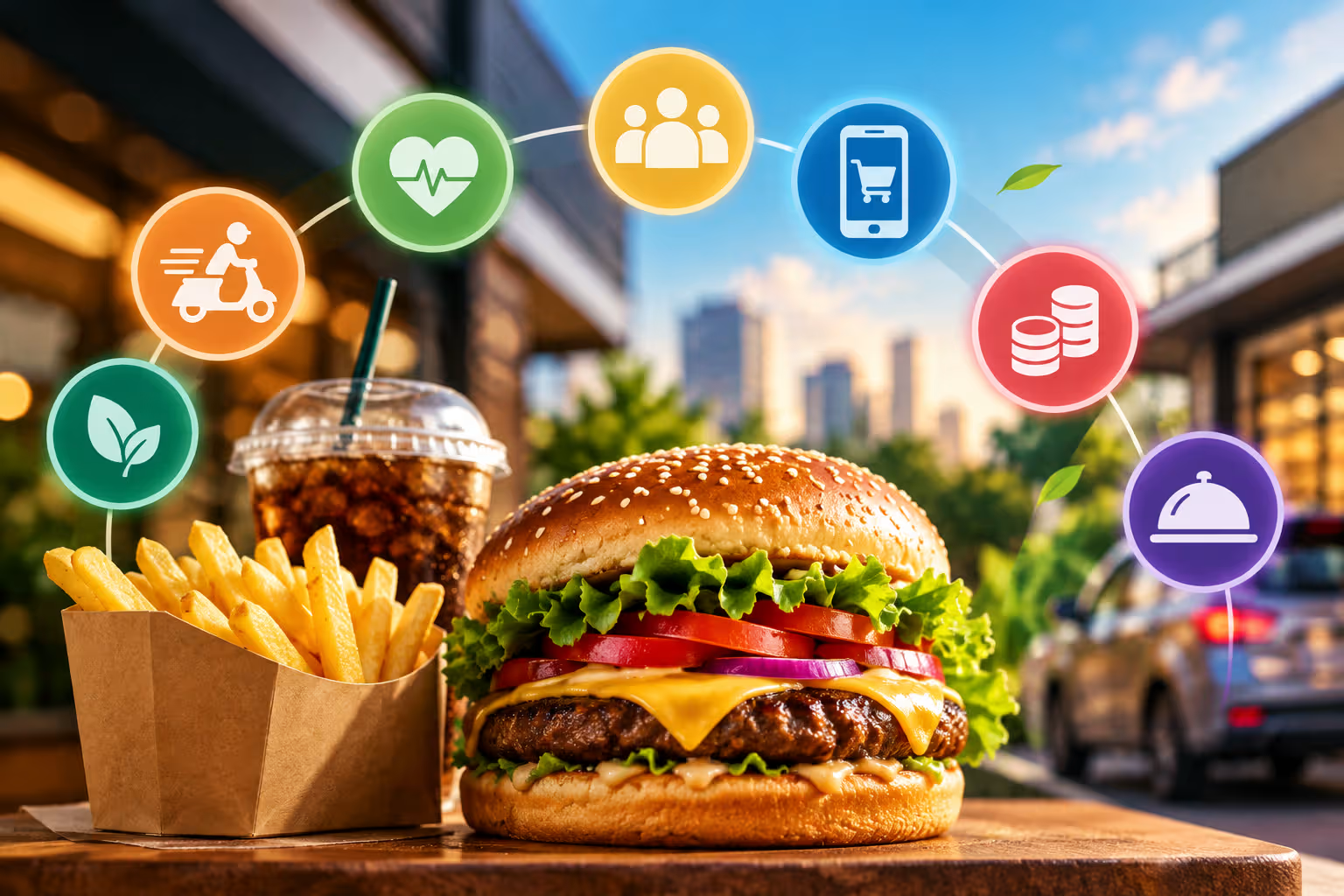
There’s more to these changes than restaurant innovation: The way people live, work, shop, and eat is changing. Busy schedules are driving the demand for convenience, while health awareness, digital ordering, affordability, personalized service, and sustainability are influencing consumer expectations of fast-food brands.
As a result, fast food has expanded beyond the traditional burger, fried chicken, and drive-thru. Today’s quick-service landscape includes healthier menu options, plant-based meals, fast-casual concepts, delivery-only kitchens, custom-made meals, and digitally connected ordering experiences.
Fast Food Market Continues to Expand as Consumer Habits Change
Changes in how people work, shop, travel, and eat are impacting the fast food industry. As consumers increasingly value convenience, accessibility, variety, and food quality, quick-service brands are adapting their menus and styles to meet those expectations.
Global Fast Food Market
These figures reflect a profound shift in the way consumers buy, eat and evaluate food. Convenience is still a key consideration for people as they balance work, travel, education, family responsibilities and social activities. Therefore, fast-food businesses that can combine speed, consistency and perceived value are well-positioned to meet a key consumer need.
At the same time, convenience is no longer the only consideration. Consumers are now paying more attention to ingredients, nutrition, food quality, sustainability and variety. This has encouraged fast-food brands to go beyond traditional menus and introduce more options that reflect changing tastes and expectations.
The bigger trend: Fast food is evolving from simply being about speed to offering a combination of convenience, choice, value, and experiences that fit modern consumer lifestyles.
Related: Easy Meals For Busy Weeknights
Busy Lifestyles Are Increasing Demand for Convenient Meals
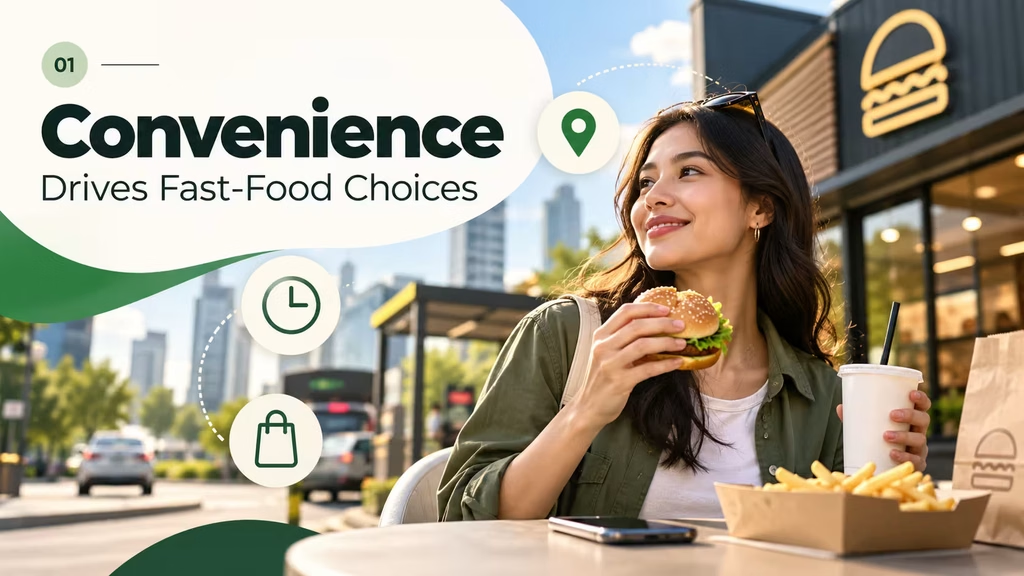
I think for many consumers, the quality of food is no longer determined solely by taste or price. How easily a meal fits into a busy day can also influence their food choices.
Long work hours, commutes, school, family responsibilities, and social activities leave people with little time to plan and prepare each meal from scratch. When time is limited, only fast food and other convenient food options offer a practical solution.
This convenience can come in many forms. Food can be picked up on the way home, eaten on the go, ordered at the office, or delivered directly to the home. Breakfast, takeaway meals, easy-to-go meals, and delivery options—all are designed with consumers in mind who want to get their food without spending a lot of time preparing or gathering it.
Less Time
Busy schedules can make quick meal solutions more appealing when there is little time available for planning or cooking.
More Accessibility
Takeaway locations, delivery services, and convenient pickup points can make meals easier to access during a busy day.
Flexible Eating
Consumers can choose where and when to eat, whether at home, at work, while traveling, or on the go.
Digital ordering has added another layer of convenience. Consumers can browse menus, compare options, place an order, and arrange delivery without visiting a restaurant. For people working from home or in an office, ordering during a busy workday can remove another task from an already crowded schedule.
Convenience Is About More Than Speed
Modern consumers increasingly expect food to fit around their routines. That means convenience can involve not only faster service, but also easier ordering, flexible pickup and delivery, accessible locations, and choices that suit different schedules.
Urbanization Is Changing Where and How People Eat
As more people live and work in busy urban environments, access and location can become important parts of the food experience. Consumers often look for food options that fit naturally into the places they already spend time.
In cities, food outlets can be positioned close to offices, homes, shopping areas, transportation hubs, and entertainment venues. This proximity can make quick-service restaurants and other convenient food formats an easy choice when consumers have limited time.
This has encouraged food businesses to consider smaller and more accessible formats alongside traditional restaurants. The goal is not simply to serve food quickly, but to make the process of finding, purchasing, and taking away a meal as convenient as possible. For broader global context, the UN World Urbanization Prospects provides international data on urban transformation and population trends.
Food Formats Built Around Convenience
- Food courts can bring multiple quick meal options together in busy shopping and commercial locations.
- Drive-through restaurants allow customers to collect meals without leaving their vehicles.
- Kiosks can provide compact food-service options in high-traffic locations.
- Grab-and-go formats can serve consumers looking for food they can pick up and take with them.
Urban food habits therefore reflect more than what people want to eat. They are also shaped by where people live, work, travel, and spend their time. For fast-food brands, being accessible at the right place can be an important part of delivering the convenience that modern consumers expect.
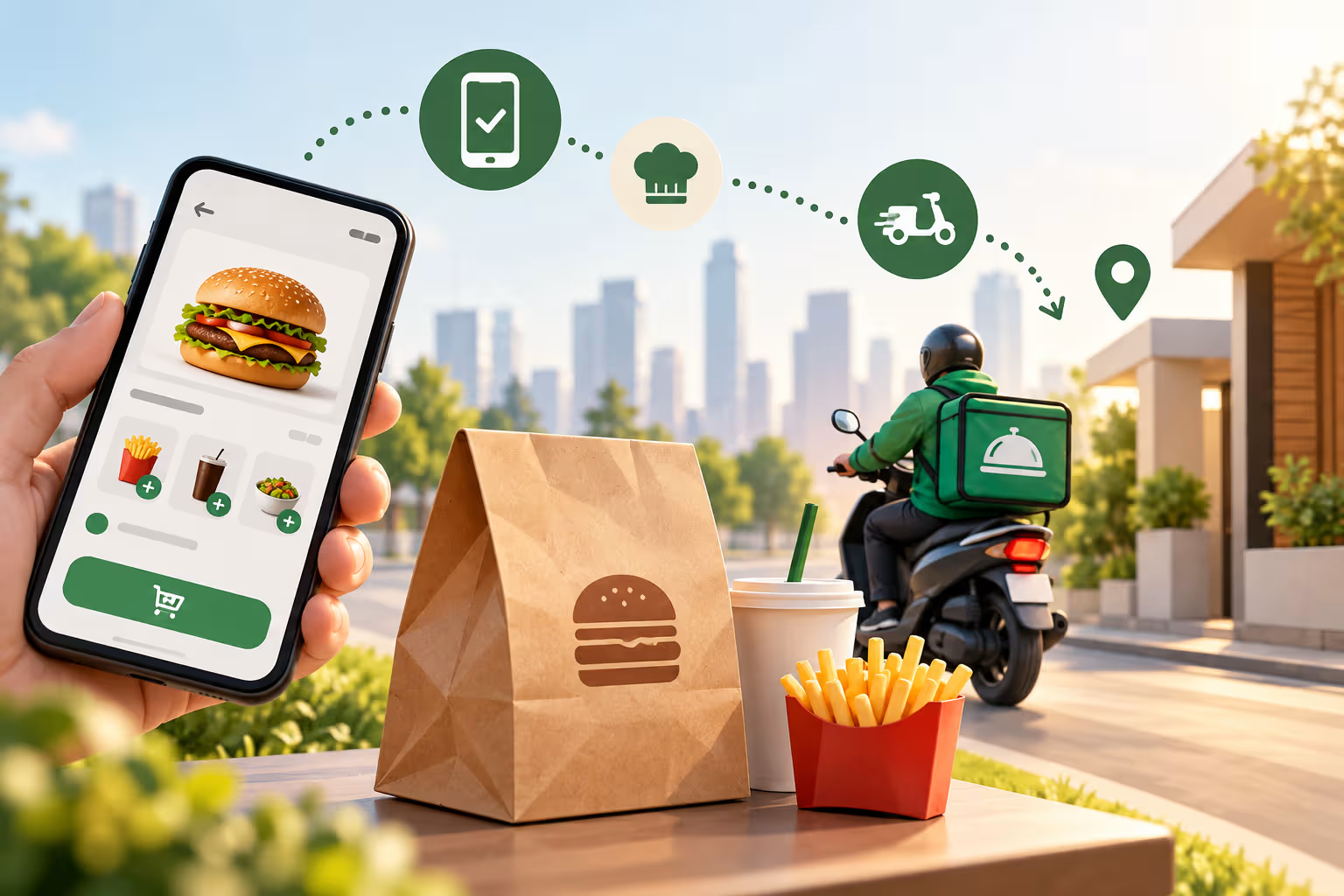
Food Delivery Has Made Fast Food More Accessible
Food delivery has transformed the relationship between consumers and restaurants. Instead of going to a restaurant, customers can now browse menus, compare options, place orders, and receive their food from anywhere at their convenience.
Online ordering has added another layer of convenience to the quick-service experience. Consumers can look at menus and prices, check reviews, compare available options, view promotions, and consider estimated delivery times before deciding what to order.
Browse
Explore menus and available food options.
Compare
Review prices, ratings, deals, and delivery information.
Customize
Choose items and adjust the order where available.
Order
Complete the purchase and arrange delivery or pickup.
Saved addresses, previous orders, and stored preferences can make repeat purchases even easier. Instead of starting the ordering process from scratch, returning customers may be able to quickly find familiar meals or reorder previous choices.
Convenience Beyond the Restaurant
Delivery allows customers to order food from home, work, hotels, or other locations without making a separate trip to the restaurant.
More Information Before Ordering
Digital menus can give consumers access to prices, descriptions, reviews, promotions, and other information before they make a choice.
Greater Restaurant Reach
Delivery services can connect restaurants with customers who may not otherwise visit their physical location.
Repeat Ordering
Digital platforms can make it easier for customers to return to previous orders and preferences when they want a familiar meal.
The Rise of Delivery-Only Food Concepts
Delivery has also created opportunities for food businesses that do not rely on a traditional dine-in restaurant. Cloud kitchens and delivery-only concepts can focus primarily on preparing food for online orders, reflecting how digital ordering has become part of the modern food-service landscape.
For consumers, the biggest change is that fast food no longer has to be tied to a physical restaurant visit. The combination of mobile ordering, digital menus, delivery, and saved preferences has made convenience a much broader part of the overall food experience.
Related: High Protein Low Calorie Recipes
Health-Conscious Consumers Are Reshaping Fast-Food Menus
Convenience is an important factor, but consumers are not always willing to separate convenience from their interest in food quality and nutrition. Increasing attention to ingredients, calories, sugar, sodium, saturated fat, and processed foods can influence what people look for when choosing fast food.
In response, fast food businesses have expanded their menu offerings. Depending on the restaurant, customers can find salads, grilled foods, vegetables, fruits, low-calorie options, and more detailed menu information in addition to their traditional favorites.
Nutrition Information
More detailed menu information can help consumers compare different options before deciding what to order.
More Variety
Health-conscious foodies may want alternatives to traditional fried or extra savory dishes.
Balanced Choices
Some consumers want foods that combine ingredients and quantities that better match their personal preferences, in addition to convenience.
This doesn’t mean that consumers have stopped seeking out savory foods. Rather, the modern fast food consumer may want more options depending on the occasion. One might choose a lighter meal one day and their favorite savory dish another. Consumers who want to understand broader principles around balanced eating can also refer to WHO healthy diet guidance on dietary balance, moderation, diversity, sugars, sodium and fats.
Plant-Based Food Is Expanding Consumer Choice
Another part of this shift is plant-based options. Not everyone who chooses plant-based foods follows a specific diet. Some consumers may simply want to reduce their meat intake, experiment with different ingredients, explore new flavors, or have more options when ordering.
The broader change is therefore not simply about making fast food “healthy.” It is about giving consumers more control and more variety while preserving the convenience that makes quick-service food attractive in the first place.
Related: Low Sodium Dinner Recipes
Younger Consumers Are Influencing Fast-Food Trends
Today’s young consumers are helping to reshape the way we discover, order, discuss, and enjoy food. Digital platforms have made it easier for people to discover new dishes, share recommendations, and quickly respond to new restaurant and menu trends.
Millennials and Generation Z are familiar with digital ordering, food delivery, online reviews, social media, and digital payments. For food brands, this means that the overall experience can extend beyond the meal itself to include presentation, packaging, promotions, and how easily a product can be discovered online.
Social Discovery
Social platforms can introduce consumers to new foods, restaurants, flavors, and food experiences through photos, videos, and reviews.
Limited-Time Products
Limited edition menu items can create curiosity and give consumers a reason to try something new or different.
Global Flavors
International cuisine, regional ingredients, fusion dishes, and unique flavors can further broaden the range of choices for young foodies.
Visual Food Experiences
Food presentation, packaging, and visually appealing menu items can become part of the consumer’s experience of eating and sharing food.
This effect can work both ways. Consumers discover new foods through social media, while restaurants use people’s opinions, reviews, and online engagement to understand which products are most appealing. This creates a rapid connection between food brands and their customers.
This explains why fast food brands are increasingly experimenting with new flavors, eye-catching products, limited-time offers, and digitally promoted menus. Consumers’ core expectations are not just speed, but variety, discovery, and an experience worth sharing.
Young consumers are influencing the fast food landscape not only through what they eat, but also through how they discover new foods, discuss them, and share their experiences online.
Suggested: Low Calorie Snacks
Affordability Remains Important in Consumer Decisions
To be honest, consumers may want healthier options, new flavors, convenient ordering, and personalized experiences, but price is also an important factor. When people try to control their food consumption, the perceived value of a meal can influence where and what they eat.
Fast food brands can respond to this demand through value meals, combination offers, discounts, loyalty incentives, and other promotions. These options can give consumers a way to balance convenience with the amount they are comfortable spending.
What Consumers Want
A meal that is convenient, has satisfying portions, has interesting options, and is reasonably priced for the occasion.
What Brands Must Balance
Price, food quality, menu variety, operating costs, promotional offers, and overall customer experience.
Value Meals
Bundled meals can make it easier for consumers to understand what they receive for a particular price.
Combo Offers
Combining food and drinks or other items can appeal to customers looking for a convenient meal package.
Discounts & Promotions
Limited-time discounts and promotional offers can influence what customers choose on a particular visit.
Loyalty Incentives
Rewards and personalized offers can give returning customers another reason to choose a particular restaurant.
What “Value” Can Mean to a Consumer
- A price that fits the available budget
- A convenient meal with little waiting
- A satisfying portion for the price
- Food quality that matches expectations
- Useful discounts or promotional offers
- Menu choices that suit different preferences
This makes affordability more nuanced than simply choosing the cheapest meal. Consumers may consider price together with convenience, quality, portion size, taste, and choice when deciding whether a meal represents good value.
Related: Quick Vegan Dinners
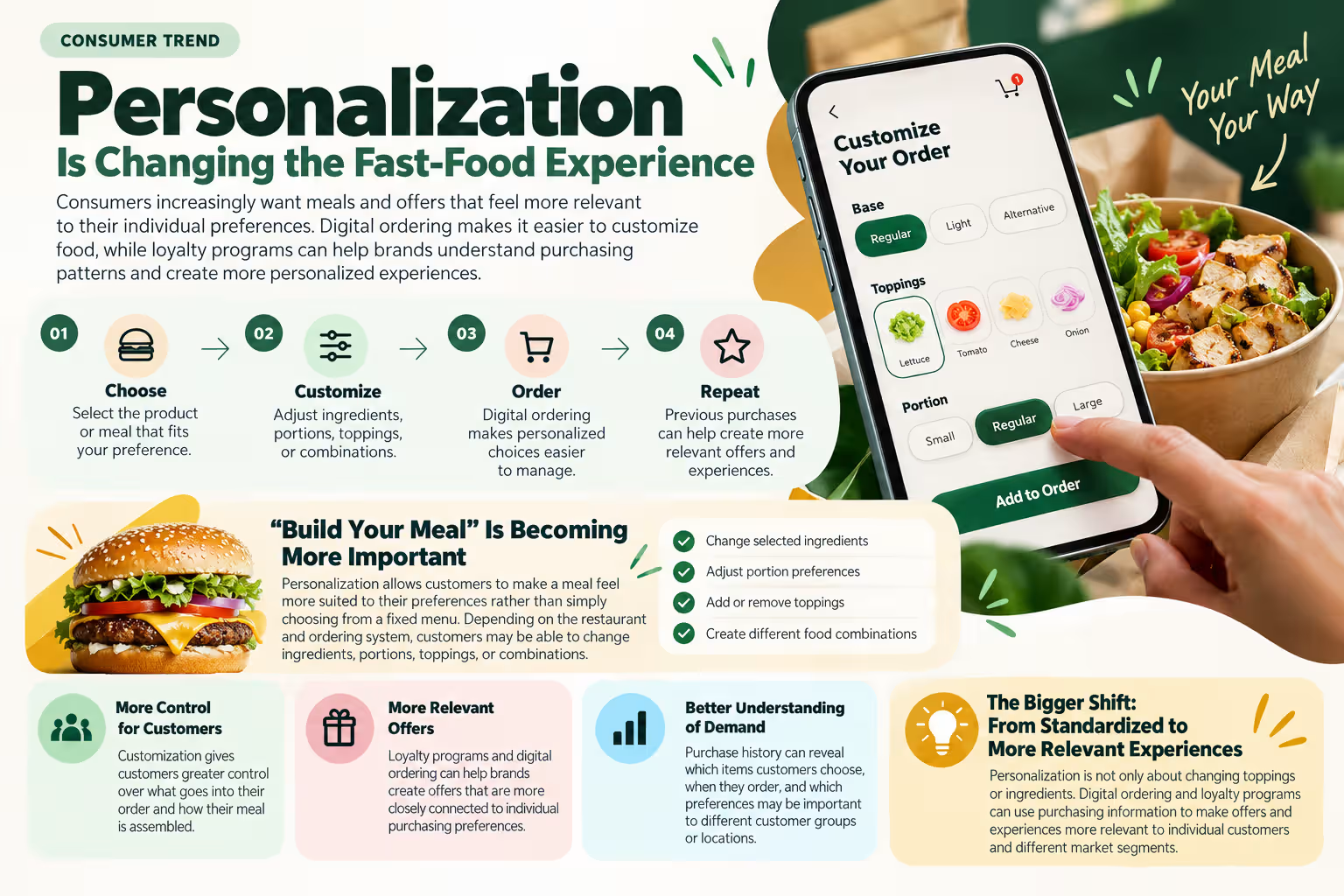
Personalization Is Changing the Fast Food Experience
Consumers increasingly want food and offers that are more relevant to their personal preferences. Digital ordering makes it easier to customize meals, while loyalty programs can help brands understand purchasing patterns and create more personalized experiences.
Choose
Select the product or meal that fits your preference.
Customize
Adjust ingredients, portions, toppings, or combinations.
Order
Digital ordering makes personalized choices easier to manage.
Repeat
Previous purchases can help create more relevant offers and experiences.
“Build Your Meal” Is Becoming More Important
The opportunity for personalization allows customers to customize the meal to their liking, rather than having to choose from a specific menu. Depending on the restaurant and ordering system, customers may change the ingredients, quantities, toppings, or combinations of different ingredients.
- Change selected ingredients
- Adjust portion preferences
- Add or remove toppings
- Create different food combinations
More Control for Customers
Customization gives customers more control over what goes into their order and how their food is prepared.
More Relevant Offers
Loyalty programs and digital ordering can help brands create offers that are more closely aligned with individual purchasing preferences.
Better Understanding of Demand
Purchase history reveals which products customers choose, when they order, and which choices may be important to different customer groups or regions.
Suggested: Chicken Meal Prep Recipes
Sustainability Is Becoming Part of Fast Food Decision-Making
Another factor influencing how consumers evaluate fast food brands is sustainability. In this regard, the focus extends beyond the food itself to include packaging, ingredient sourcing, food waste, and the availability of options such as vegan or vegetarian meals. Food waste is also part of the wider sustainability conversation. The FAO Food Loss and Waste Database provides global data and research on food loss and waste across different stages of the food system.
Packaging
Packaging used for takeaway or delivery can become part of the customer’s overall experience and serve as a factor when evaluating a food brand.
Responsible Sourcing
Where ingredients come from can also become part of the discussion on sustainable systems—especially as consumers pay closer attention to the operations of food-related businesses.
Reducing Food Waste
The source also highlights the issue of food waste, making the efficient use of food a key part of the broader discussion on sustainability.
More Food Choices
The availability of vegan options can present consumers with an additional choice when deciding which fast food products and brands align with their preferences.
How Sustainability Connects With the Fast Food Experience
The Future of Fast Food Will Be More Digital and Data-Driven
As consumer habits continue to evolve, technology is expected to play an increasingly important role in the fast-food experience. Emerging technologies such as mobile ordering, digital payments, loyalty programs, customer data, and robotic kitchens have been highlighted as key components of the industry’s future.
Mobile Ordering
Customers can interact or transact with restaurants through digital ordering systems.
Digital Payments
Digital transactions become part of the technology-driven order processing system.
Robot Kitchens
Emerging automated technology could become part of the food operations of the future, as Mother’s Hut, a restaurant in West Bengal, India, is putting it to extraordinary use.
Loyalty Programs
Digital loyalty can connect customers with more personalized experiences.
Customer Data
This is my favorite. Purchase data can help businesses understand customer behavior.
Technology Is Changing More Than the Checkout
The future of fast food is not limited to ordering food from a phone. Digital systems can influence how customers discover products, place orders, make payments, interact with loyalty programs, and receive more relevant experiences.
What Technology Can Improve
- Ordering convenience
- Payment experiences
- Customer engagement
- Understanding purchasing patterns
What Consumers May Expect
- Easy mobile ordering
- Convenient digital payments
- Relevant loyalty experiences
- More personalized interactions
The Fast Food Experience Is Becoming More Connected
Taken together, these trends show that the future of fast food is increasingly connected to digital technologies. Mobile ordering, payments, loyalty systems, emerging automation and customer data—these can work alongside changing expectations around convenience, personalization and choice.
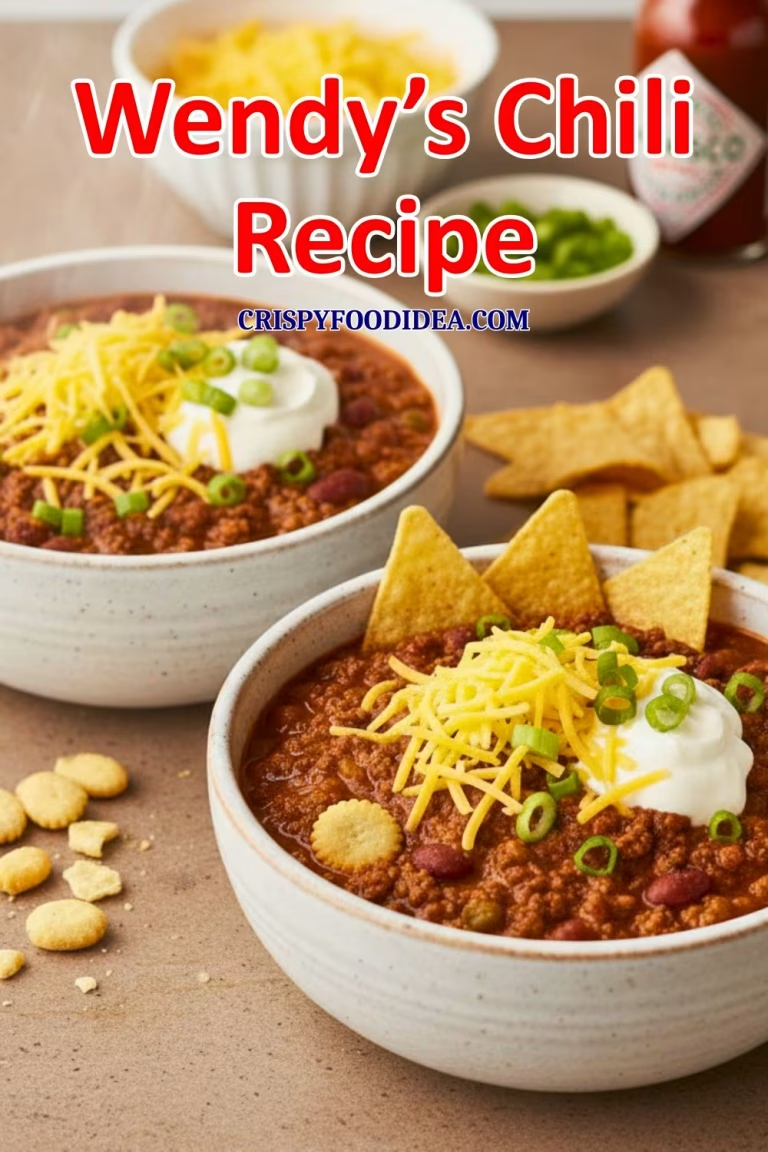
Related: Best Copycat Wendy’s Chili Recipe
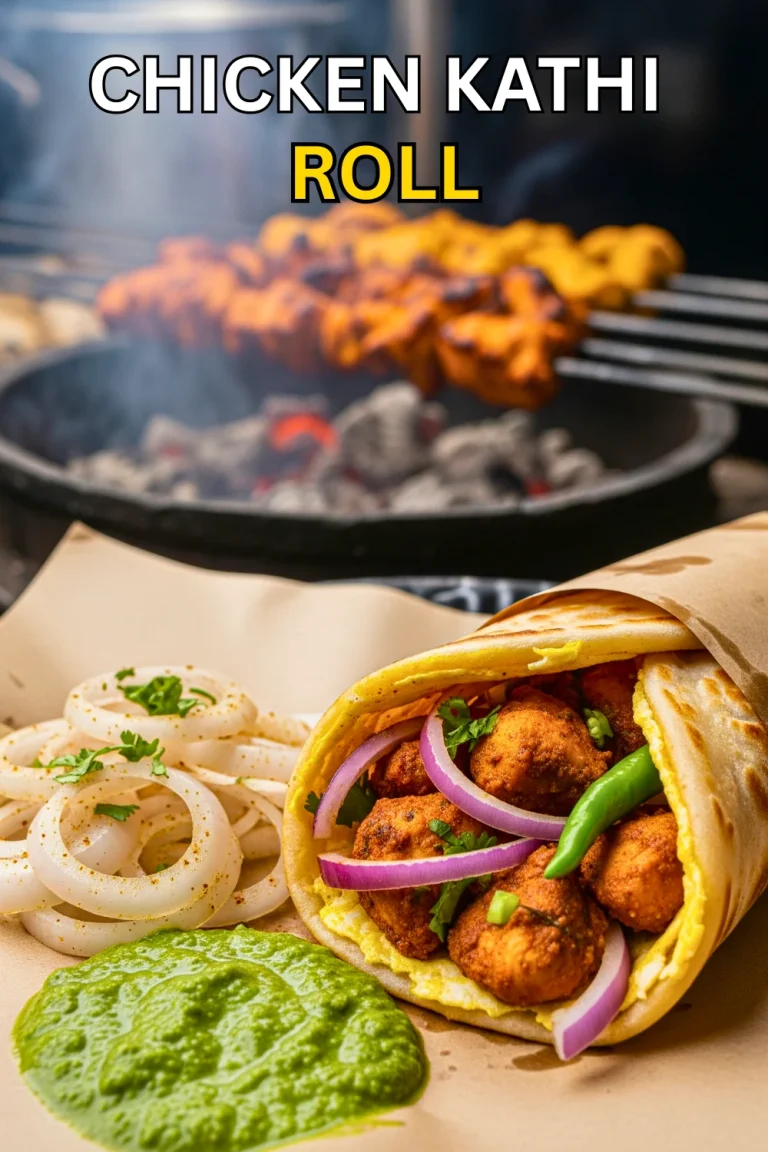
Related: Authentic Kolkata Style Chicken Kathi Roll Recipe
FAQs About Changing Fast Food Consumer Habits
01 How is the fast food market changing?
Changing consumer habits and expectations are influencing the fast food market. Factors such as convenience, digital ordering, health consciousness, affordability, personalization, sustainability, and technology are shaping how consumers choose fast-food establishments and interact with them.
02 Why is convenience important to fast-food consumers?
With work, commute, school, family responsibilities, and various social obligations, food that is quick and easy to get becomes extremely appealing. Options like take-away, home delivery, drive-thru, ‘grab-and-go’ food, and digital ordering systems make it easy for consumers to get food in the midst of their busy lives.
03 Are consumers becoming more health-conscious when choosing fast food?
Yes. The source highlights the growing focus on things like calories, sugar, sodium, saturated fat, ingredients, and overall food choices. This has led to increased interest in healthier options, more nutritional information, and plant-based alternatives. However, the healthiness of a food still depends on its specific ingredients and preparation method.
04 How important is the young consumer to the fast food industry?
Digital media can be very effective for younger consumers who can be more open to experimentation with flavours, come in search of limited-edition products or are more likely to try alternative food. They may also be more likely to create or influence trends via social media.
05 Why does affordability still matter in fast food?
Price remains an important part of the purchasing decision. Value meals, combo offers, discounts, promotions, and loyalty incentives can help consumers balance convenience with their budgets. At the same time, consumers may also consider portion size, quality, and the overall value they receive.
06 How is personalization changing fast-food ordering?
Digital ordering can allow customers to customize ingredients, portions, toppings, and combinations. Loyalty programs can also use purchase history to create more relevant offers and help businesses understand ordering patterns and customer preferences.
07 Is sustainability becoming more important in fast food?
Sustainability is becoming part of the broader conversation around fast food. Packaging, responsible sourcing, food waste, and the availability of vegan options are among the areas highlighted in the article. These factors can form part of how consumers evaluate a food business alongside price, convenience, and menu choice.
08 What technologies could shape the future of fast food?
Mobile ordering, digital payments, loyalty programs, customer data, and emerging technologies such as robot kitchens could influence the future of fast food. Looking further ahead, AI-assisted ordering, automated kitchens, and other forms of delivery automation are possible developments, although their adoption will depend on practical, regulatory, and market conditions.
09 Will AI change the way people order fast food?
AI could make the ordering process more conversational and personalized in the future. Instead of just looking at a digital menu, customers will be able to describe their preferences, budget, ingredients, or dietary needs and receive relevant suggestions. This should be seen as a future possibility rather than a guaranteed outcome.
10 What is the biggest factor shaping the future of fast food?
There is no single reason behind this. The article shows that the fast food world is being shaped by multiple interconnected consumer priorities, including convenience, health awareness, affordability, personalization, sustainability, and digital technology. Businesses that respond effectively to these changing expectations can be better prepared to meet future consumer demands.
Related: Fast Food Breakfast Recipes
If you like this article about How Changing Consumer Habits Are Reshaping Fast Food, please share this with your friends on Facebook and Pinterest. Also, subscribe to my blog to get all the latest content first on your mobile.