
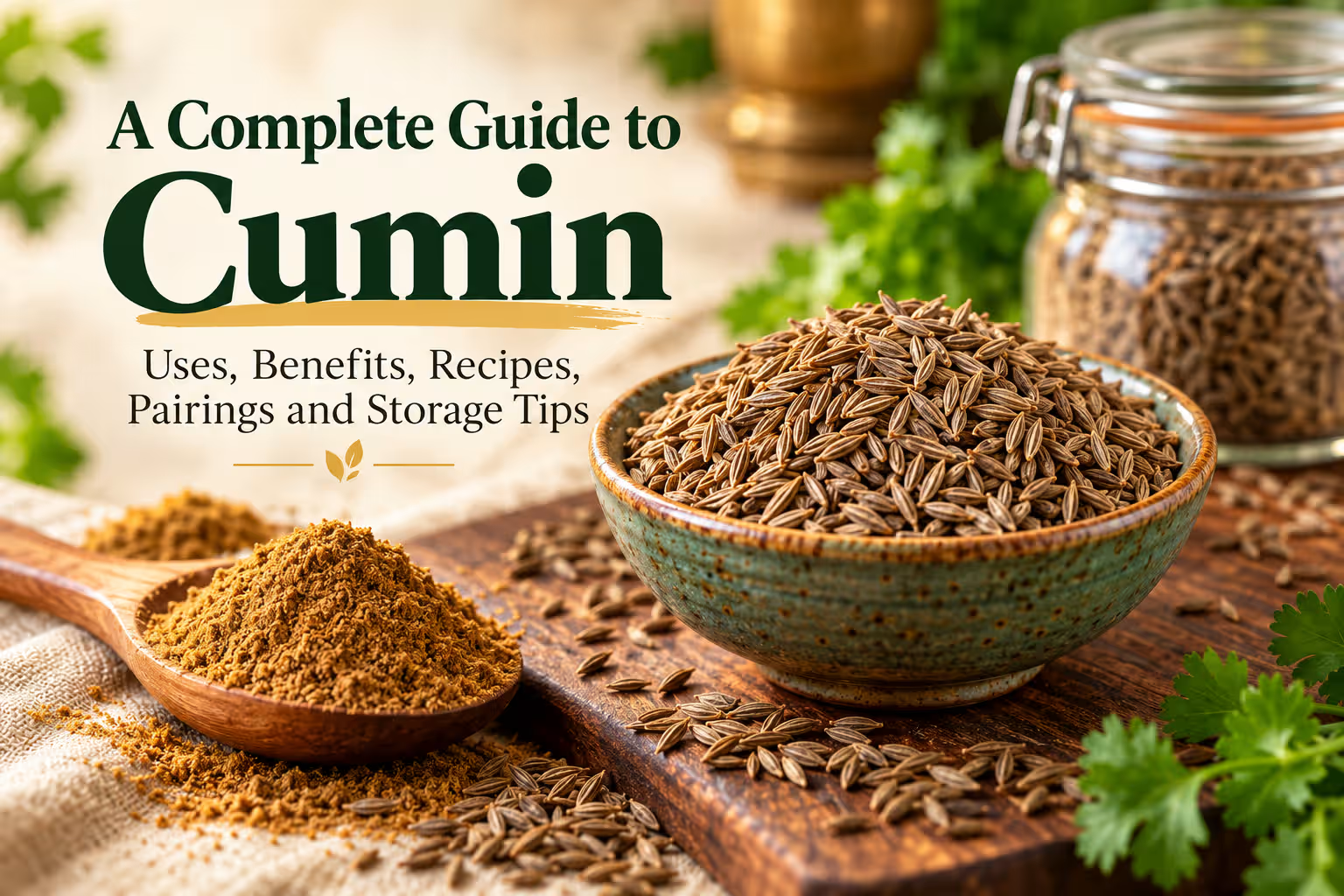
Cumin: How to Use, Toast, Store, and Choose It
Cumin is one of those kitchen spices that can make a simple dish deeply aromatic and satisfying. It adds an earthy warmth to Indian dal, adds depth to chilies and curries, and brings out the natural sweetness of roasted vegetables.
But taking the powdered spice out of the jar and using it isn’t all there is to it. Learning when to use whole cumin, how to roast it without burning it, and how to store cumin properly can make a noticeable difference in your cooking.
In this guide, you’ll learn what cumin tastes like, the difference between whole and ground cumin, how to bring out its true flavor with simple cooking techniques, and how to choose and store good-quality cumin at home.
Whole cumin seeds are especially useful for tempering in hot oil or ghee. Ground cumin is convenient when you want the flavor distributed throughout soups, stews, spice rubs, and marinades.
Related: South Indian Sambar with Roasted Cumin and Aromatic Spices
What Is Cumin?
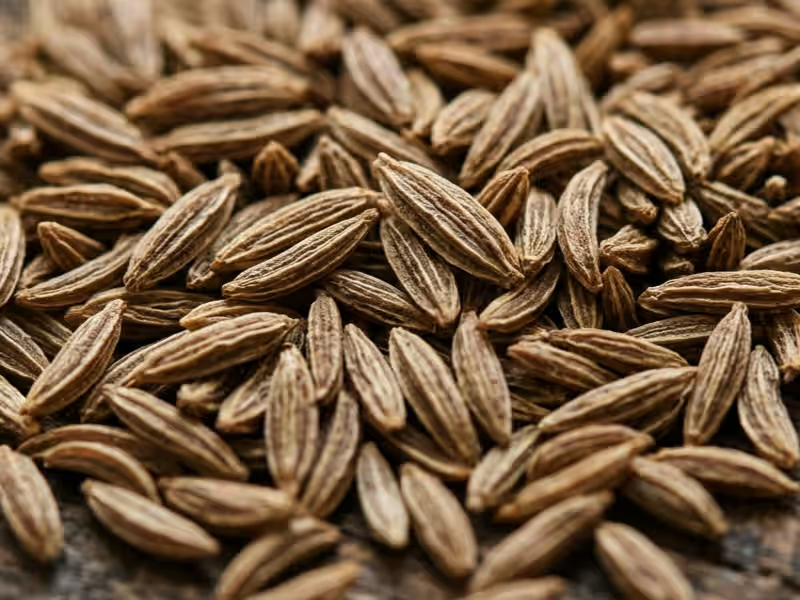
Cumin is the dried fruit of Cuminum cyminum, a small flowering plant in the parsley family. Commonly known as seeds, these narrow, grooved fruits are brownish-khaki in color and have a distinctive aroma.
Its flavor is warm, earthy, and slightly bitter, with a nutty aftertaste when roasted. One of the compounds responsible for cumin’s characteristic aroma is cuminaldehyde. As aromatic compounds fade during storage, cumin can lose its freshness and its flavor can diminish.
India is a major cumin-producing country, with Gujarat and Rajasthan being the most important producing regions. Cumin is also cultivated in other countries, including Iran, Syria, and Turkey.
Related: Coconut Chutney Finished with a Fragrant Cumin Tempering
Cumin Nutrition and Potential Health Benefits: What Research Says
Cumin (Cuminum cyminum) is best known for its warming flavor in curries, pulses, rice dishes, and spice blends. Beyond its culinary uses, researchers have studied its plant compounds and their potential effects on certain health indicators. Here’s what the current evidence says—and what’s still uncertain.
Cumin Contains Naturally Occurring Plant Compounds
Cumin contains various aromatic compounds and other phytochemicals, including cuminaldehyde. Researchers have studied the antioxidant activity of these compounds in the laboratory and in other experimental settings. Laboratory results alone do not establish any specific health benefits for humans.
Researchers Are Studying Metabolic Health
Some clinical trials have examined the effects of cumin supplements on blood glucose, blood lipids, and physical measurements. While the results of these trials are promising in some cases, they are not conclusive enough to accept cumin as a proven treatment. The supplements tested in the trials are different from the small amounts used in everyday cooking.
Cumin Has a Long History of Traditional Use
Cumin has been used in traditional cuisines and herbal preparations in various regions, including South Asia and the Middle East. It is often added to food after cooking or as a spice blend to aid digestion. Traditional use provides a historical context, but it does not in itself prove that cumin treats indigestion or other physical ailments.
Cumin Can Make Balanced Meals More Flavorful
One practical benefit of cumin is that it can add a deep flavor to lentils, beans, vegetables, soups, and rice. Using the spice in these dishes can make a delicious meal without relying entirely on extra salt or thick sauces. However, the nutritional value of a meal largely depends on its overall ingredients and preparation method.
What Does Scientific Research Actually Say?
The systematic review examined clinical trials conducted on the use of cumin as a supplement. Some reviews found changes in selected metabolic markers, while others found that the evidence for certain outcomes was uncertain or not statistically significant. Variations in study design, participants, supplement preparation, and dosage make it difficult to translate these results into daily dietary advice.
- Blood glucose: Clinical findings have been mixed. Cumin should not be used as a replacement for diabetes medication or professional care.
- Cholesterol and other blood lipids: Some reviews have reported changes in selected lipid measurements, but further high-quality trials are needed.
- Weight management: Supplement studies have investigated body measurements, but cumin is not a proven stand-alone weight-loss solution.
Further Reading: Published Research on Cumin
An overview of cumin research, including phytochemistry, traditional use and the need for better-designed human trials.
A review of randomized clinical trials examining selected lipid and body-measurement outcomes.
A more recent review examining metabolic markers in adults with metabolic disorders, while identifying the need for additional high-quality research.
Related: A Tangy South Indian Tomato Chutney
Whole Cumin vs. Ground Cumin
Both forms belong in your kitchen, but they behave differently. Whole cumin seeds are ideal when you want a toasted aroma and some texture, while ground cumin blends easily into a dish. For this reason, I think it is important for you to be knowledgeable about the uses and differences between whole cumin seeds vs ground cumin.
Whole Cumin Seeds
The seeds retain their flavour longer when stored properly and are excellent for tempering.
- Ideal for tadka and blooming in hot oil or ghee.
- Great for rice dishes, breads, and pickles.
- Add texture and a toasted, nutty character.
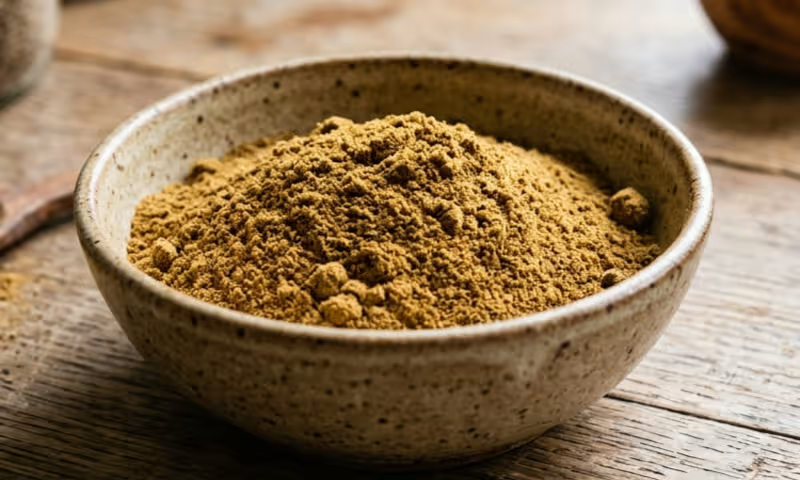
Ground Cumin
Ground cumin distributes flavour evenly and is convenient for everyday cooking.
- Useful in spice rubs and marinades.
- Works well in soups, stews, curries, and dips.
- Gradually loses aroma after grinding.
| Feature | Whole seeds | Ground cumin |
|---|---|---|
| Appearance | Slender, ridged seeds | Fine brownish powder |
| Flavour | Toasty, nutty when bloomed | Evenly distributed through a dish |
| Freshness | Generally retains aroma longer | Generally loses aroma faster |
| Best uses | Tadka, rice, breads, pickles | Rub, marinade, soup, stew, dip |
Related: Sweet and Spicy South Indian Onion Chutney
Two Techniques That Unlock Cumin’s Flavour
Tempering whole cumin seeds in hot fat and dry-toasting them in a pan bring out different aspects of their flavour. Choose the technique that best suits your dish.
1. Tempering (Tadka)
For dal, rice and vegetable dishes.
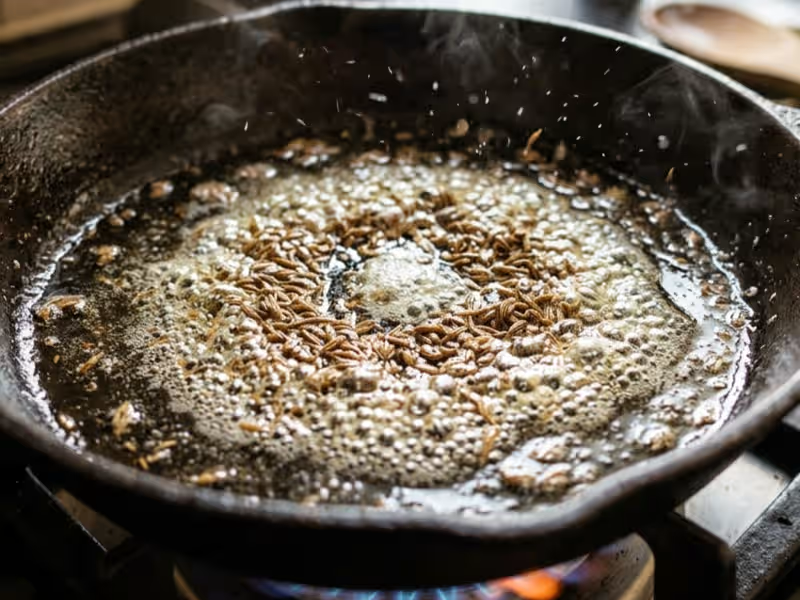
Tempering, also called tadka or chhonk, involves blooming whole spices in oil or ghee to release their aroma into the fat.
- Heat the fat Warm 1–2 tablespoons of oil or ghee in a small pan over medium heat.
- Add cumin seeds Add 1 teaspoon of cumin seeds. They should sizzle when they meet the hot fat.
- Let them crackle Cook for about 20–40 seconds, watching until the seeds darken slightly and smell nutty.
- Finish the dish Pour over dal, rice or vegetables, or add onions to the pan to continue cooking.
2. Dry Toasting
For roasted cumin powder and deeper flavour.
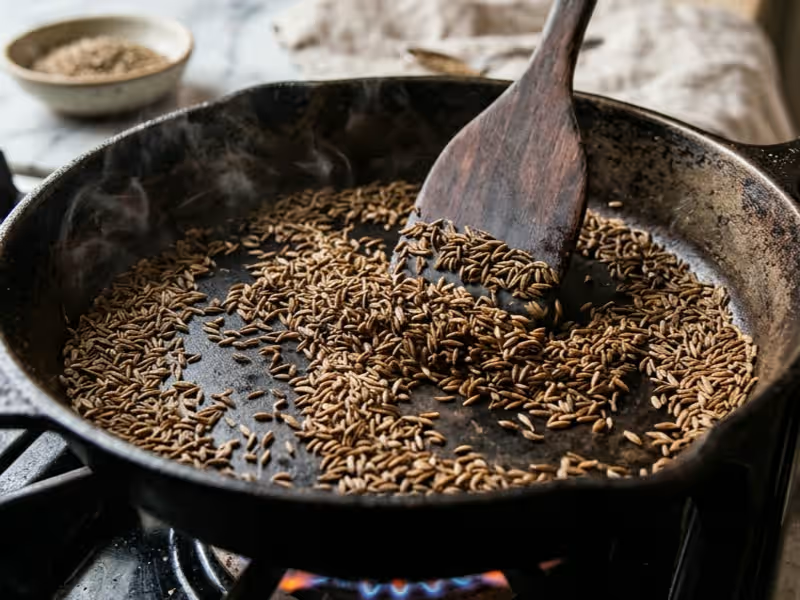
Dry toasting brings out the nutty character of cumin without adding oil. Grind the cooled seeds to make roasted cumin powder, or bhuna jeera.
- Heat a dry pan Place a clean skillet over medium-low heat.
- Add cumin seeds Spread 1–2 teaspoons of whole seeds in the pan.
- Toast gently Shake the pan often for about 1–2 minutes, until fragrant and lightly browned.
- Cool and grind Let the seeds cool completely, then grind using a spice grinder or mortar and pestle.
Which technique should you use?
Choose tempering when you want cumin’s aroma infused into hot fat. Choose dry toasting when you want roasted seeds or freshly ground cumin for finishing and seasoning dishes.
Suggested: Crispy Homemade Dosa Served with Sambar
How Much Cumin Should You Use?
Cumin has a strong, earthy flavor, so start with a small amount and adjust to taste. The exact amount depends on the type of dish, the serving size, and whether you’re using whole or powdered cumin. So I think in addition to knowing How Much Cumin Should You Use, you also need to know and understand how to use cumin.
| Dish | Starting amount | Form |
|---|---|---|
| Dal or lentil soup for four | 1 teaspoon | Whole seeds |
| Jeera rice with 1 cup of rice | 1 teaspoon | Whole seeds |
| Chili, stew or curry for four | 1–2 teaspoons | Ground cumin |
| Spice rubs | 1 part cumin to 2 parts other spices | Ground cumin |
These are starting quantities from this guide. Adjust them to suit your recipe, taste preferences and spice freshness.
Tips for Balancing Cumin Flavour
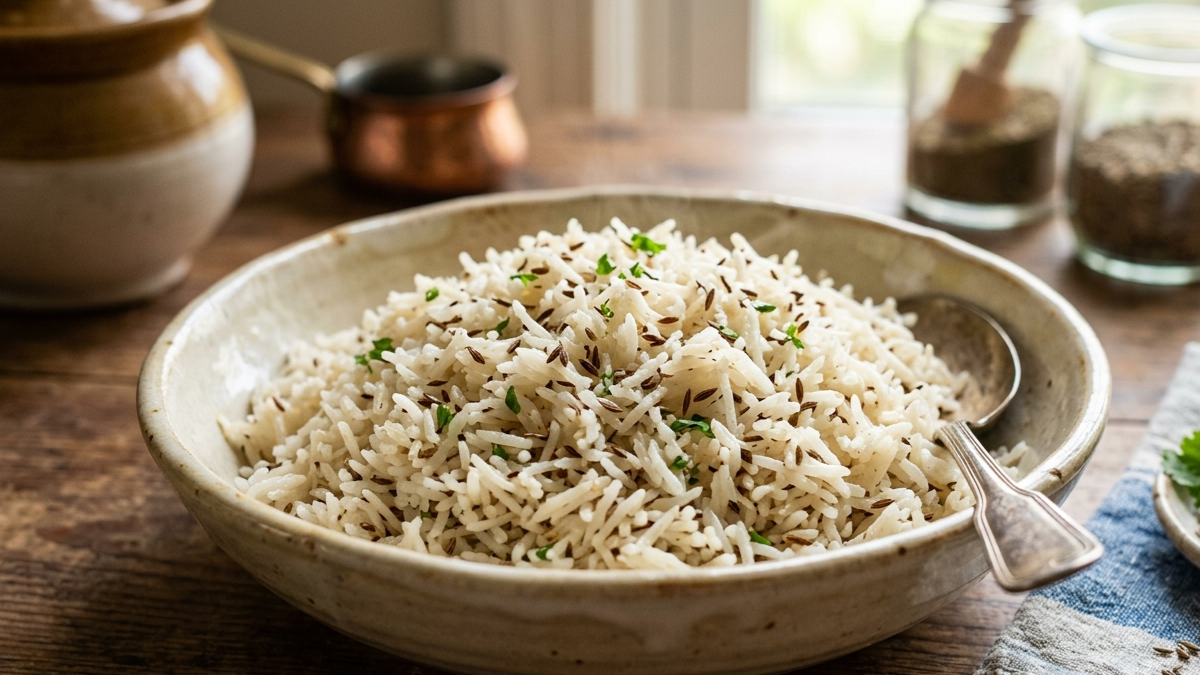
A Simple Jeera Rice Recipe
Jeera rice is an easy way to experience the aroma of well-tempered cumin. This fragrant Indian rice dish pairs beautifully with dal, curries or plain yogurt.
Ingredients
- 1 cup basmati rice
- 1 tablespoon ghee or oil
- 1 teaspoon whole cumin seeds
- About 1¾ cups water
- Salt to taste
- Optional: 1 bay leaf or 2 cloves
Step-by-Step Instructions
- Rinse and soak the rice Rinse the basmati rice until the water runs clear. Soak for 20 minutes, then drain thoroughly.
- Heat the ghee or oil Warm the ghee or oil in a pot over medium heat.
- Temper the cumin seeds Add cumin seeds and let them crackle until fragrant. You already know how to bloom cumin seeds in oil or ghee. Add the optional bay leaf or cloves if desired.
- Coat the rice Add the drained rice and stir gently for about one minute.
- Cook the rice Add the water and salt. Bring to a boil, cover, and simmer over low heat for 12–15 minutes, adjusting as needed for your rice and pot.
- Rest and fluff Turn off the heat. Leave covered for 5 minutes, then fluff gently with a fork before serving.
What Cumin Pairs Well With
Cumin is a versatile spice that works across Indian, Mexican, Middle Eastern and North African cooking. Its earthy warmth complements other spices, hearty vegetables, legumes, meat and creamy dairy ingredients.
Spices
Coriander, turmeric, chili, black pepper, cinnamon and paprika.
Try it in: Curry blends, spice rubs and marinades.
Vegetables
Potatoes, cauliflower, carrots, aubergine, spinach and cabbage.
Try it in: Roasted vegetables, stir-fries and vegetable curries.
Proteins and Legumes
Lentils, chickpeas, beans, paneer, eggs, lamb and chicken.
Try it in: Dal, chana masala, chili and meat marinades.
Dairy
Yogurt and buttermilk pair especially well with roasted cumin powder.
Try it in: Raita, yogurt dips and seasoned buttermilk.
Cumin Across Different Cuisines
How to Choose Good-Quality Cumin
Good cumin should have a distinct aroma, a fairly uniform appearance, and as few visible foreign matter as possible. These tests can help you assess freshness and cleanliness, but they cannot guarantee purity or food safety.
Colour and Appearance
Look for seeds that are fairly uniform in color. If you see unusual discoloration or extensive damage, you may need to do a closer inspection.
Fresh Aroma
Crush a few seeds between your fingers. Good cumin smells strong and warm right away. If you have to sniff hard, it is stale.
Cleanliness
Check for excessive dust, stones, stems and other foreign material. Buy from reputable suppliers.
Intact Seeds
Prefer reasonably uniform seeds without extensive insect damage or signs of moisture-related deterioration.
Cumin vs Black Cumin vs Caraway: Key Differences
Cumin, shahi jeera, kalonji, and caraway are different spices, even though their names or appearances can sometimes cause confusion. Knowing their differences helps you choose the right ingredient for your recipe.
| Spice | Botanical name | Appearance | Flavor profile | Common uses |
|---|---|---|---|---|
| Regular cumin (jeera) | Cuminum cyminum | Slender, ridged, tan-to-brown seeds | Warm, earthy, nutty and slightly peppery | Dal, curries, jeera rice, soups, spice blends and Mexican-style dishes |
| Shahi jeera | Bunium persicum is a commonly cited name | Usually darker, narrower and often more curved than regular cumin | Distinctive, aromatic and often described as delicate or caraway-like | Selected biryanis, pulao and North Indian or regional dishes |
| Kalonji (nigella) | Nigella sativa | Small, angular, matte-black seeds | Earthy, peppery and slightly bitter, with onion-like notes | Flatbreads, pickles, vegetable dishes and spice blends |
| Caraway | Carum carvi | Brown, ridged seeds that may look similar to cumin | Distinctively aromatic, with anise-like notes | Rye bread, cabbage dishes, potatoes and European-style cooking |
Regular cumin
When a recipe calls for ‘cumin’, ‘ground cumin’, or ‘cumin seeds’, simply use regular cumin. It is a well-known spice with a warm, earthy aroma, used in various lentil dishes, curries, rice-based meals, and spice blends.
Shahi jeera
Shahi jeera is used in some biryanis and fragrant rice dishes. Its flavor is different from regular jeera, so don’t assume that the two can always be replaced in equal amounts.
Kalonji
Black cumin is not your average cumin. Its small black seeds have a distinct appearance and taste and are used in making pickles, breads, and various vegetable dishes.
Caraway
Caraway may look similar to cumin, but its flavor is different. Use it when a recipe specifically calls for caraway rather than considering it as an automatic substitute for cumin.
How to Store Cumin and Keep It Fresh
Cumin seeds add a warm flavor to curries, lentils, rice dishes, and spice blends, but their aroma gradually fades when exposed to air, heat, light, and moisture. The best way to preserve their flavor is to store them properly and buy in quantities that can be used while the spice still has its aroma.
1. Use an Airtight Container
Transfer cumin to a clean, completely dry, airtight glass or food-safe container. A tight-fitting lid helps limit exposure to air and moisture.
2. Keep It Away from Heat and Light
Store cumin seeds in a cool, dry cupboard away from stoves, ovens, direct sunlight, and other sources of heat. A kitchen shelf next to the stove may be convenient, but it is not ideal for long-term storage.
3. Keep Moisture Out
Always use a clean, dry spoon. Avoid shaking cumin directly over a steaming pot, because condensation can enter the container and affect the spice’s quality.
4. Buy Whole Seeds When Practical
Whole cumin seeds generally retain their aroma longer than ground cumin. Grind small amounts when needed if you want a fresher, more pronounced flavor in your cooking.
How Long Does Cumin Last?
One thing to remember is that cumin seeds do not have a fixed shelf life. Storage, packaging, processing, and age of the product all matter. Follow the ‘best before’ date on the packet and check the smell and condition of the spice before using.
A Quick Freshness Check
- Smell: Fresh cumin should have a recognizable warm, earthy aroma.
- Look: Check for unusual discoloration, clumping, moisture or insects.
- Store: Close the lid firmly after every use.
- Rotate: Use older suitable stock before opening a new container.
Make the Most of Cumin in Your Kitchen
Cumin is a versatile spice that can add warmth and depth to everyday cooking; it can be used in everything from comforting lentil soups and vegetable curries to aromatic rice dishes and homemade spice blends. Learning how to use whole cumin and ground cumin will help you get the flavor you want from every dish.
For a more intense flavor, you can lightly toast whole cumin seeds or sauté them briefly in hot oil or ghee. Start with a small amount, taste as you cook, and adjust the amount of spice to suit your recipe.
Ready to put cumin to work? Try adding a little toasted jeera to your next dal, rice dish or lentil soup and discover how much flavor this everyday spice can bring to your meal.
If you like this article about the Cumin: Complete guide, please share this with your friends on Facebook and Pinterest. Also, subscribe to my blog to get all the latest content first on your mobile.