How to Make Perfect French Toast | Simple Breakfast Recipe
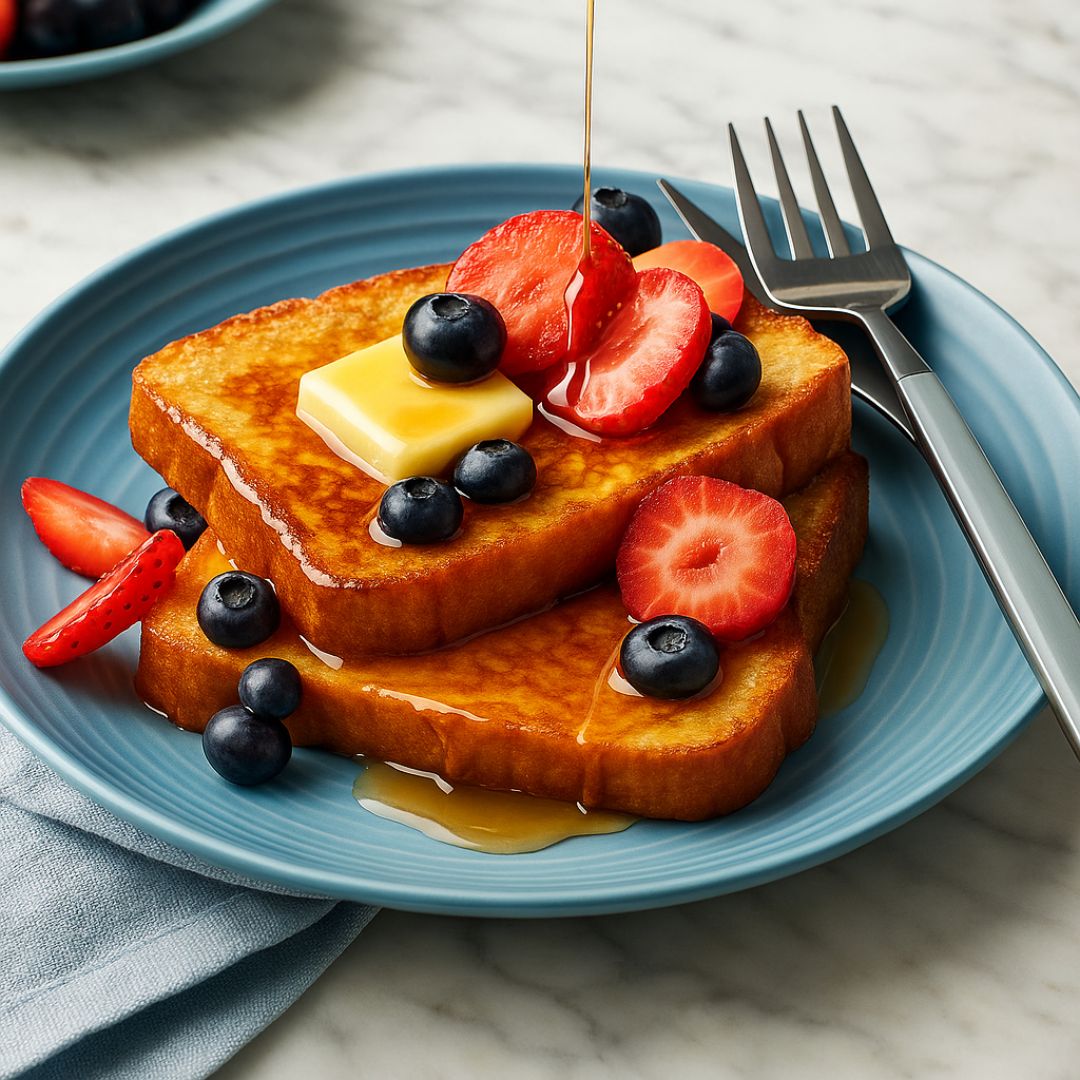
I just loved French toast. This classic French toast is made with simple pantry ingredients and comes together in just 15 minutes — perfect for busy mornings, weekend brunches, or holiday breakfasts. Today, I am going to share with you an incredibly simple recipe for my favorite French toast—one that I personally prepare in my daily life. To be honest, I created this recipe by drawing inspiration from the classic Cha Chaan Teng café-style toast (a dish featuring deep-fried French toast stuffed with creamy peanut butter, coated in a rich egg batter, fried until perfectly crispy on the outside, and finished with butter and sweet golden syrup); however, I have made a few personal tweaks to it here.
I will, of course, definitely share the truly authentic recipe with you on another day. Unlike traditional French toast recipes, this best French toast recipe (Chinese-style French toast) is quick, easy, and always comes out perfectly golden. Known as pain perdu in French, this perennial breakfast favorite is the ultimate comfort food. It’s endlessly customizable with toppings like maple syrup, powdered sugar, berries, or whipped cream — and it can be made dairy-free or low-sugar if needed.
Suggested: Weight Loss Meal Prep Recipes
- 🥖 What Is French Toast? (History & Origin)
- ❤️ Why I’ll Love This French Toast Recipe
- 🧈 Ingredients Needed for Homemade French Toast
- 🥞 Step-by-Step Instructions: How to Make the Best French Toast
- 🍞 Best Bread for French Toast (Ultimate Bread Guide)
- 🍓 Best French Toast Toppings
- 🥞 Easy French Toast Variations You Must Try
- 🥄 French Toast vs Pancakes – Which Is Better?
- ❄️ How to Store, Freeze & Reheat French Toast
- ⚠️ Common French Toast Mistakes to Avoid
- Frequently Asked Questions About French Toast
Related: Cabbage Dumplings Recipe
What Is French Toast? (History & Origin)
While we are all familiar with the name French toast,” very few of us know much about it in detail. French toast is a classic breakfast dish prepared by soaking slices of bread in a rich custard mixture—typically consisting of eggs, milk, vanilla, cinnamon, and sugar—before pan-frying them until they turn golden brown and crispy. Although the centre remains soft and custard-like, the edges become delightfully crispy; this makes it an excellent accompaniment for toppings such as maple syrup, powdered sugar, fresh berries, butter, whipped cream, or caramelized fruit.
However, despite the word “French” appearing in its name, French toast did not actually originate in France. Based on the accounts of historians, I believe that its true origins lie in the ancient Roman Empire, where cooks would soak stale bread in milk and eggs before frying it. Evidence of this dish can even be found in the Roman cookbook Apicius, making French toast one of the oldest surviving breakfast dishes in culinary history.
Why Is It Called French Toast?
The modern term “French toast” became popular in America during the 17th and 18th centuries. In France, the dish is traditionally known as Pain Perdu, which translates to “lost bread,” referring to the clever practice of using stale bread instead of wasting it. Today, Pain Perdu remains a popular café-style brunch recipe throughout Europe.
Over time, French toast evolved into many delicious regional variations around the world. In countries like Hong Kong, stuffed and deep-fried versions became famous street food dishes, while in America, thick-cut brioche French toast and diner-style French toast became iconic breakfast menu staples.
Related: Italian Timballo Recipe
🥰 Why I’ll Love This French Toast Recipe
Believe me, I almost always make this French toast at home for breakfast and enjoy it with a cup of tea, simply because I find it absolutely extraordinary. This easy and delicious breakfast classic is a must-try for those who love warm, golden-brown, custardy bread slices with vanilla and cinnamon. Now, let me share with you the specific reasons why it is my absolute favourite:
- Quick and easy breakfast: Ready in just 15 minutes with pantry staples like eggs, milk, and bread. So, I hope you can appreciate just how much of a time-saver this is amidst the morning rush to the office.
- Crunchy outside, soft inside: This perfect French toast is lightly crunchy on the outside and soft in the middle. It’s not just me—my sister loves this too. That faint, crunchy sound the moment you sink your teeth into it is absolutely satisfying.
- Family-friendly and kid-approved: Everyone from toddlers to adults will eat this classic breakfast recipe – it’s always a hit!
- Great for brunch or a weekend treat: Whenever we host a family brunch party or a small morning get-together, we always include this dish, and for one reason alone, it’s incredibly easy to make.
- Customizable with your favorite toppings: Another interesting aspect is that it is highly versatile, and I can very easily customize it exactly to my liking. Add maple syrup, powdered sugar, berries, bananas, or even Nutella for a restaurant-quality meal at home.
- Perfect use for day-old bread: Many people make this French toast using absolutely fresh bread, but I always prefer to use bread that is one or two days old. This recipe works best with slightly stale bread like brioche, challah, or Texas toast – no waste!
- Versatile and adaptable: Easily turn it into stuffed French toast, make it dairy-free, or even savory – the possibilities are endless!
Related: Authentic Pernil Recipe
Ingredients You’ll Need to Make the Best French Toast
Now your first question will likely be: what ingredients are required to make this classic French toast? You will be pleasantly surprised to discover that the ordinary staples already found in your pantry are all you need to create this dish—ingredients that allow you to add those flavorful touches. So, let’s take a look at exactly what ingredients I use to make this fluffy, golden French toast.
📝 Basic French Toast Ingredients
- 4 slices thick bread – Brioche, challah, French bread, or Texas toast work best.
- 2 large eggs – For a rich and creamy custard base.
- 1/2 cup whole milk or cream – Cream makes it extra indulgent.
- 1 tsp vanilla extract – Adds natural sweetness and depth of flavor.
- 1/2 tsp ground cinnamon – Optional, but gives that cozy, spiced flavor.
- Pinch of salt – Balances out the sweetness perfectly.
- 1 tbsp butter – For frying, gives a crisp golden crust.
🧁 Optional Toppings & Add-ins
- Pure maple syrup – A must for classic French toast lovers.
- Fresh berries – Strawberries, blueberries, raspberries for color and taste.
- Powdered sugar – A simple sprinkle makes it pop.
- Whipped cream – Optional, but so indulgent!
- Banana slices, honey, or Nutella – For extra flair and flavor.
💡 Pro Tip: For the best results, use day-old or slightly stale bread – it soaks up the custard without falling apart!
Related Keywords:
Related: Turkey Brine Recipe
🥞 Step-by-Step Instructions: How to Make the Best French Toast
Follow these simple steps to create a warm, golden, and fluffy French toast—perfect for breakfast or brunch. This classic recipe is quick, easy, and delicious!
✅ Step 1: Whisk the Custard Mixture
In a shallow bowl, whisk together eggs, milk, vanilla extract, cinnamon, and a pinch of salt. This creates your flavorful French toast batter that soaks into the bread. I help get the hassle of making this mixture out of the way right at the start.
- 2 large eggs
- ½ cup whole milk or heavy cream
- 1 tsp vanilla extract
- ½ tsp ground cinnamon
- Pinch of salt
✅ Step 2: Dip the Bread Slices
Use thick-cut bread like brioche, challah, or Texas toast. These are the best breads for French toast because they absorb the custard perfectly without getting soggy. I prefer using Texas toast.
Gently dip each slice into the custard mixture for 10–15 seconds per side, allowing the bread to soak just enough.
Pro Tip: Slightly stale bread works best—it soaks up more flavor and holds its shape!
✅ Step 3: Preheat Your Pan
Heat a non-stick skillet or griddle over medium heat. Add 1 tablespoon of butter and let it melt completely to coat the surface evenly. I have both a non-stick skillet and a griddle in my kitchen, and it is possible to make perfect French toast in either of them. Feel free to use whichever one you have.
For a crispier crust, use a mix of butter and a splash of oil to prevent burning and promote even browning.
✅ Step 4: Cook Until Golden Brown
Place the soaked bread slices onto the hot pan. Cook each side for 2–3 minutes until golden brown and slightly crisp. I cook them for an extra minute or so, as I prefer that added crunchiness.
Flip carefully and avoid overcrowding the pan. Cook in batches if needed.
✅ Step 5: Serve and Add Toppings
Now comes my favorite part. Simply transfer the homemade French toast onto a plate and serve it piping hot. To make the presentation perfect, I always make sure to add some of my favorite extra toppings on top.
- Maple syrup
- Powdered sugar
- Fresh berries
- Whipped cream
- Nutella or caramel drizzle
Easy Homemade French Toast Recipe | Ready in 15 Minutes!

This is that amazing French toast recipe that has the word "French" in the name but it is not a French dish. It is an American dish that will take you only 15 minutes to make. This crunchy, golden brown homemade French toast is a versatile recipe. So let's take a look at this amazingly easy recipe.
Ingredients
- 4 slices thick bread (brioche, challah, or Texas toast)
- 2 large eggs
- 1/2 cup whole milk (or cream)
- 1 tsp vanilla extract
- 1/2 tsp ground cinnamon
- Pinch of salt
- 1 tbsp butter (for frying)
- Toppings: maple syrup, powdered sugar, berries (optional)
Instructions
Notes
Nutrition Information:
Yield:
4Serving Size:
1Amount Per Serving: Calories: 312Total Fat: 7gSaturated Fat: 3gTrans Fat: 0gUnsaturated Fat: 3gCholesterol: 104mgSodium: 258mgCarbohydrates: 55gFiber: 2gSugar: 38gProtein: 7g
Suggested: Layered Dessert Recipes
Best Bread for French Toast Recipe
To prepare truly perfect and delicious French toast, selecting the right bread is absolutely essential. In fact, choosing the best bread for French toast is the secret to achieving crispy edges, a soft, custardy center, and a restaurant-quality flavor right at home. As I have mentioned previously, I personally prefer using Texas Toast; however, I also believe you should be well-informed about the other bread options available.
Top Best Bread Choices for French Toast
Brioche Bread
Brioche is widely considered the best bread for French toast because of its rich buttery flavor, fluffy texture, and soft crumb. The bread absorbs the custard beautifully while staying light and airy inside.
- Rich buttery flavor
- Perfect golden caramelization
- Soft custardy center
- Restaurant-style results
- Best for classic French toast recipes
Challah Bread
Challah bread creates extra fluffy French toast with a slightly sweet taste. Its egg-rich dough gives it a luxurious texture similar to brioche but slightly lighter.
- Excellent custard absorption
- Beautiful golden crust
- Perfect for thick-cut slices
- Soft and pillowy texture
- Ideal for brunch recipes
Sourdough Bread
Sourdough French toast delivers crispy edges with a slightly tangy flavor. According to The Mayfair Foodie, sourdough absorbs custard beautifully without becoming soggy. The sturdy structure prevents sogginess and creates excellent caramelization.
- Crispy outside texture
- Chewy hearty bite
- Less likely to get soggy
- Great for gourmet French toast
- Perfect for savory toppings
Texas Toast
Texas toast is thick, soft, and affordable, making it one of the easiest breads for homemade French toast recipes.
- Easy to find in stores
- Absorbs egg mixture well
- Great for beginners
- Perfect for freezer French toast
- Ideal for family breakfasts
French Bread
French bread creates a denser, slightly chewy French toast with crispy golden edges. It works especially well when slightly stale.
- Excellent structure
- Crunchy edges
- Less sweet flavor
- Great for cinnamon French toast
- Perfect for bakery-style texture
Sandwich Bread
Regular sandwich bread is convenient and beginner-friendly, though it can become soggy if soaked too long.
- Budget-friendly option
- Quick weekday breakfast
- Easy for kids recipes
- Best when slightly stale
- Works well with cinnamon sugar
French Toast Bread Comparison Table
| Bread Type | Texture | Flavor | Best For | French Toast Rating |
|---|---|---|---|---|
| Brioche | Soft & Fluffy | Rich & Buttery | Classic French Toast | ★★★★★ |
| Challah | Light & Airy | Slightly Sweet | Brunch Recipes | ★★★★★ |
| Sourdough | Chewy & Crispy | Tangy | Crispy French Toast | ★★★★☆ |
| Texas Toast | Thick & Soft | Mild | Easy Family Breakfast | ★★★★☆ |
| French Bread | Dense & Crispy | Balanced | Bakery Style French Toast | ★★★★☆ |
| Sandwich Bread | Soft | Neutral | Quick Breakfast | ★★★☆☆ |
What Makes Bread Perfect for French Toast?
The best French toast bread should be thick enough to absorb the egg custard mixture while maintaining structure during cooking. Bread with higher butter and egg content, like brioche and challah, creates a richer flavor and softer interior. Slightly stale bread is ideal because it absorbs more custard without falling apart.
For crispy French toast, choose bread with a sturdy crust and dense texture, such as sourdough or French bread. For soft diner-style French toast, brioche and challah are the top choices.
My Secrets for Perfect French Toast
- Use day-old bread for better custard absorption.
- Cook over medium-low heat for even caramelization.
- Add heavy cream for richer flavor and texture.
- Do not oversoak thin bread slices.
- Use real butter for crispy golden edges.
- Let soaked bread rest for 15 seconds before cooking.
- Finish thick slices in the oven for restaurant-style French toast.
Related: Delicious Breakfast Recipes
🍯 Best French Toast Topping Ideas | Tasty & Creative Ways to Make Your Breakfast Unique
This part is also going to be very interesting, because here I will be sharing with you my favorite toppings—the ones I use on French Toast.
1. Classic Maple Syrup
I like to drizzle the classic maple syrup over my simple French toast because I think the simplicity is the most decent choice. The sweetness complements the crispy, buttery toast perfectly.
2. Fresh Berries
I highly prefer using a combination of fresh strawberries, blueberries, and whatever other berries are in season as a topping. Not only is this option simultaneously healthy and vibrant, but it also allows you to truly experience the fresh taste and delightful crunch of real fruit.
3. Powdered Sugar
For a lighter touch, dust your French toast with powdered sugar for a sweet, elegant finish that’s perfect for brunch.
4. Whipped Cream
My sister prefers this whipped cream topping, so I also enjoy it. It’s a really great, fluffy and airy addition to your French toast, balancing out the richness and texture in a great way.
5. Nutella or Peanut Butter
For an even more delicious and satisfying topping, spread Nutella or peanut butter over your French toast—adding a unique creamy, chocolatey, or nutty flavor.
6. Caramelized Bananas
Top your French toast with caramelized bananas for a warm, decadent finish that’s rich and comforting.
7. Greek Yogurt & Honey
For a healthier option, top your French toast with a dollop of Greek yogurt and drizzle with honey for a creamy, tangy contrast.
8. Crispy Bacon or Sausage
For a savory twist, add crispy bacon or sausage to your French toast. The sweet and salty combination is unbeatable!
9. Chocolate Chips
Top with chocolate chips for a melty, gooey treat. Perfect for a chocolatey breakfast or dessert!
10. Cinnamon Sugar
A simple sprinkle of cinnamon sugar will add a warm, spiced flavor to your French toast for an easy, delicious upgrade.
11. Almonds or Pecans
Add a crunchy topping with toasted almonds or pecans for an extra layer of texture and flavor.
12. Lemon Zest
For a refreshing touch, top with a sprinkle of lemon zest for a citrusy zing that complements the sweetness of your French toast.
Suggested: Sugar-Free Dessert Recipes
French Toast Variations: 6 Delicious Twists to Try!
The reason I love this recipe so much is that it is incredibly versatile, and I can customize it exactly to my liking whenever I want. I also prefer French toast over whole wheat bread. Whole wheat French toast can increase fiber and protein for a more balanced breakfast.
Stuffed French Toast
For a delicious breakfast, ‘Stuffed French Toast’ is, simply put, extraordinary! This is the very recipe I mentioned at the beginning of today’s article: simply fill thick slices of bread with a creamy filling—such as cream cheese, Nutella, or fruit jam. It is absolutely perfect for hosting a special brunch or for impressing guests with something truly exceptional. For an extra touch of sweetness, you can also sprinkle powdered sugar over the top.
Tip: Use slightly thicker bread (like brioche or challah) for the best stuffing-to-bread ratio.
Vegan French Toast
Vegan French toast is the way to go if you follow a plant-based diet or want to avoid eggs and dairy. Create a custard-like base using a simple blend of almond milk, flax seeds, and cinnamon. Although I no longer follow a vegan diet, I did try this recipe back when I was vegan. Therefore, you can certainly add this recipe to your vegan lifestyle. Serve with fresh berries, maple syrup, or coconut whipped cream for a delicious dairy-free breakfast.
Pro Tip: For a rich texture, use full-fat coconut milk or oat milk as your liquid base.
Savory French Toast
Who says French toast has to be sweet? Savory French toast is a fantastic option for those who love a hearty, savory breakfast. Skip the vanilla and sugar and instead add cheese, herbs, and even bacon or ham. Think of it as a French toast sandwich without the need for extra bread slices.
Pro Tip: Top with a poached egg and drizzle with hollandaise sauce for an extra flavorful twist.
Low-Carb French Toast
If you’re following a low-carb or keto diet, don’t worry—you can still enjoy French toast! Use keto-friendly bread (like almond flour or coconut flour bread) and use heavy cream or almond milk instead of regular milk. You can also sweeten with stevia or monk fruit for a lower-sugar option.
Pro Tip: Serve with a handful of fresh berries and a sprinkle of cinnamon for a guilt-free treat.
Cinnamon Roll French Toast
For a unique flavor, try making Cinnamon Roll French Toast. This variation combines the warm, spicy sweetness of a cinnamon roll with the flavor of classic French toast. Simply dip the cinnamon roll slices into the egg custard and cook as usual. The result is a rich, spicy French toast that is perfect for a holiday breakfast.
Pro Tip: Drizzle with cream cheese icing for the ultimate indulgence.
Gluten-Free French Toast
For those who are gluten intolerant or prefer a gluten-free diet, this French toast variation uses gluten-free bread, making it just as delicious as the classic recipe. Use a rich egg custard with dairy-free milk to coat the bread slices (if desired). It’s the perfect option for a hearty breakfast without gluten.
Pro Tip: Look for gluten-free bread that is thick enough to hold up during soaking but soft enough for a fluffy texture.
Related: Low Point Weight Watchers Snacks
French Toast vs Pancakes – Which Is Better?
See, I prefer pancakes as much as I prefer French toast for breakfast. Both are cozy, comforting, family-friendly, and perfect for brunch, but they deliver completely different textures, flavors, and nutrition profiles. That’s why I’m clearing up the confusion about which one to have for breakfast.
| Feature | French Toast | Pancakes |
|---|---|---|
| Texture | Crispy outside, soft & custardy inside | Fluffy, soft, cake-like texture |
| Flavor | Rich, buttery, eggy flavor | Mild, sweet, comforting |
| Protein Content | Usually higher because of eggs | Moderate protein |
| Best Bread/Batter | Brioche, challah, sourdough | Flour-based batter |
| Cooking Style | Pan-fried in butter | Cooked on griddle or skillet |
| Sweetness Level | Rich & lightly sweet | Customizable sweetness |
| Meal Prep Friendly | Excellent freezer breakfast | Good for batch cooking |
| Best Toppings | Maple syrup, berries, whipped cream | Butter, syrup, fruits, chocolate chips |
| Restaurant Popularity | Popular brunch menu item | Classic diner breakfast |
| Kid-Friendly | Yes | Very popular with kids |
Why French Toast Is Better
I absolutely love French toast! For those who enjoy a rich and satisfying meal, it is the ideal breakfast dish. The way the bread soaks up that delicious vanilla-cinnamon custard—made from eggs and milk—is, in a word, sublime. Every single bite is a delightful experience; the interior remains soft and fluffy, while the exterior turns a beautiful golden hue and becomes wonderfully crisp. It undoubtedly creates a restaurant-style ambiance that makes breakfast feel truly special.
- Higher protein breakfast option
- Rich custard flavor
- Perfect for brunch recipes
- Excellent with brioche or challah bread
- More gourmet and café-style
French toast also works incredibly well for holiday breakfasts, weekend brunch ideas, Mother’s Day breakfast recipes, and cozy winter mornings.
Why Pancakes Are Better
Pancakes are one of the easiest and most comforting breakfast recipes ever made. They’re fluffy, soft, quick to prepare, and highly customizable with ingredients like bananas, blueberries, oats, chocolate chips, or protein powder.
- Soft and fluffy texture
- Easy for large family breakfasts
- Budget-friendly ingredients
- Great for meal prep
- Perfect for sweet breakfast lovers
Pancakes are also ideal for quick weekday breakfasts, kids’ lunchboxes, brunch buffets, and easy freezer meals.
❄️ How to Store, Freeze & Reheat French Toast
At first, I was a bit skeptical about whether this French toast could be stored, but now that’s all gone. Here I’ll share with you the best way I’ve learned to store, freeze, and reheat homemade French toast so it stays crispy on the outside and soft inside. These easy meal prep and freezer-friendly tips help keep leftover French toast fresh, flavorful, and perfect for busy breakfasts, brunches, and quick weekday meals.
How to Store French Toast
Properly stored French toast stays fresh, fluffy, and delicious for days. Allow the slices to cool completely before storing to prevent sogginess and excess moisture buildup.
- Place cooled French toast in an airtight container.
- Separate slices with parchment paper to avoid sticking.
- Store in the refrigerator for up to 3–4 days.
- Keep refrigerated leftovers away from excess moisture.
How to Freeze French Toast
Freezing French toast is perfect for meal prep breakfasts and busy mornings. This easy freezer method keeps the toast golden, tender, and ready to reheat anytime.
- Cool the cooked French toast completely.
- Arrange slices in a single layer on a baking sheet.
- Freeze for 1–2 hours until firm.
- Transfer to freezer-safe bags or airtight containers.
- Label and freeze for up to 2 months.
Best Ways to Reheat French Toast
Reheating French toast correctly helps restore the crispy edges and soft custardy center without making it rubbery or soggy.
🍳 Skillet Method (Best Texture)
Reheat over medium-low heat with a little butter for 1–2 minutes per side until warm and crispy.
🔥 Oven Method
Bake at 350°F (175°C) for 8–10 minutes on a baking sheet for evenly heated French toast.
⚡ Air Fryer Method
Air fry at 350°F for 3–4 minutes for crispy restaurant-style French toast. I like this one.
⏱ Microwave Method
Microwave for 20–30 seconds for quick reheating, though the texture may be softer.
💡 Make-Ahead Breakfast Tips
French toast is one of the best make-ahead breakfast recipes for meal prep, holiday brunches, weekend breakfasts, and freezer-friendly family meals. For the best results, avoid stacking hot slices, use airtight containers, and always reheat using dry heat methods like the oven, skillet, or air fryer for crispy homemade French toast that tastes freshly made.
Mistakes You Might Make—and How to Correct Them
I certainly don’t care for soggy, bland, or rubbery French toast—and I know you don’t either—yet everyone faces these very common issues, such as the toast turning out poorly or burning too quickly. That is why, right here, I will share the exact methods to fix these problems, enabling you to achieve crispy edges, fluffy centers, and restaurant-style results every single time.
Using Fresh Bread Instead of Slightly Stale Bread
Fresh bread absorbs too much custard mixture and often creates soggy French toast. Slightly stale bread like brioche, challah, or thick Texas toast holds the egg mixture better while keeping the inside soft and custardy. This creates the perfect golden French toast texture.
Soaking the Bread Too Long
Over-soaking causes the bread to break apart and become mushy in the skillet. I made this mistake the first time I made French toast. Dip each slice just long enough to coat both sides evenly. Thick bread needs a few extra seconds, but sandwich bread should be dipped quickly for the best crispy French toast recipe.
Using Too Much Milk in the Custard
A watery egg mixture is one of the biggest reasons French toast becomes soft and undercooked. The perfect French toast batter should have a balanced egg-to-milk ratio for rich flavor and proper caramelization. Too much milk weakens the custard structure.
Cooking on High Heat
High heat burns the outside before the inside fully cooks. I always cook French toast over medium to medium-low heat so that it browns evenly, its edges become buttery and crisp, and the interior remains soft and fluffy. The USDA recommends cooking egg dishes to a safe internal temperature of 160°F. Slow cooking also helps cinnamon and sugar caramelize beautifully.
Skipping Vanilla, Cinnamon, or Salt
Many homemade French toast recipes taste bland because they lack flavor depth. Vanilla extract, cinnamon, and a small pinch of salt enhance sweetness and create that classic diner-style French toast flavor everyone loves.
Overcrowding the Pan
Adding too many slices at once traps steam and prevents proper browning. Leave enough space between slices so the bread crisps properly and develops a golden-brown crust with buttery caramelized edges.
Using Thin Sandwich Bread
Thin bread tears easily and becomes soggy quickly. Thick-cut brioche, challah, French bread, or Texas toast are the best breads for French toast because they absorb the custard without falling apart.
Not Preheating the Skillet Properly
A cold skillet prevents proper browning and creates uneven texture. Always preheat your buttered skillet or griddle before adding the soaked bread slices. This helps create crispy restaurant-style French toast with a golden crust.
My Actual Tip for the Best French Toast Recipe
For perfectly fluffy French toast with crispy edges, use thick-cut brioche bread, a rich egg custard mixture, real vanilla extract, cinnamon, and cook slowly in butter over medium heat. This simple technique creates bakery-style French toast that tastes better than restaurant brunch recipes.
Frequently Asked Questions About French Toast
The best bread for French toast is thick, sturdy bread that can absorb the custard without falling apart. Popular options include brioche, challah, and Texas toast. Brioche is a favorite for its buttery flavor, while challah offers a slightly sweet, airy texture. Texas toast is thick and perfect for a fluffy, hearty French toast. If you’re looking for a healthier option, whole wheat or sourdough can also work well.
Yes, you can easily make dairy-free French toast by substituting regular milk with plant-based alternatives such as almond milk, oat milk, or soy milk. For a richer texture, coconut milk or cashew milk are great choices. Just make sure to choose unsweetened versions to avoid adding unwanted sugar.
To get crispy French toast, the key is using a hot skillet and a good amount of butter or butter and oil. Medium-high heat ensures the outside crisps up without burning the inside. Also, using slightly stale bread will help the toast hold up better and get crispier. Avoid soaking the bread too long to keep it from becoming soggy.
If you’re looking for an egg-free French toast recipe, you can substitute the eggs with flax eggs (1 tablespoon of ground flaxseeds mixed with 3 tablespoons of water) or silken tofu. Almond milk or coconut milk can be used as the base, and you can add a pinch of turmeric for color and a dash of vanilla for flavor.
Yes, you can prep French toast ahead of time! You can make the custard (egg and milk mixture) a day in advance and store it in the fridge. For make-ahead French toast, you can either refrigerate the cooked slices and reheat them in the toaster or oven, or prepare a baked French toast casserole that you can bake the next morning for a stress-free breakfast.
A soggy French toast can be the result of over-soaking the bread or using bread that’s too soft. To prevent sogginess, use thicker slices of bread like brioche or Texas toast that can absorb the custard without getting too mushy. Also, don’t soak the bread for too long—just enough to coat both sides, and cook on a hot skillet for a crispy finish.
Yes! While French toast is traditionally served as a sweet breakfast, it can also be made savory. Simply omit the sugar and vanilla from the custard mixture and instead use a pinch of salt and some herbs like thyme or rosemary. You can top your savory French toast with cheese, avocado, eggs, or even bacon for a unique twist.
To make French toast healthier, you can swap out some ingredients for lighter alternatives. Use whole grain or gluten-free bread, choose a low-fat milk or a dairy-free option, and reduce the amount of butter. You can also opt for fruit toppings instead of syrup to keep things light and nutritious. Adding nuts or seeds on top can provide extra protein and healthy fats.
Yes, you can freeze French toast! To freeze, cook the French toast as usual, then let it cool completely. FDA egg safety guidelines recommend thoroughly cooking egg-based recipes. Place the slices in a single layer on a baking sheet and freeze them for about 1-2 hours. Once frozen, transfer them to a freezer-safe bag or container. When you’re ready to eat, simply reheat them in the toaster or oven for a quick breakfast.
Stuffed French toast is a delicious variation where you add a filling between two slices of bread. Popular fillings include cream cheese, mascarpone, or Nutella, along with fresh fruits like berries or bananas. To make stuffed French toast, spread your chosen filling on one slice, top with another slice of bread, and then cook as you would regular French toast. Serve with powdered sugar or syrup on top.
Related: Keto Vegetarian Recipes

If you like this article about the French Toast Recipe, please share it with your friends on Facebook and Pinterest. Also, subscribe to my blog to get all the latest content first on your mobile.