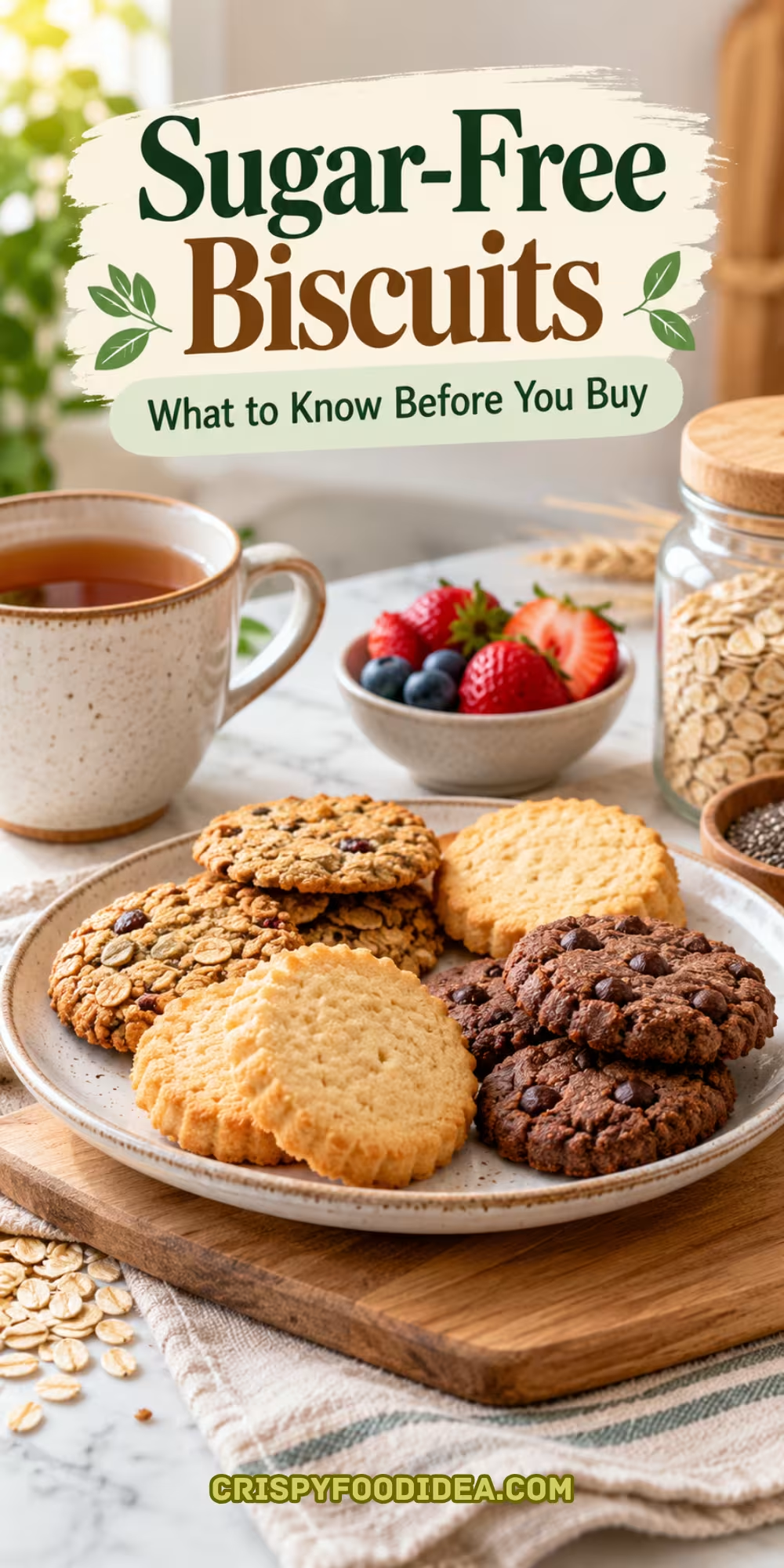
Sugar-Free Biscuits: What to Know Before You Buy
A biscuit with a cup of tea or coffee is one of the small pleasures of everyday life that many of us enjoy. But if you’re looking to cut down on your sugar intake, choosing a biscuit can be a bit tricky. The packaging may say ‘sugar-free’, ‘no added sugar’ or ‘reduced sugar’ – but these phrases don’t always mean the same thing. I am here to guide you on sugar-free biscuits.
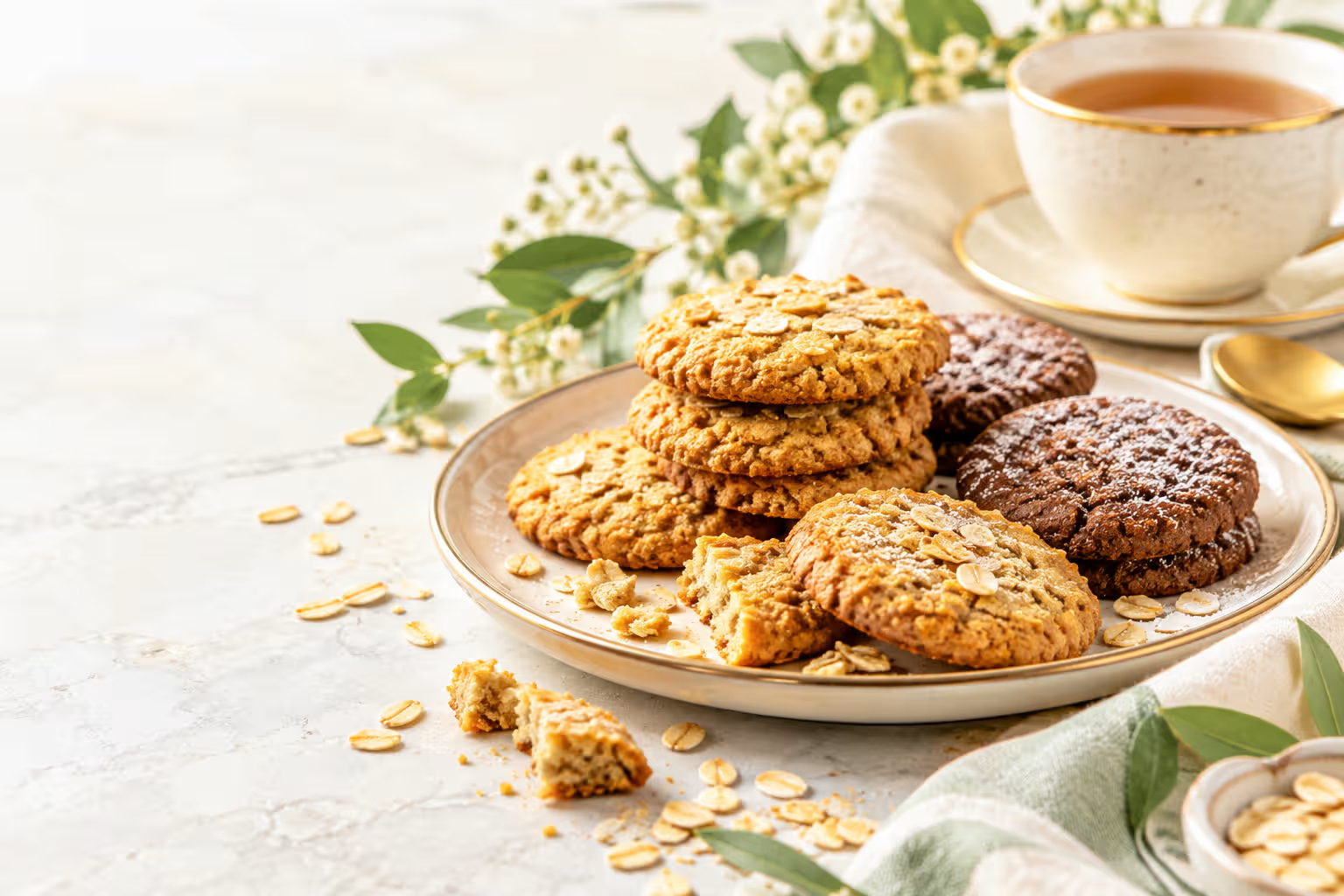
The good news is that you don’t have to rely solely on the label when buying snacks or food. Instead, you can make more informed choices by looking at the ingredients list, comparing nutritional information, and understanding what sweeteners are used.
Read this article and this guide I wrote with patience; I promise you will get much more than you ask for.
Sugar-free doesn’t automatically mean calorie-free, carbohydrate-free, or healthier in every respect. Compare the full nutrition label, ingredient list, and serving size before deciding which biscuit is right for you.
Related: Sugar-Free Desserts
What Are Sugar-Free Biscuits?
Sugar-free biscuits are biscuits that are manufactured to meet the conditions for a sugar-free nutritional claim. Depending on the recipe, manufacturers may use high-intensity sweeteners or sugar substitutes to provide a sweet taste rather than relying on conventional sugar.
In the UK, any solid food that claims to be sugar-free cannot normally contain more than 0.5g of sugar per 100g. This is a specific nutritional claim, not just a description that means the product is less sweet to eat.
What ingredients might they contain?
Depending on the manufacturing method, sugar-free biscuits may contain flour, oats, fat, cocoa, flavorings, and sweeteners such as steviol glycosides, sucralose, or erythritol. Not all products use the same ingredients, and some products may not contain any additional sweeteners at all.
These ingredients can affect the taste, texture, calorie, and carbohydrate content of a biscuit. That’s why it’s more beneficial to look at the full ingredient list and nutritional information than to rely on a single claim on the front of the package.
It is also important to distinguish sugar-free biscuits from low-sugar biscuits and biscuits with no added sugar. These descriptions have different meanings. Low-sugar products can still contain a significant amount of sugar, while products with no added sugar may naturally contain sugar.
Reference: UK nutrition and health claims requirements .
Related: Healthy Sweet Snacks
Sugar-Free vs. Reduced-Sugar Biscuits
Don’t get caught up in the terminology as I did. These two descriptions may sound similar, but they tell you different things about a biscuit. A sugar-free product has to have a certain amount of sugar, while a low-sugar product is compared to another similar option. Neither of these terms tells you everything about calories, fat, fiber, or total carbohydrates.
| Label claim | What it means | What to check |
|---|---|---|
| Sugar-free | In the UK, no more than 0.5 g of sugars per 100 g for solid foods. | Check calories, carbohydrates, fat, and serving size. |
| Reduced sugar | Generally requires at least 30% less sugar than a comparable product, subject to the applicable nutrition-claim conditions. | Compare the sugar figures and the stated comparison with the original or similar biscuit. |
| No added sugar | Sugars or other ingredients used for their sweetening properties have not been added, under the applicable rules. Naturally occurring sugars may still be present. | Read the ingredient list and the total sugars shown in the nutrition information. |
Which one should you choose?
Start with your own priorities. If you want to cut back on sugar, compare the amount per 100 grams and then see how much you actually eat. If you’re also watching calories, saturated fat, or carbohydrates, compare those numbers as well.
Remember: Even reduced-sugar cookies can have more sugar than you expect, and sugar-free cookies don’t necessarily mean they’re low in calories.
Further reading: UK government guidance on nutrition and health claims .
Related: Low Calorie Snack Recipes
Why Do People Choose Sugar-Free Biscuits?
People choose sugar-free biscuits for a variety of reasons. Some want to reduce their sugar intake, while others prefer alternative sweeteners or want more options when shopping for their daily snack. The right option depends on what is most important to you and how the biscuit fits into your overall diet.
To Be More Mindful of Sugar Intake
Biscuits, cakes, sweet drinks, sauces and other foods can add to your daily sugar intake. Choosing a suitable sugar-free biscuit instead of a high-sugar alternative can help reduce one source of sugar, but this depends on the products being compared.
To Keep a Familiar Tea-Time Treat
For many, biscuits are part of a familiar daily routine: with morning coffee, during an afternoon tea break, or as a light snack shared with friends. For those who want to change up their usual breakfast without giving up this tradition, sugar-free biscuits can be another option.
To Explore Different Flavours
From oat and vanilla biscuits to cocoa-flavored or cinnamon-spiced varieties, there is a wide variety of textures and flavors to explore. The ingredients and preparation method of the sweetener can affect the crunchiness, browning, and aftertaste of the biscuits, so they can look the same but taste quite different.
To Compare Options for Personal Needs
Some shoppers look for products that fit a specific diet or ingredient preference. However, sugar-free does not mean it is gluten-free, dairy-free, vegan, low-carb, or suitable for everyone with diabetes. Always read the full label.
A helpful way to shop
Start with your main priority, then compare the sugar content, serving size, calories, total carbohydrates, saturated fat, fibre, ingredients, and price. A product’s overall nutritional profile matters more than any single claim on the package.
Related: Keto Peanut Butter Balls
Are Sugar-Free Biscuits Healthier Than Regular Biscuits?
In some cases, of course—since it doesn’t contain any sugar, it’s less harmful to your health. If your goal is to reduce your sugar intake, sugar-free biscuits can be a viable option, but they’re not automatically healthier than regular biscuits. Their nutritional value depends on the ingredients, how much you’re eating, and what you’re comparing them to.
For example, removing sugar from a biscuit doesn’t mean that it also removes flour, butter, vegetable oil, starch, or other ingredients that add calories and carbohydrates. Some sugar-free varieties may also contain sweeteners that affect their taste and texture.
The most important thing to remember
A ‘sugar-free’ label gives you some information about the sugar content of the product, in accordance with applicable labeling rules. It does not, by itself, tell you whether the biscuit is low in calories, high in fiber, or more suitable for your personal diet.
What Should You Compare on the Nutrition Label?
Instead of comparing products by their front-of-pack claims, look at the nutrition information and ingredient list together. The following table explains what each measure can tell you.
| What to compare | Why it matters | What to look for |
|---|---|---|
| Total sugars | Shows how much sugar the product contains according to the nutrition label. | Compare products using the same weight basis, such as per 100 g where available. |
| Calories or energy | Sugar-free biscuits can still provide substantial energy from fats, flour, and other ingredients. | Compare energy per 100 g and consider the portion you actually eat. |
| Total carbohydrates | Flour, oats, starches, and some sweetening ingredients can contribute carbohydrates even when sugars are low. | Check the carbohydrate figure if you monitor your carbohydrate intake. |
| Saturated fat | Butter, palm oil, and other fats can influence the saturated-fat content. | Compare the amount alongside the overall nutritional profile. |
| Fibre | Wholegrain flour and oats may contribute fibre, depending on the formulation. | Compare the listed fibre content rather than assuming every oat biscuit is high in fibre. |
| Serving size | The amount eaten determines how much energy, sugar, and other nutrients you consume. | Check how many biscuits make up the stated serving. |
Can Sugar-Free Biscuits Fit Into a Balanced Diet?
Yes. Many people can enjoy biscuits as an occasional snack while following a balanced eating pattern. The key is to choose products that suit their preferences and nutritional needs, rather than treating a sugar-free claim as a guarantee of good nutrition.
Whether you’re choosing biscuits for a child, comparing products for weight management, or following a specific diet, consider the full nutritional profile and portion size. You may also want to compare biscuits with other snack options that suit your needs, such as fresh fruit, plain yogurt, or unsalted nuts.
Your Quick Biscuit-Buying Checklist
- Compare total sugars using the same weight basis.
- Check calories or energy per 100 g and per serving.
- Review total carbohydrates and saturated fat.
- Look for fibre information and relevant ingredients.
- Check allergens and any sweetener-related warnings.
- Choose a portion that fits your usual eating pattern.
Nutrition labels and permitted claims differ between countries. Use the information printed on the product sold in your market, and seek individual advice from a qualified healthcare professional if you need help managing a medical condition through your diet.
Related: High Protein Snack Recipes
Sweeteners Used in Sugar-Free Biscuits
Sweeteners help give many sugar-free cookies their familiar sweet taste, but different sweeteners work differently in baking. Some ingredients add very little sweetness, while others can increase the volume of the cookie and affect its texture. Manufacturers may also combine multiple sweeteners to achieve a specific taste and consistency.
Understanding the names on the ingredient list can help you compare products with more confidence. Here are some common sweeteners that you may find, depending on the product and your market regulations.
Steviol Glycosides (Stevia)
Steviol glycosides are high-intensity sweeteners derived from the stevia plant. They provide sweetness in small quantities and may be used in biscuits alongside other ingredients that provide bulk and structure.
What to know: Depending on the ingredients and personal taste preferences, some people experience a lingering or slightly bitter taste.
Erythritol
Erythritol is a polyol, commonly called a sugar alcohol. It can provide sweetness and bulk in certain biscuit recipes. It may also create a cooling sensation in the mouth.
What to know: Tolerance varies from person to person. In sensitive individuals, consuming large amounts of some polyols may cause flatulence or other digestive discomfort.
Sucralose
Sucralose is a high-intensity sweetener used in a variety of foods. Because it provides a small amount of sweetness, a cookie recipe may require other ingredients to provide the amount of sugar and texture.
What to know: Check the full ingredient list, as the calorie, texture, and carbohydrate content of the final product depends on the entire preparation method.
Maltitol and Other Sugar Alcohols
Depending on the market and product, you may also see maltitol, sorbitol, or other polyols in sugar-free confectionery and biscuits. They can contribute sweetness and bulk, but their nutritional properties are not identical.
What to know: Some polyols can cause digestive symptoms when consumed in larger amounts. Read any product-specific warnings and consider your personal tolerance.
Why sugar-free biscuits can taste different
Sugar does more than sweeten a conventional biscuit. It can influence browning, spread, crispness, moisture, and flavour. When manufacturers replace it, they may need to adjust the recipe with different sweeteners, fibres, starches, or fats.
If you are trying a new sugar-free biscuit, start with a small pack before buying in bulk. Taste, texture, and aftertaste can vary significantly between brands.
How to check sweeteners on the ingredient label
Look beyond the product name and read the full ingredient list. Depending on local labelling rules, sweeteners may be listed by their common names, specific names, or additive identifiers. If you have a food allergy, intolerance, or another dietary concern, check the complete label and any relevant warnings.
For general background on sweeteners, consult the World Health Organization’s healthy-diet guidance and the relevant food-safety authority in your country. Regulatory approval and permitted uses can differ by market.
Related: 5-Minutes Snack Recipes
How to Read a Biscuit Nutrition Label
The front of a biscuit packet might highlight phrases such as “sugar-free,” “no added sugar,” or “high fibre.” These claims can be useful, but they don’t tell the whole story. To compare sugar-free biscuits properly, turn the packet over and review the nutrition information and ingredients.
Here is a simple method you can use when shopping for biscuits in different countries.
Check the serving size
Find out how much food the nutrition panel describes. A serving might be one biscuit, two biscuits, or a stated weight. If you eat more than that amount, your actual intake will be higher than the serving figures.
Compare total sugars
Look at the total sugars figure and compare products using the same quantity wherever possible. Remember that “sugar-free” and “no added sugar” have different meanings, and the rules for permitted claims vary by market.
Look at calories or energy
Removing or reducing sugar does not necessarily make biscuits lower in calories. Fats, flour, and other ingredients can still contribute substantial energy. Compare the energy information as well as the sugar figure.
Review carbohydrates and fibre
Flour, oats, starches, and other ingredients may contribute carbohydrates even when sugar content is low. Fibre can also vary considerably between products, so check the actual figures rather than assuming a biscuit is high in fibre because it contains oats.
Read the ingredient list and allergen information
Check which sweeteners, flours, fats, and other ingredients are used. Look for allergens relevant to you, and review any warnings relating to sweeteners or polyols. Ingredient names and allergen declarations can differ between countries.
Example: Comparing Two Hypothetical Biscuits
Imagine two products with the following illustrative values per 100 g. These numbers are invented for demonstration and are not the nutrition information for any real product.
| Nutrient | Biscuit A | Biscuit B |
|---|---|---|
| Total sugars | 0.4 g | 4 g |
| Energy | 450 kcal | 420 kcal |
| Total carbohydrates | 65 g | 62 g |
| Fibre | 3 g | 6 g |
| Saturated fat | 12 g | 7 g |
What does this example tell us? Biscuit A has less sugar, but it also has more energy and saturated fat and less fibre than Biscuit B. If reducing sugar is your main priority, A may be worth considering. If you are comparing the overall nutrition profile, B has advantages in some of the other measures.
Neither product is automatically the best choice for everyone. The right comparison depends on your dietary priorities, portion size, and individual needs.
A note for international shoppers
Nutrition panels are not identical worldwide. Some markets prominently show information per serving, while others provide or require information per 100 g or 100 ml. Use a consistent comparison basis and follow the local label when checking a product’s claims.
For country-specific guidance, consult the US FDA’s Nutrition Facts Label guidance, Health Canada’s food-label guidance, and the relevant food-labelling authority in your market.
Related: Late Night Snacks
Are Sugar-Free Biscuits Suitable for People with Diabetes?
Sugar-free biscuits can be an option for diabetics, but the word “sugar-free” alone doesn’t tell the whole story about their nutritional value. These biscuits can also contain starch, flour, other carbohydrates, and calories, which are important when planning meals and snacks. The right choice depends on the type of product, the quantity, and the individual’s dietary needs.
Check total carbohydrates, not just sugar
A biscuit can contain very little sugar while still providing a substantial amount of total carbohydrates. Since carbohydrates can affect blood glucose levels, check the nutrition label and consider how the portion fits into your usual eating plan.
1. Read the Nutrition Information
Look at total carbohydrates per serving, sugars, fibre, and calories. Check the serving size carefully, because the amount you actually eat may differ from the amount shown on the package.
2. Understand the Sweetener
Some sugar-free biscuits use sweeteners such as stevia, sucralose, erythritol, or maltitol. Their nutritional properties differ, so check the ingredient list and nutrition panel rather than assuming all sweeteners have the same effect.
3. Pay Attention to Portion Size
It’s easy to eat a few biscuits while having tea or coffee. Measure or count your servings if necessary and consider the carbohydrate content of the entire serving rather than judging the biscuits by the sugar content alone.
4. Consider the Whole Snack
Think about what you’re eating with the biscuits and how that snack fits into your overall eating plan. Personal preference, hunger, physical activity, medications, and your body’s response to glucose—all of these factors can determine what’s right for you.
What Should You Look for When Buying Sugar-Free Biscuits?
- A clearly displayed nutrition label with a stated serving size.
- Total carbohydrate information that fits your individual eating plan.
- An ingredient list you understand and can tolerate.
- A portion that suits your appetite and dietary goals.
- Reliable product information rather than health claims on the front of the package alone.
Can sugar-free biscuits help manage blood sugar?
Replacing a high-sugar cookie with a suitable alternative may reduce the amount of sugar you consume from that food, but it is not guaranteed to lower blood glucose levels or help you better control your diabetes. The total carbohydrate content and the amount consumed are still important. If you are unsure about which products are right for you, speak to your diabetes care team or a registered dietitian for personal advice.
Important: This information is for general education and is not a substitute for individual medical advice. People with diabetes have different nutritional needs, and no single biscuit is right for everyone.
Ways to Enjoy Sugar-Free Biscuits
There are many ways to enjoy sugar-free biscuits beyond just eating them straight from the packet. Whether you prefer a quiet tea break, a light afternoon snack, or a simple dessert, a few simple additions can make these biscuits that little bit more special.
1. Serve Them with Tea or Coffee
Serve crunchy sugar-free biscuits with black tea, green tea, or coffee for an easy and enjoyable teatime treat. Choose a flavor that pairs well with your drink, such as oat biscuits with tea or cocoa-flavored biscuits with coffee. Also, check the ingredients in your drink to see if they contain added sugar.
2. Add Fresh Fruit
Serve a small amount of biscuits with sliced strawberries, apples, pears, or any other fruit of your choice. Fruit adds a refreshing and different flavor to the snack. Remember that whole fruit naturally contains sugars and carbohydrates, which can be important in some diets.
3. Make a Yogurt Biscuit Bowl
Crumble one or two biscuits over plain yogurt and sprinkle with fresh berries or a pinch of cinnamon. Choose your yogurt according to your preference and check the label if you want to monitor the amount of added sugar or total carbohydrates.
4. Create a Simple Dessert Layer
Use crushed sugar-free biscuits as a crunchy layer in a yogurt parfait or chilled dessert glass. Top with fruit and a spoonful of plain yogurt or any other filling of your choice. The nutritional value of the resulting dessert will depend on each ingredient used.
5. Pair Them with a Spread
For a different flavor and texture, try spreading a thin layer of nut butter or a suitable seed butter on plain biscuits. Check the ingredients list of the spread, especially if you have any food allergies or are comparing calories and saturated fat.
6. Pack Them for an On-the-Go Snack
Keep a portion in a small reusable container for a work break, travel day, or lunchbox. Store the biscuits according to the package instructions to help preserve their texture, and choose a pack size that makes portioning convenient.
How to Make Your Biscuit Snack More Satisfying
Think balance, not just sweetness. Depending on your needs, eating biscuits with plain yogurt, fresh fruit, or a small amount of nut or seed butter can add variety and other nutrients to your meal. There’s no need to turn every snack into a recipe—sometimes a biscuit or two with your favorite hot drink is enough.
Keep in mind: Pairings and toppings also contribute calories, sugars, and carbohydrates. If you follow a specific eating plan, consider the whole snack rather than the biscuits alone.
Frequently Asked Questions About Sugar-Free Biscuits
1. What are sugar-free biscuits made of?
Sugar-free biscuits may contain flour, oats, fats or oils, flavourings, and sweeteners such as stevia, sucralose, erythritol, or maltitol. Ingredients vary by brand and recipe, so check the packaging for the exact ingredients and allergen information.
2. Are sugar-free biscuits completely free of sugar?
Not necessarily in every market or for every product. The meaning and permitted use of a “sugar-free” claim depend on local food-labelling rules. Read the nutrition panel to check the listed sugars per serving or per 100 g, and remember that trace amounts may be permitted under some regulations.
3. What is the difference between sugar-free and no-added-sugar biscuits?
“Sugar-free” and “no added sugar” are different claims. A no-added-sugar product may still contain naturally occurring sugars from ingredients, while a sugar-free claim is subject to specific limits under the relevant country’s rules. Always check the label rather than treating the terms as interchangeable.
4. Do sugar-free biscuits contain carbohydrates?
Yes, many do. Ingredients such as wheat flour, oats, starches, and some sweeteners can contribute carbohydrates even when a biscuit contains very little sugar. Check total carbohydrates on the nutrition label, especially if you are monitoring carbohydrate intake.
5. Are sugar-free biscuits suitable for people with diabetes?
They may fit into some people’s eating plans, but suitability depends on the product, portion size, and individual needs. Check total carbohydrates and serving size instead of relying on the sugar-free claim alone. A healthcare professional or registered dietitian can help with personalised advice.
6. Are sugar-free biscuits good for weight management?
Not automatically. Sugar-free biscuits can still contain calories from flour, fats, and other ingredients. If you are managing your weight, compare serving sizes, calories, fibre, and the overall nutritional profile, and choose portions that fit your usual eating pattern.
7. Can sugar-free biscuits cause bloating or digestive discomfort?
Some products contain sugar alcohols, such as maltitol or erythritol. These can cause gas, bloating, or other digestive symptoms in some people, particularly when consumed in larger quantities. Check the ingredients and pay attention to how your body responds.
8. Are sugar-free biscuits healthier than regular biscuits?
It depends on the specific products being compared. Sugar-free biscuits may contain less sugar, but they are not necessarily lower in calories, saturated fat, or total carbohydrates. Compare the full nutrition labels and choose according to your priorities.
9. Can I eat sugar-free biscuits with tea or coffee?
Yes, they can be enjoyed with tea or coffee as an everyday snack. Choose a portion that suits you and consider what you add to your drink, such as sugar, flavoured syrups, or creamers, if you are keeping track of your overall intake.
10. How should sugar-free biscuits be stored?
Follow the manufacturer’s storage instructions. Most shelf-stable biscuits keep best in a cool, dry place in a tightly sealed container after opening. Check the package for the best-before date and any special instructions.
11. Are sugar-free biscuits suitable for a gluten-free or vegan diet?
Some products may suit these diets, but sugar-free does not mean gluten-free or vegan. Check for wheat and other gluten-containing ingredients, milk, eggs, honey, and other ingredients relevant to your dietary requirements. Look for suitable certification where needed.
12. What should I check before buying sugar-free biscuits?
Compare sugars, total carbohydrates, calories, saturated fat, fibre, serving size, sweeteners, and allergens. Also consider flavour, texture, price, and local labelling requirements. The best choice is one that fits your preferences and dietary needs rather than one selected solely because its front label says “sugar-free.”
If you like this article about Guide: Sugar Free Biscuits, please share this with your friends on Facebook and Pinterest. Also, subscribe to my blog to get all the latest content first on your mobile.